
Last updated November 17, 2026
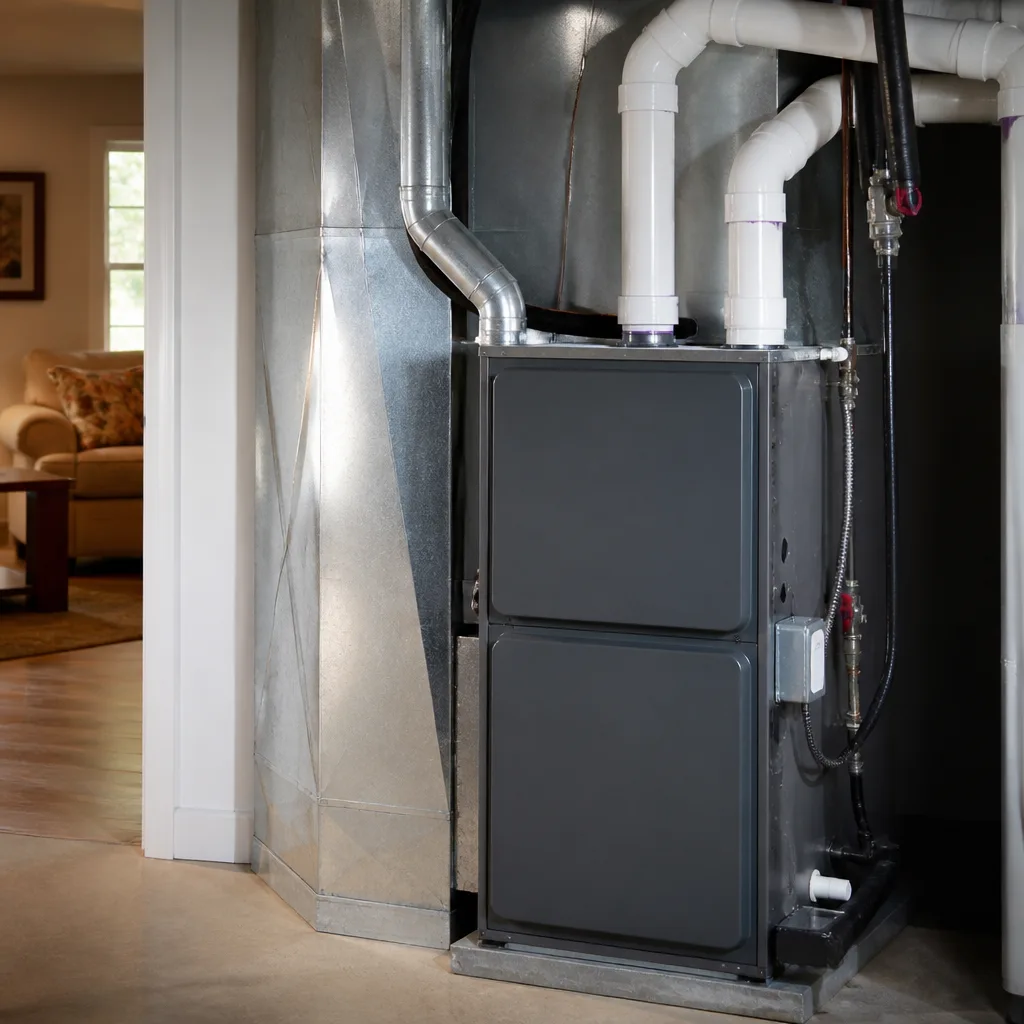 Furnace & heating
 AC repair
 Heat pumps
 Ductless mini splits
 Carrier
 Trane
 Goodman
Seasonal tune-up and full diagnostic on your Carrier, Trane, or Goodman system - readings shown to you before any repair is proposed
Diagnosis first, numbers second - you approve the repair price before a single part goes in.
Get your free estimateHeating & Furnace Maintenance Schedule: What to Do and When
In Summerlin, there is roughly a six-week stretch in October and November when the temperature is comfortable, the HVAC crews aren’t buried in calls yet, and your furnace hasn’t been asked to do anything since last spring. That window is when furnace maintenance should happen. Miss it, and you’re either fighting every other homeowner for a technician’s time in the first cold snap or you’re paying emergency rates to service a system that’s already running – or, worse, already failed. This guide lays out the heating and furnace maintenance calendar we use in Summerlin, the pre-season checklist you can run yourself before we arrive, and the specific items that separate real maintenance from a quick look-and-go.
Quick Answer
Furnace maintenance should happen every fall, in the October-to-November window before heating season starts, and it should include a filter change, a full combustion analysis, heat exchanger inspection, burner cleaning, and a written checklist of what was tested and what was found. One thorough annual visit is enough for most Summerlin homes, but the timing matters more than most people realize. The homes that skip the fall window are the ones we see in January paying emergency rates for problems a pre-season tune-up would have caught.
Styles & brands we work with
- AC repair
- Furnace & heating
- Heat pumps
- Ductless mini splits
- Carrier
- Trane
- Goodman
Table of Contents
- Why the October-November Window Matters in Summerlin
- Your Pre-Season Checklist: What to Do Before the Technician Arrives
- Furnace Filters in Summerlin: Why Winter Is Different
- Combustion Analysis: What It Is and How to Confirm It Was Done
- Protecting the Heat Exchanger: The Most Expensive Part in Your Furnace
- What “Annual Maintenance” Should Include: The Written Checklist
- The Full-Year Schedule: A Month-by-Month View
- Common Mistakes to Avoid
- When to Call a Professional
- Frequently Asked Questions
Why the October-November Window Matters in Summerlin
Summerlin sits at the edge of the Mojave, and that shapes everything about how heating systems get used here. Summer runs long – triple digits into late September some years – and the first real cold snap can arrive fast. Most furnaces in Summerlin sit idle from roughly April to October. That’s six months of dust settling on burners, of seals drying out, of a system nobody has looked at since spring.
The October-November window is the only stretch of the year when three things line up at once: temperatures are mild enough that your furnace isn’t needed yet, HVAC companies aren’t yet drowning in no-heat calls, and there’s still time to order a part if yours needs one. Schedule maintenance in that window and a small problem gets fixed at a normal price. Skip it and call in January, and you end up on a wait list and paying after-hours pricing.
Here’s what we’ve seen in Summerlin, and it’s consistent enough to plan around:
- October: The sweet spot. The most availability, the fastest scheduling, and enough lead time to address anything found during the visit.
- November: Still workable, but demand starts climbing and appointment slots tighten.
- December through February: Peak heating season. Emergency rates, longer wait times, and a system already under strain when it gets inspected.
Summerlin’s winters aren’t severe by national standards, but nights drop into the thirties regularly, and homes in elevated parts of the community like The Ridges and Red Rock Country Club can get cold enough that a furnace failure is a genuine comfort emergency. That’s why timing beats intensity. One solid fall visit beats any amount of last-minute scrambling.
Your Pre-Season Checklist: What to Do Before the Technician Arrives
You can make your annual service visit count for more by preparing before the technician arrives. A few minutes of your own work lets a trained technician spend their time on the parts that actually matter – combustion, the heat exchanger, the blower – instead of moving boxes or shutting off a breaker. Here’s what to do the week before your appointment, ideally in October.
- Clear the area around the furnace. Pull out storage boxes, holiday bins, and anything else stacked near the unit. A technician needs a clear workspace, and a furnace buried in stored items is a fire risk whether we’re there or not.
- Locate and test the shut-off switch and gas valve. Know where your emergency shut-off is before you need it. Don’t disassemble anything – just confirm you know where it is and that it moves freely.
- Change or check the filter first. If the filter is visibly grey and clogged, swap it before your appointment. That way the technician starts on a clean system and can tell you what interval your home actually needs.
- Write down what the system did last winter. Unusual noises, a short cycling pattern, rooms that never got warm, odd smells – anything. Your notes tell the technician where to look first.
- Gather any filter specs or model numbers. If you know your furnace’s brand and model – Bryant and Carrier are both common in Summerlin homes – have it ready. It helps the technician plan the work.
- Check the thermostat. Swap batteries if it takes them, confirm the display works, and note whether your set schedule still matches your habits.
None of this is maintenance in itself; it’s preparation. But it’s the difference between a visit that runs an hour and a visit that turns into two appointments.
Furnace Filters in Summerlin: Why Winter Is Different
The standard advice is to change your filter every 90 days regardless of season. In Summerlin and much of the surrounding area, that advice breaks down in winter. Here’s why, and how to adjust.
In summer, your system is running cooling, and the air handler runs continuously through the hottest hours. That constant circulation seems like it would mean faster filter loading, and it does. But winter dust loading in a ducted heating system tends to be heavier over a shorter run time because of how the system starts and stops. Each heating cycle kicks up settled dust and pushes it through the filter, and in December and January, when the system is cycling on and off frequently at night rather than running steady all day, that dust hits the filter in concentrated bursts. Homes with forced-air heating and any ductwork in a garage or unconditioned crawl space see even more of it, because the ducts themselves collect and release dust.
We also hear one seasonal effect repeatedly in Summerlin: winds whipping off the open desert to the west, especially early in winter. Those winds drive dust into return intakes through open doors and windows during the transition weeks. Filter change intervals need to reflect that.
Our guidance for most Summerlin homes:
- Standard 1-inch filters: check monthly in winter, replace every 30-45 days.
- Thicker 4-inch or media filters: check every 60 days, replace at 6-12 months depending on how much dust your home sees.
- Homes with pets, open windows during transition weeks, or a desert-facing wind exposure: check on the short end of those intervals.
- Washable filters: clean monthly during winter – a dirty washable filter restricts airflow just like a clogged disposable one.
If your filter looks grey within three weeks, that’s a signal your return duct is pulling dust you’d rather not breathe. A technician can check the intake and tell you what’s going on. If filter loading is heavy and your air quality is a concern, our Fireside Heating & Air Co. Summerlin home page covers the wider air quality and ventilation options we handle across the community.
Combustion Analysis: What It Is and How to Confirm It Was Done
Combustion analysis is the single most important test a technician can run on a gas furnace, and it’s also the one most likely to get skipped when a tune-up is rushed. So it’s worth knowing what it is and how to confirm it was actually performed.
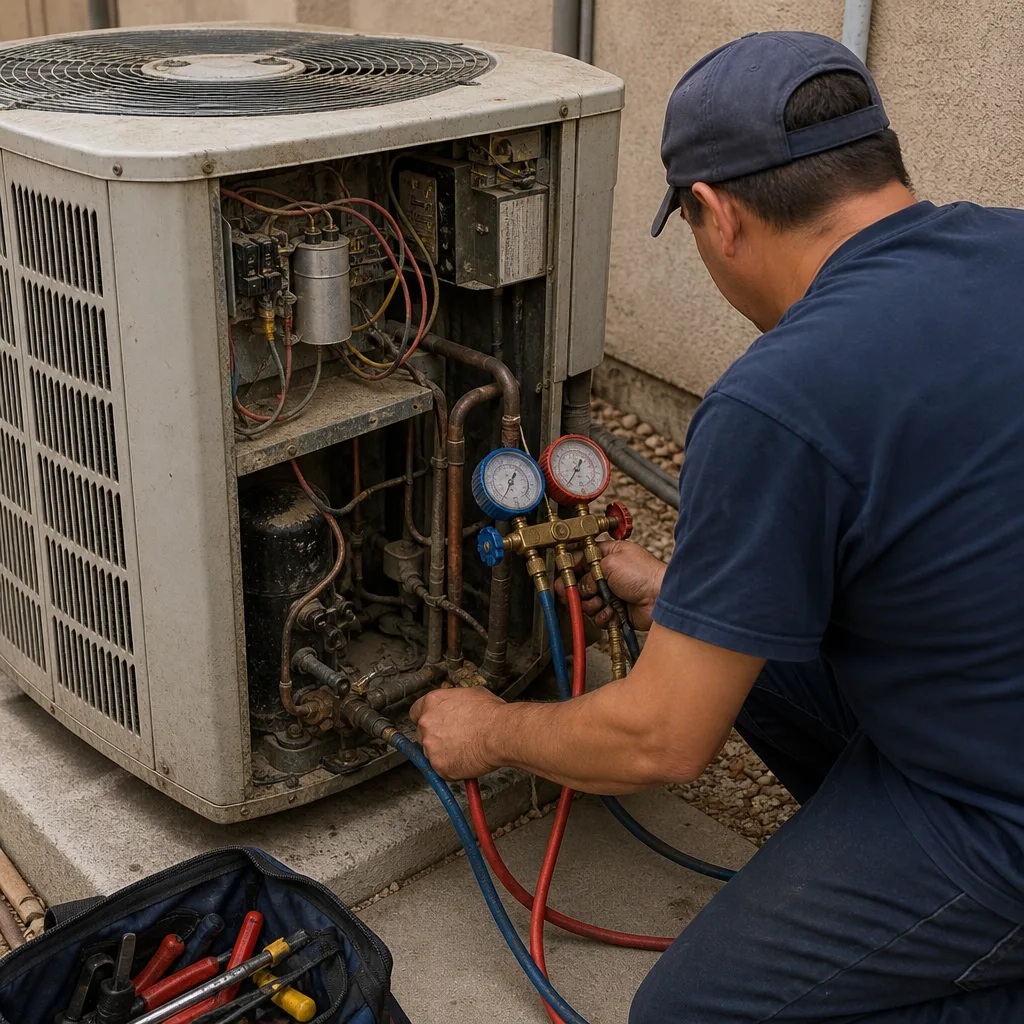
Combustion analysis uses a calibrated instrument to measure the flue gases coming out of your furnace: oxygen, carbon dioxide, carbon monoxide, and temperature. The technician compares those readings to the manufacturer’s specifications. The results tell you whether the furnace is burning fuel cleanly, whether the heat exchanger is intact, and whether there’s a carbon monoxide risk. It’s not a visual check or a listen-for-weird-noises test. It’s a measurement, and it either happened or it didn’t.
How to confirm it was done:
- Ask before the visit. When you schedule, ask specifically whether combustion analysis is included. Get a yes or no, not a vague answer.
- Look for the instrument. A combustion analyzer is a recognizable handheld device with a probe that goes into the flue. If the technician never took an instrument out of the case, the analysis wasn’t performed.
- Ask for the readings in writing. Carbon monoxide levels, combustion efficiency, and the other measurements should appear on your service report. If they don’t, ask why.
Combustion analysis exists for a reason. A properly burning furnace produces very little carbon monoxide; a furnace with a cracked heat exchanger or a blocked flue can produce dangerous amounts. That test is how the difference gets caught while it’s still a maintenance item instead of an emergency.
Protecting the Heat Exchanger: The Most Expensive Part in Your Furnace
The heat exchanger is where the burners heat the metal, and the blower pushes air across that heated metal into your home. It’s the most expensive single component in a furnace, and it’s also the hardest to inspect – it requires viewing the metal’s interior surfaces for cracks, corrosion, and separation. Replacing one can run into four figures, and it’s often not worth it if the furnace is old enough.
The maintenance tasks that extend a heat exchanger’s life are not complicated, but they need to be done on a schedule:
- Clean burners and check flame pattern. A dirty burner burns unevenly and produces more heat stress on the exchanger.
- Verify airflow. Restricted airflow from a clogged filter or a dirty blower wheel causes the exchanger to overheat. Airflow is one of the top things we test on every visit.
- Inspect the flue and venting. A blocked flue means exhaust can’t escape; that’s a carbon monoxide risk and it’s directly tied to heat exchanger health.
- Look for corrosion and soot. Both point to combustion problems that should have been caught earlier.
To verify a technician is actually inspecting the heat exchanger rather than glancing at it, ask two questions: did you remove the panels and inspect the interior surfaces, and did you run combustion analysis afterward? A real inspection produces both answers. If you want a second opinion on whether a heat exchanger replacement is truly necessary, our Heating & Furnace in Summerlin page explains how we approach that decision.
What “Annual Maintenance” Should Include: The Written Checklist
“Annual maintenance” means nothing unless it’s defined. Any contractor can say they performed maintenance. The question is what they actually did. Here’s the written checklist we hold ourselves to on every furnace tune-up, and it’s the list you can use to hold any contractor accountable.
A complete annual furnace maintenance visit should include, and document in writing:
- Filter inspection and replacement
- Burner cleaning and flame pattern verification
- Heat exchanger inspection with panels removed
- Combustion analysis with readings recorded
- Blower motor and wheel inspection
- Flue and venting inspection
- Gas pressure check
- Safety switch testing
- Thermostat calibration and battery check
- System temperature rise measurement compared to manufacturer specifications
Ask for that list in writing before the visit. If a contractor can’t show you their checklist, that’s worth knowing. The list above is also the natural home for the Heat Pump & Mini Split in Summerlin service we handle when homeowners decide to switch systems. Maintenance is the cheapest way to keep a furnace healthy, but knowing what the maintenance covers is what makes it worth doing.
The Full-Year Schedule: A Month-by-Month View
Furnace maintenance is a fall job, but a small amount of year-round attention keeps the fall visit shorter and cheaper. Here’s the schedule we suggest for a typical Summerlin home.
- September: Change the filter, note anything odd from the heating system, and schedule your October visit. Book early; October slots go fast.
- October-November: The main annual furnace maintenance visit. Change the filter again if it’s loaded and clear anything stored around the unit.
- December: Check the filter monthly. Listen for short cycling and note any rooms that aren’t heating evenly.
- January-February: Peak season. Keep the filter clean and call immediately if you smell gas, hear a loud noise, or see a flame that looks yellow instead of blue.
- March-April: Transition period. Change the filter one more time before cooling season and call if there were any heating issues you didn’t address.
- May through August: Cooling season. The furnace sits idle; the filter still needs attention if the same ducted system serves both heating and cooling. A quick check now prevents a winter surprise.
That’s the calendar. If your home runs a heat pump rather than a gas furnace, the schedule shifts slightly, because heat pumps run year-round and get their tune-ups in spring. Our AC Repair & Installation in Summerlin page covers the cooling-side work we handle, and it’s a useful reminder that the same ducted system often serves both jobs.
Common Mistakes to Avoid
- Waiting until the first cold snap. The furnace gets checked the first cold week of December, when everyone else is calling too and emergency rates apply. That’s a scheduling mistake, not a maintenance problem.
- Skipping combustion analysis. A tune-up without a combustion test is a visual inspection and nothing more. In our experience, this is the most commonly skipped step in a rushed tune-up.
- Assuming a clean-looking filter is a clean filter. A filter can look pale but be loaded on the interior side. Hold it up to light, or just replace it; filters are cheap.
- Blocking the furnace’s return air. Boxes and bins stacked around the unit restrict airflow and overheat the heat exchanger. Keep the area clear.
- Running a high-MERV filter on an older furnace. A super-high filtration rating can restrict airflow more than the furnace was designed for. Match the filter to the system, or ask before upgrading.
- Ignoring small sounds. A rattle, a hum, a click at startup – each is an early signal worth noting and mentioning at the fall visit.
- Scheduling the tune-up for a Thursday in February. Peak season means slower parts and less availability. Fall scheduling solves most of that before it starts.
When to Call a Professional
Some things are not maintenance items. Call a professional immediately if you smell gas, if the furnace won’t ignite, if you hear loud banging or scraping during a heating cycle, if the flame burns yellow rather than blue, or if you see soot or discoloration on the furnace cabinet. Those symptoms point to combustion problems, and a heating system that’s burned fuel improperly is a carbon monoxide risk, not a DIY repair. Fireside Heating & Air Co. Summerlin offers free estimates in Summerlin – call (888) 325-9387. We answer every call with a live person, 24 hours a day, and every job comes with our 90-Day Done Right Promise, backed in writing. The price quoted is the price paid, and we’ll tell you plainly whether the furnace needs service or replacement.
Frequently Asked Questions
Once a year for most gas furnaces, ideally every fall in the October-November window before the heating season begins. In Summerlin’s climate, where the furnace sits idle for roughly six months, the fall visit is the one that matters most because it catches problems before the system is asked to perform. If you notice issues in summer, an extra check is fine, but one thorough annual visit is the standard.
It should be, and any complete tune-up should include it. Combustion analysis is a measurement of your furnace’s flue gases, and it’s the primary test for carbon monoxide risk. If a technician can’t tell you whether it’s performed and give you the readings in writing, ask again or find a different contractor.
October is the best month in Summerlin, with November a close second. Temperatures are still mild, HVAC companies have the most availability, and there’s enough time to order a part if something is found. Booking in September ensures an October slot.
You can and should handle the filter change, keep the area around the furnace clear, and note any odd sounds. Everything past that – burners, the heat exchanger, combustion analysis, gas pressure – should be done by a trained technician, because those components involve gas and carbon monoxide risk. We recommend you don’t attempt those steps yourself.
A standard seasonal tune-up in Summerlin runs from a few hundred dollars depending on the system and what needs attention, and Fireside currently offers an $89 seasonal tune-up. That’s the low end of what a full visit costs; a tune-up is far cheaper than emergency pricing in January or a heat exchanger replacement. Call (888) 325-9387 for an exact quote – estimates are free.
Maintenance is scheduled and preventive, when the system is still working; repair is reactive, when something has failed. Good maintenance catches a failing part before it becomes a repair. If your system is already down, that’s a repair, and we answer calls around the clock with a live person.
See the difference
 Before
 After
 Before
 After
 Before
 After
The Bottom Line
In Summerlin, furnace maintenance is a one-window job: the six weeks between summer heat and winter cold in October and November. The full checklist – filter, burners, heat exchanger, combustion analysis, blower, venting, safety switches – is best run once, thoroughly, before the system has to perform. Skipping the window means emergency rates in January. Booking it on time means a small problem stays small. If your home uses a Bryant, Carrier, Trane, or American Standard furnace, we service all of them and every other major brand. Schedule early, ask for the written checklist, and confirm combustion analysis was performed. We’ll be there when we say.
Contact
Fireside Heating & Air Co. Summerlin is ready when you need us. Call (888) 325-9387 for a free estimate in Summerlin. Phones are answered by a live person 24 hours a day, and we currently offer $89 off a seasonal tune-up, $50 off any repair over $250, and a free second opinion on any written estimate, plus a standing senior and veteran discount. Straight talk about repair versus replace, upfront pricing, and a guarantee that’s in writing – that’s how we work.
Written by the team at Fireside Heating & Air Co. Summerlin.