
Last updated November 17, 2026
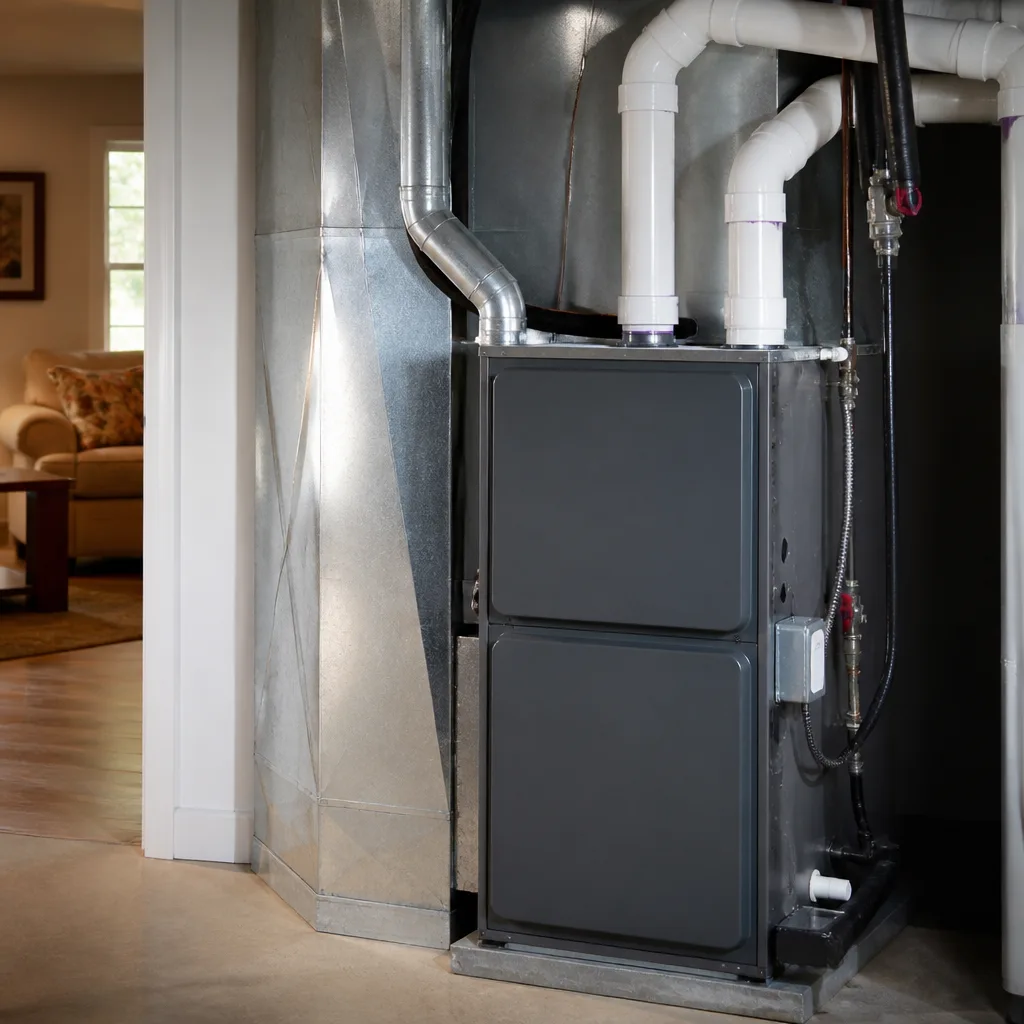 Furnace & heating
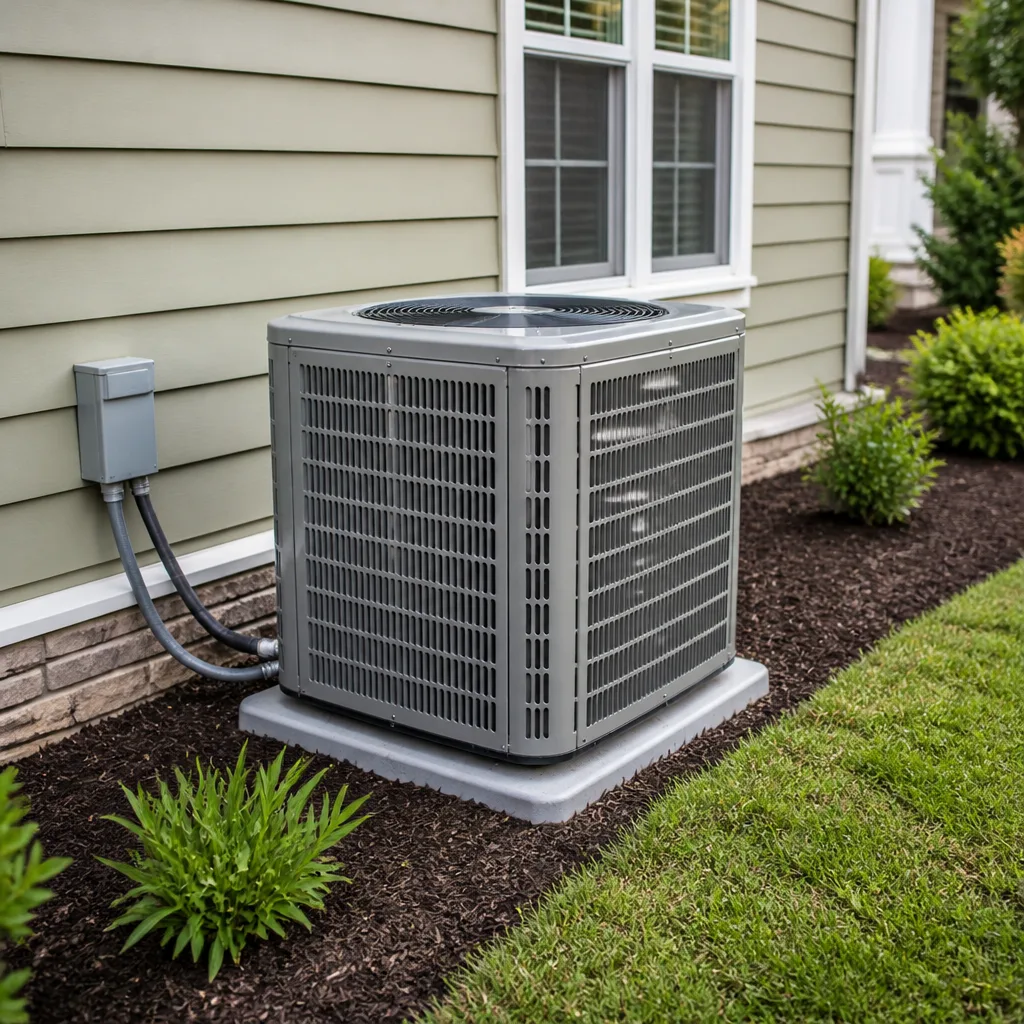 AC repair
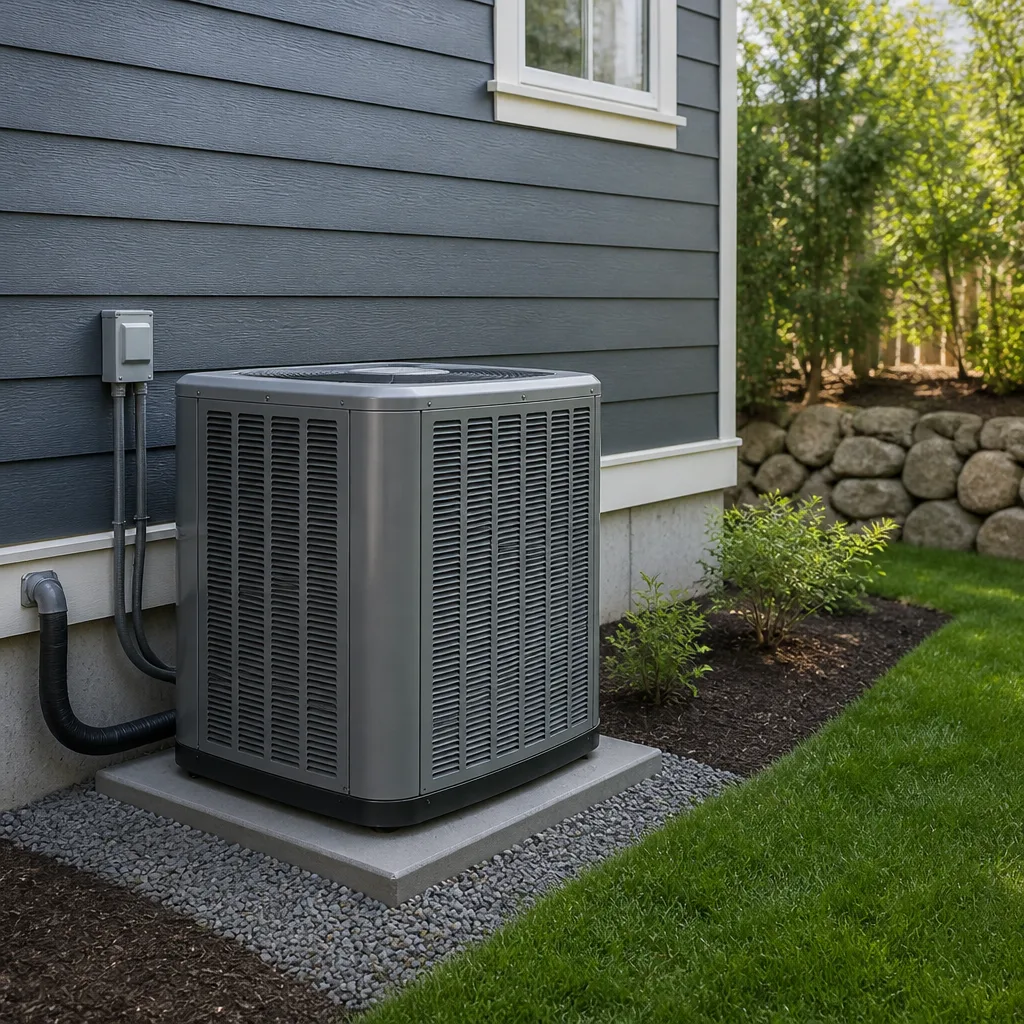 Heat pumps
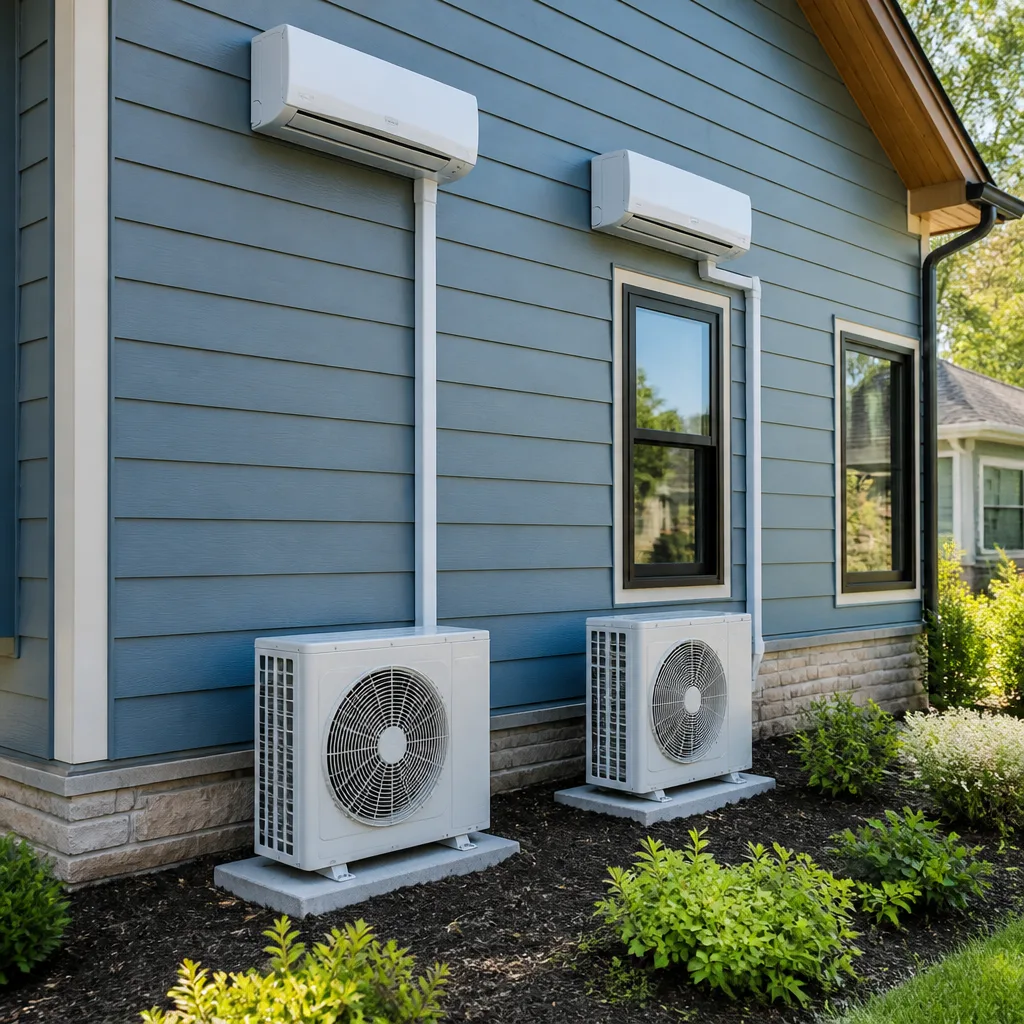 Ductless mini splits
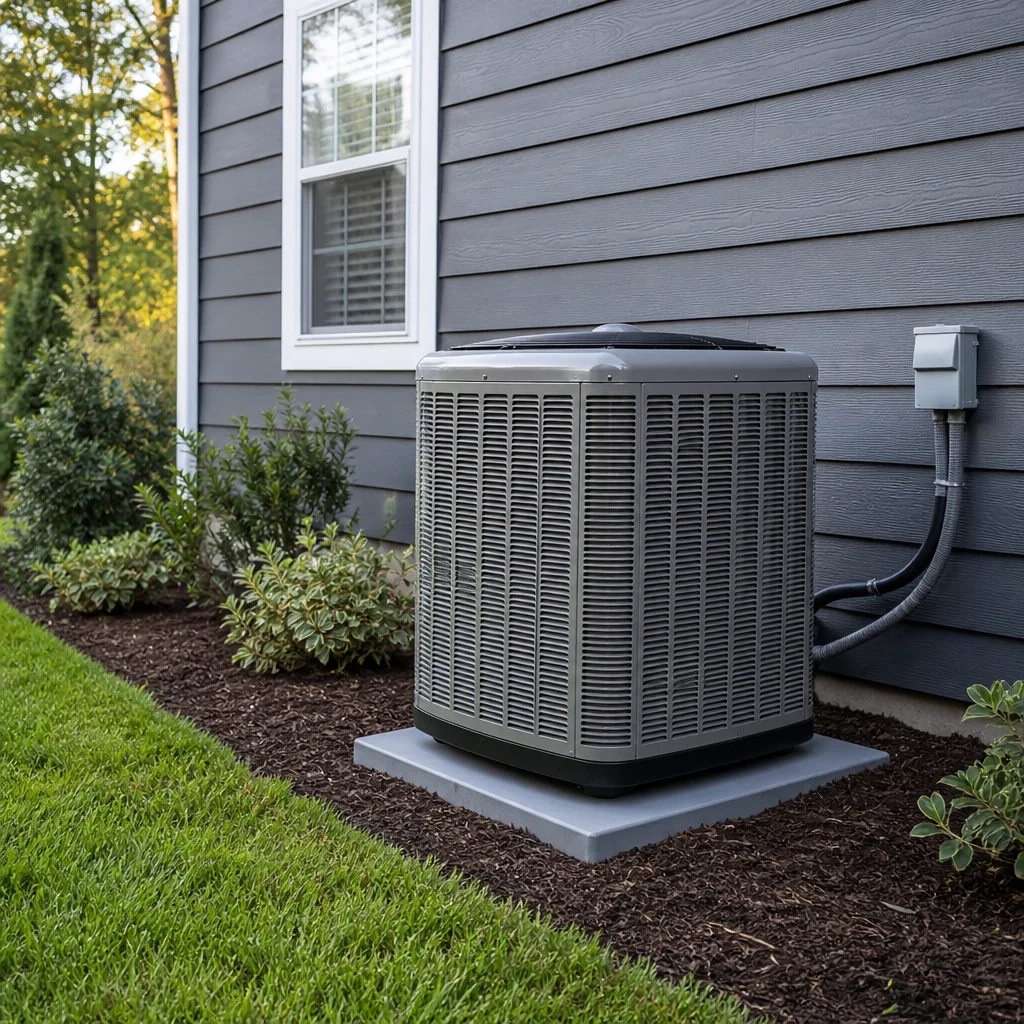 Carrier
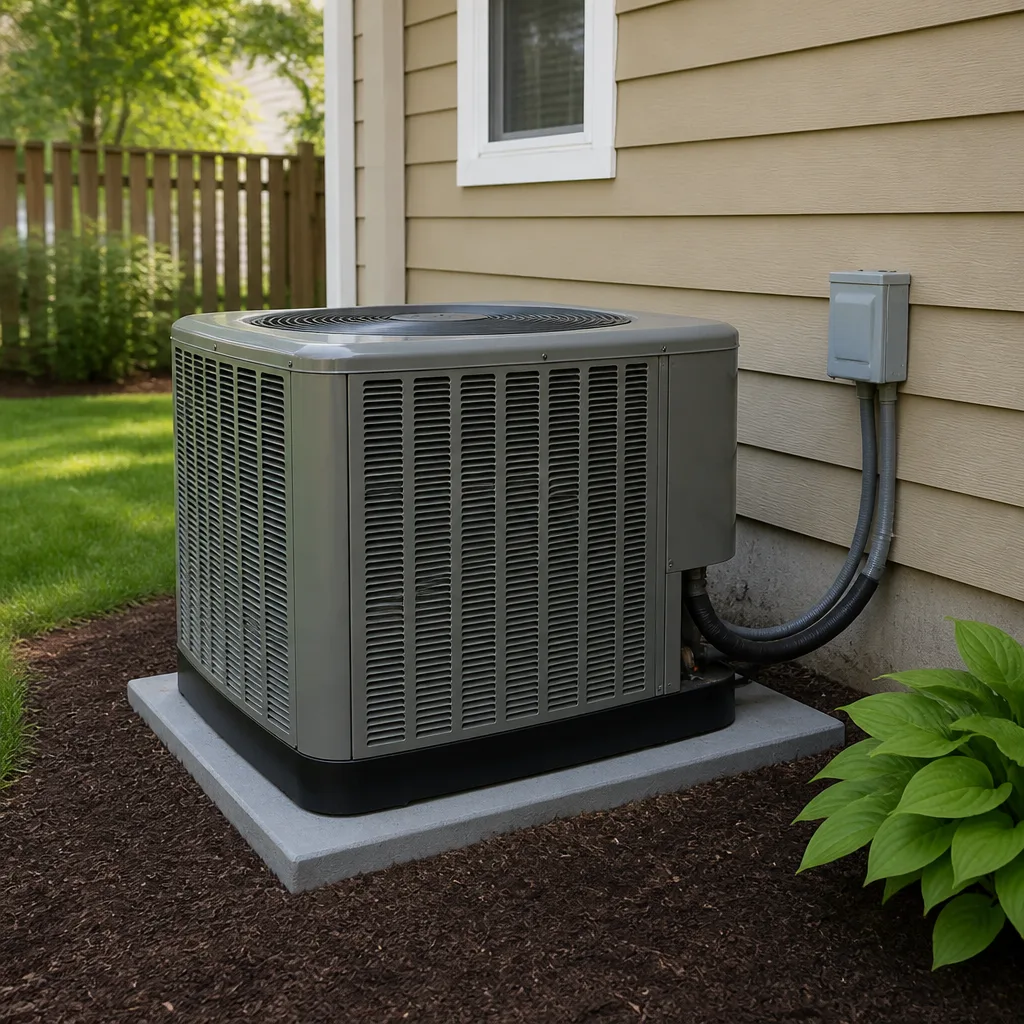 Trane
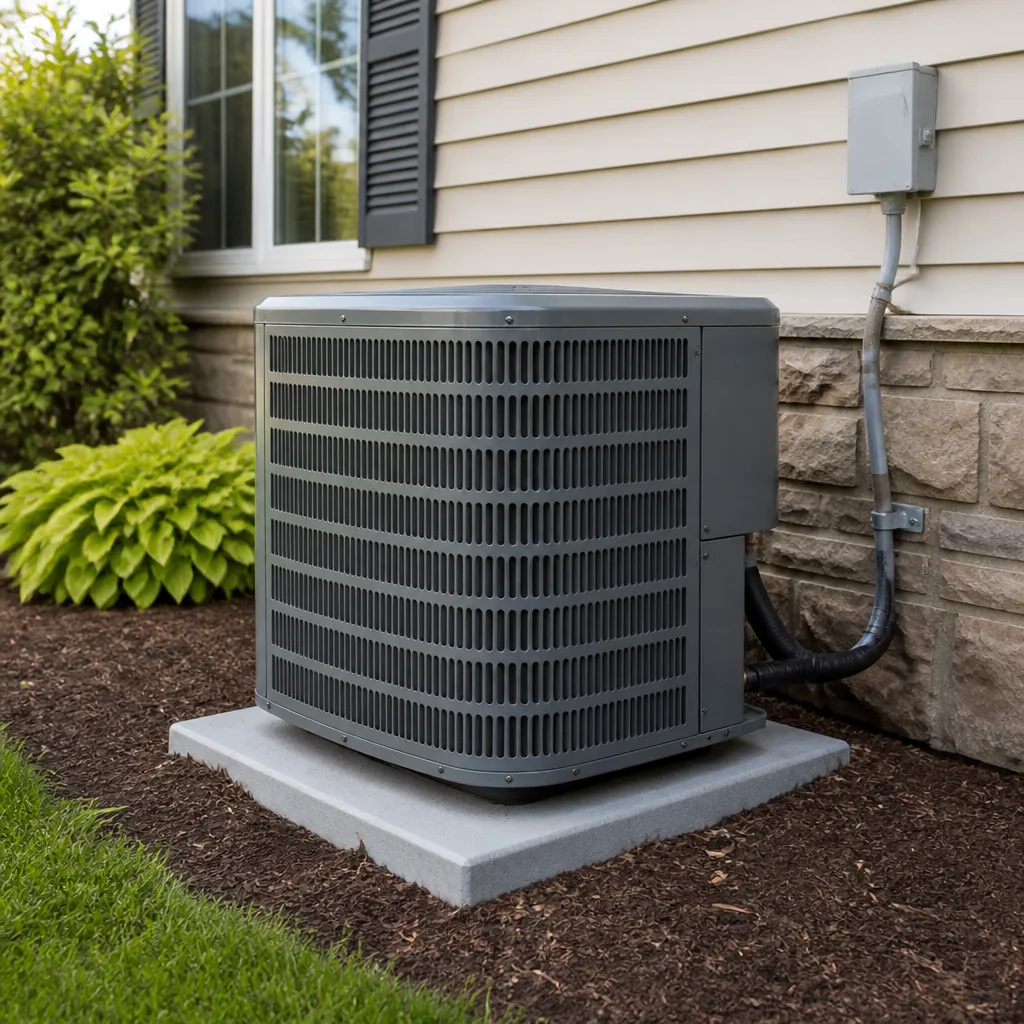 Goodman
Seasonal tune-up and full diagnostic on your Carrier, Trane, or Goodman system - readings shown to you before any repair is proposed
Diagnosis first, numbers second - you approve the repair price before a single part goes in.
Get your free estimateHeating & Furnace Troubleshooting: Common Problems and How to Fix Them
There’s a troubleshooting step for a furnace that no article should skip: if you smell sulfur or rotten eggs, stop reading and leave the house. That’s not drama. That’s the actual first step. Everything else in furnace diagnosis comes after you’ve established the system is safe to run at all. A gas furnace is the one appliance in your home that can quietly poison the air you breathe, and a misread ignition fault or a cracked heat exchanger is a carbon monoxide risk, not a minor annoyance. This guide walks through the problems Summerlin homeowners call us about most, shows you which ones you can safely investigate, and tells you plainly when to shut it down and call.
Quick Answer
Most furnace problems fall into a handful of categories: no heat at all, short cycling, a blower that runs but never warms, a pilot or igniter that won’t light, or a control board throwing an error code. Some of these you can check safely (thermostat settings, filter condition, the breaker, the gas valve position). Others, especially anything involving gas smell, a cracked heat exchanger, or repeated high-limit trips, are shut-it-off-and-call situations. When in doubt, treat it as the second kind.
Styles & brands we work with
- AC repair
- Furnace & heating
- Heat pumps
- Ductless mini splits
- Carrier
- Trane
- Goodman
Table of Contents
- The Safety Checks That Come Before Any Diagnosis
- No Heat at All: What to Check First
- How to Read Furnace Error Codes
- Short Cycling and the High-Limit Switch
- Pilot Lights and Igniters in Older Summerlin Homes
- Flame Sensor: Clean It or Replace It?
- Blower Runs but the Air Is Cold
- Filters, Airflow, and the Summerlin Dust Factor
The Safety Checks That Come Before Any Diagnosis
Before you touch a thermostat or read a single error code, confirm the system is safe to run. This is the part most troubleshooting guides skip, and it’s the part that matters most. In Summerlin, where many homes were built between 1990 and 2010, we still find original furnaces and mid-life heat exchangers in service, and those are exactly the systems where a small ignored symptom turns into a real hazard.
Run through these in order:
- Smell for gas. A sulfur or rotten-egg odor near the furnace, water heater, or gas line means get everyone out and call your gas utility from outside. Do not flip switches, do not light anything, do not investigate further.
- Check your carbon monoxide detectors. Confirm each one has a live battery and is within its service life (most are good for 5 to 7 years). If a CO alarm has sounded, treat it as a real event, ventilate the home, and call for service.
- Look at the flame color through the sight glass, if your furnace has one. A steady blue flame is normal. A yellow, flickering, or lifting flame can point to a combustion problem.
- Check the vents and flue for blockage. A bird’s nest or debris in the exhaust flue can force combustion gases back into the home.
- Note any soot, scorching, or moisture around the furnace cabinet or the heat exchanger access panel.
If any of those turn up a red flag, stop. The right answer is to shut the system off at the thermostat and the gas valve and call a professional. A cracked heat exchanger is not something you can see from the outside of the cabinet, which is why a trained technician uses a camera and combustion analysis to inspect it. That’s a job for someone with the tools and the training, not a homeowner with a flashlight.
No Heat at All: What to Check First
A furnace that won’t produce heat at all is the most common call we get in Summerlin once the first cold snap hits, usually in late November or early December when the desert swings from 75 degrees to 40 overnight. Nine times out of ten, the cause is simple and you can rule it out yourself in five minutes. The other one time, it’s a component failure that needs a technician.
Work through this list before you pick up the phone:
- Thermostat mode and setpoint. Confirm it’s set to HEAT, not COOL or FAN, and that the setpoint is at least 3 degrees above the current room temperature. A dead thermostat battery mimics a dead furnace.
- The furnace switch and breaker. There’s a light-switch-style power switch on or near the furnace, often on the side of the cabinet. Make sure it’s on. Then check the breaker panel for a tripped furnace breaker.
- The gas valve. The shutoff valve on the gas line to the furnace should be parallel to the pipe (open), not perpendicular (closed). If someone shut it off for a gas appliance install and forgot to reopen it, that’s your answer.
- The filter. A filter packed solid with dust chokes airflow and can shut the system down on a safety switch. Hold it up to a light. If you can’t see through it, replace it.
- The condensate line (high-efficiency furnaces only). A clogged or frozen condensate drain trips a safety switch and shuts the furnace off. In Summerlin this is less common than in wetter climates, but a dirty drain line still happens.
If all five check out and the furnace still won’t run, the problem is likely the igniter, the flame sensor, the inducer motor, or the control board. Those need a technician’s meter and a trained eye. Most of these jobs we complete in a single visit.
How to Read Furnace Error Codes
If your furnace was built in the last 20 years, it almost certainly has a control board with a diagnostic LED that blinks a pattern when something goes wrong. That blinking light is the single most useful piece of information you have, and most homeowners never read it. Here’s how to decode it without guessing.
- Find the sight glass on the lower furnace door. Most furnaces have a small clear window you can look through to see the LED without removing the panel.
- Count the blinks. The board flashes a sequence, pauses, then repeats. Count the flashes between pauses. That’s your code.
- Look up the code on the wiring diagram sticker inside the furnace door, or in the owner’s manual. Every manufacturer uses its own sequence, so a Lennox code won’t match a Goodman code.
- Write down the code before you call. A technician who knows the code before arriving can bring the right part and often finishes in one visit.
Here’s the part most homeowners miss: some error codes point to components that also carry safety implications, and those should never be cleared and ignored. A code for a pressure switch or inducer fault can mean the furnace isn’t venting properly. A code that points to a rollout switch (a high-temperature safety that trips when flames spill out of the combustion chamber) means combustion gases went somewhere they shouldn’t. Clearing the code and restarting the furnace doesn’t fix what tripped it, and repeated rollout trips are a sign of a serious combustion problem. Call a professional on those.
Codes for a dirty flame sensor, a failed igniter, or a low-pressure switch are usually the everyday wear-and-tear failures that get fixed in one service call. If your system needs attention, our Heating & Furnace in Summerlin service is available for both diagnostics and repair, with the price quoted upfront.
Short Cycling and the High-Limit Switch
A furnace that fires up, runs for a few minutes, shuts off, then fires again a few minutes later is short cycling. Early on, this can absolutely be a dirty filter. A restricted filter overheats the heat exchanger, the high-limit switch trips as a safety, and the furnace shuts down to protect itself. Here’s the thing: once the problem pushes past the early stage, it’s not a filter problem anymore. It’s a symptom that something is causing the heat exchanger to run too hot, and if that something is a failing blower motor, a blocked duct, or a failing limit switch itself, ignoring it leads to real heat exchanger stress.
The stages we see, from least to most serious:
- Stage 1: A dirty filter or a closed supply register. Fix: replace the filter, open all registers, and see if the short cycling stops.
- Stage 2: A weak blower motor or a duct system that’s undersized for the furnace. The heat exchanger is getting hotter than it should. Needs a technician.
- Stage 3: The high-limit switch itself has failed (some fail open, others fail closed, and a failed-closed limit switch is a genuine safety problem). Needs a technician right away.
If you’ve replaced the filter and opened the registers and the furnace still short cycles, stop troubleshooting and call. A furnace that trips its high-limit repeatedly is telling you something is wrong, and the longer it runs in that state, the more risk it builds.
Pilot Lights and Igniters in Older Summerlin Homes
Summerlin’s housing stock covers a wide age range, and the ignition systems in those homes vary accordingly. Homes built in the late 1980s and 1990s often have standing pilot furnaces. Homes from the late 1990s through 2010 usually have a hot surface igniter. Newer homes from the 2010s on are almost all electronic ignition. The troubleshooting approach for each is different, and getting it wrong can cost you a service call or, worse, an injury.
Standing pilot (roughly pre-1995)
A standing pilot burns a small blue flame all the time. If it won’t stay lit, common causes are a dirty pilot orifice, a failing thermocouple, or a draft blowing it out. If you’ve relit the pilot following the label on the furnace door and it goes out again within a day, the thermocouple is the usual suspect and it needs replacing. We do not recommend relighting a pilot you’ve found out repeatedly; that pattern points to a component failure.
Hot surface igniter (roughly 1995 – 2010)
These systems use a ceramic igniter that glows red-hot to light the burners. The igniter is fragile – hairline cracks from age or a stray touch are enough to kill it. If your furnace makes a whooshing attempt to light but never catches, and the igniter doesn’t glow, that’s the igniter. And here’s a caution we give every homeowner: modern igniters are made of a ceramic that is very brittle. Never touch one with your fingers or try to test it yourself; the tiny stress crack you cause becomes a no-heat call three weeks later. Leave igniter replacement to a technician.
Electronic ignition (post-2010)
Newer systems use spark or direct electronic ignition and diagnostic boards that report ignition faults. The board usually tells you exactly what failed with a blink code. Use it.
Flame Sensor: Clean It or Replace It?
A flame sensor is a thin metal rod that sits in the burner flame and confirms the flame is actually lit. When it gets coated with carbon or oxidation, it can’t sense the flame, the board shuts off the gas as a safety, and the furnace runs for a few seconds then shuts down. This is one of the most common no-heat causes we see in Summerlin, and one of the most misunderstood.
Here’s how to tell the difference:
- Clean it if the furnace is lighting then shutting off after 5-10 seconds, the sensor rod is visibly dark or crusty, and the sensor is otherwise in good shape. A light cleaning with fine steel wool restores it.
- Replace it if the rod is bent, cracked at the base, visibly corroded, or has already been cleaned twice in a season. A sensor that fails repeatedly after cleaning is telling you it’s at end of life, and a replacement is cheaper than the next service call.
Whether you clean or replace, use the manufacturer’s specified sensor for your model. A universal sensor from the hardware store might fit but can produce an unreliable signal, and we’ve seen homeowners chase a “no heat” problem for weeks because of a mismatched sensor. Goodman, Rheem, York, Lennox, and the other major brands all use different sensors.
Blower Runs but the Air Is Cold
If you can hear the blower running and feel air coming out of the vents, but the air is cool rather than warm, the problem is upstream of the blower. The furnace is moving air but not heating it. The usual causes:
- Gas supply issue. The gas valve is closed, the utility has interrupted service, or the meter regulator has a problem. Check the valve position, then check with your neighbors.
- Ignition failure. The burners never light, so the blower just circulates room-temperature air. Check for an error code.
- A failed control board. The board isn’t sending the signal to open the gas valve even when everything else is fine.
- A furnace that’s actually a heat pump. Some Summerlin homes have heat pumps rather than furnaces, and the “furnace” is really an air handler. If yours works this way, our Heat Pump & Mini Split in Summerlin guide covers heat pump-specific troubleshooting.
The blower-runs-but-cold scenario usually crosses the line from do-it-yourself to call-a-technician once you’ve verified the gas valve is open and the filter is clean. Anything past that requires a multimeter and a trained read of the control board sequence.
Filters, Airflow, and the Summerlin Dust Factor
Summerlin sits at the edge of the desert, and the dust that blows in off the Spring Mountains and the open land west of the 215 finds its way into every return grille in the valley. This is why filter changes matter more here than in most parts of the country. A filter that would last three months in a humid climate can be loaded solid in six to eight weeks in Summerlin during a windy spring. When the filter clogs, the furnace runs hot, the high-limit switch trips, and you’re back in the short-cycling scenario.
A practical filter schedule for Summerlin:
- Standard 1-inch filters: change every 30 to 60 days, especially April through June (wind season).
- Pleated 4-inch media filters: change every 3 to 4 months.
- After any major dust event or nearby construction: check the filter that week.
Don’t overshoot filter efficiency either. A MERV 13 filter in an older blower can strangle airflow and trigger the same high-limit problem a dirty filter causes. Match the filter to the system, not to the marketing copy on the package. If you’re unsure which filter your system wants, our Fireside Heating & Air Co. Summerlin home page has contact details, and a technician can tell you in a single visit. Regular maintenance, including our $89 Seasonal Tune-Up, keeps the filter-and-airflow side of the system honest.
Common Mistakes to Avoid
- Ignoring a gas smell and “taking a quick look.” If you smell sulfur, get out of the house and call the utility from outside. Not a text, not a walk-around. That’s the whole protocol.
- Clearing an error code without diagnosing it. A reset button is not a repair. If the code comes back, something is wrong and it needs a real answer.
- Replacing a flame sensor with a mismatched part. A universal sensor is not a universal fix. Buy the manufacturer’s part for your model, or let a technician supply it.
- Assuming a short-cycling furnace is “just a filter.” In the early stage, yes. In later stages, no. If a filter change doesn’t fix it, treat it as a real problem.
- Relighting a pilot more than once. A pilot that won’t stay lit is a signal. Relighting it a third time is a signal you should stop.
- Running a furnace with an old CO detector in the house. CO detectors have a service life. If yours is more than 5 to 7 years old, replace it.
- Calling a franchise truck that quotes one price and bills another. A price quoted is not a price paid unless the company puts it in writing. Ask for the number in writing before the work starts.
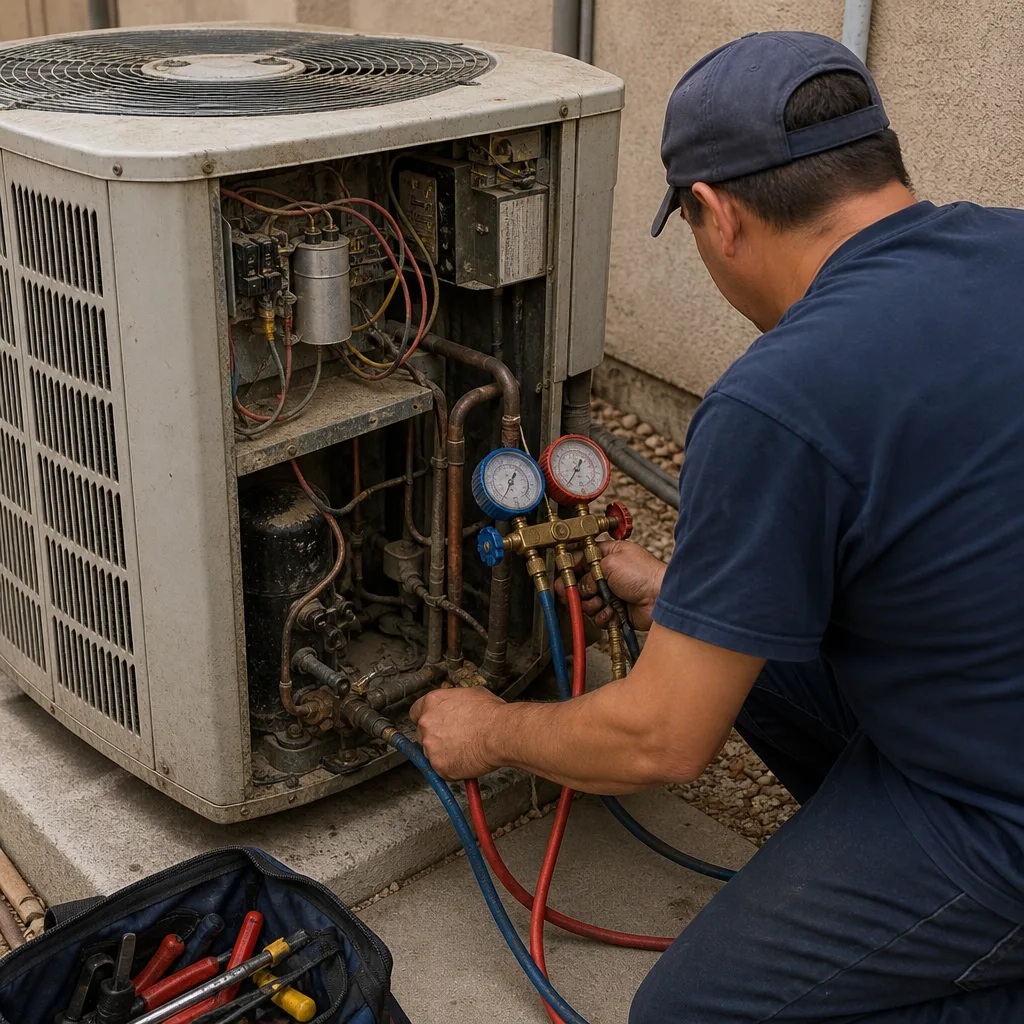
See the difference
 Before
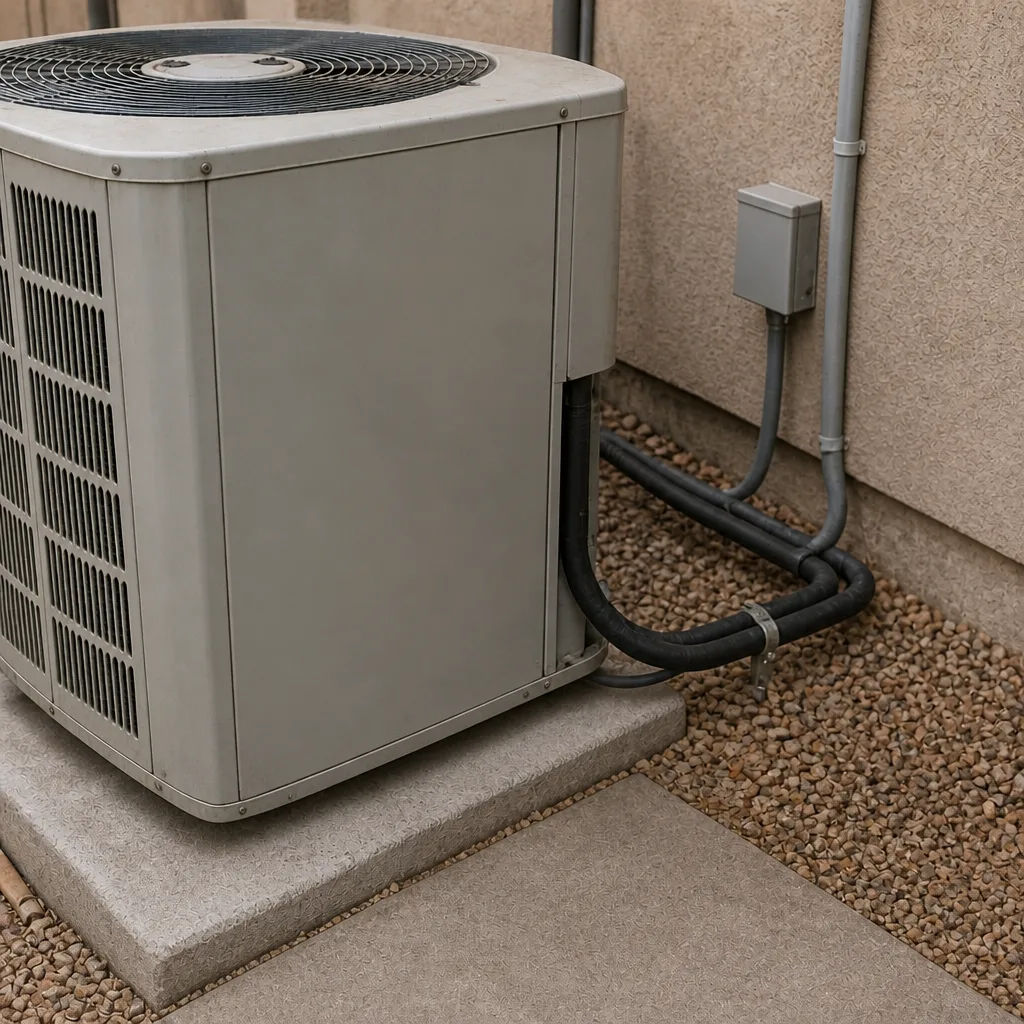 After
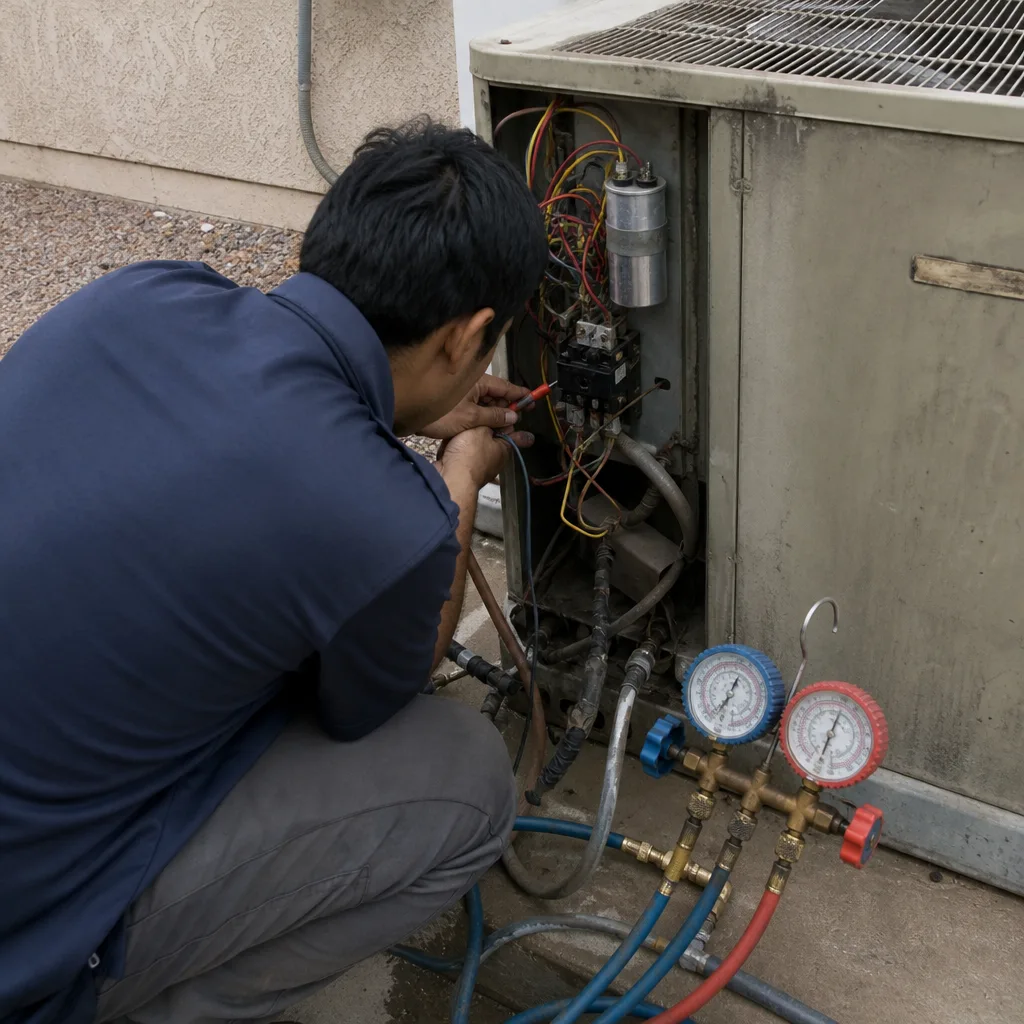 Before
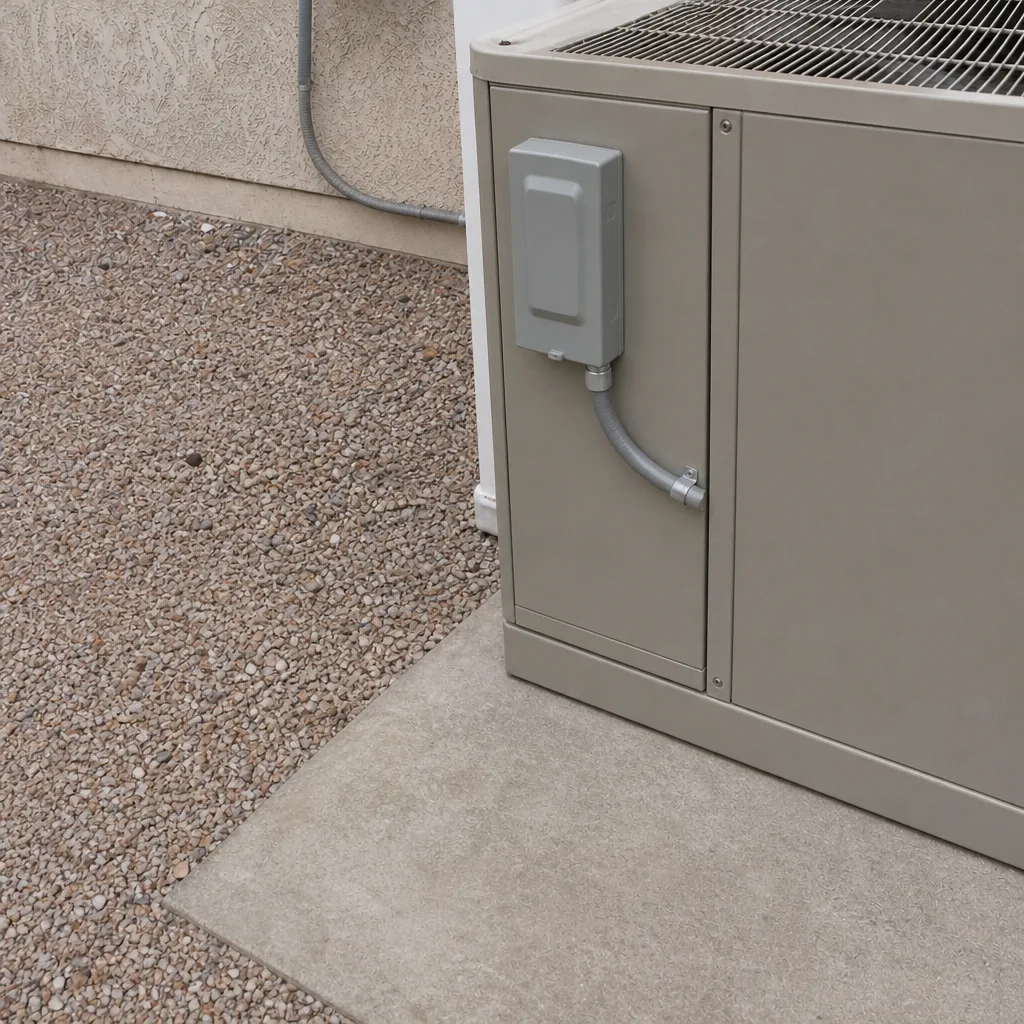 After
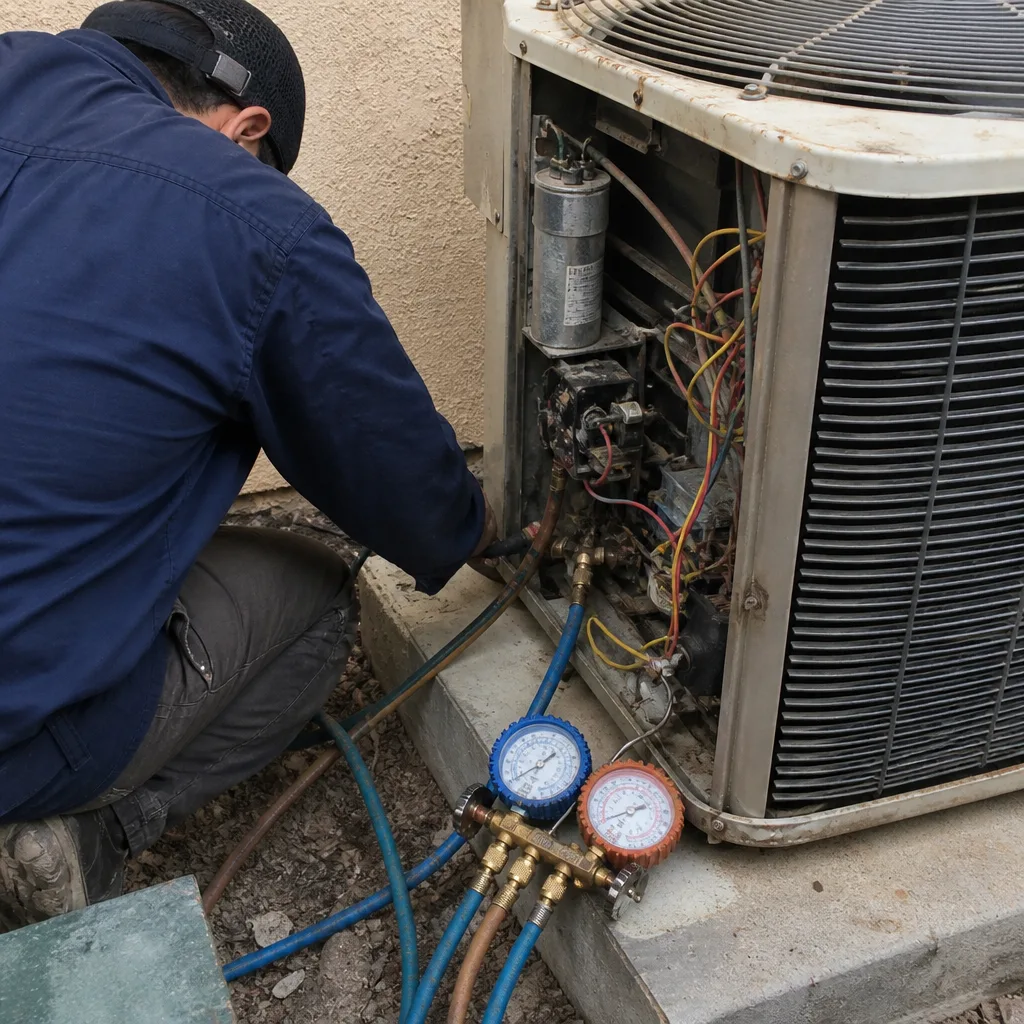 Before
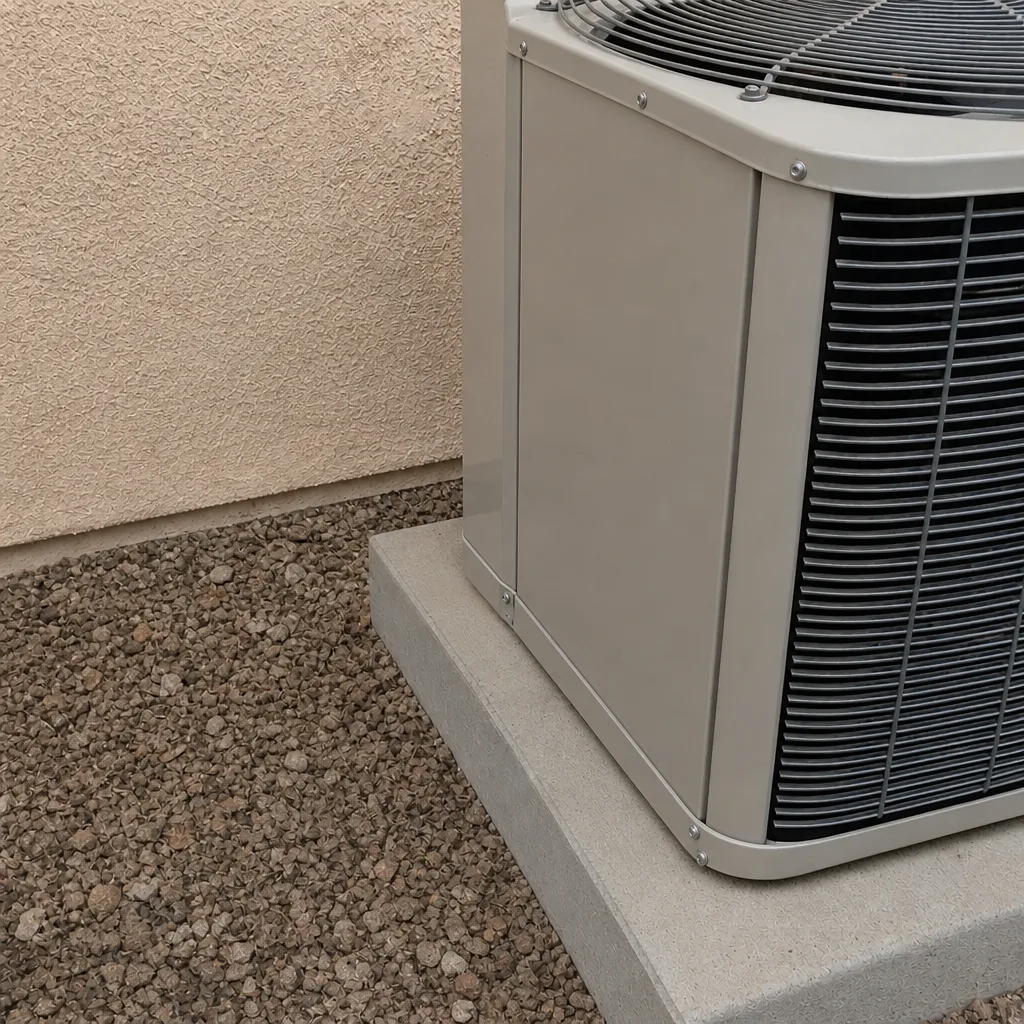 After
When to Call a Professional
Call for help if you smell gas, if a CO detector goes off, if the furnace short cycles after a filter change, if the igniter or sensor is failing repeatedly, if the flame is yellow rather than blue, if you see soot or scorching, if the furnace trips a rollout switch (that one is urgent), or if your system is older and overdue for a heat exchanger inspection. In Summerlin, we also get calls after a cold snap when multiple systems fail at once; those are the nights the phone matters most, and we answer it live around the clock.
At Fireside Heating & Air Co. Summerlin, we offer free estimates and straightforward upfront pricing. Call (888) 325-9387 and we’ll tell you honestly whether your furnace needs a repair, a tune-up, or a conversation about replacement.
Frequently Asked Questions
Smell for gas first. If you smell sulfur or rotten eggs, leave the house and call your gas utility from outside. That step comes before anything else. If there’s no gas smell, check the thermostat mode, the furnace switch, the breaker, the gas valve position, and the filter, in that order. Those five checks solve the majority of no-heat calls. If they don’t, call a professional; our number is (888) 325-9387 and a live person answers 24 hours a day.
Yes, if you’re comfortable shutting off power and gas to the furnace and you follow the manufacturer’s procedure. Cleaning with fine steel wool restores a carbon-coated sensor. But if the sensor has already been cleaned twice in a season, or if the rod is bent or corroded, replacement is the right answer and it’s better left to a technician. For a straightforward repair, ask about our $50 Off Any Repair Over $250 offer. Call (888) 325-9387 for an exact quote; estimates are free.
Short cycling is usually caused by restricted airflow (a dirty filter or a closed register) in the early stage, and by a failing blower motor or a bad high-limit switch in later stages. Early-stage short cycling is not dangerous if you fix the airflow. Later-stage short cycling stresses the heat exchanger and can become a real problem. If a filter change doesn’t stop it, call us; the number is (888) 325-9387 and the estimate is free.
Usually replace, but the decision depends on the heat exchanger condition, the repair cost, and the age of the system as a whole. A 20-year-old furnace with a cracked heat exchanger is a replacement, no negotiation. A 15-year-old furnace with a failed igniter is a repair. A technician can tell you which side of that line you’re on after a diagnostic. We’ll give you a straight answer and a written fixed price on both options; call (888) 325-9387.
Summerlin homes see more filter loading from desert dust, more cold-snap stress from rapid temperature swings, and shorter furnace run cycles because winters are mild. We also see a mix of 1990s pilot and igniter furnaces, 2000s hot surface igniters, and newer electronic ignition systems within the same neighborhoods, so a diagnosis has to actually look at your model rather than assume. For a Summerlin heating quote, call (888) 325-9387; estimates are free.
Yes. Our technicians are trained to service Carrier, Trane, Lennox, Goodman, Rheem, York, Daikin, Bryant, and American Standard, and they’ve been doing it long enough to read a control-board sequence quickly. The brand of your furnace doesn’t lock you into a brand-specific service company. If you’re in Summerlin and your system needs attention, call (888) 325-9387; a live person answers around the clock.
The Bottom Line
Furnace troubleshooting starts with safety: gas smell means leave the house, and no other check matters until the system is confirmed safe. Once you’ve ruled that out, the everyday fixes – thermostat, filter, breaker, gas valve, error codes – handle most no-heat calls on their own. The ones that fail (repeated short cycling, failing igniters, flame sensor replacements that don’t stick, rollout trips) need a technician with a meter and a diagnostic camera. In Summerlin, where desert dust loads filters faster than most of the country expects, keeping up with filter changes is the single best thing you can do between tune-ups. When the diagnosis points past what you can safely check, we’ll be there. Done right, or we make it right, and that’s in writing.
Call (888) 325-9387 for a free estimate. We serve the full Summerlin area, including Red Rock, The Ridges, and the surrounding communities. Our technicians have up to 8 years of experience, our phones are answered by a live person 24 hours a day, and every repair is backed by the 90-Day Done Right Promise. Our AC Repair & Installation in Summerlin team handles cooling season the same way.
Written by the team at Fireside Heating & Air Co. Summerlin.