
Last updated November 17, 2026
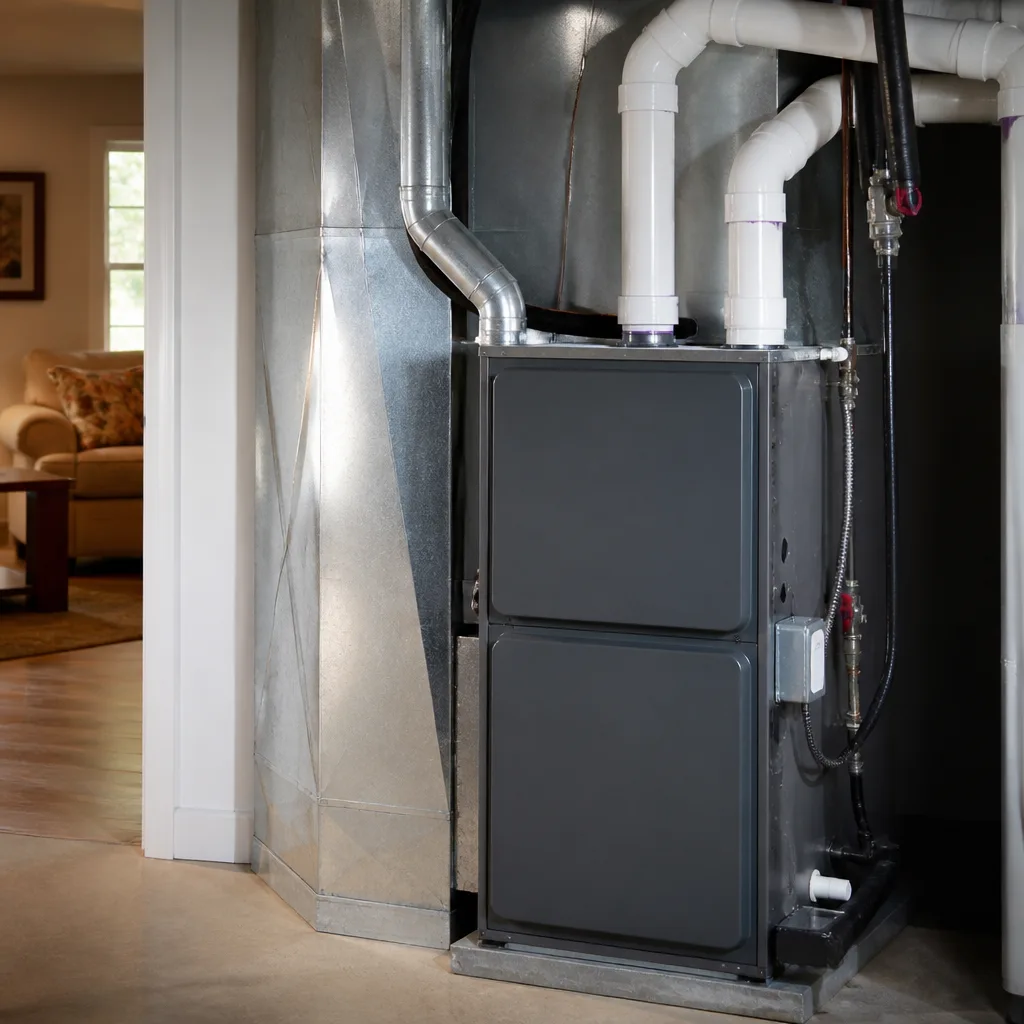 Furnace & heating
 AC repair
 Heat pumps
 Ductless mini splits
 Carrier
 Trane
 Goodman
Seasonal tune-up and full diagnostic on your Carrier, Trane, or Goodman system - readings shown to you before any repair is proposed
Diagnosis first, numbers second - you approve the repair price before a single part goes in.
Get your free estimateHeating & Furnace Warning Signs Every Homeowner Should Know
The most expensive furnace failures in Summerlin don’t announce themselves in January. They announce themselves in September, when a system that ran fine last February has spent eight months baking in a 160-degree attic and nobody has looked at it since. The Mojave heat does quiet damage to a furnace that never gets checked, and the first cold snap is when it usually shows up. This guide covers the off-season and early-season signals most checklists skip entirely: the sounds, smells, dryness, and short-cycling patterns that point to a real problem before it becomes an emergency.
Quick Answer
The biggest furnace warning signs are short-cycling, unusual smells (dust burning off versus a genuine sulfur or rotten-egg odor), banging or scraping sounds with a specific rhythm, a flame that looks floppy or yellow instead of steady blue, and unusual dryness or static electricity in the home. In Summerlin, many of these signals appear in September and October before the furnace ever has to work hard, because the attic heat and long dormancy do more damage than active winter use.
Styles & brands we work with
- AC repair
- Furnace & heating
- Heat pumps
- Ductless mini splits
- Carrier
- Trane
- Goodman
Table of Contents
- The Smells That Matter in the Desert
- Why Short-Cycling Is Usually an Oversizing Clue
- What a Cracked Heat Exchanger Looks and Sounds Like
- The Sounds and Their Specific Cadence
- What Dryness and Static Are Actually Telling You
- The Off-Season Checks Most Guides Skip
- Repair or Replace: Straight Talk
The Smells That Matter in the Desert
Every fall, the first time a Summerlin furnace fires up, the house smells like burnt dust. That is normal. The burners are burning off months of settled dust, lint, and desert particulate that collected while the system sat idle. Expect it to last twenty to forty minutes and then clear out completely.
What is not normal is the smell that keeps coming back or smells of sulfur, rotten eggs, or gas. That is your warning to shut the furnace off and call. Gas odor means a gas leak, and that is a safety issue, not a maintenance item. Sulfur or an acrid, metallic smell can point to a heat exchanger problem or a combustion issue that needs a technician to look at it right away.
Here is how to tell the two apart:
- Dust smell: appears on the first fire-up of the season, fades within the hour, and doesn’t return until next fall.
- Sulfur or rotten-egg smell: does not fade, may get worse as the system runs, and shows up whenever the burners ignite.
- Metallic or burning-wire smell: often points to blower motor, wiring, or control board problems, not the burner side.
- Exhaust or burned-fuel smell inside the home: a real safety concern, especially around the return-air register closest to the furnace.
If you’re unsure which smell you’re dealing with, our Heating & Furnace in Summerlin team can take a look and tell you the difference. We’ve seen both across Summerlin for years, and the smell test is rarely wrong once you know what you’re checking for.
Why Short-Cycling Is Usually an Oversizing Clue
Short-cycling is when a furnace runs for a few minutes, shuts off, runs again a few minutes later, and repeats. Most homeowner checklists treat this as a failing component. In a Summerlin home, it’s often the opposite: it’s an oversized unit that was spec’d wrong for the house, and the fix is not always a repair.
An oversized furnace heats the space faster than the thermostat expects. The thermostat hits its set point and shuts the burner off, but the blower keeps going and the ductwork becomes the bottleneck. Reheat kicks in, the cycle repeats, and the home never gets the steady, even heat it should. Over months, that start-stop stress wears out the igniter, the inducer motor, and the control board, which is where the expensive repairs come from later.
What makes this hard for homeowners is the symptom looks like a broken part. It also looks like a clogged air filter or a failing flame sensor. Here is the diagnostic checklist we walk through before we recommend anything:
- Check filter airflow and replace if clogged.
- Confirm gas pressure and check the flame sensor for carbon buildup.
- Check thermostat calibration and placement (a thermostat near a supply vent reads wrong and cycles short).
- Compare the unit’s rated output against the home’s actual heat load – this is where oversized units reveal themselves.
- Inspect duct sizing and static pressure, because a duct bottleneck will short-cycle a properly sized unit too.
The distinction changes the fix entirely. A failing flame sensor is a $150-$300 repair. An oversized system is a bigger conversation – sometimes a duct correction, sometimes a replacement. If your Summerlin home is short-cycling, the answer depends on which bucket you fall into, and no honest technician can tell you without running the checks.
What a Cracked Heat Exchanger Looks and Sounds Like
A cracked heat exchanger is the warning sign that matters most, and it is the one most homeowners cannot spot on their own. That said, there’s one visual check you can do safely from a register.
Turn the furnace on and let it run for a few minutes. Look at the flame through the sight glass or the burner-view panel (older units often have one). What you want to see is a steady, mostly blue flame with a slight yellow tip. What you don’t want to see:
- Flame flaring or rolling toward the front of the unit when the blower kicks on – this suggests a heat exchanger that’s leaking air across the combustion side.
- Flame lifting off the burner or flickering erratically beyond normal.
- A yellow or orange flame across the entire burner – usually incomplete combustion, not a cracked exchanger by itself, but worth a look.
- Discoloration or soot streaks near the top of the heat exchanger visible from the burner-view opening.
- A faint smell of exhaust coming through supply registers, especially the register closest to the furnace.
What it sounds like: a soft, hollow “click” or “tick” that repeats a few seconds after the burners ignite and then quiets down. You won’t hear a crack itself, but you will hear the inducer motor working harder to pull combustion gases through an exchanger that’s lost its integrity.
A cracked heat exchanger can leak carbon monoxide into your home, and that is not a problem to solve yourself. If you see or smell anything on this list, shut off the gas valve, open a window, get the family out, and call a technician. We say this plainly because it is the most serious warning sign on this whole list, and our family-safe approach is the reason we insist you never take chances with combustion.
The Sounds and Their Specific Cadence
Not all furnace noises are equal. The rhythm tells you almost everything, and the rhythm is what most guides leave out.
Rattle that builds with the blower. A rhythmic rattle (tap-tap-tap-tap-tap) with a steady beat, then a brief pause when the blower appears to slow, usually means a loose blower wheel is out of balance. The wheel is either detaching from its hub or has lost a vane. It gets louder at higher fan speed. That’s a blower problem, and no amount of thermostat-fiddling will change it.
Loud pop-bang on ignition, then quiet. A single loud pop or bang that happens exactly when the burners light, followed by many minutes of quiet, is usually an ignition problem: delayed ignition causing a small gas buildup in the burner box, or a dirty burner orifice. This one is a safety concern – call the technician.
Scraping or grinding that starts a few seconds after the blower starts. That’s a bearing going bad in the blower motor. It gets worse over time and eventually seizes. Where a rattle is a balance issue, a scrape is a wear issue.
Whistling or high-pitched whining. A duct restriction, a clogged filter, or a blower starting to fail. It’s the least urgent of the four, but it’s often the one quietly costing you the most in efficiency.
Repeated clicking from the control area. Typically the control board repeatedly trying to start the igniter. That points to a bad flame sensor or gas valve solenoid, not a mechanical problem.
If you’re hearing any of these, note when it happens, how long it lasts, and whether it’s louder at start-up or during steady run. That’s the most useful information you can give a technician, and it shortens the diagnosis. Our team encourages it – and if the sounds point to a one-visit fix, we complete most jobs in a single trip.
What Dryness and Static Are Actually Telling You
Dry skin, chapped lips, and constant static shocks in the winter are not just humidity problems. In a Summerlin home, they’re usually infiltration problems.
The Mojave winter air is already dry, but the dryness inside a Summerlin home in January is often worse than outside. That’s the clue. It means dry outdoor air is getting into the house and dry conditioned air is getting out. The usual suspects:
- Furnace cabinet and duct joints that have separated or lost caulking after years of thermal cycling in the desert.
- Attic penetrations – the same 160-degree attic that bakes the furnace in summer is the escape route for warm air in winter.
- Weatherstripping on doors and windows that has dried out and cracked from UV exposure.
- Return-air leaks pulling in dry outdoor air from the garage or attic and pushing it through the system.
The static is not the problem. The static is the symptom. When you feel a shock every time you touch a doorknob or pet a cat, the humidity inside is usually below 25%, and that doesn’t happen in a sealed home. A house that should stay at 35%-40% in winter falls below 25% because of infiltration, not because the furnace is failing to humidify (most don’t have a humidifier).
What to do: get the system duct-tested with the blower door test that will reveal exactly where the air is coming from. That’s a proper diagnostic, and it usually reveals the furnace is fine and the ducts are the culprit. It also saves you a lot on winter heating bills.
The Off-Season Checks Most Guides Skip
Almost every furnace checklist fails at the same point: it assumes the furnace is running. In Summerlin, the furnace spends most of the year in the attic, off. Here are the checks that actually matter when the system is not in use, done in September and early October before the first cold night.
- Inspect the attic furnace housing. Look for rust, water stains, or mouse droppings around the unit. Rodent activity in the desert peaks in the fall, and chewed wiring is a real cause of ignition failure come October.
- Visually check the flue and venting. The outdoor vent termination should be clear of debris, nests, and dust buildup.
- Replace the air filter before the first cold snap. A filter that sat in the attic all summer has collected dust from the entire desert season.
- Test the thermostat in heat mode before you need it. The first cold morning is a bad time to discover a thermostat battery died in July.
- Check for any changes to the gas line area. A gas shutoff valve you forgot you turned off last spring is a common reason a furnace “won’t start” in the fall.
- Schedule a tune-up in September, not November. The first cold snap is when everyone calls at once, and the honest techs are booked out.
Those checks cost nothing and catch the failures that actually happen in Summerlin. The $89 seasonal tune-up exists for exactly this reason – it’s the diagnostic that catches rodent wiring, dust buildup, and filter issues before they become $600 repairs in a January cold snap. If you’re at all unsure what you’re looking at in the attic, our team at Fireside Heating & Air Co. Summerlin is one call away, and the tune-up price is what it is – the price quoted is the price paid.
Repair or Replace: Straight Talk
Every furnace owner eventually asks this, and the honest answer depends on three numbers: the age of the unit, the cost of the repair, and what the repair buys you.
As a rule of thumb we use, repair is the right call when:
- The unit is under 15 years old.
- The repair is a single component (flame sensor, igniter, inducer motor, control board) and the repair cost is under roughly 30% of a new system’s price.
- The heat exchanger is intact and combustion testing shows healthy numbers.
- Short-cycling was diagnosed as a duct or thermostat problem, not an oversizing problem.
Replacement is the right call when the heat exchanger is cracked, when the unit is 20 years or older and annual repairs have started stacking up, or when short-cycling traces back to an oversized unit that never worked right for the house. We quote fixed-price, written, upfront pricing before any work begins, and we’ll tell you plainly what a repair buys you in years.
For a deeper conversation about repair versus replace, our AC Repair & Installation in Summerlin team handles the cooling side of the same conversation, and the reasoning transfers. You don’t get pressured into a replacement you don’t need. That’s the 90-Day Done Right Promise in action: if the repair doesn’t hold, we make it right.
Common Mistakes to Avoid
- Ignoring the first-fire smell and assuming it’s normal forever. One dusty burn-off is normal. Year-round smell of exhaust is not, and it can be a heat exchanger or venting issue in Summerlin homes.
- Diagnosing short-cycling as a failing part without checking oversizing. This is the costliest mistake we see. The wrong repair bill repeats itself every year until someone checks the load calculation.
- Tuning up the furnace in November or December. The first cold snap in Summerlin is the busiest week of the year for every honest HVAC company in the valley. Tune-ups in September catch the failures before the rush.
- Running a furnace with any gas smell. Shut the gas off, open windows, get out, and call. This one is not a maintenance item.
- Blaming the furnace for dryness when it’s an infiltration issue. A humidifier on an unsealed house works against a losing battle. Seal the ducts and the dryness improves on its own.
- Letting the furnace sit all summer without a September look. Eight months of 160-degree attic heat is hard on wiring, blower bearings, and control boards. A 20-minute September check catches all three.
- Calling the cheapest repair quote without a second opinion. A $79 diagnosis sounds good until it points to a $900 repair you didn’t need. A free second opinion on any written estimate is the cheapest insurance in the trade.
See the difference
 Before
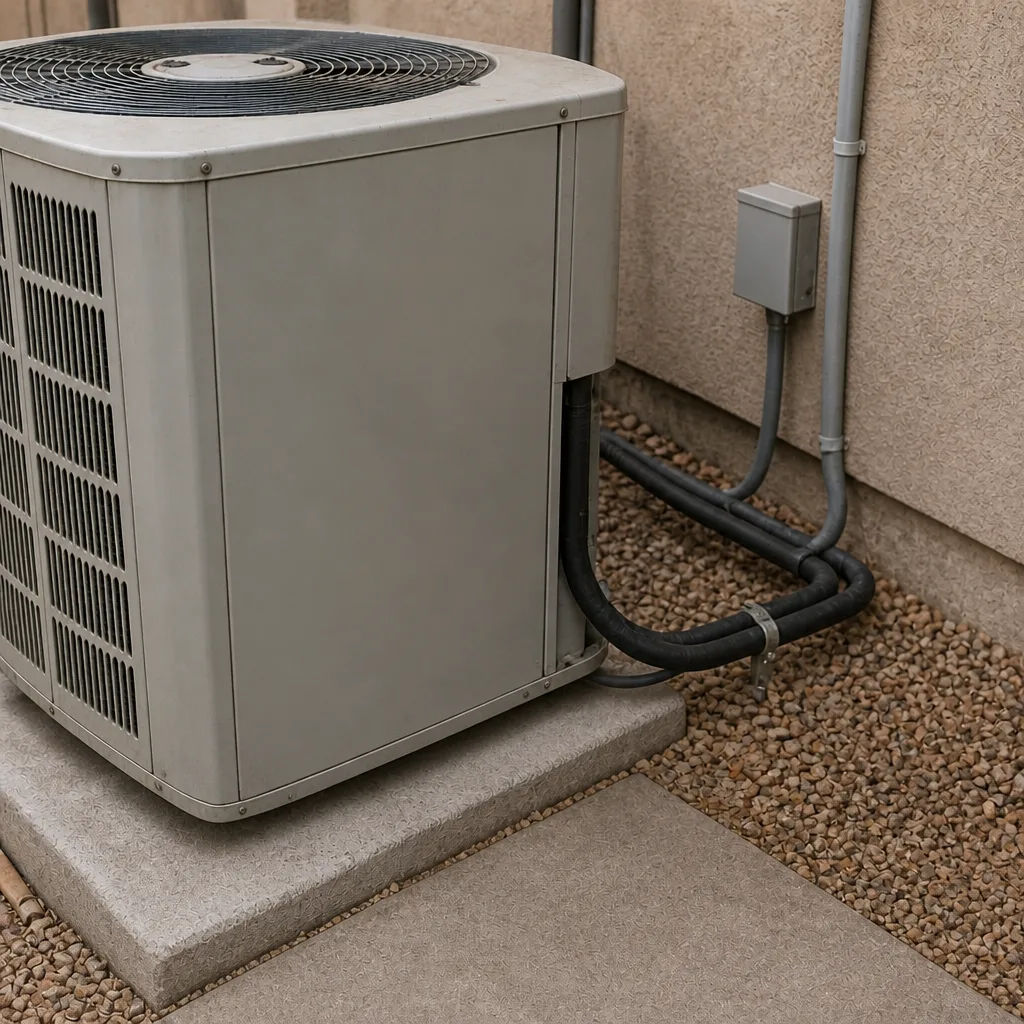 After
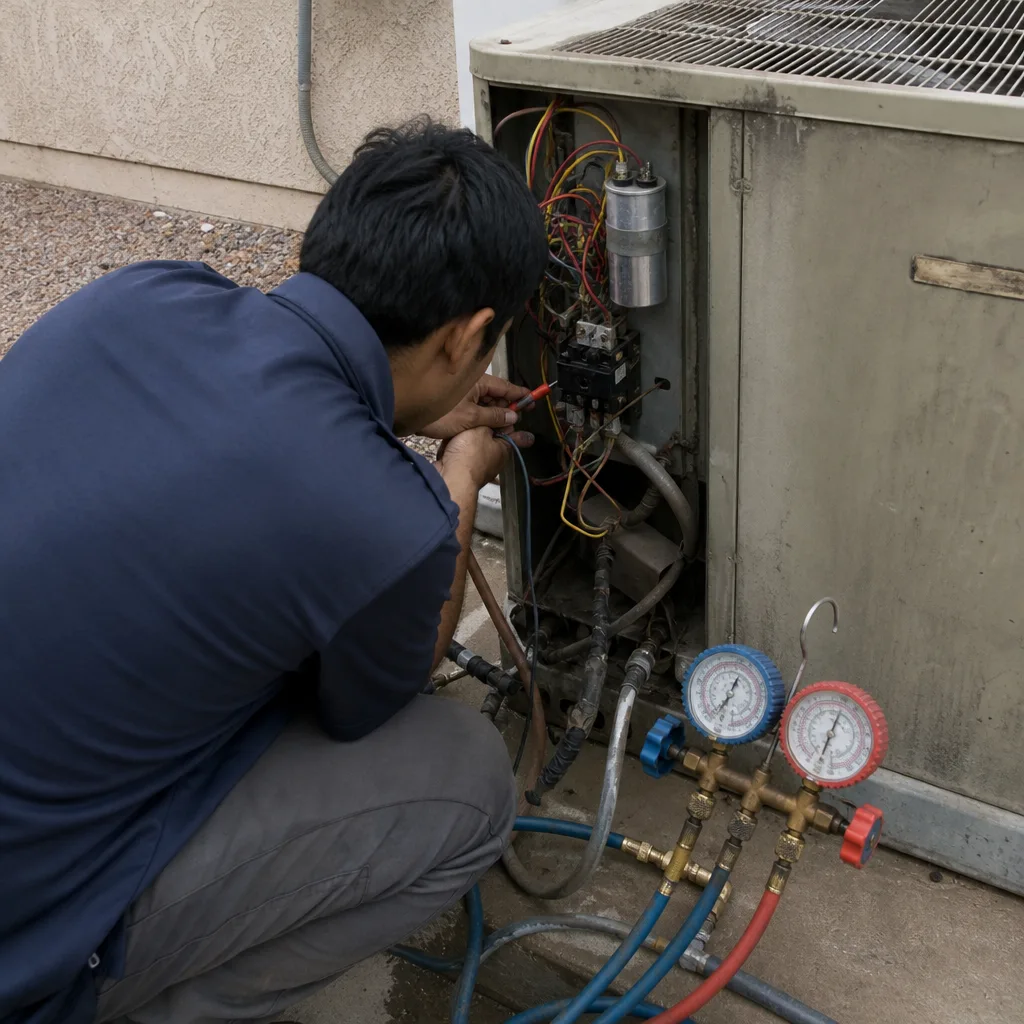 Before
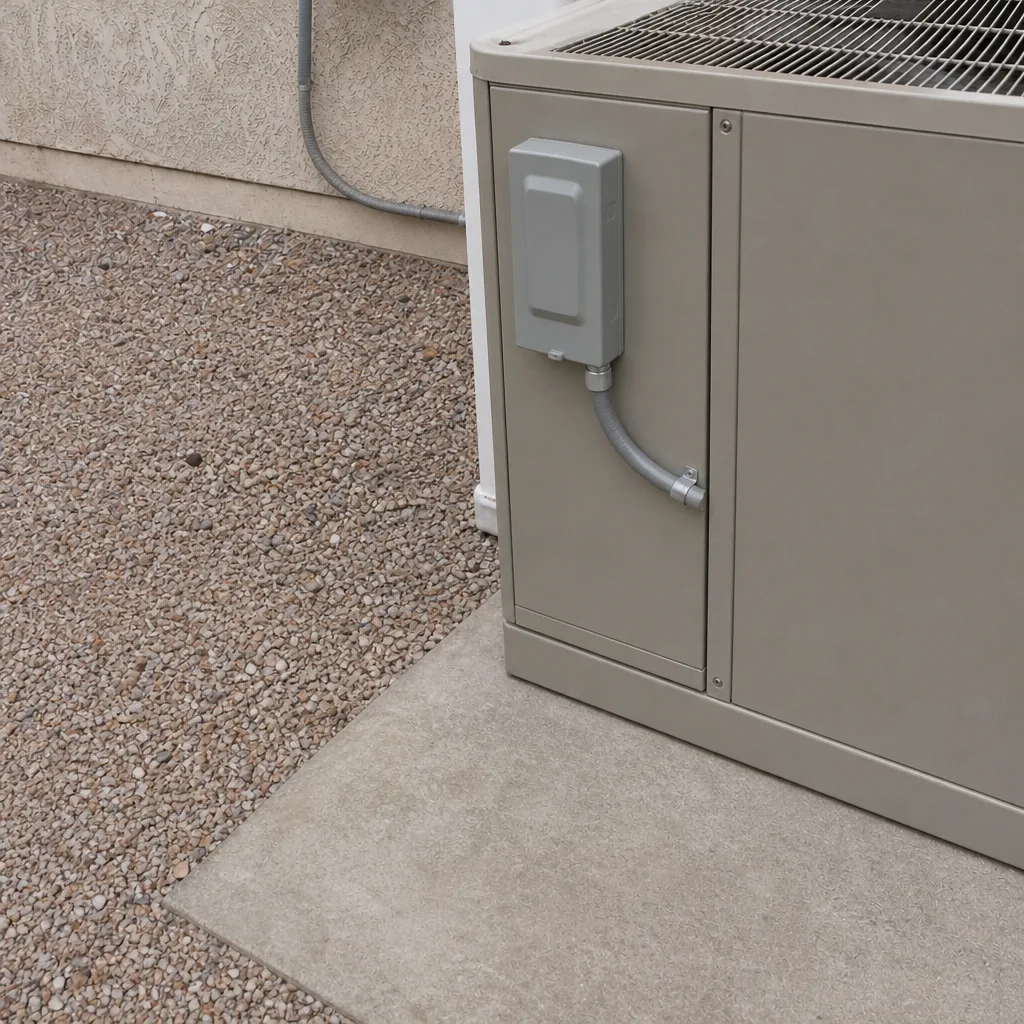 After
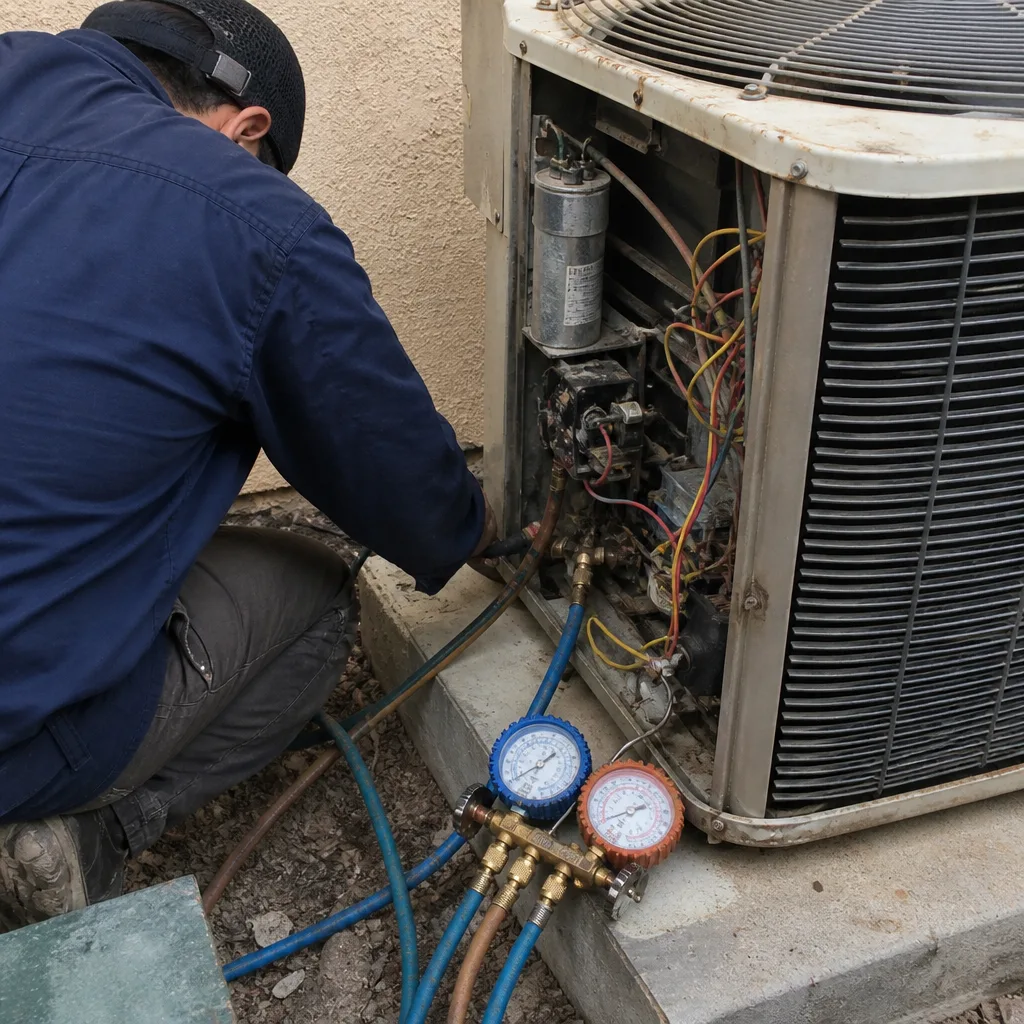 Before
 After
When to Call a Professional
Call a professional furnace technician immediately if you smell gas, if the flame looks floppy or yellow through the sight glass, if you smell exhaust inside the home, or if the furnace is making a loud pop-bang on ignition. Those are the warning signs you cannot safely address on your own, and combustion problems are the ones that matter most.
Call us to schedule a diagnostic if your Summerlin home is short-cycling, if the first fire-up of the season smells like sulfur or something burning for more than an hour, or if you’re hearing rattles, scrapes, or repeated clicking around the furnace. Those signals point to specific components or sizing problems, and the earlier they’re caught, the less they cost.
Fireside Heating & Air Co. Summerlin offers free estimates on repairs and replacements, and a $50 discount on any repair over $250. If you’ve already got a written estimate from another company and it doesn’t feel right, we’ll take a free second look. Our phones are answered by a live person around the clock – including the 2 a.m. no-heat call – and we’re trained on nine major brands including Rheem, York, Daikin, and Bryant. The number is (888) 325-9387. Call and let’s get your furnace looked at before the first cold snap.
Frequently Asked Questions
The first sign is usually short-cycling or an unusual smell at first fire-up, and in Summerlin these often show up in September and October before the furnace has to run constantly. A quiet system that suddenly cycles on and off in five-minute bursts is the earliest signal, and it’s usually an oversizing or thermostat problem rather than a failed part. Call (888) 325-9387 for a diagnostic – a free estimate keeps the decision simple.
No. A dust smell on the first fire-up of the season is normal in a Summerlin home because eight months of settled desert dust burns off the burners. It should fade within about an hour and not return. If it smells of sulfur or exhaust instead, or doesn’t fade, shut the furnace off and call us – that’s a different problem. Our number is (888) 325-9387.
Probably not. In a Summerlin home, winter dryness and static usually mean dry outdoor air is infiltrating the house through duct joints, attic penetrations, or worn weatherstripping, not that the furnace is failing. The fix is usually duct sealing, not a furnace repair. Call (888) 325-9387 if you want a duct test to confirm where the air is coming from – it’s the cheapest way to find out.
You know when a heat load calculation shows your unit’s rated output is significantly above what the home actually needs, which is why short-cycling in a Summerlin home is often an undersized-duct symptom rather than a failing part. The clue is a furnace that heats the house fast, shuts off, and comes back on every few minutes. Call (888) 325-9387 and we’ll run the numbers before you spend money on repairs.
Yes – a cracked heat exchanger can leak carbon monoxide into your living space, and that’s a genuine safety issue, not a warning sign to ignore. Signs include a floppy or rolling flame when the blower kicks on, an exhaust smell through supply registers, and a hollow ticking right after ignition. Shut the gas off, open windows, get out, and call us at (888) 325-9387 as soon as you’re safe.
Fall, ideally in September. Summerlin winters can hit with a cold snap the first week of November, and by then every honest HVAC company in the valley is booked out. A September tune-up catches the off-season failures – rodent-chewed wiring, dust buildup, a dead thermostat battery – before you need the system. Our $89 seasonal tune-up is a fixed price, and no overtime charge applies. Call (888) 325-9387 to schedule.
The Bottom Line
The furnace warning signs that cost the most in Summerlin are the quiet ones: dust that never fades, short-cycling that everyone assumes is a failed part, dryness that is actually an infiltration problem, a flame that’s just slightly off, and sounds with a specific rhythm that most lists lump together as “banging.” Catch them in September and October, while the system is still off and the calendar is still open, and the winter passes without a surprise. Ignore them until a cold January morning and the fixes cost more and take longer. If you’d like a second set of eyes before the season, or you want a straight read on a repair quote you’ve already got, Fireside Heating & Air Co. Summerlin is here. Call (888) 325-9387 for a free estimate – our team will be there when we say, and we’ll stand behind the work in writing for 90 days.
Written by the team at Fireside Heating & Air Co. Summerlin.