
Last updated November 17, 2026
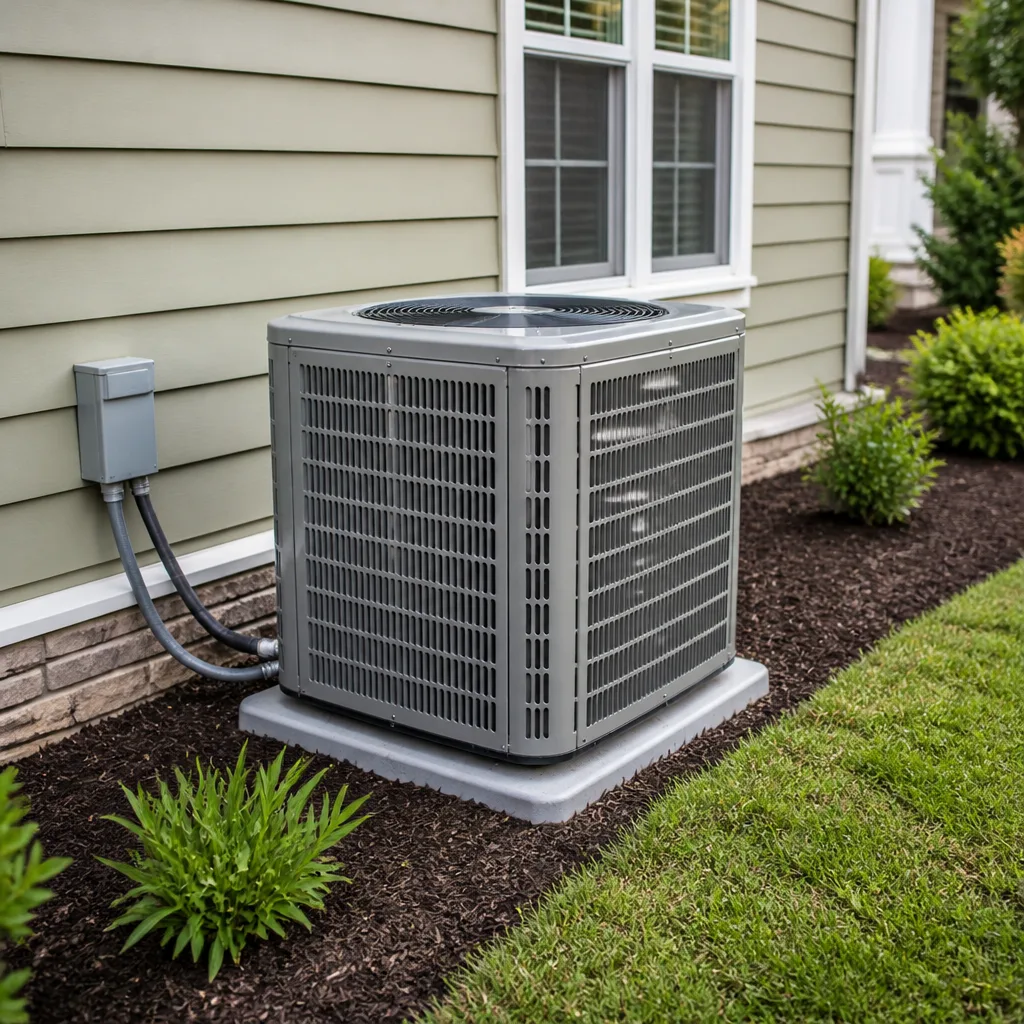 AC repair
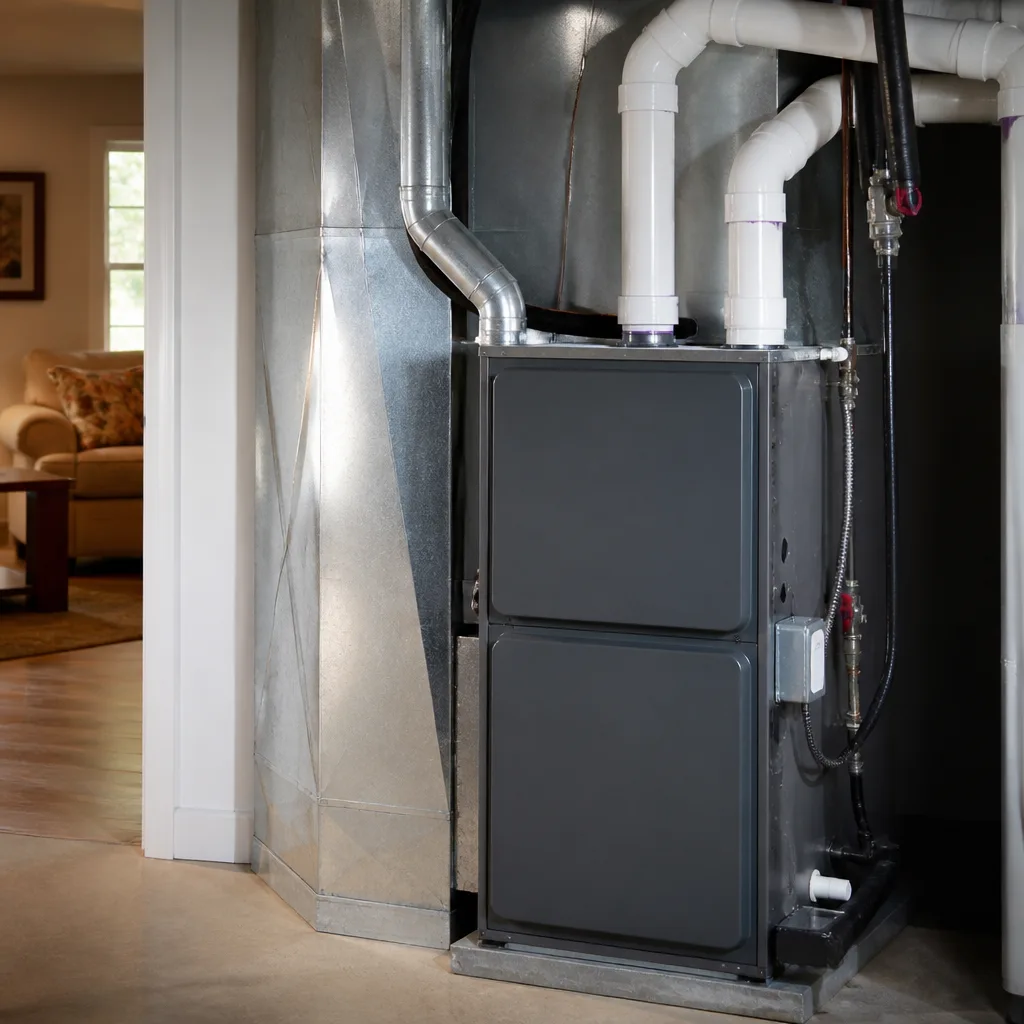 Furnace & heating
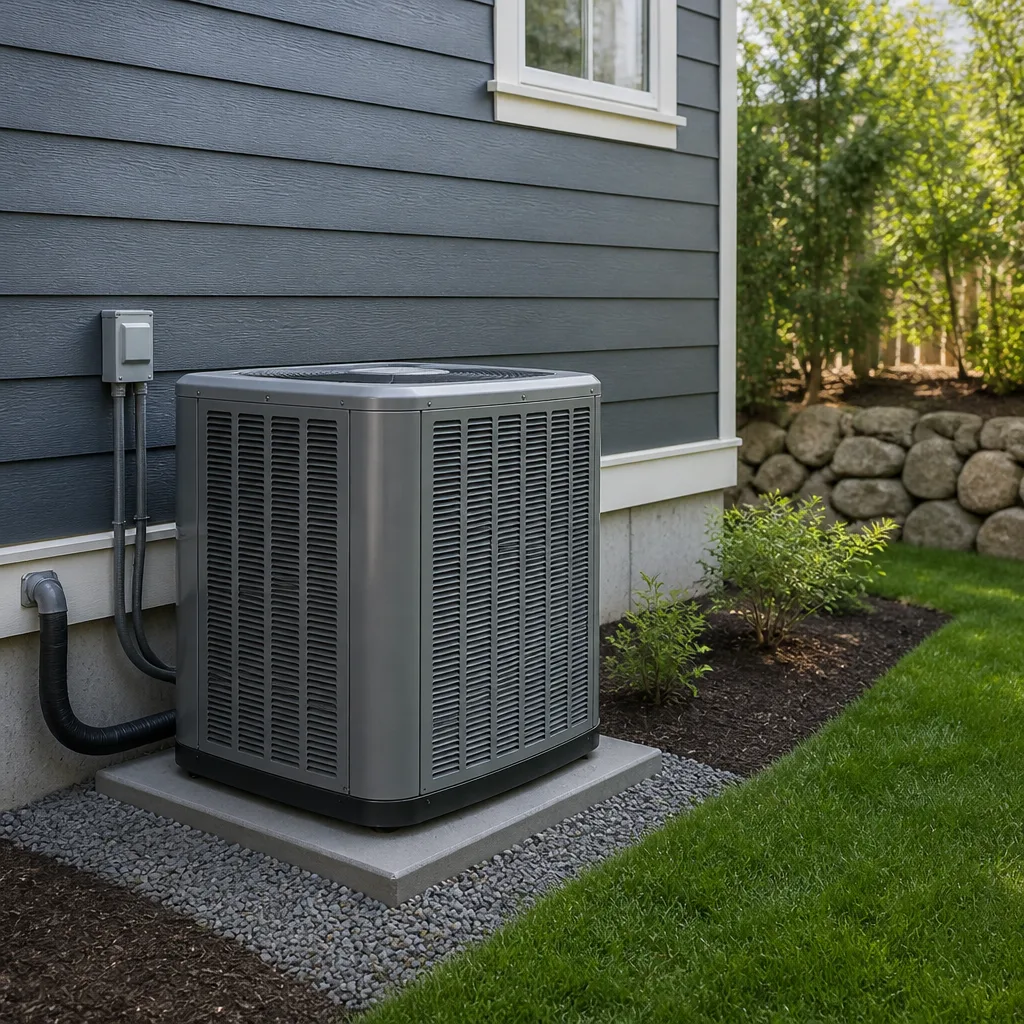 Heat pumps
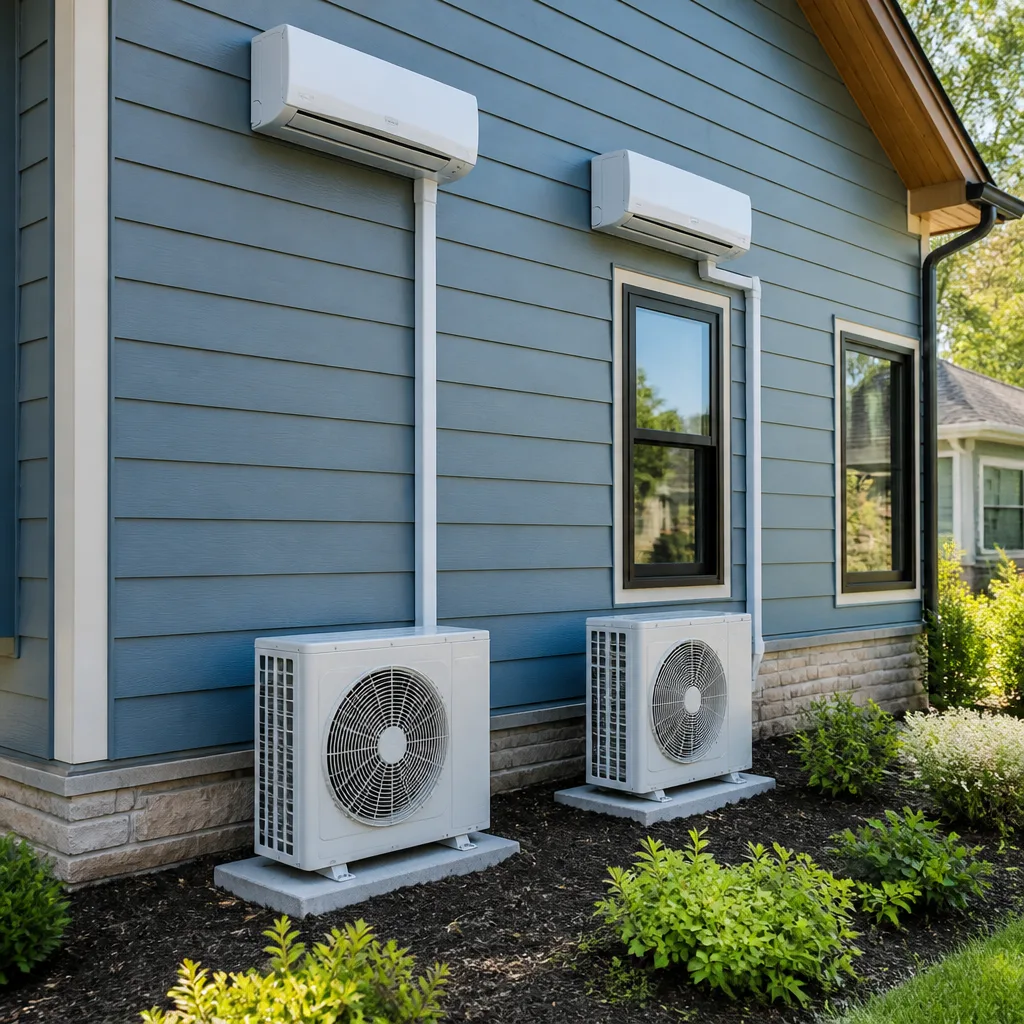 Ductless mini splits
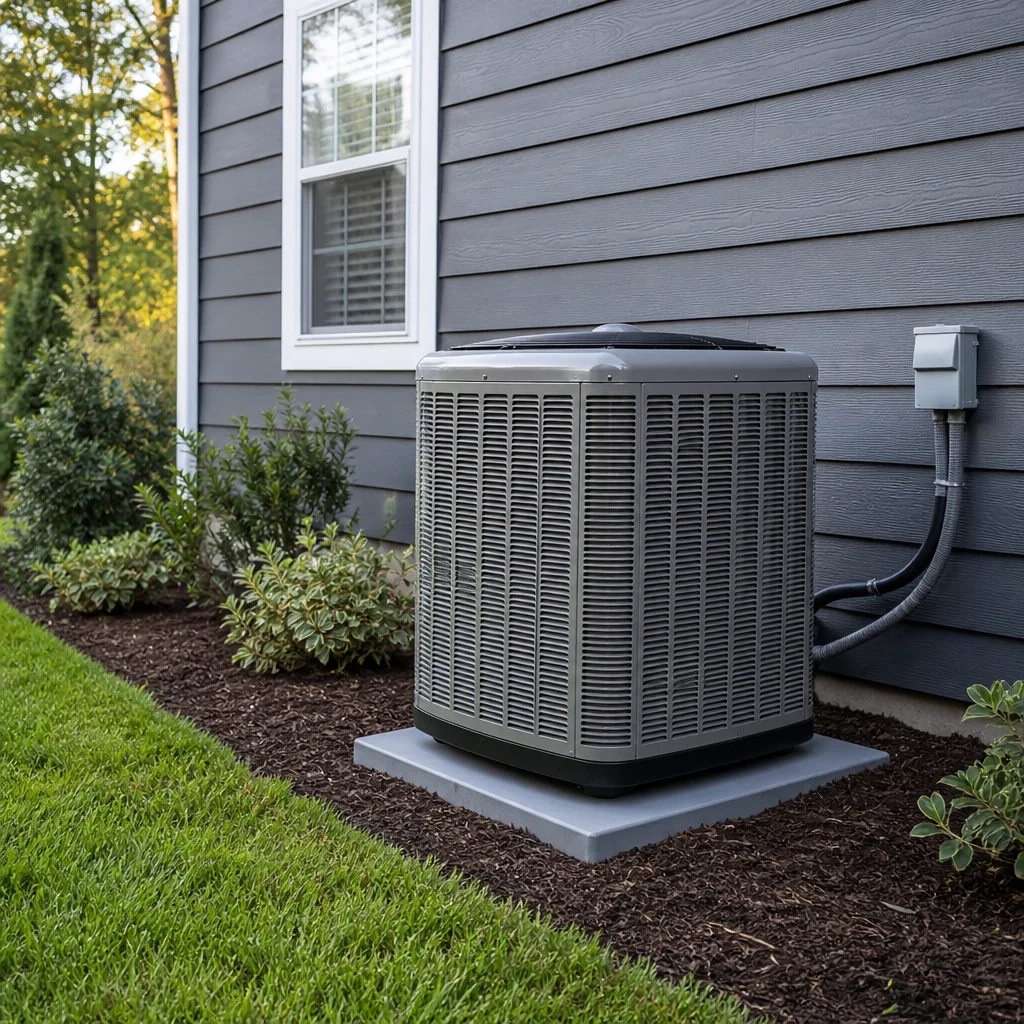 Carrier
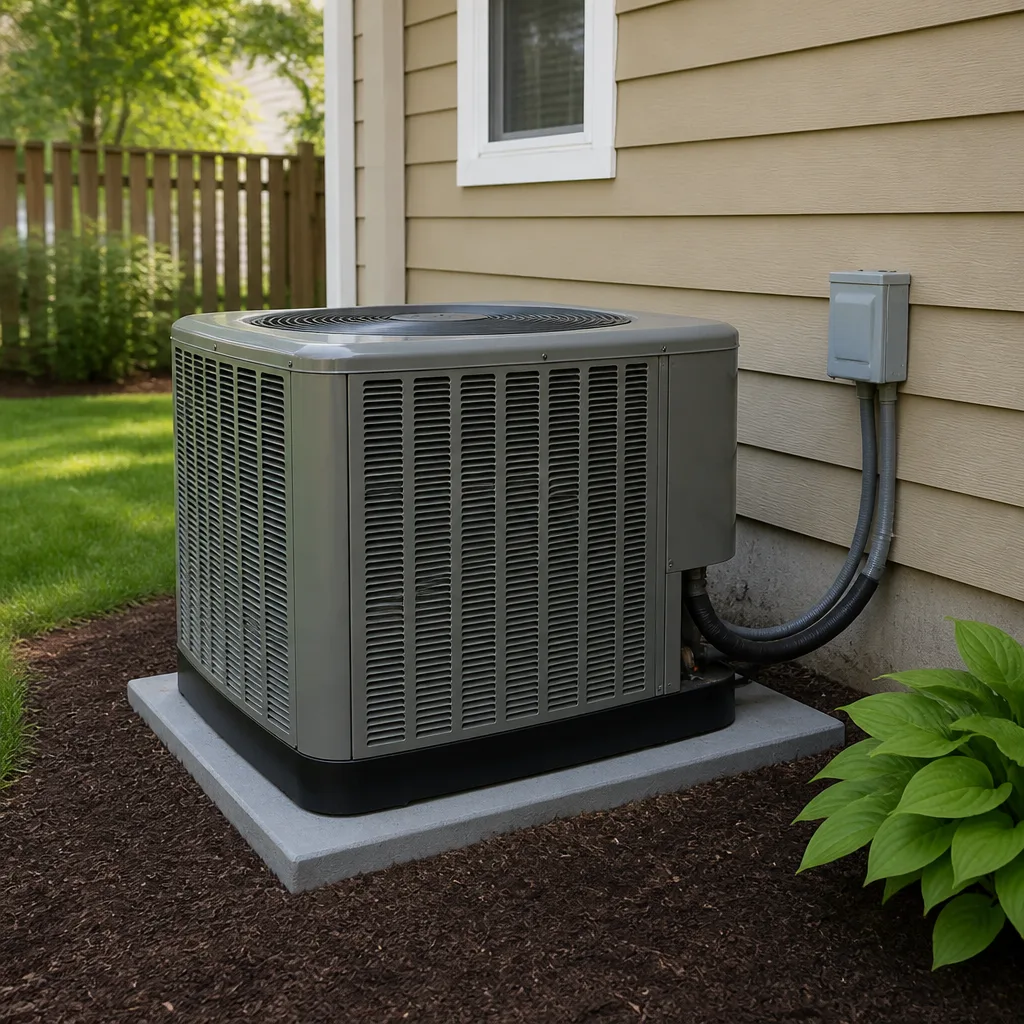 Trane
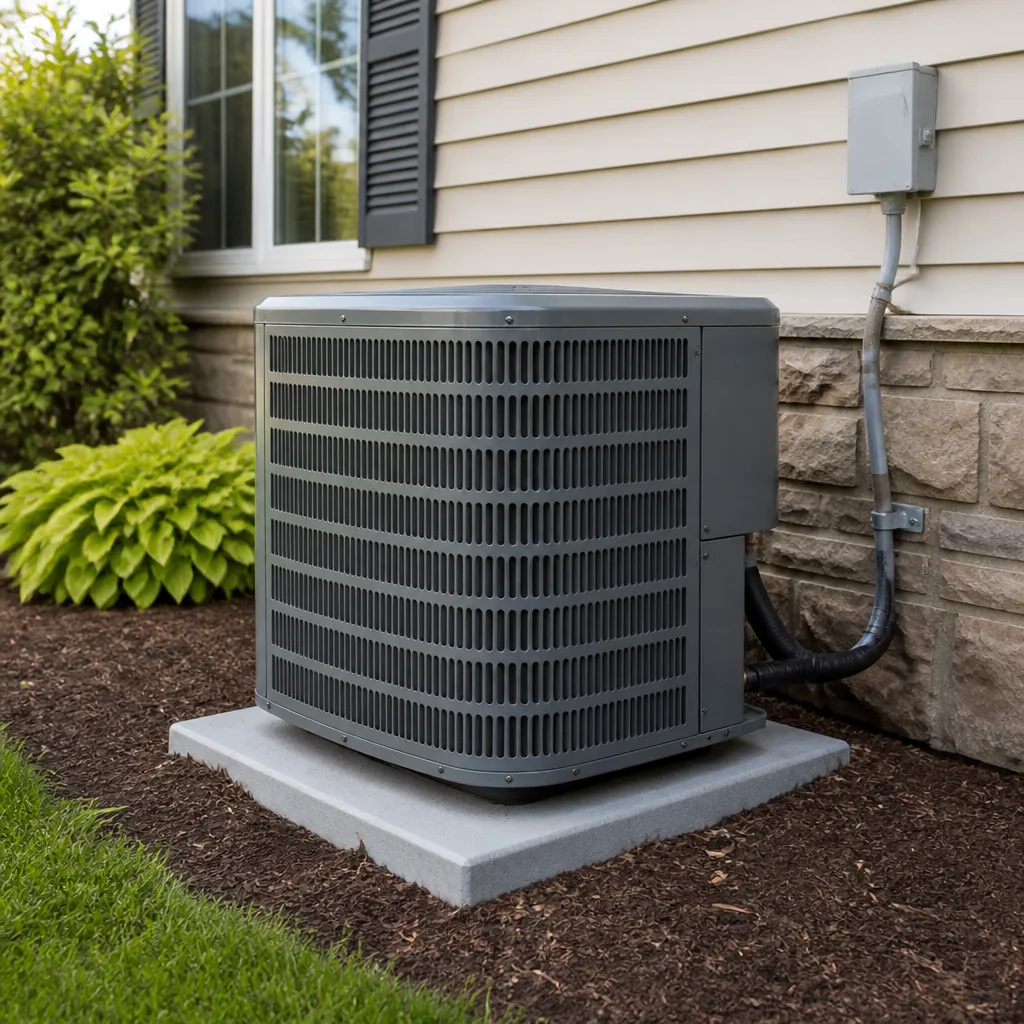 Goodman
Seasonal tune-up and full diagnostic on your Carrier, Trane, or Goodman system - readings shown to you before any repair is proposed
Diagnosis first, numbers second - you approve the repair price before a single part goes in.
Get your free estimateHow Long Does AC Repair & Installation Take? Timelines and What to Expect
When a homeowner asks how long an AC installation takes, the honest answer is: a straightforward swap on an in-stock unit with a clear permit path takes one day. The same job with a custom-order unit during a June heat wave, two permit corrections, and a discovered refrigerant leak in the existing line set can take ten. Here’s how to know which situation you’re in before the truck arrives. This guide gives real time ranges with the conditions attached, so Summerlin homeowners can plan instead of guess.
Quick Answer
Most AC repairs take one to three hours, while a full system installation typically runs one to three days once permits are approved and equipment is on site. The wild cards are permit timelines, equipment lead times, and what a technician finds mid-job. In Summerlin, permits and June equipment delays are the two factors that most often stretch timelines beyond what homeowners expect.
Styles & brands we work with
- AC repair
- Furnace & heating
- Heat pumps
- Ductless mini splits
- Carrier
- Trane
- Goodman
Table of Contents
- How long do the five most common AC repairs take?
- What drives permit timelines in Clark County?
- Equipment lead times: why June is the worst month to need a replacement
- The mid-job discoveries that extend timelines
- What happens on installation day, hour by hour
- What to have ready before the crew arrives
- How Summerlin’s climate and housing stock affect timing
- Repair timelines versus replacement timelines: an honest comparison
How long do the five most common AC repairs take?
Repair timing is where most homeowners get the least reliable information. A dispatcher quoting “we’ll be there between noon and four” tells you nothing about how long the actual fix will take. Here’s the honest range for the five calls we handle most often in Summerlin, with best-case and worst-case windows.
- Capacitor replacement: Best case 45 minutes, worst case 90 minutes. This is one of the simplest repairs on the board. The worst case involves locating the right capacitor value and confirming the compressor isn’t drawing more amperage than it should.
- Contactor replacement: Best case one hour, worst case two hours. If the contactor has arced and pitted the surrounding wiring, a technician may need to replace more than the contactor itself.
- Refrigerant recharge: Best case 90 minutes, worst case three to four hours. A recharge on a system with a known leak is straightforward if you accept the top-off. Finding the leak, if the technician has to leak-search a multi-zone system, is where the time goes.
- Coil cleaning: Best case two hours, worst case a full half-day. An accessible evaporator coil with light dust takes two hours. A heavily fouled coil in a tight attic space with a cased coil that needs partial disassembly can eat an entire afternoon.
- Blower motor replacement: Best case three hours, worst case five to six hours. Older blower motor assemblies in Summerlin homes built in the 1990s often have rusted mounting hardware that fights removal the entire way.
If you’re facing one of these calls today, our AC Repair & Installation in Summerlin page covers what we check first and how we price each job. Every repair is quoted upfront, and our $50 Off Any Repair Over $250 applies to anything on this list.
What drives permit timelines in Clark County?
Permits are the single biggest variable homeowners don’t factor in. In Clark County, a straightforward like-for-like AC replacement permit typically clears in three to seven business days. A change-out that involves electrical service upgrades, duct modifications, or a move to a different tonnage classification can take two to three weeks if the plan reviewer flags corrections.
Here’s what drives the timeline:
- Completeness of the submittal. Missing load calculations or an outdated site plan triggers a correction cycle, and each cycle adds five to seven business days.
- Seasonal load on the county. Permit volume spikes from May through August, and review time stretches with it. A permit submitted May 1 can clear faster than one submitted June 15 for the same scope.
- Scope creep. Anything beyond a like-for-like swap (electrical panel work, new line sets run through finished walls, relocation of the condenser) adds review steps.
- HOA overlays in Summerlin. Many Summerlin communities have architectural review requirements layered on top of county permits. Those are separate approvals with their own timetables.
You can tell whether your contractor has actually pulled a permit by asking for the permit number before work begins. In Clark County, any licensed contractor pulling a permit gets a number at submittal. If a contractor tells you “we’ll pull it later” or “you don’t need one for a swap,” that’s a red flag. Ask for the number in writing.
Equipment lead times: why June is the worst month to need a replacement
In 2024 and 2025, high-SEER2 equipment has been the tightest inventory in the market. Standard-efficiency 14.3 SEER2 units in common tonnage sizes (2, 3, and 4 ton) are often available same week from a local supplier. High-SEER2 variable-speed systems and any custom-configured air handler can run four to eight weeks out during peak season.
The math on when to order matters more than most homeowners realize. Here’s the pattern we’ve seen play out in Summerlin repeatedly: a homeowner’s system fails in the second week of June. The contractor finds the compressor is shot and recommends replacement. If that homeowner wants a high-SEER2 unit or a specific brand configuration (say, a Daikin Fit system or a specific Rheem variable-speed air handler), the lead time from order to installation site is five weeks, which puts the install in mid-July. That’s five weeks of a household running window units and box fans during 110-degree Summerlin afternoons.
If your system is more than twelve years old and you’re heading into summer, order before you need to. A pre-season replacement in March or April usually saves both lead-time risk and permit-review risk. Brands like Goodman and York offer reliable mid-efficiency equipment with shorter lead times if you want a standard replacement without the wait.
The mid-job discoveries that extend timelines
The single most common cause of a one-day job becoming a three-day job is what a technician finds after the old equipment is out. Here are the discoveries we see most often in Summerlin, and how a thorough pre-job inspection reduces the odds of a surprise.
- Corroded line sets. In Summerlin’s dry climate, line sets rarely rust through, but the brazed joints and insulation do deteriorate over twenty-plus years. If the existing line set fails a pressure test only after the new condenser is set, the timeline expands by several hours and requires a new line set run, which can involve attic or wall fishing.
- Undersized electrical service. A modern variable-speed system may draw different amperage than the unit it replaces. If the existing disconnect and breaker are undersized, an electrician gets involved, and that adds a day to a week depending on panel capacity.
- Deteriorated ductwork. Ducts sealed in 1995 rarely hold up. If the pre-job inspection reveals significant leakage or disconnected runs in the attic, the installation becomes a duct-repair job in parallel, and that adds a full day.
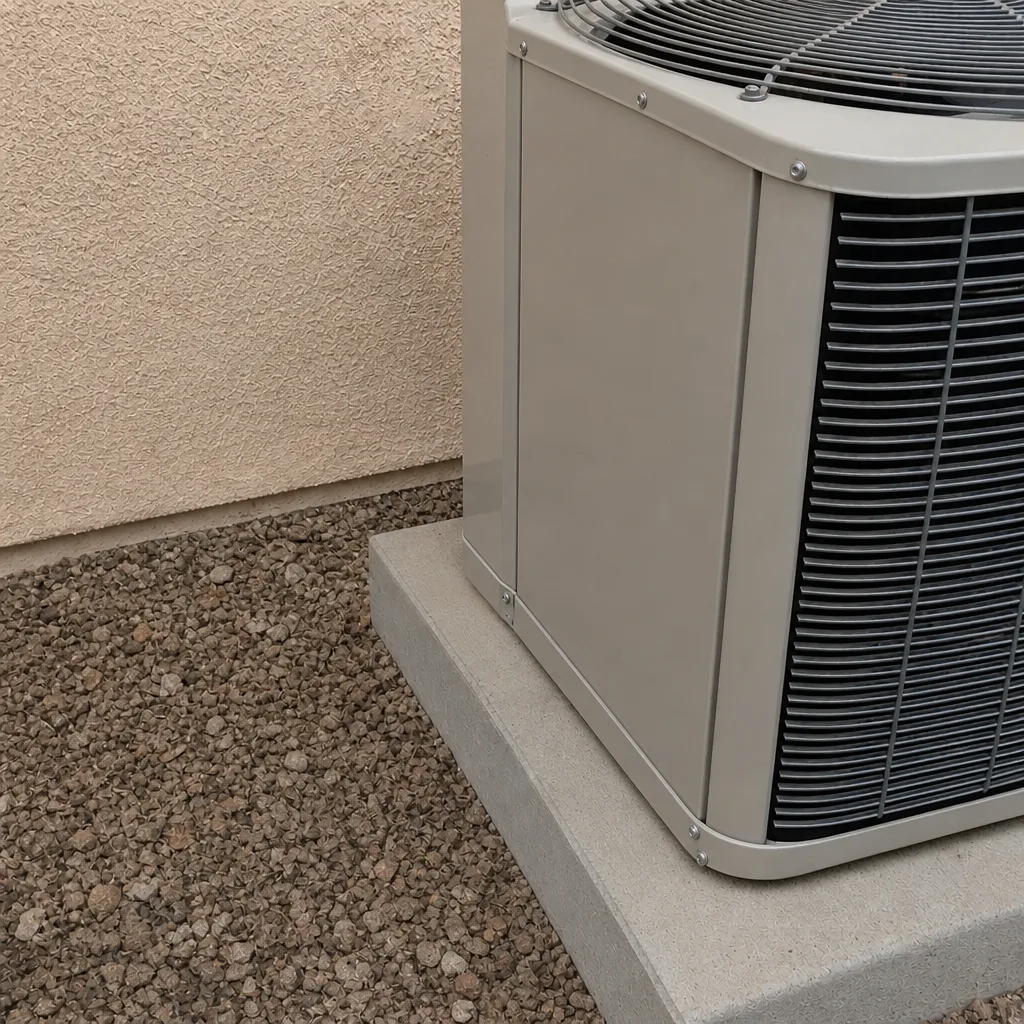
- Slab or pad issues. A condenser pad that has settled or cracked can require replacement and re-leveling before the new unit is set. That’s usually a couple hours of additional work.
A thorough pre-job inspection – measuring static pressure, pressure-testing the existing line set, verifying electrical capacity, and camera-scoping the accessible ductwork – catches about 80% of these before installation day. Ask any contractor whether they do this inspection as part of the estimate. If they skip it, plan for surprises.
What happens on installation day, hour by hour
For a straightforward replacement using existing line set, electrical, and ductwork, here’s what a one-day installation actually looks like in a Summerlin home.
- 7:30 to 8:00 a.m. – Arrival and setup. Crew arrives, lays floor protection, and confirms the scope against the written estimate. You should be given an expected completion time and a direct number to reach the crew lead.
- 8:00 to 9:30 a.m. – Recovery. Refrigerant is recovered from the old system, and the disconnected equipment is staged for haul-away.
- 9:30 to 11:00 a.m. – Removal and prep. Old condenser and evaporator coil are removed, the pad is checked, and the new location is prepped.
- 11:00 a.m. to 1:00 p.m. – New equipment setting. New condenser set on the pad, new evaporator coil installed, and line set connections brazed or flared.
- 1:00 to 2:00 p.m. – Electrical and control work. New disconnect, thermostat wiring, and low-voltage controls.
- 2:00 to 3:30 p.m. – Evacuation and charge. System is put under vacuum, held for a period to confirm no leaks, and then charged to the manufacturer’s specified weight.
- 3:30 to 4:30 p.m. – Startup, testing, and walkthrough. System is started, temperature differential measured, airflow verified, and the crew walks you through the new equipment and warranty paperwork.
That’s a clean one-day job. If your replacement involves a new line set, ductwork modifications, or electrical upgrades, add a day per major addition.
What to have ready before the crew arrives
You can shave hours off installation day by handling a few things on your end. Here’s what to have ready the night before:
- Clear access. A three-foot cleared path to the indoor air handler, furnace closet, or attic access panel. If the crew has to move furniture, that’s time added to the job.
- Pets secured. Crews need indoor and outdoor access, and doors will be open repeatedly. A nervous dog in the yard where the condenser sits is a safety issue.
- Parking figured out. Crew trucks need space for equipment staging and haul-away. In Summerlin’s tighter HOA-controlled neighborhoods, having a plan for where the truck parks avoids a wasted half hour.
- Any prior maintenance records. If you have service receipts from the last two years, have them out. They tell the crew what has already been replaced and what state the system was in.
- Thermostat access. If the thermostat is behind furniture or inside a closet, clear it. The crew needs to program and test it before finishing.
- Plan for four to six hours without cooling. Even a one-day install means the system is off for most of the day. In July, plan accordingly.
For heat pump installations, the prep list expands slightly. Our Heat Pump & Mini Split in Summerlin page covers those specifics.
How Summerlin’s climate and housing stock affect timing
Summerlin is not a single environment. Homes in The Ridges, Red Rock Country Club, and Tournament Hills are often larger, with multiple zones and more complex ductwork. Homes in Sun City Summerlin and inner neighborhoods built in the 1990s are more likely to run into the line-set and ductwork discoveries we described above. Homes in newer development like Redpoint Square have equipment still under original warranty, which shortens the repair-versus-replace decision.
The climate matters for timing too. Summerlin sits at 3,000 feet against the Spring Mountains, which means late-day temperatures drop faster than the valley floor. But the summer highs still hit 100+ consistently, and June through September is when every HVAC contractor in the valley is at capacity. If you need non-emergency work done, March and April are the timing sweet spot. If you need it done in July, you’ll wait longer for both permits and equipment.
Clark County code also requires a load calculation for any replacement that changes tonnage. That’s a two-hour engineering step that adds a business day to the front end of an install. A like-for-like replacement usually skips it.
Repair timelines versus replacement timelines: an honest comparison
Here’s a straight-talk comparison of what a homeowner is realistically looking at on each side of the decision.
- Minor repair (capacitor, contactor, thermostat): Same-day, one to two hours, $180 to $340 typical in the Summerlin market.
- Mid-level repair (refrigerant recharge, coil cleaning): Same-day to next-day, two to four hours, $280 to $650 depending on scope.
- Major repair (blower motor, compressor): One to three days, $450 to $1,800, occasionally more if the compressor itself fails.
- Like-for-like replacement: Permit clears in three to seven business days, install takes one day, cost typically $5,800 to $9,500 depending on tonnage and efficiency tier.
- System replacement with modifications (new line set, ductwork, electrical): Permit clears in one to three weeks, install takes two to three days, cost $7,500 to $14,000.
- High-SEER2 replacement during peak season: Add four to eight weeks for equipment lead time.
If your system is past twelve years and facing a repair over $1,200, the honest math usually favors replacement. Our Fireside Heating & Air Co. Summerlin home page outlines how we approach that decision with homeowners. And if you’ve been quoted a replacement and want a free second opinion on the written estimate, we offer that at no cost.
Common Mistakes to Avoid
- Believing a “one-day installation” quote without asking about permits. Any contractor who tells you the install will happen tomorrow and doesn’t mention permits is either pulling the permit after the fact (a code problem) or not pulling one at all.
- Scheduling a June replacement on a system you knew was failing in March. Summerlin’s summer lead times punish last-minute replacements. If your system is limping through spring, get it quoted in April.
- Ignoring the pre-job inspection. Skipping line-set pressure testing, electrical verification, and ductwork camera inspection saves an hour on the front end and costs a day or more on the back end.
- Not clearing access before the crew arrives. A furniture-filled attic access in Summerlin’s larger Tournament Hills homes can add a half day to a job that was scheduled as one day.
- Accepting a verbal price that changes mid-job without documentation. Any price increase should be presented in writing with a clear explanation of what was discovered and why. If a contractor won’t document it, don’t accept it.
- Forgetting to ask for the permit number. Ask before work starts. Not after. The permit is the paper trail that protects you if something goes wrong.
- Assuming a heat pump install is the same timeline as an AC swap. Heat pumps involve refrigerant line sizing checks and, in some Summerlin homes, added electrical work that stretches the timeline by a day.
See the difference
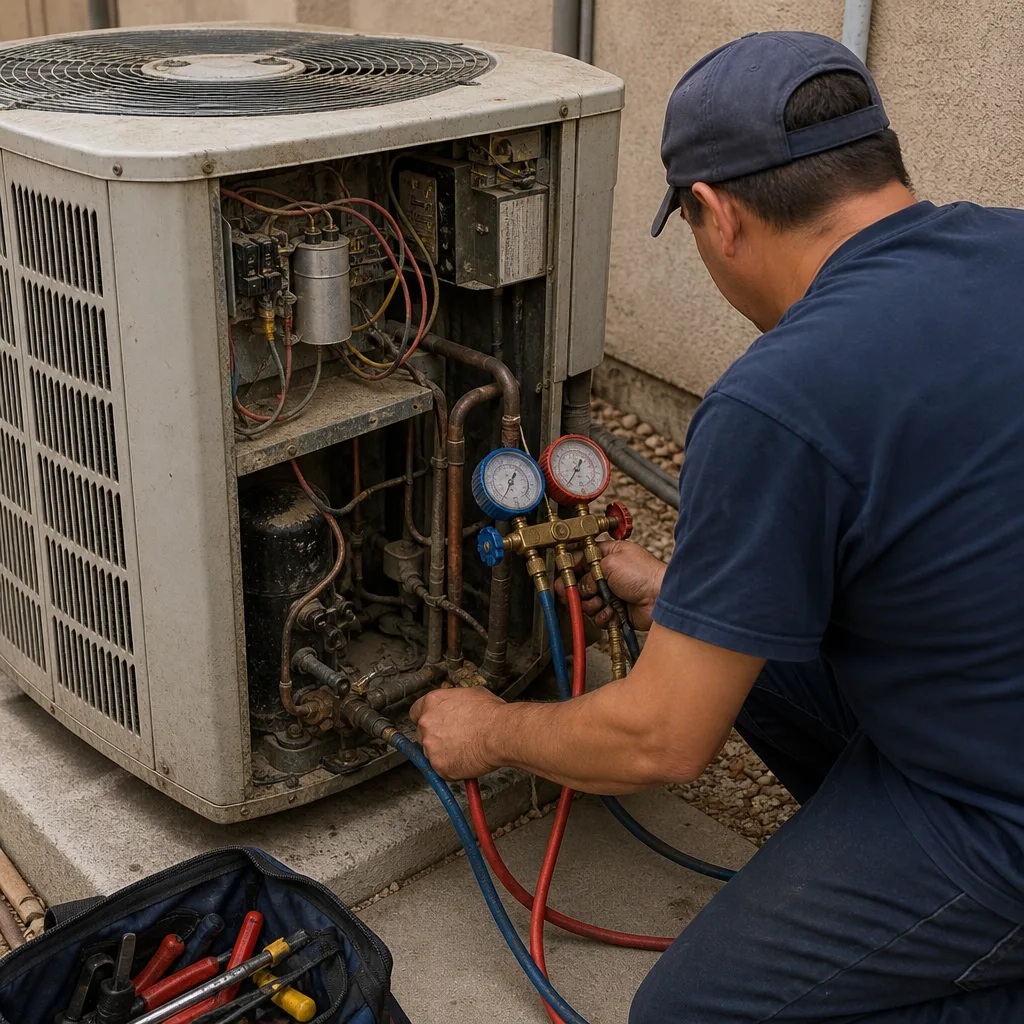 Before
 After
 Before
 After
 Before
 After
When to Call a Professional
Some HVAC problems are genuinely minor. A clogged drain line, a tripped breaker, or a dirty filter are homeowner-level fixes. But anything involving refrigerant, electrical panels, gas lines, or high-voltage components belongs in the hands of a trained technician. Refrigerant handling requires EPA certification, and electrical panel work in Clark County requires a licensed electrician. If your system is blowing warm air, tripping the breaker, or refusing to start, call before trying anything yourself. Fireside Heating & Air Co. Summerlin offers free estimates in Summerlin – call (888) 325-9387. A live person answers, day or night. No voicemail tree, no wait.
Frequently Asked Questions
A straightforward like-for-like installation in Summerlin takes one day once permits are approved, with permits typically clearing in three to seven business days. If the job involves new line sets, ductwork, or electrical work, plan on two to three days. Custom-order or high-SEER2 equipment adds four to eight weeks of lead time during peak season. Call (888) 325-9387 for an honest timeline on your specific situation – estimates are free.
No, and any contractor who says otherwise is cutting corners on permits or equipment. Installation involves permit review, equipment procurement, and scheduling. What we can do is get the estimate and permit process moving the same day you call. Call (888) 325-9387 to start the process.
Because the technician can’t see inside the system until they’re in it. A capacitor replacement that looks like 45 minutes becomes 90 if the compressor is drawing excessive amperage and needs diagnostic work. Refrigerant recharges stretch when a leak has to be located across multiple zones. Our technicians quote upfront and don’t add surprise charges mid-job. If something changes, we explain it before we do it.
Ask for the permit number before any work begins. In Clark County, licensed contractors receive a permit number at submittal, which is well before the installation date. If a contractor can’t produce a number when work starts, that’s a red flag. Call (888) 325-9387 if you want to talk through what a legitimate permit process looks like.
March and April are the best months. Permits clear faster, equipment is more available, and you’re not competing with the June-through-August emergency rush. If your system is over twelve years old and limping, get it quoted in early spring rather than waiting for a failure. Estimates are free – call (888) 325-9387.
We stop, explain the discovery in plain terms, provide a written price for the additional work, and get your approval before continuing. The original quoted price is the price you pay for the original scope. Any additions are documented and agreed in writing. That’s how the 90-Day Done Right Promise works in practice – no arguing, no surprises.
The Bottom Line
AC repair timelines run one to five hours depending on the specific failure. Installation timelines run one to three days of on-site work once permits clear, with permits taking three to twenty-one days and equipment lead times stretching four to eight weeks during the summer peak. The single biggest thing Summerlin homeowners can do to control timelines is plan ahead: get the pre-job inspection, order equipment in spring, and never skip the permit question. If your system is failing, call us before it fails completely – Heating & Furnace in Summerlin service follows the same honest scheduling standards we hold for cooling work, in every season.
Ready to get an honest timeline for your specific system? Call Fireside Heating & Air Co. Summerlin at (888) 325-9387 for a free estimate. A live person answers every call, 24 hours a day, seven days a week. Every job is backed by our 90-Day Done Right Promise, and the price we quote is the price you pay. We also offer $50 Off Any Repair Over $250, a Free Second Opinion on Any Written Estimate, an $89 Seasonal Tune-Up, and a 5% Senior and Veteran discount – always.
Written by the team at Fireside Heating & Air Co. Summerlin.