
Last updated November 17, 2026
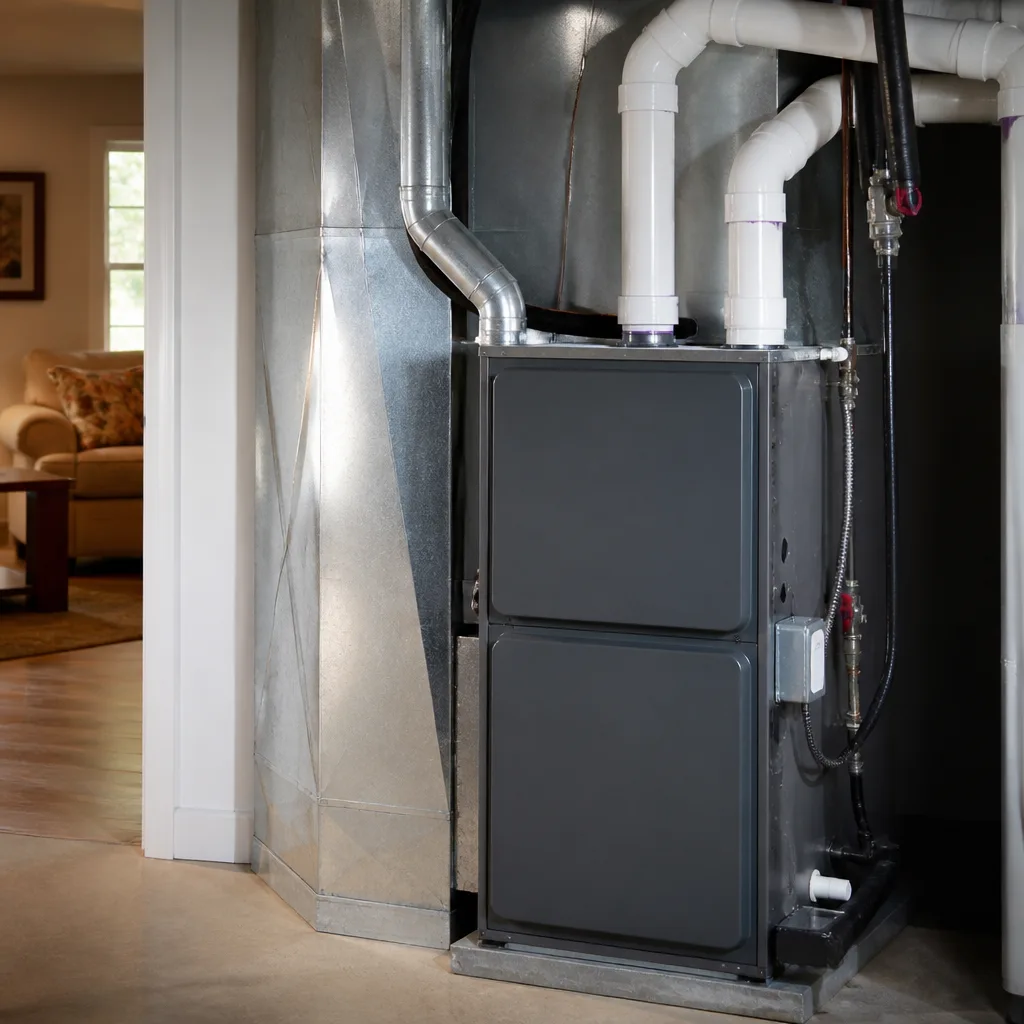 Furnace & heating
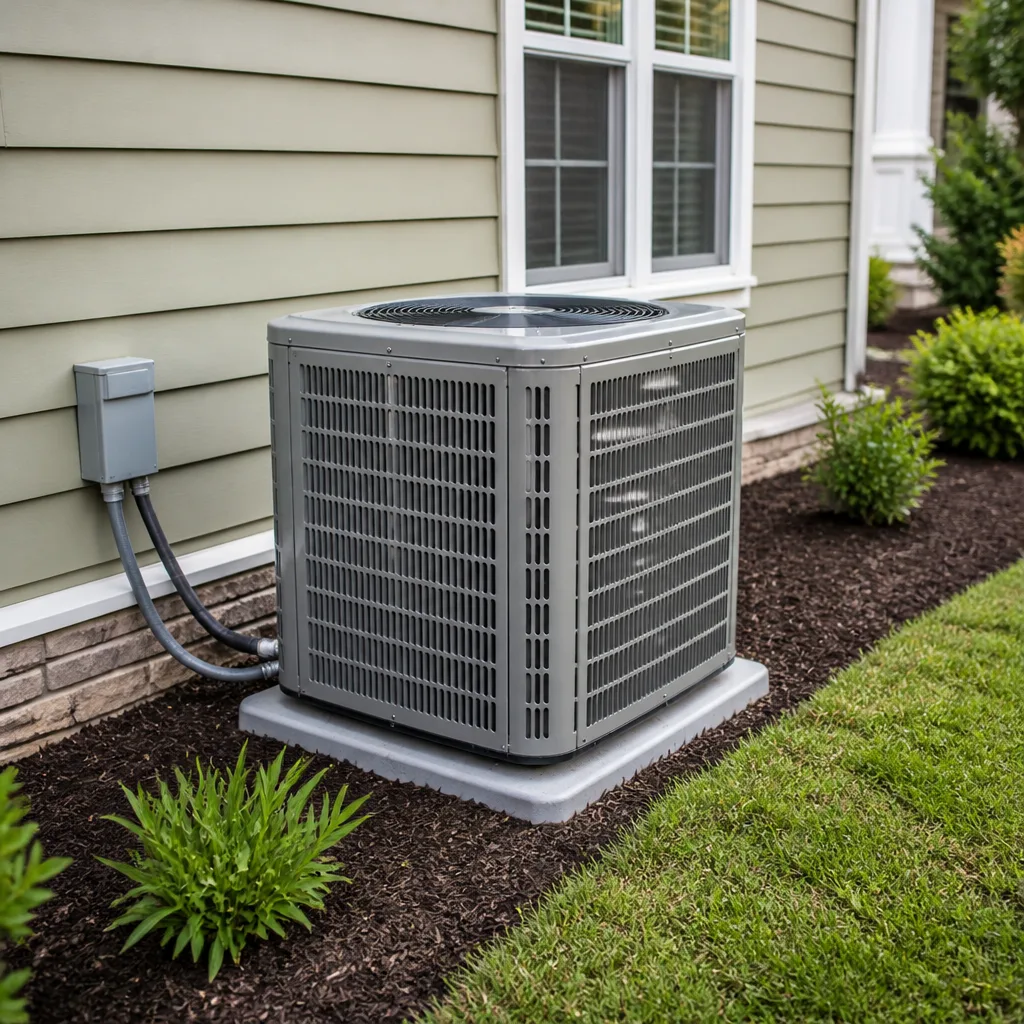 AC repair
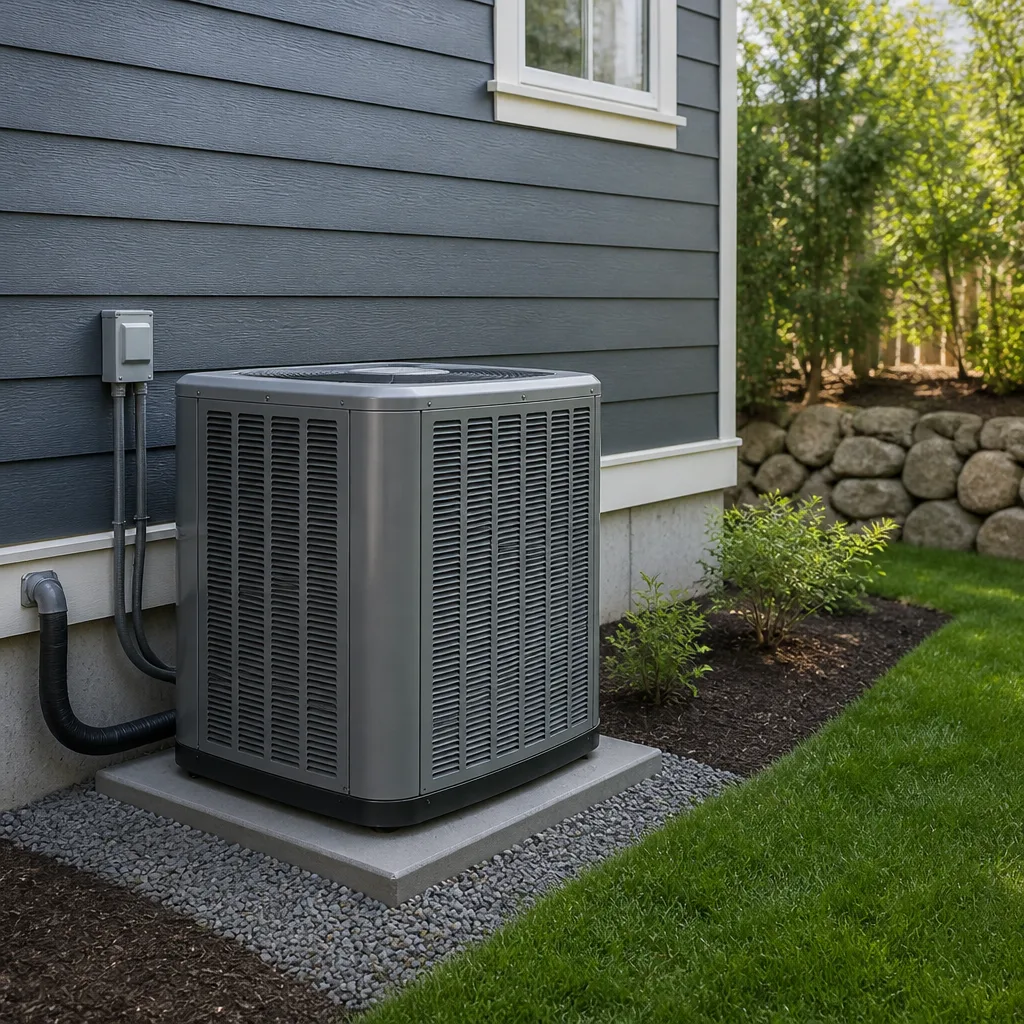 Heat pumps
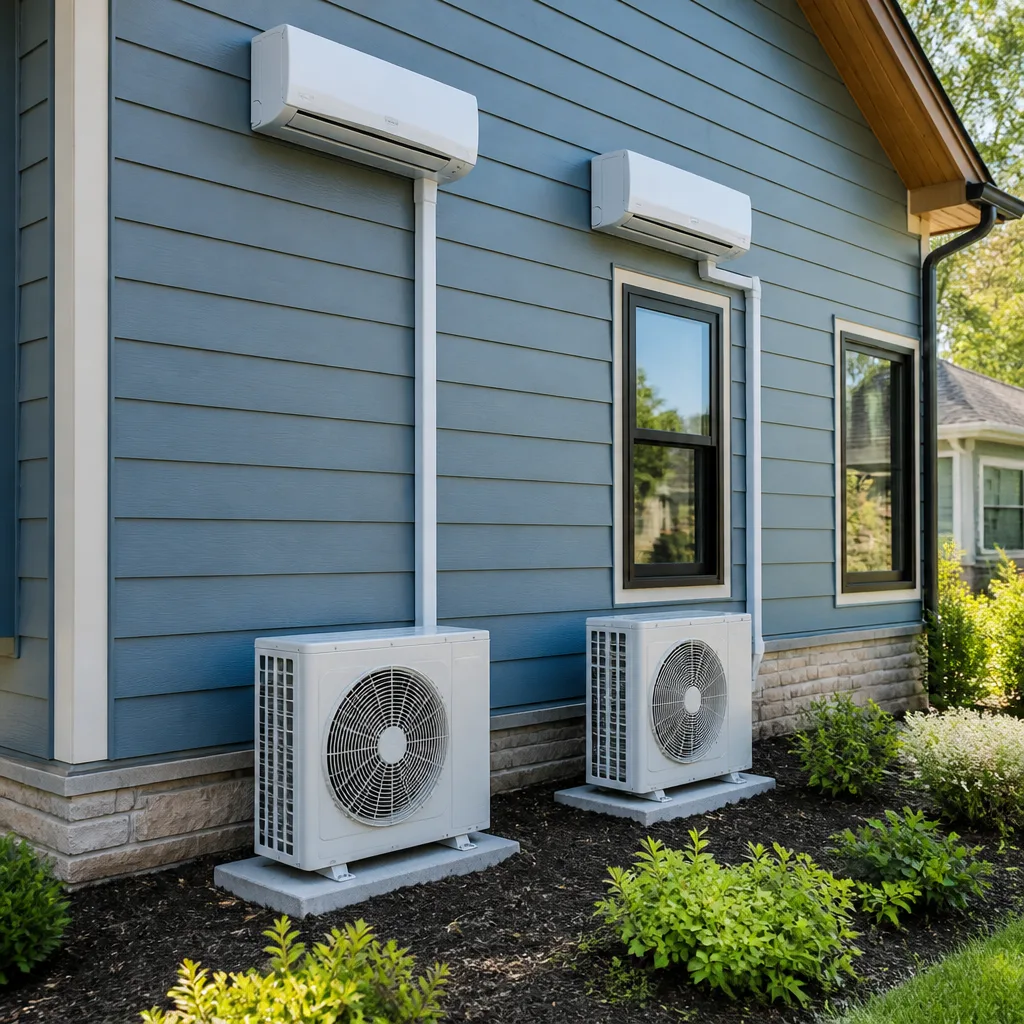 Ductless mini splits
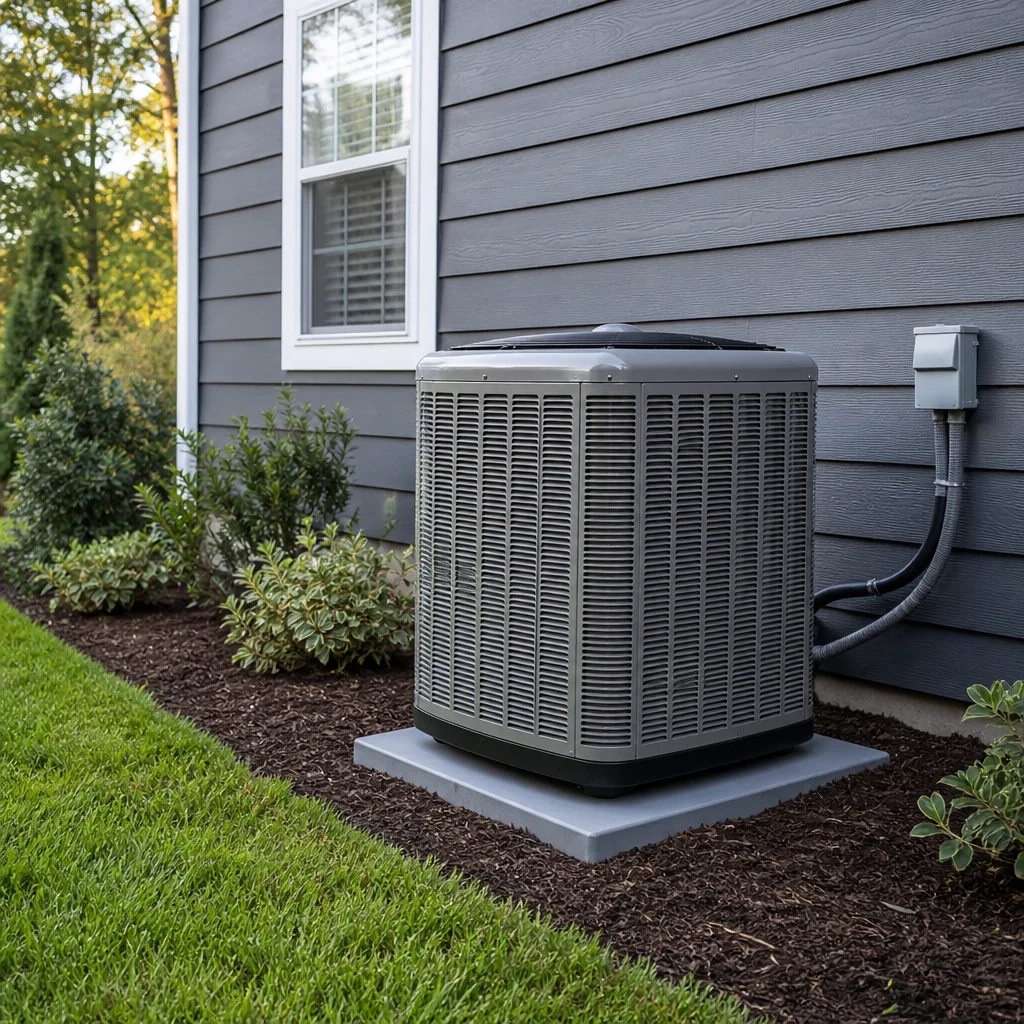 Carrier
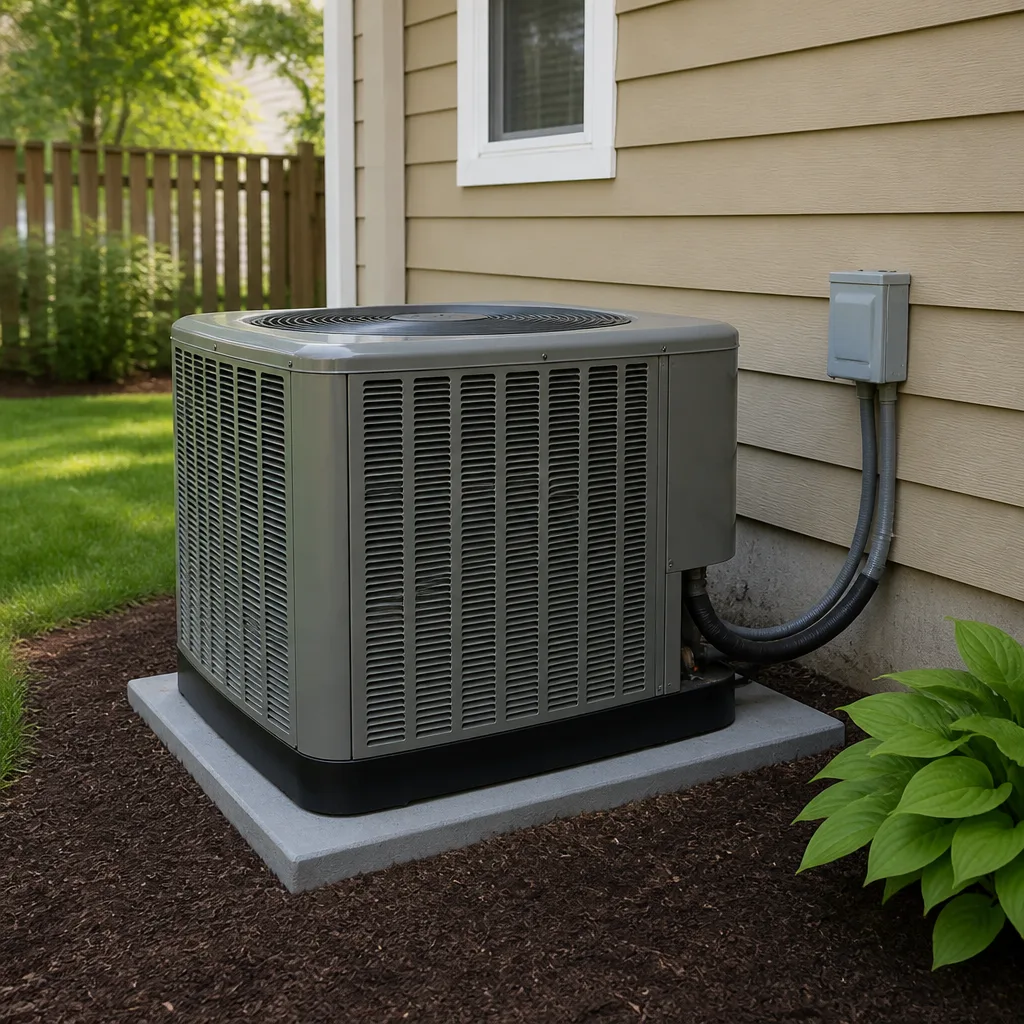 Trane
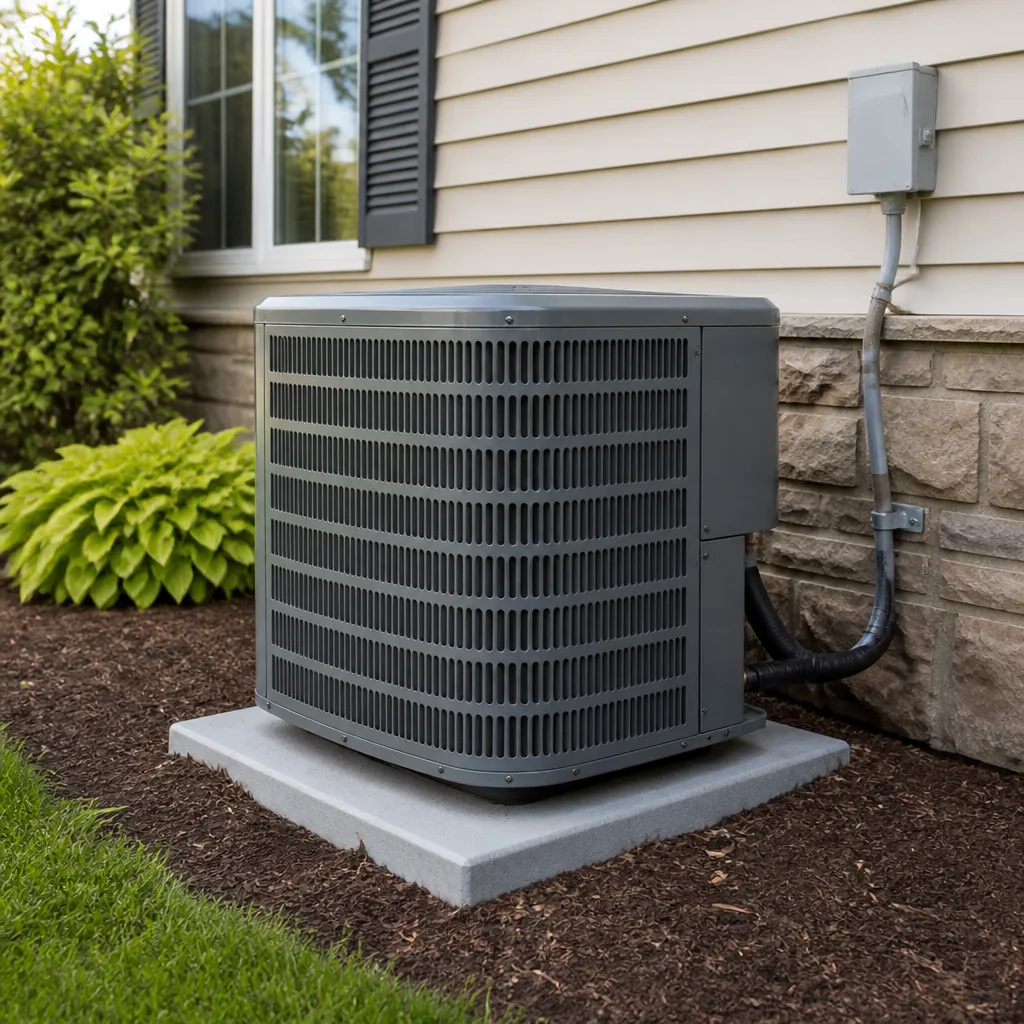 Goodman
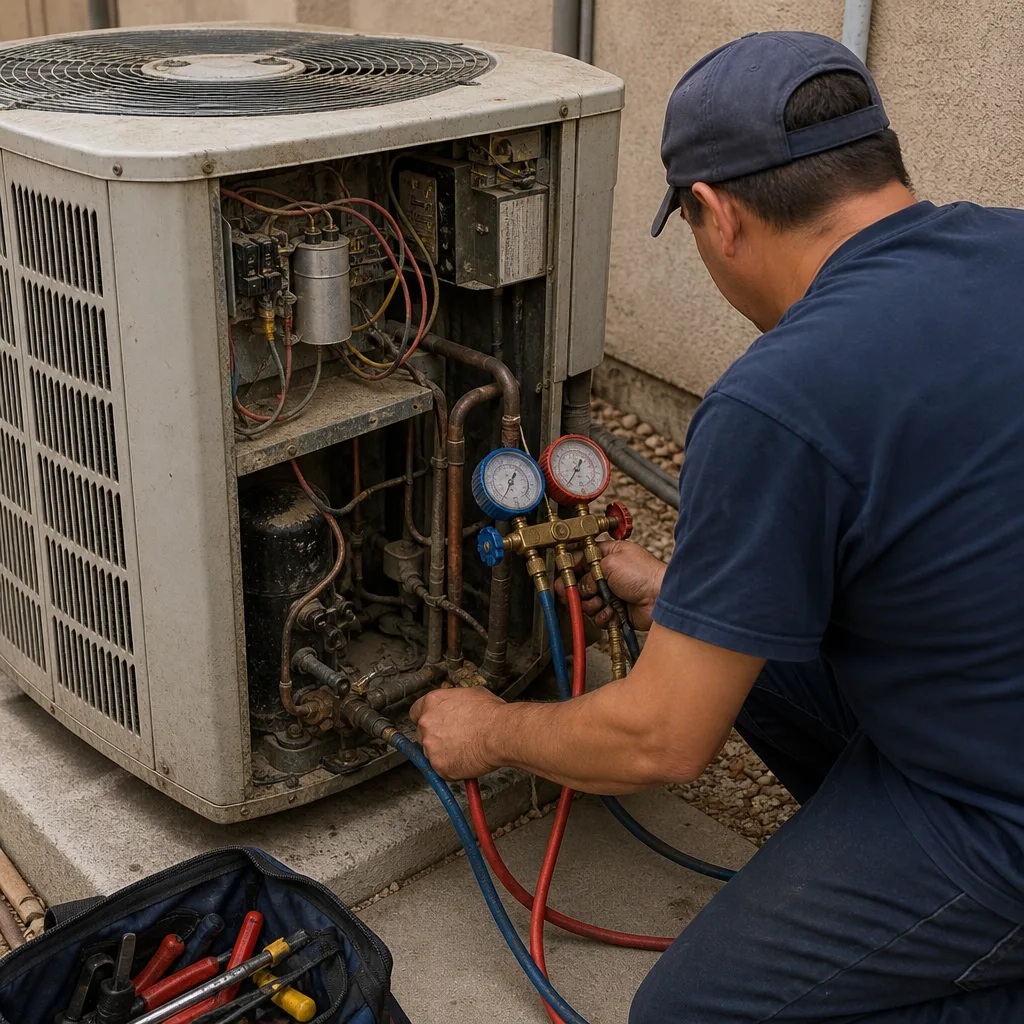
Seasonal tune-up and full diagnostic on your Carrier, Trane, or Goodman system - readings shown to you before any repair is proposed
Diagnosis first, numbers second - you approve the repair price before a single part goes in.
Get your free estimateThe Complete Heating & Furnace Guide for Summerlin Homeowners
Summerlin doesn’t have brutal winters, which is exactly why furnace problems catch homeowners off guard. A system mothballed since February, baked in an attic through a 115°F summer, then asked to perform on a 28°F January night is under real stress. “It worked fine last year” is the sentence HVAC technicians hear most often in December. This guide covers why desert heating systems fail in predictable patterns, how to prep a Summerlin home before the first cold snap, and how to think about repair versus replacement when the numbers are staring back at you.
Quick Answer
In Summerlin, most gas furnace failures happen in the first cold week of the season because dust, disuse, and summer attic heat combine to foul igniters, flame sensors, and blower components. A pre-season tune-up in October, a check of the attic air handler, and an honest load calculation before replacement prevent the majority of winter no-heat calls. The right choice between a heat pump and a gas furnace in Summerlin depends on how you heat, not on national averages.
Styles & brands we work with
- AC repair
- Furnace & heating
- Heat pumps
- Ductless mini splits
- Carrier
- Trane
- Goodman
Table of Contents
- Why Summerlin Furnaces Fail in the First Cold Week
- What a Summerlin Summer Does to an Attic Air Handler
- Heat Pump vs. Gas Furnace: The Efficiency Math That Applies Here
- Load Calculations for Summerlin vs. the Valley Floor
- Nevada Gas Rates and What Efficiency Really Buys You
- A Pre-Season Heating Checklist for Summerlin Homes
- Repair or Replace? Straight Talk for Older Systems
- Carbon Monoxide and Gas Safety in a Tightly Sealed Home
Why Summerlin Furnaces Fail in the First Cold Week
Every December, we get a run of no-heat calls in the same week – right after the first genuinely cold night. The pattern is consistent enough to predict. A furnace that sat idle for eight months doesn’t fail randomly. It fails because several small conditions converge on the same evening.
Here’s what’s actually happening:
- Dust on the flame sensor. Eight months of desert dust settles on the flame sensor rod. When the furnace fires for the first time, the sensor reads a weak signal and shuts the burner down within seconds. The system cycles, blows cold air, and the homeowner assumes the furnace is dead.
- Igniter fatigue. Hot-surface igniters crack with age. A hairline crack can survive storage but fail the moment it heats up after months of disuse.
- Spider webs and debris in the burners. Common in Summerlin’s dry climate. Blocked burner ports cause delayed ignition or a rollout trip.
- Blower bearings dry from sitting. A blower that ran fine the previous winter can seize or squeal after long idleness.
Summerlin’s mild winters actually make this worse, not better. In a cold climate, a furnace runs most months of the year and stays exercised. Here, it sits. Idle equipment takes on dust, insect intrusion, and seal degradation in a way that running equipment doesn’t. If your system is older, this is the moment it’s most likely to fail.
An $89 seasonal tune-up in October catches nearly every one of these before they strand you in January. That’s the whole argument for pre-season service in one paragraph. If your system is showing any of these symptoms now, schedule Heating & Furnace in Summerlin before the first cold night.
What a Summerlin Summer Does to an Attic Air Handler
In most Summerlin homes, the air handler lives in the attic. That single fact drives a huge share of the heating problems we see, because an attic in Summerlin is not a benign storage space. It’s an oven. Attic temperatures routinely climb well past 130°F in July and August, and that heat does slow, cumulative damage to the equipment sitting inside it.
What degrades over a Summerlin summer:
- Condensate and drain pans. The shared drain pan for the cooling coil can collect algae and debris. When heat season begins, a clogged drain or a rusted pan shows up as water damage or a safety trip.
- Wire insulation. Sustained high heat makes wire insulation brittle. Connections loosen as the metal expands and contracts.
- Blower motor bearings. Grease thins at sustained attic temperatures. A motor that starts the season dry will sound rough by the second cold week.
- Cabinet seams and duct connections. Heat cycling loosens taped or mastic-sealed joints. You lose heated air into the attic before it reaches a single register.
Before you use the heat for the first time, ask a technician to inspect the attic unit specifically. We look at the drain pan, the blower, the connections, and the heat exchanger during a heating tune-up. Skip the attic and you skip the components most likely to fail. If you’ve had cooling trouble in the same unit this summer, address it now rather than after the first freeze warning – our AC Repair & Installation in Summerlin team can inspect the shared components while the weather is still warm.
Heat Pump vs. Gas Furnace: The Efficiency Math That Applies Here
The heat pump versus gas furnace debate gets answered with national averages that don’t apply to Summerlin. Here’s a direct answer: for most Summerlin homes, a heat pump makes economic sense when you also use it for cooling, and a gas furnace makes sense when you’re replacing heating only or when your existing ductwork and electrical panel won’t support a changeover without significant cost.
Why the standard advice doesn’t hold here:
- Summerlin winters are mild enough that a modern heat pump can cover the heating load on nearly every winter night without backup. That’s not true in Minneapolis; it is true here.
- You run cooling for far more hours than heating in Summerlin. A heat pump does both, so its efficiency matters year-round. A gas furnace helps you only in winter.
- Electric resistance backup strips drive up winter bills, but a properly sized heat pump in Summerlin is designed to avoid most strip use.
- Gas furnaces offer faster, hotter recovery on the coldest nights and don’t depend on outdoor temperature at all, which matters if a cold snap drops into the low twenties.
The efficiency math, in plain terms: a modern heat pump moves two to three units of heat for every unit of electricity it uses. A high-efficiency gas furnace turns roughly 95% of its fuel into heat. Which wins on cost depends entirely on your local electric and gas rates – and those we’ll cover next. If you’re weighing a changeover, our Heat Pump & Mini Split in Summerlin team can run the actual numbers for your home instead of guessing.
Load Calculations for Summerlin vs. the Valley Floor
Heating load is the amount of heat your home needs to stay comfortable on the coldest design day. It’s not a rule of thumb and it’s not a guess based on square footage. Getting it wrong is the single most common cause of a system that runs too short, too long, or too loud.
Summerlin is not the valley floor. Two things change the load calculation here:
- Elevation. Summerlin sits several hundred feet above the Las Vegas valley floor. Design temperatures, air density, and equipment performance curves shift with elevation. A contractor sizing off “Las Vegas” without accounting for Summerlin’s elevation is sizing off the wrong place.
- Construction type. Summerlin has a wide mix – older single-story homes on slab, newer two-story builds with different window packages, some homes with significant western exposure to afternoon sun. A west-facing wall in Summerlin loads the cooling side hard and influences the heating comfort balance too.
A proper Manual J load calculation measures insulation, window area and orientation, air infiltration, duct location, and local design temperatures. It takes time. If a contractor quotes you a replacement system without one, ask why. A system oversized by one ton short-cycles, wears out early, and costs more to run. A system undersized leaves you cold on the coldest night. Neither is a bargain. If you want an honest sizing conversation for your Summerlin home, Fireside Heating & Air Co. Summerlin home is the place to start.
Nevada Gas Rates and What Efficiency Really Buys You
Nevada’s residential gas rates have moved enough in recent years that an old 80% furnace can cost noticeably more to run than it did when it was installed. If you’re making heating decisions on the assumption that gas is cheap here, it’s worth checking your last winter bill against a few years prior.
What efficiency actually buys, stated plainly:
- An 80% efficiency furnace wastes about a fifth of the gas it burns out the flue. That’s the standard unit in most older Summerlin homes.
- A 90%+ efficiency furnace condenses flue gases to recover that waste heat. On a modest Winterlin winter with a few hundred dollars of gas, the annual savings from stepping up to 90%+ are real but not dramatic – the bigger reason to upgrade is comfort and quiet, plus the higher efficiency keeps more of your dollar working.
- Rate structures on natural gas aren’t flat. Baseline tiers, seasonal pricing, and delivery charges all affect the actual cost per therm. Efficiency gains apply to every therm you would have burned.
The honest take: efficiency math rarely pays back a full replacement on gas savings alone in a Summerlin climate. It pays back faster when combined with a failing furnace, a heat-pump changeover, or a home with chronic comfort complaints. We’ll show you the numbers on a written estimate and let you decide. A free second opinion on any written estimate is always available.
A Pre-Season Heating Checklist for Summerlin Homes
Work through this in October, before you need heat. If any step turns up a problem you can’t resolve, call us rather than postponing it until a 28°F night. A handful of these checks belong in front of the filter only – the burners, heat exchanger, and gas connections are for a trained technician, and we’ll flag exactly where that line is.
- Replace the furnace filter. A summer’s worth of dust loads a filter fast. Start the season with a clean one.
- Test the thermostat by setting it to heat for a few minutes. Confirm the system fires and the blower runs.
- Check the vent and intake. Make sure nothing blocks the outdoor intake or the flue above the unit.
- Look at the attic unit – visible damage, rust, water stains, or drooping duct tape. Don’t open panels on a gas unit; observe from outside the cabinet only.
- Confirm your carbon monoxide detectors work. Test the button on each unit and replace batteries.
- Clear a path to the furnace and don’t stack storage against it. Combustion air space matters.
- Schedule a tune-up. The $89 seasonal tune-up cleans the flame sensor, checks ignition, verifies combustion, and catches the failures we described above before they turn into a no-heat call.
That last step matters most. Our technicians work across nine major brands – including Carrier, Trane, and Lennox – and can address most tune-up findings in a single visit.
Repair or Replace? Straight Talk for Older Systems
The repair-versus-replace call is where you most need someone to give you a straight answer instead of a sales pitch. Here’s a direct one: repair when the fix is a component and the system is under 12 to 15 years old with no signs of heat exchanger failure; replace when the repair cost approaches a third of replacement value, the heat exchanger is compromised, or you’re facing a second major repair within a short window.
Questions to ask before deciding:
- How old is the system, and what’s its remaining expected life?
- Is the repair on a cheap component (igniter, flame sensor, capacitor) or an expensive one (heat exchanger, blower motor, control board)?
- Is the heat exchanger cracked or compromised? That’s an immediate safety issue, not a repair call – stop using the furnace.
- Have you already spent real money on repairs this year?
Our technicians are not paid on what they sell, so they have no incentive to steer you toward a replacement you don’t need. If repair makes sense, we say so. If replacement makes sense, we’ll say why and put it in writing. Replacement work is scheduled and load-calculated – it isn’t a same-day job – and we’ll show you a fixed price and a set install date before anything is ordered.
Carbon Monoxide and Gas Safety in a Tightly Sealed Home
Gas appliances produce carbon monoxide, and a home that’s sealed tight for summer cooling can hold onto it. That’s a safety concern worth taking seriously every heating season, not just after a repair.
What to do:
- Install at least one CO detector on each floor, and test them before each heating season.
- Keep the furnace flue and outdoor intake clear of debris, birds’ nests, or landscaping.
- If you smell gas, leave the house and call your utility’s emergency line from outside. Do not flip switches or use your phone inside.
- If a CO detector sounds, get everyone outside and don’t reenter until a technician has cleared the system.
A cracked heat exchanger, a blocked flue, or a delayed ignition are all technician-level problems. Do not attempt to inspect or service burners, gas valves, or the heat exchanger yourself. A trained tech checks these with combustion analysis during a tune-up. If your annual routine hasn’t included a combustion check, make this the year it does. For anything that feels off, our phones are answered by a live person around the clock – not a voicemail tree.
Common Mistakes to Avoid
- Waiting for a no-heat call to schedule service. In Summerlin, the first cold week floods technicians. Book a tune-up in October and skip the queue.
- Skipping the attic. Checking only the furnace downstairs and ignoring the attic air handler misses the components most likely to fail in Summerlin’s climate.
- Accepting a size quote without a load calculation. A replacement sized off square footage alone is oversized or undersized. Ask for a Manual J.
- Ignoring the gas bill. An old 80% furnace quietly wastes a fifth of the fuel. If your winter bills feel high, efficiency is part of the reason.
- Blaming the thermostat for no heat. Nine times out of ten in a first cold snap, it’s the flame sensor or igniter. Don’t rip out the thermostat before a technician looks.
- Treating cheap parts as an excuse to replace the whole system. An igniter or flame sensor fix is a small job. A good tech tells you the difference.
- Skipping the CO detector. It’s the cheapest safety step in this guide and the one most often forgotten.
See the difference
 Before
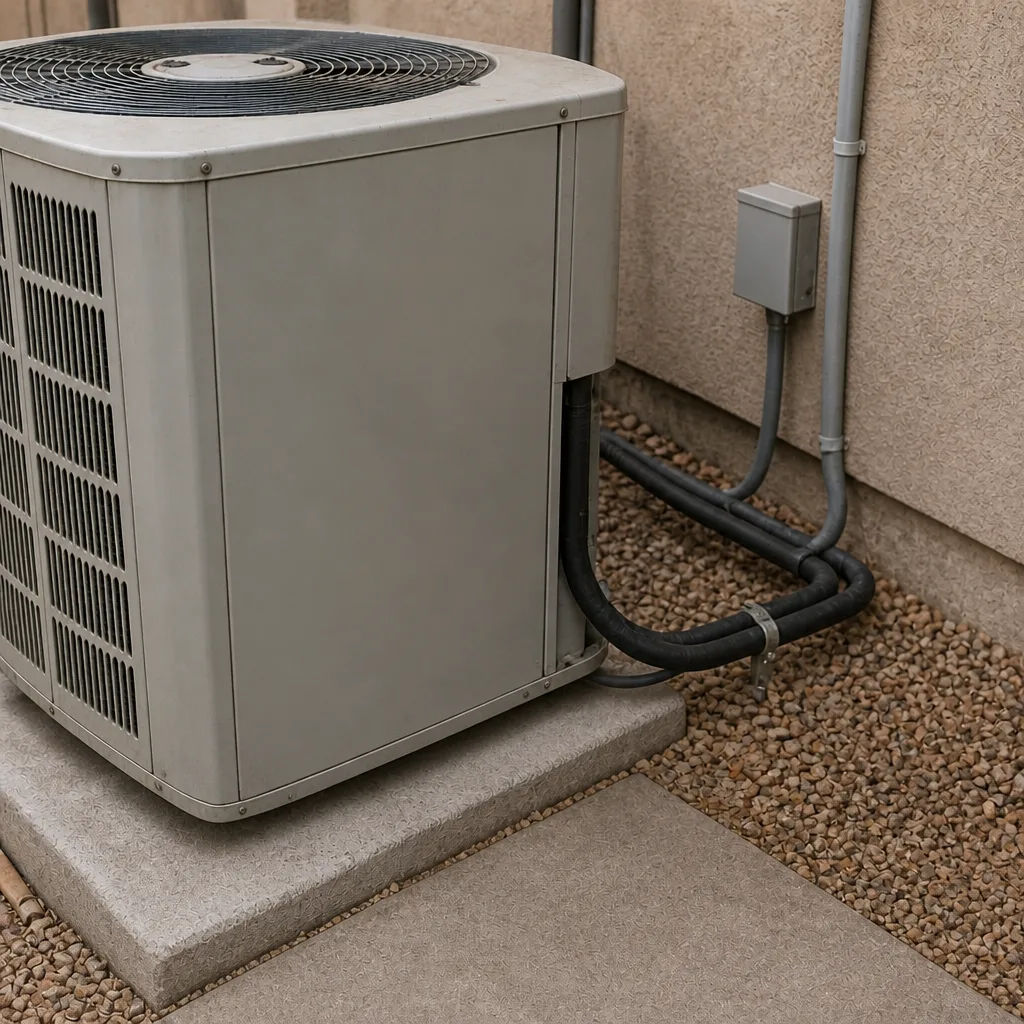 After
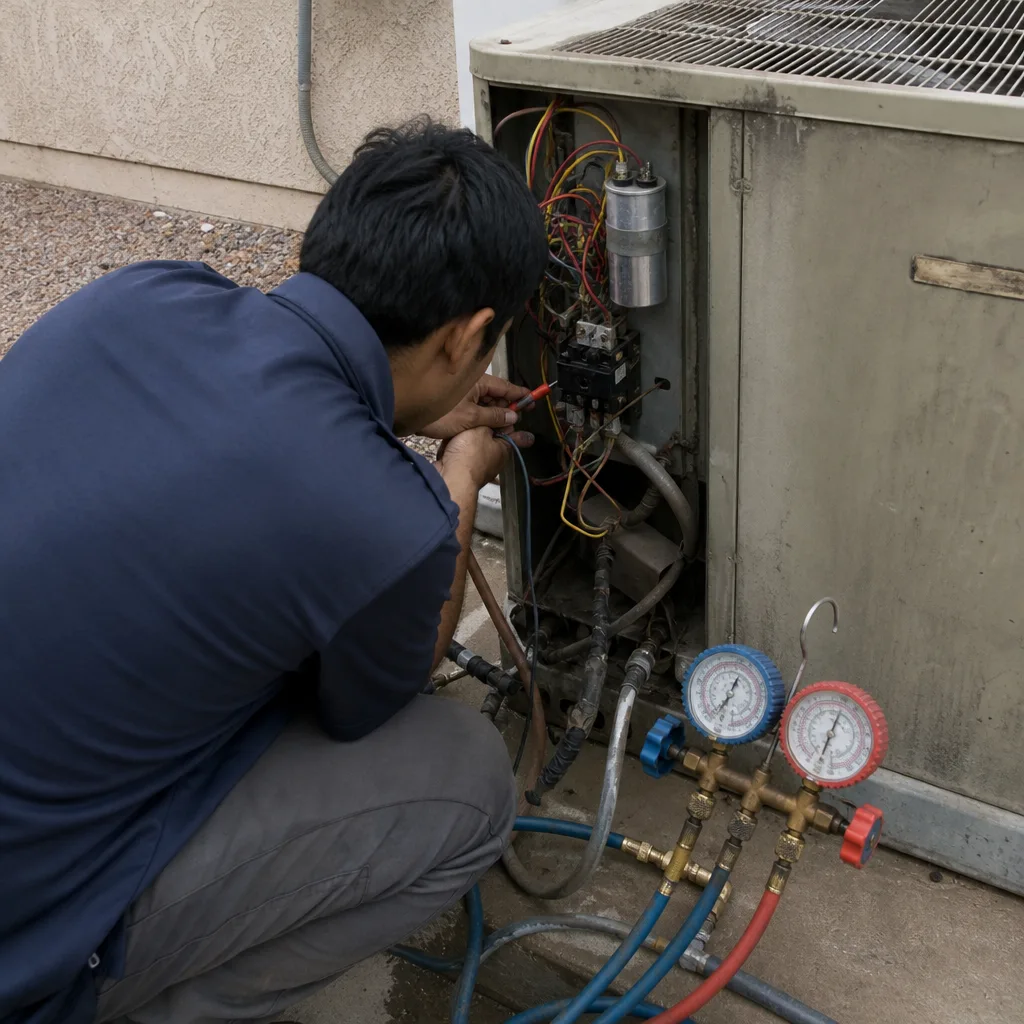 Before
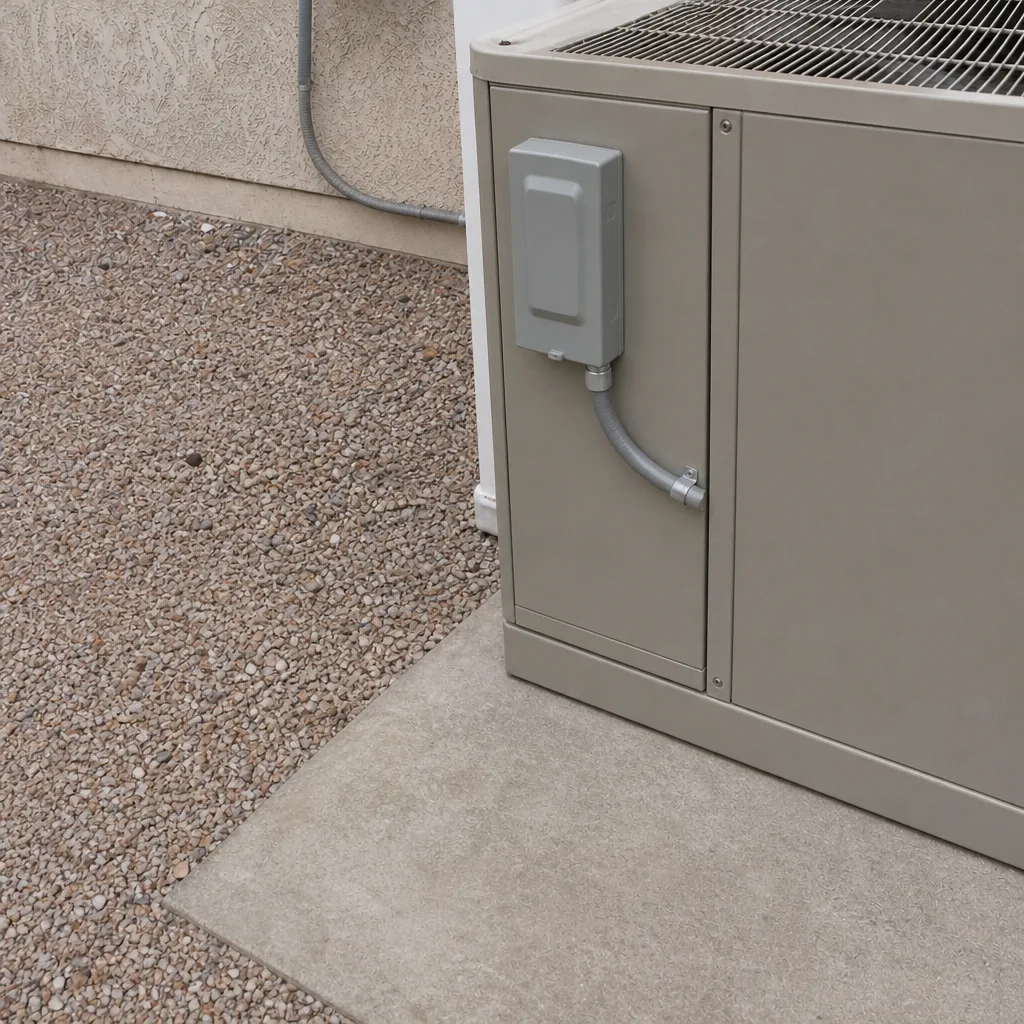 After
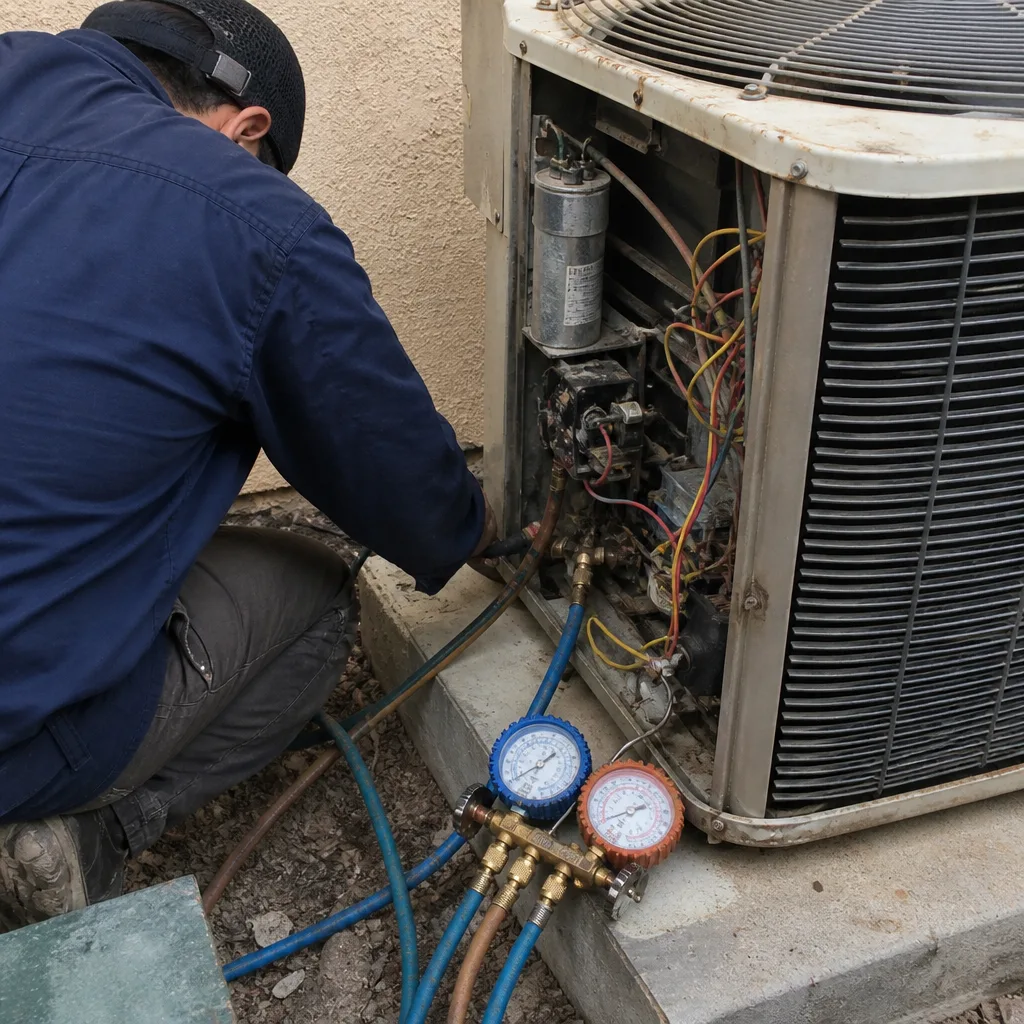 Before
 After
When to Call a Professional
Call a trained professional when the furnace won’t fire, when you smell gas, when a CO detector sounds, when the blower runs but no warm air comes out, or when you find water, rust, or a suspicious smell near the unit. Also call when a technician-level check is needed – heat exchanger, burners, gas valve, combustion, or anything involving “how do I adjust this” inside a gas furnace. Those aren’t DIY jobs, and we’d rather you call than read a tutorial. Fireside Heating & Air Co. Summerlin offers free estimates in Summerlin. Call (888) 325-9387 – a live person answers, day or night. Every job is backed by the 90-Day Done Right Promise: done right, or we make it right.
Frequently Asked Questions
Because the system sat idle for eight months, dust fouled the flame sensor, the igniter aged, and the attic heat stressed the components. The first fire usually exposes a weak point. A pre-season tune-up catches it before the first cold night.
In most Summerlin homes, a heat pump makes economic sense if you also use it for cooling, because you run cooling far more hours than heating. A gas furnace makes sense when you’re replacing heating only or when electrical and ductwork changes make a swap expensive. Call (888) 325-9387 for a straight answer on your home – the estimate is free.
Our seasonal tune-up is $89, and it covers the flame sensor, ignition, combustion check, blower, and drain pan and cabinet inspection. Senior and veteran homeowners get an additional 5% off. Call to schedule before the cold snap.
Repair when it’s a component fix and the system is under 12 to 15 years old with a sound heat exchanger. Replace when the repair cost nears a third of replacement value, when the heat exchanger is compromised, or when you’re facing a second major repair. Our technicians aren’t paid on what they sell, so you’ll get a straight answer. Call (888) 325-9387 to talk it through.
Attic heat in a Summerlin summer degrades wire insulation, thins blower grease, and loosens duct connections. The results show up in the first cold week as a rough blower, a tripped unit, or heated air never reaching a register. Ask for the attic inspection during your tune-up.
Yes. We service nine major residential brands, including Carrier, Trane, Lennox, American Standard, Daikin, Goodman, Rheem, York, and Bryant. Call (888) 325-9387 with your model and we’ll confirm the appointment.
The Bottom Line
The mild Summerlin winter is exactly what hides furnace problems. A system that idles through the year fails at the first cold snap – and the fix is predictable. Get a clean filter, test the heat in October, ask for the attic inspection, schedule the $89 tune-up before the queue forms, and insist on a proper load calculation before replacing equipment. If the heat goes out, call a professional rather than troubleshoot a gas furnace yourself. Fireside Heating & Air Co. Summerlin offers free estimates, a 90-Day Done Right Promise in writing, and a live person on the phone at (888) 325-9387, day or night. Call today for a free estimate on a repair, a tune-up, or a straight answer about repair versus replace.
Written by the team at Fireside Heating & Air Co. Summerlin.