
Last updated November 17, 2026
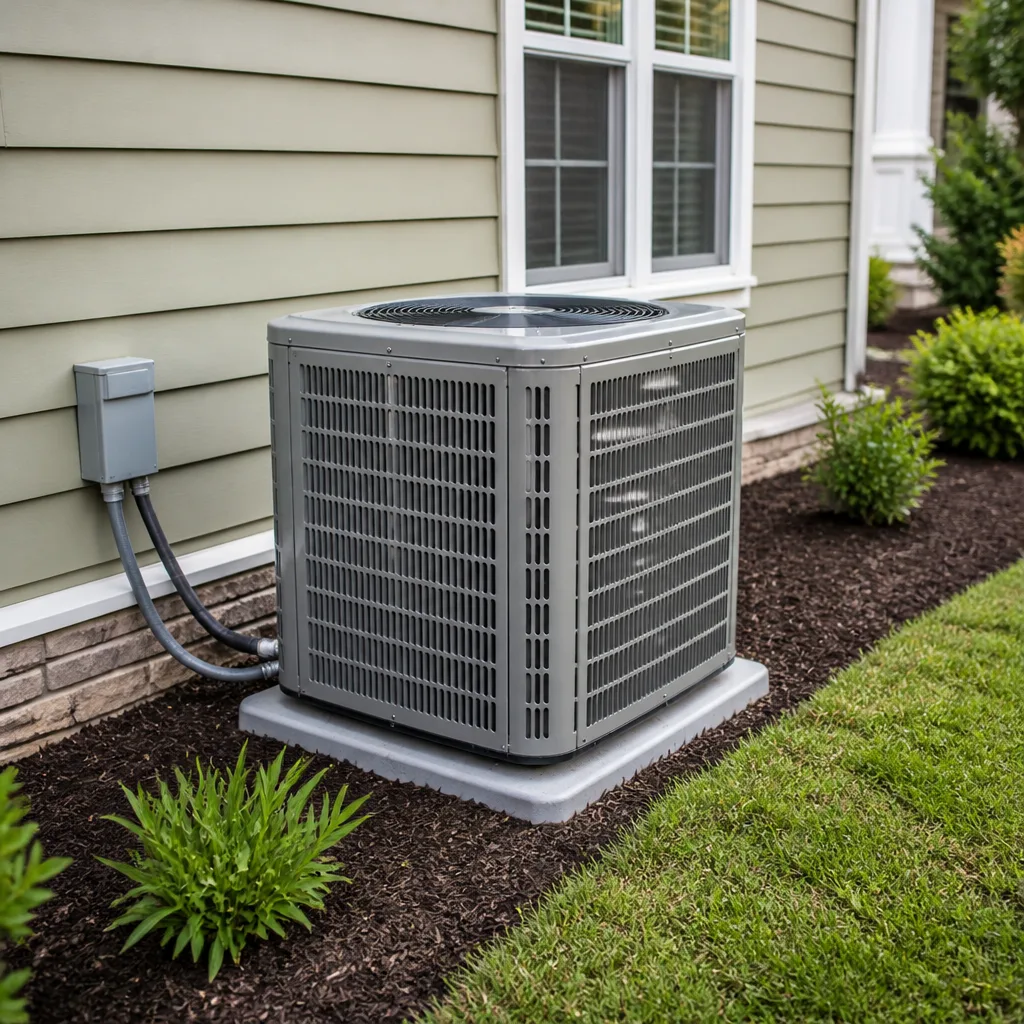 AC repair
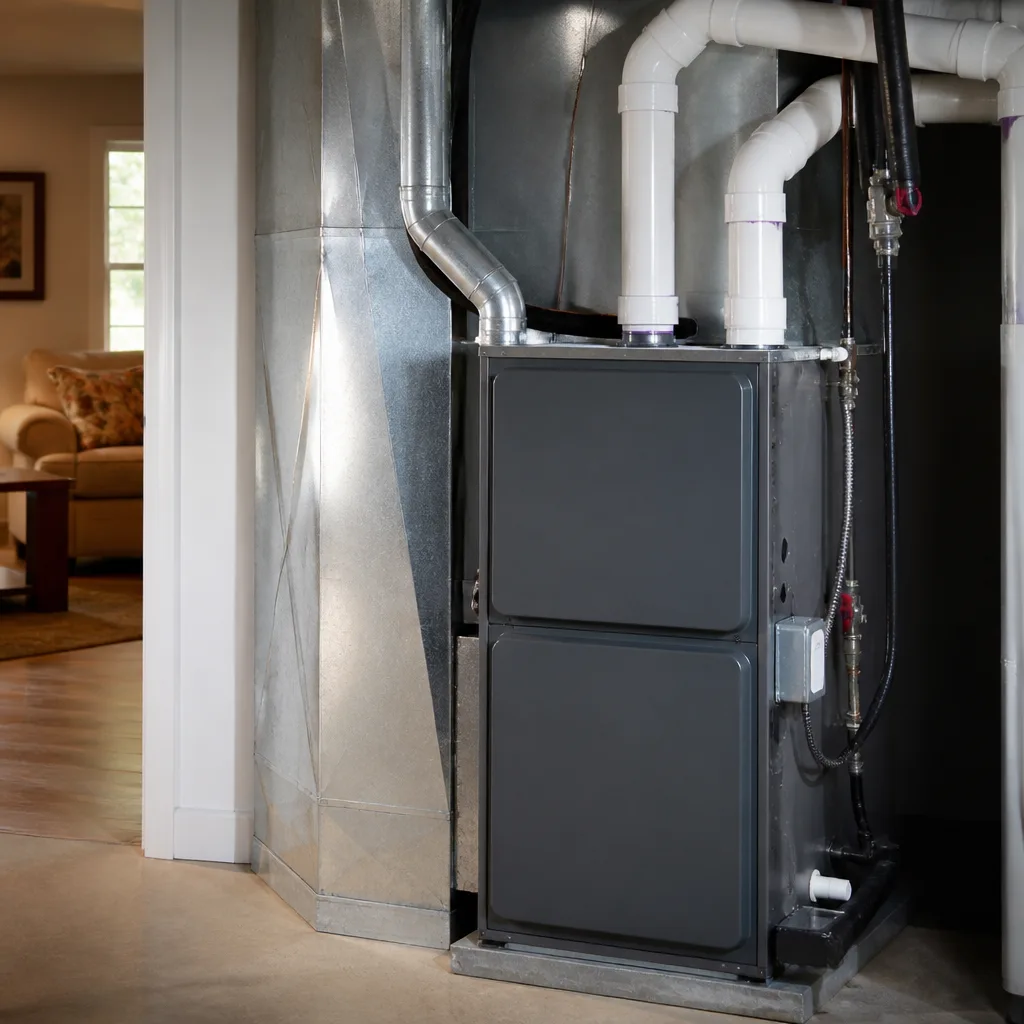 Furnace & heating
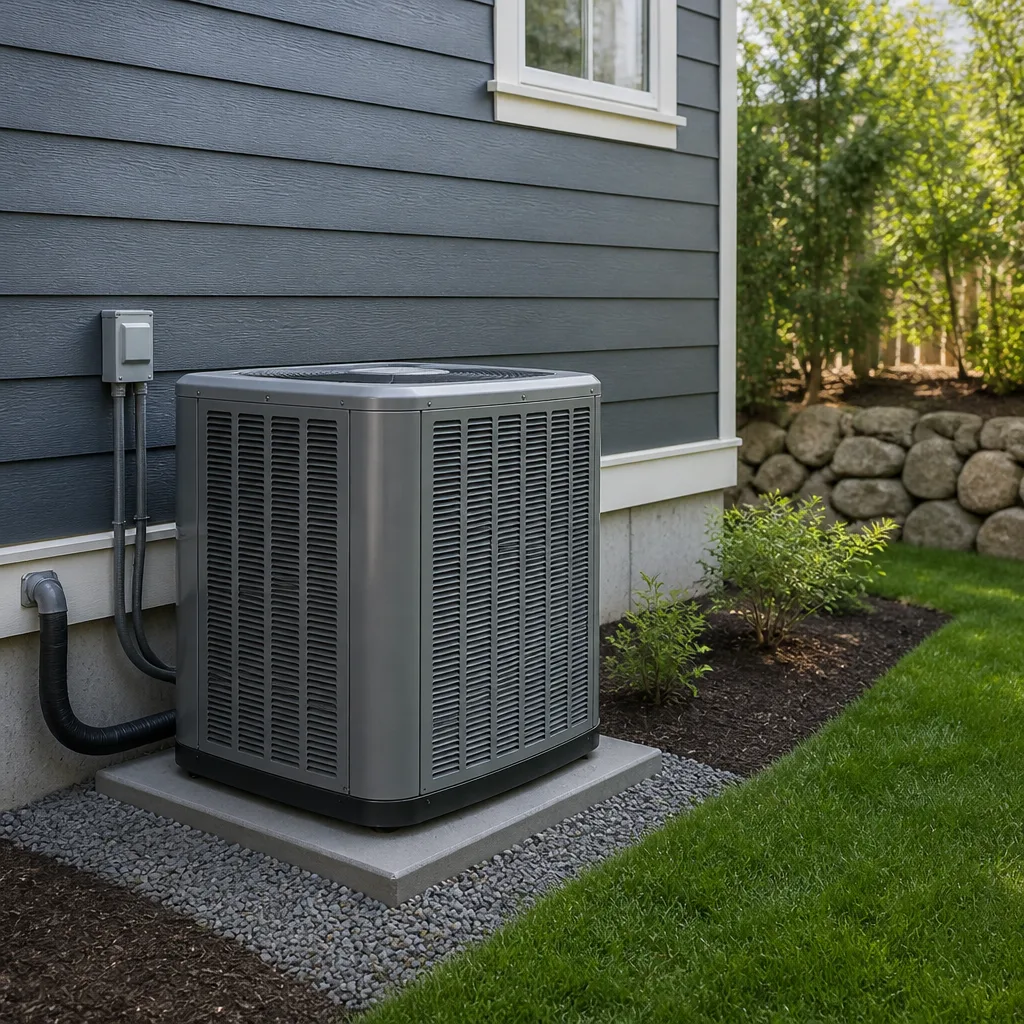 Heat pumps
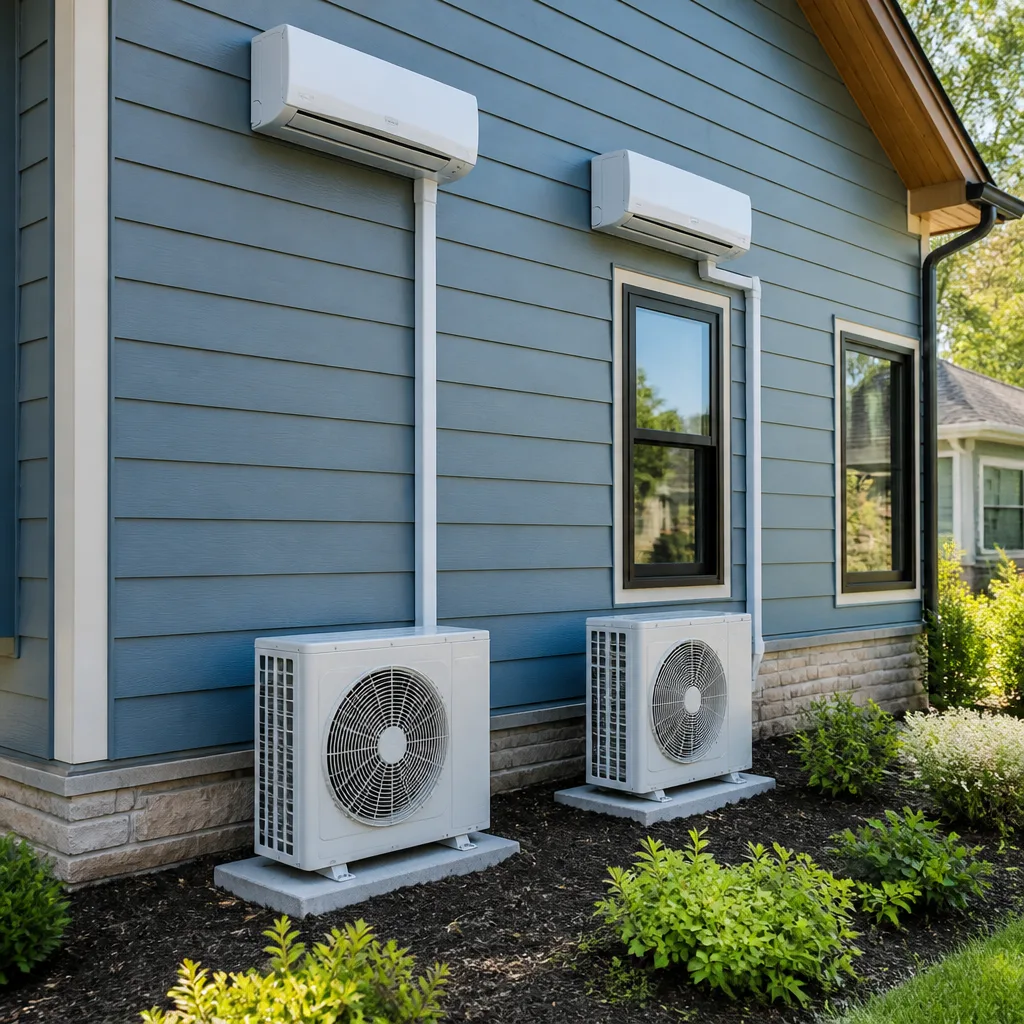 Ductless mini splits
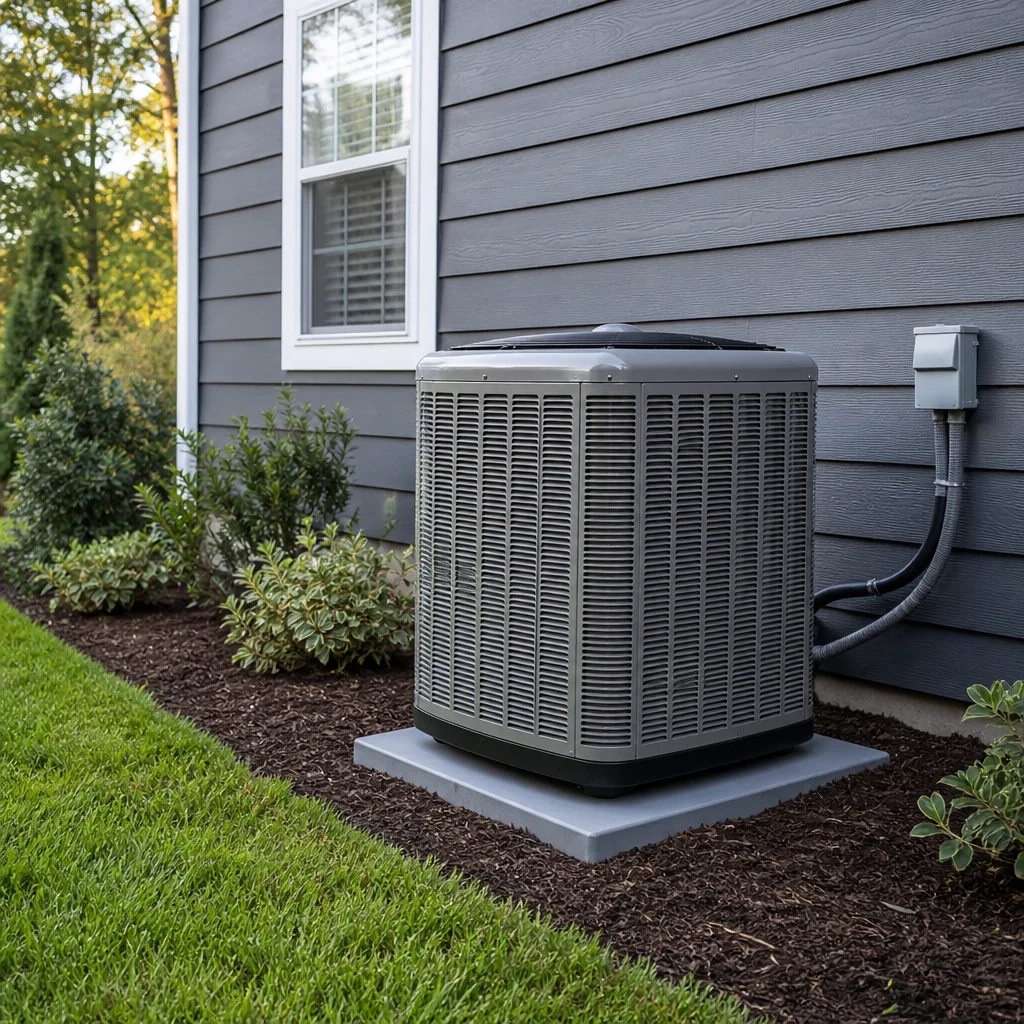 Carrier
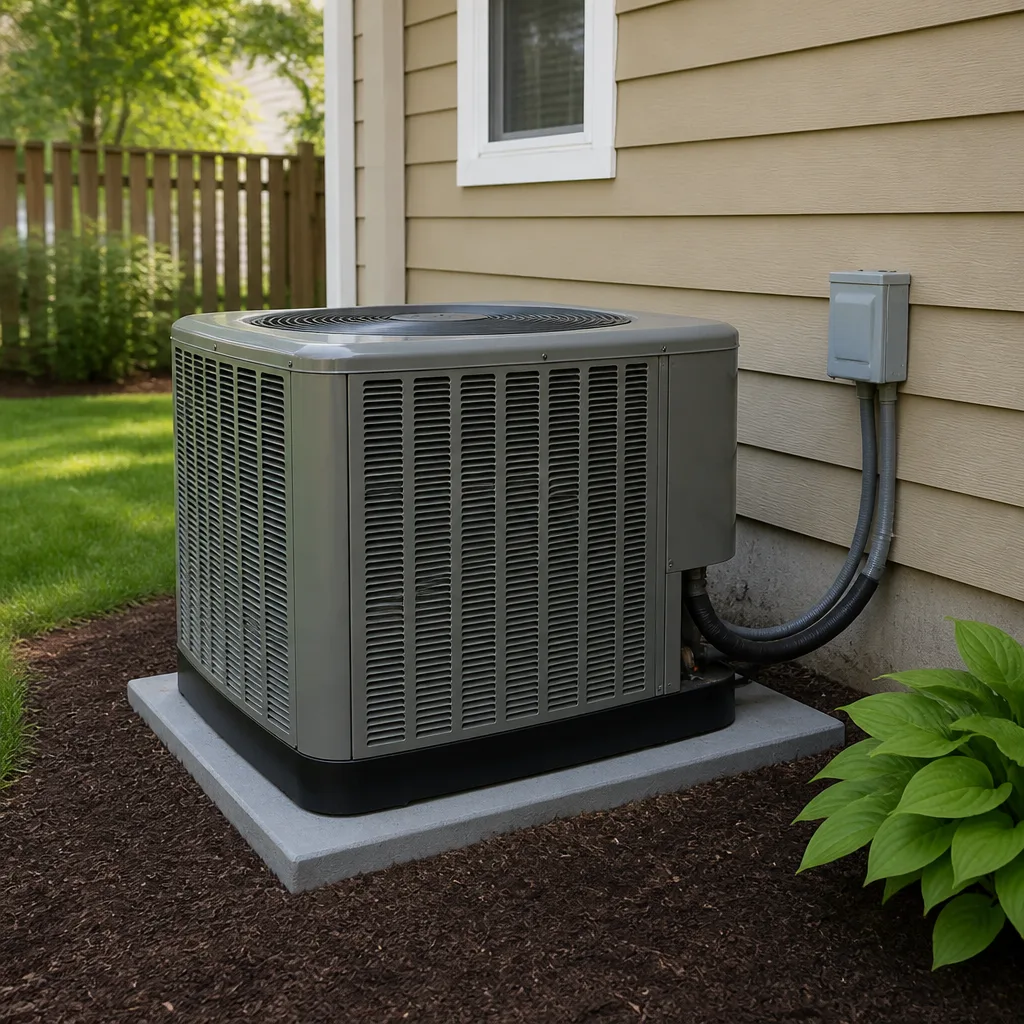 Trane
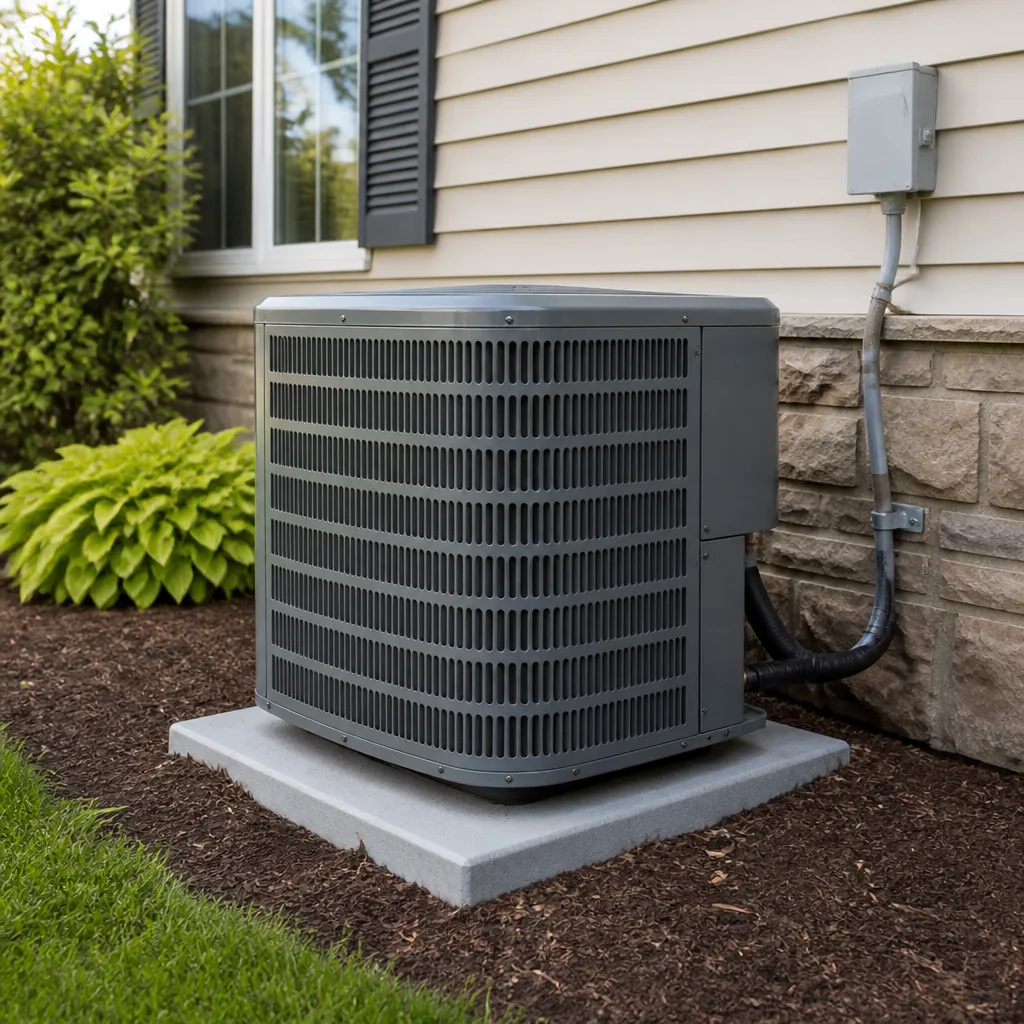 Goodman
Seasonal tune-up and full diagnostic on your Carrier, Trane, or Goodman system - readings shown to you before any repair is proposed
Diagnosis first, numbers second - you approve the repair price before a single part goes in.
Get your free estimateDIY vs Professional Air Quality & Ventilation: What’s Safe to Do Yourself
Put a filter in backwards on a 108-degree afternoon in Summerlin and you can freeze your evaporator coil before dinner. That sounds like an exaggeration until you’ve seen it happen. The coil ices over, the system stops cooling, and what looked like a five-dollar maintenance task turns into a repair bill. The usual DIY-versus-pro argument is framed around skill. We think the real dividing line is liability and hidden system interaction. Some tasks are genuinely safe for a careful homeowner. Others mask a bigger problem or quietly void a warranty. This guide draws that line honestly, task by task, without overselling what you need us for.
Quick Answer
The safe DIY zone is filter changes with the correct MERV rating, wiping supply and return grilles, keeping condensate lines clear, and basic humidity awareness. The pro zone is duct sealing and balancing, ventilation design, mold remediation inside the system, and anything touching refrigerant, electrical, or gas. Anything you can undo in ten minutes is usually yours to handle. Anything that changes how the system moves air or burns fuel belongs to a trained technician.
Styles & brands we work with
- AC repair
- Furnace & heating
- Heat pumps
- Ductless mini splits
- Carrier
- Trane
- Goodman
Table of Contents
- The Honest Risk Matrix: Rating Every Air Quality Task
- Why MERV Rating Is an Engineering Decision, Not a Shopping Decision
- The Three Ventilation Jobs That Quietly Damage Equipment
- What the Right DIY Maintenance Actually Looks Like
- Summerlin Air: Dust, Monsoon Humidity, and Closed-Window Season
- How to Tell If a Pro Visit Actually Solved the Problem
- Common Mistakes to Avoid
- When to Call a Professional
The Honest Risk Matrix: Rating Every Air Quality Task
Most DIY guides rate tasks by difficulty. We’d rather rate them by consequence. A job that’s easy to do wrong and expensive to fix deserves a different label than a job that’s easy to do wrong and easy to redo. Here’s how we’d sort the common air quality and ventilation tasks if a neighbor asked us over the fence.
Green – safe for a careful homeowner:
- Changing the return-air filter (correct size, correct MERV, arrows pointing the right way).
- Vacuuming supply and return grilles with a brush attachment.
- Wiping visible dust from register louvers.
- Pouring a cup of distilled white vinegar down the condensate drain once a month during cooling season.
- Running a standalone room air purifier or dehumidifier.
- Keeping return vents unobstructed by furniture or rugs.
Yellow – doable, but get it wrong and it costs you:
- Replacing a flexible duct run that’s torn at a boot. The tape matters, the mastic matters, and the seal matters.
- Adjusting supply register dampers to shift air between rooms. You can do this, but you can also throw the whole system out of balance chasing a hot bedroom.
- Installing a whole-home humidifier or dehumidifier. The wiring and drain tie-ins are where homeowners call us halfway through.
- Sealing obvious gaps around duct boots at the drywall with mastic.
Red – leave it to a technician:
- Any refrigerant work, recovery, or charging.
- Duct design, resizing, or adding a return.
- Whole-home ventilation design (ERVs, HRVs, fresh-air intakes).
- Anything involving electrical panel work or gas appliance connections.
- Remediating mold growth inside ductwork or on the evaporator coil.
- Diagnosing a pressure imbalance or a system that’s short-cycling.
That’s a plain-language line. If you can undo a task in ten minutes without tools, it usually belongs in green. If undoing it requires a truck, a gauge set, or a permit, it doesn’t.
Why MERV Rating Is an Engineering Decision, Not a Shopping Decision
Walk into any hardware store in Summerlin and you’ll find filters from MERV 4 to MERV 13 on the same shelf, priced within a couple of dollars of each other. The higher number sounds better. It usually isn’t. MERV rating describes how much of the airstream gets filtered, which means it also describes how much resistance the filter adds to the blower. Your system was sized for a specific static pressure. A filter that’s too restrictive pushes that number up, airflow drops, and the coil can’t shed heat.
In Summerlin summers, that’s not a slow problem. When it’s 110 outside and the system is running flat-out from 2 p.m. to 8 p.m., reduced airflow means the evaporator coil drops below freezing. Once it ices, cooling stops entirely. We’ve walked into homes where the filter was changed two weeks before and the homeowner is sure the compressor died.
Here’s how we’d size it if it were our own house:
- Match the slot dimension exactly. A filter that doesn’t seal at the edges lets air bypass the media entirely. Measure the slot, not the old filter, because filter dimensions listed on boxes are nominal.
- Default to MERV 8 to MERV 11 for most single-stage systems. That range catches dust, pollen, and most of what makes a Summerlin home dusty without loading the blower.
- Only go to MERV 13 if the system was designed for it. Variable-speed air handlers and newer high-static systems can handle it. Most 15-year-old systems in Summerlin’s established neighborhoods can’t.
- Read the arrows. Airflow direction is printed on the frame. Arrows point toward the blower, not away from it.
- Change it every 60 to 90 days during cooling season. In a Summerlin home with a dog and an active return, we’d lean toward 60.
If you’re not sure what your system can handle, that’s a two-minute question we’re happy to answer by phone. It’s less expensive than a frozen coil.
The Three Ventilation Jobs That Quietly Damage Equipment
These are the ones we see most often when a homeowner calls us after 18 months of “it just hasn’t felt right.” None of them produce an immediate failure. All of them produce a slow decline that ends at the same place.
1. Taping over a return vent to “fix” a draft
A bedroom feels stuffy or a hallway pulls air, so someone tapes cardboard over the return grille. What actually happens is the system loses return capacity, static pressure rises, and the blower fights a restriction it wasn’t designed for. Over 6 to 18 months, the blower motor runs hot, the coil ices during peak cooling, and the thermostat starts short-cycling. When the failure shows up, it looks like a motor failure. The root cause was the cardboard.
2. Adding a “high-efficiency” filter to the return grille instead of the filter slot
Some homeowners add a second filter at the wall grille to catch more dust, on top of the media filter at the air handler. Two filters in series add up to more restriction than either alone. The system loses airflow, and the coil does the same damage as above. If you want better filtration, use one filter matched to the system, and step up to a whole-home air cleaner only when the static pressure has been measured.
3. Sealing a fresh-air intake because “it’s letting hot air in”
Some Summerlin homes have a small fresh-air duct tied to the return. Homeowners block it in summer because it feels wasteful. But that duct is often the only deliberate ventilation the house has. Sealing it isn’t dangerous day one, but over a year it lets carbon dioxide, cooking moisture, and household chemicals build up with no way out. It also leaves the system pulling from a house that has no reliable outside air path, which worsens the dust problem the homeowner was trying to solve.
All three share a pattern. The homeowner treated a symptom, the system lost its balance, and the actual failure arrived quietly.
What the Right DIY Maintenance Actually Looks Like
Not everything has to be a phone call. Here’s the monthly routine we’d actually recommend to a homeowner in Summerlin who wants to do right by the system between our visits. It takes about fifteen minutes.
- Filter check. Hold it up to a bright window. If you can’t see light through the media, it’s done. Swap in the same size and MERV rating.
- Grille wipe. A dry microfiber cloth on supply and return louvers. In Summerlin’s dust season (roughly March through June), do this weekly.
- Condensate line pour. One cup of distilled white vinegar down the cleanout port on the drain line, once a month during cooling season. If you can’t find the cleanout, skip it rather than pour into the wrong opening.
- Return-air clearance. Check that all returns have at least 12 inches of clear space. Furniture, curtains, and rugs are the usual offenders.
- Outdoor unit breathing room. Two feet of clear space around the condenser, and a gentle rinse of the coil fins from the top down with a garden hose on low pressure. Don’t bend the fins, and turn the system off first.
- Thermostat filter reminder. Most modern thermostats and even the basic York and Daikin units we service have a filter reminder you can set to 60 days.
- Bathroom and kitchen fans. Run them 20 minutes after showers and 15 after cooking. This is the simplest ventilation work a homeowner can do, and it matters more than most people think.
That’s the whole list. If a task makes you nervous, don’t do it. Nervousness is a signal that the consequence of a mistake is higher than the cost of a service visit.
Summerlin Air: Dust, Monsoon Humidity, and Closed-Window Season
Living here means living with a very specific air quality picture. The Spring Mountains west of the valley block weather, which is why Summerlin summers run hotter and drier than the Strip. From June through September, wind picks up fine sand and construction dust from Red Rock and the edges of the valley, and if your windows are closed (they will be), that dust loads the filter fast. People in the established neighborhoods around The Trails and Sun City Summerlin often see filters clogged in 45 days, not 90.
Then in July and August, monsoon moisture arrives. Relative humidity climbs for a few days at a time, and the closed, cooling home has no natural vent path. That’s the window where a slightly undersized dehumidification budget, or a fresh-air intake that’s blocked, shows up as bathroom mold or a musty smelling hallway. We’ve seen it season after season.
Fall brings pollen from the mountains. Winter is dry and cold and the heater runs. Every season gives the system a different job, and every season gives a homeowner a different reason to check the basics. Working with a company that knows Summerlin air year-round makes a difference. If this is your first full year in the neighborhood, it’s worth reading up on Fireside Heating & Air Co. Summerlin home and how we approach the local climate. When the season turns and the system needs a hand, AC Repair & Installation in Summerlin covers the summer side, and Heating & Furnace in Summerlin covers the winter.
How to Tell If a Pro Visit Actually Solved the Problem
A good service call has a diagnosis, a correction, and a proof. Here’s what we’d want in writing after any air quality or ventilation visit, in Summerlin or anywhere else.
- A stated root cause. “Filter was restrictive” or “return duct was disconnected at the boot in the hallway.” Not “the system was serviced.”
- A measurement before and after. Static pressure at the return, temperature split across the coil, or a room-by-room airflow reading. Real diagnosis produces numbers.
- A clear line between what was fixed and what was suggested. If a technician performs a task and then sells you more of it, ask which item solved the root cause.
- No pressure to buy a system. If the visit turned into a replacement pitch and nothing was measured, that’s a yellow flag.
- A written record you can hand to a different technician. Whoever comes to your home next should be able to pick up where the last visit left off.
If a symptom comes back within a few months, that’s the tell. Treated symptoms return. Solved problems don’t. When we work on a system, we stand behind the diagnosis in writing for 90 days through our Done Right Promise. If we didn’t fix it, we come back. If a different company visited and the problem returned, our free second opinion on any written estimate is there for you.
Common Mistakes to Avoid
- Installing the filter backwards. The arrows point toward the blower. Backwards filters lose efficiency and let dust load the coil. In Summerlin summer heat, this can freeze the coil within an hour on a 110-degree afternoon.
- Oversizing the MERV rating. MERV 13 in a system rated for MERV 8 raises static pressure and reduces airflow. If your system has been running fine on MERV 8 for years, don’t jump two levels to “upgrade.”
- Taping off a return. A closed return pressures the blower motor and forces the system to pull air through gaps in the walls and attic. That’s how you get dusty air, motor failures, and a house that never cools evenly.
- Skipping the condensate line. In Summerlin’s dry heat, most people forget the drain line exists. A monthly vinegar pour costs almost nothing and prevents the mid-July overflow that reaches the ceiling drywall.
- Running bleach through the drain. Bleach reacts badly with the PVC and can damage the seal at the pan connection. White vinegar or a drain brush.
- Ignoring bathroom fans entirely. A ten-year-old builder-grade fan in a Summerlin home often moves less than half its rated airflow. If the mirror still fogs two minutes after you leave, it’s not doing its job.
- Calling for a repair before checking the filter. A surprising share of “not cooling” calls we run in Summerlin summer end with a filter that hasn’t been changed since spring. Check it before you call. If it’s fine, call us and we’ll look deeper.
When to Call a Professional
Call a technician when the task involves refrigerant, gas, electrical panels, or duct design. Call when the airflow has changed in a way you can’t explain, when a room has stayed cold for more than a season, or when you smell something musty coming from a supply register. Call when a system has iced over twice in the same month. Call when you’re not certain, and the answer isn’t obvious after a filter change and a return-air clearance check. These are the moments where a pro visit stops being a cost and turns into protection.
Fireside Heating & Air Co. Summerlin offers free estimates in Summerlin. Our technicians are trained on nine major brands including York, Daikin, Bryant, and American Standard, and every job is backed by our 90-Day Done Right Promise in writing. Call (888) 325-9387 for an honest diagnosis and the price quoted is the price paid. If you’ve been considering a system change, our Heat Pump & Mini Split in Summerlin page covers the tradeoffs.
See the difference
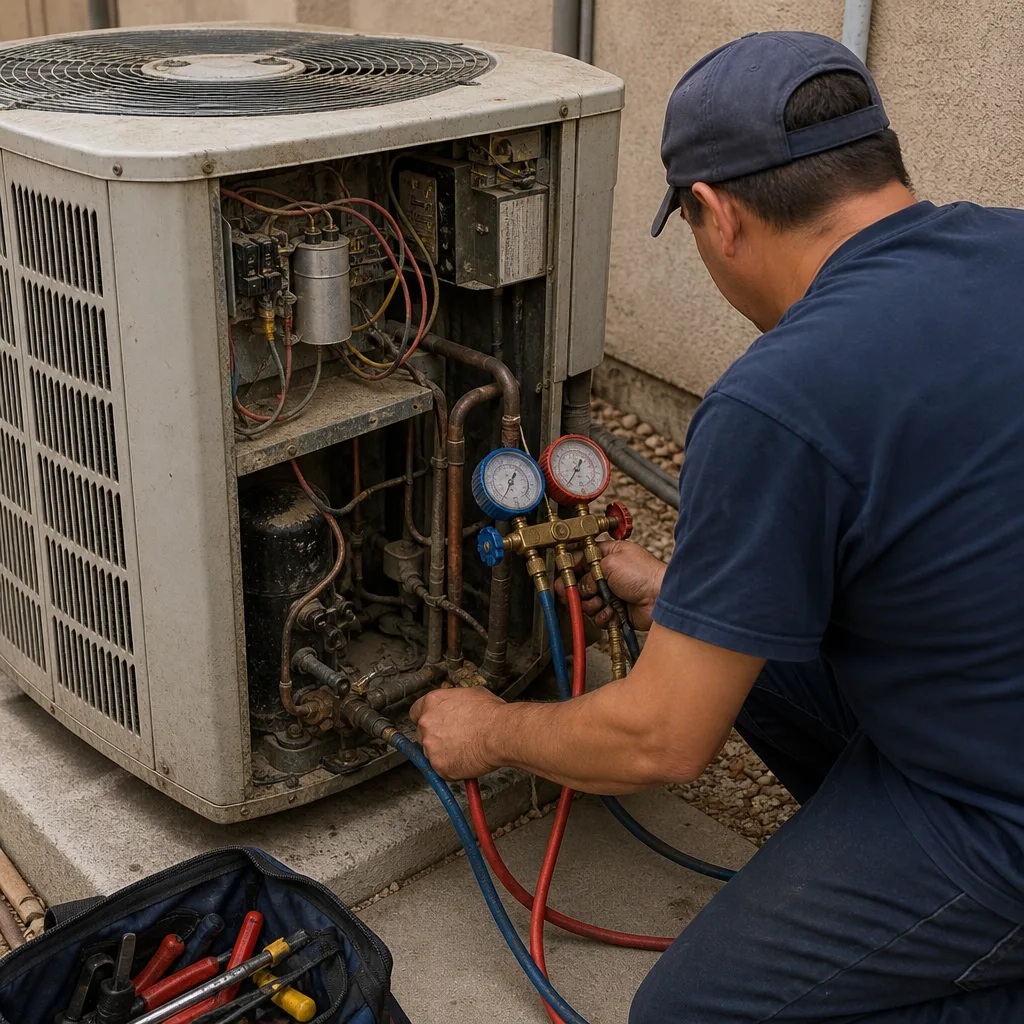 Before
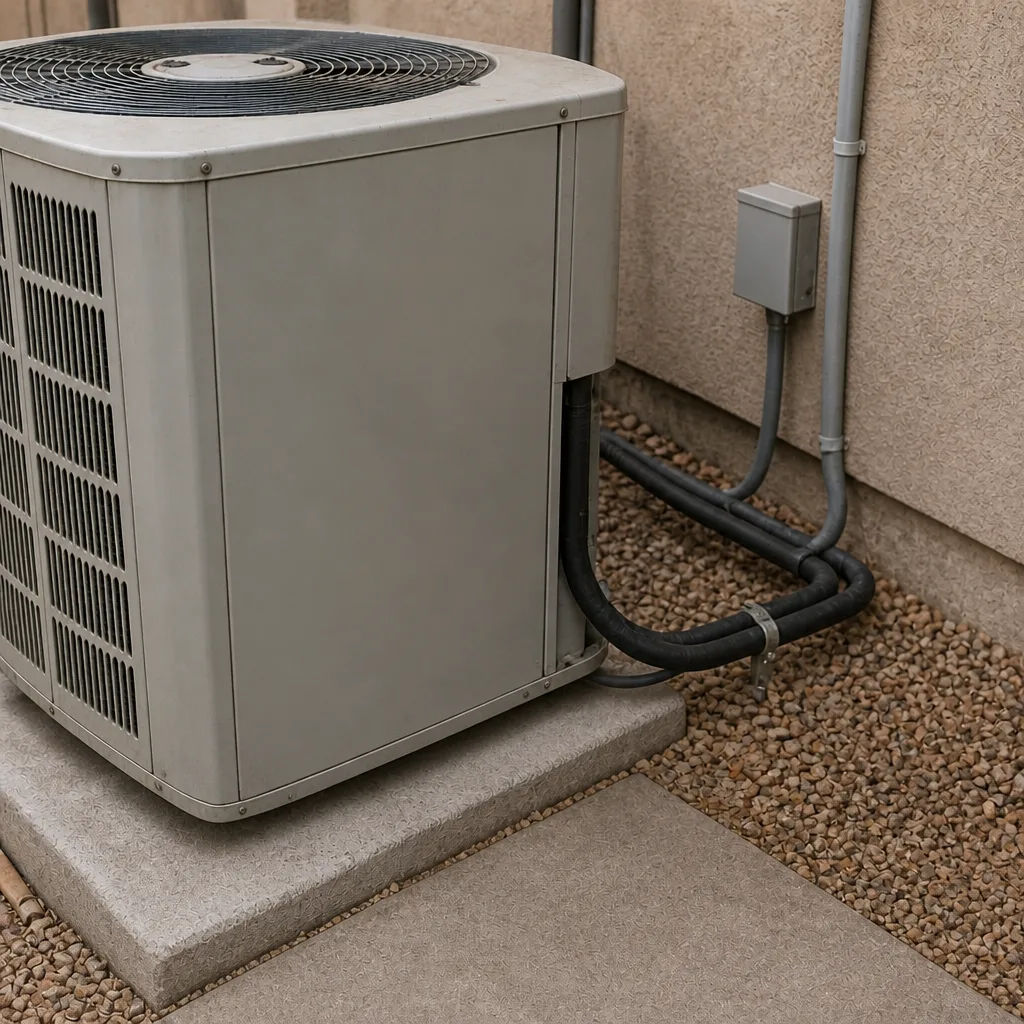 After
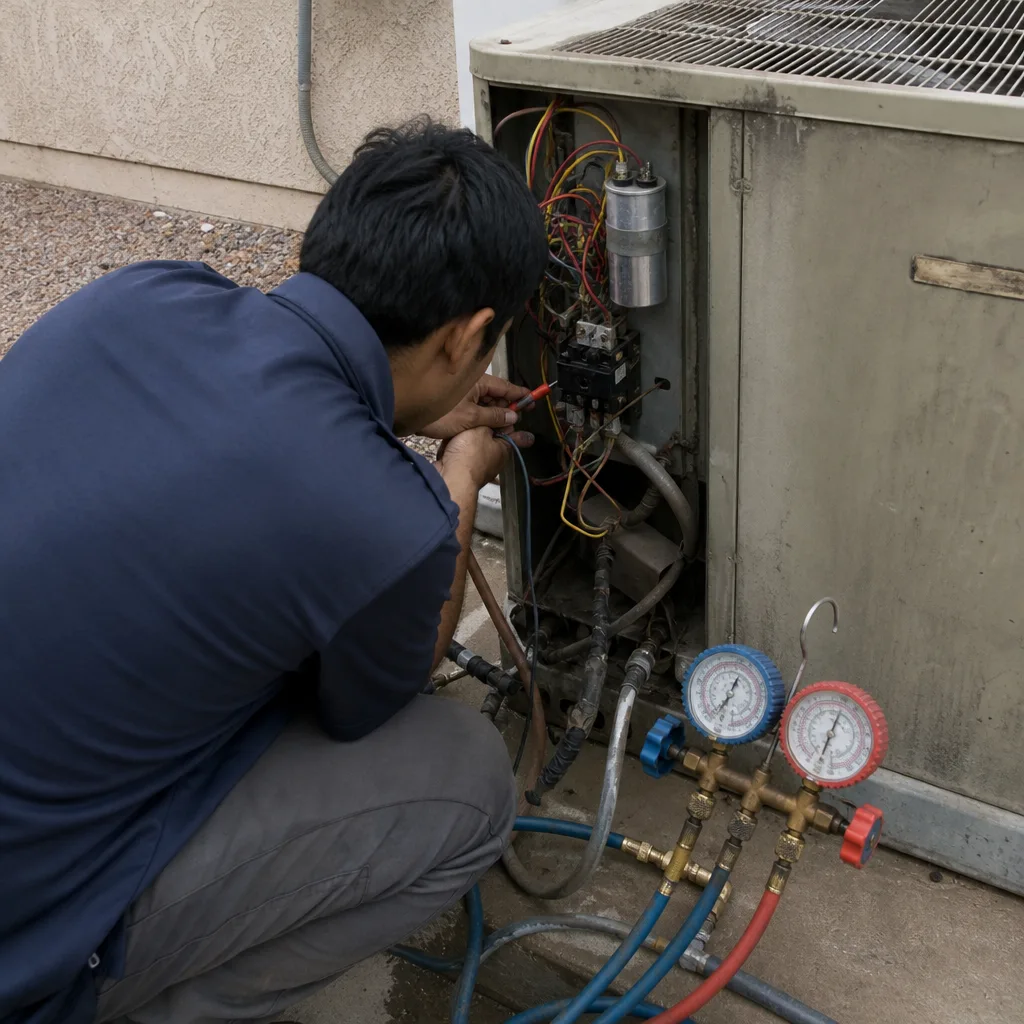 Before
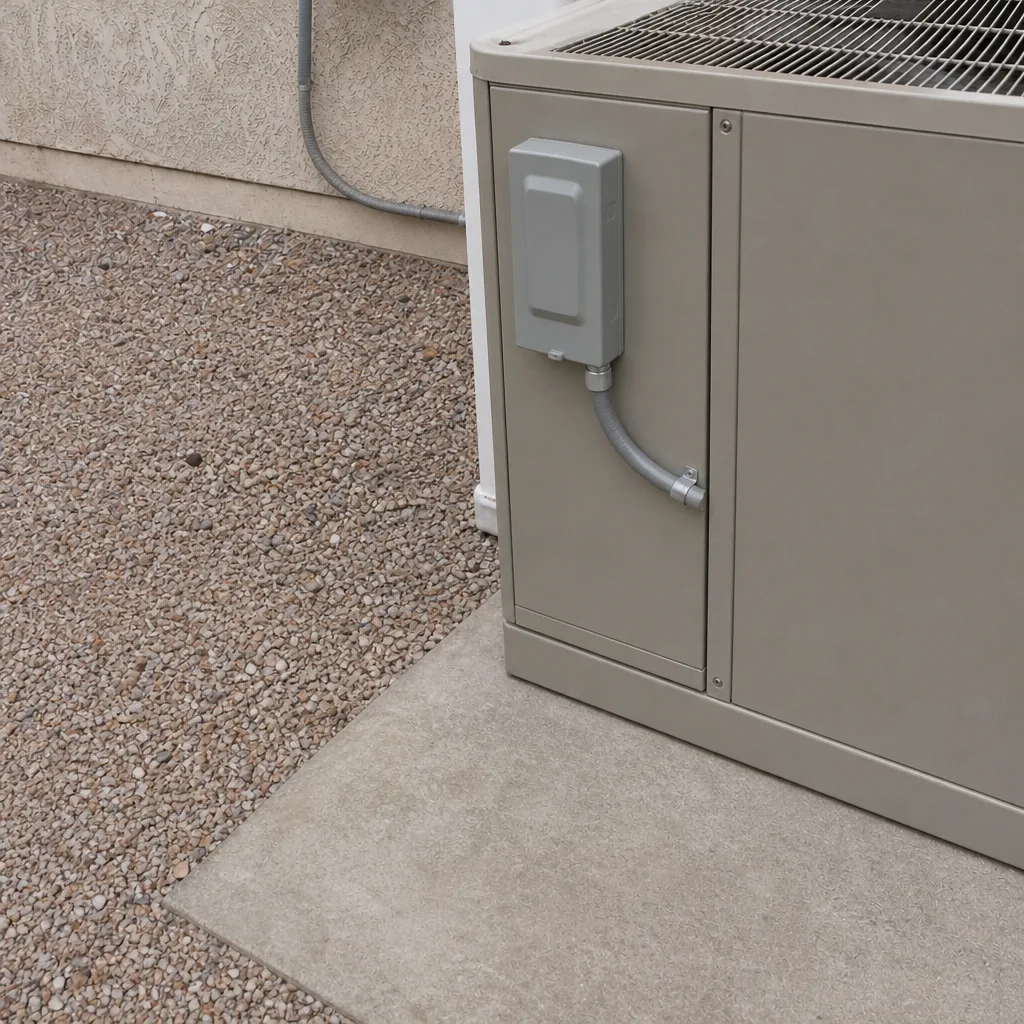 After
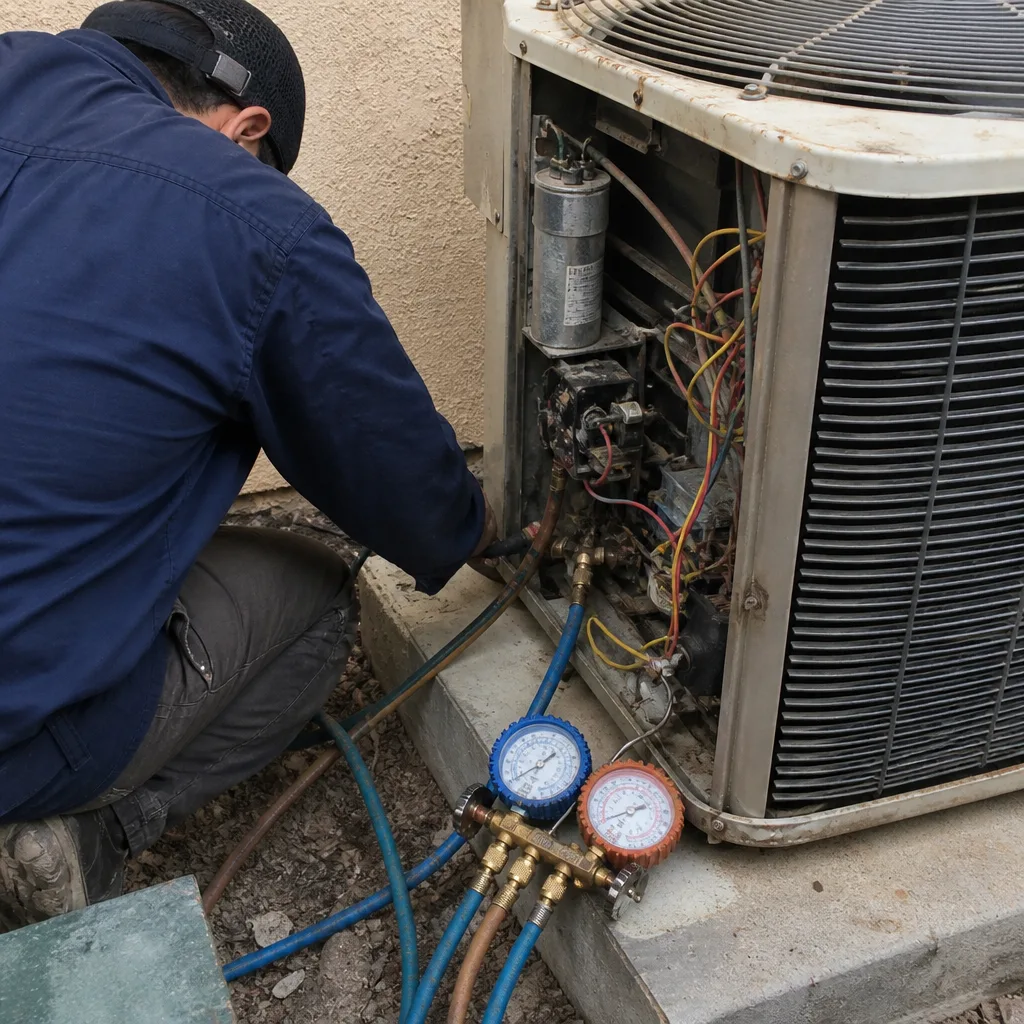 Before
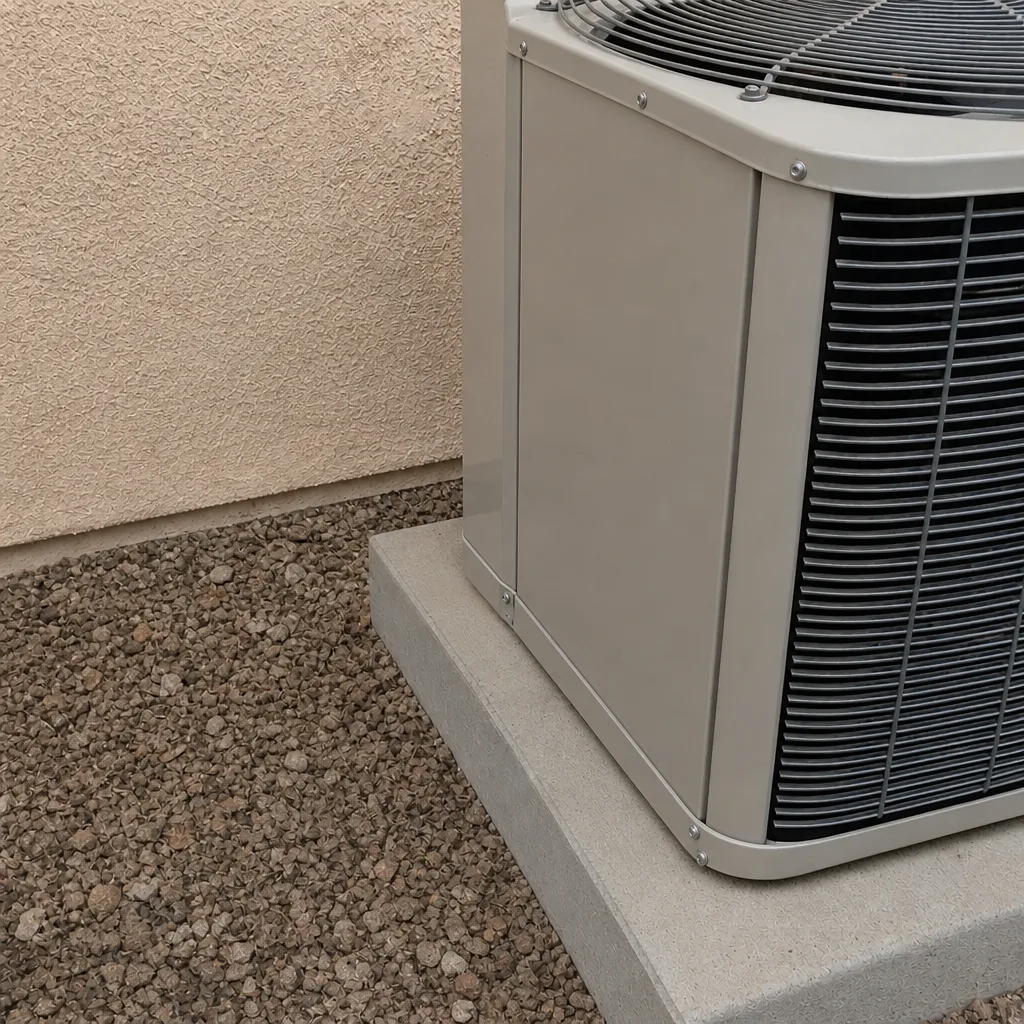 After
Frequently Asked Questions
Yes. Filter changes are the safest DIY air quality task there is, as long as you match the size, use the MERV rating your system was designed for, and point the arrows toward the blower. In Summerlin’s dust season, plan on changing every 60 days rather than 90. If you’re unsure which MERV rating your system can handle, call (888) 325-9387 and we’ll tell you in a minute.
Only if your system was designed for it. MERV 13 filters more particles but adds more resistance, which drops airflow. In most Summerlin homes with systems over ten years old, MERV 8 to MERV 11 is the sweet spot. Higher MERV with the wrong blower is how you get a frozen coil on a summer afternoon. A free second opinion on any written estimate is a good way to check before you buy.
Dust and fine sand from Red Rock and the surrounding desert blow in during the windy spring months, and if the home is closed up for summer, that dust loads the filter faster than in more humid climates. Homes near construction edges of the valley see it worst. Changing on a 60-day schedule through cooling season is what we recommend. If it clogs in 30 days or less, there may be a duct leak contributing.
You can seal a visibly torn boot or a small gap at the drywall with UL 181 mastic, and that’s a reasonable DIY job. What you shouldn’t do is seal joints you can’t see or block any deliberate fresh-air path. Duct sealing done wrong can worsen a pressure imbalance. If you’re replacing whole runs or resizing, call a professional. Combustion safety has to be checked after major sealing.
If the problem returns within a season, if you can smell something musty from a supply register, or if a room stays noticeably warmer or cooler than the rest of the house, it’s time for a diagnosis. A pro visit should end with a root cause and a measurement, not a guess. If you’re not sure, call (888) 325-9387 for a free estimate in Summerlin.
Repair if the root cause is a single fixable item like a broken fan motor, a torn duct, or a clogged filter slot. Replace if the diagnosis shows the system is undersized, has failed the same way twice in a season, or the air handler is old enough that parts are getting hard to source. Straight talk on repair versus replace is free with us. Call (888) 325-9387 for the second opinion.
The Bottom Line
The safe DIY zone is real. Filters, grille wipes, condensate pours, bathroom and kitchen fan discipline, and outdoor unit clearance are all yours to handle, and doing them well actually protects the system. The line to respect is where consequence climbs. Ventilation design, duct balancing, refrigerants, gas, and electrical belong to a technician. In Summerlin, closed-window seasons, monsoon humidity, and dust load make that line matter more than in a mild climate. When you’re not sure, that’s the moment a call is cheaper than the repair. Done right, or we make it right, and we’ll be there when we say we will.
Contact
If this guide raised a question about your own system, pick up the phone. We answer every call with a live person, 24 hours a day, including the 2 a.m. no-heat emergency. Call (888) 325-9387 for a free estimate, and we’ll give you straight answers about what’s safe to do yourself and what needs a trained hand. The price quoted is the price paid. That’s a square deal.
Written by the team at Fireside Heating & Air Co. Summerlin.