
Last updated November 17, 2026
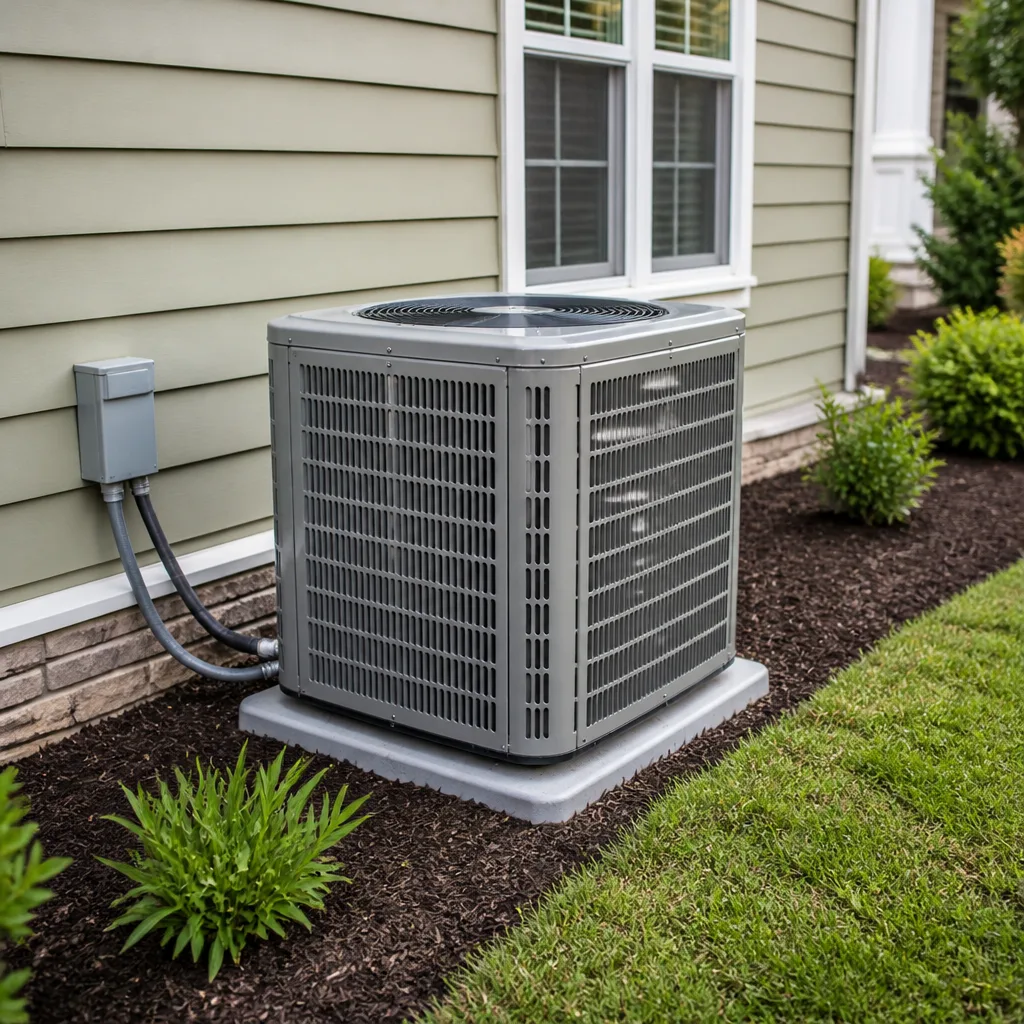 AC repair
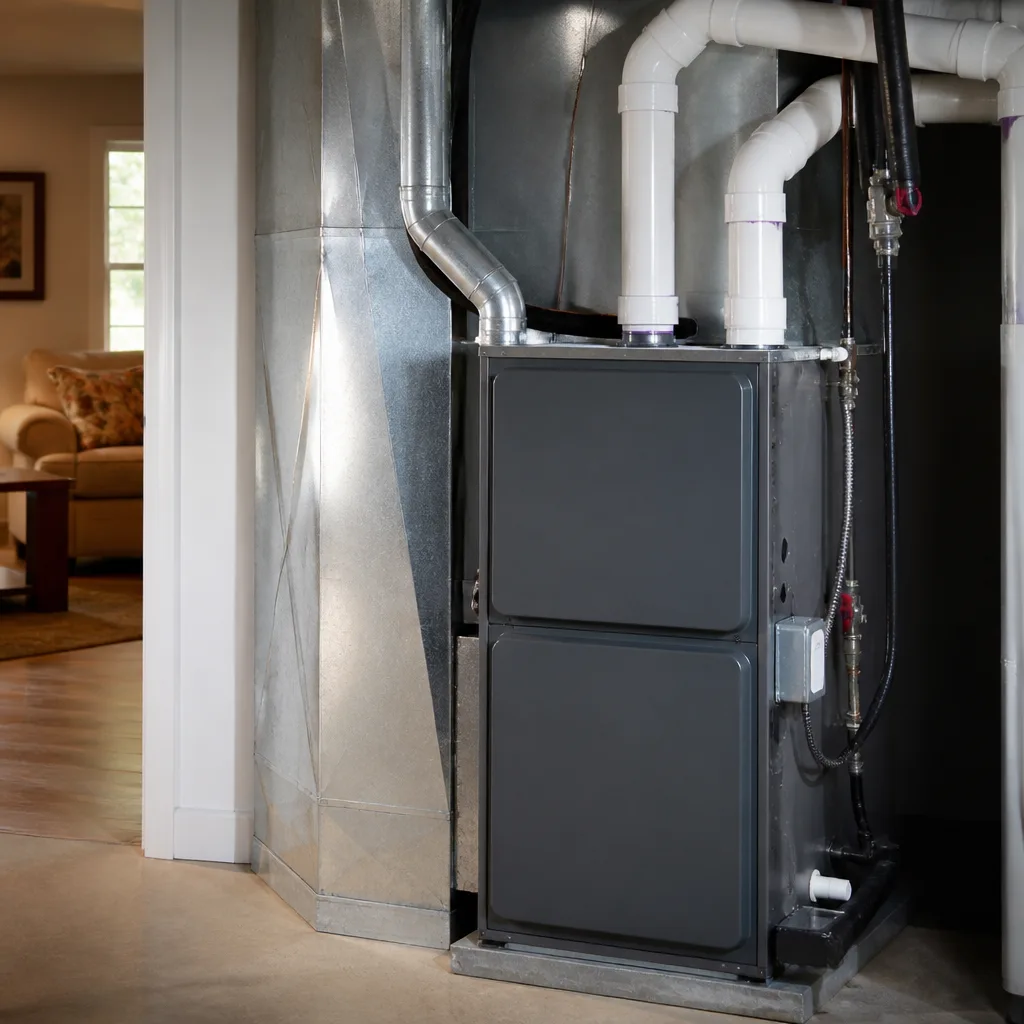 Furnace & heating
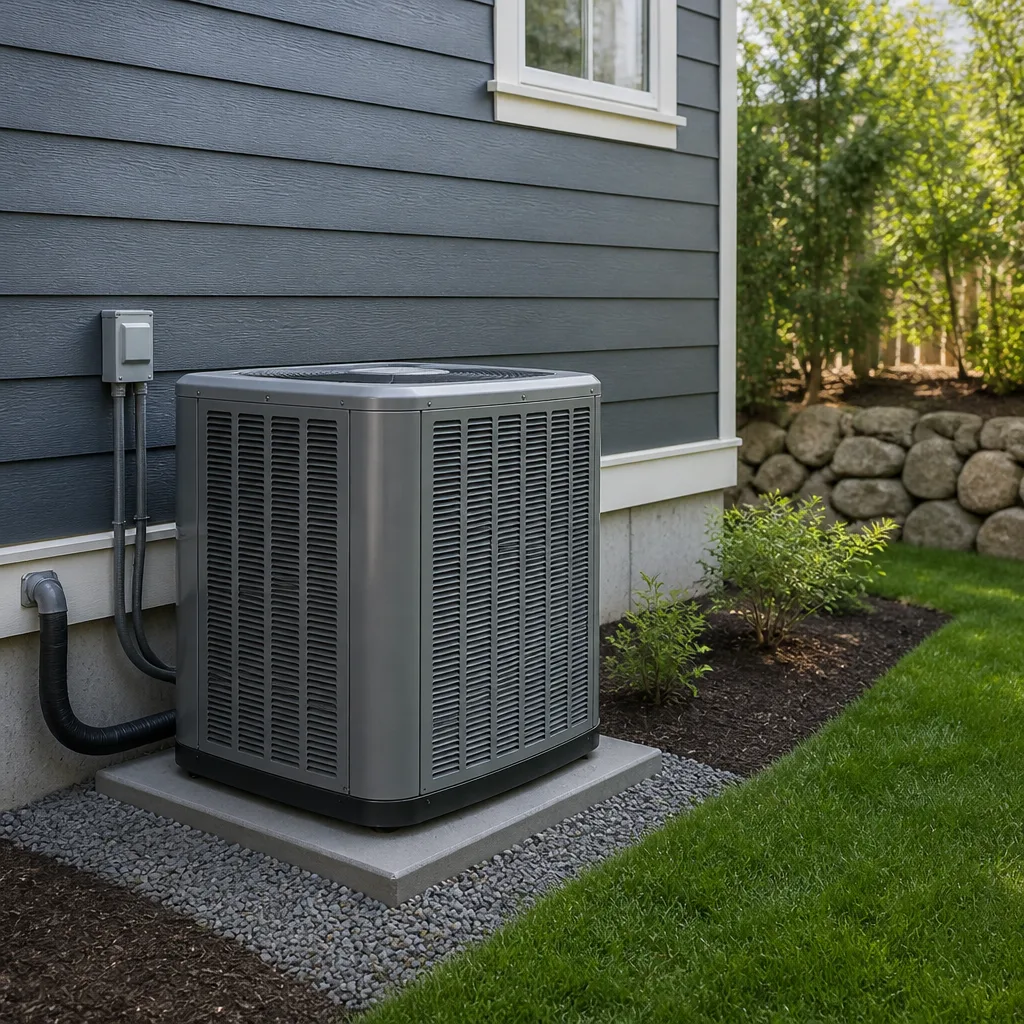 Heat pumps
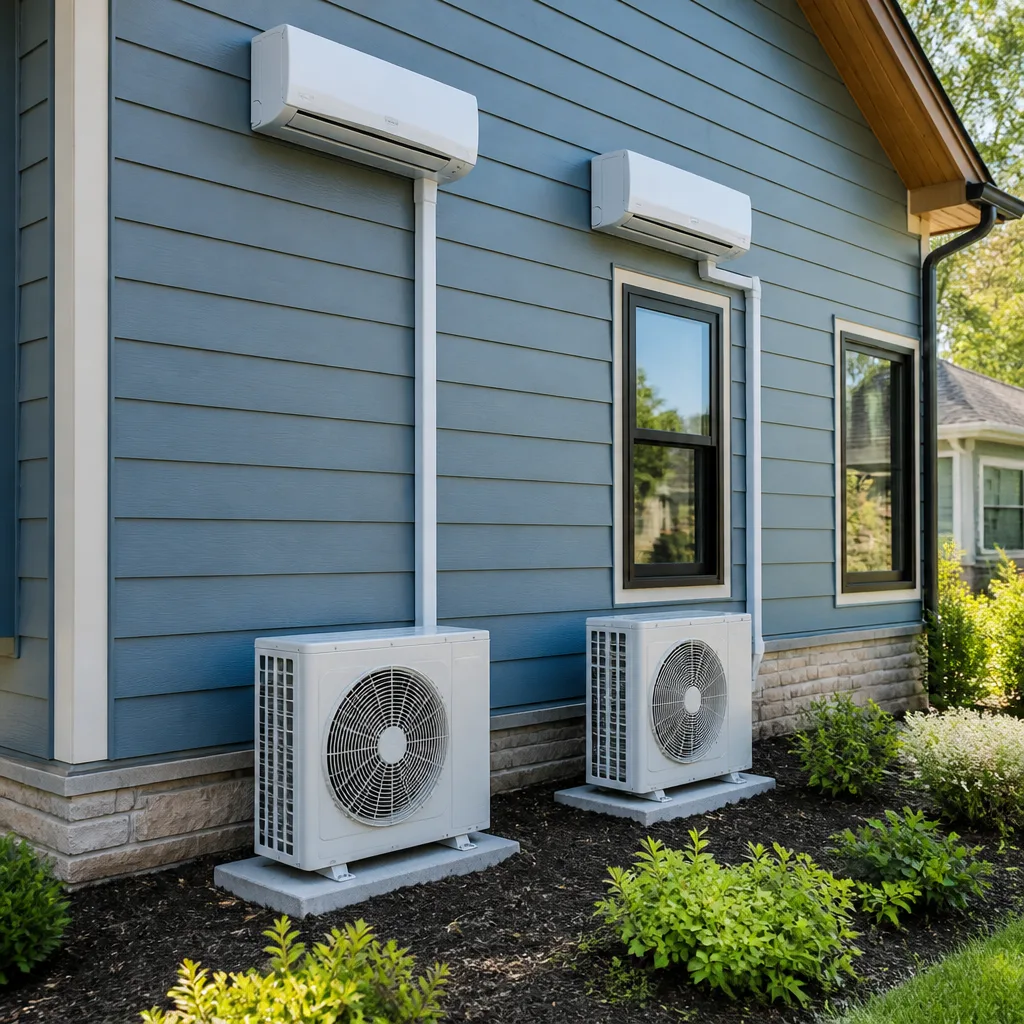 Ductless mini splits
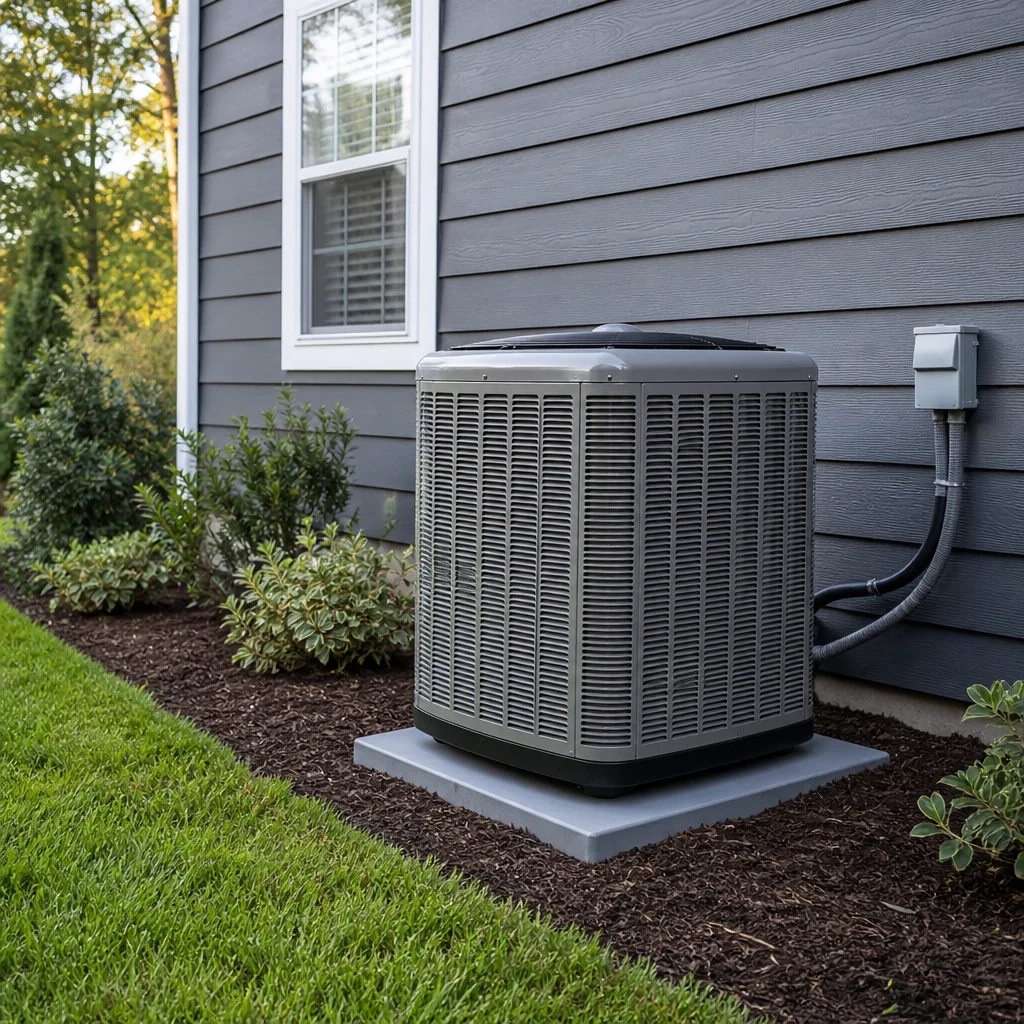 Carrier
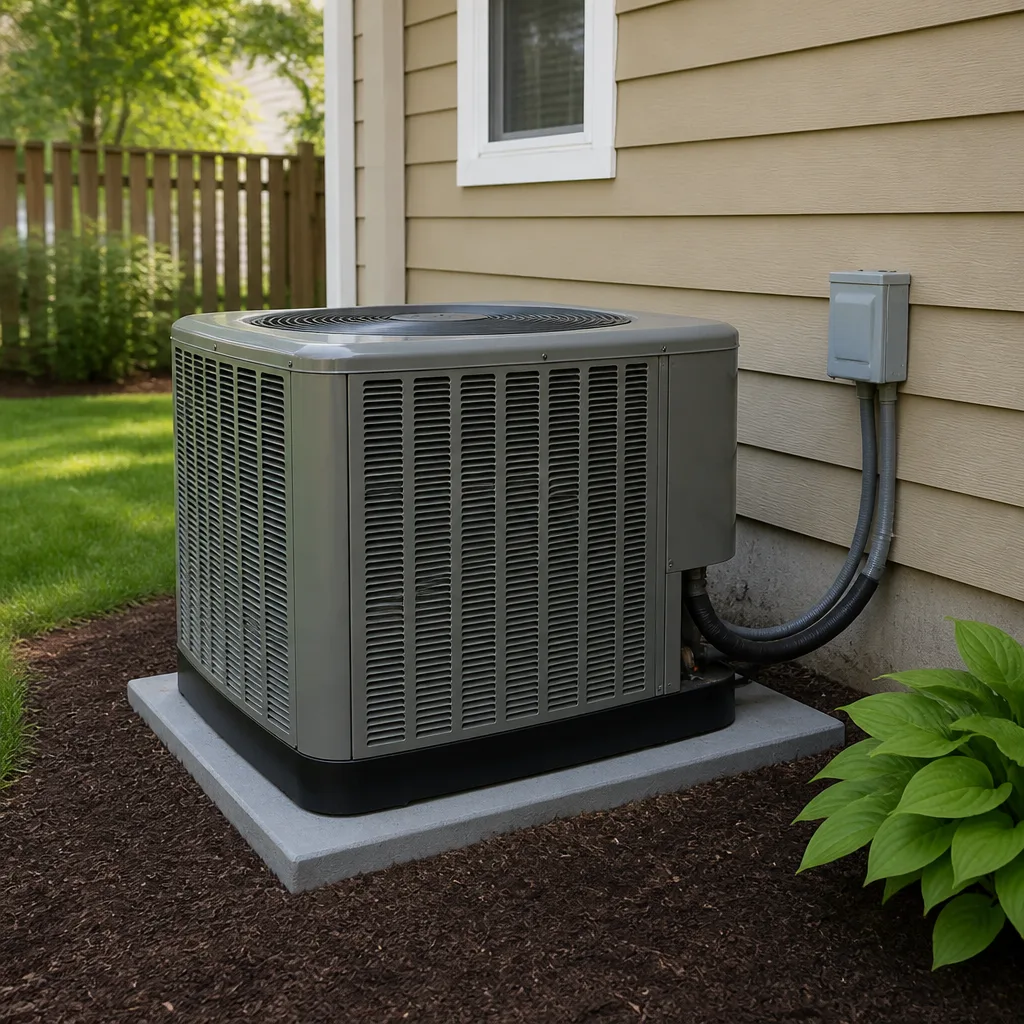 Trane
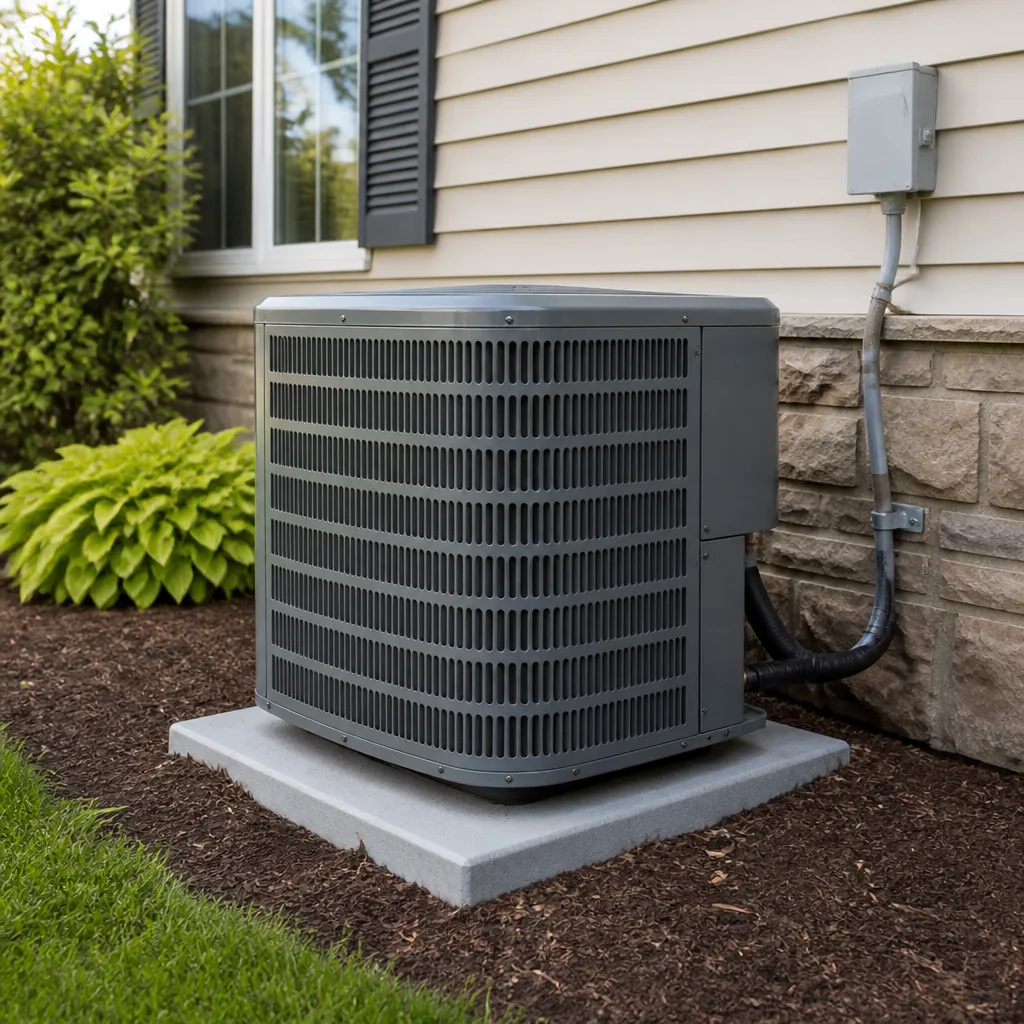 Goodman
Seasonal tune-up and full diagnostic on your Carrier, Trane, or Goodman system - readings shown to you before any repair is proposed
Diagnosis first, numbers second - you approve the repair price before a single part goes in.
Get your free estimateDIY vs Professional Emergency & Commercial HVAC: What’s Safe to Do Yourself
Touching refrigerant in a commercial system without an EPA Section 608 certification is a federal violation, and the fine can run up to $44,539 per day. Most homeowners and small business owners have never heard this applies to their own rooftop unit. The line between safe and unsafe on commercial HVAC isn’t really about skill. It’s about licensure, refrigerant law, and the way a small mistake scales into a big bill when a commercial system goes down. This guide walks through exactly where that line sits, what you can legally and safely handle in Summerlin, and the owner-side habits that actually save money.
Quick Answer
On commercial and large-capacity HVAC, you can safely and legally change filters, check belt tension by hand, flush condensate lines, and keep the area around the unit clear. Anything involving refrigerant, electrical controls, gas ignition, compressors, or major component swaps is off-limits for an unlicensed owner, both by federal law and because the failure modes on commercial equipment are genuinely dangerous. The line is drawn by law and safety, not by whether you feel handy.
Styles & brands we work with
- AC repair
- Furnace & heating
- Heat pumps
- Ductless mini splits
- Carrier
- Trane
- Goodman
Table of Contents
- What the Law Actually Lets You Do
- The Owner-Side Tasks That Save Real Money
- Why Commercial Failure Modes Are Different
- Summerlin Climate and the Commercial Load
- What a Fair Service Contract Looks Like
- How to Talk With the Technician
- Emergency Situations: What to Do Before the Truck Arrives
- Common Mistakes to Avoid
What the Law Actually Lets You Do
Here’s the plain version. Federal law under the Clean Air Act, enforced by the EPA through Section 608, prohibits anyone without proper certification from handling, recovering, or charging refrigerant. That covers the rooftop package unit on your small commercial building just as much as the walk-in cooler at a grocery store. It’s not a guideline. It’s law, and the current maximum fine per day of violation is $44,539. In our experience, a lot of Summerlin property owners only find this out when a technician arrives and tells them the last person who opened the system wasn’t allowed to.
State and local rules layer on top. Nevada requires proper licensing for heating and air conditioning work, and Clark County permits are required for system replacements and major modifications. What remains fully open to you as the owner is this:
- Changing air filters on any equipment
- Visual inspection inside and around the unit, with power off
- Clearing debris, dust, and vegetation from around exterior units
- Checking and flushing condensate drain lines
- Checking belt tension by hand (never while running)
- Keeping a maintenance log and noting readings from the thermostat
What is off-limits: anything touching refrigerant lines, electrical panels inside the unit, gas piping, ignition components, or compressor and blower swaps. Those require licensing, certification, and insurance. There’s a reason the law doesn’t trust an untrained eye with pressurized refrigerant, and we’ve seen the consequences more than once.
The Owner-Side Tasks That Save Real Money
The good news: the tasks you can safely do on your own are the ones that save the most money over time, because they prevent the expensive failures rather than fix them. Here’s the routine we’d recommend for any Summerlin small commercial building owner, whether that’s a strip center on West Sahara or a multi-tenant building near Downtown Summerlin.
- Filter changes every 30 to 60 days. In Summerlin’s dust season, that’s closer to 30. A clogged filter chokes the airflow, overheats the compressor, and shortens the equipment’s life. Filters are cheap. Compressors are not.
- Condensate line flush. Once a month during cooling season, pour a cup of distilled white vinegar down the condensate drain. It takes two minutes and prevents the most common water-damage call we see.
- Belt check by hand. With the power off, press the drive belt. Roughly half an inch of give is normal. If it’s brittle, cracked, or glazed, note it for the technician rather than replacing it yourself if the unit is rooftop-mounted.
- Outdoor coil inspection. Look for leaves, cottonwood fluff, and dust on the outside coil. Rinse gently with a garden hose, never a pressure washer, and never with power on.
- Thermostat and logbook. Note any temperature the system can’t maintain or any unusual sounds in a simple log. That record gives your technician far more to work with than “it’s not cooling right.”
The same filter change rules apply to the split systems many long-time Summerlin homeowners have on their houses. Those habits cross over cleanly. If you’ve been maintaining your own home system for years, look at our AC Repair & Installation in Summerlin service to see how those same habits prevent the calls our technicians get most often.
Why Commercial Failure Modes Are Different
Residential HVAC is designed to fail with a sigh: the system stops cooling, the house gets warm, and nobody gets hurt. Commercial equipment fails with a bang more often. Rooftop package units and large split systems run higher refrigerant pressures, heavier electrical loads, and longer duty cycles. When they go wrong, they go wrong in ways an amateur diagnosis can genuinely worsen.
- Refrigerant leaks. A small leak that a licensed technician could recharge and repair becomes a full system replacement if refrigerant escapes and moisture enters. Unlicensed “topping off” is a federal violation and shortens compressor life.
- Electrical faults. Commercial controls run at higher voltages and dual-power sources. A misdiagnosis can burn out a contactor, a control board, or worse.
- Gas ignition. Anything involving the gas valve, igniter, or burners on a rooftop gas/electric package unit requires a trained hand. We don’t just say that for liability’s sake. We say it because a gas ignition problem is a safety problem, and we’ve walked into too many basements and rooftop access panels where an untrained repair had left things worse than they started.
- Compressor damage. An amateur diagnosis that leads to two or three unnecessary part swaps usually burns up the money that would have covered a proper repair. On a commercial unit, that’s thousands, not hundreds.
In a brand like York, Daikin, or Bryant commercial equipment, a single wrong diagnosis can cascade through a control board and a compressor. We’ve had to untangle those more than once in Summerlin.
Summerlin Climate and the Commercial Load
Summerlin is a high-desert pocket. Summer highs routinely pass 105 degrees, and the system has to hold capacity through the midafternoon peak without ever catching a break. Commercial equipment here works harder than the same equipment in San Diego or Denver, which means the maintenance intervals shorten and the failure modes arrive sooner. We see mechanical failures in Summerlin that a comparable building in a milder climate wouldn’t face for another three or four years.
The dust matters too. Wind off the Spring Mountains carries fine grit that finds its way into every coil and filter. For a Summerlin commercial building, that means filter changes closer to 30 days in the summer, and coil cleaning twice a year, not once. Buildings near Red Rock or along the 215 corridor pick up more of it than those tucked into the more sheltered neighborhoods.
The same climate logic governs residential systems. A home in The Ridges or Summerlin West runs a heat pump through conditions far harsher than the nameplate suggests. If you’re weighing maintenance versus replacement for a home heat pump, our Heat Pump & Mini Split in Summerlin page covers the specifics of how these systems hold up locally.
What a Fair Service Contract Looks Like
A good commercial service contract should not charge you for work you can safely do yourself. That sounds obvious, but in our experience it’s the single most overlooked line item on the paperwork. Here’s what to look for before you sign.
- Clear scope on filters. A fair contract states who changes filters and how often. If the contract charges you a service call every month for a filter change, that’s an easy spot to renegotiate.
- Refrigerant handling included. Look for explicit language about refrigerant checks and leak detection. That work requires the certification we mentioned earlier, and it belongs in the contract.
- Listed component inspections. Belts, contactors, capacitors, coils, and controls should be individually named in the contract. A vague “tune-up and inspection” hides everything.
- Emergency response terms. A contract that promises “priority service” is worth nothing if you’re told to wait two days. Demand specifics on after-hours response.
- Written report of findings. Every visit should produce a written report you can review. That’s how you verify the technician actually did the work listed.
- No bundle of the tasks you handle. If the contract charges for filter changes, coil washing, and condensate flushes, and you’re doing those yourself anyway, ask for those line items removed.
We hand over a written report after every commercial visit, and the same principle applies to residential work. Our Heating & Furnace in Summerlin service runs on the same rule: the price quoted is the price paid, and the report tells you what was actually found.
How to Talk With the Technician
You don’t need to know how to repair the system, but you do need to know how to have a straight conversation about it. That’s the difference between approving work you understand and approving work on faith. Here’s what we’d ask, and what we’d answer in the same position.
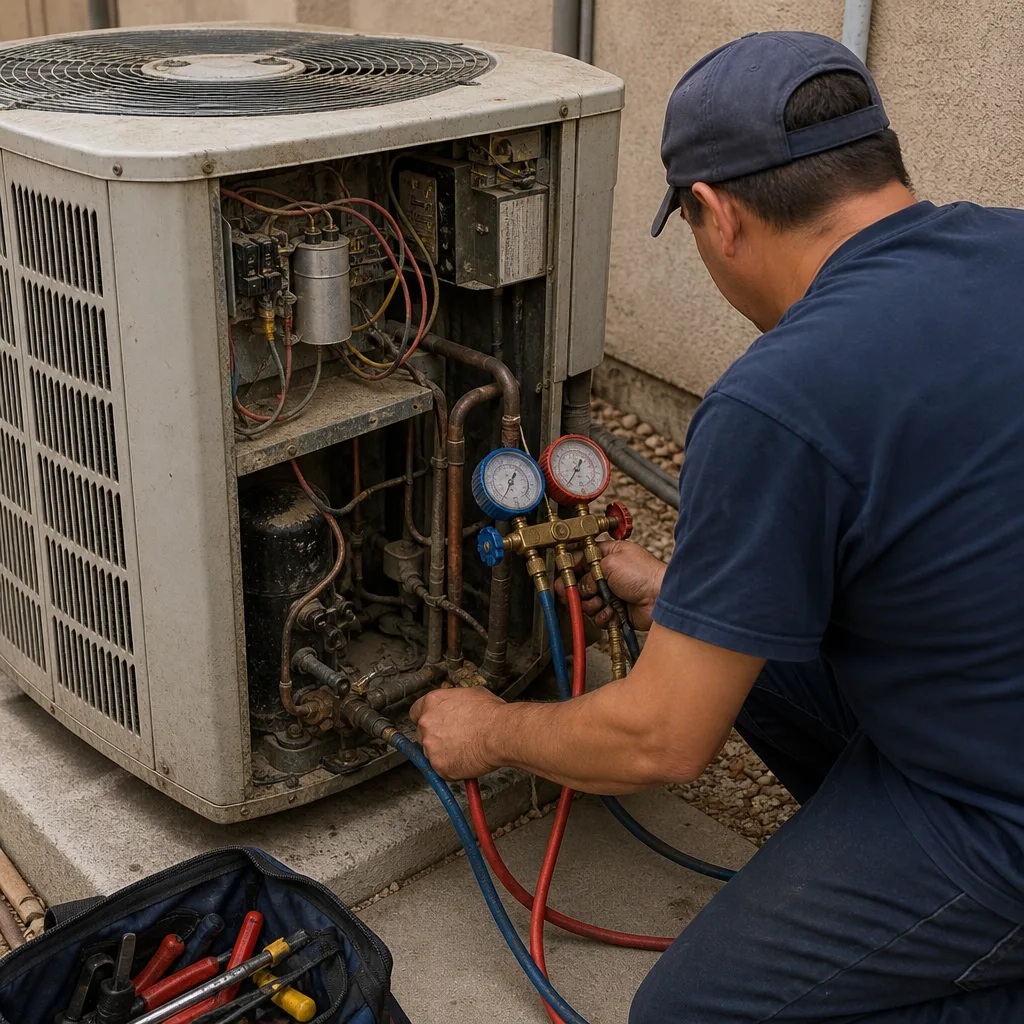
- “What did you actually read on the gauges and the meter?” A fair technician will tell you the numbers, not just the verdict.
- “Is this repair or replace?” Ask for the reasoning, not just the recommendation. On a system past 15 years, the answer often depends on how much refrigerant and how much of the electrical side is still sound.
- “What’s the total, itemized?” You should never approve a repair from a single lump-sum number.
- “Is this under warranty?” Commercial equipment warranties are long, often ten years on the compressor. Ask before you approve anything.
- “What did you find that we should watch next time?” That answer becomes your maintenance log.
The best commercial technicians will volunteer this information. If yours doesn’t, ask. It’s a reasonable question, and in Summerlin we hear every week from owners who were talked into work they didn’t need because nobody explained the difference between repair and replace.
Emergency Situations: What to Do Before the Truck Arrives
A commercial system failure at 2 a.m. in July isn’t a matter of comfort. A restaurant loses a full day’s inventory. A small office building with a server room can lose equipment. Here’s the sequence we’d recommend if you’re the person on call.
- Turn the system off at the thermostat and, if you can safely reach it, the breaker. Never open the electrical panel of a commercial unit yourself.
- Call. Our line is answered by a live person 24 hours a day, and in Summerlin we hear from plenty of owners on the third call who wish they’d started there. A voicemail tree at 2 a.m. is a problem you can fix by choosing a different company next time.
- Document what you saw when it failed. Any lights flashing on a control board, unusual sounds, or a smell. Take a photo if you can. It saves diagnostic time.
- Protect anything temperature-sensitive. For a small commercial kitchen, move inventory to a backup or another location if it’s a walk-in the system serves.
- Don’t reset repeatedly. If a breaker trips more than once, stop. Repeated resets on a commercial system are how small electrical faults become fires.
Every job we handle is backed by the 90-Day Done Right Promise: if it’s not done right, we make it right, in writing, no arguing.
Common Mistakes to Avoid
- Touching refrigerant without certification. A federal violation that carries fines up to $44,539 per day, and it voids your equipment warranty. This applies to anyone, on any commercial unit, regardless of experience.
- Running the system with a clogged filter for months. In Summerlin, 30 days is the honest maximum during dust season. Two months turns a filter change into a compressor conversation.
- Replacing a failed component with the wrong part. On York, Daikin, and Bryant commercial equipment, the wrong capacitor or control board can leave the system running out of spec. Cheap parts cause expensive failures.
- Ignoring a small refrigerant leak until it’s a big one. Left alone, a pinhole leak becomes moisture ingress, which becomes a compressor replacement. Every refrigerant call is best caught early.
- Resetting a tripped breaker repeatedly. If a commercial breaker trips once, reset it. If it trips twice, call. Three resets on a commercial panel is how fires start.
- Hiring the lowest bid without a written scope. On commercial work, the bid is a line of type and the scope is the real document. If the scope is thin, the price isn’t a bargain.
- Skipping the maintenance contract to save money, then paying for emergency repairs. Preventive maintenance is cheaper than an emergency. That’s true in any Summerlin commercial building and it’s true in any home.
See the difference
 Before
 After
 Before
 After
 Before
 After
When to Call a Professional
Call a licensed technician the moment the problem involves refrigerant, gas, electrical controls, or compressor work. Also call when a system fails twice in the same season, when you smell gas or burning insulation, or when the system has reached its expected service life and a repair decision is being made. Our technicians have up to 8 years of experience and are trained on nine major brands, including Carrier, Trane, Lennox, Goodman, Rheem, York, Daikin, Bryant, and American Standard. Fireside Heating & Air Co. Summerlin offers free estimates in Summerlin. Call (888) 325-9387, or start at our Fireside Heating & Air Co. Summerlin home page for more.
Frequently Asked Questions
You can legally handle owner-side tasks like filter changes, condensate flushes, and external cleaning. Anything that involves refrigerant, electrical components, gas ignition, or major repairs requires proper certification and licensing under federal and Nevada rules. Refrigerant handling in particular requires EPA Section 608 certification, and doing it without is a federal violation.
Change filters, inspect coils, clear debris, flush the condensate drain, and check belt tension by hand with the power off. Do not open the electrical panel, do not touch refrigerant lines, and do not attempt gas ignition or burner work. Those belong to a technician, both by law and for good reason.
Repair makes sense when the system is under 15 years old, the refrigerant side is sound, and the repair is a single component. Replacement makes more sense when refrigerant leaks and electrical faults are stacking up. Our technicians give you the reasoning behind the recommendation, not just a verdict. Call (888) 325-9387 for a free estimate.
Every 30 to 60 days, and every 30 during dust season. Summerlin’s high-desert climate pushes more particulate into the airflow than most of the country, so the honest answer is on the frequent end. Skipping filter changes is the most common cause of avoidable commercial compressor failures we see.
Turn the system off at the thermostat, do not reset a tripped breaker more than once, and call. Our line is answered by a live person 24 hours a day, including nights, weekends, and holidays. A voicemail tree at 2 a.m. is one problem you don’t need on top of the system failure.
Yes, when the scope is honest. A well-written commercial service contract that includes refrigerant checks, component inspections, and a written report of findings pays for itself by catching failures early. If it’s charging you for filter changes you’re doing yourself, ask for those removed. Call (888) 325-9387 and we’ll walk through it.
The Bottom Line
The line between safe DIY and professional work on commercial HVAC is drawn by law and safety, not skill. Refrigerant handling, gas ignition, electrical controls, and compressor work all belong to a licensed, certified technician, and the federal fines for getting that wrong are real. What genuinely saves you money is the owner-side routine: filter changes, condensate flushes, coil inspection, and keeping a simple log. Pair that with a fair service contract and a technician who answers your questions in plain language, and you’ll get more years out of the system with fewer emergency calls. Done right, or we make it right.
Written by the team at Fireside Heating & Air Co. Summerlin.