
Last updated November 17, 2026
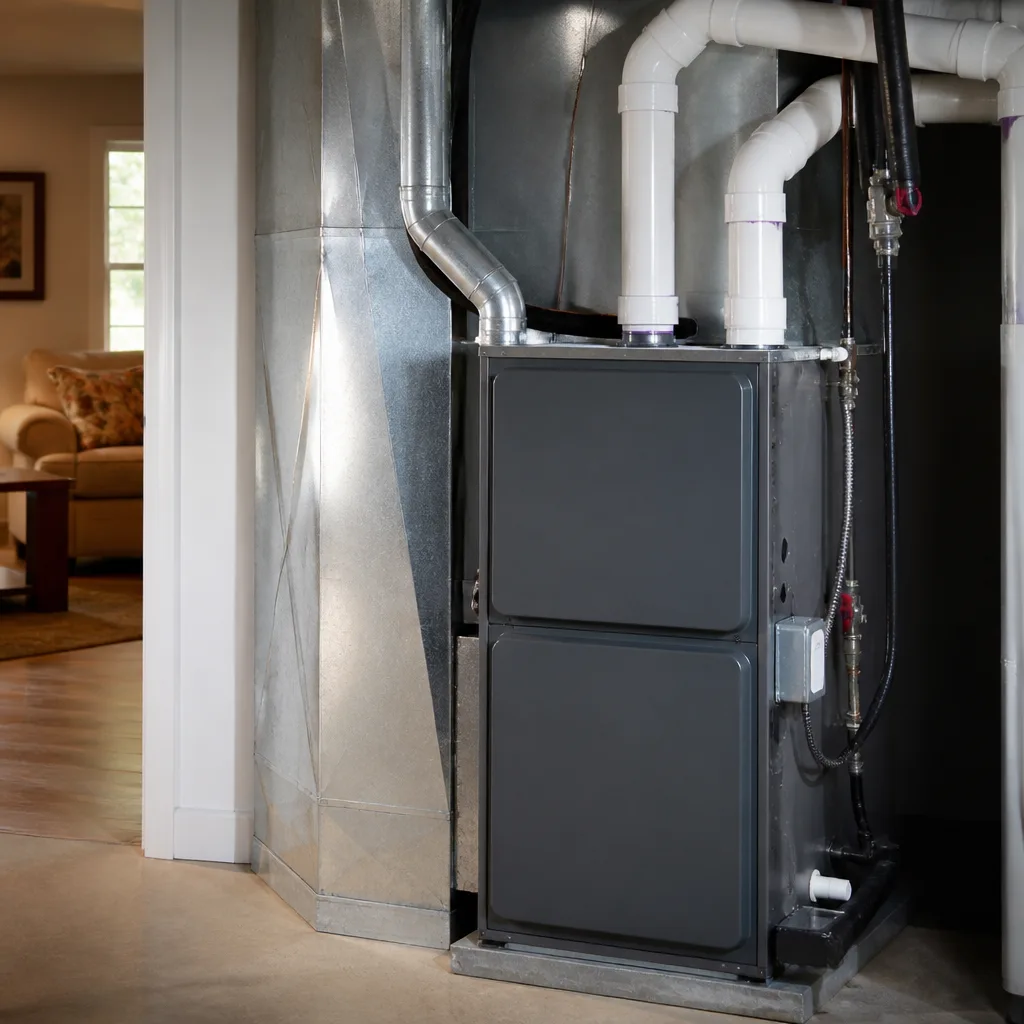 Furnace & heating
 AC repair
 Heat pumps
 Ductless mini splits
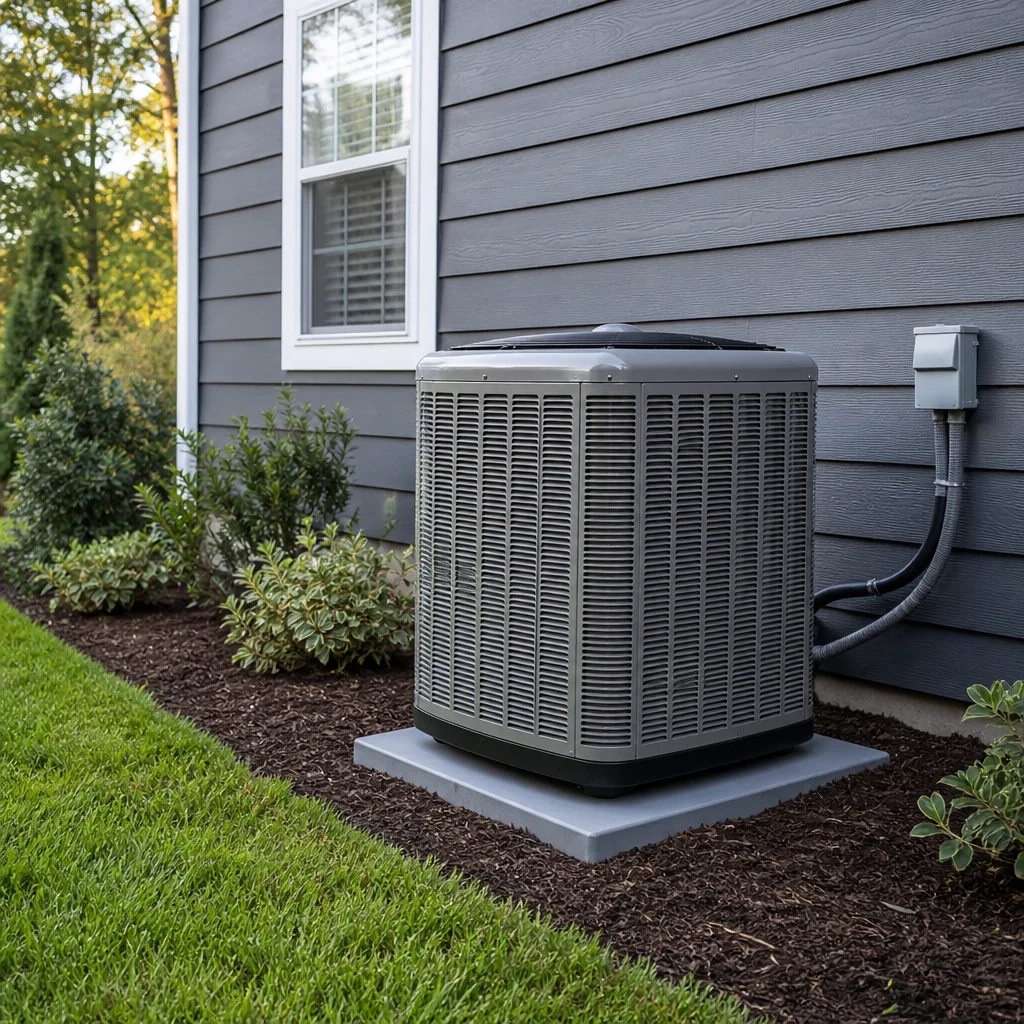 Carrier
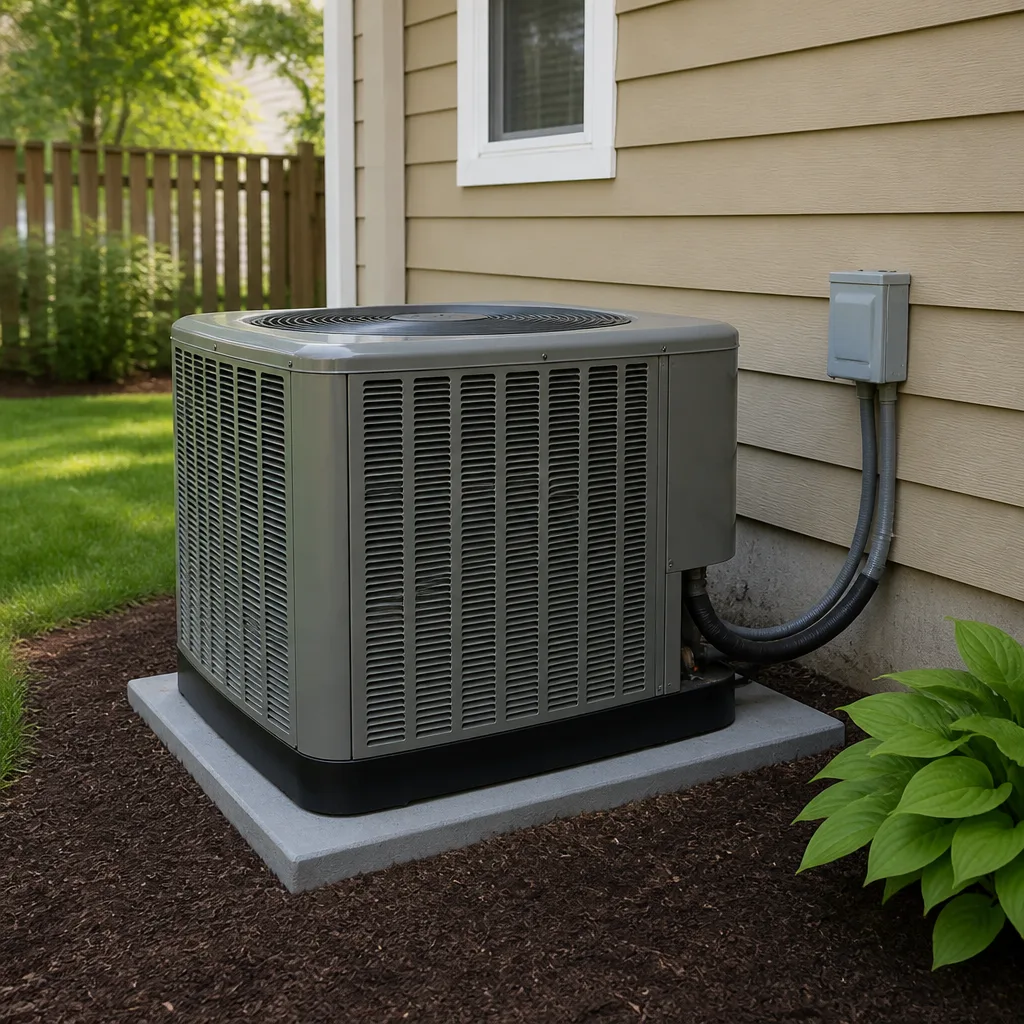 Trane
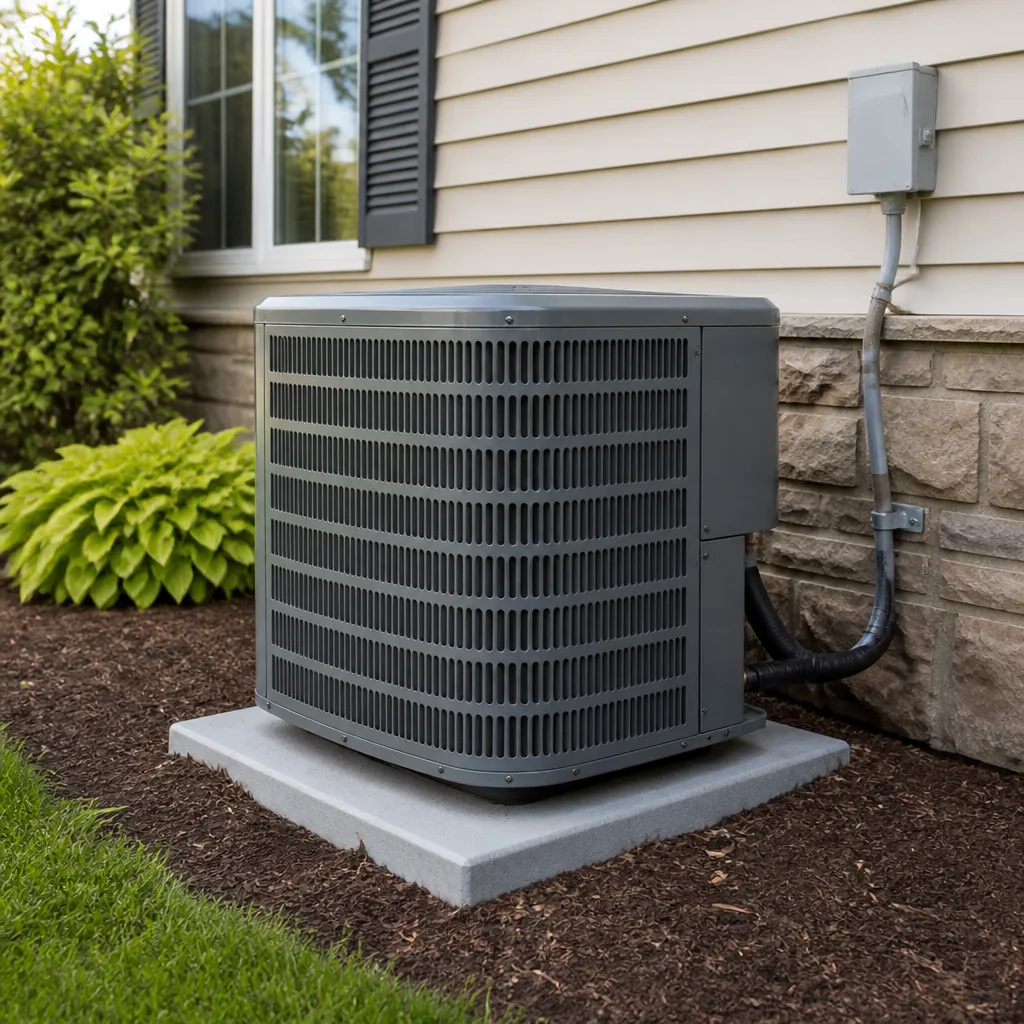 Goodman
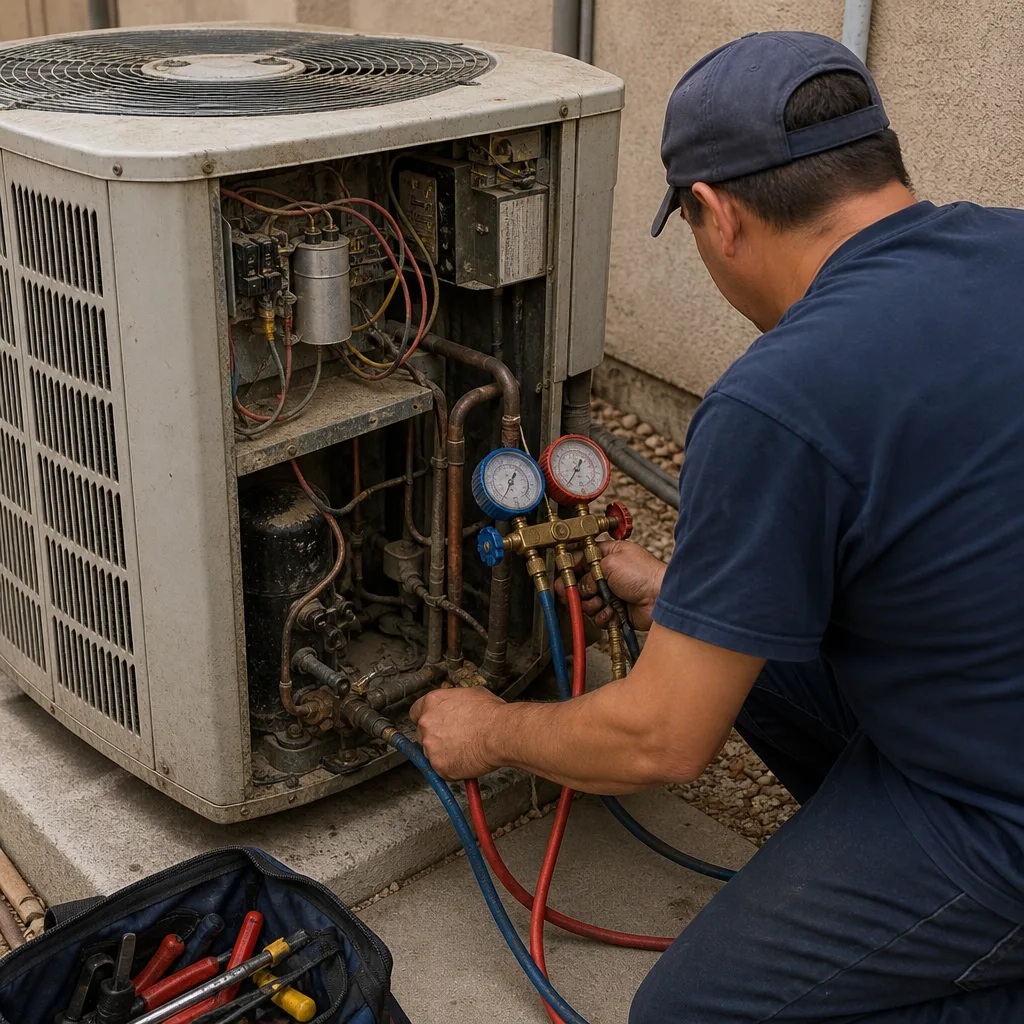
Seasonal tune-up and full diagnostic on your Carrier, Trane, or Goodman system - readings shown to you before any repair is proposed
Diagnosis first, numbers second - you approve the repair price before a single part goes in.
Get your free estimateHow Long Does Heating & Furnace Take? Timelines and What to Expect
A furnace replacement that reads “one day” on the estimate can easily stretch to three if the existing ductwork is undersized. That gap between the paperwork and the driveway is where most homeowner frustration lives, and it’s almost never a surprise to a thorough technician. It’s something a careful inspection catches before the old unit comes out, not after. In Summerlin, where we’ve watched a lot of furnace jobs move from quote to commissioning, the honest answer is that no one can give you a single reliable number until the unit is open and the house is inspected. What we can do is map every link in the chain, so you know what’s normal, what’s a delay worth accepting, and what’s a contractor stalling. This guide walks through all four phases of a heating or furnace job, with realistic hour and day ranges for each.
Quick Answer
A straightforward furnace replacement usually takes one full installation day, roughly 6 to 9 hours on site, plus a few calendar days before that for the assessment, permit, and equipment order. A heating repair is typically 1 to 3 hours. Real timelines stretch to 2 to 4 days when attic access is tight, ductwork needs work, the flue is undersized, or Clark County permits push the schedule. The work isn’t done when the last screw goes in; commissioning and a proper test cycle add another 1 to 2 hours.
Styles & brands we work with
- AC repair
- Furnace & heating
- Heat pumps
- Ductless mini splits
- Carrier
- Trane
- Goodman
Table of Contents
- The Four Phases of a Heating or Furnace Job
- Repair vs. Replacement: How the Timeline Changes
- Why Clark County Permits Add Calendar Days, Not Just Hours
- Site Conditions That Stretch Summerlin Installs
- What Actually Happens on Installation Day
- Commissioning: Why the Job Isn’t Done When the Screw Goes In
- A Plain Checklist Before the Truck Leaves
- Emergency Heating: When Same-Day Matters
The Four Phases of a Heating or Furnace Job
Every heating job breaks into four distinct phases. Most homeowners only picture the third one, the part where the truck is in the driveway and the old unit is coming out. But the phases before and after carry just as much weight on the calendar.
Here’s how each phase breaks down with realistic ranges:
- Assessment (1 to 2 hours). A technician inspects the existing system, checks the heat exchanger, measures static pressure, looks at ductwork, confirms flue and venting, and verifies gas line sizing and pressure. A careful assessment is where the surprises get caught early. A rushed one is where they get caught late, when the old unit is already gone and the new one doesn’t fit the space.
- Equipment procurement (1 to 5 business days). Once the assessment and a written estimate are set, the equipment gets ordered or pulled from local supply. Standard-size furnaces from brands we service, including Goodman, Rheem, and York, are usually available quickly. Unusual sizes or specific high-efficiency configurations can take longer.
- Installation day (6 to 9 hours for a standard replacement). Removal, pad and plenum work, new unit set, gas and electrical connections, venting, and startup. More on this below.
- Post-installation commissioning (1 to 2 hours). Combustion analysis, temperature rise check, airflow verification, thermostat programming, and a walkthrough with the homeowner. This is where a job gets proven, not just finished.
Add those up for a routine Summerlin replacement and you’re looking at three to five calendar days from assessment to commissioning, most of which is waiting rather than working. For a repair, the whole timeline collapses to a single visit, often 1 to 3 hours, and most of the time it happens the same day it gets approved.
Repair vs. Replacement: How the Timeline Changes
Repair timelines and replacement timelines don’t belong in the same conversation. A repair is measured in hours. A replacement is measured in calendar days, and a big part of that is the chain of decisions and approvals that has to happen before anything gets touched.
A useful rule of thumb for a heating system in Summerlin, where winter nights can dip into the twenties but the season is short: a system under twenty years old with a repair that costs a fraction of replacement is usually worth fixing. Past twenty years, or facing a cracked heat exchanger, replacement enters the conversation and the timeline shifts accordingly.
Typical heating repair timelines
- Ignitor or flame sensor replacement: 1 to 2 hours
- Blower motor replacement: 2 to 4 hours
- Gas valve or control board replacement: 2 to 3 hours
- Inducer motor or pressure switch: 2 to 4 hours
- Thermostat or wiring diagnosis: 1 to 2 hours
Typical furnace replacement timelines
- Standard like-for-like swap: 1 day (6 to 9 hours on site)
- Replacement with duct modifications: 2 to 3 days
- Replacement with permit and inspection: 2 to 4 calendar days end to end
- Replacement with flue or venting work: 2 to 4 days depending on scope
When you’re ready to talk about your own system, our heating and furnace service in Summerlin covers both repair and replacement, so the conversation can stay on what your house actually needs rather than what fits a sales goal.
Why Clark County Permits Add Calendar Days, Not Just Hours
Most homeowners hear “permit” and picture a piece of paper. What it actually represents is a scheduled review by Clark County, and that review runs on its own clock. A permit-required furnace replacement can add two to five calendar days to the total timeline in Summerlin, and that wait is worth it every time.
Why it matters. A permitted job gets inspected. That inspection confirms the venting is correct, the gas connections are sound, the electrical work is to code, and the installation matches the manufacturer’s requirements. It’s a second set of eyes on work that, if done wrong, becomes a carbon monoxide problem. An unpermitted job skips that check entirely, and the consequences land on the homeowner later, at resale or after an incident.
What triggers a permit in a Summerlin furnace replacement:
- Any change in the appliance, including a like-for-like swap of the same model
- Any modification to gas piping, venting, or ductwork
- Any electrical work added or altered for the new unit
- Adding a new combustion air source or changing the flue path
The permit clock usually runs alongside the equipment order, not after. A well-run job pulls the permit the day the assessment is approved, orders the equipment the same day, and has both back in hand by the time installation day arrives. If you’re weighing a quote that skips the permit to save a day, ask what happens when the county inspects, or when you sell the house. In our experience, that saved day costs far more later.
Site Conditions That Stretch Summerlin Installs
These are the four conditions that most often push a Summerlin furnace replacement past the original estimate. A thorough assessment catches all of them before the old unit comes out. A rushed one finds them mid-install, with the old furnace already on the truck and no easy way back.
1. Attic and crawlspace access
A lot of Summerlin homes run their air handler and part of the duct system through tight attic space, and the entry point matters. A unit that needs to fit through a 22-inch attic hatch can’t be assembled on site if the new cabinet is wider than the opening. We’ve seen installs stretch an extra half day just because the access route needed to be widened before anything else could move.
2. Existing flue and venting
Older Summerlin furnaces vent through a flue sized for that furnace. A newer, higher-efficiency replacement often needs a different venting configuration, and sometimes a lined or resized flue. That’s not a surprise if the assessment measures the existing flue and checks the new unit’s venting requirements. It’s a very bad surprise if nobody looks until installation day.
3. Gas line sizing and pressure
A gas line sized for a 60,000 BTU furnace sometimes won’t carry a 100,000 BTU replacement. A technician who checks line pressure and pipe diameter during the assessment catches this. A technician who doesn’t finds it after the new unit is set and the manifold pressure reads low.
4. Undersized or damaged ductwork
This is the most common source of the “one day that became three.” Ductwork sized for the original system can choke a modern furnace, and the fix involves redesigning runs, adding returns, or sealing leaks. On a house built in the late nineties or early 2000s, ductwork isn’t always what the original plan called for. An assessment that measures static pressure sees this before the swap; one that doesn’t sees it after.
If you want a system that doesn’t just fit but actually works in the space it’s in, our AC repair and installation in Summerlin team sees the same duct conditions on the cooling side and can flag them during the heating visit.
What Actually Happens on Installation Day
The scene most homeowners picture, one technician and a truck, is close but incomplete. A proper furnace replacement is a small construction project with a real sequence, and knowing it helps you understand why the day runs as long as it does.
Here’s the typical order of events on a standard Summerlin furnace swap:
- Protection and setup (15 to 30 minutes). Floor protection, shoe covers, plastic sheeting, tools staged. A crew that cares about your home will do this without being asked.
- Old unit removal (1 to 2 hours). Disconnecting gas and electrical, disconnecting venting and plenum, and moving the old furnace out. If it’s a tight attic or a platform install, this takes longer.
- Prep and new unit setting (1 to 2 hours). New pad or platform, plenum adapters, and setting the new cabinet. The unit is set with vibration isolators and leveled.
- Connections (1 to 2 hours). Gas piping and test, electrical connections, low-voltage wiring to the thermostat, and condensate handling if it’s a high-efficiency unit.
- Venting and duct connection (1 to 2 hours). Flue or PVC venting per the manufacturer’s instructions, and the supply and return duct connections sealed and taped.
- Startup and commissioning (1 to 2 hours). More on this below.
A brand-new Rheem or Goodman replacement in a home with straightforward access runs close to the low end of every range. A Daikin high-efficiency unit replacing an older single-stage furnace in a home with attic access challenges runs to the high end. That’s not padding; that’s the difference between a swap and a rebuild.
Commissioning: Why the Job Isn’t Done When the Screw Goes In
Commissioning is the part of the job that separates a professional install from a delivery. It’s the series of tests that confirm the unit is doing what it’s supposed to do, in this house, with this ductwork, at this gas pressure. A crew that skips commissioning is hoping things are right. A crew that does it knows.
What commissioning includes on a proper furnace install:
- Combustion analysis: measuring carbon monoxide in the flue, checking oxygen levels, and confirming the combustion readings fall within the manufacturer’s range. This is the single most important safety test on a heating job.
- Temperature rise check: confirming the difference between supply and return air falls within the manufacturer’s specified rise range. Too high means airflow is choked, which shortens the unit’s life.
- Static pressure and airflow verification: measuring total external static pressure against the blower chart to ensure the ductwork isn’t strangling the unit.
- Gas pressure verification: checking manifold pressure and inlet pressure against the data plate. Both matter, and neither can be eyeballed.
- Thermostat setup and programming: staging, fan settings, and any smart features configured, then tested.
- Cycle test: running the unit through at least two or three heating cycles and observing startup, steady operation, and shutdown.
That list is 1 to 2 hours on a well-run job. If it isn’t done, you don’t know whether your new furnace is venting correctly or whether your ductwork is quietly killing it. When you’re ready to have that done right on your own system, you can explore heat pump and mini-split options in Summerlin if you’re replacing or adding to a heating system, or stay with a straight furnace replacement if that’s what your house needs.
A Plain Checklist Before the Truck Leaves
The truck pulling out of the driveway is not the same as the job being done. Before the crew leaves, you should have all of the following in hand or confirmed. Any contractor who resists this list is telling you something.
- Combustion analysis results, in writing. Numbers, not a verbal “all good.”
- Temperature rise reading, in writing. Within the manufacturer’s specified range for your unit.
- Static pressure reading, in writing. This is how you know your ductwork is compatible with the new unit.
- A signed and dated written guarantee. Our 90-Day Done Right Promise gives you a written, no-arguing window to have anything corrected.
- The permit number and inspection date. If the job was permitted, you should have the number and know when the inspection happens.
- Filter size and location, with a reminder of the change schedule. It sounds basic, but a surprising number of homeowners discover they don’t know where the filter is until the unit stops.
- A clean work area. Old unit hauled away, packaging gone, floors clean. The best crews leave the space better than they found it.
- The startup checklist signed by the technician and you. A clear record of what was tested and what the results were.
If your current system is due for replacement, our Fireside Heating & Air Co. Summerlin home page is a good place to see how we handle the whole job, from assessment through commissioning.
Emergency Heating: When Same-Day Matters
A furnace that fails on a Summerlin winter night isn’t a scheduling problem, and it shouldn’t be treated like one. When the low drops and the heat won’t come on, the timeline compresses to a live call and a fast visit. No voicemail tree. No “we’ll get back to you.” A person on the line, and a technician dispatched.
Emergency heating calls usually land in one of three buckets:
- No heat at all: the furnace won’t fire, the thermostat is dead, or the breaker tripped. Most are diagnosed and fixed in one visit, 2 to 4 hours including travel.
- Intermittent heat: fires for a few minutes, shuts off, fires again. Often an airflow or pressure switch issue, and usually solvable the same visit.
- Safety concern: a smell of gas, a carbon monoxide alarm, or a strange sound from the heat exchanger. This is not a wait-and-see situation. Turn off the gas at the meter if safe to do so, open a window, leave the house, and call from outside. A trained professional needs to be the one to open the unit and confirm what’s happening.
Heating systems involve gas, combustion, and high-voltage electrical components. A clogged vent or a cracked heat exchanger can produce carbon monoxide. That’s not something we’d ask a homeowner to inspect or work on, and it’s not something that should wait for a convenient slot on the calendar. A live, trained professional on site is the right answer every time.
Common Mistakes to Avoid
- Booking a replacement on the lowest quote without a written assessment. A quote without an on-site inspection of duct, flue, gas pressure, and access is a guess. It will cost you on installation day.
- Skipping the permit to save a day. An unpermitted job in Summerlin may fail an insurance review or delay a home sale, and it skips the safety inspection entirely. That’s not a savings, that’s a future expense.
- Accepting a verbal “all good” instead of commissioning numbers. Combustion analysis and temperature rise readings are how you know the unit is right for your house. Insist on them in writing.
- Paying in full before commissioning is complete. Final payment should be tied to the handoff, including the documents listed above. A crew that wants to leave before proving the job is a crew that hasn’t proved the job.
- Ignoring the ductwork question because the new furnace is “more efficient.” A high-efficiency furnace on undersized ductwork runs at reduced efficiency and shortens its life. Duct modernization belongs in the conversation before you sign.
- Assuming any licensed contractor understands Summerlin attic access. The tight attic hatches, platform installs, and low-slung flue paths in a lot of Summerlin homes call for a technician who has worked these houses before. Ask.
- Letting a small ignition or airflow problem run for a whole winter. A furnace limping through the season often becomes a heat exchanger problem by spring. Short visit now, or a replacement in the near future. The math is not close.
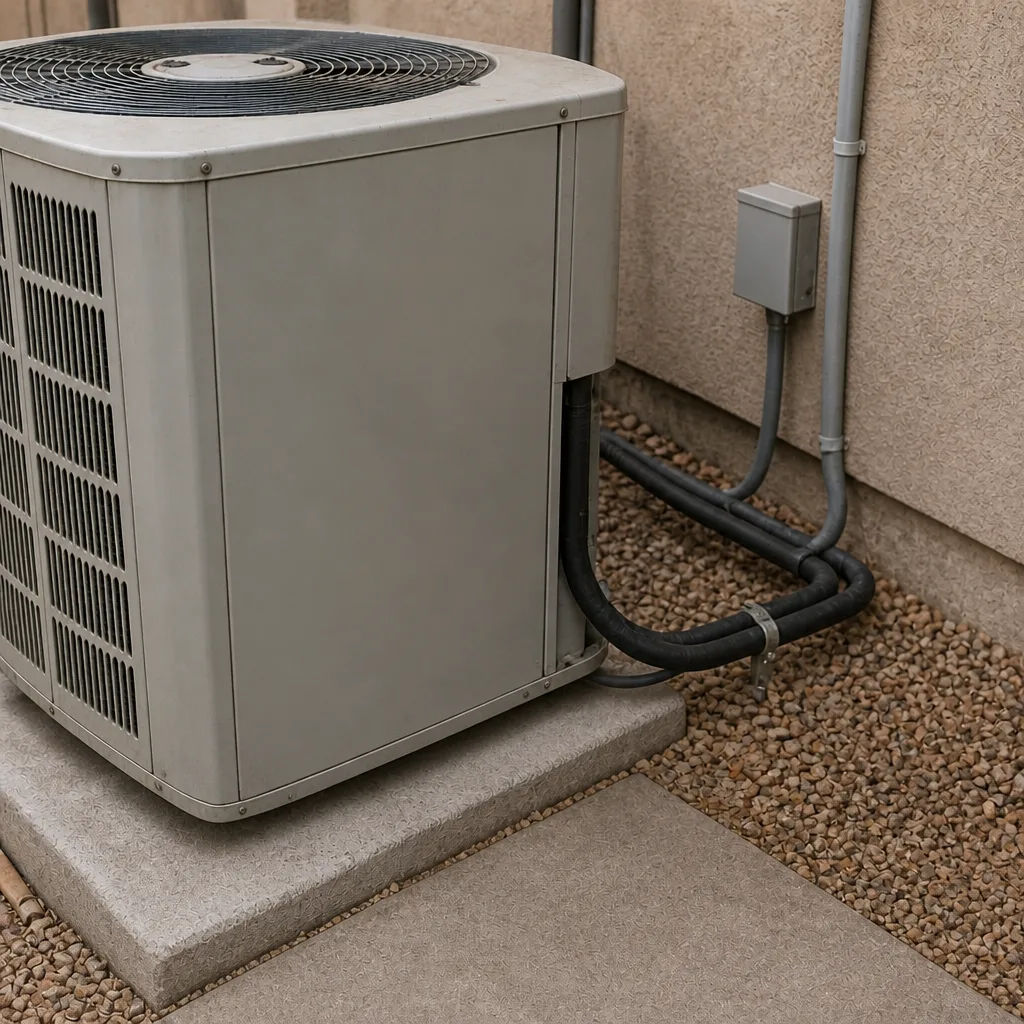
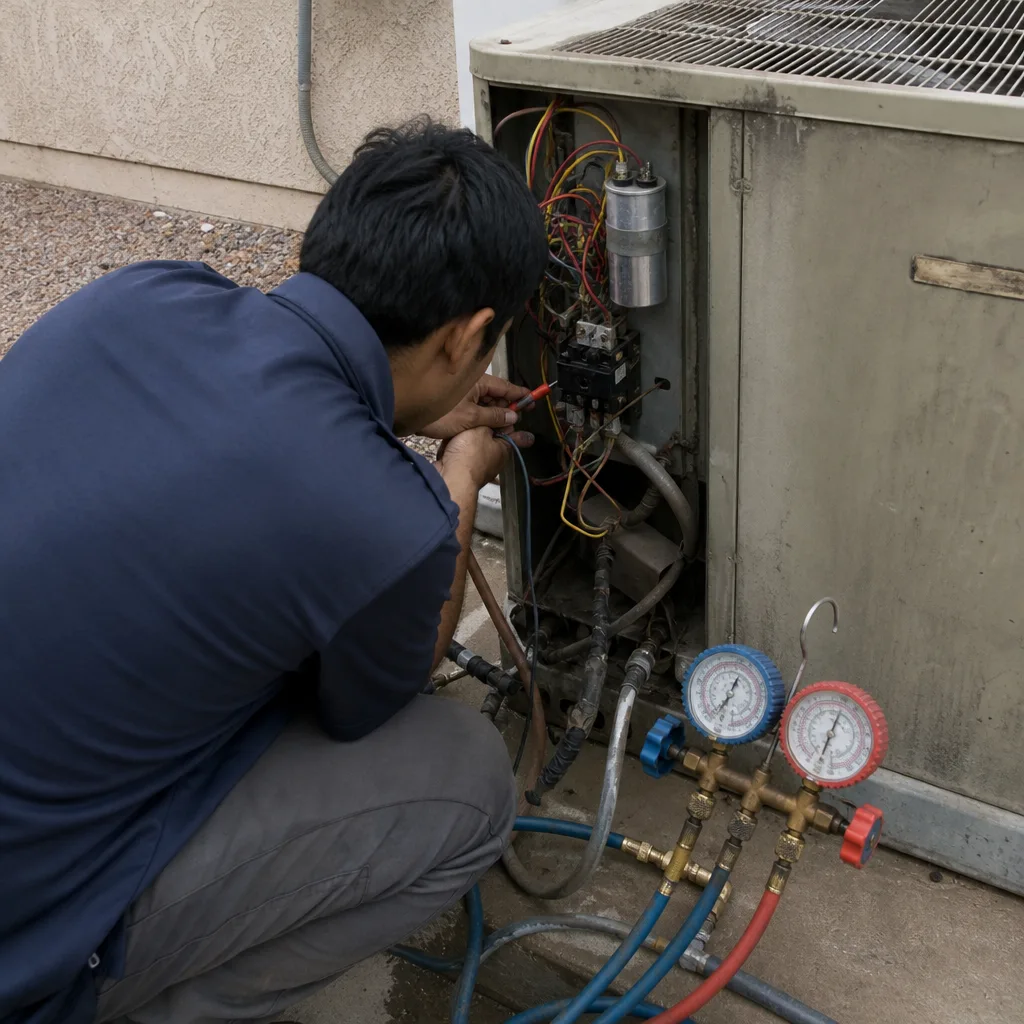
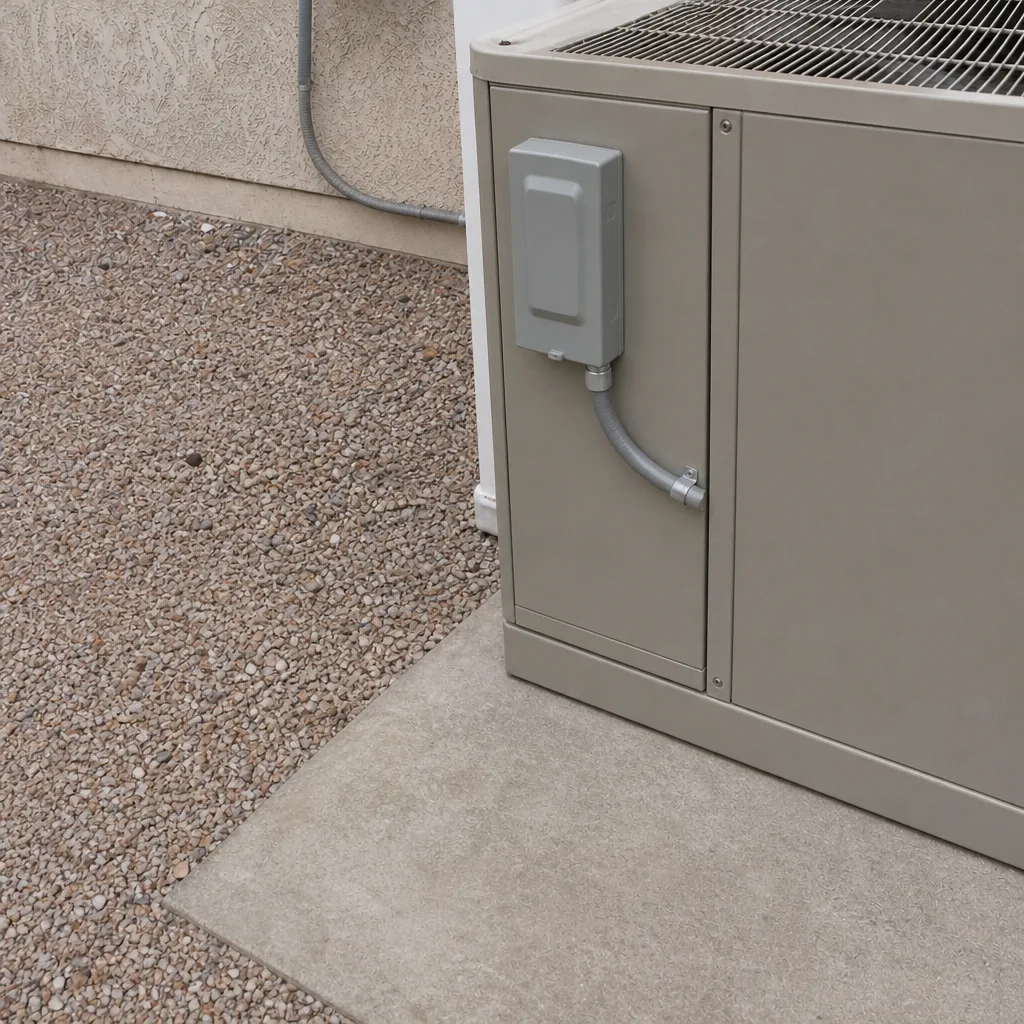
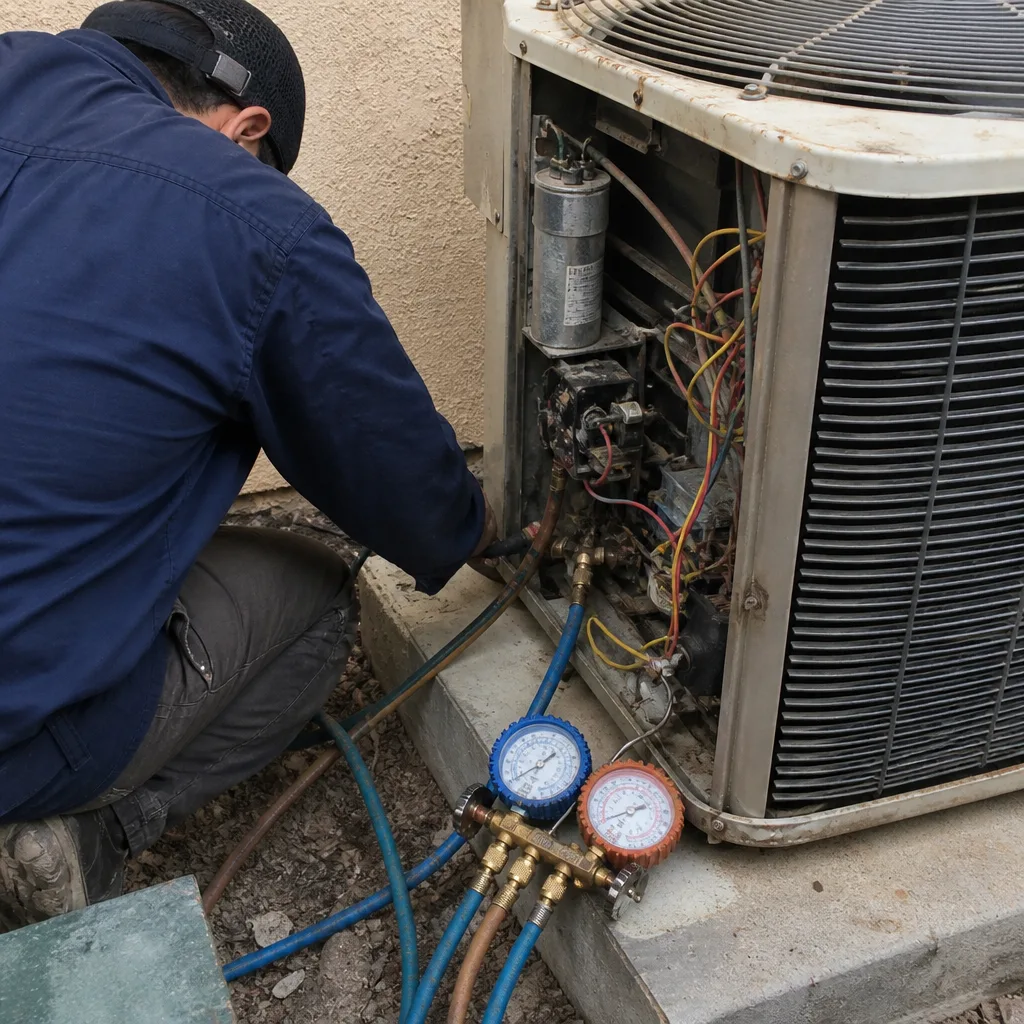
See the difference
 Before
 After
 Before
 After
 Before
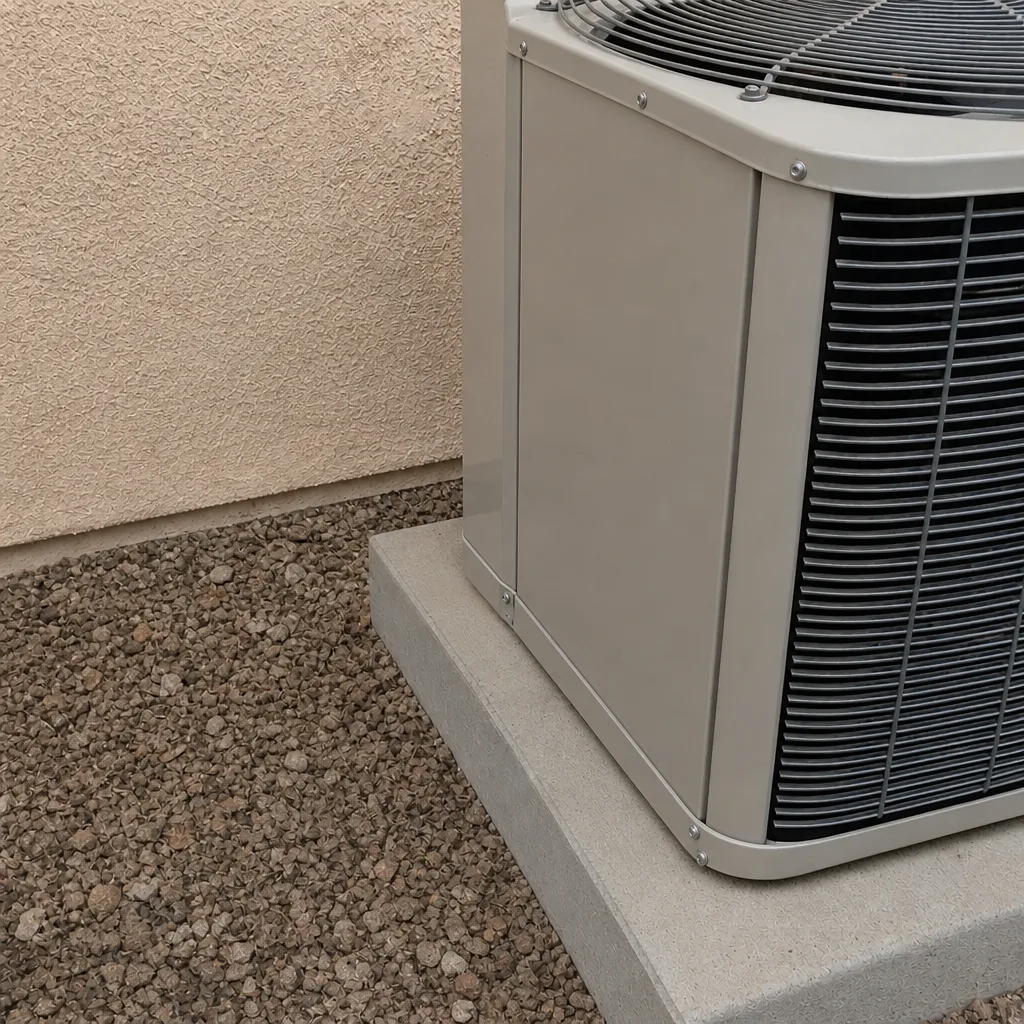 After
When to Call a Professional
You should call a professional when the furnace won’t fire, when it fires but won’t stay lit, when the blower runs continuously or not at all, when you smell gas, when the carbon monoxide alarm sounds, or when the system is cycling oddly or making sounds it hasn’t made before. You should also call when the unit is over twenty years old and the repair estimate tops half the cost of replacement, because at that point you’re making a long-term decision, not a maintenance call. A qualified technician needs to be the one to open the unit, especially where gas, venting, or combustion is involved. Fireside Heating & Air Co. Summerlin offers free estimates in Summerlin and answers every call with a live person, twenty-four hours a day. Call (888) 325-9387 for a straight answer on what your system needs, what it will take, and what it will cost.
Frequently Asked Questions
A standard Summerlin furnace replacement runs 6 to 9 hours on installation day, and 2 to 4 calendar days end to end once the assessment, equipment order, and Clark County permit process are included. Jobs with attic access challenges, flue or gas line work, or duct modifications can run 3 to 5 days. For an exact timeline on your home, call (888) 325-9387 for a free written estimate. A qualified technician can look at the actual space and give you a real number, not a template.
Most heating repairs are completed in a single visit, and same-day service is often possible when you call in the morning. Repairs on ignition systems, flame sensors, control boards, blower motors, and thermostats typically take 2 to 4 hours on site. Emergency no-heat calls are responded to around the clock. The moment the temperature drops and the heat won’t come on, call (888) 325-9387 and you’ll reach a live person.
Yes. A furnace replacement in Clark County generally requires a permit, and skipping it means skipping the county’s safety inspection of your venting, gas, and electrical work. The permit adds a few calendar days to the job but protects you at resale and, more importantly, protects your household from a venting or combustion problem. If a contractor offers to skip the permit to save a day, walk away.
Commissioning is the test cycle after installation that confirms combustion, temperature rise, static pressure, and gas pressure all fall within the manufacturer’s specified range. It takes 1 to 2 hours, and it’s the difference between hoping the job is right and knowing it. A furnace that isn’t commissioned can vent incorrectly, run with restricted airflow, or fail prematurely. If you don’t get commissioning numbers in writing, you don’t have a finished job. Call (888) 325-9387 if you suspect your current system was never properly commissioned.
A repair usually takes 1 to 3 hours on site; a replacement takes 6 to 9 hours on installation day, plus the days before it for assessment, permit, and equipment order. If the unit is under twenty years old and the repair cost is a fraction of replacement, repair wins on time and money. If it’s over twenty and facing a major repair, replacement is often the wiser path and the timeline reflects that.
Most furnace repairs are done in a single visit; most summerlin furnace replacements are also single-day installations once the assessment and permit are in hand. A return visit is a signal to ask questions. If a second visit is needed for a part order or a duct change, that should be explained in writing, with a clear reason and a scheduled date. Call (888) 325-9387 if a contractor is scheduling a vague “we’ll be back” without explanation. That is not how a professional crew operates.
The Bottom Line
The honest answer to “how long does a furnace take” is that no one can give you a single reliable number until the unit is open and the house is inspected. A standard Summerlin replacement is 6 to 9 hours on installation day and 2 to 4 days end to end, including permit and equipment order. A heating repair is 1 to 3 hours. The variables that stretch the calendar are always the same: attic access, flue sizing, gas pressure, duct condition, and whether the permit was pulled on day one. Know the four phases. Ask for commissioning numbers in writing. Get the permit. And when a repair estimate passes half the replacement cost on a system over twenty years old, treat that as the timeline telling you what to do. Fireside Heating & Air Co. Summerlin has helped homeowners through these decisions for over four decades, and the price quoted is the price paid, in writing, for 90 days after the work is done. Call (888) 325-9387 for a free estimate.
Written by the team at Fireside Heating & Air Co. Summerlin.