
Last updated November 17, 2026
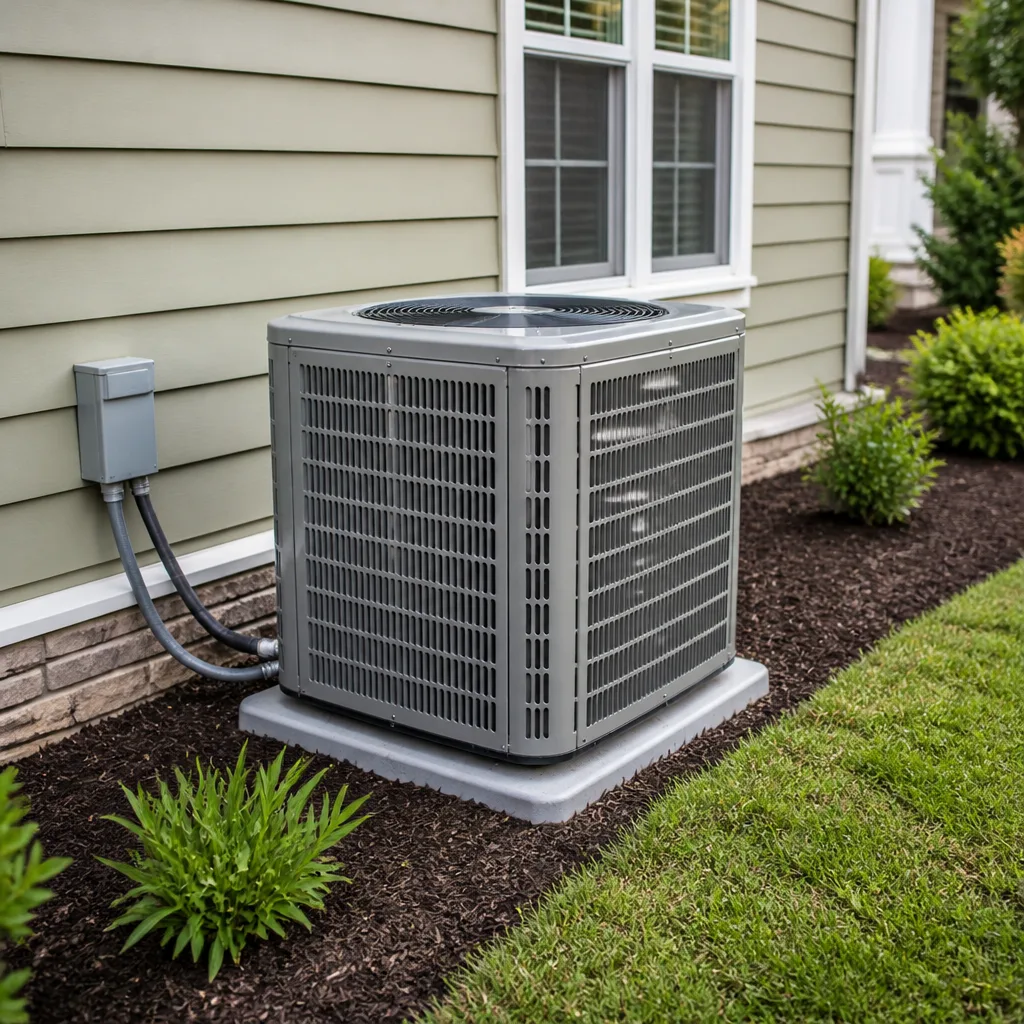 AC repair
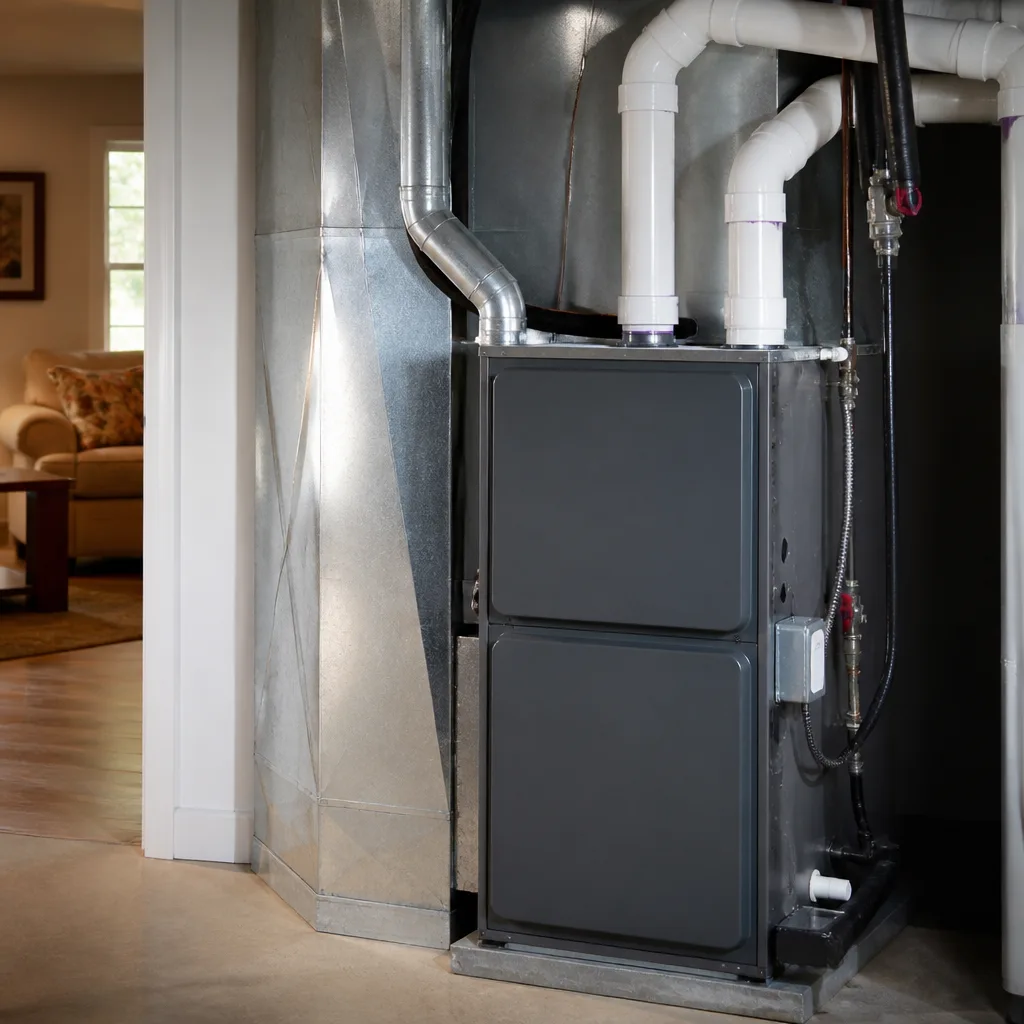 Furnace & heating
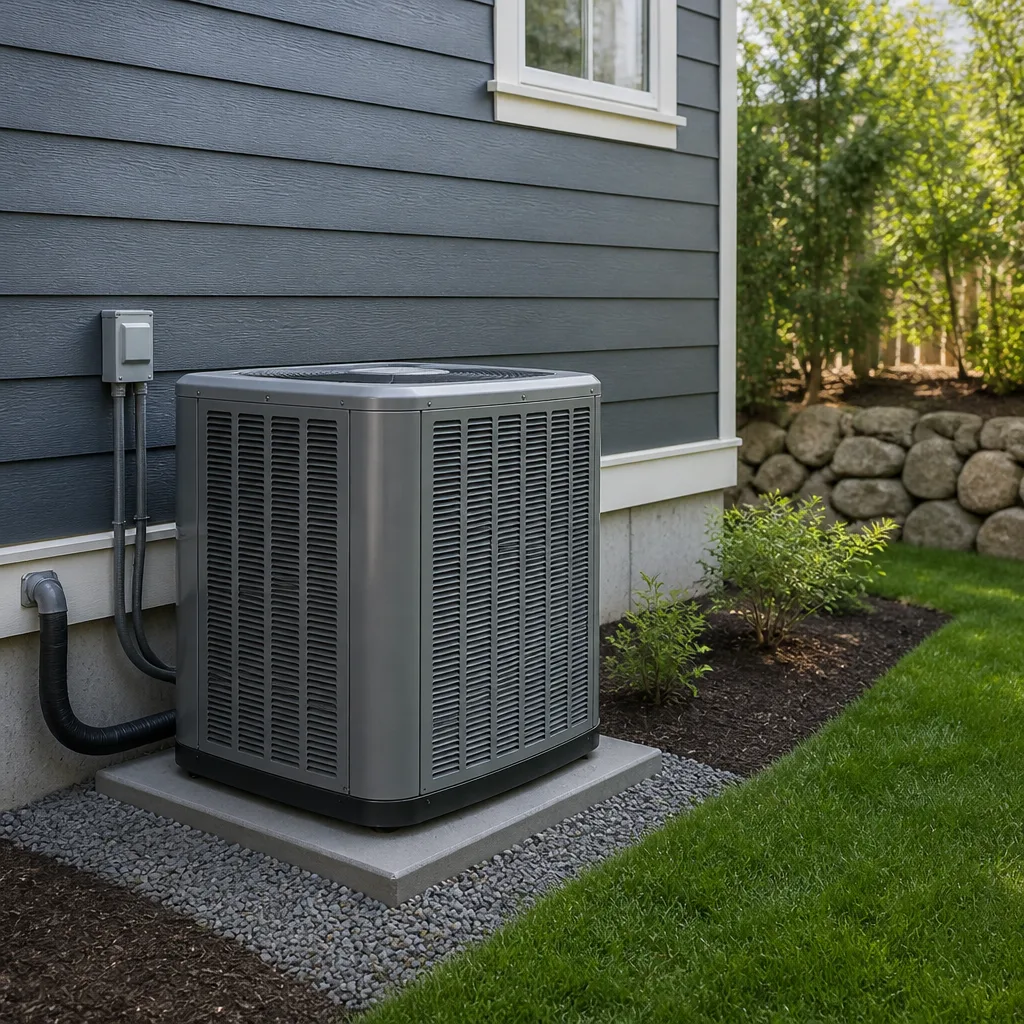 Heat pumps
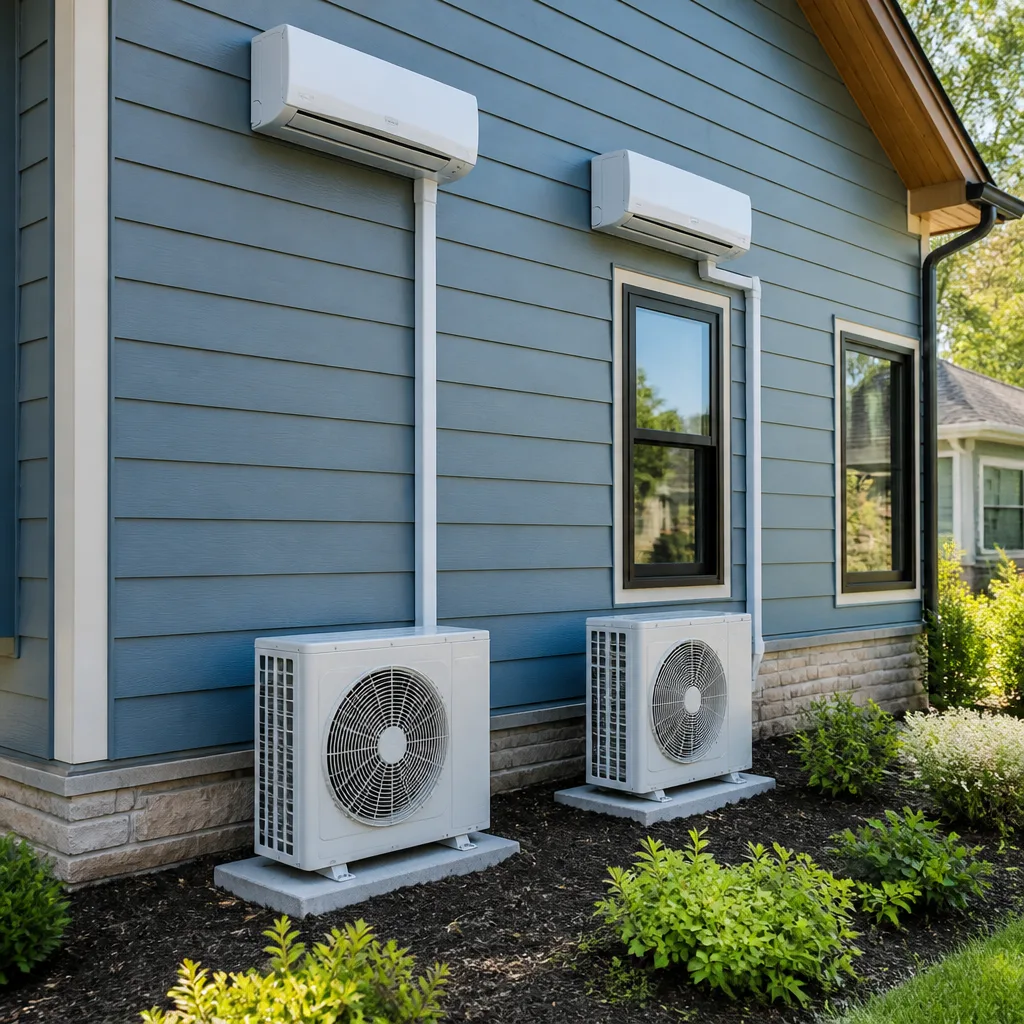 Ductless mini splits
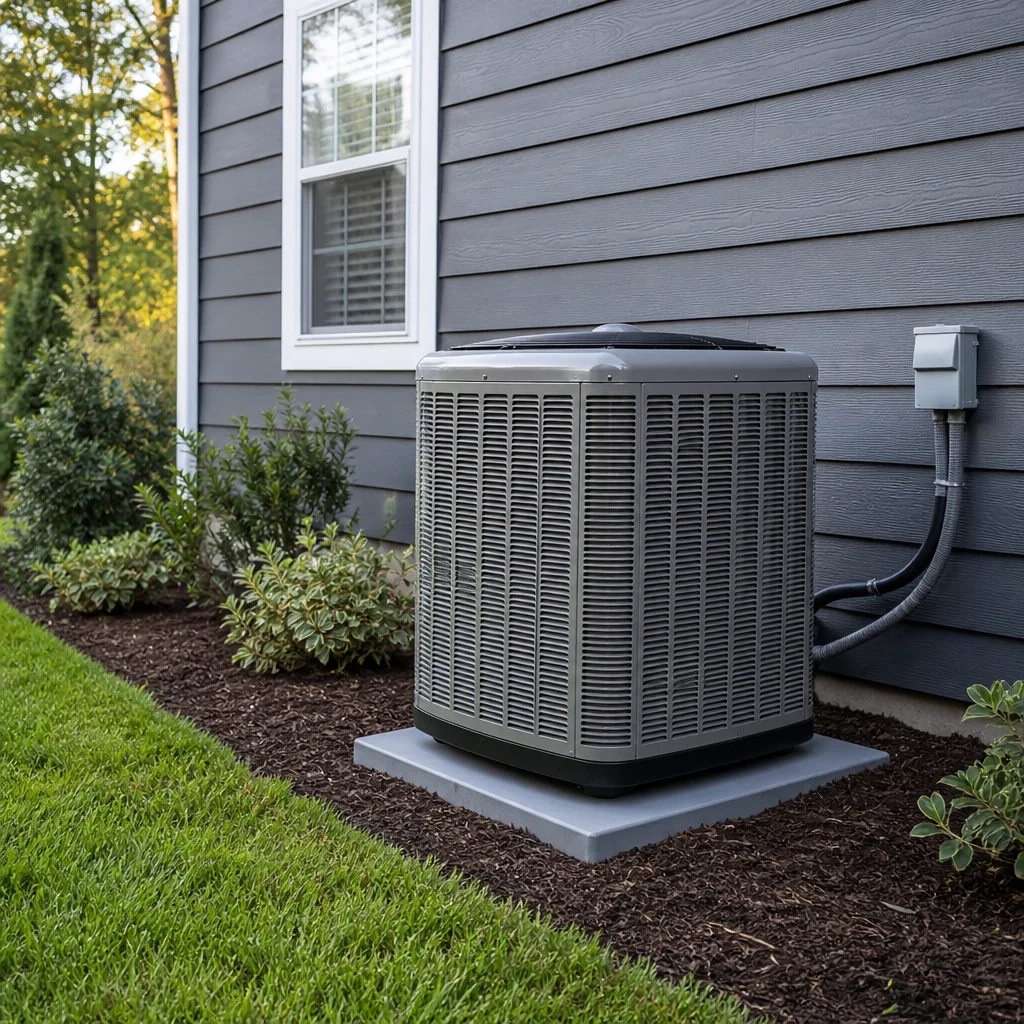 Carrier
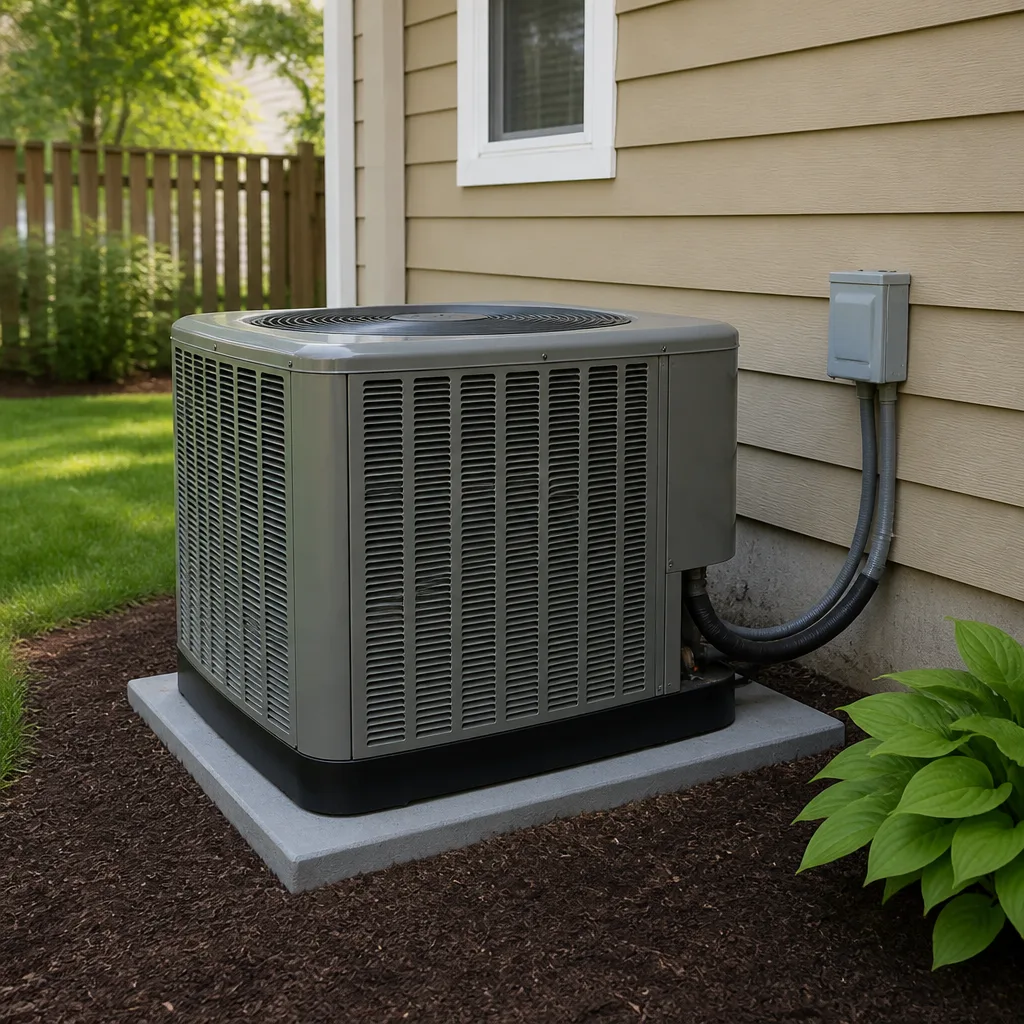 Trane
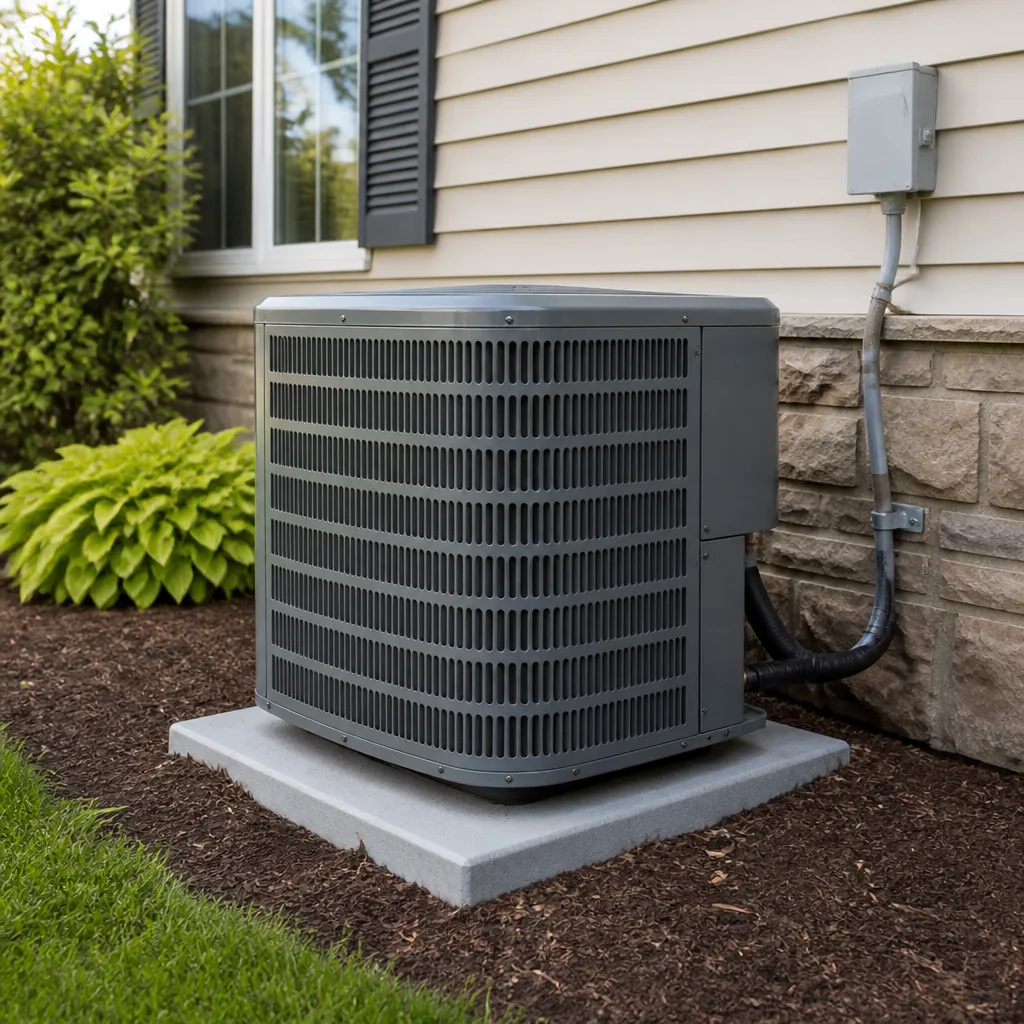 Goodman
Seasonal tune-up and full diagnostic on your Carrier, Trane, or Goodman system - readings shown to you before any repair is proposed
Diagnosis first, numbers second - you approve the repair price before a single part goes in.
Get your free estimateHVAC Cost Breakdown: The Summerlin Homeowner’s Reference for 2026
The average HVAC replacement quote in Summerlin leaves out at least one of these three line items: the permit fee, the disconnect replacement, and refrigerant recovery and disposal. Each one can add $300 to $600 when it surfaces on installation day, and a low quote that omits them is not actually the cheaper job. Over the years, we’ve watched homeowners compare three bids, pick the middle one out of instinct, and still get surprised by a figure nobody wrote down. This reference is built to change that. You’ll get realistic 2026 Summerlin price ranges for the most common jobs, a line-item list every honest quote should contain, and a plain framework for deciding when repair stops making sense.
Quick Answer
In Summerlin, a straightforward system replacement runs roughly $7,800 to $16,500 in 2026 depending on tonnage, efficiency tier, and whether ductwork is involved. A coil replacement typically lands between $1,600 and $3,200, and a full ductwork re-seal sits around $1,200 to $2,800. The spread between the lowest and highest bid for the same equipment is mostly about what’s included and what’s left out, not about how well the system will cool.
Styles & brands we work with
- AC repair
- Furnace & heating
- Heat pumps
- Ductless mini splits
- Carrier
- Trane
- Goodman
Table of Contents
- What HVAC replacement really costs in Summerlin in 2026
- The line-item breakdown of an honest replacement quote
- 3-ton, 4-ton, and 5-ton: what drives the price up or down
- Coil replacement and duct re-seal costs
- NV Energy rebates and the Section 25C federal tax credit
- The real cost of deferring replacement
- What legitimate labor rates reflect, and what markups are excessive
- How to compare three Summerlin quotes honestly
What HVAC replacement really costs in Summerlin in 2026
Summerlin sits on the west edge of the valley at a slightly higher elevation than the central city, and that small detail matters more than most homeowners realize. Summer afternoons here run hotter for longer than they did twenty years ago, and a system sized for 2005-era summer loads gets worked harder today. Replacement pricing in 2026 reflects that reality: equipment costs have climbed, refrigerant regulations have tightened, and the contractor who quoted $6,500 for a standard changeout in 2019 is not quoting that number now.
Here’s a working range for the most common Summerlin jobs in 2026, based on single-family homes in the neighborhoods we’re in most often:
- Standard efficiency replacement (14.3 SEER2, gas furnace): $7,800 to $10,500 for a 3-ton system, installed with permit and haul-away.
- Mid-tier replacement (16 to 17 SEER2): $9,500 to $13,000 for a 4-ton system.
- High-efficiency or variable-speed (18+ SEER2): $12,500 to $16,500 for a 5-ton system, often paired with a modulating furnace.
- Heat pump replacement: $9,000 to $15,000, with higher-efficiency units climbing from there.
Homes in The Ridges and Red Rock Country Club frequently carry 5-ton systems with zoning, which adds controls and damper work and pushes the top of that range. Townhomes near Downtown Summerlin often carry 2- to 3-ton systems, and those jobs land on the lower end. If you want the equipment side explained in more detail, our AC repair and installation page for Summerlin walks through what each tier actually delivers in our climate.
The line-item breakdown of an honest replacement quote
A quote that gives you one lump number and a handshake is not a quote. It’s an estimate with a story attached. Here is what a complete, honest replacement quote should list as separate lines, so you can sit down with three bids and see immediately which one is real:
- Equipment cost, itemized by model number. You should be able to look up the exact condenser and air handler. A quote that says “3-ton system” without a model is a placeholder, not a bid.
- Labor and installation. Removal of the old unit, setting the new one, brazing, evacuation, charging, and start-up testing.
- Permit fee. Clark County requires a mechanical permit for a system changeout. If the permit line is missing, either the contractor isn’t pulling one or the homeowner is about to pay for it separately, and neither is good.
- Disconnect replacement. The electrical disconnect box and whip at the outdoor unit. Code requires a working disconnect, and on a system older than fifteen years, the existing one is usually at the end of its life. Cost lands around $300 to $600 installed.
- Refrigerant recovery and disposal. The old charge has to be recovered, documented, and disposed of properly. That’s roughly $150 to $350 and it is legally required, not optional.
- Condensate line and drain pan work. In Summerlin’s dry heat, condensate handling still matters, and a new pan and float switch is a small line that prevents a large problem.
- Haul-away and disposal of the old equipment. Should be listed, not implied.
- Thermostat and any control work. If a new thermostat is included, name the model. If it’s reused, say so.
- Written warranty terms. Manufacturer parts warranty, plus the contractor’s own labor warranty, stated in years and in writing.
If you’re replacing a furnace instead of a condenser, the same principle applies. Our heating and furnace page covers what a complete furnace quote should include in this market.
3-ton, 4-ton, and 5-ton: what drives the price up or down
Tonnage is the first thing that moves a price, but it is not the biggest mover. A properly sized 3-ton system in a 1,800-square-foot Summerlin home is a different job than the same 3-ton system where the ductwork is undersized and the return air is choked. In our experience, the difference between a $8,000 job and a $13,000 job for what looks like the same equipment usually comes down to four things:
- Duct condition. Homes built in the 1990s and early 2000s often have flex duct that has sagged, torn, or lost its seal at the boots. Re-sealing or partial replacement adds $1,200 to $2,800.
- Electrical capacity. Older panels sometimes can’t support a higher-efficiency unit without an upgrade. That’s an electrical line item and it needs to be in the quote, not discovered later.
- Zoning and controls. Two-story homes in Summerlin frequently benefit from zoning, and zoning adds controls, dampers, and labor.
- Line set condition. If the existing refrigerant lines aren’t compatible with the new equipment, they get replaced. That’s a $400 to $900 line.
For homes considering a ductless option, the heat pump and mini-split page for Summerlin explains where those systems make sense and where they don’t.
Coil replacement and duct re-seal costs
Not every homeowner needs a full system. A coil replacement is the middle path, and it’s one of the most commonly quoted jobs in Summerlin because our cooling season runs long enough that a leaking evaporator coil means months of inefficiency before anyone deals with it. In 2026, an indoor coil replacement runs roughly $1,600 to $3,200 depending on tonnage and refrigerant type. If the existing system uses R-22 refrigerant, the coil replacement cost climbs, because R-22 is no longer produced and any remaining charge has to be sourced carefully.
Ductwork re-seal is the other job worth pricing out. A full re-seal, with mastic at every joint and boot, lands between $1,200 and $2,800 for a typical Summerlin single-family home. It’s often the highest-return dollar a homeowner can spend, because a system losing 20 to 30 percent of its cooled air to the attic is paying for cooling that never reaches the living space. Ask for a before-and-after static pressure reading if you want proof the seal worked.
NV Energy rebates and the Section 25C federal tax credit
Most Summerlin homeowners leave money on the table when they replace a system, and the reason is usually that nobody put the paperwork in front of them. Two programs matter in 2026, and they can stack:
- NV Energy residential rebates. NV Energy offers rebates for qualifying high-efficiency equipment, typically tied to SEER2 ratings and verified installation. The rebate amount varies by equipment class and program year, and it usually must be applied for with proper documentation from the installing contractor. Ask any bid you consider to state whether the equipment qualifies and who files the paperwork.
- Federal Section 25C tax credit. Qualifying high-efficiency heat pumps and central air conditioners can generate a federal tax credit under Section 25C. The credit is capped annually and requires the equipment to meet specific efficiency thresholds for the tax year. It is claimed on your federal return, not at the point of sale, so the contractor’s job is to give you the model numbers and efficiency ratings that prove eligibility.
Here’s the practical part: the credit and the rebate both hinge on the exact model installed. A quote that lists a model number you can verify is a quote you can check against both programs. A quote that lists a tonnage only is a quote you can’t.
The real cost of deferring replacement
Repair versus replace is the question every homeowner eventually faces, and it doesn’t need to be a mystery. A simple three-part framework usually settles it:
- Age of the equipment. A system past twelve to fifteen years is in the window where efficiency has declined and parts are getting harder to find. Past eighteen years, repairs start competing with replacement on pure math.
- Repair cost versus replacement cost. A common rule of thumb: if a repair costs more than a third of what a replacement would run, and the system is past twelve years old, the repair is usually a stopgap.
- Estimated utility savings. Moving from an older 10 SEER system to a modern 16 SEER2 unit can cut cooling costs meaningfully over a Summerlin summer, and that savings runs every month for the life of the unit.
Deferring isn’t always wrong. A ten-year-old system with a failed capacitor is a repair, every time. But a fifteen-year-old system with a failing compressor in July is a decision, and it’s worth making with numbers in front of you rather than in the middle of a hot afternoon.
What legitimate labor rates reflect, and what markups are excessive
Homeowners often assume the lowest labor rate is the best deal. It isn’t, and the reason is worth understanding. A legitimate HVAC contractor carries general liability insurance, workers’ compensation, state and county licensing, and a warranty reserve to back the work. Those costs are real, and they show up in the labor line. A contractor quoting labor at 40 percent below everyone else is either skipping insurance, skipping the permit, or planning to be hard to reach if something goes wrong in month four.
What’s genuinely excessive is a labor rate that outpaces the market by 50 percent or more with no additional scope. If one bid charges $400 an hour for the same work another charges $180 for, ask what’s different. Sometimes the answer is a good one. Often it isn’t. The honest middle is where you want to be, and it’s usually within 15 percent of the median bid, not the outlier on either end.
How to compare three Summerlin quotes honestly
When the three bids come in, resist the instinct to take the middle one and move on. Do this instead:
- Lay the three quotes side by side and check every line from the list above. Whichever quote is missing permit, disconnect, or recovery as a stated line is not actually cheaper.
- Match model numbers against the equipment, not the tonnage. A 3-ton Carrier isn’t the same as a 3-ton Bryant, and a 14.3 SEER2 unit isn’t the same as a 17 SEER2 unit.
- Read the warranty terms. Manufacturer parts warranty is one thing; contractor labor warranty is another. Ask how long the labor warranty runs and what happens if the system fails in month six.
- Ask what happens after the job is done. A written guarantee is a real thing you can hold. A verbal assurance isn’t.
- Ask whether the contractor will confirm rebate eligibility and provide the documentation you need for the federal credit.
We back every job with a written 90-day guarantee, and we put the price in writing before work starts. The price quoted is the price paid. If you’re not sure what you’re looking at in a competitor’s bid, our team offers a free second opinion on any written estimate.
Common Mistakes to Avoid
- Choosing the lowest bid without checking scope. A quote missing the permit, disconnect, or refrigerant recovery can cost $300 to $600 more on install day. Compare the line items, not the total.
- Buying on tonnage alone. Summerlin homes vary widely in insulation and duct condition, and two identical-tonnage systems in two different houses are two different jobs.
- Skipping the permit. Clark County mechanical permits protect you at resale and during warranty claims. A contractor who skips it is saving themselves hassle at your expense.
- Ignoring the rebate and tax credit paperwork until after installation. Once the old unit is hauled away, verifying model numbers and efficiency gets harder. Get it in writing before the job starts.
- Assuming all labor is a markup. Insurance, licensing, and warranty overhead are real costs. A labor rate 60 percent below everyone else is usually evidence of something being skipped.
- Deferring replacement past the window where it makes sense. A fifteen-year-old system with a failing compressor in July is not the week to start comparing bids.
- Not asking what the warranty actually covers. Manufacturer parts and contractor labor are two different warranties, and the one that protects you is the one in writing.
See the difference
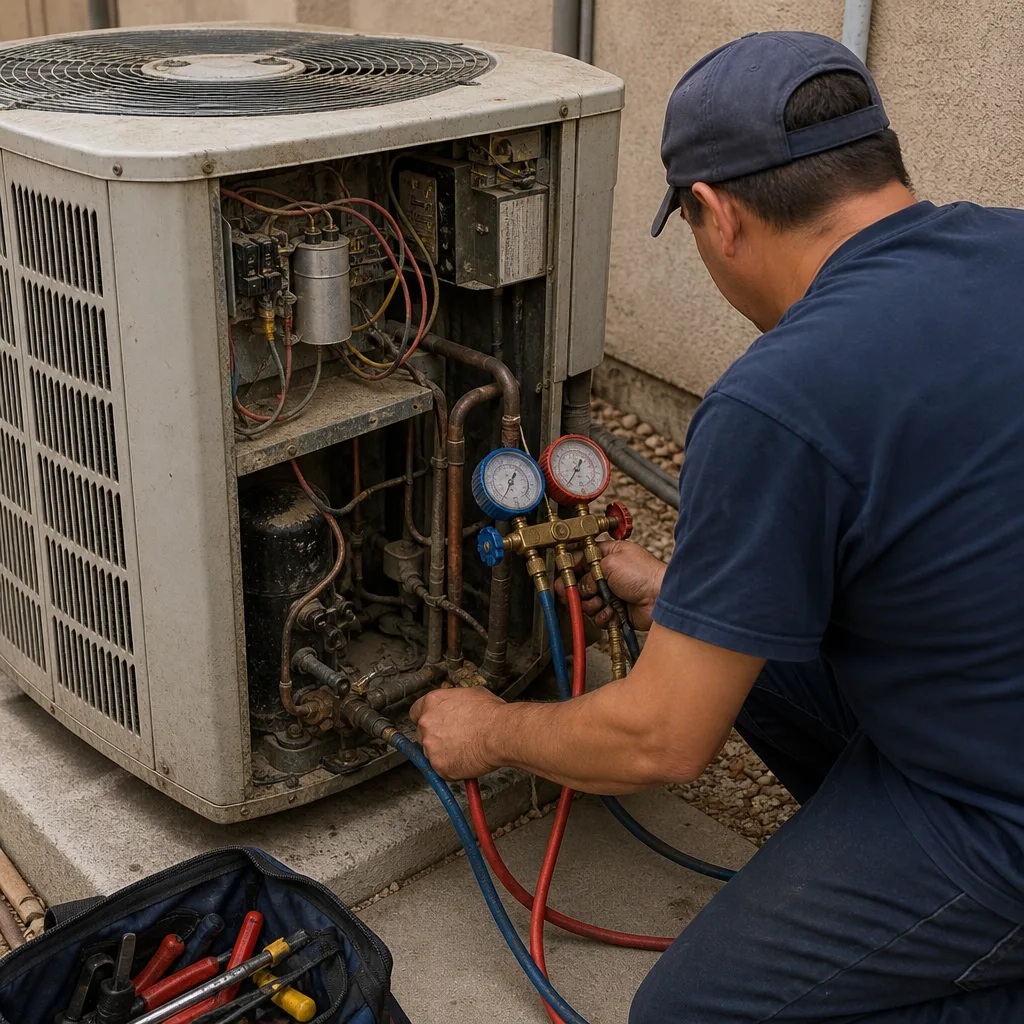 Before
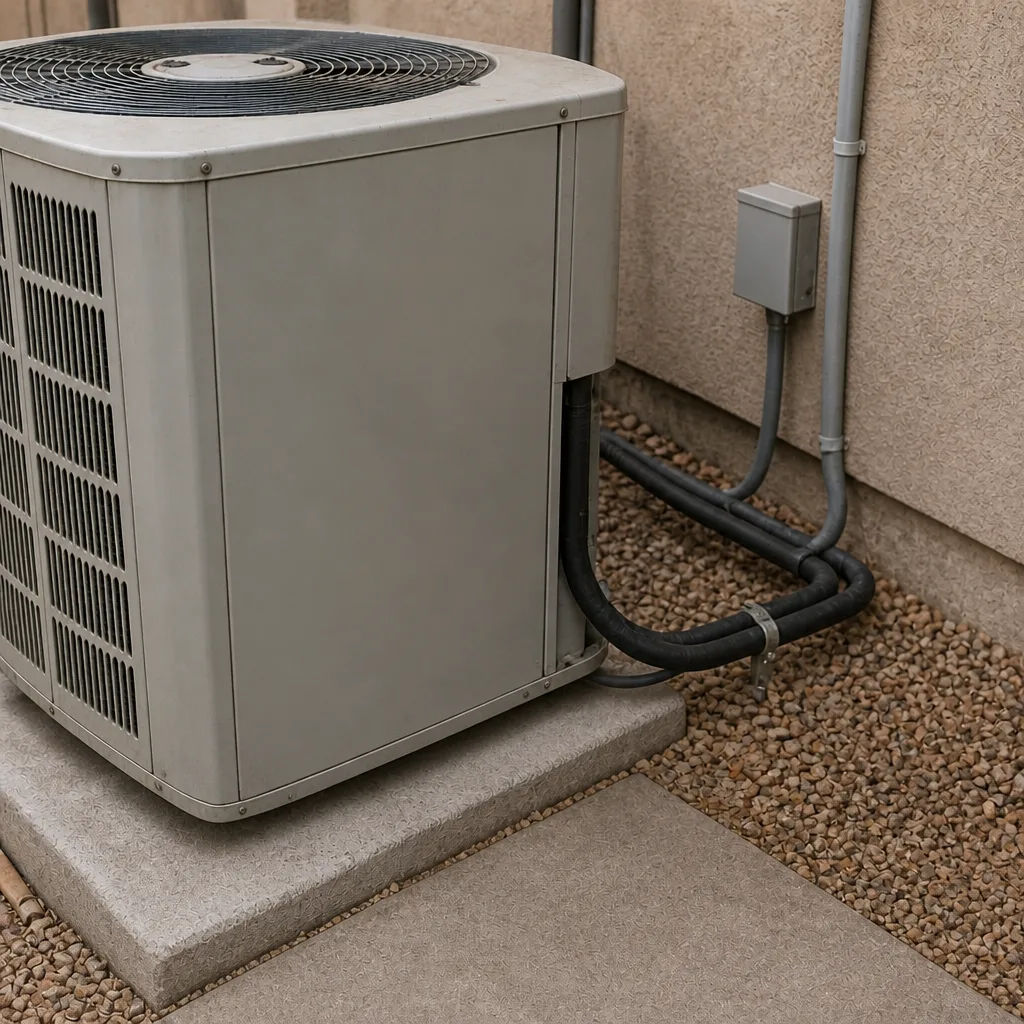 After
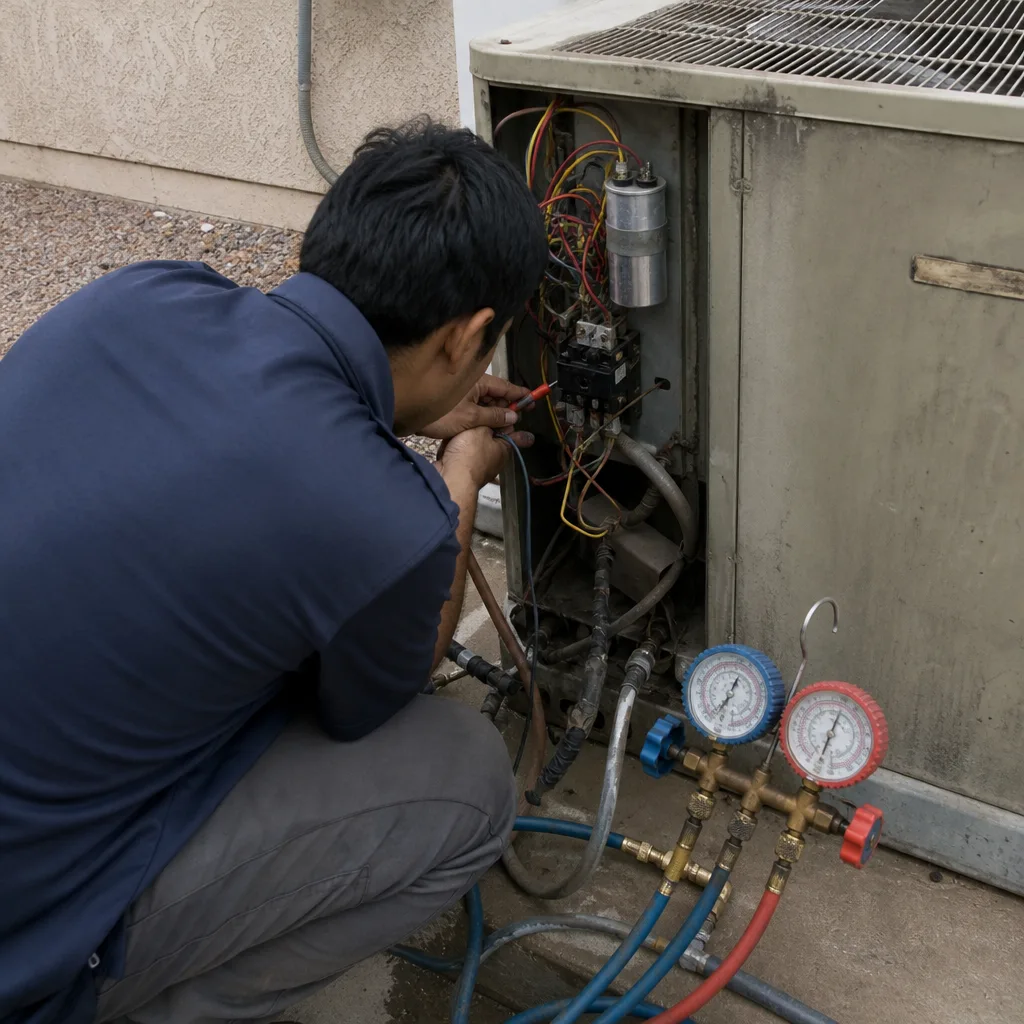 Before
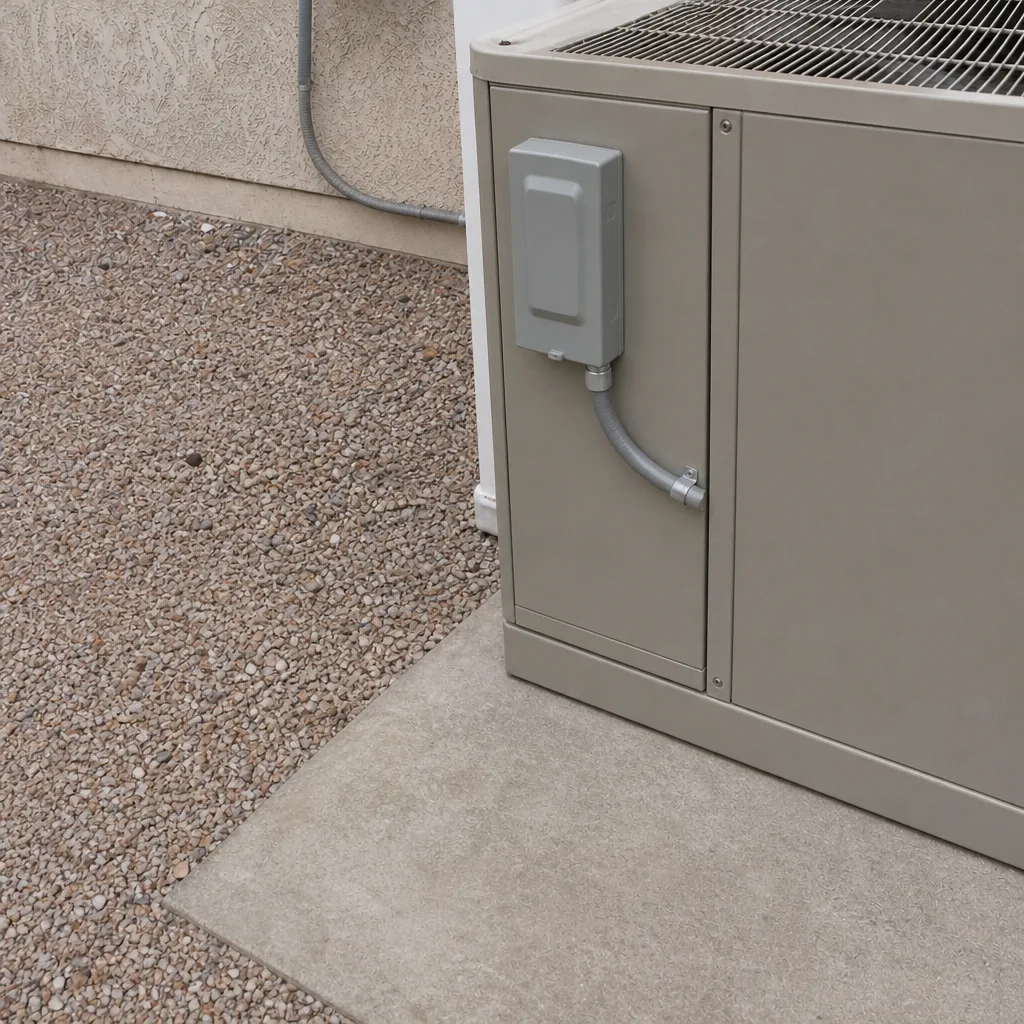 After
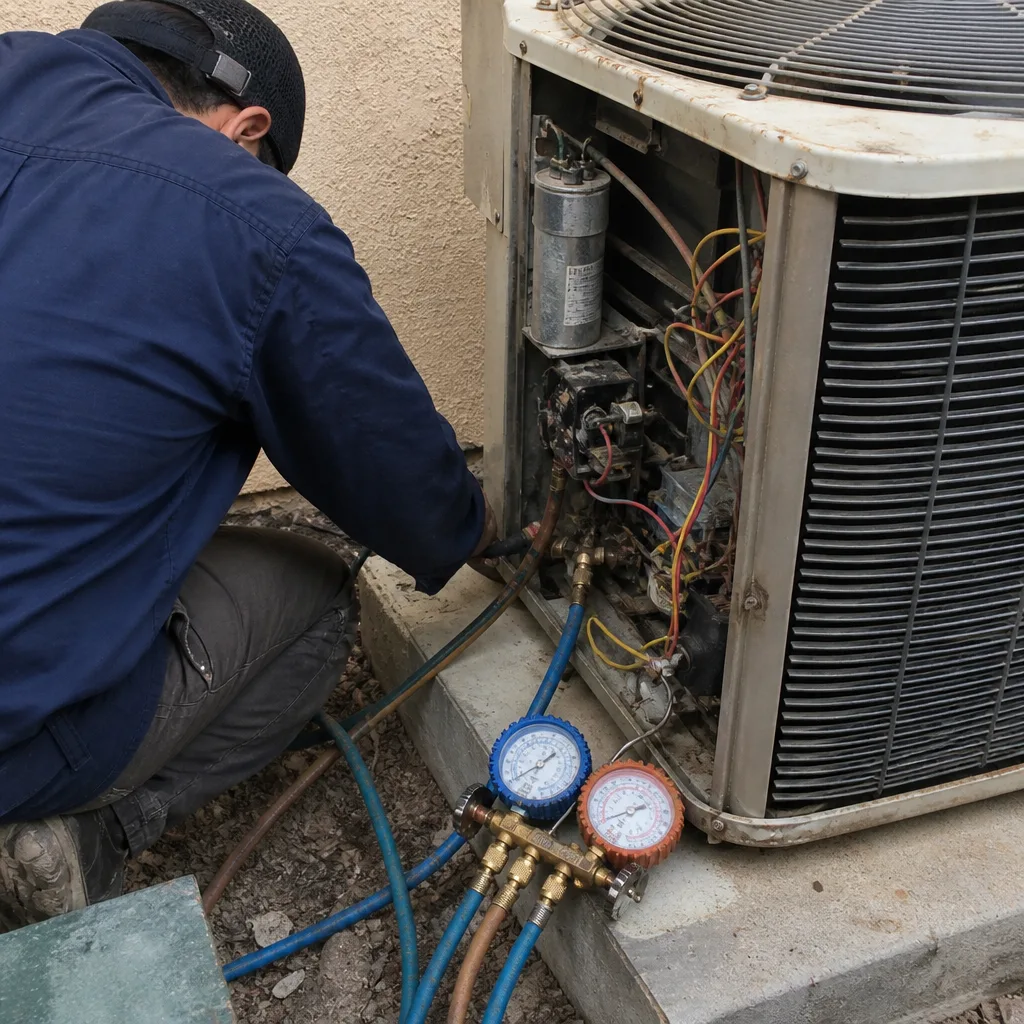 Before
 After
When to Call a Professional
Some things are homeowner jobs. System diagnosis, refrigerant handling, and electrical work behind the disconnect are not. Refrigerant is a regulated material and requires proper recovery and handling; electrical work at the disconnect and panel is a genuine hazard and belongs in the hands of a licensed technician. Call a professional when your system is more than ten years old and struggling to hold temperature, when you’ve had two repairs in the same cooling season, when you’re staring at three Summerlin quotes and don’t know which one is honest, or when you need a straight answer about repair versus replace. Fireside Heating & Air Co. Summerlin offers free estimates in Summerlin and a free second opinion on any written estimate you’ve already received. Call (888) 325-9387. A live person answers, day or night.
Frequently Asked Questions
A standard 3-ton replacement in Summerlin runs $7,800 to $10,500 installed; a 4-ton mid-tier system runs $9,500 to $13,000; and a 5-ton high-efficiency system can reach $16,500. The range is driven by tonnage, efficiency tier, ductwork condition, and whether electrical or line-set work is required. Call (888) 325-9387 for an exact quote on your home. Estimates are free.
The three most commonly omitted lines are the Clark County mechanical permit, the electrical disconnect replacement, and refrigerant recovery and disposal, each of which can add $300 to $600 on installation day. An honest quote also lists the exact model numbers, the haul-away, the thermostat, and the written warranty terms. If a bid omits any of those, ask before you sign.
In many cases, yes, and the two can stack. NV Energy residential rebates apply to qualifying high-efficiency equipment, and the federal Section 25C credit applies to systems meeting the efficiency thresholds for the tax year. Both require verified model numbers and efficiency ratings. Ask any contractor to confirm eligibility in writing before the job starts. Call (888) 325-9387 and we’ll walk through what your equipment qualifies for.
Use three numbers: the system’s age, the cost of the repair versus replacement, and the estimated utility savings from higher efficiency. If the system is past twelve years old and the repair costs more than a third of replacement, replacement usually wins the math. If the system is under ten and the repair is a capacitor or contactor, repair is the answer. For an honest read on your specific system, call (888) 325-9387.
No. Proper tonnage is determined by a load calculation that accounts for square footage, insulation, window orientation, and duct condition, not by house size alone. An oversized system in Summerlin will cool quickly and dehumidify poorly, which leads to a clammy house and higher summer bills. A proper load calculation before quoting is one sign of a contractor worth hiring. Call (888) 325-9387 to schedule an assessment.
Replacement is a scheduled job, not a same-day job. A typical Summerlin changeout involves a load calculation, equipment ordering, and a permit, and it’s scheduled within a window that fits your home. Emergency repairs, by contrast, we handle around the clock. Call (888) 325-9387 to get an install date on the calendar.
The Bottom Line
HVAC pricing in Summerlin is not a mystery once you know what to look for. The spread between a $8,000 quote and a $13,000 quote for what looks like the same job is almost always about scope, not quality: the permit, the disconnect, the recovery, the ductwork, and the warranty. Get every line itemized, get the model numbers in writing, and ask about NV Energy rebates and the Section 25C federal tax credit before the old unit leaves the driveway. Repairs stay repairs until the math says otherwise, and when it does, a written quote with the price guaranteed is the only kind worth signing. We’ve been doing this work for more than four decades, and we’d rather walk a homeowner through a quote than watch them get surprised. For a free estimate in Summerlin, call Fireside Heating & Air Co. Summerlin at (888) 325-9387.
Written by the team at Fireside Heating & Air Co. Summerlin.