
Last updated November 17, 2026
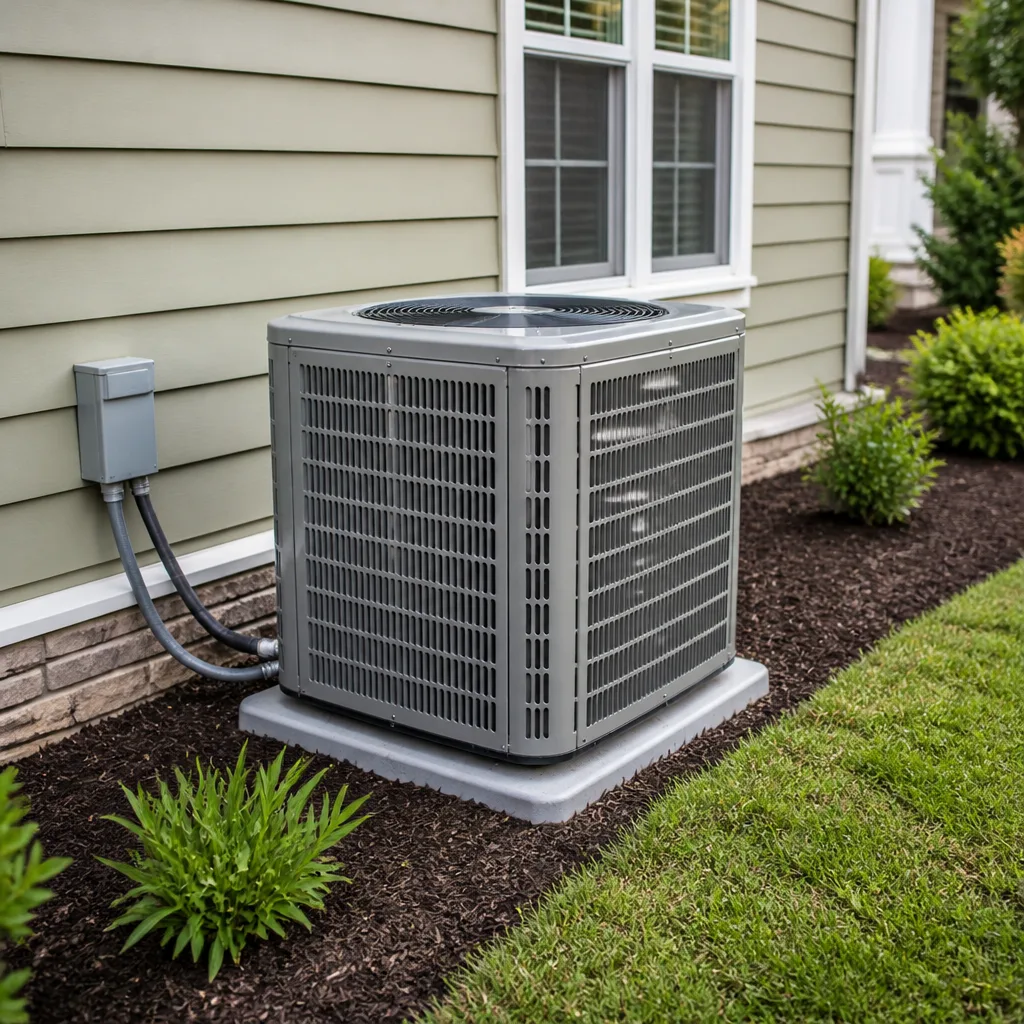 AC repair
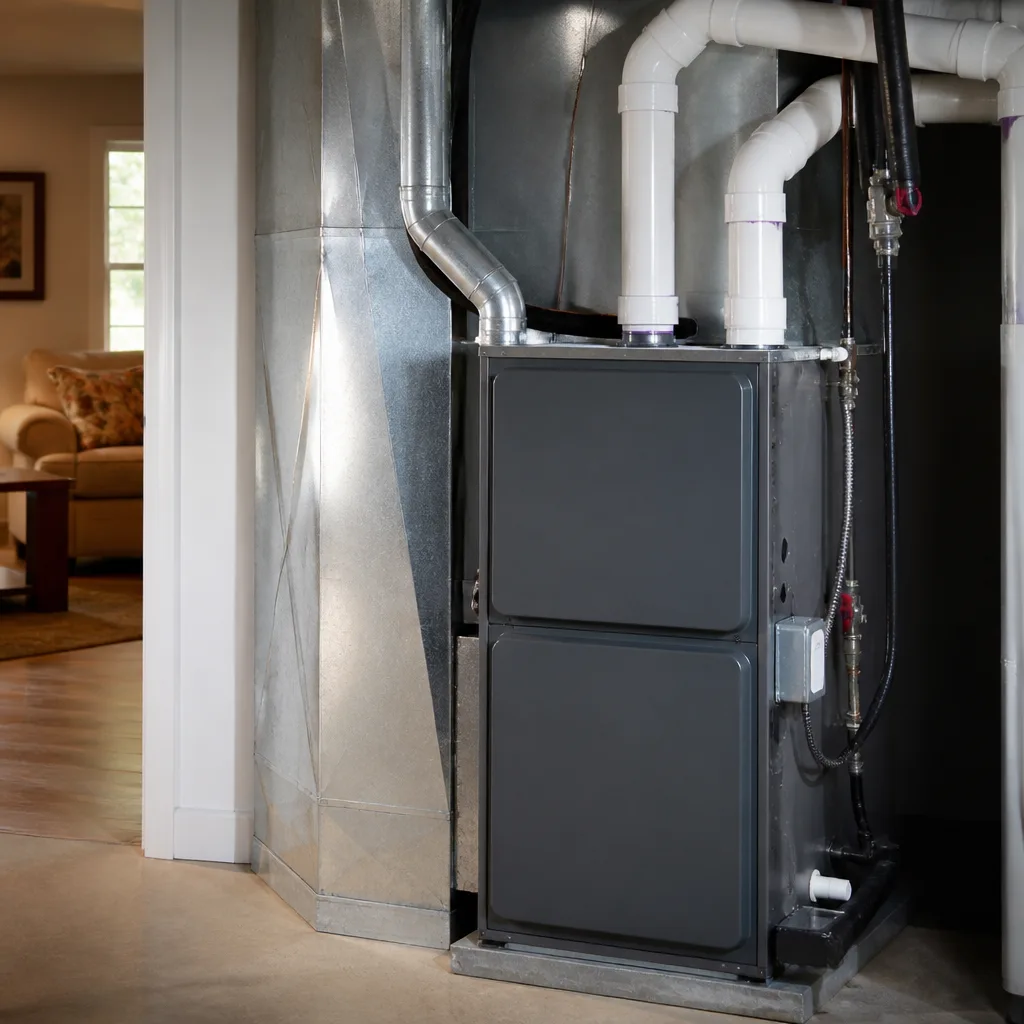 Furnace & heating
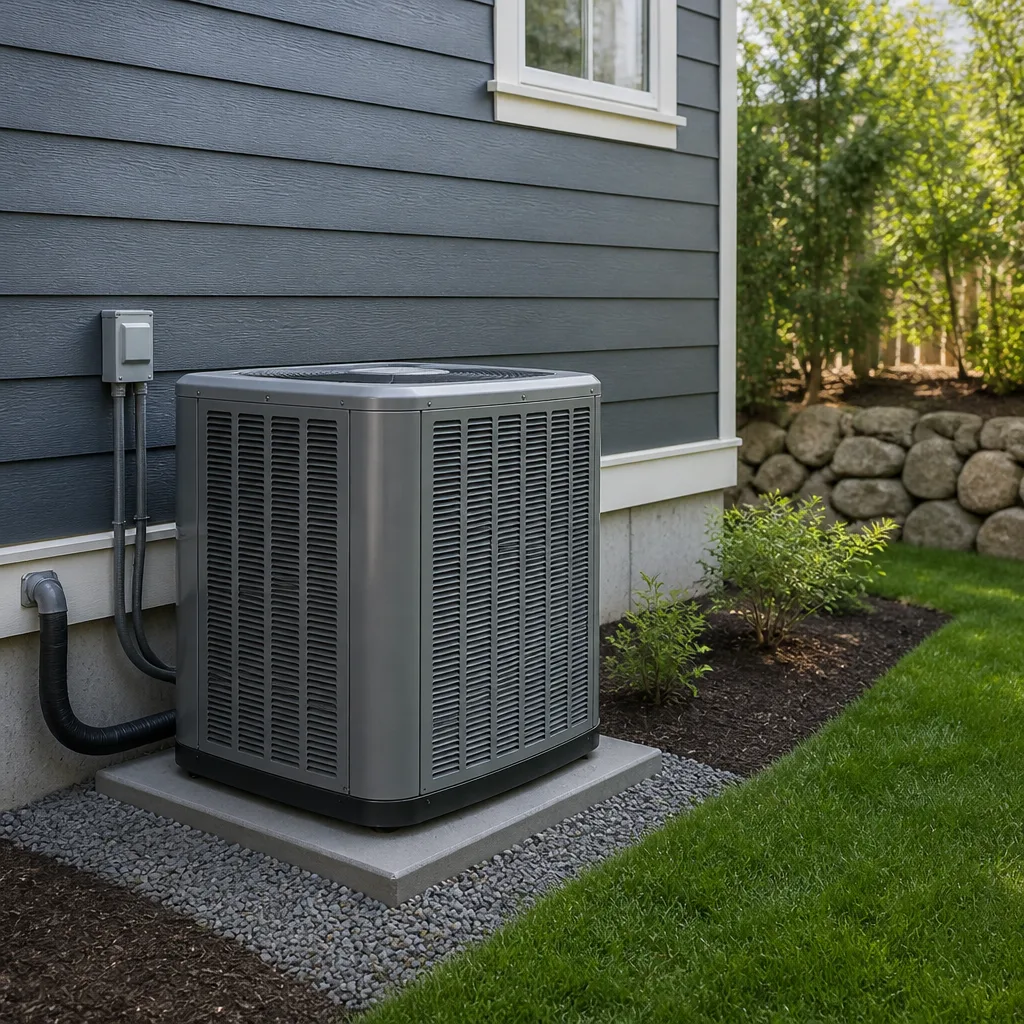 Heat pumps
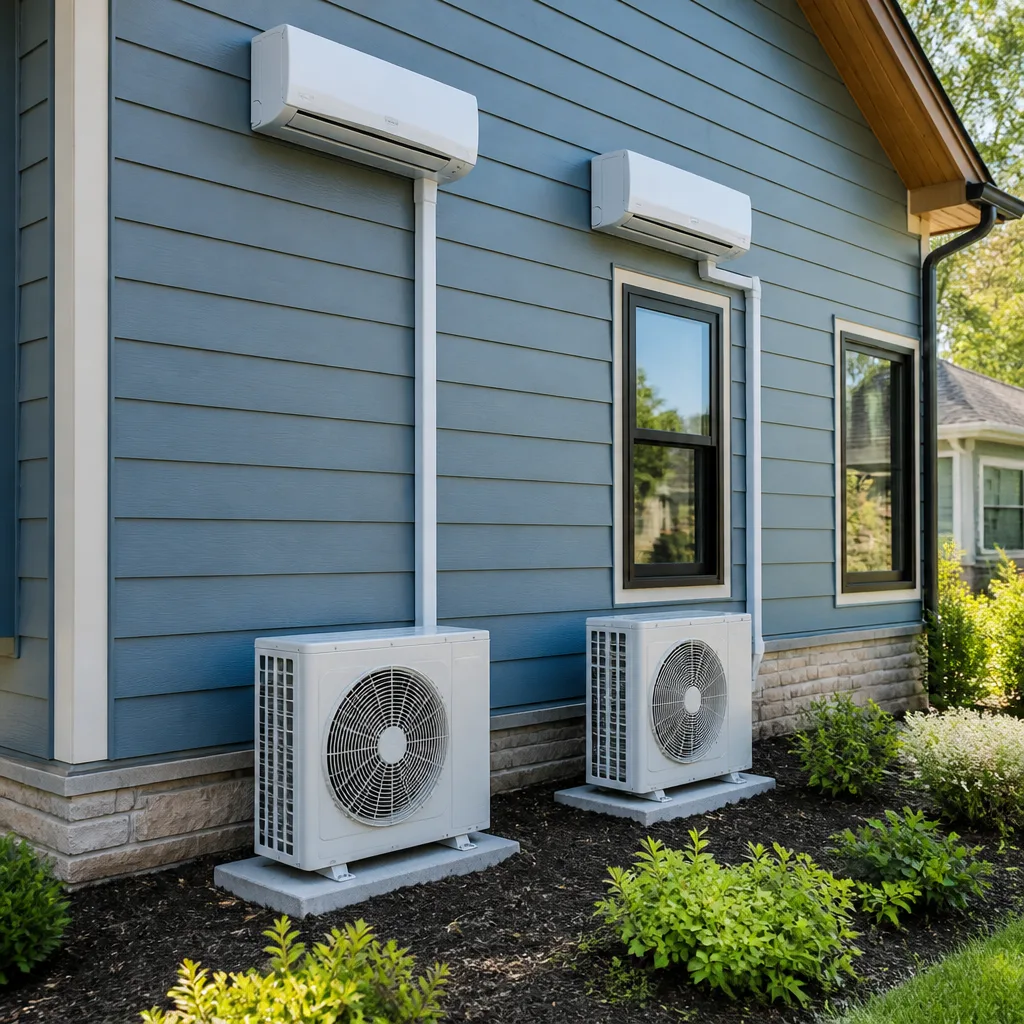 Ductless mini splits
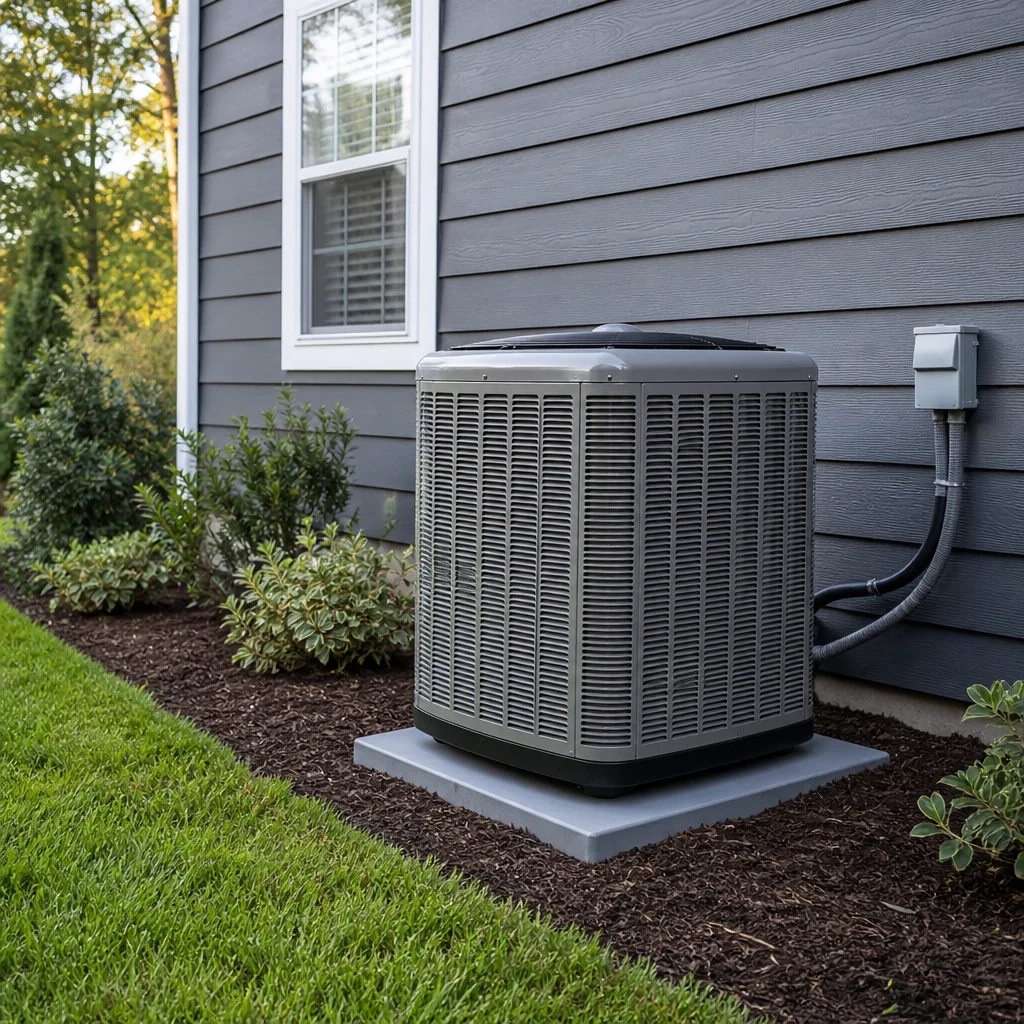 Carrier
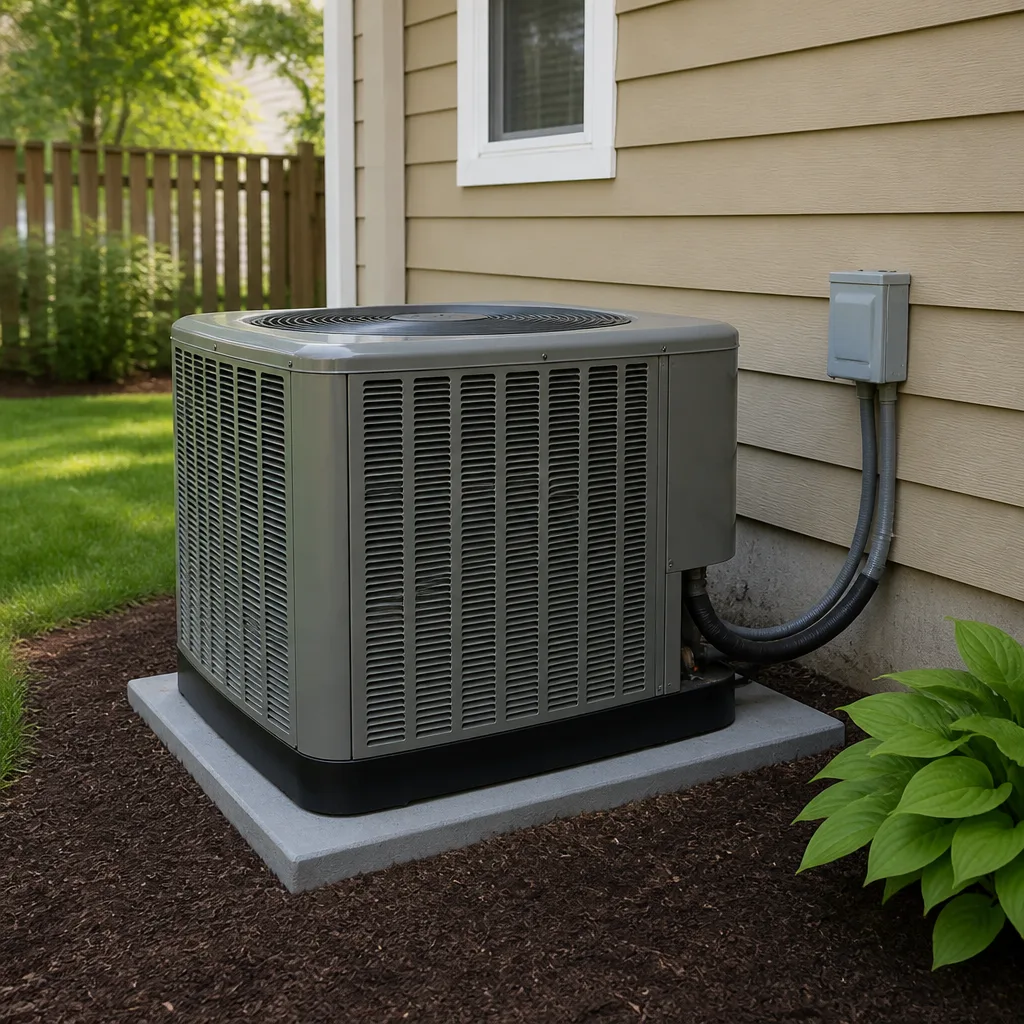 Trane
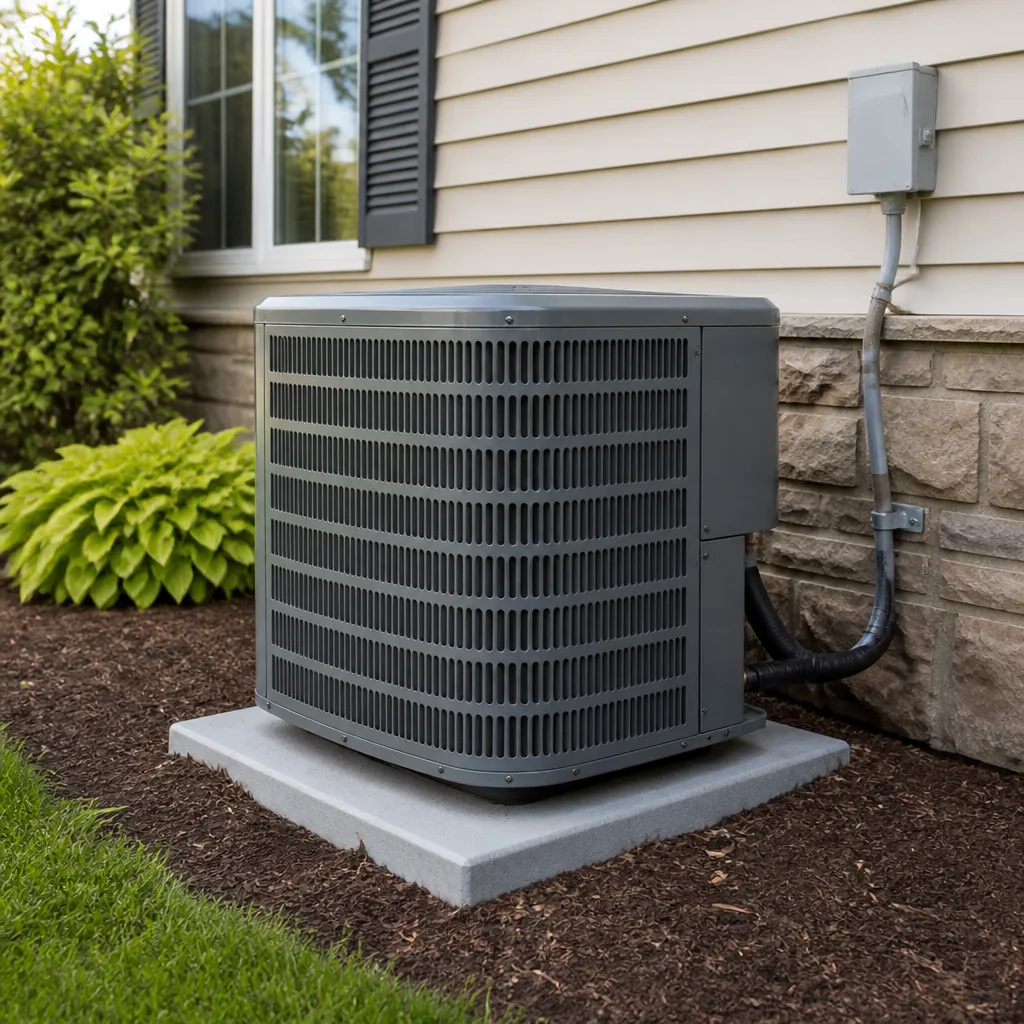 Goodman
Seasonal tune-up and full diagnostic on your Carrier, Trane, or Goodman system - readings shown to you before any repair is proposed
Diagnosis first, numbers second - you approve the repair price before a single part goes in.
Get your free estimateDIY vs Professional HVAC: The Summerlin Homeowner’s Decision Guide
Replacing your own capacitor in Nevada is legal, relatively safe, and can save you about $150. Recharging your own refrigerant without an EPA Section 608 certification is a federal violation carrying a potential fine of $44,539 per day. Both tasks sit in the same YouTube video, described with the same breezy confidence. That gap between what looks easy on a screen and what the law, your warranty, and the desert will actually allow is the whole reason this guide exists. We’ve watched Summerlin homeowners save real money on some jobs and lose a warranty on others. Here’s how to tell which is which before you pick up a screwdriver.
Quick Answer
You can safely and legally handle air filters, thermostat swaps, coil rinses, and register cleaning yourself. Anything involving refrigerant, electrical modification inside the unit, gas lines, or a full equipment swap requires a licensed Nevada contractor, and DIY work there can void your manufacturer warranty and break federal law. In Summerlin, the heat, roof-deck condenser access, and 150°F attic air handlers make the “safe” DIY list shorter than it is in milder climates.
Styles & brands we work with
- AC repair
- Furnace & heating
- Heat pumps
- Ductless mini splits
- Carrier
- Trane
- Goodman
Table of Contents
- Where Nevada Law Draws the Line
- What You Can Legally and Safely Do Yourself
- What Requires a Licensed Nevada Contractor
- How DIY Work Affects Your Manufacturer Warranty
- Summerlin Conditions That Raise the Risk
- Capacitor and Contactor Replacement: An Honest Cost-Benefit
- When DIY Costs More Than Calling
- Common Mistakes to Avoid
Where Nevada Law Draws the Line
Nevada licenses HVAC contractors through the State Contractors Board, and the line is clearer than most homeowners expect. Routine maintenance and filter changes are yours to do. Anything that touches the sealed refrigerant circuit, the gas piping, or the electrical makeup of the equipment itself belongs to a licensed professional. This isn’t bureaucratic fussiness. Refrigerant handling is regulated federally under the Clean Air Act, and improper venting is where the $44,539 daily penalty figure comes from. A garage capacitor swap is legal for a homeowner. A refrigerant top-off is a federal offense without the certification.
What that means in practice for a Summerlin homeowner:
- Changing filters, cleaning registers, swapping a thermostat: yours to handle.
- Rinsing outdoor coils with a garden hose: yours, with care.
- Replacing a run capacitor or contactor: legal, if you follow safety steps.
- Adding or recovering refrigerant: EPA 608 certification required, full stop.
- Modifying wiring inside the air handler or condenser: licensed electrician or HVAC contractor.
- Swapping a full system or adding a mini-split: permitted, inspected, licensed work.
If you ever plan to sell, unpermitted equipment work in Summerlin can surface during a buyer’s inspection and cost you more than the job would have. The AC repair and installation page for Summerlin covers how permitted installs are handled when it’s time to do it right.
What You Can Legally and Safely Do Yourself
These are the tasks a capable homeowner should genuinely handle. They keep your system efficient, they don’t touch refrigerant or high-voltage internals, and they cost almost nothing in tools.
- Filter changes. Every 30 to 90 days, more often during Summerlin’s dust season in spring. A clogged filter is the single most common cause of reduced airflow and frozen coils we see.
- Thermostat replacement. A like-for-like swap on a low-voltage system is a weekend job. Turn the breaker off first, photograph the wiring before you disconnect anything, and match wire for wire.
- Outdoor coil rinse. Shut the unit off at the breaker, then gently rinse the condenser fins with a hose. No pressure washer. Coils in Summerlin collect cottonwood fluff and dust fast.
- Register and return cleaning. Vacuum the supply and return grilles. Clear furniture and rugs away from returns so the system can breathe.
- Condensate drain check. Pour a cup of water down the drain line to confirm it’s flowing. A clogged drain in July will shut your system down and can damage the ceiling below.
These five tasks are the difference between a system that reaches fifteen years and one that struggles at ten. None of them require a license, and none of them risk your warranty.
What Requires a Licensed Nevada Contractor
This is the list where DIY stops being thrift and starts being risk. Every item here touches refrigerant, gas, high-voltage electrical, or permitted equipment, and every one of them is regulated.
- Refrigerant charging or recovery. Federal law requires EPA 608 certification. Venting refrigerant is illegal and dangerous.
- Compressor, blower motor, or control board replacement. High voltage, sealed systems, and warranty implications.
- Gas furnace work. Any gas line, valve, or heat exchanger service carries carbon monoxide risk. This is never a homeowner job.
- Full system replacement. Requires permits, load calculation, and inspection in Summerlin.
- Ductwork modification or sealing beyond simple tape. Airflow balance affects the whole system.
- Adding a mini-split or heat pump. Electrical, refrigerant, and permitting together.
For heat pump and mini-split work specifically, the heat pump and mini-split page for Summerlin walks through what a proper install involves. For furnace concerns, the heating and furnace page for Summerlin is a better starting point than any video.
How DIY Work Affects Your Manufacturer Warranty
Here’s the part most homeowners discover too late. Almost every residential manufacturer warranty – Carrier, Trane, Lennox, American Standard included – requires that work on the sealed system and electrical components be performed by a licensed contractor. If you replace a compressor yourself and it fails a year later, the manufacturer can and often will deny the claim because the repair history doesn’t show licensed work. The equipment warranty is the most valuable thing you own after the equipment itself, and it’s easy to void without realizing it.
What usually voids or complicates a warranty:
- Unlicensed refrigerant work or a missing EPA 608 record.
- Electrical modifications that don’t match the manufacturer’s specifications.
- Unpermitted equipment swaps that fail inspection later.
- Missing or altered serial numbers and install records.
What preserves it: documented, licensed service from a company that stands behind its work. That’s the point of a written guarantee. Our 90-Day Done Right Promise means if the work isn’t right, we make it right, in writing, with no arguing. That’s the kind of paper trail a warranty claim needs. You can learn more about who we are on our Fireside Heating & Air Co. Summerlin home page.
Summerlin Conditions That Raise the Risk
Summerlin isn’t a mild climate, and some DIY tasks that are low-risk elsewhere become genuinely hazardous here. Three local conditions stand out.
Roof-deck condenser access in summer. Plenty of Summerlin homes, especially in The Ridges and Red Rock Country Club, sit their condensers on second-story roof decks. Climbing up there in July to rinse a coil means working at 110°F-plus surface temperatures on a hot roof, which is a heat-illness risk before you’ve even touched a screwdriver.
Attic air handler work at 150°F. Attic-mounted air handlers in Summerlin routinely hit 150°F in mid-afternoon. Replacing a blower capacitor up there is a recipe for heat exhaustion, and the risk climbs the older you are. We’ve seen homeowners start a “quick job” in an attic and end up calling us from the driveway, dizzy.
Aluminum wiring in older Summerlin homes. Some homes built in the 1970s and early 1980s used aluminum branch wiring, which requires specific connectors and technique. Touching a thermostat or control board on aluminum wiring without knowing that is a fire risk, not just an inconvenience.
If your home has any of these three conditions, treat the “safe DIY” list with more caution than the list itself suggests. The climate adds risk that a generic guide won’t mention.
Capacitor and Contactor Replacement: An Honest Cost-Benefit
The run capacitor and contactor are the two components experienced homeowners most often tackle themselves. A capacitor is a $20 to $40 part; a pro replacement runs $150 to $300 installed. A contactor is similar in part cost, with a labor-inclusive job in the $150 to $250 range. The math looks tempting, and sometimes it genuinely works out.
Before you attempt it, verify these:
- Kill the power at the breaker. Not the thermostat. The breaker. A charged capacitor can hold a dangerous jolt long after power is off.
- Discharge the capacitor safely using an insulated resistor tool, not a screwdriver short.
- Match the microfarad rating and voltage exactly. A wrong-value capacitor will run the compressor hot and shorten its life.
- Photograph every wire before you remove anything. Contactor wiring order matters.
- Check for bulging, rust, or leaking on the old part. A failed capacitor often signals a deeper issue like a struggling compressor.
After you swap it, confirm the system starts and runs without tripping the breaker. If it doesn’t, you’ve likely found a symptom of a bigger problem, and that’s the moment to call. A replacement that fixes nothing tells you the capacitor wasn’t the cause.
When DIY Costs More Than Calling
Here’s the honest math most DIY guides won’t give you. A DIY attempt in June, during a mild week, often works out. The same attempt in mid-July, when it’s 112°F and your AC is the only thing standing between your family and heat illness, rarely does. If you misdiagnose, buy the wrong part twice, and lose a day of cooling in a Summerlin home, you’ve spent more than a service call would have cost, and you still have a house at 95°F.
We answer the phone with a live person every hour of every day, including the 2 a.m. no-heat or no-cool call. There’s no voicemail tree to fight. When it’s a Monday afternoon in July and the house is heating up, that difference matters more than the $150 you might save. And our pricing is upfront: the price quoted is the price paid, no surprises when the tech is at your door.
A free estimate costs you nothing and settles the question fast. For a system that’s failing, that’s usually the smarter first move than a parts run.
Common Mistakes to Avoid
- Watching one video and assuming equal confidence. A capacitor swap and a refrigerant charge look equally easy on screen. One is legal, the other is a federal violation. Both deserve different levels of caution.
- Topping off refrigerant without EPA 608 certification. This is the mistake that carries the steepest fine and the most warranty risk.
- Working in a Summerlin attic at midday. Start any attic task before 8 a.m. or skip it. Heat illness in a 150°F attic is a real risk, especially for older homeowners.
- Ignoring aluminum wiring. If your older Summerlin home has it, a thermostat swap can turn into a fire hazard without the right connectors.
- Assuming a part is the problem. A failed capacitor often means a failing compressor. Replacing parts without diagnosing the cause wastes money.
- Voiding the warranty to save $100. Documented licensed service protects the most valuable thing you own after the equipment. Read the warranty exclusions before any DIY electrical work.
- Skipping permits on equipment swaps. Unpermitted work in Summerlin surfaces at sale and can cost more than the install did.
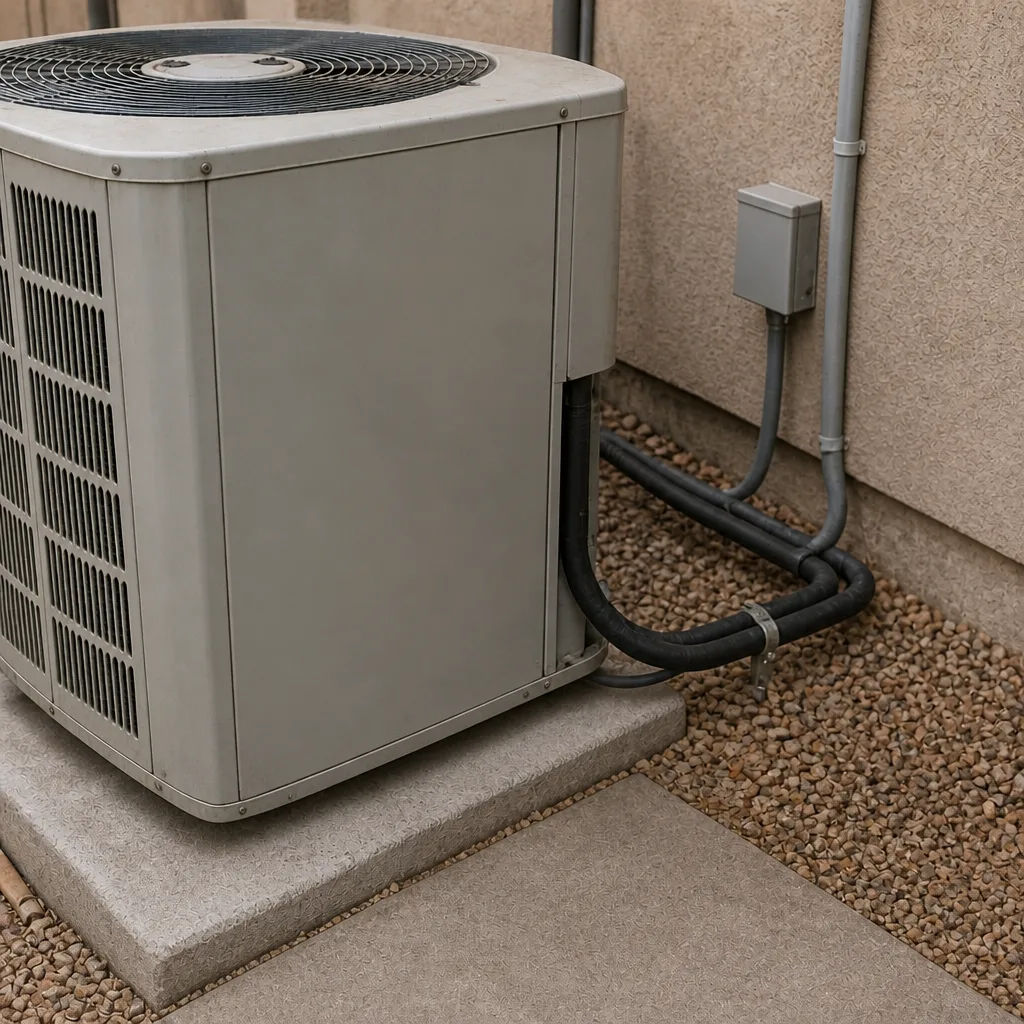
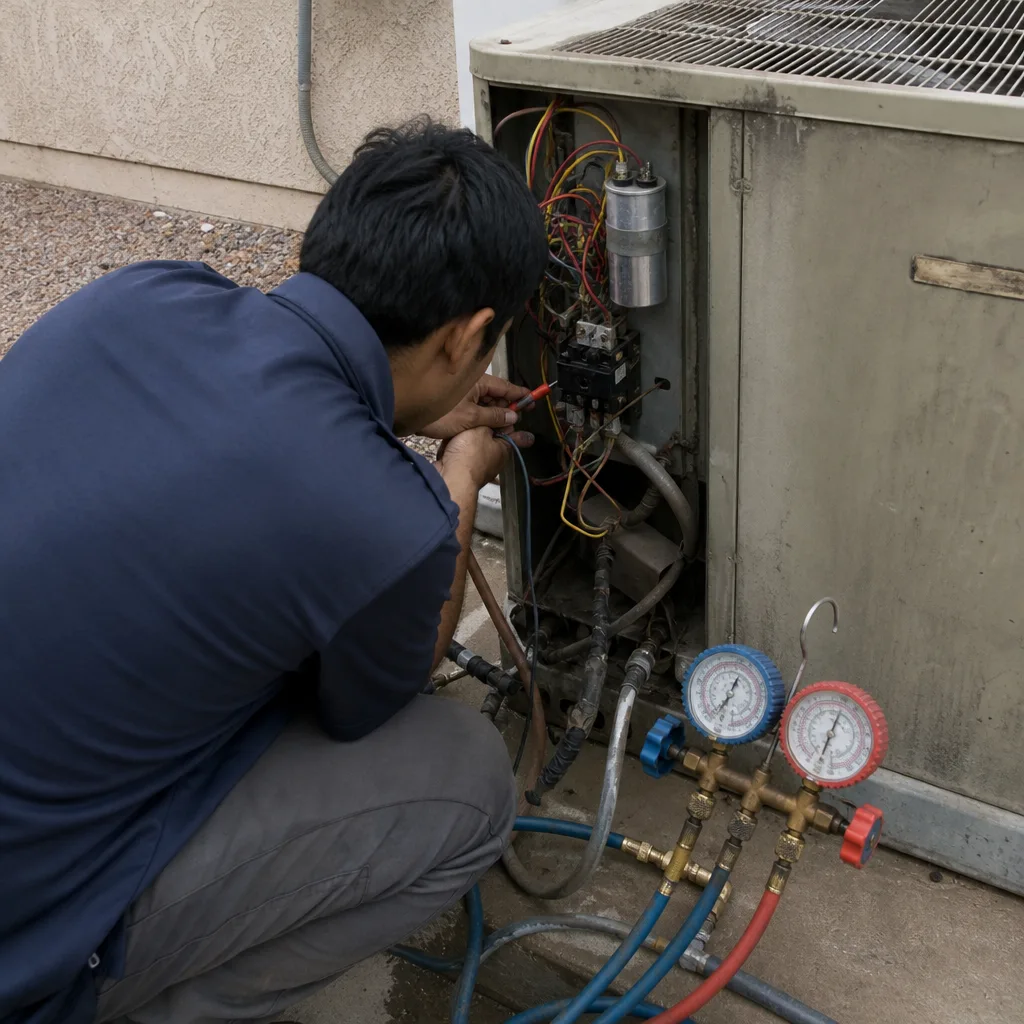
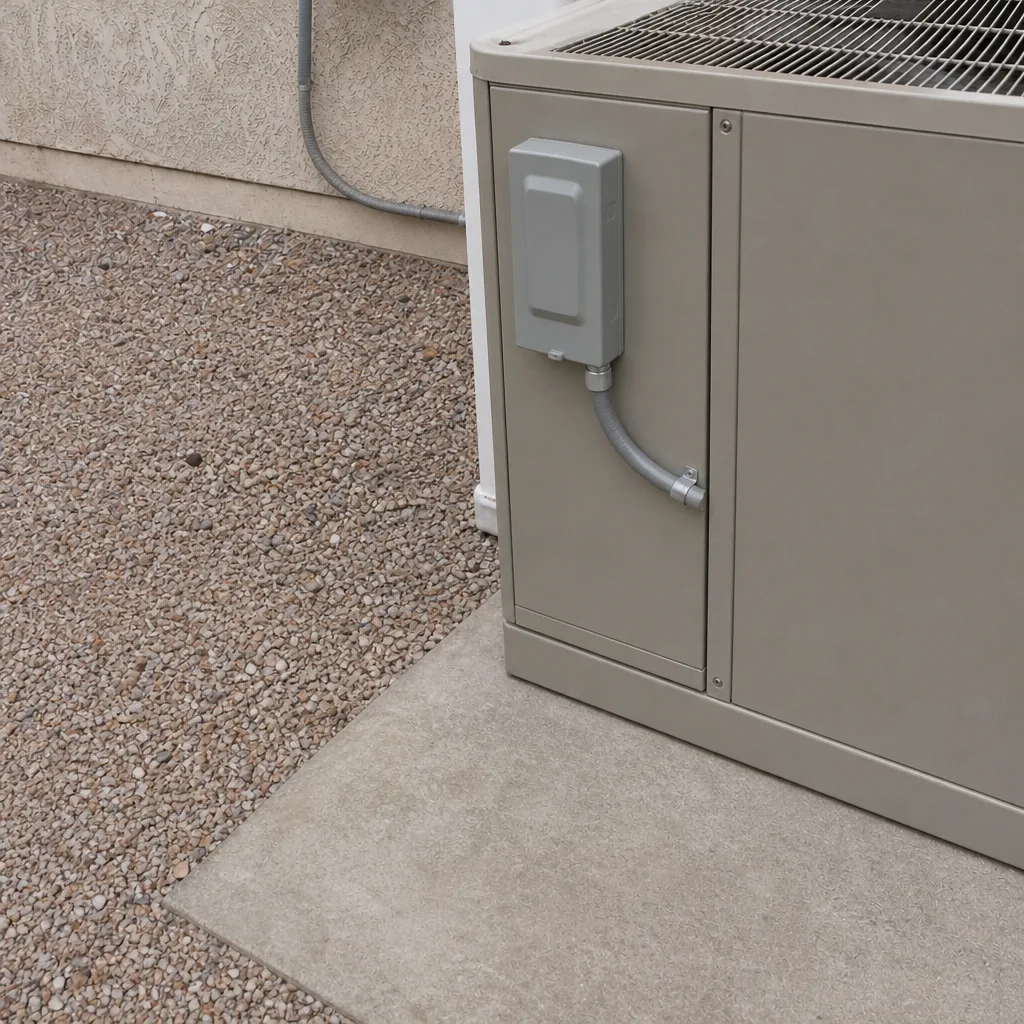
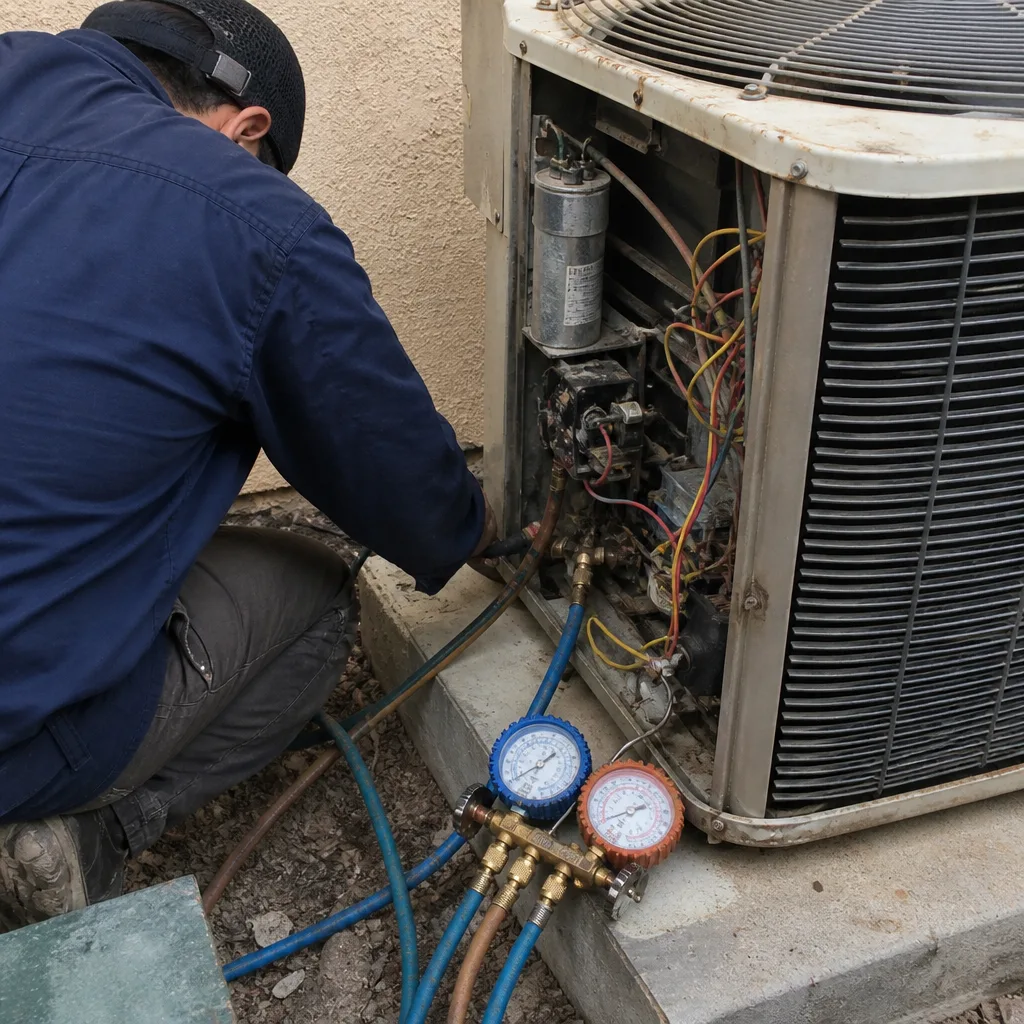
See the difference
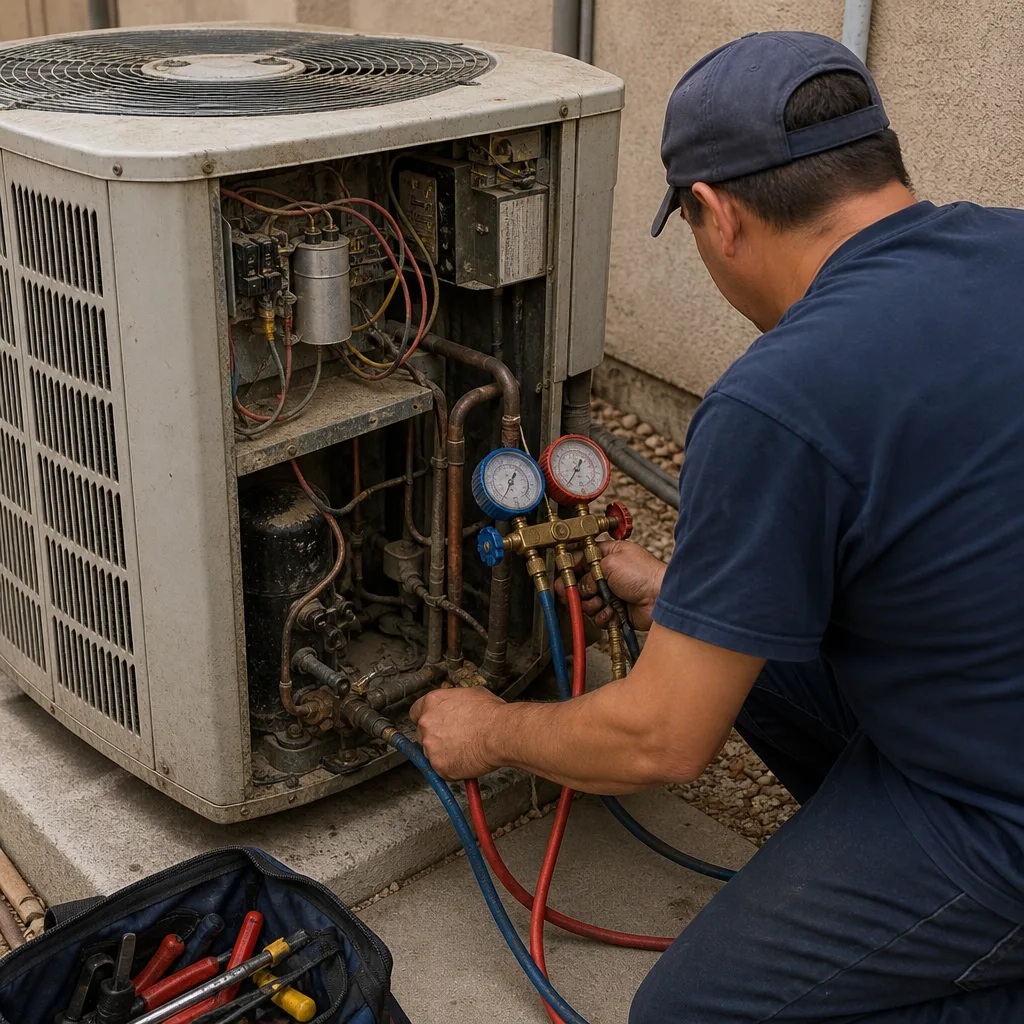 Before
 After
 Before
 After
 Before
 After
When to Call a Professional
Call a professional the moment your task involves refrigerant, gas, high-voltage internals, attic air handler work in summer, roof-deck condensers, or any full equipment swap. Call sooner if your home has aluminum wiring, you’re uncomfortable with the electrical panel, or you’re an older homeowner facing a 150°F attic. And call immediately if the system is struggling during a heat wave – heat illness in a Summerlin home without cooling is a genuine health risk, not just discomfort. Fireside Heating & Air Co. Summerlin offers free estimates in Summerlin and answers the phone live around the clock. Call (888) 325-9387 and we’ll give you a straight answer on whether it’s a DIY task or not. We’d rather tell you to skip the service call than sell you one you don’t need.
Frequently Asked Questions
No. Adding or recovering refrigerant requires EPA Section 608 certification under federal law, regardless of state rules. Doing it without certification is a violation that can carry fines up to $44,539 per day and can void your equipment warranty. Call us for a licensed charge, especially in a Summerlin summer when the system runs nonstop.
Often, yes. Most Carrier, Trane, Lennox, and American Standard warranties require licensed contractors for sealed-system and electrical work. If the repair history shows unlicensed work, a claim can be denied. Keep every service record and use a licensed company that stands behind its work in writing.
It’s legal and safe if you kill the power at the breaker, discharge the capacitor properly, and match the microfarad rating exactly. It’s not safe if you skip any of those steps. If the system still doesn’t start after the swap, the capacitor wasn’t the cause, and that’s when to call for a diagnosis.
Attic air handlers in Summerlin routinely reach 150°F in mid-afternoon, which raises heat-illness risk fast, especially for older homeowners. That’s high enough that we tell people to start any attic task before 8 a.m. or skip it entirely. A quick blower job in a mild climate can be genuinely hazardous here.
Only with the right aluminum-rated connectors. Some older Summerlin homes have aluminum branch wiring, and a standard thermostat swap on it is a fire risk, not a repair. If you’re unsure which wiring you have, have it checked before you touch the thermostat.
Most AC repairs in Summerlin run $150 to $500 depending on the part, with capacitors and contactors toward the low end and compressors toward the high end. We give upfront pricing before any work starts, so the quote is the price. Call (888) 325-9387 for a free estimate and a straight answer.
The Bottom Line
The DIY-versus-pro question in Summerlin isn’t about skill. It’s about law, warranty, and climate. Handle filters, thermostats on copper wiring, coil rinses, and register cleaning yourself. Leave refrigerant, gas, high-voltage internals, and full equipment swaps to a licensed contractor. The capacitor and contactor jobs are genuinely DIY-able if you follow safety steps exactly, but a July failure in a Summerlin home usually argues for calling. Most of all, protect the warranty, because that’s what pays off years later. A free estimate settles the question faster than a parts run ever will, and honesty about whether you need us costs you nothing.
Call Fireside Heating & Air Co. Summerlin at (888) 325-9387 for a free estimate on any HVAC job in Summerlin. We’ll tell you straight whether it’s a job for you or a job for us. Live person answers every call, 24 hours a day, and our pricing is upfront – the price quoted is the price paid.
Written by the team at Fireside Heating & Air Co. Summerlin.