
Last updated November 17, 2026
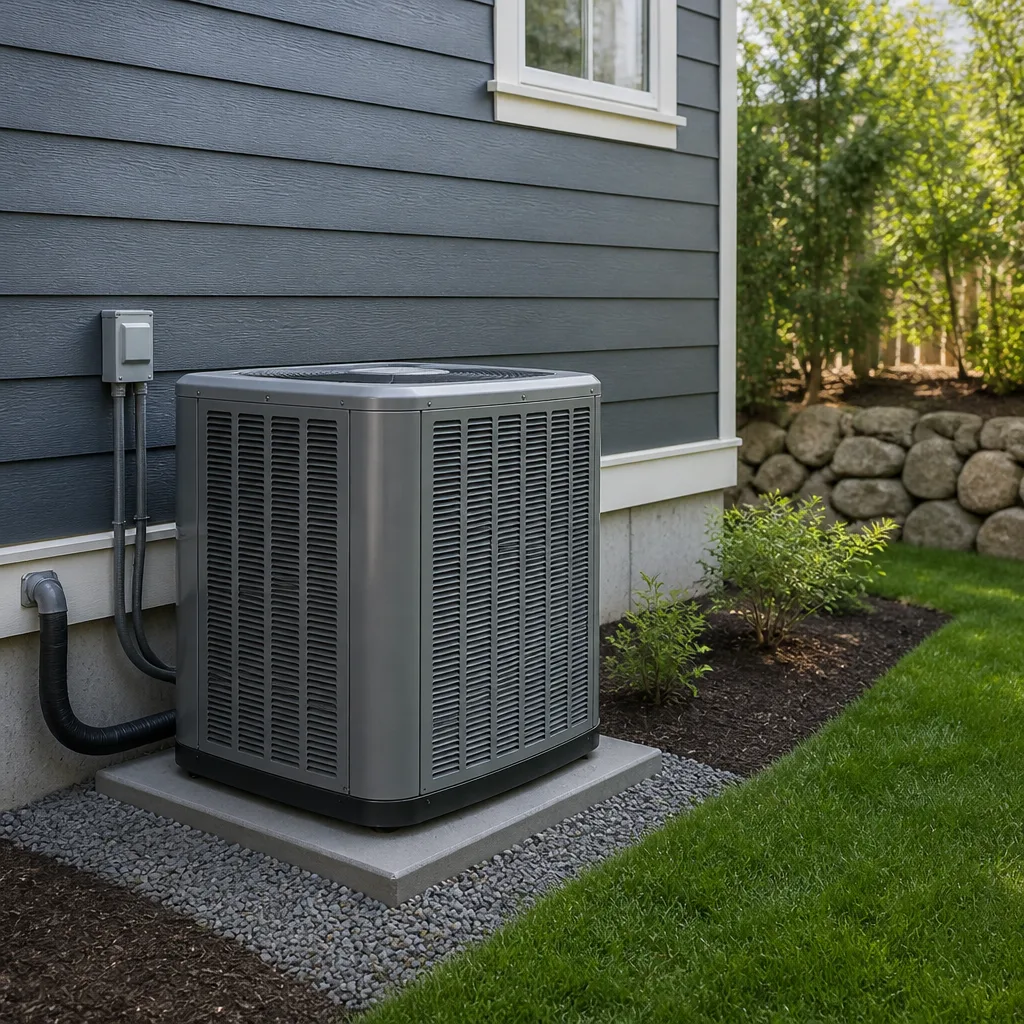 Heat pumps
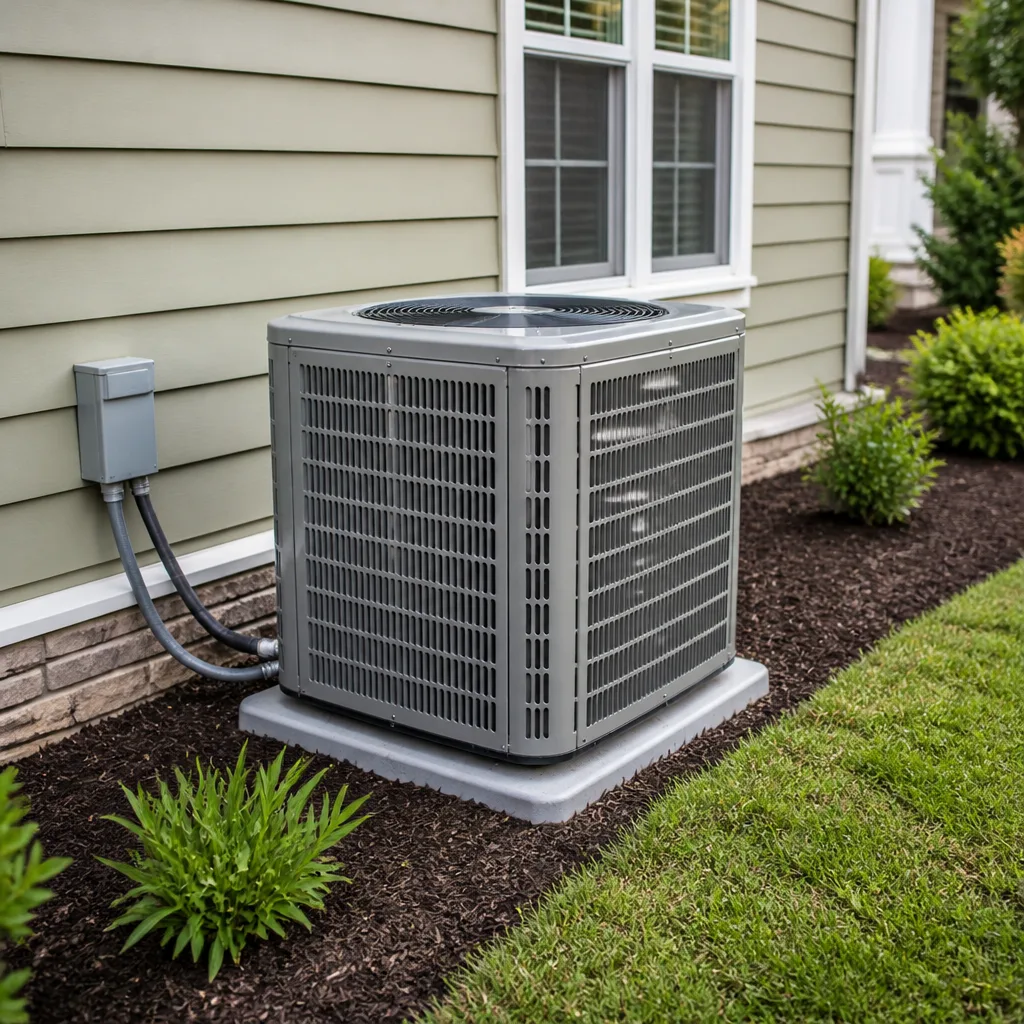 AC repair
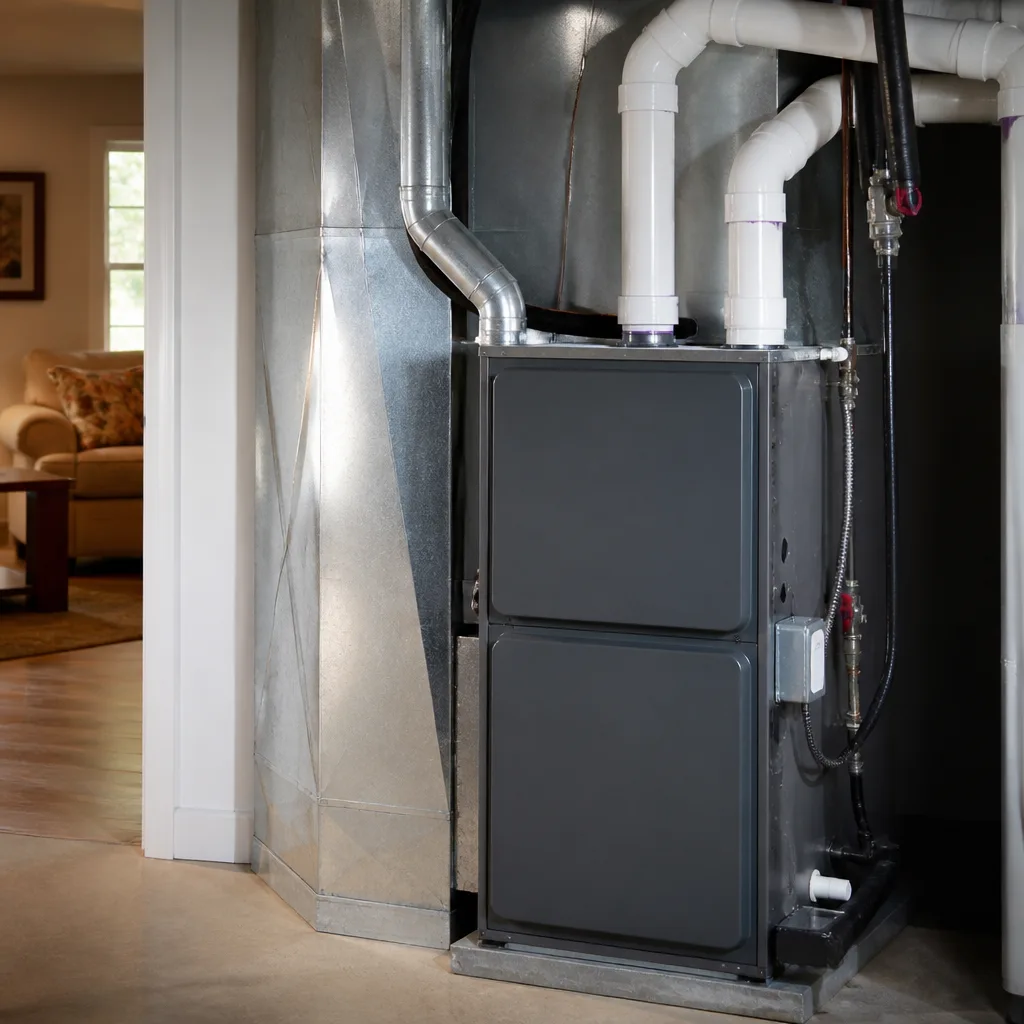 Furnace & heating
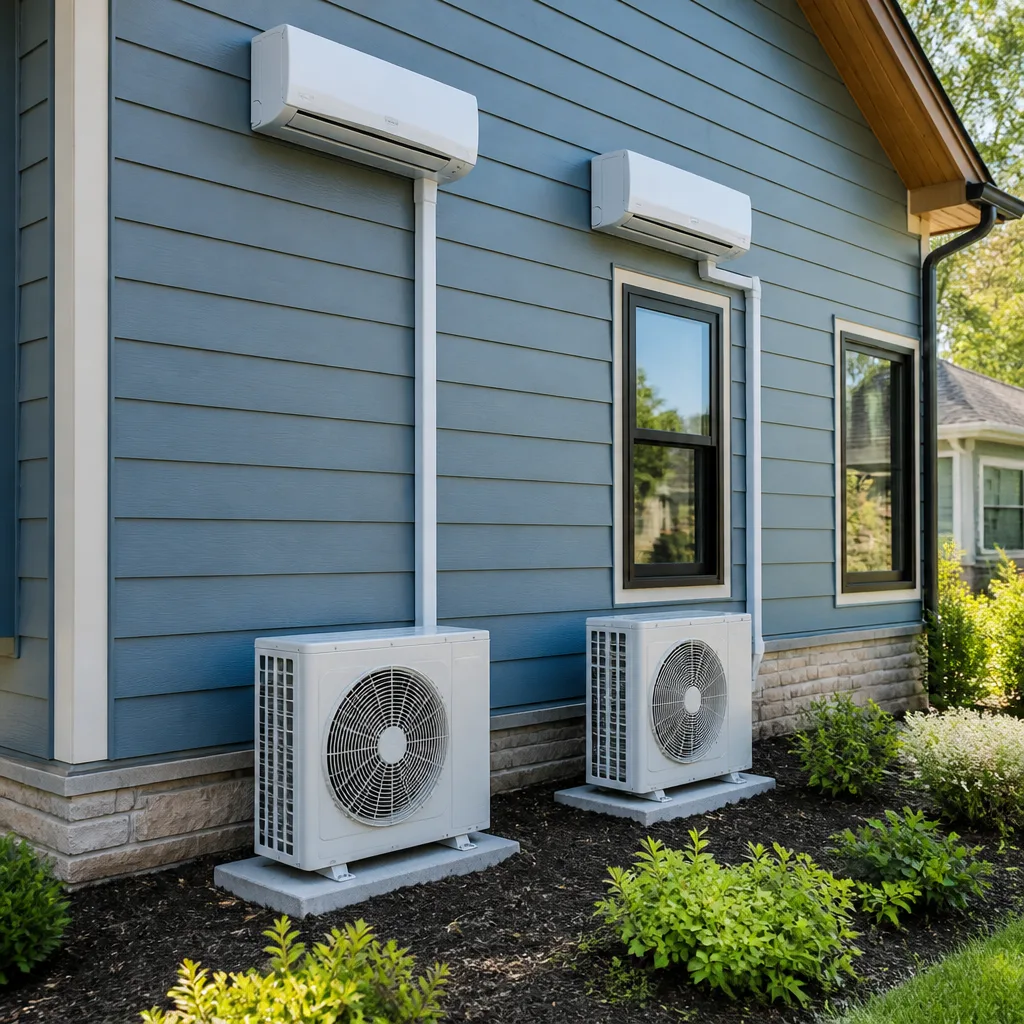 Ductless mini splits
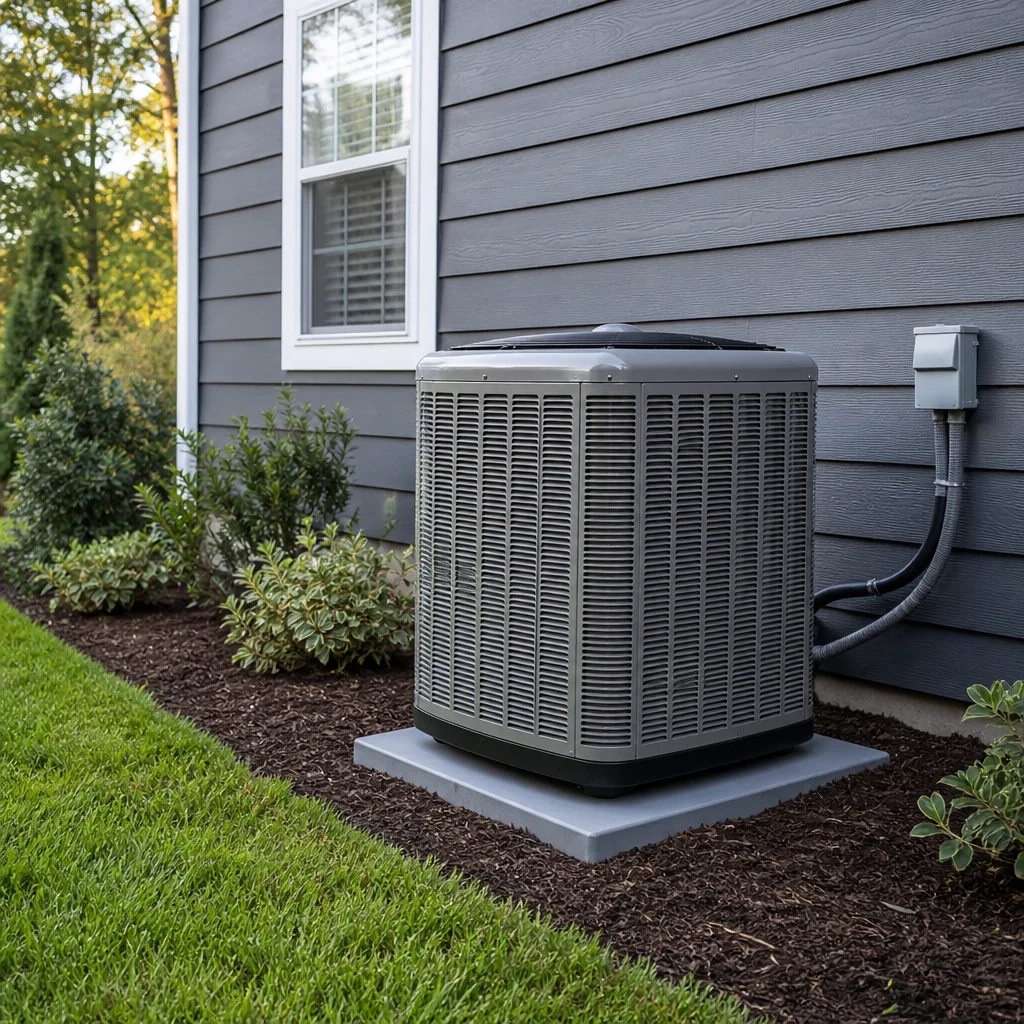 Carrier
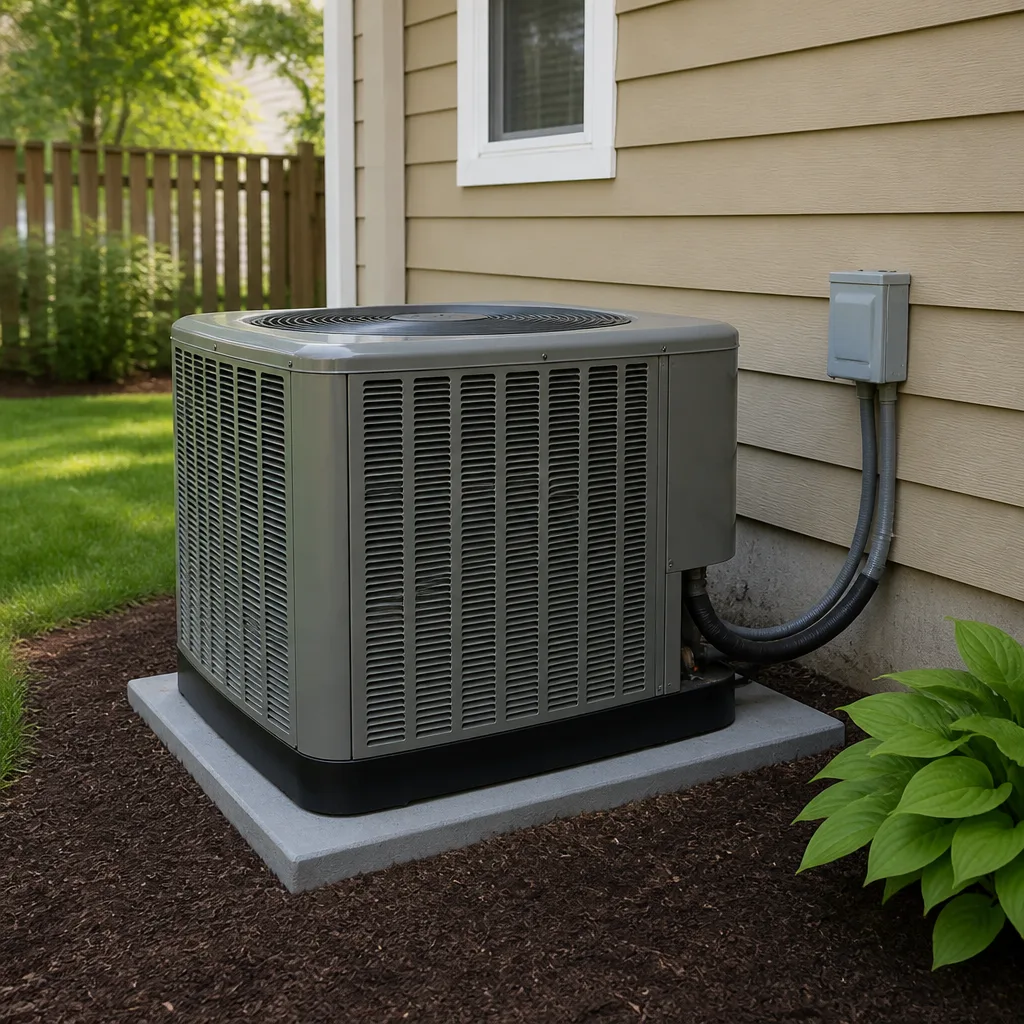 Trane
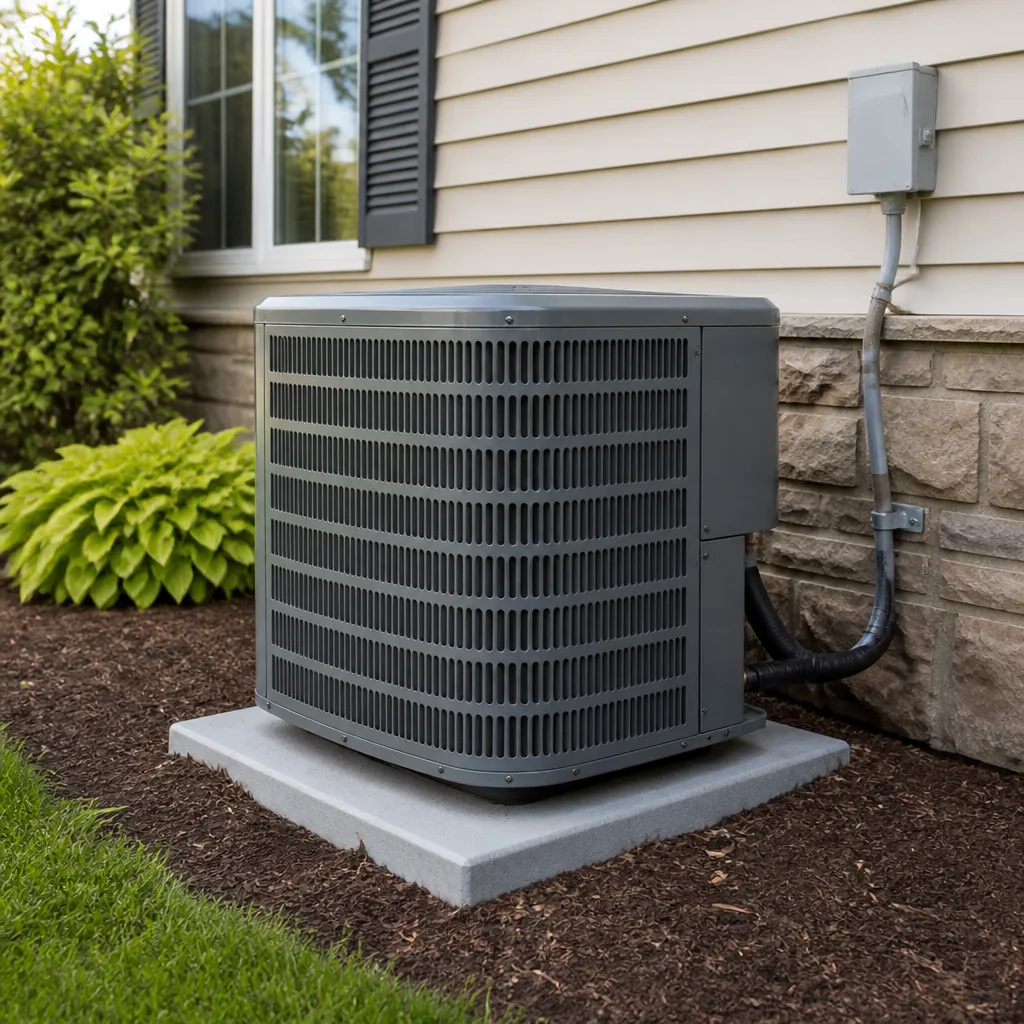 Goodman
Seasonal tune-up and full diagnostic on your Carrier, Trane, or Goodman system - readings shown to you before any repair is proposed
Diagnosis first, numbers second - you approve the repair price before a single part goes in.
Get your free estimateHeat Pump & Mini Split Warning Signs Every Homeowner Should Know
A mini split that’s losing 10% of its cooling capacity doesn’t feel broken. It feels like a hot summer. That’s the trap with ductless systems in Summerlin: they fail slowly, in a straight line, season after season, and the decline is quiet enough that most homeowners blame the heat instead of the equipment. By the time the problem becomes obvious, you’ve already paid for two summers of degraded efficiency and you’re looking at a refrigerant leak that’s been bleeding since March. This guide names the specific signs that precede total failure by six to eighteen months, explains what’s actually happening inside the system, and shows you how to read your own thermostat data before a small repair turns into a replacement.
Quick Answer
A heat pump or mini split is failing when it runs longer than it used to for the same indoor temperature, ices up in summer, makes new rattling or hissing sounds, smells musty, or trips a breaker. In Summerlin’s climate, these signs point to refrigerant loss, biofilm in the drain pan, or compressor wear from high cycling, and most appear six to eighteen months before a full failure. Catch them early and you’re looking at a repair. Ignore them and you’re looking at a system replacement.
Styles & brands we work with
- AC repair
- Furnace & heating
- Heat pumps
- Ductless mini splits
- Carrier
- Trane
- Goodman
Table of Contents
- Reading Your Thermostat: How to Track Cooling Loss Before It Costs You
- Why Ice on a Mini Split Means Something Different in July Than in December
- The Specific Sounds That Point to Compressor Wear in Desert Heat
- What Musty Odor Really Means in a Mini Split (It’s Rarely Mold)
- Electrical Warning Signs: Breakers, Flickering Displays, and Rapid Cycling
- Frozen Coils, Dirty Filters, and the Signs That Look Identical but Aren’t
- The Annual Inspection Checklist for Summerlin Homeowners
- Repair or Replace? How to Decide Without Getting Sold
Reading Your Thermostat: How to Track Cooling Loss Before It Costs You
The clearest warning sign a mini split gives you isn’t a sound or a smell. It’s a pattern in your own thermostat history, and almost nobody looks at it. A healthy system brings your indoor temperature down to the setpoint in a predictable window. A failing system takes longer, runs more, and slowly lets the indoor temperature drift upward even though you haven’t changed a setting. That drift is your first hard evidence of a refrigerant problem or a compressor losing its grip.
Here’s the pattern to watch for. Write down three numbers once a week during cooling season: the outdoor high for the day, your setpoint, and how long the system runs before the room hits the setpoint. In a healthy mini split in Summerlin in July, you’ll see a consistent run time. When that run time starts climbing week over week while the outdoor high stays flat, you’ve got degradation. A system losing 10% of its cooling capacity won’t feel broken on a 112-degree afternoon, but it will show up in the data as longer and longer run times.
Two specific red flags in that data:
- Run time grows, indoor temp still lags. The room never quite reaches the setpoint no matter how long the system runs. That’s classic for a slow refrigerant leak.
- Run time grows, indoor temp holds, but the bill spikes. The system is working harder to hit the same temperature. That usually points to a dirty condenser coil or a compressor drawing too many amps.
In our experience in Summerlin, the homes that get ahead of this are the ones that keep a simple log on the fridge. A week of notes tells a technician more than a whole season of memory. If you’d rather have us run the numbers, our team handles Heat Pump & Mini Split in Summerlin diagnostics and can read the data with you.
Why Ice on a Mini Split Means Something Different in July Than in December
Ice on a heat pump or mini split is a warning in both summer and winter, but it points to opposite problems. In July, ice on the indoor coil means the coil is running cold enough to freeze the moisture in the air, which is a hallmark of low refrigerant. A system that’s short on refrigerant has to work with less working fluid, which means it can’t carry heat away properly, so the coil drops below freezing and the condensation from Summerlin’s humidity turns to ice. That ice insulates the coil, the system works even harder, and the failure accelerates.
In December, ice on the outdoor unit is a different story. A heat pump in heating mode has to periodically defrost that outdoor coil because it’s absorbing heat from cold air and building frost. What’s a normal cycle looks alarming to a homeowner who’s never seen it. The trouble sign is ice that doesn’t clear after a defrost cycle, or ice that builds thicker and thicker over an hour. That points to a failed defrost board, a bad sensor, or a reversing valve that isn’t switching.
What to check before you call in summer:
- Turn the system off. Never chip ice off a coil with a tool – you can puncture the copper and lose the refrigerant charge instantly.
- Change the filter. A clogged filter restricts airflow and can cause the coil to ice even on a healthy system.
- Look at the indoor coil. If you see a solid block of ice across the whole coil, that’s refrigerant. If the ice is spotty, it’s often airflow.
- Let it thaw, then test. If the ice comes back the same day, call for a diagnostic.
Ice in the summer in Summerlin is not normal. It’s a hard stop sign that something in the refrigerant loop has gone wrong, and waiting for it to “fix itself” is how a $250 repair turns into a compressor replacement.
The Specific Sounds That Point to Compressor Wear in Desert Heat
“Unusual noise” is the phrase every article uses and it tells you nothing. Here’s what the sounds actually mean. A mini split that runs a lot in a high-cycle environment – and Summerlin’s summers push systems through thousands of cycles a year – puts more wear on the compressor than a mild-climate system ever will. That wear has a sound signature.
- A low rattle at startup, then it fades. Often loose panel screws or a fan blade with a bit of desert dust imbalance. Usually harmless, worth tightening.
- A steady rattle that grows louder the longer it runs. That’s the compressor mount loosening or a bearing starting to go. In our experience, this one gets worse fast.
- A hiss or gurgle. This is refrigerant. A hiss at the flare fittings or at the line set usually means a slow leak. Don’t wait on this one.
- A click, click, click in rapid succession followed by a trip. That’s the compressor trying to start and failing, then trying again. It points to a failing capacitor, a hard-start issue, or a compressor that’s winding down.
- A pronounced rattle at the outdoor unit on very hot days. Heat expansion plus a loosened mount. Worth a look, and worth checking the refrigerant charge at the same time.
Most of these sounds are the system telling you about wear that’s been building for months. A Daikin or Bryant mini split run hard through ten Summerlin summers can show this kind of compressor fatigue even when the brand is solid. The sound is not the problem. The sound is the alarm. If you hear a steady rattle or anything that resembles a hiss, shut it down and get a technician out before it becomes a replacement.
What Musty Odor Really Means in a Mini Split (It’s Rarely Mold)
A musty smell from a mini split usually is not mold. It’s biofilm – a mix of bacteria and organic residue that forms a slime layer in the drain pan and on the evaporator coil. Here’s the distinction that matters: mold needs a damp, dark surface that stays wet. Biofilm needs a thin film of moisture and a food source, and your drain pan provides both because condensation carries dust into it all summer. The smell is the byproduct of that biofilm breaking down, not spores from a mold colony.
Why the difference matters: mold remediation is expensive and often involves a contractor. Biofilm cleaning is a normal maintenance item. Homeowners in Summerlin who smell that musty odor and assume they need a mold specialist often pay for a full home inspection when the actual fix is a drain pan cleaning and a coil wash. In some cases the smell is coming from the drain line itself, where standing water has sat too long and started to stagnate.
How to tell the difference:
- Smell that’s strongest when the system starts, then fades. That’s biofilm on the coil or pan. The first blast of air carries it, then the smell settles.
- Smell that’s constant whenever the fan runs. More likely the drain line or a wet sock in the wall cavity. Worth a look.
- Smell that’s sharp or chemical. That’s not biofilm at all. It’s a refrigerant leak, and you should turn the system off and ventilate the room.
A drain pan cleaning is part of a proper mini split tune-up. If you’ve been living with a musty smell for a while, our team can inspect the drain pan and coil during a AC Repair & Installation in Summerlin visit and tell you exactly what’s causing it.
Electrical Warning Signs: Breakers, Flickering Displays, and Rapid Cycling
Electrical symptoms are the ones homeowners dismiss most often because they resolve themselves. A tripped breaker that resets fine feels like a fluke. It isn’t. Each electrical sign points to a specific problem, and knowing which is which tells you whether you can wait a week or need a technician today.
Tripping Breakers
A mini split that trips its dedicated breaker is pulling more amps than the circuit allows. That usually means a failing compressor, a bad capacitor, a short in the wiring, or a control board fault. It will not fix itself. Resetting the breaker repeatedly puts wear on the breaker and can hide a bigger problem – a short that could trip the whole panel. If a mini split trips a breaker more than once, stop resetting it.
Flickering Displays
A flickering display or one that resets itself usually points to a loose connection at the terminal block, a failing control board, or a voltage drop on the circuit. In Summerlin’s older homes – some of the original Sun City Summerlin sections have original wiring that’s been added to over the years – a mini split on a shared circuit will flicker when other loads come on. That’s a sign the circuit is undersized for the equipment, and it needs to be looked at.
Rapid Start-Stop
Short cycling is when the outdoor unit starts and stops in rapid succession, sometimes every minute or two. It’s the most urgent of the electrical signs and the easiest to hear from the yard. Causes include:
- Low refrigerant – the system hits a pressure limit and shuts off to protect the compressor.
- A failing capacitor or hard-start kit – the compressor can’t get past the startup torque and keeps trying.
- A thermostat or sensor fault – the system is getting false readings.
- An oversized system short-cycling on a mild day – rare on a mini split, but possible if the head was oversized.
Short cycling burns out compressors faster than any other failure mode. If you hear the outdoor unit clicking on and off every minute, shut it down and call. Our team can be reached any hour for Fireside Heating & Air Co. Summerlin home service calls, and we answer the phone live, day or night.
Frozen Coils, Dirty Filters, and the Signs That Look Identical but Aren’t
Two very different problems can look the same from the outside. A frozen indoor coil from low refrigerant and a frozen indoor coil from restricted airflow both show ice, both reduce cooling, and both make the system run long. But they need completely different repairs, and mistaking one for the other is how homeowners waste money on the wrong fix.
The quick differentiation test:
- Check the filter first. If it’s matted with dust – and in Summerlin, filters load up two to three times faster than in a humid climate because of dust in the air – change it and see if the ice clears and stays away.
- Look at the ice pattern. Uniform ice across the whole coil points to refrigerant. Spotty ice at the edges points to airflow.
- Check the outdoor unit. A dirty condenser coil on the outdoor unit restricts heat rejection and can cause the same symptoms. Rinse it with a garden hose on low pressure – never use a pressure washer, which bends the fins.
- Listen for the hiss. If you hear refrigerant hissing at the flare fittings, airflow isn’t the problem.
In our experience, refrigerant leaks are the single most overlooked mini split failure in Summerlin. A system that’s been losing refrigerant slowly since spring won’t show ice until the charge drops past a threshold, and by then the compressor has been running hot for months. A York or Rheem inverter compressor is tough, but heat and low charge will wear it down. Get a leak check before you decide it’s just a filter.
The Annual Inspection Checklist for Summerlin Homeowners
Ten minutes in the spring prevents most of the failures this guide describes. Run through this list once a year, ideally in March or April before the first hot week hits.
- Change the filter. Every 60 to 90 days in Summerlin dust, or monthly if you have pets or keep windows open.
- Wash the outdoor coil. Garden hose, low pressure, fins only. Turn the power off at the disconnect first.
- Clear the drain line. Pour a cup of distilled water through the pan and watch it drain. If it backs up, clear it before summer.
- Log the run time. First 100-degree day, write down how long the system runs to hit setpoint. Compare to last year.
- Check the outdoor unit for ice or frost in heating season. A little frost that clears in a defrost cycle is normal. Frost that builds is not.
- Listen at startup and at shutdown. New sounds, especially rattle or hiss, get checked before the season ramps up.
- Inspect the breaker panel. Look for a mini split breaker that’s tripped or feels warm. Both are worth a call.
- Book a tune-up. A technician can catch refrigerant loss, a dirty coil, and a failing capacitor before they become a summer emergency.
Our seasonal tune-up is $89 and includes a written report of what we actually found, not a sales pitch. Our technicians are not paid on what they sell, so the report tells you what’s real and what can wait.
Repair or Replace? How to Decide Without Getting Sold
The right question isn’t “how old is the system,” it’s “what will it cost to make it reliable for another five years.” A ten-year-old mini split with a failing compressor is usually a replace. A ten-year-old system with a refrigerant leak, a dirty coil, and a worn capacitor is usually a repair. The math depends on the system’s remaining life and the cost of the fix.
Straight talk on the decision:
- Single component failure on a system under ten years old. Repair. Compressor, board, or fan motor, it’s still worth fixing.
- Multiple failures in one season. Replace. Two or three repairs in a year is the system telling you it’s done.
- Refrigerant leak on an older R-22 system. Replace. The refrigerant itself is being phased out and the cost of the fix climbs every year.
- Refrigerant leak on an R-410A or newer system. Usually repair, if the leak can be located and sealed.
- Short cycling with a compressor drawing high amps. Get a second opinion before you commit. Replacement is often the answer, but not always.
If you’re quoted a replacement, get a second opinion in writing. We offer a free second opinion on any written estimate, and we’ll tell you honestly if the first contractor was right. That’s the square deal we’re after, and it’s what the Heating & Furnace in Summerlin and mini split work we do every week is built on.
Common Mistakes to Avoid
- Chipping ice off the coil with a tool. You can puncture the copper and lose the whole refrigerant charge in seconds. Turn the system off and let it thaw.
- Resetting a tripping breaker over and over. Each reset hides the real problem. A breaker that trips more than once needs a technician, not another reset.
- Assuming musty smell means mold. It’s almost always biofilm in the drain pan. A drain pan cleaning costs far less than a mold inspection.
- Blaming the heat for a slow decline. A system that runs longer than last summer isn’t dealing with a hotter summer. It’s losing capacity.
- Replacing the filter and calling it done. A new filter is step one. The refrigerant charge and the outdoor coil still need checking.
- Hiring the cheapest bid on a replacement. The lowest bid on a mini split install in Summerlin often skips the load calculation and the line set sizing. You pay for it later.
- Ignoring the drain line. A clogged drain line in Summerlin’s dry heat rarely shows water damage. It just backs up, floods the pan, and shuts the system down mid-July.
See the difference
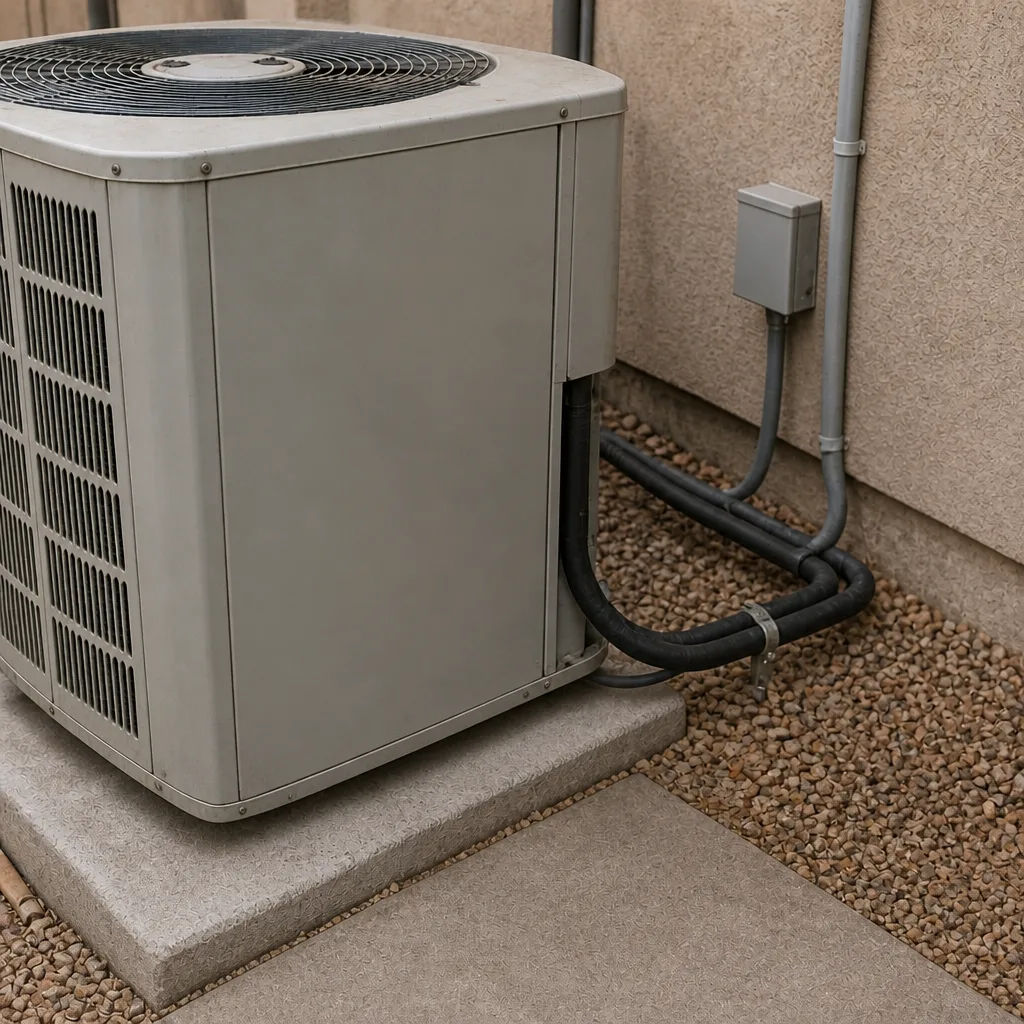
 Before
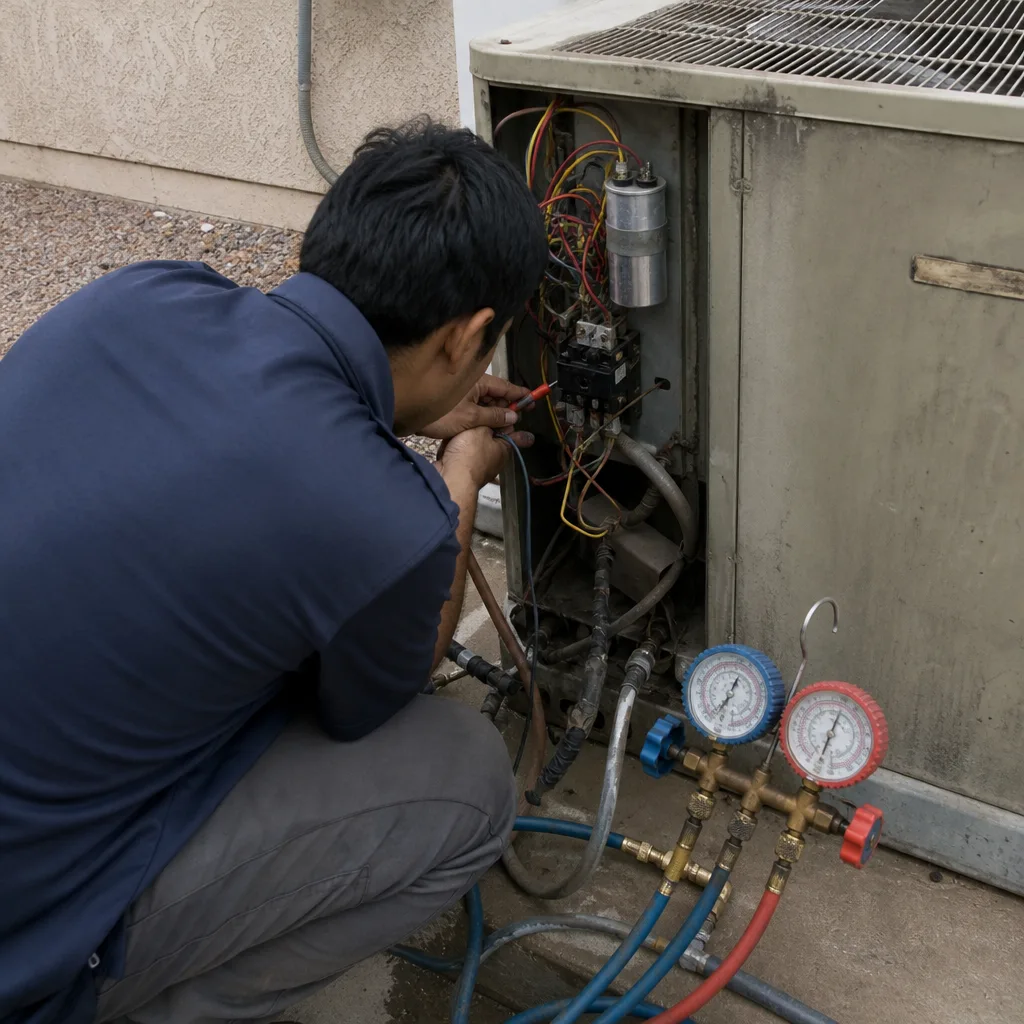
 After
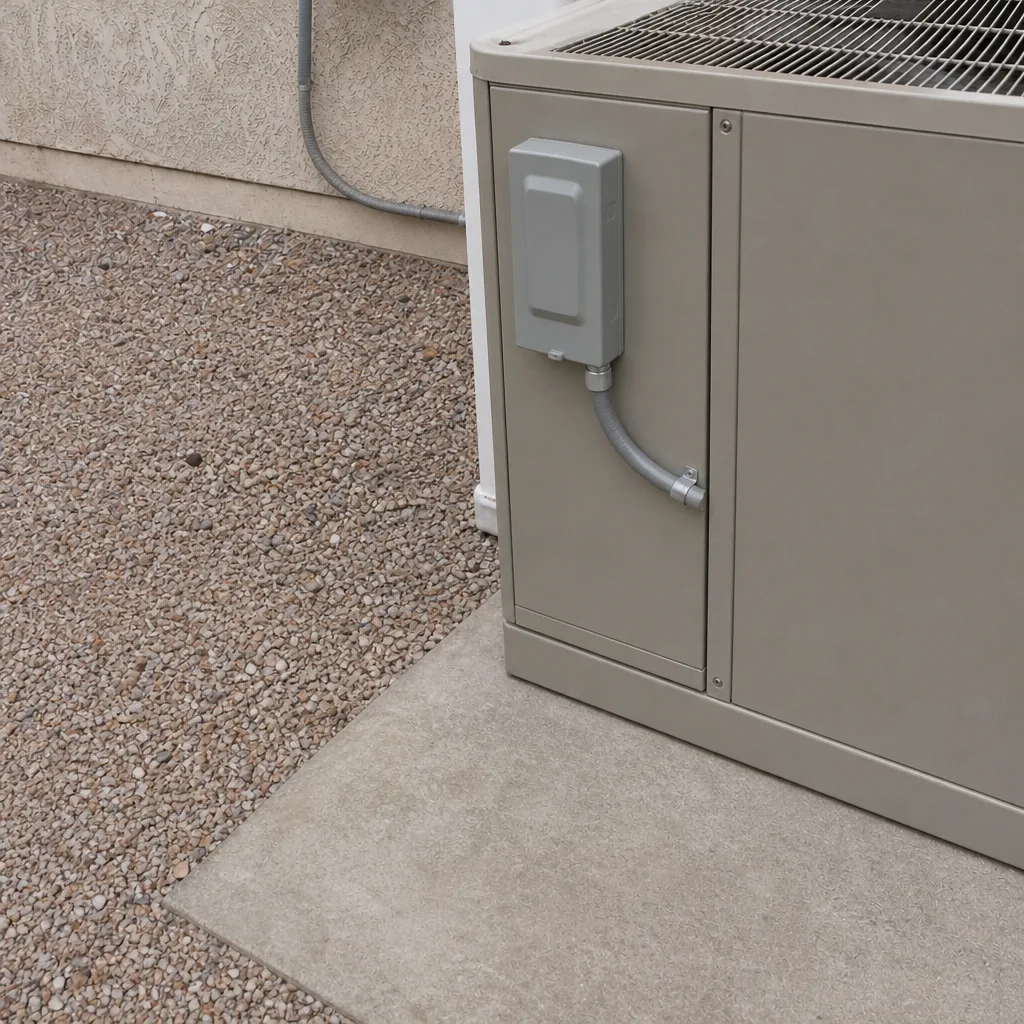
 Before
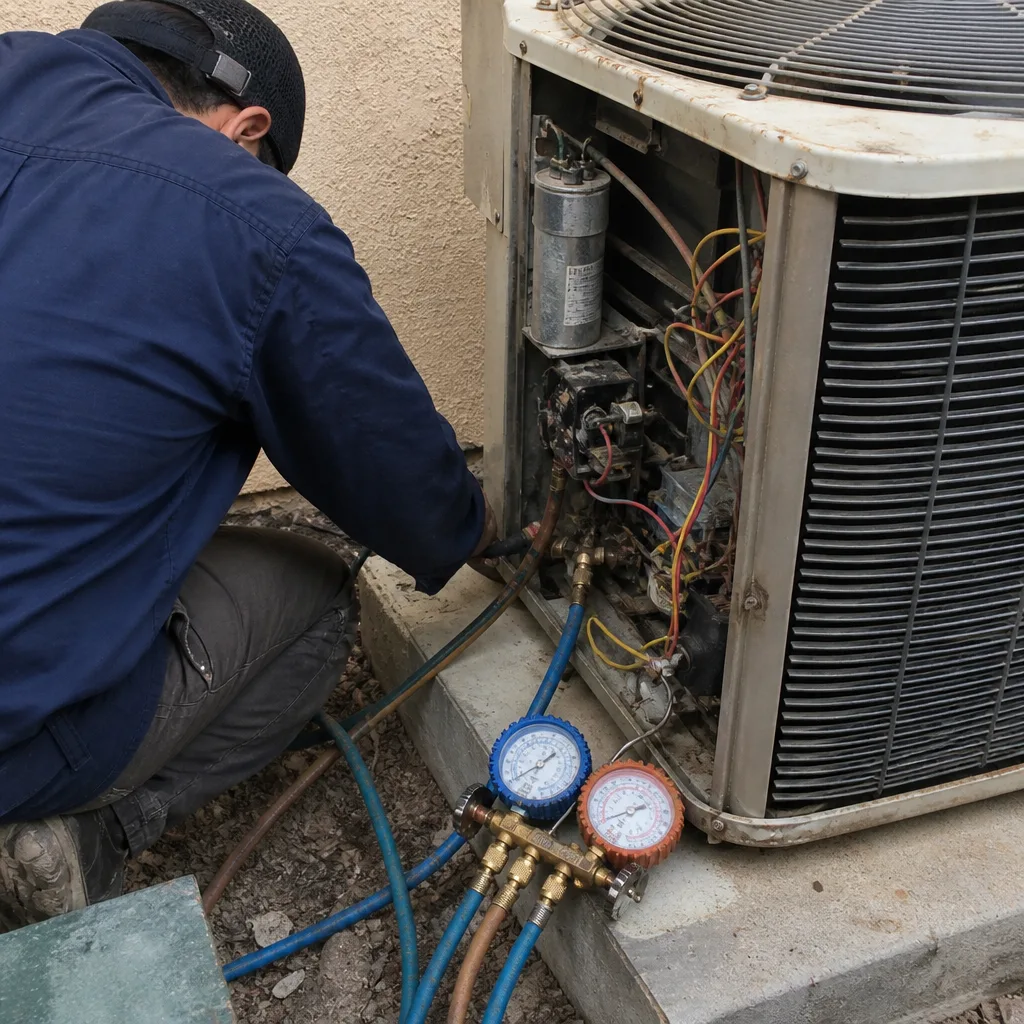
 After
 Before
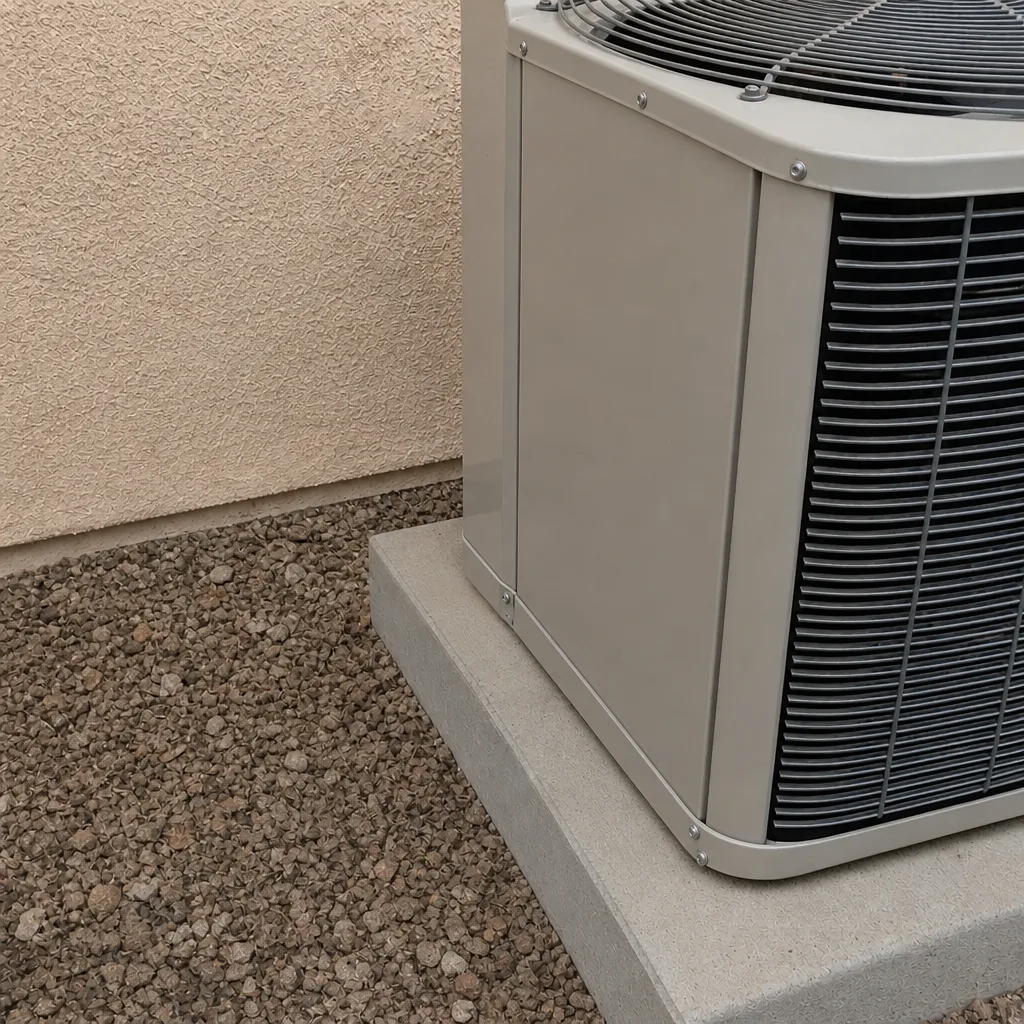 After
When to Call a Professional
Call a professional when you see ice in summer, hear a hiss or a steady rattle, smell something sharp or chemical, find a breaker that trips more than once, or hear the outdoor unit short cycling. Those are the signs that point to refrigerant loss, compressor wear, or an electrical fault. None of them are safe to troubleshoot on your own, and all of them get more expensive the longer they run. What’s safe to handle yourself is the filter, the outdoor coil rinse, and the drain line. Everything past that is a technician’s job.
Fireside Heating & Air Co. Summerlin offers free estimates in Summerlin. Call (888) 325-9387, and a live person answers the phone, any hour, day or night. We’ll give you a straight answer on whether it’s a repair or a replace, and we stand behind it with the 90-Day Done Right Promise: if it’s not done right, we make it right, in writing.
Frequently Asked Questions
Track how long the system runs to reach the setpoint each week and compare across the season. Rising run times with a stable outdoor high point to a refrigerant leak or a tired compressor. A 10% capacity loss is often invisible on a hot day but shows up clearly in the run-time log.
Ice on the indoor coil in summer almost always means low refrigerant. The coil drops below freezing and the condensation from Summerlin’s humidity turns to ice. Turn the system off, let it thaw, check the filter, then call for a leak check if it comes back the same day.
Almost never. It’s usually biofilm in the drain pan or on the coil, not mold. Clean the pan and coil and the smell goes away. A sharp or chemical smell is different – that can be a refrigerant leak, and you should shut the system down and ventilate the room.
The system is pulling too many amps, usually from a failing compressor, a bad capacitor, or a wiring fault. Resetting the breaker repeatedly hides the problem and stresses the panel. Stop resetting and get a technician out. Our team handles these calls at all hours in Summerlin.
A well-maintained mini split runs 12 to 15 years in Summerlin’s heat, but high cycling and dust shorten that without annual maintenance. The warning signs in this guide usually appear six to eighteen months before a full failure. Catching them early is how you get the full life out of the equipment.
Depends on the cause. A capacitor or sensor is a repair. A compressor drawing high amps on a ten-year-old system is usually a replacement. Get a written estimate and a second opinion before you commit. We offer a free second opinion on any written estimate – call (888) 325-9387 for an exact quote.
The Bottom Line
Mini splits fail quietly. The signs are all there if you know what to look for: run times creeping up, ice in July, a new rattle at startup, a musty smell that’s biofilm rather than mold, a breaker that trips once too often. Each of these appears months before a full failure, and each one points to a specific problem inside the system. Track your thermostat data. Take the sounds seriously. Get the drain pan cleaned. And when you’re ready for a technician who’ll tell you the truth about repair versus replace, we’re here. Call (888) 325-9387 for a free estimate in Summerlin.
Written by the team at Fireside Heating & Air Co. Summerlin.