
Last updated November 17, 2026
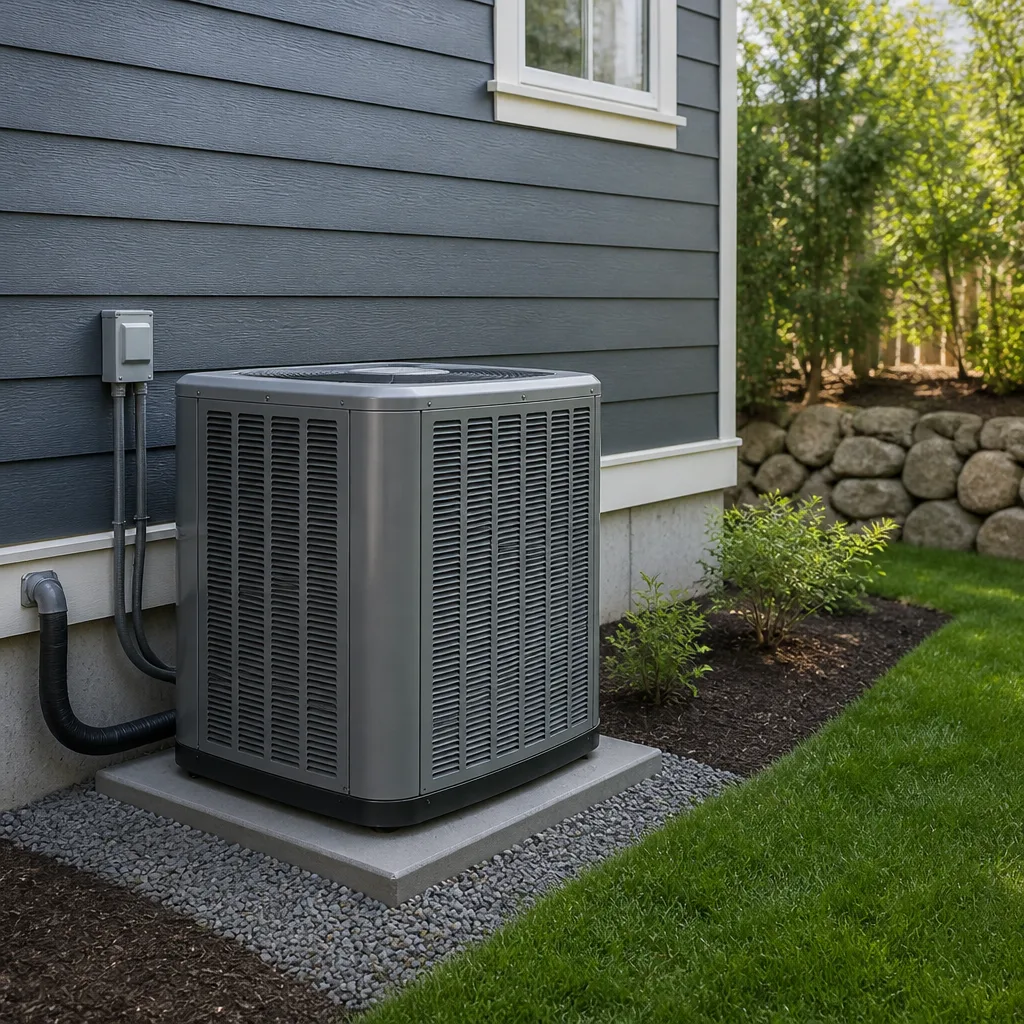 Heat pumps
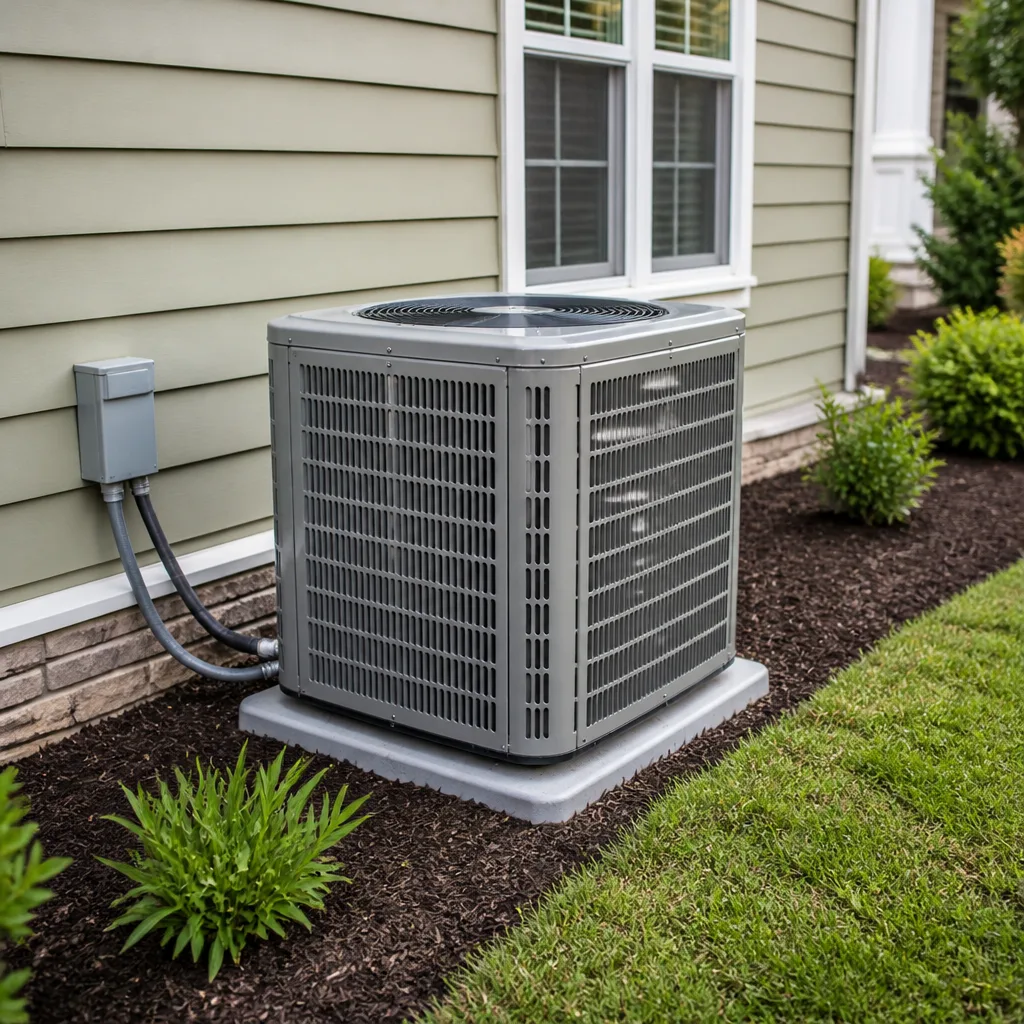 AC repair
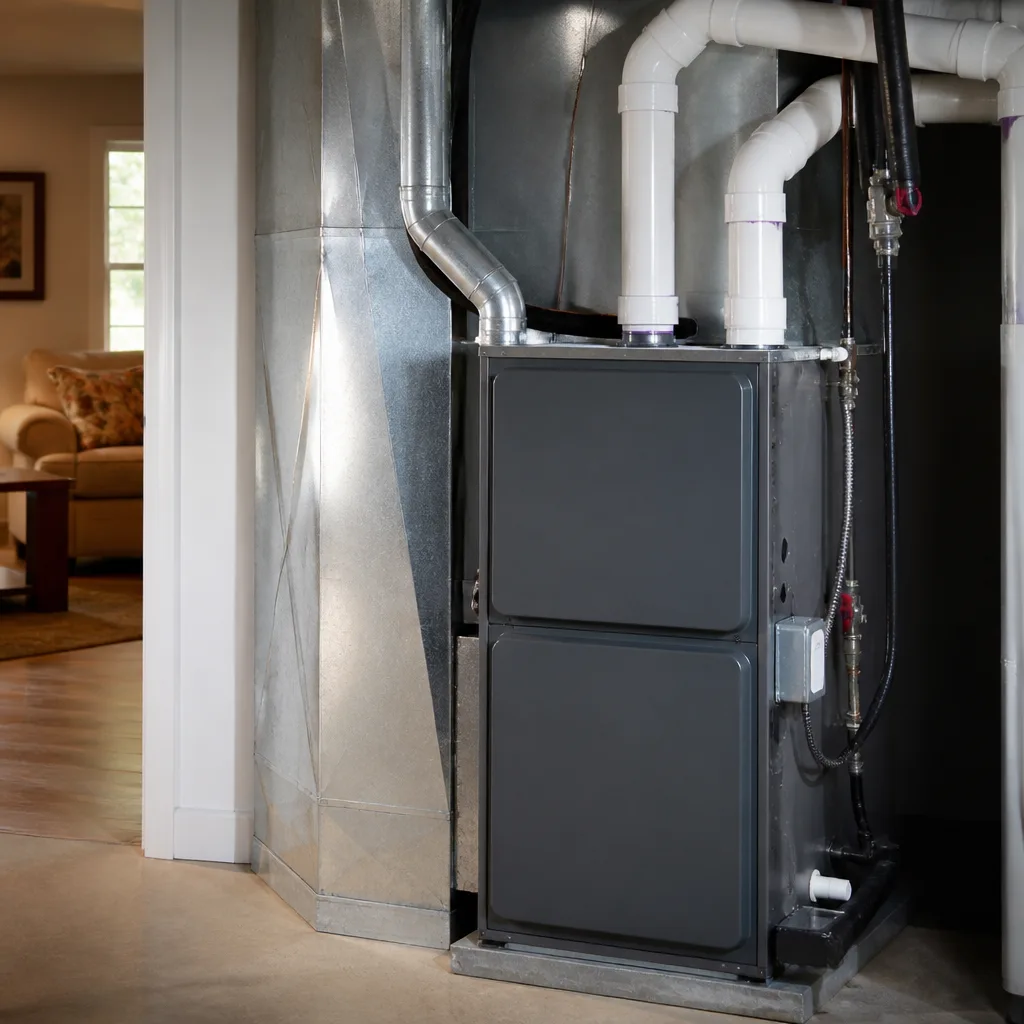 Furnace & heating
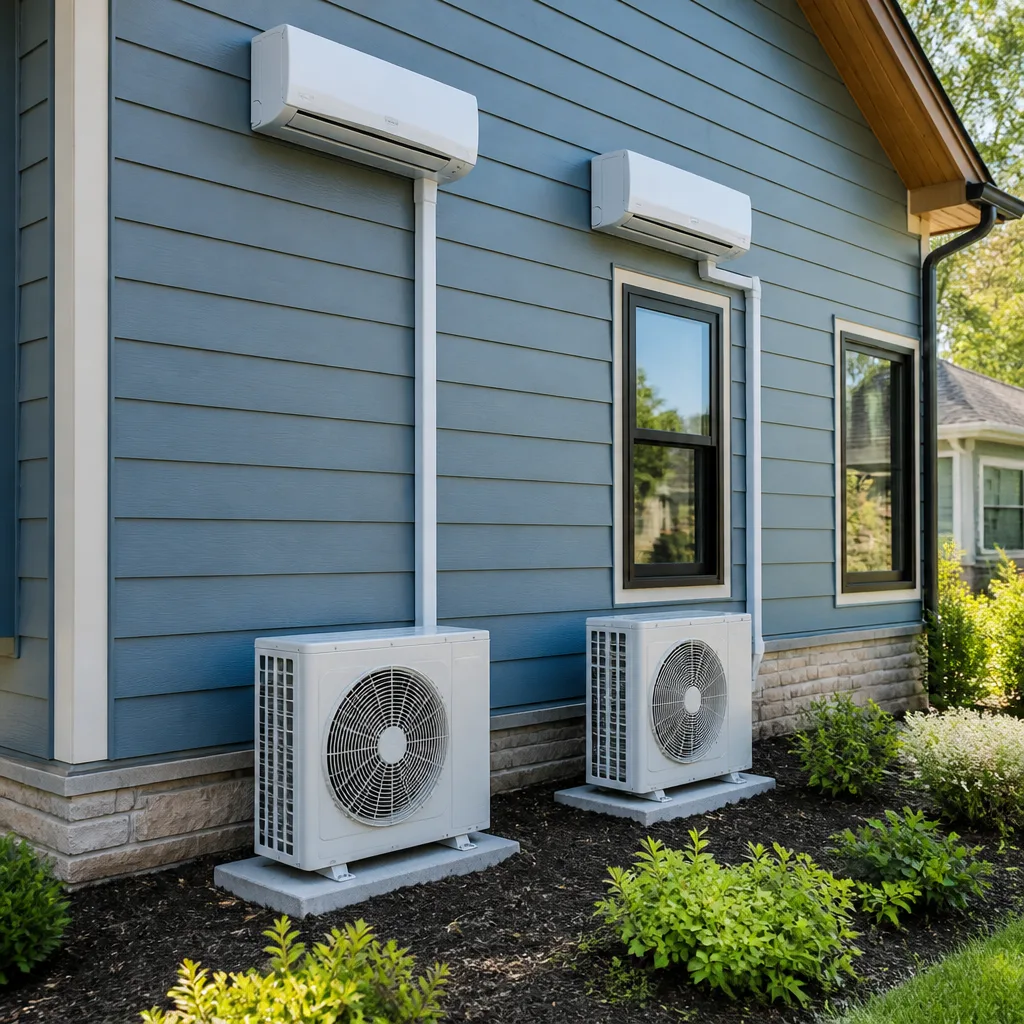 Ductless mini splits
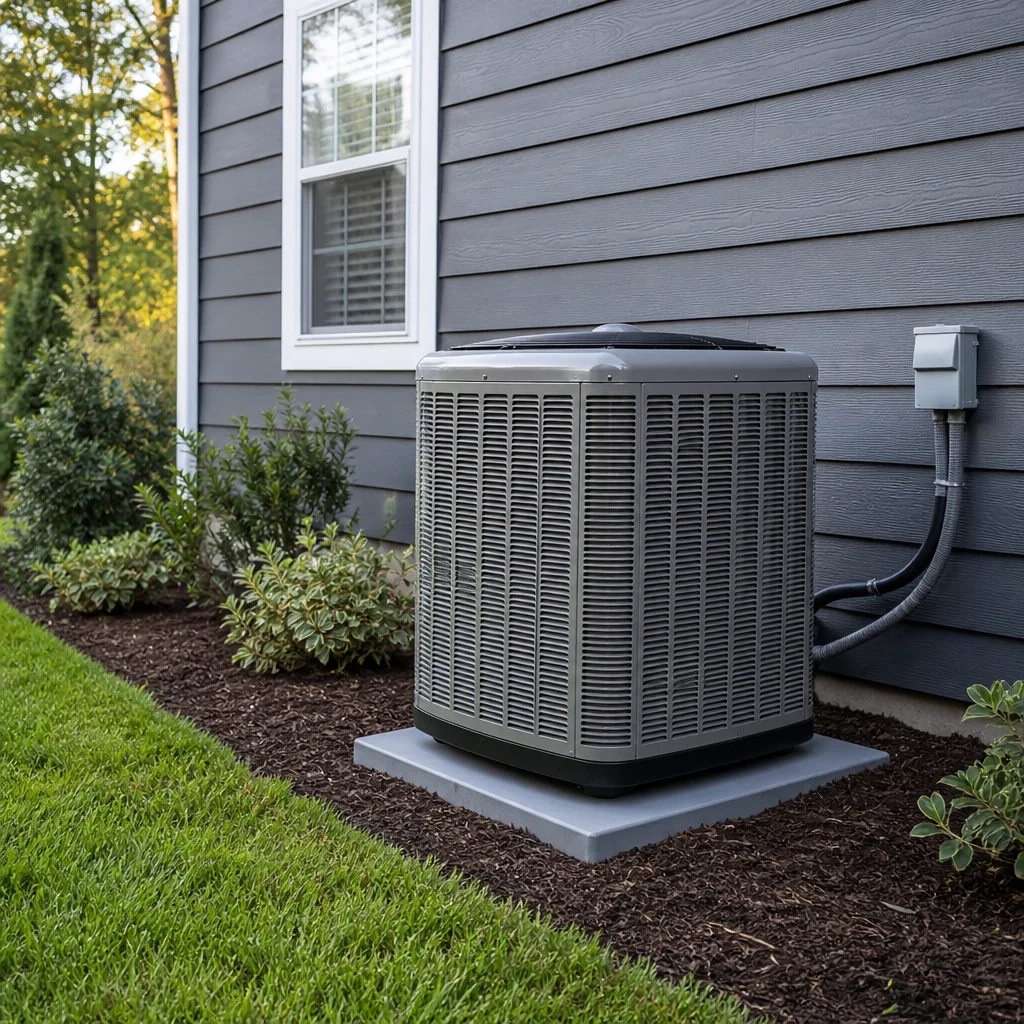 Carrier
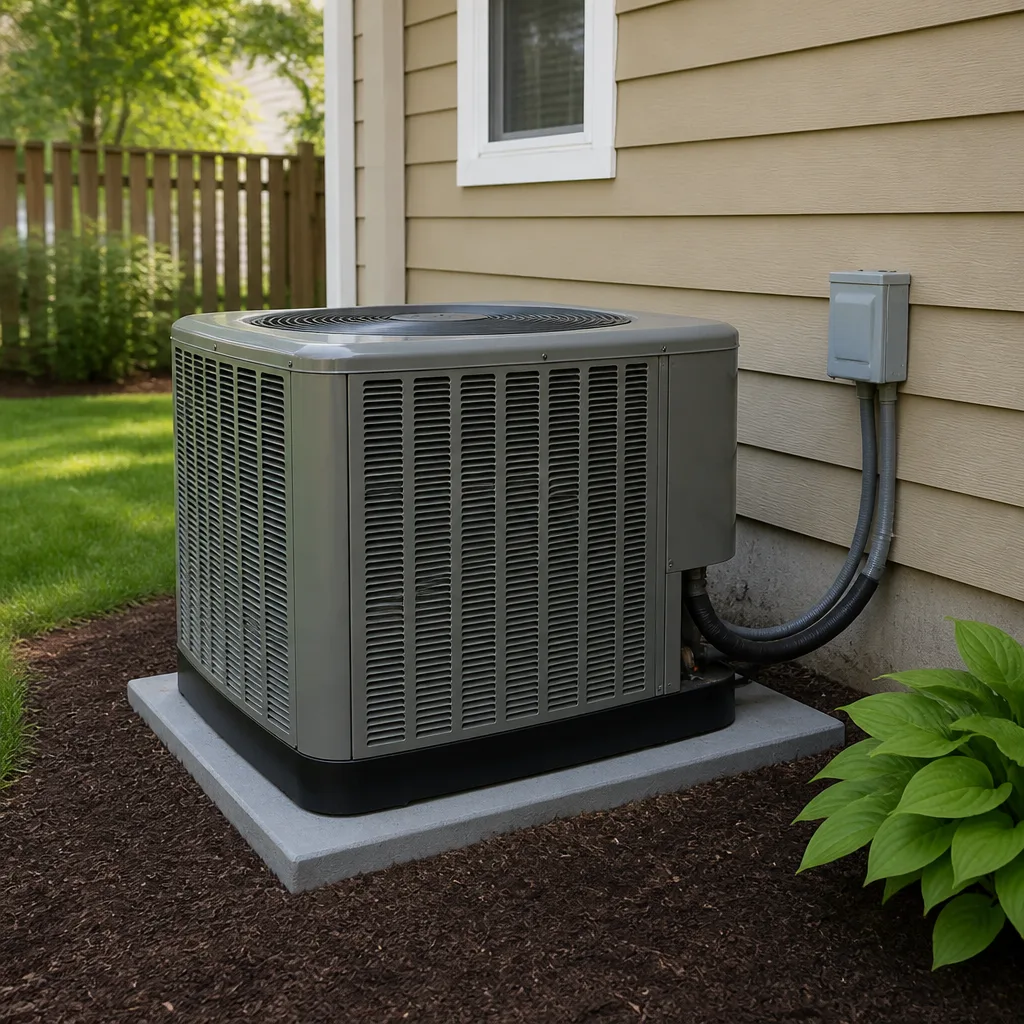 Trane
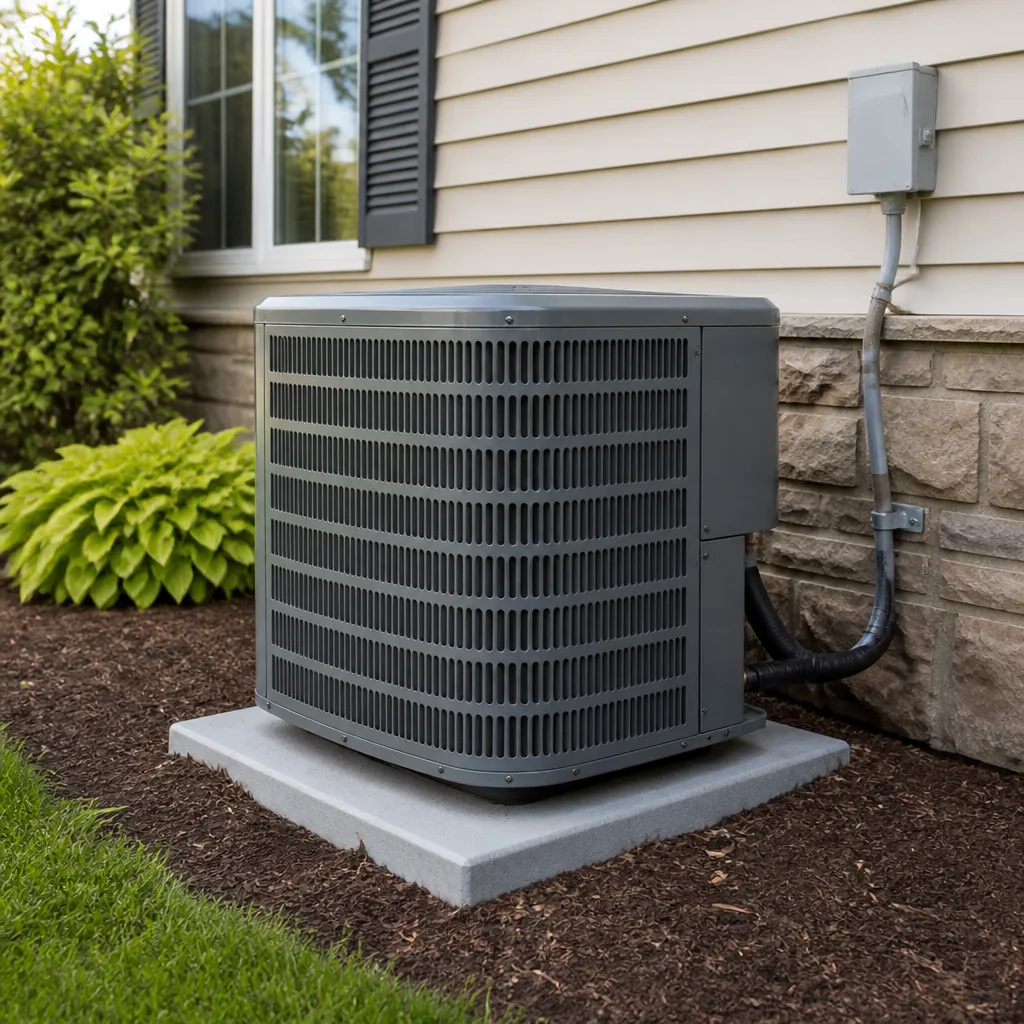 Goodman
Seasonal tune-up and full diagnostic on your Carrier, Trane, or Goodman system - readings shown to you before any repair is proposed
Diagnosis first, numbers second - you approve the repair price before a single part goes in.
Get your free estimateThe Complete Heat Pump & Mini Split Guide for Summerlin Homeowners
A heat pump earns its 20 SEER2 rating at 95°F. Summerlin spends roughly 60 days a year hotter than that. The number on the yellow sticker is real, but it was measured at a temperature this valley leaves behind by the end of May, and the capacity curve above that threshold is where your summer cooling bills actually live.
We work on heat pumps and ductless mini splits across Summerlin every week, and the same story repeats: a homeowner bought equipment chosen on the marketing sheet, and the system struggles by July. This guide is the desert-specific framework we wish every Summerlin homeowner had before signing anything.
Quick Answer
For Summerlin’s climate, the heat pump spec that matters most is EER2, not SEER2. SEER2 is a seasonal average measured at moderate outdoor temperatures that Summerlin exceeds for two months of the year, while EER2 tells you how efficiently the system runs at 95°F peak load. A system with a strong EER2 and correct sizing will outperform a higher-SEER2 unit that was selected from a spec sheet alone. Here is how to read the ratings, plan the install, use the Nevada Energy rebate, and choose equipment that stays serviceable for the next 15 years in the desert.
Styles & brands we work with
- AC repair
- Furnace & heating
- Heat pumps
- Ductless mini splits
- Carrier
- Trane
- Goodman
Table of Contents
- SEER2 vs. EER2: Which Rating Actually Matters in Summerlin?
- Running Refrigerant Lines Through Summerlin Stucco and Attics
- Single-Zone vs. Multi-Zone: What Works in Summerlin Floor Plans
- Nevada Energy Heat Pump Rebates: What Qualifies
- R-410A, R-32, R-454B: The Refrigerant Transition and Your Serviceable Future
- Why Manual J Sizing Matters More Than Brand
- Maintaining a Heat Pump Through a Summerlin Summer
SEER2 vs. EER2: Which Rating Actually Matters in Summerlin?
EER2 is the more honest number for Summerlin homeowners. It is measured at 95°F, a temperature Summerlin hits for weeks at a stretch, while SEER2 is a seasonal average that weights months of mild weather you will never actually experience. Two units with identical SEER2 can perform very differently once the July afternoon pushes past 110°F.
Here is what the two ratings measure in practical terms:
- SEER2 – Seasonal Energy Efficiency Ratio, tested across a simulated season. Good for comparing annual energy use in moderate climates.
- EER2 – Energy Efficiency Ratio, tested at a fixed 95°F outdoor temperature. This is the number that predicts your efficiency during the hottest part of a Summerlin day.
- Capacity at high ambient – Above 100°F, most heat pumps lose some cooling capacity. The unit that holds rated capacity above 105°F is the one that keeps the upstairs bedrooms at setpoint.
- Low-ambient heating – Less critical in Summerlin but relevant for winter nights, when desert temperatures drop into the 30s and the same system handles the heat.
In our experience, homeowners reading the spec sheet often compare SEER2 alone. We walk every Summerlin customer through EER2 side by side, because that is the number that carries the answer into August. Ask for both. If a salesperson can only point to SEER2, that is a signal.
Running Refrigerant Lines Through Summerlin Stucco and Attics
Mini split line set routing is a bigger job in Summerlin than in most parts of the country, because the two dominant building patterns both add work. Stucco exteriors require careful penetration and patching to keep the wall system intact, and most Summerlin homes have their main air handler mounted in an attic or mechanical closet that reaches 140°F in summer if it is not ventilated. Both factors affect cost and long-term reliability.
The specific challenges we regularly see:
- Stucco penetration – A clean line set exit needs a sleeved penetration with proper sealing on both faces, not a hole drilled and filled with caulk. Poorly sealed penetrations become water intrusion points during monsoon season.
- Attic air handler placement – The attic is where Summerlin heat does its worst work. Air handlers installed without a proper insulated enclosure and venting run warm, and efficiency drops accordingly.
- Line set length – Mini splits lose a little capacity per foot of line set. Route the shortest path that still respects the manufacturer’s maximum run and elevation differences.
- Condensate drainage – In a desert, condensate lines still clog with dust and cottonwood, and a poorly sloped drain leaks into the ceiling below. Slope matters.
- Sun exposure – Line set covers on the south and west walls need UV-stable insulation, or the wrapping degrades within a few summers.
If you are planning a ductless install on a Summerlin home, have the installer walk the route with you before signing. Seeing the plan on the wall is worth more than a drawing on a proposal.
Single-Zone vs. Multi-Zone: What Works in Summerlin Floor Plans
Multi-zone is usually the right call in Summerlin two-story homes, but not always. The floor plans that dominate Summerlin – open great rooms facing south and west, upstairs bedroom wings, and casita or bonus-room additions – each create their own zoning picture. Putting a single head in the wrong room is the most common mini split mistake we correct.
Room-by-room, this is what tends to work:
- Best for single-zone: A converted garage, a home office over the garage, a casita with its own entrance. One wall-mounted head handles the whole space, and the door closes behind it.
- Best for multi-zone: Two-story homes where upstairs bedrooms run 5-8°F warmer than downstairs. Two or three heads cover the master suite, the kids’ rooms, and the great room without overcooling the whole house.
- Worst for a single head: An open great room with a two-story ceiling and a west-facing wall of glass. A single head cannot move enough air to that glass wall, and the wall stays hot.
- Worst for any mini split: A closed-off dining or formal living room used twice a year. The equipment does not pay for itself, and a ducted zone makes more sense.
In our experience, a Summerlin great room that runs warm all afternoon usually needs a ducted system rebalance, not a new head. That is a diagnosis a trained technician makes with a temperature probe and a static pressure reading, not a guess. The Heat Pump & Mini Split in Summerlin service page covers the full scope of what we install and service.
Nevada Energy Heat Pump Rebates: What Qualifies
Nevada Energy runs a heat pump rebate program, but the qualifying thresholds are tighter than most homeowners expect, and qualifying equipment is not the same as any heat pump on the shelf. The rebate is tied to specific efficiency minimums, and the installer must be properly licensed and submit the paperwork in the correct window. Miss a step and the check never arrives.
Steps we walk Summerlin customers through:
- Confirm eligibility before you buy – The equipment model number must be on the approved list at the time of installation. Confirm this in writing from the installer.
- Choose qualified equipment – Efficiency requirements change over time. Ask your installer to confirm the specific model qualifies under the current program, not the prior year’s.
- Use a licensed installer – The rebate requires proof the work was completed by a licensed contractor, with permits pulled where required.
- Submit within the application window – Rebate programs have limited funds and open application periods. Submit as soon as the install is complete; do not wait for the next billing cycle.
- Keep every document – Invoices, model numbers, permits, and the inspection record. If the rebate is questioned, this is your proof.
Not everyone qualifies. Homes with undersized electrical panels, or systems that are being replaced by like-for-like rather than a qualifying upgrade, fall outside the program. The application window matters, so plan the install with the rebate calendar in mind.
R-410A, R-32, R-454B: The Refrigerant Transition and Your Serviceable Future
Refrigerant rules changed, and equipment purchased in 2024 and 2025 sits on both sides of the transition. R-410A is being phased down in new equipment, and R-32 and R-454B are the replacements entering the market. For a Summerlin homeowner planning to stay in the house 15 years, the refrigerant type on the data plate matters – not because any of these refrigerants is dangerous, but because serviceability depends on parts and refrigerant availability down the road.
What to know before you buy:
- R-410A – Still serviceable and still available, but new production is winding down. Existing R-410A systems can be serviced, and R-410A refrigerant will remain available for years, though prices will climb.
- R-32 – The current standard for many mini split lines, particularly from manufacturers like Daikin and others. Mildly flammable by classification, which changes handling rules but not homeowner safety.
- R-454B – The blended refrigerant entering many residential split and heat pump lines. Similar serviceability story to R-32.
- Never mix – Each refrigerant needs its own recovery equipment and its own service procedure. Dealers stocking lines like Lennox, Rheem, York, Goodman and others may be transitioning at different rates, and knowing which refrigerant your unit uses is on you unless your installer tells you.
When a Summerlin system is 12-15 years old, the refrigerant question becomes part of the repair-or-replace math. Asking “which refrigerant does this unit use, and is it still available in 5 years” is a fair question for any installer.
Why Manual J Sizing Matters More Than Brand
Oversized heat pumps are the single biggest efficiency killer in Summerlin. A contractor who sizes by rule of thumb (“one ton per 500 square feet”) will sell you a system that cools the house fast in the morning, then short-cycles the rest of the day, never dehumidifies properly, and wears out its compressor years early. Manual J sizing uses the actual window area, insulation, orientation, and duct design of your home to calculate the load.
Here is the sizing sequence a professional installer should walk through:
- Measure the house – Square footage, ceiling height, door and window count, glass orientation, and attic insulation value.
- Run a Manual J load calculation – This produces the required Btu/h of cooling and heating for the actual house, not a national average.
- Select equipment to that load – The installed capacity should land within about 10-15% of the calculated load. A “slightly bigger is safer” approach is a common mistake and a costly one.
- Design the ductwork with Manual D – Duct sizing and layout determines whether the calculated capacity actually reaches the rooms.
- Verify after install – Measure static pressure and check airflow to each room before calling the job complete.
For Summerlin homes built in the 1990s and 2000s, the original duct system often needs attention at the same time. A perfectly sized heat pump cannot overcome a leaking, undersized duct system. Our team sizes every install this way, and we will show you the numbers before we ask for a signature. For the repair side of the house, see AC Repair & Installation in Summerlin and Heating & Furnace in Summerlin for the non-heat-pump systems we also service.
Maintaining a Heat Pump Through a Summerlin Summer
A heat pump in Summerlin works harder than the same unit installed almost anywhere else in the country, and it needs more frequent attention than the manual suggests. The dust load alone is enough to clog a filter in a fraction of the time a manufacturer’s “every 3 months” schedule recommends. Fine dust from the desert, cottonwood in late spring, and the relentless dry heat all add up.
What we recommend for Summerlin homeowners:
- Filter changes every 1-2 months in summer – During June through September, a Summerlin filter loads up far faster than the manual’s schedule. Check it monthly and replace when visible dust appears.
- Coil cleaning once a year before the cooling season – Dust on the outdoor coil quietly drops efficiency. It is not visible from the outside and needs a technician to check.
- Condensate line flush – Clogs in the drain line show up as water on the ceiling or a shutdown. Flush before every cooling season.
- Seasonal tune-up in spring – A tune-up catches refrigerant charge drift, capacitor wear, and blower belt issues before July, not during a 118°F afternoon.
- Do not forget winter – Heat pumps still run in reverse-cycle heating on cold desert nights. A fall check keeps it ready.
Our $89 seasonal tune-up covers the spring system check, and the technician writes a report of what was actually found. That report tells you what to plan for before it breaks.
Common Mistakes to Avoid
- Choosing by SEER2 alone – The high-SEER2 unit that looked best on the sheet may underperform at 115°F. Compare EER2 and high-ambient capacity side by side before deciding.
- Oversizing for “extra capacity” – A unit that is 20-30% too large will short-cycle and never dehumidify in monsoon season. Manual J sizing is the fix.
- Hanging a single mini split head in an open great room – The two-story great room with a west glass wall is the most common wrong-room mini split install we see in Summerlin.
- Ignoring the attic air handler environment – An uninsulated air handler in a 140°F Summerlin attic loses efficiency every minute it runs. Proper installation includes attic ventilation or insulation around it.
- Skipping the rebate paperwork – The Nevada Energy rebate requires an approved model, a licensed installer, and a timely submission. Missing any step forfeits the rebate.
- Buying on refrigerant type you cannot service – A unit with a refrigerant your local contractors cannot easily source is a 15-year headache. Ask what refrigerant is on the data plate before you buy.
- Replacing before the ducts are checked – A leaking or undersized duct system wastes a new heat pump. Duct inspection should happen before the equipment decision, not after.
See the difference
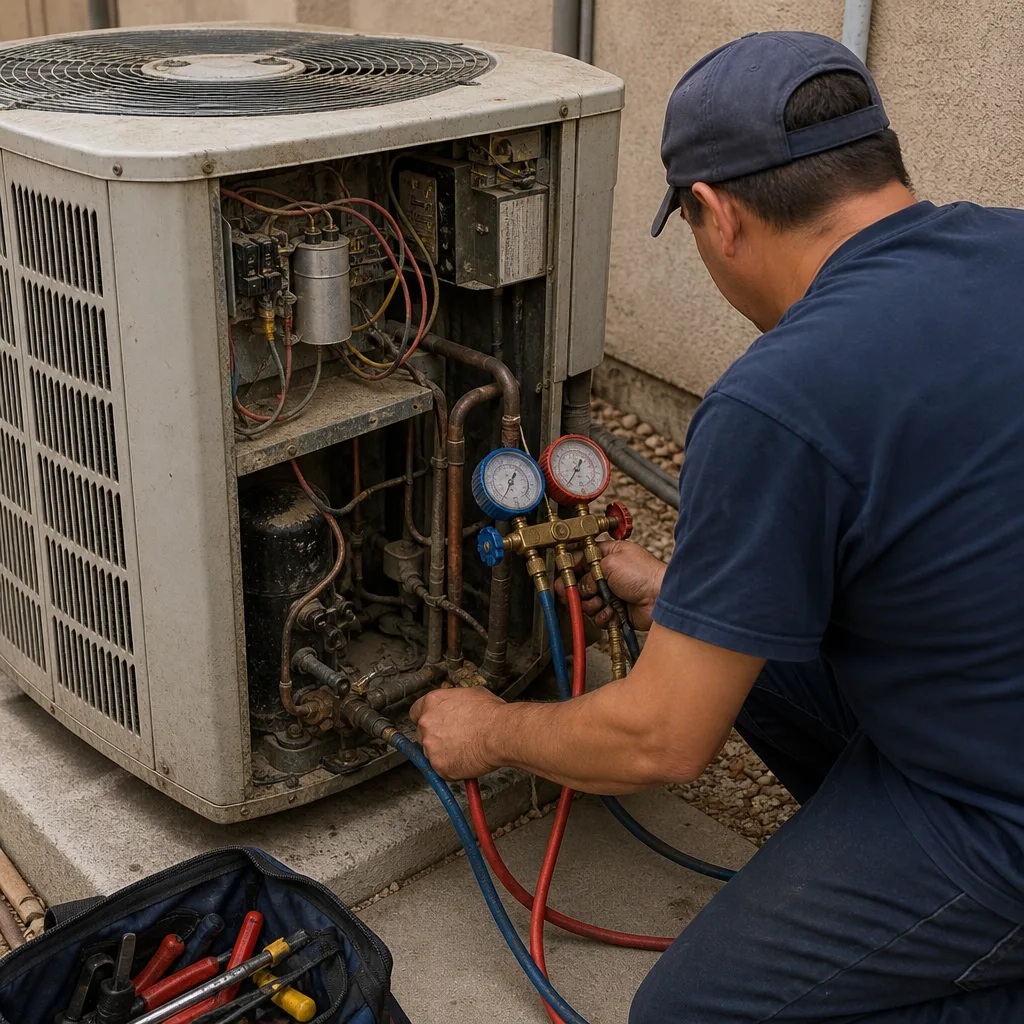 Before
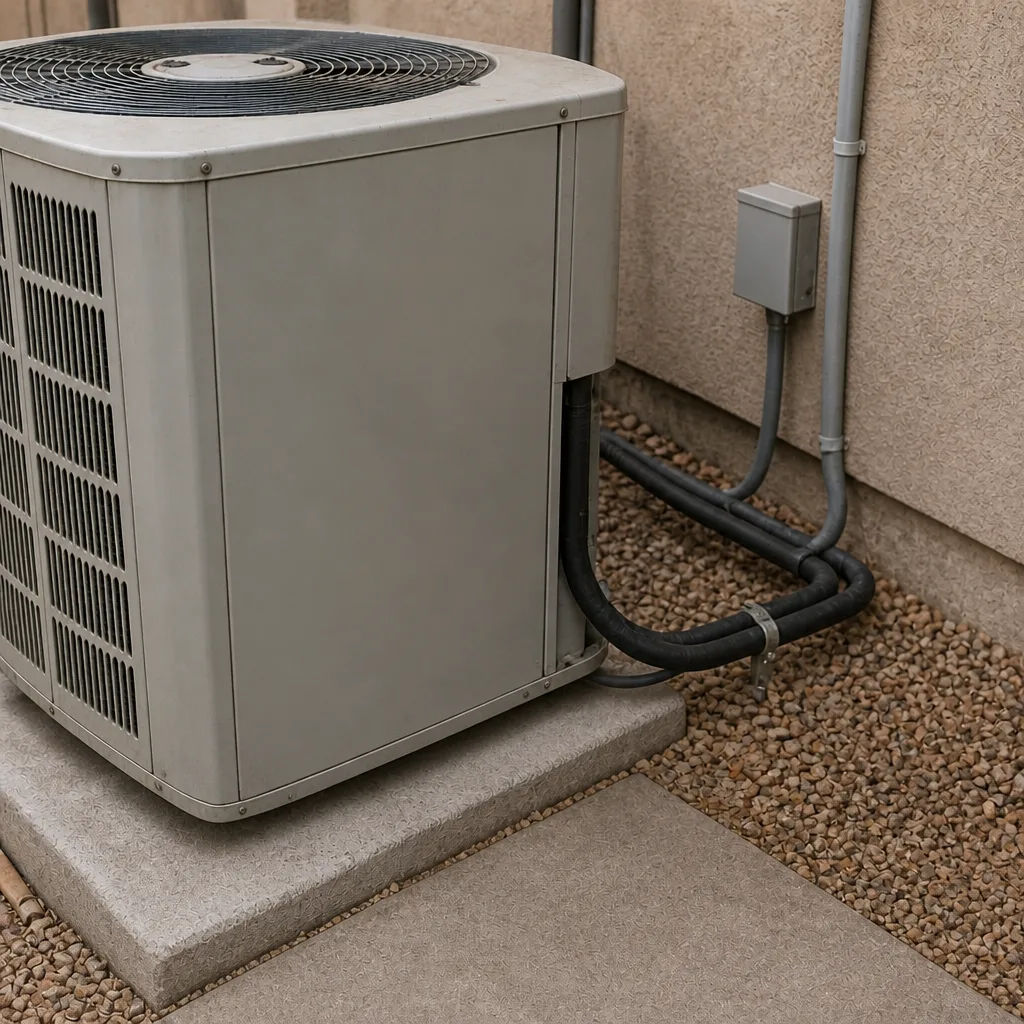 After
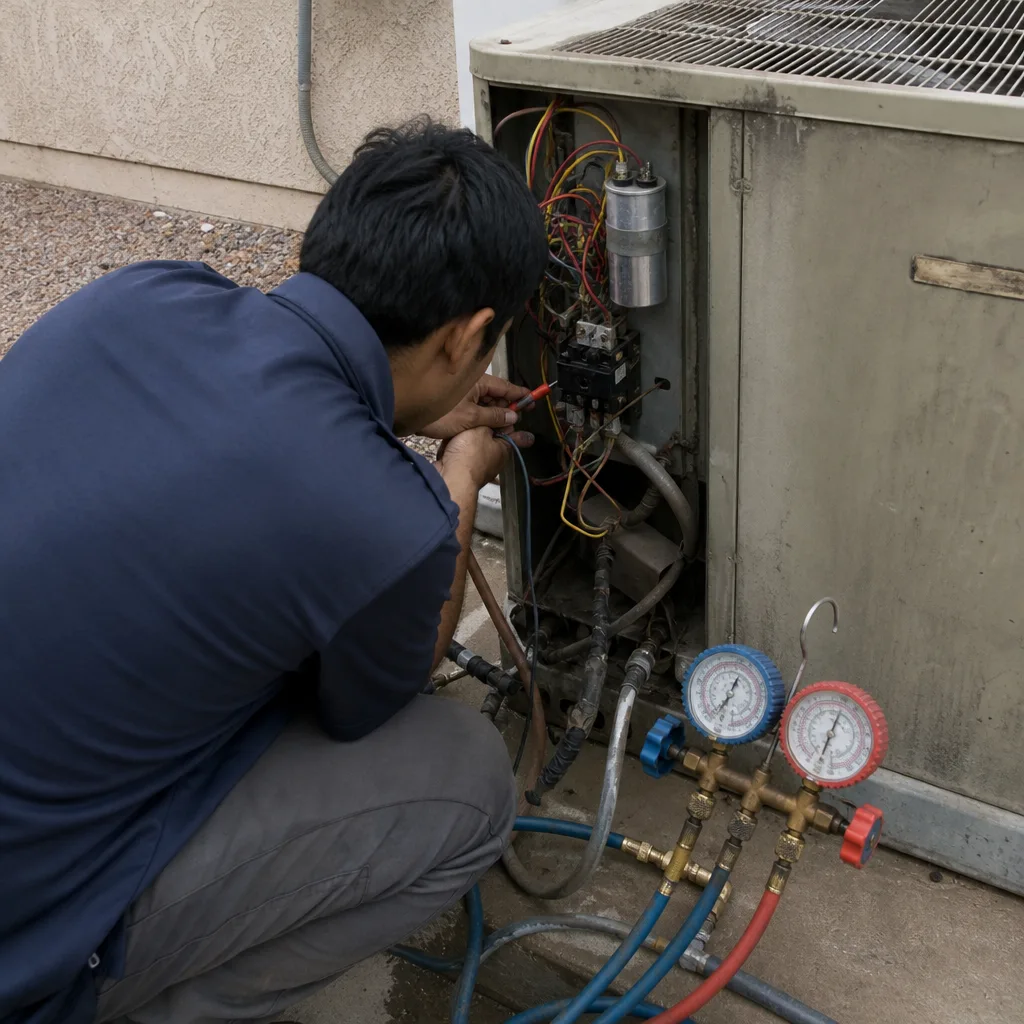 Before
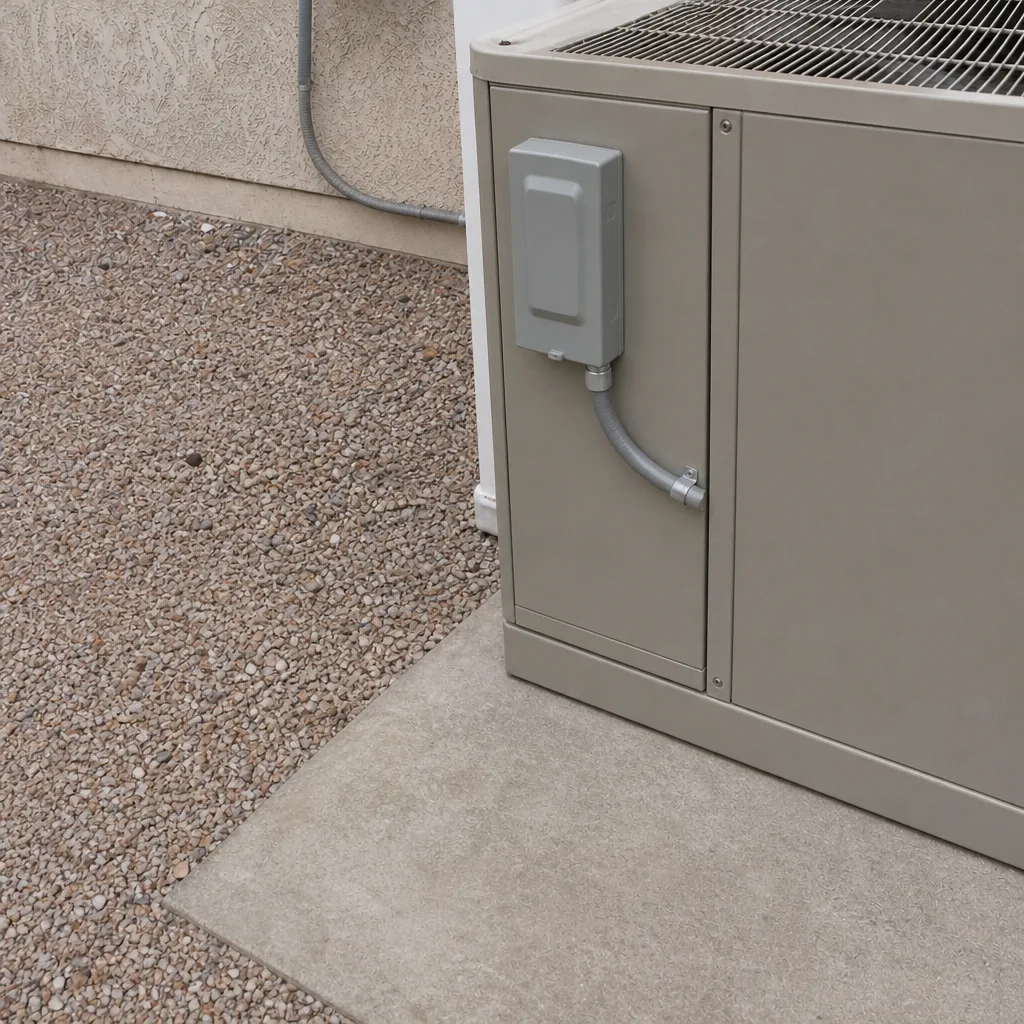 After
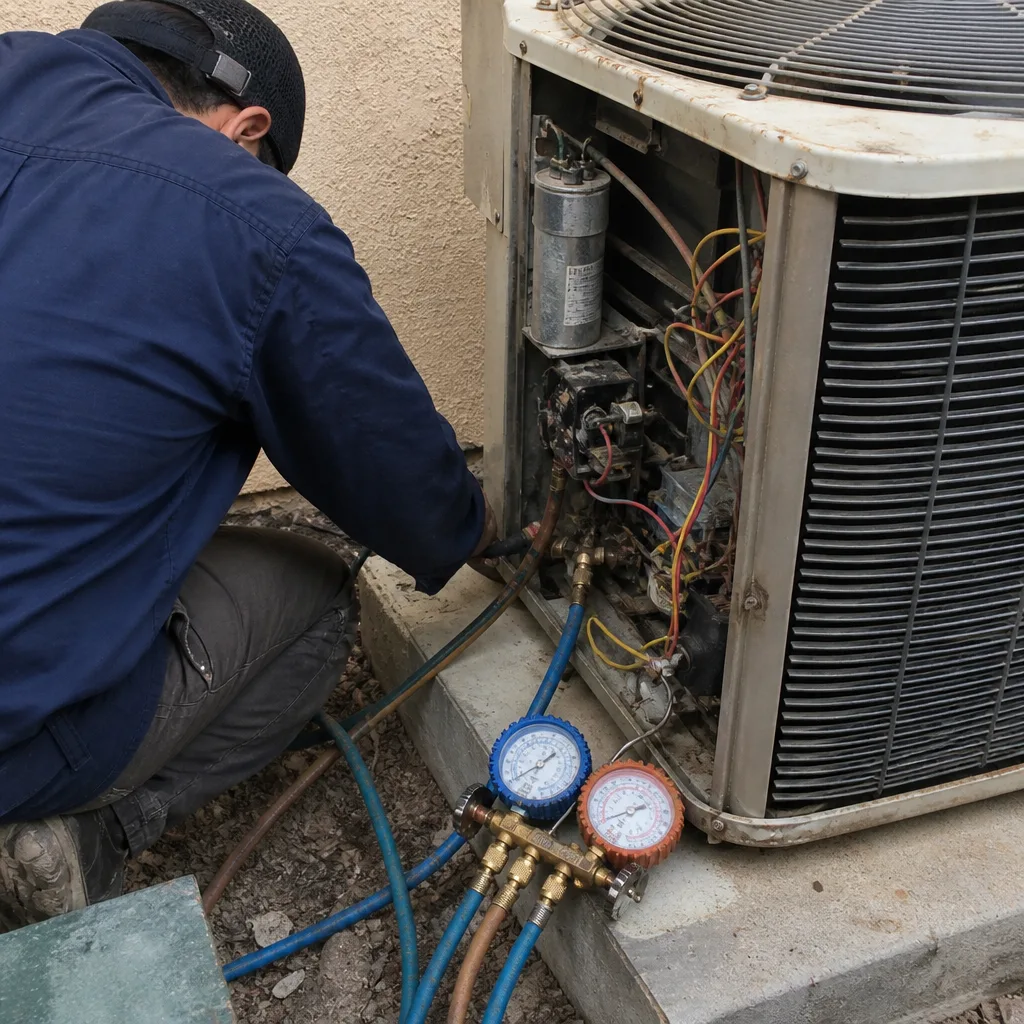 Before
 After
When to Call a Professional
Heat pumps are not a DIY service item. The refrigerant circuit is pressurized, the electrical work involves capacitors and compressor circuits, and a misdiagnosed system can be damaged by a well-meaning repair. Call a professional when the outdoor unit stops running or trips the breaker, when the system runs but does not reach setpoint on a hot Summerlin afternoon, when ice forms on the outdoor coil, when you hear grinding or clicking from the air handler, or when the refrigerant lines show oil at a joint. Call us before your system’s repair-vs-replace question needs an answer under stress – a conversation in May is far less expensive than one in August.
Fireside Heating & Air Co. Summerlin offers free estimates in Summerlin – call (888) 325-9387. Our phones are answered by a live person around the clock, every night and every weekend, and if we quote you a price, that is the price you pay. Bring us any written estimate and we will give you a free second opinion on it.
Frequently Asked Questions
For most Summerlin homes, a ducted heat pump is the better primary system because it conditions the whole house through existing ductwork, while mini splits are the better fit for additions, casitas, bonus rooms, or homes without ducts. The right answer depends on the house and the existing duct layout, not on a brand preference. Call (888) 325-9387 for a free estimate and we will show you the load calculation before recommending either.
Look for the highest EER2 you can reasonably afford, and pair it with a unit that holds rated cooling capacity above 105°F outdoor temperature. In Summerlin’s climate, EER2 tells you more about summer performance than SEER2 alone. Call (888) 325-9387 and we will walk you through the numbers on any specific model.
Heat pump installations in Summerlin generally run from about $7,500 to $18,000 depending on system size, whether ductwork needs work, and whether the electrical panel requires an upgrade. Mini split single-zone systems typically start around $4,500 installed, and multi-zone systems land higher because of additional heads and line runs. Call (888) 325-9387 for a written fixed price – the number we quote is the number you pay.
A well-installed heat pump typically lasts 12-15 years in Summerlin, but the dust load and extreme summer heat can shorten that if the system is undersized or poorly maintained. Annual tune-ups, monthly filter checks in summer, and a properly sized system are what carry it to the top of that range. Call (888) 325-9387 to schedule the $89 seasonal tune-up.
Yes, if the equipment meets current program efficiency thresholds and the install is completed by a licensed contractor with the right permits and paperwork. Not every heat pump qualifies, so confirm the model number against the current approved list before you buy. We handle the rebate paperwork as part of any heat pump install – call (888) 325-9387 for a free estimate and we will tell you what qualifies.
At 12 years, a single major repair (compressor, reversing valve, or coil) is often the sign to replace rather than repair, especially if the unit is R-410A and the refrigerant is becoming harder to source. A repair under $700 on an otherwise healthy system is worth doing. Above that, the math shifts. Call (888) 325-9387 for a straight answer – we will tell you which side of the line the system sits on.
The Bottom Line
Heat pumps are the right answer for most Summerlin homes, but only the ones chosen for this climate, not for the spec sheet. The desert pushes past the rating test temperatures for weeks at a time, and that is where EER2, correct Manual J sizing, well-installed line sets, and refrigerant serviceability matter more than the brand name on the label. If you are shopping for a system, ask for EER2, ask for the load calculation, ask which refrigerant your equipment uses, and ask what the Nevada Energy rebate requires. Those four questions filter out the wrong bids quickly.
Contact Fireside Heating & Air Co. Summerlin
Whether you are comparing heat pump options, planning a mini split for an addition, or simply unsure what your current system is telling you, we are happy to look at it with you. Our Fireside Heating & Air Co. Summerlin home page has the full list of services, and every job is backed by our 90-Day Done Right Promise: if it is not done right, we make it right, in writing, no arguing. Calls are answered by a live person 24 hours a day, seven days a week. Call (888) 325-9387 for a free estimate in Summerlin. Your home first, every time.
Written by the team at Fireside Heating & Air Co. Summerlin.