
Last updated November 17, 2026
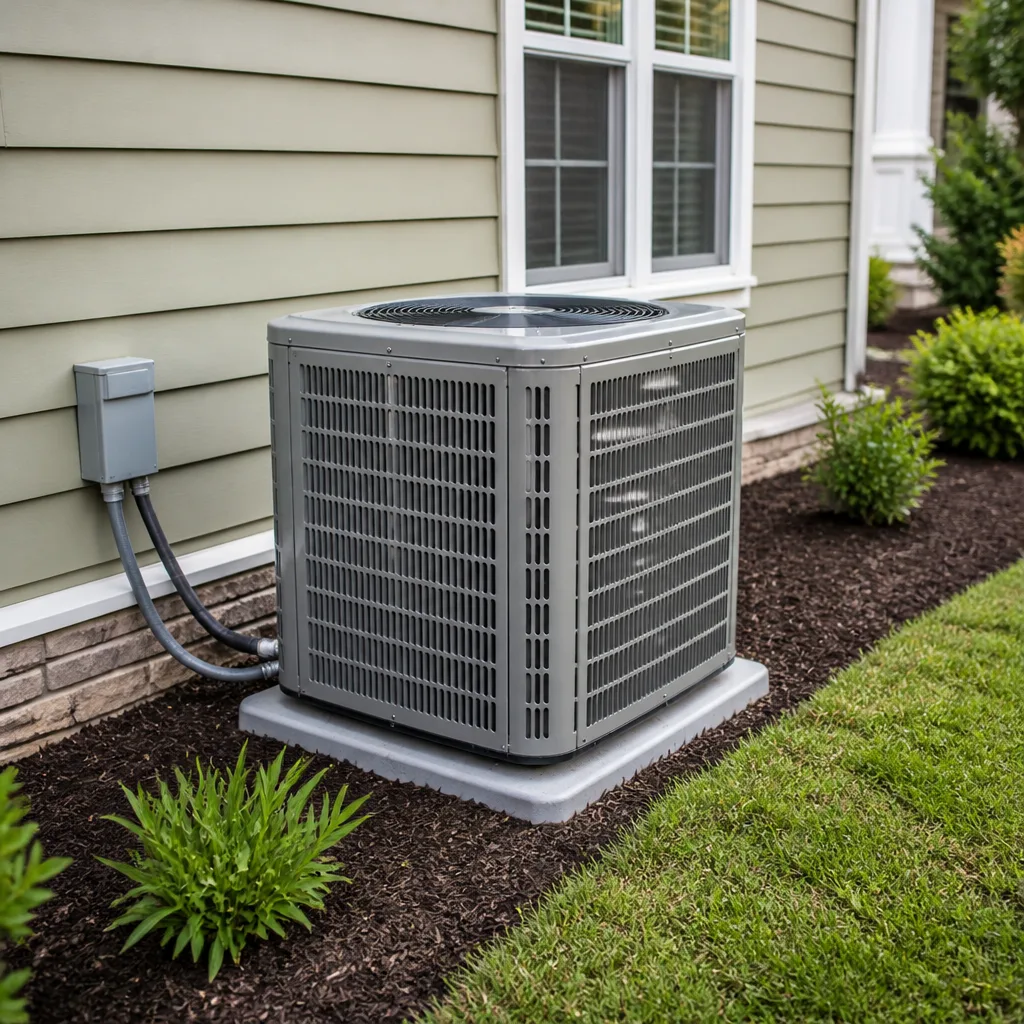 AC repair
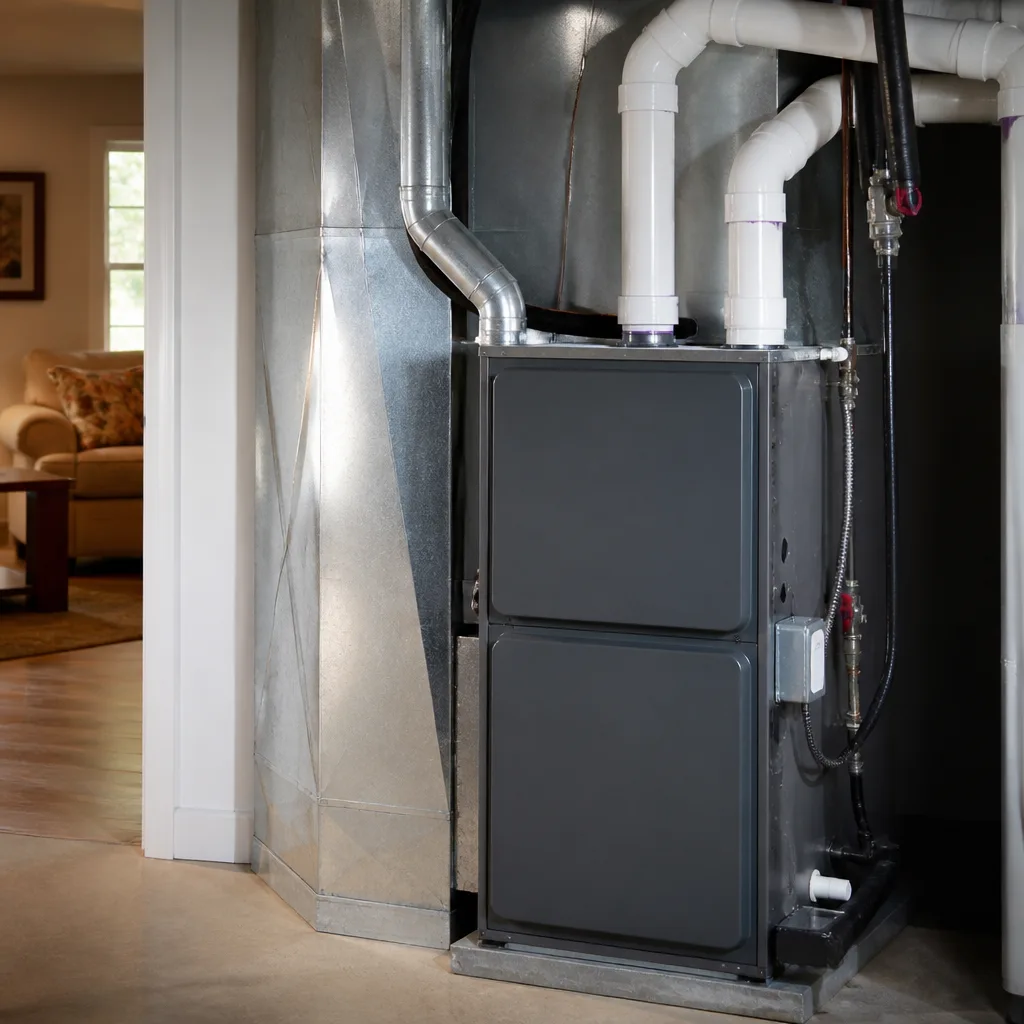 Furnace & heating
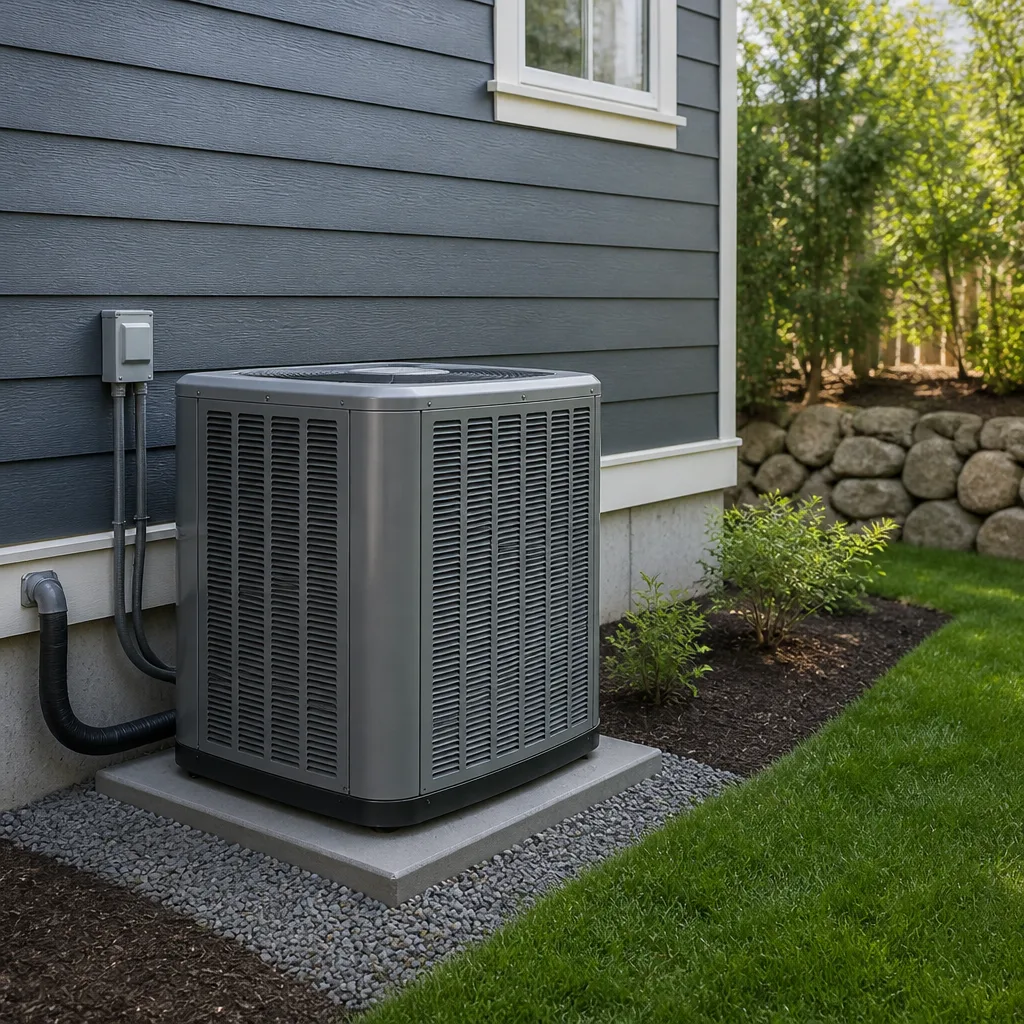 Heat pumps
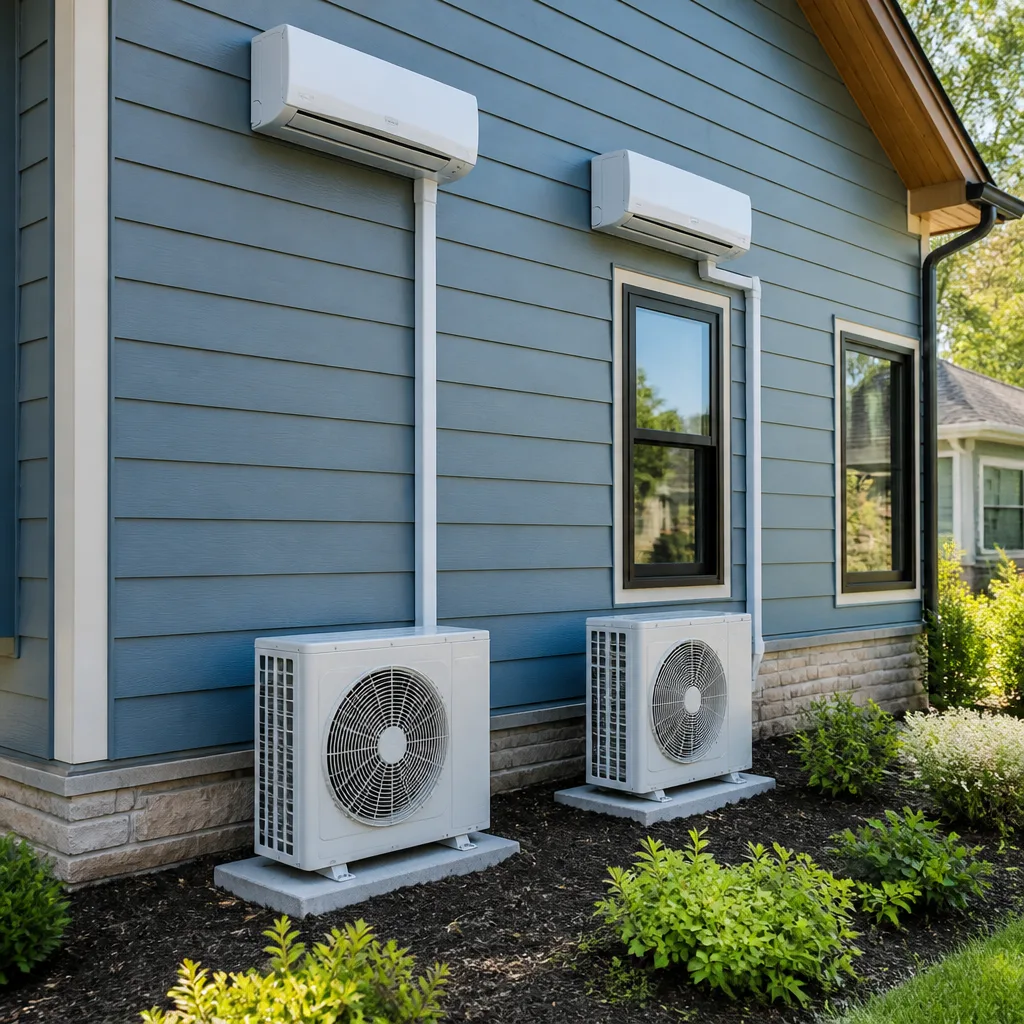 Ductless mini splits
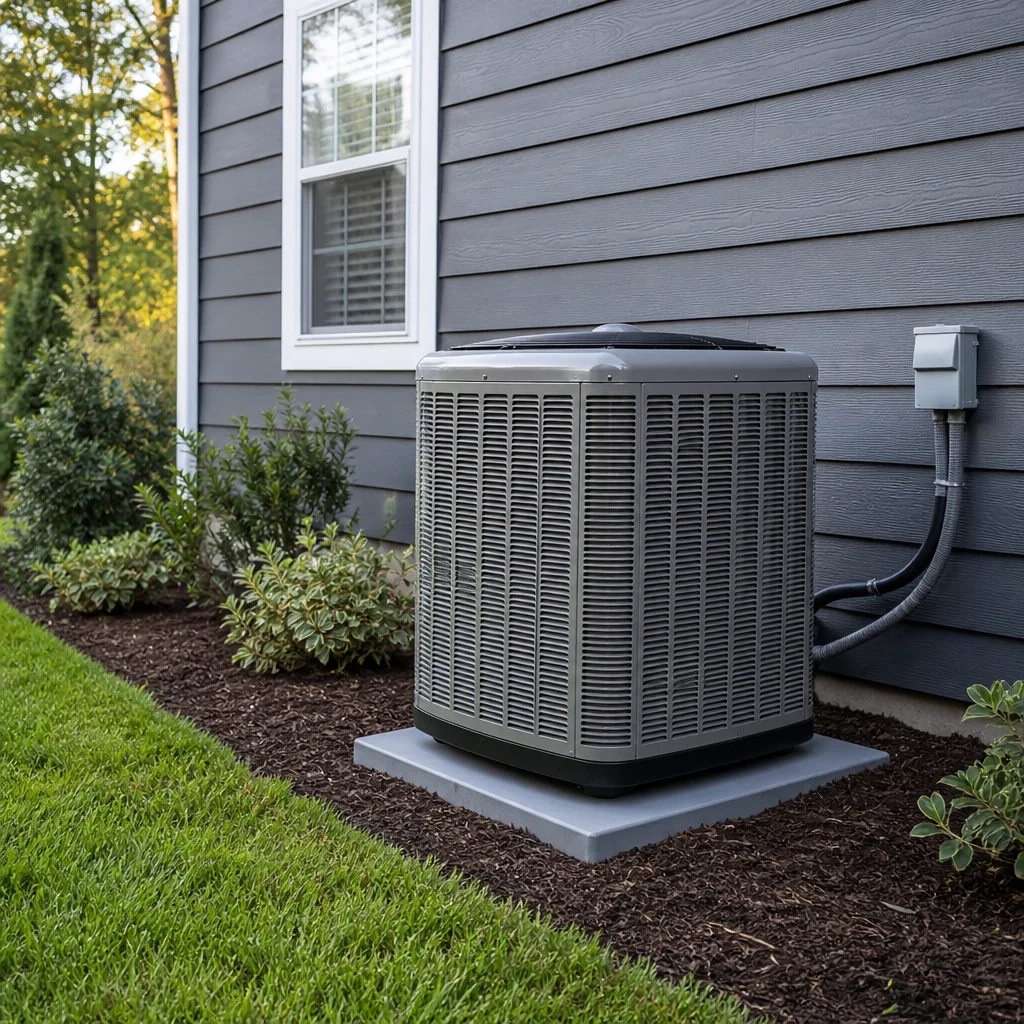 Carrier
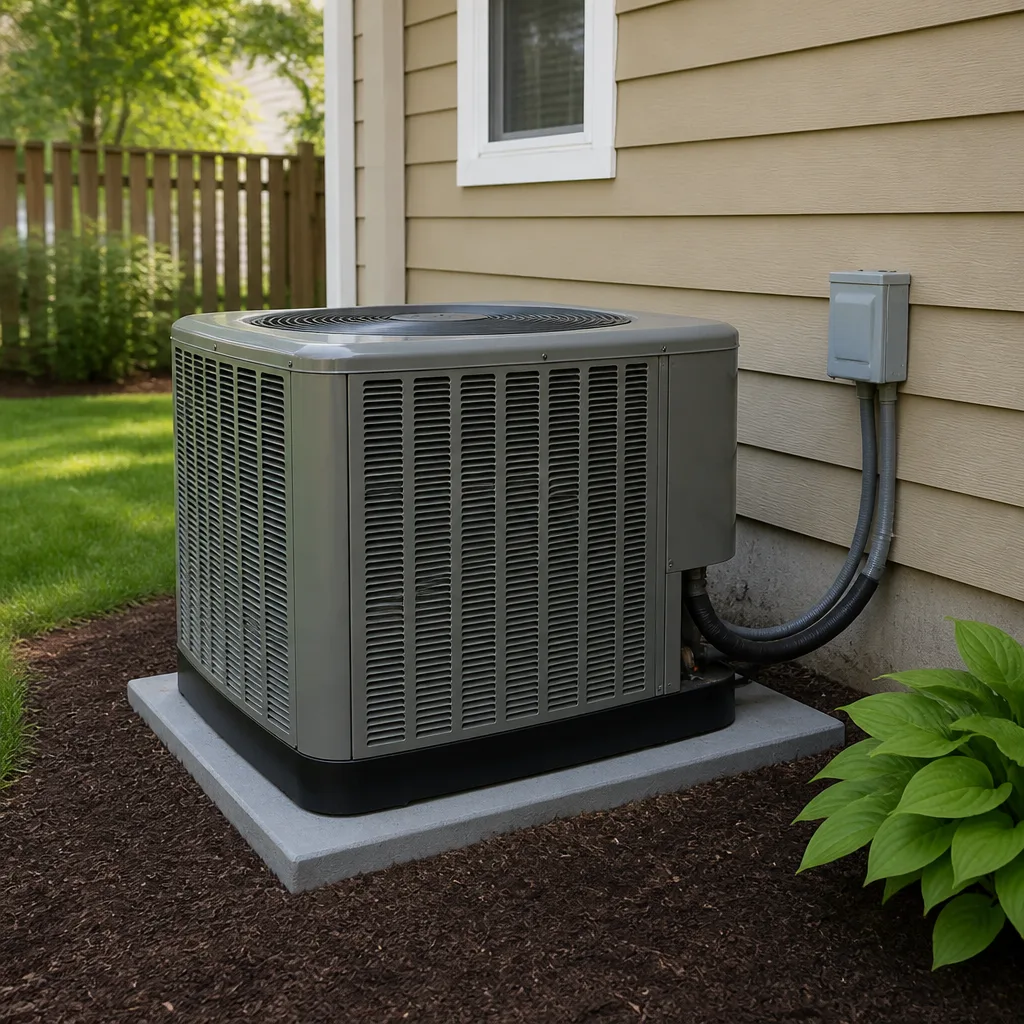 Trane
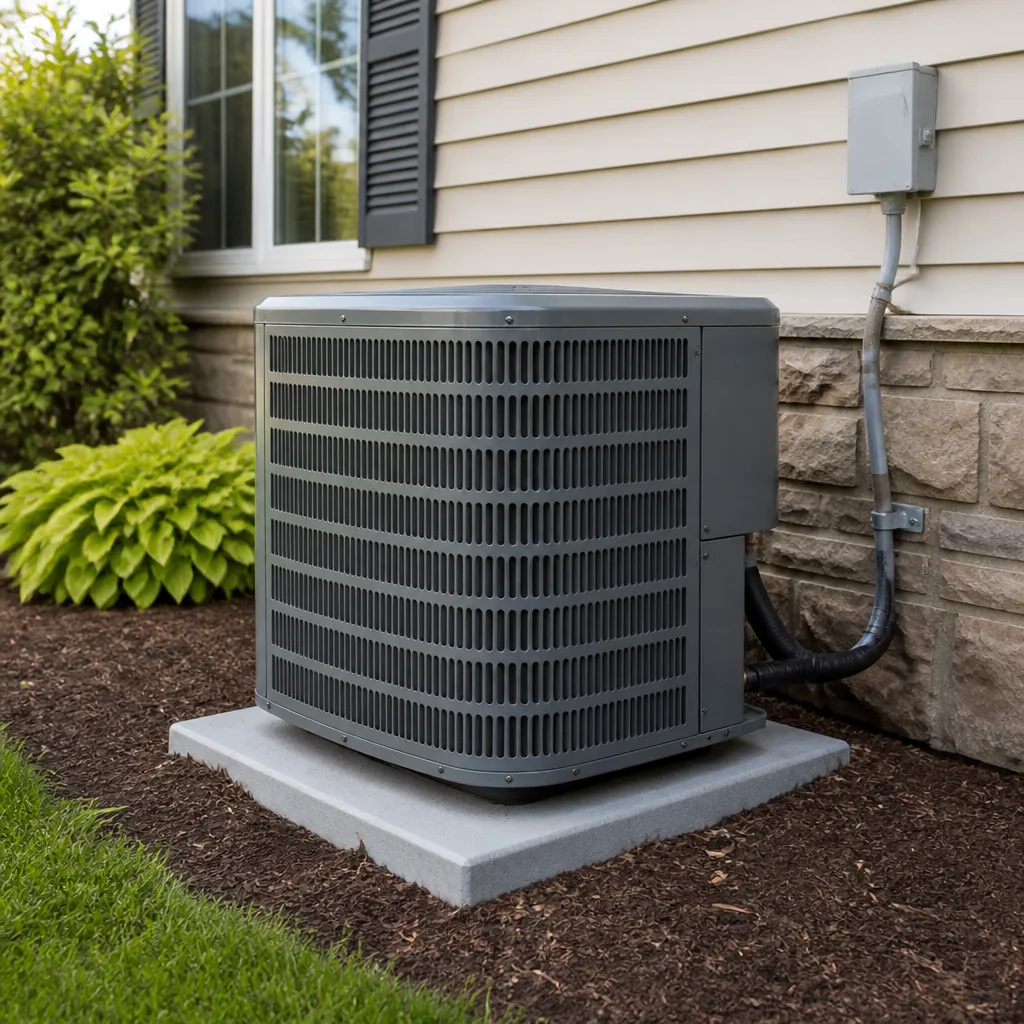 Goodman
Seasonal tune-up and full diagnostic on your Carrier, Trane, or Goodman system - readings shown to you before any repair is proposed
Diagnosis first, numbers second - you approve the repair price before a single part goes in.
Get your free estimateAC Repair & Installation Maintenance Checklist for Summerlin Homeowners
A dirty condenser coil in Summerlin doesn’t just reduce efficiency. At 115°F ambient, it can push discharge pressure high enough to trip a high-pressure lockout and leave you without cooling on the hottest afternoon of the year. That failure starts three months before it happens, quietly, in a coil nobody looked at. Most AC checklists you’ll find online were written for a temperate four-season climate, not for a desert that runs cooling equipment hard from April through October and then briefly punishes furnaces in January. This guide is sequenced around Summerlin’s actual calendar, and it’s built so you can hold any technician accountable, not just follow along passively.
Quick Answer
A Summerlin homeowner should inspect or change the air filter every 30 to 60 days during cooling season, get a full professional tune-up in March before the heat arrives, test the furnace in February while nobody’s thinking about it, and have the outdoor coil washed after every dust event. A real tune-up means measured readings (superheat, subcooling, static pressure, amp draw), not a filter swap and an invoice. If a technician can’t show you numbers, you haven’t had an inspection.
Styles & brands we work with
- AC repair
- Furnace & heating
- Heat pumps
- Ductless mini splits
- Carrier
- Trane
- Goodman
Table of Contents
- Why Summerlin Needs Its Own Checklist Calendar
- The Month-by-Month Task List
- What a Technician Should Actually Verify (With Numbers)
- The Post-Haboob Coil Inspection
- Red-Line Thresholds: Repair Now vs. Monitor
- Documenting Your System Baseline at Installation
- The February Furnace Test Most Homeowners Skip
- Common Mistakes to Avoid
- When to Call a Professional
Why Summerlin Needs Its Own Checklist Calendar
Summerlin sits at roughly 3,000 feet on the west edge of the valley, against the Spring Mountains, and that geography changes how your equipment lives. You get the same brutal summer as the rest of the valley, but you also get more wind-blown dust off the foothills, sharper overnight temperature drops in winter, and a monsoon season that deposits a fine grit on every outdoor coil in the community. A system in The Ridges or Red Rock Country Club runs under conditions a checklist written in Ohio will never account for.
The practical consequence is that cooling season here is long and unforgiving. Equipment that runs from April through October at 105°F-plus ambient is working near the top of its design envelope for six straight months. Components wear faster. Coils foul faster. And the failure mode is rarely gradual: a system that limped along all spring tends to quit on the first 112°F afternoon in July, when every other Summerlin homeowner is calling at once.
The whole point of a calendar-based checklist is to catch problems in the shoulder months, when the fix is a cleaning or a capacitor, not a compressor. Our technicians have up to 8 years of experience, and the pattern they see every year is the same: the homes that get serviced in March are the homes that don’t call in a panic in July. If you want the fuller picture of how repair and replacement decisions work in this climate, the AC repair and installation page for Summerlin covers it in depth.
The Month-by-Month Task List
Here is the sequence we recommend for Summerlin homes, keyed to when the equipment actually needs attention rather than when a magazine says to publish a seasonal article. Some of these are homeowner tasks. Some require a licensed technician. The list tells you which is which.
- February – furnace test. Run the heat for 20 minutes on a cold morning. Confirm it fires, heats, and shuts down cleanly. This is the step almost everyone skips, and it’s the reason January no-heat calls happen.
- March – full cooling tune-up. Before the first 90°F day. This is the single most valuable appointment of the year in Summerlin.
- April – filter baseline and irrigation check. Note your filter size and change date. Check that sprinklers aren’t spraying the condenser.
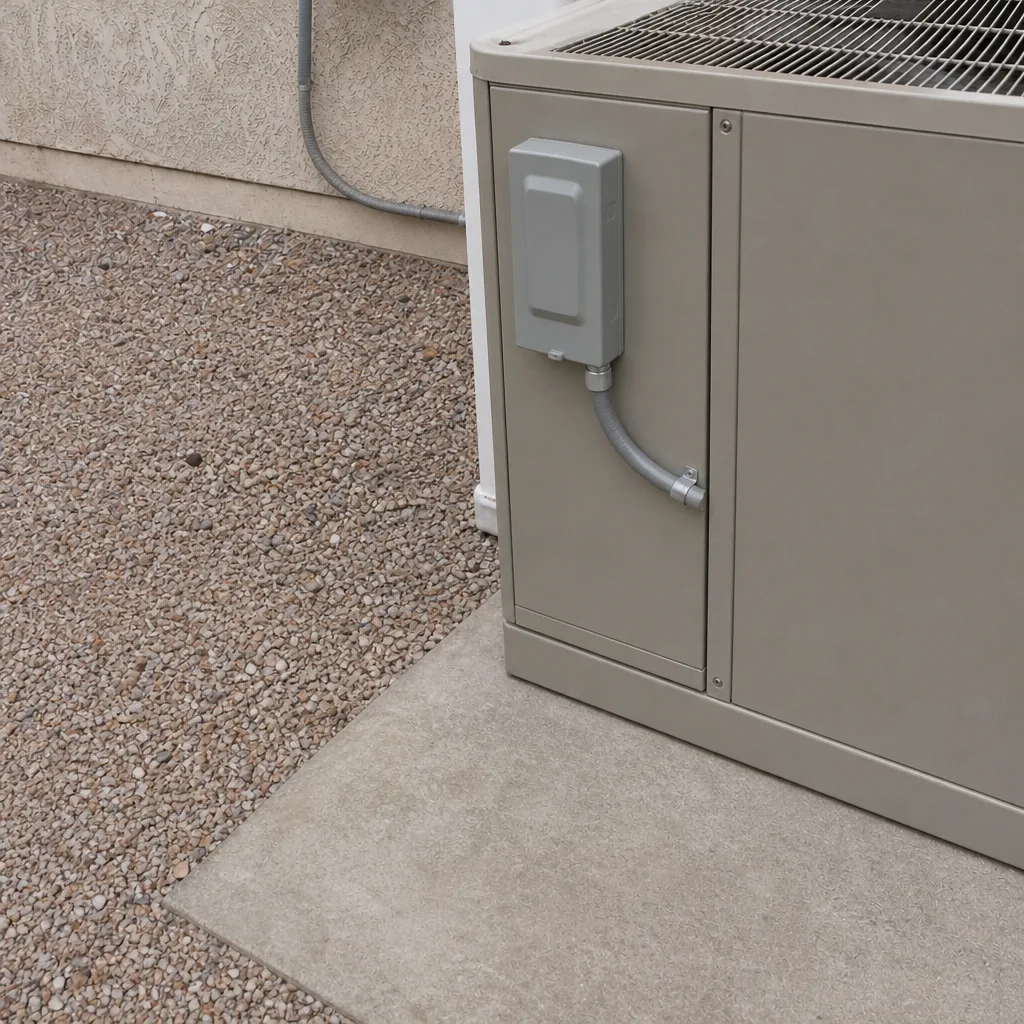
- May – first coil rinse. Wash the outdoor coil after the spring wind season. Confirm the disconnect and breaker are sound.
- June through September – filter changes every 30 to 60 days. More often if you have pets or keep windows open during dust events.
- July through September – post-storm coil inspection. After any haboob or monsoon dust storm, look at the coil before you run the system hard.
- October – end-of-season review. Note any rooms that ran warm, any odd noises, any ice you saw. Get them on a list for the off-season.
- November – heating tune-up. Combustion check, heat exchanger inspection, and a thermostat test before the first cold snap.
- December and January – monthly filter check and a listen. Ten minutes. Listen for new rattles, check for cold spots.
Print that list and put it on the inside of a utility closet door. It’s the difference between a system that gets you to replacement age and one that quits early. For the heating side of the calendar, the heating and furnace service page for Summerlin walks through what each visit should cover.
What a Technician Should Actually Verify (With Numbers)
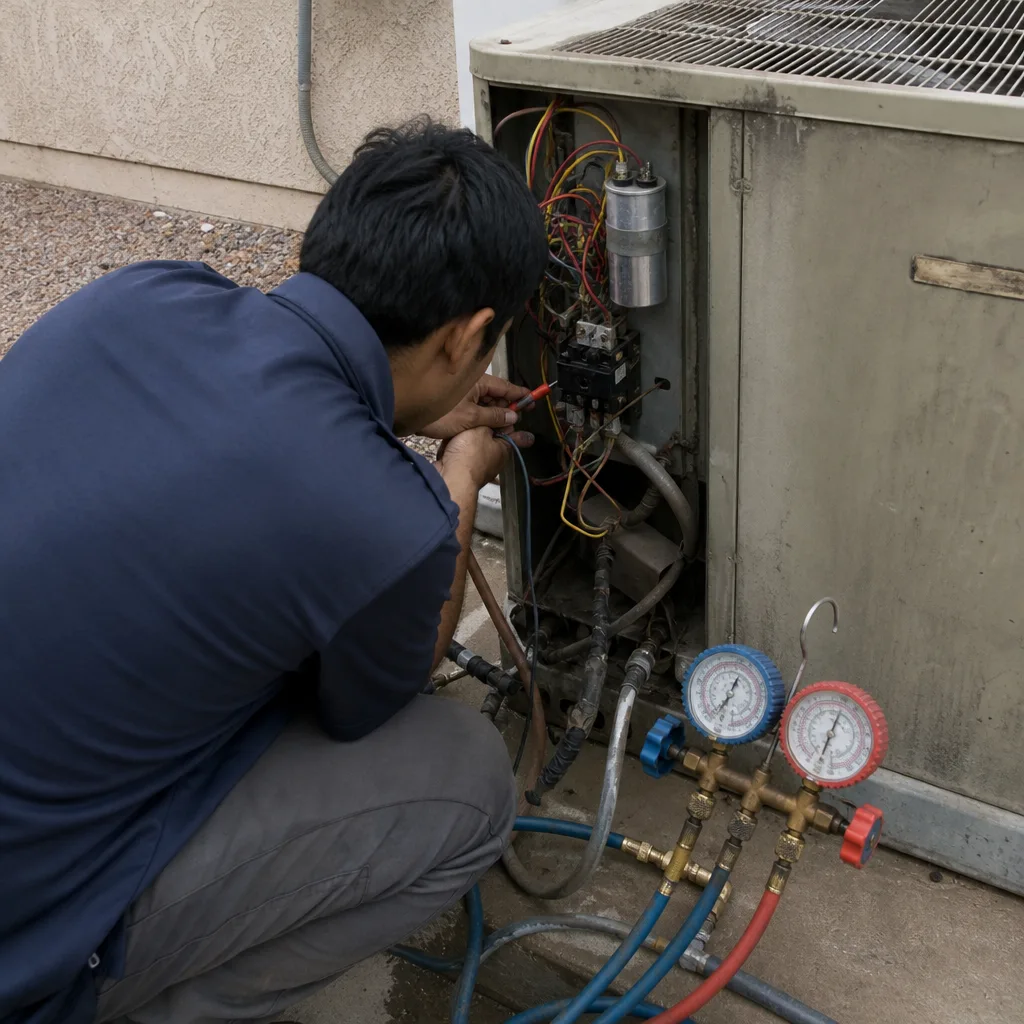
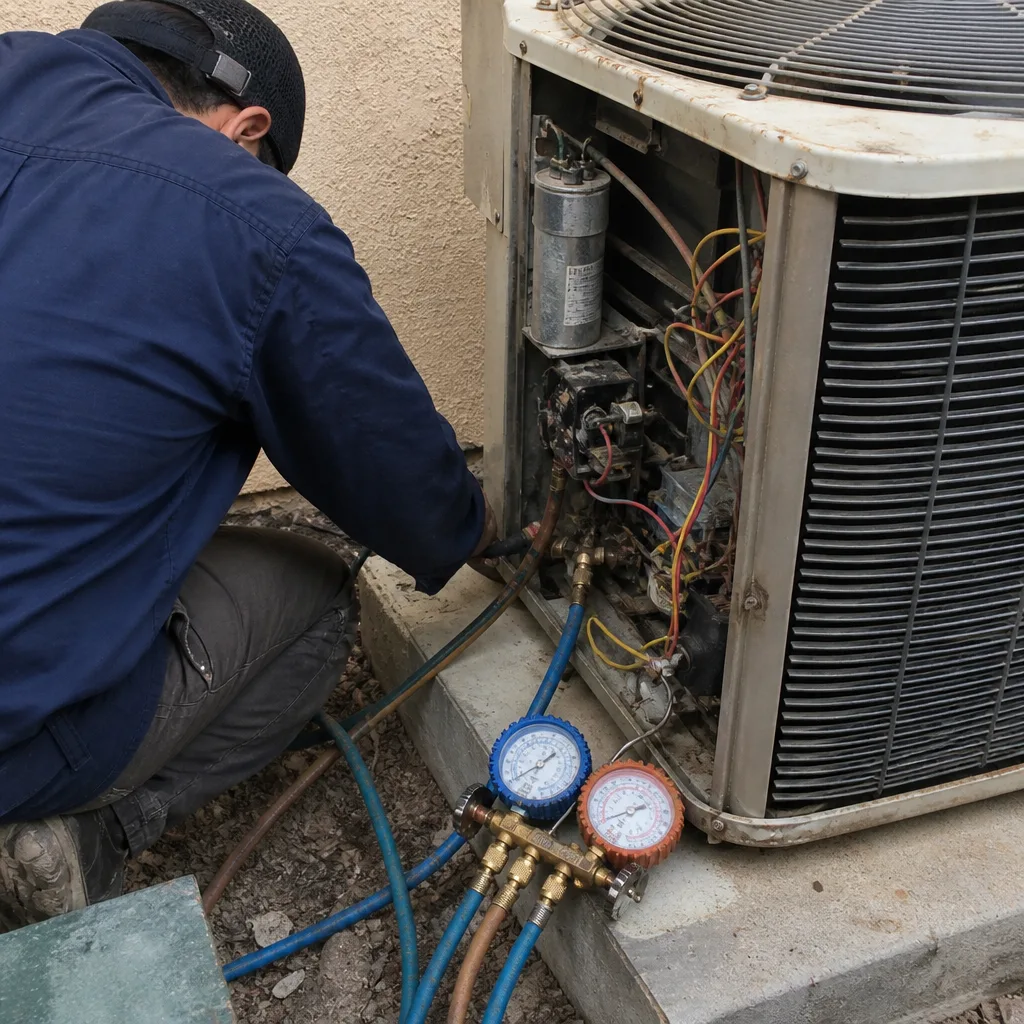
This is the section that separates a real inspection from a filter swap. A tune-up that consists of changing the filter, checking the thermostat, and handing you a bill is not a tune-up. It’s a visit. The measurable values below are what a competent technician checks with gauges and a meter, and if you’re not shown them, ask why.
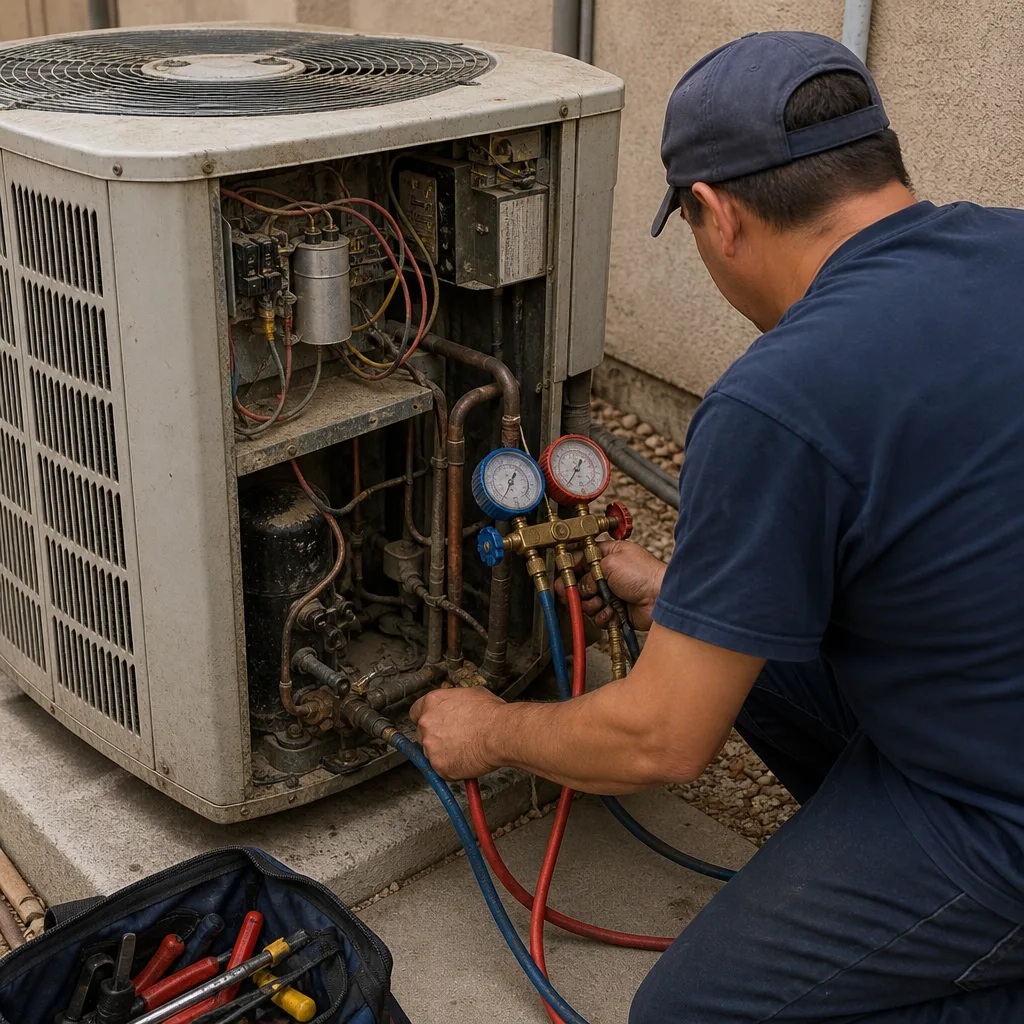
- Superheat and subcooling. These tell you whether the system has the right refrigerant charge and whether the metering device is working. Superheat applies on the suction side during fixed-orifice operation; subcooling on the liquid line. A system can “feel cold” and still be overcharged or undercharged, and both conditions shorten compressor life.
- Static pressure. Measured across the return and supply, this tells you whether the ductwork is choking airflow. Many Summerlin homes have undersized return ducts, and high static pressure quietly starves the coil, freezes it, and drives up amp draw.
- Delta-T across the coil. The temperature difference between return air and supply air. On a properly operating system in this climate you want to see a healthy split; a low split means the system isn’t removing heat the way it should.
- Motor amp draw. Compared to the nameplate rating. A blower or condenser fan motor pulling above spec is on its way out.
- Capacitor microfarad readings. Compared to rated value. Weak capacitors are the most common cause of “it just stopped cooling” calls in Summerlin.
- Condensate drain and trap. Flow-tested, not just eyeballed. A clogged drain in a Summerlin attic in July means water damage, not just a shutdown.
- Coil condition, both sides. Indoor evaporator and outdoor condenser. Clean is not the same as “looks fine from here.”
We write these readings down and leave them with you, because a number you can hold is the difference between a square deal and a sales pitch. The Fireside Heating & Air Co. Summerlin home page explains how we handle service visits, but the standard is the same everywhere: measured, documented, explained.
The Post-Haboob Coil Inspection
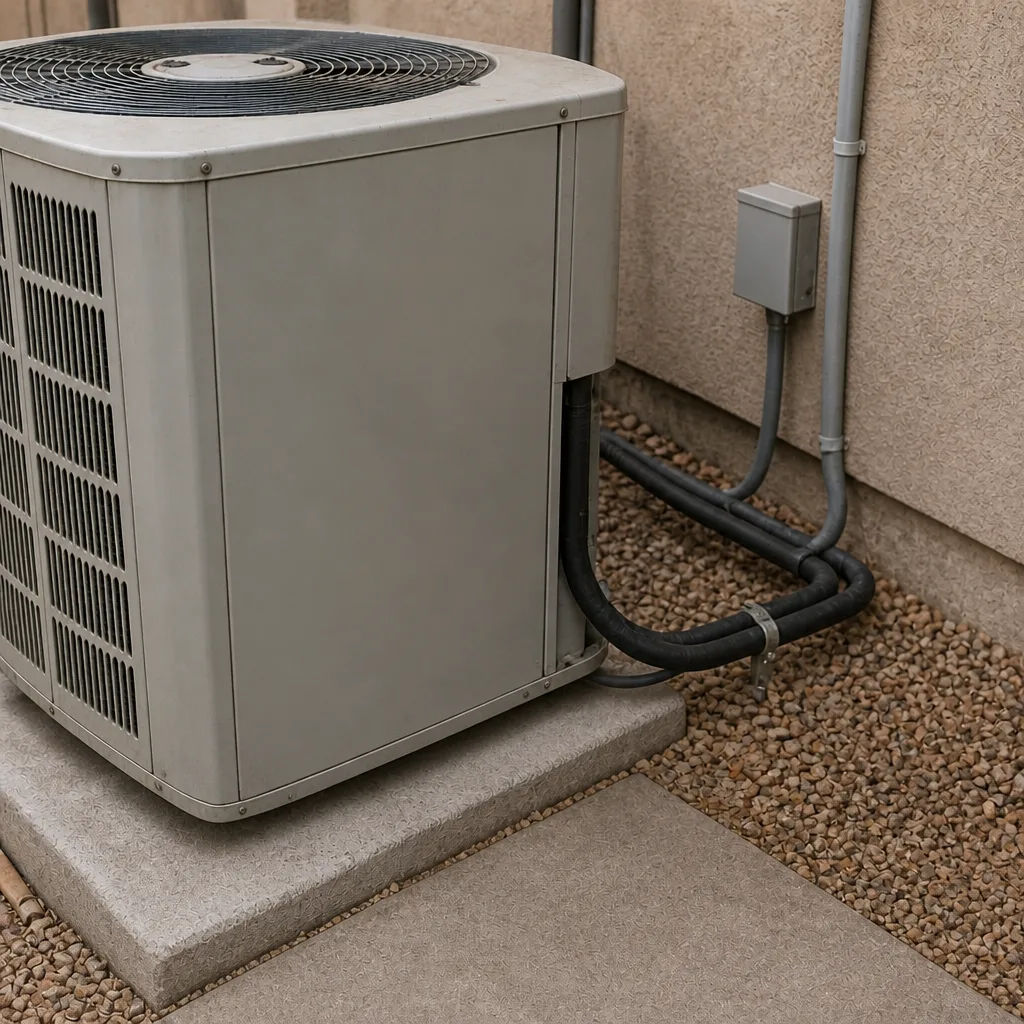
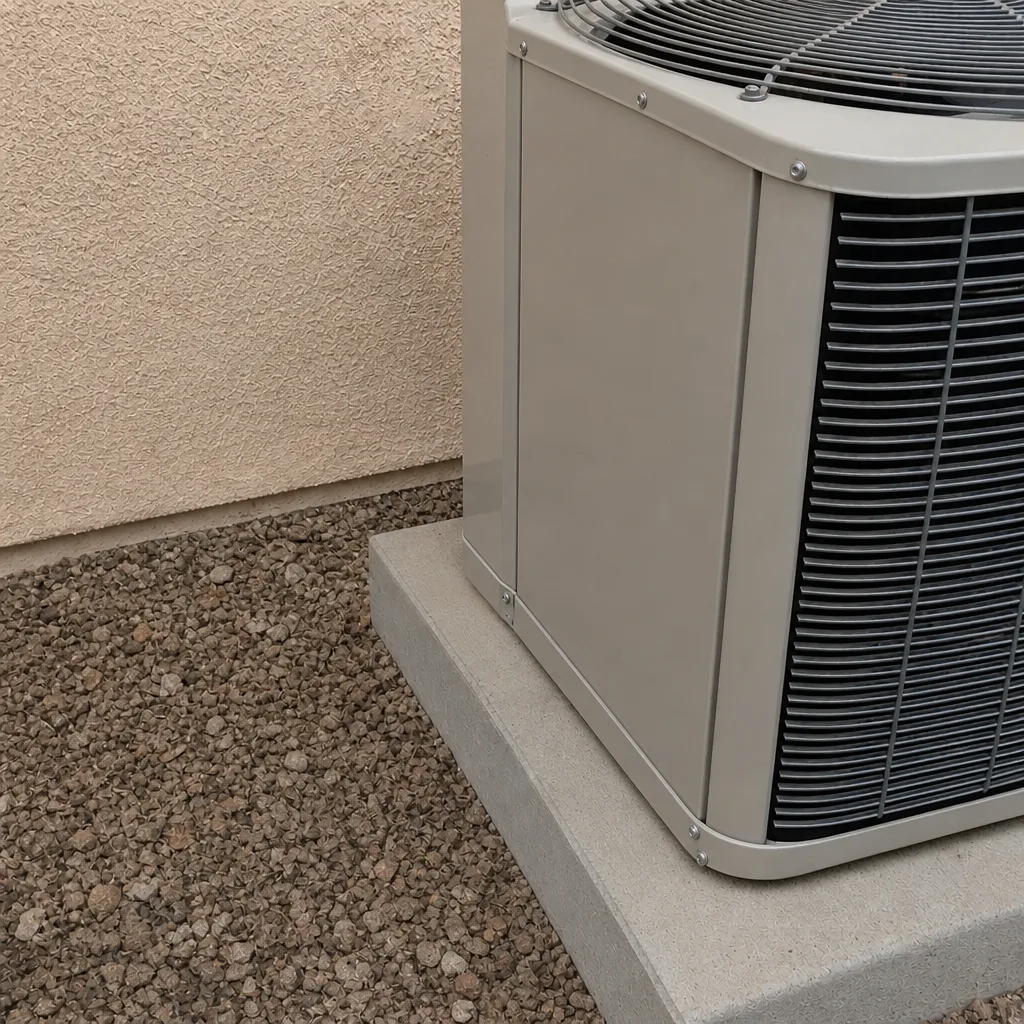
Most national maintenance guides never mention dust storms, because most of the country doesn’t have them. Summerlin does. A single strong haboob off the open desert can coat an outdoor condenser coil in a fine, tan-colored layer of dust that looks harmless and isn’t. That layer acts as insulation on the fins, and insulation on a coil is the opposite of what you want when it’s 110°F outside.
Here’s the post-storm routine, homeowner-appropriate:
- Turn the system off at the thermostat before you go outside. Don’t run a fan through a dust-caked coil.
- Look at the coil from a few feet back. If the fins look tan instead of silver, it’s fouled. If you can see daylight through the fins from the inside, it’s probably fine.
- Do not use a pressure washer. A garden hose on low pressure, from the inside out, is the right tool. High pressure bends fins and does damage a homeowner can’t undo.
- Check the area around the unit. Clear debris, tumbleweeds, and anything the wind packed against the cabinet within 2 feet.
- Call for a coil cleaning if the layer is stubborn or the system doesn’t bounce back. A proper coil cleaning uses the right cleaner and pulls the panel, which is not a homeowner job.
We see this pattern every year in Summerlin: a homeowner rides out the storm, the system “works” but never really cools the house again, and by August the compressor is laboring. Post-storm coil attention is a small task that prevents a large bill. If your system is a heat pump or a mini-split, the outdoor unit needs the same attention, covered on the heat pump and mini-split page for Summerlin.
Red-Line Thresholds: Repair Now vs. Monitor
Homeowners ask us all the time whether a reading is a problem. Here’s how we think about it. Some readings mean “watch it.” Others mean “stop running it and call.” The distinction saves compressors.
| Reading | Monitor | Repair Now |
|---|---|---|
| Delta-T across the coil | Slightly below target, system still cooling | Well below target with a warm house on a hot day |
| Suction / discharge pressure | Modest deviation, stable over time | High-pressure lockout, or pressures rising fast in heat |
| Motor amp draw | Near nameplate, trending slightly up | Clearly over nameplate, motor hot to the touch |
| Capacitor microfarads | Within a small margin of rated | Meaningfully below rated (weak start, hard starts) |
| Static pressure | Marginally high | High enough to starve the coil, freeze the line set |
Plain terms: if the house is cooling and the numbers are slightly off, monitor it and check again in a month. If the house isn’t cooling, if you see ice on the line set, if the breaker trips, or if the system is short-cycling on the hottest part of the day, stop running it. Running a system through a fault condition damages the compressor, and a compressor is the most expensive part in the system. In Summerlin in July, that’s the difference between a repair and a replacement.
Documenting Your System Baseline at Installation
Here’s a thing most homeowners never get when a system is installed: the baseline readings. When a new system goes in, a good installer takes a full set of measurements at startup. Those numbers belong to you, in writing. They’re the reference against which every future technician compares.
What should be in the paperwork:
- Model and serial numbers, indoor and outdoor units
- Refrigerant type and the charge weight recorded at startup
- Superheat and subcooling readings at commissioning
- Measured static pressure, supply and return
- Delta-T at design conditions
- Filter size and recommended change interval
Keep those pages in a folder near the furnace. When a technician three years from now reads superheat against a startup number, they know whether the charge has drifted or whether the system was set up that way from day one. Without a baseline, every reading is a guess. If you’re replacing a system and want the paperwork done right, our installation process is described on our AC repair and installation page, and we leave the baseline with you, in writing.
The February Furnace Test Most Homeowners Skip
Every February, Summerlin homeowners should walk to the thermostat and turn on the heat for 20 minutes. That’s it. The reason almost nobody does it is simple: by February, the last time you thought about the furnace was January, and if it worked then, you assume it’ll work next winter.
Here’s why it matters. A furnace that sits idle for ten months in a desert climate can develop problems quietly. Dust settles on the burners. The igniter ages. A draft inducer can seize. Seals shrink. The first cold morning of December is a bad time to discover any of it, and that first cold morning is exactly when every other Summerlin homeowner is calling.
What the 20-minute test tells you:
- Does the furnace fire on the first or second try?
- Does it heat the house within a reasonable time?
- Does it shut down cleanly, or does the blower keep running past the call?
- Do you hear anything new: a rattle, a thump, a high-pitched whine?
Any of those irregularities is worth a service call while it’s still February. If you smell gas at any point, do not troubleshoot it. Leave the house and call from outside. Gas is one of those things where the safe answer is always the professional answer.
Common Mistakes to Avoid
- Treating the filter as optional in summer. In Summerlin, a filter that’s fine in March is a restriction by June. Change it every 30 days during the cooling season if you have pets or dust blowing in.
- Playing weekend mechanic on the outdoor unit. The condenser has a capacitor that holds a charge after shutdown and a fan that can start unexpectedly. There’s no homeowner fix inside that cabinet that’s worth the risk.
- Letting the “tune-up special” stand in for a real inspection. If the tech didn’t put gauges on it, you paid for a filter. Ask to see the readings.
- Ignoring the condensate drain. In Summerlin, a plugged drain in an attic space in July means drywall damage. Flow-test it during every tune-up.
- Planting or mulching against the condenser. The unit needs 2 feet of clear air on all sides. Anything closer to it than that is a restriction.
- Running the system with ice on the line set. Ice means a fault. Turn it off, call, don’t wait to see if it “catches up.”
- Skipping the February furnace test. It is the cheapest insurance you can buy against a December no-heat emergency, and it costs you 20 minutes.
When to Call a Professional
Call a professional when the system trips the breaker, when you see ice on the refrigerant lines, when the house doesn’t cool on a day you know the system should keep up, when you smell gas or burning, or when the outdoor unit makes a sound it didn’t make last week. Also call when the thermostat reads a temperature it isn’t reaching, because that’s a cooling fault reporting itself. And call for the scheduled tune-ups: the March cooling service and the November heating service are the two appointments that keep a Summerlin system ahead of the weather. Fireside Heating & Air Co. Summerlin offers free estimates in Summerlin. Call (888) 325-9387 and a live person will answer, day or night.
See the difference
 Before
 After
 Before
 After
 Before
 After
Frequently Asked Questions
Once a year, in March, before the first 90°F day, plus filter changes every 30 to 60 days through the cooling season and an outdoor coil rinse after any major dust event. A single spring tune-up covers the gauges-and-meters inspection; the filter and coil attention is a between-visit task. Call (888) 325-9387 for a straightforward tune-up price.
A tune-up cleans and adjusts; an inspection measures and documents. You want both at the same appointment, with readings on paper. If a technician can’t show you superheat, subcooling, and static pressure, you got a tune-up without an inspection, and that’s the visit that misses the real problem. Estimates are free if you want a second opinion on what a prior visit told you.
Yes, when the quote is for anything beyond a common part. A compressor or a coil replacement is a large number, and a second set of readings is worth the visit. We offer a free second opinion on any written estimate, and we’ll tell you plainly if the first quote was fair.
If the system is under 12 years old and the fault is a capacitor, contactor, or refrigerant leak, repair. If the compressor is failing or the coil is leaking on a system past its service life, replacement is usually the better dollar decision. The delta-T and amp draw readings tell you which conversation you’re having. Call (888) 325-9387 for a straight answer either way.
Superheat, subcooling, static pressure, delta-T, amp draw, and capacitor microfarad values, plus the model and serial numbers and the filter size. If they didn’t leave numbers, ask for them. A written report is the accountability document, and you should have one after every visit.
Yes. Every job is backed by our 90-Day Done Right Promise, in writing, with no arguing and no paperwork chase. If it isn’t done right, we make it right. That’s the standard, on every call in Summerlin.
The Bottom Line
The Summerlin calendar drives everything on this list. Cool in March, filter all summer, rinse after dust, test the furnace in February, and measure what you can’t see. The readings are the part most homeowners never get, and they’re the part that separates a real inspection from a filter swap. Keep the baseline paperwork, hold the technician to the numbers, and treat the red lines as red lines. Do that and a Summerlin system earns its full life. Skip it and the July call finds you, usually on the hottest day of the year, which is exactly when you don’t want to be waiting. Call (888) 325-9387 for a free estimate – a live person answers, day or night, and the price quoted is the price paid.
Written by the team at Fireside Heating & Air Co. Summerlin.