
Last updated November 17, 2026
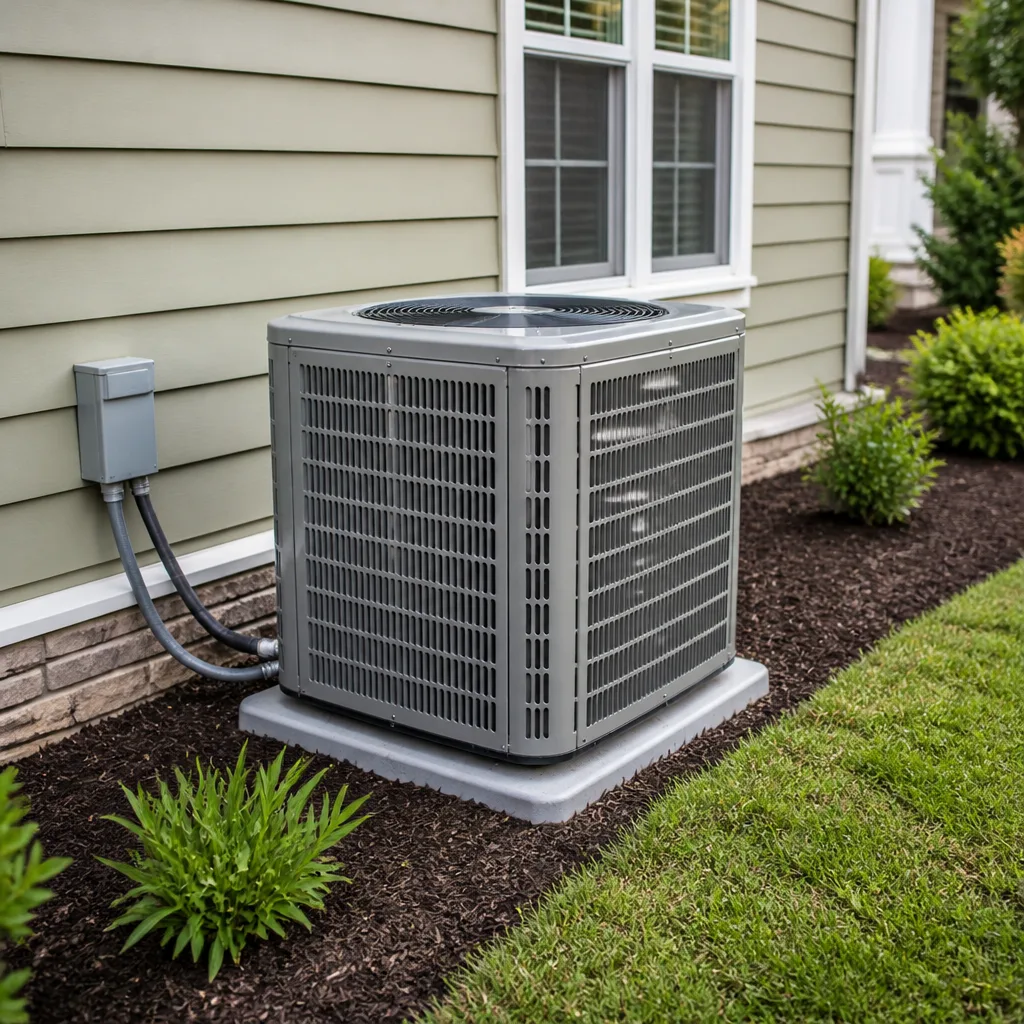 AC repair
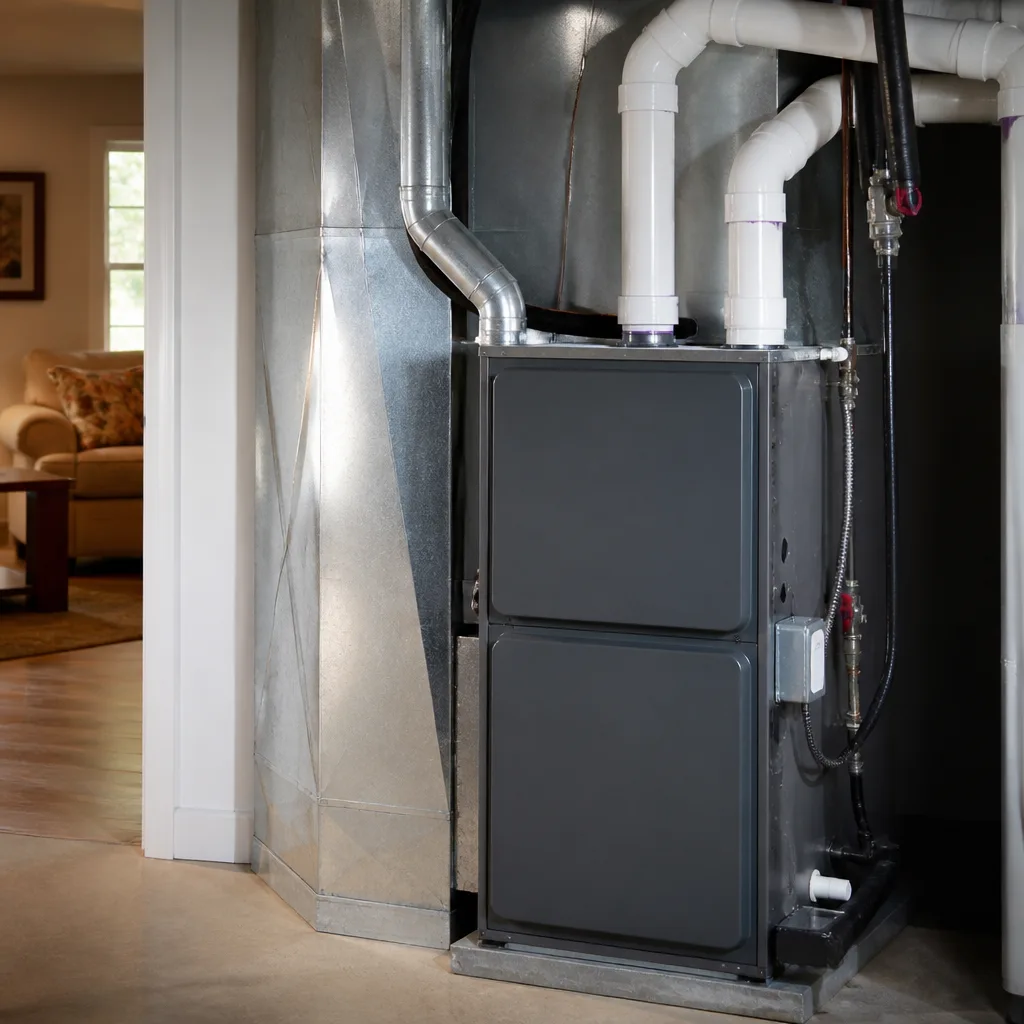 Furnace & heating
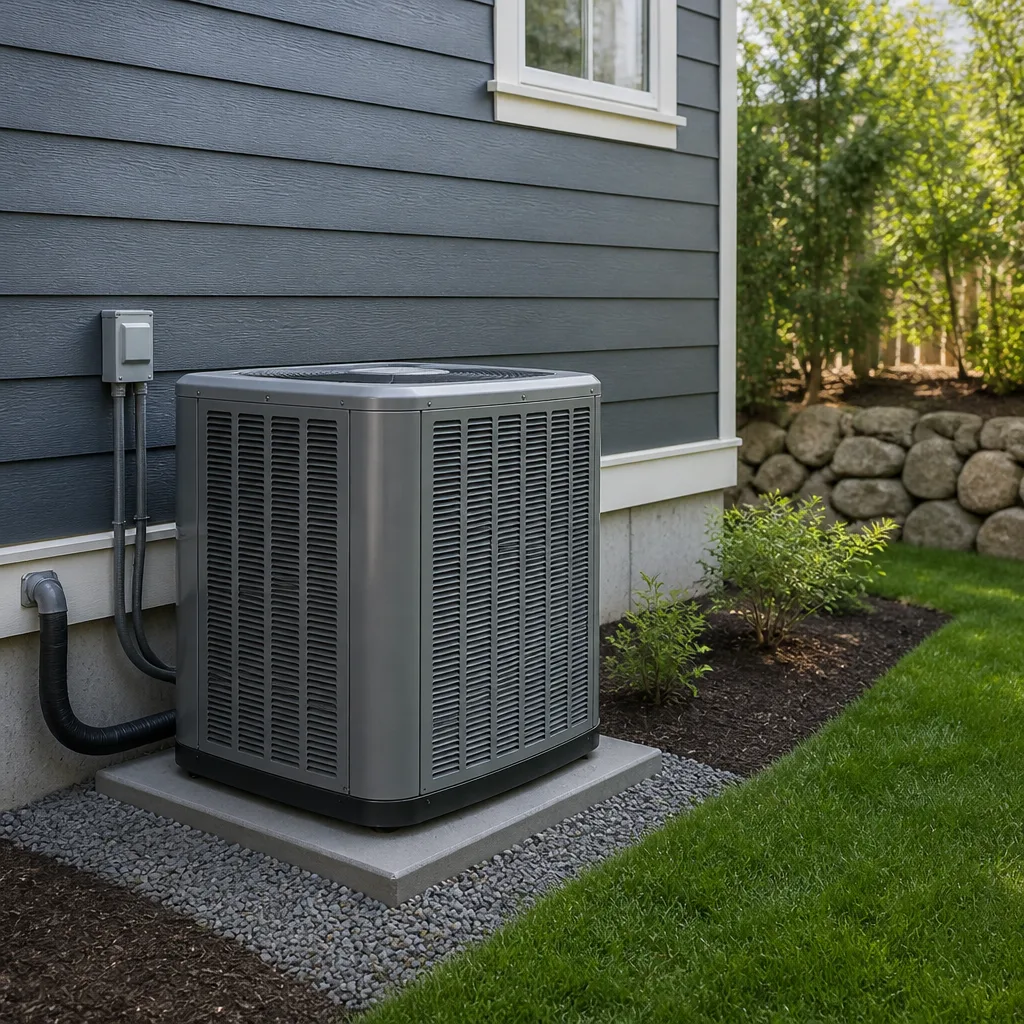 Heat pumps
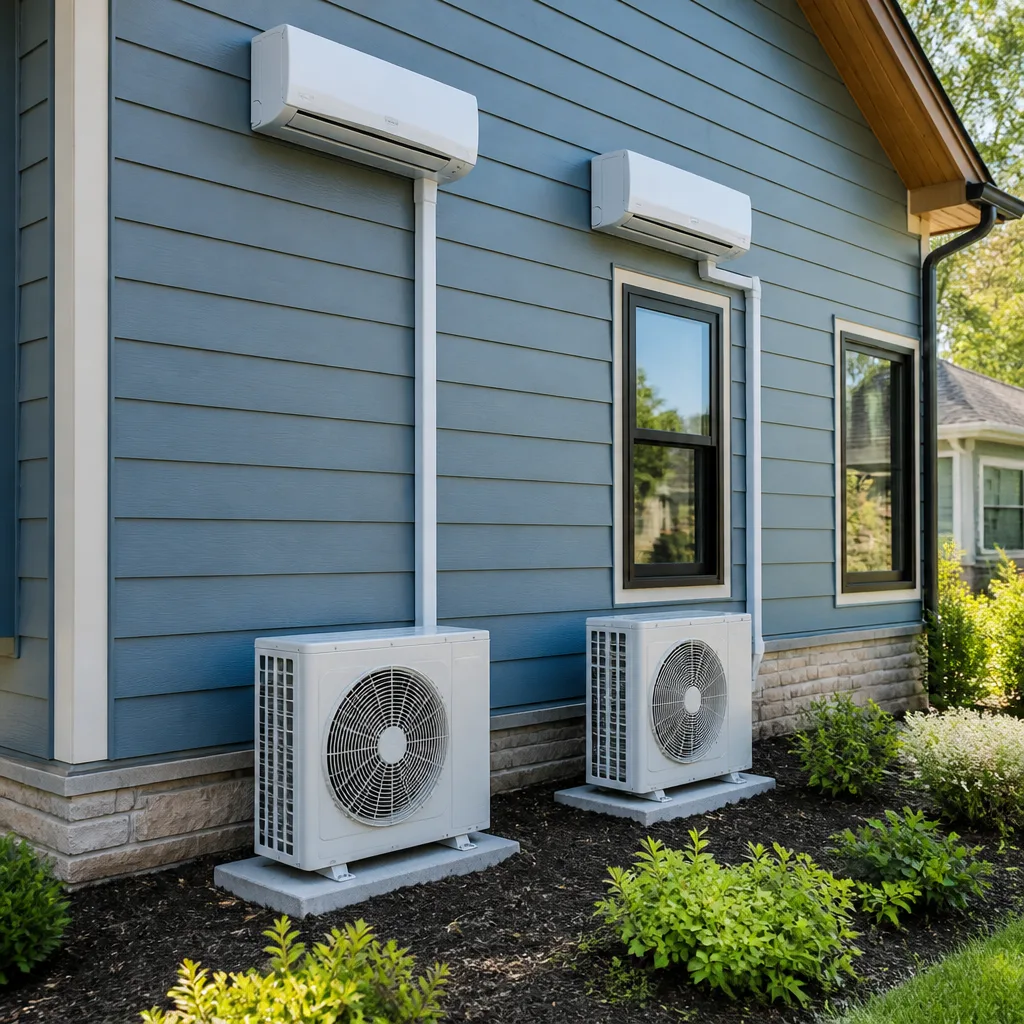 Ductless mini splits
 Carrier
 Trane
 Goodman
Seasonal tune-up and full diagnostic on your Carrier, Trane, or Goodman system - readings shown to you before any repair is proposed
Diagnosis first, numbers second - you approve the repair price before a single part goes in.
Get your free estimateEmergency & Commercial HVAC Warning Signs Every Homeowner Should Know
Increased cycling frequency is the single most reliable early warning sign of an imminent commercial HVAC failure, and almost no business owner notices it until the building stops cooling entirely. Rooftop units fail in slow motion: the pattern starts weeks before anyone feels warm air, and it hides in plain sight because nobody is watching the equipment. In Summerlin, where summer highs run past 105°F for weeks on end, that slow-motion failure runs faster than almost anywhere else in the country. This guide covers what to look and listen for, how to track it with tools you already have, and when a warning sign means a scheduled appointment versus an emergency shutdown.
Quick Answer
Commercial HVAC systems show clear warning signs two to six weeks before a major failure: more frequent cycling, rising energy bills with no usage change, unusual compressor or fan noises, weak airflow from specific vents, ice forming on the coils, and thermostats that no longer hold setpoint. The dangerous ones – burning smells, loud compressor clatter, visible refrigerant leaks, or units running hot and short-cycling in extreme Summerlin heat – need the system off and a technician on-site the same day, not a scheduled call next week.
Styles & brands we work with
- AC repair
- Furnace & heating
- Heat pumps
- Ductless mini splits
- Carrier
- Trane
- Goodman
Table of Contents
- The Vocabulary of a Failing System: What a Warning Sign Actually Looks Like
- Increased Cycling: The First Sign Nearly Everyone Misses
- Performance Warning Signs by System Type
- How to Set Up Simple Monitoring Without a Technician on Site
- Scheduled Service vs. Immediate Shutdown: Knowing the Difference
- Why Summerlin’s Heat Accelerates Every Warning Sign
- What to Tell a Technician When You Call
- Common Mistakes to Avoid
- When to Call a Professional
The Vocabulary of a Failing System: What a Warning Sign Actually Looks Like
Most commercial HVAC breakdowns do not begin with a bang. They begin with a change nobody is measuring. A rooftop unit at a Summerlin shopping center does not care whether someone is tracking its behavior – but the equipment tells you anyway, in three categories of signal.
- Behavioral change: the unit starts, runs, stops, and restarts on a different rhythm than it did last month. A packaged unit that used to cycle four times an hour starts doing it eight times.
- Performance drift: the space still cools, but the thermostat fights harder to hold setpoint. A retail floor that used to hit 72°F at 9 a.m. is at 76°F by 2 p.m.
- Audio and tactile clues: a low rumble you did not notice before, a fan bearing whine on winter startups, a mechanical room that feels noticeably hotter than it did a few weeks ago.
Any one of these alone is worth a phone call. Two together, over more than a few days, is a strong signal that deferred maintenance is about to become a difficult Monday morning. The reason commercial equipment tends to fail so dramatically is simple: a rooftop unit at a Summerlin office park runs unsupervised for six to eight hours a day and only two or three people ever touch it. Compare that to a residential system someone walks past in their own hallway every day.
Increased Cycling: The First Sign Nearly Everyone Misses
Short cycling – a system that runs in shorter and shorter intervals before shutting off – is the most reliable early warning sign of a major commercial HVAC failure, and it is the one a busy owner almost never notices. The compressor starts, runs for eight minutes, shuts off. Then it runs for six. Then four. Each of those shorter runs is the system trying to satisfy a cooling call it can no longer finish.
Short cycling shows up in a few recognizable ways. A few of the most common patterns we’ve seen across Summerlin buildings:
- The indoor fan never seems to stop – it runs continuously while the compressor cuts in and out.
- The outdoor or rooftop unit starts and stops every five to ten minutes on a day that is not unusually hot.
- A breaker in the mechanical room trips once, then starts tripping more often.
- Some rooms feel icy while others feel warm, even on the same thermostat.
Left alone, short cycling leads to compressor overheating, failed contactors, and in a Summerlin August, a locked-out system on the hottest day of the year. The good news: short cycling is almost always a fixable, scheduled-service problem if it is caught early. A low refrigerant charge, a failing capacitor, a dirty filter bank, or a control board with a bad sensor all produce the pattern – and none of those need an emergency call if you catch them at the start.
Performance Warning Signs by System Type
The early warning signs on a commercial rooftop unit look different from the signs on a split system serving a small office, and a mini-split zone or a heat pump has its own profile. Reading the right signals for the right equipment is what turns a surprise shutdown into a scheduled repair.
Packaged Rooftop Units (RTUs)
- Ice on the rooftop coil or refrigerant lines, especially on a 100°F day – a strong sign of low charge or restricted airflow.
- Hot air at the supply register instead of cool air at the start of a cooling cycle.
- Condensate pooling around the unit or dripping into the ceiling below, which usually means a clogged drain pan or a failing condensate pump.
- A belt squeal at startup that fades – a worn belt is cheap now, a snapped belt in July is not.
Split Systems and Commercial Heat Pumps
- The condenser fan runs but the compressor hums and stops – often a failing capacitor or a locked rotor.
- The reversing valve clicks repeatedly during a cooling call in the summer.
- The outdoor unit runs very hot compared to how it ran the previous season, or feels unusually cool on one side.
Zoned Mini-Split Systems
- Some zones cool well and others struggle, even on the same outdoor condenser.
- The indoor head drips water during long cooling runs, which usually means a condensate line issue.
- The head runs continuously without ever reaching setpoint on a zone that used to cool easily.
If the building runs a Daikin or Carrier rooftop unit, the service history – not just the brand – tells you whether the last issue was electrical, refrigerant, or airflow. Our Fireside Heating & Air Co. Summerlin home explains how we build that history for every customer.
How to Set Up Simple Monitoring Without a Technician on Site
You do not need a building automation system to spot an early warning sign. A few simple, repeatable checks catch the vast majority of commercial HVAC problems before they turn into emergency calls. Set them up once, and they run themselves.
- Log room temperature twice a day. Pick two or three rooms that matter most – a server closet, a walk-in cooler adjacent space, the main sales floor. Write the temp down at opening and at the hottest part of the afternoon. A drift of three degrees over two weeks is a signal.
- Track the energy bill against a baseline. Compare the same month last year. If kWh has climbed 10-15% with no change in hours or occupancy, the equipment is likely working harder than it needs to.
- Listen once a week. Walk past the condensing units or rooftop access a few minutes before opening. Anything you can hear from 20 feet away that used to require standing next to the unit is worth noting.
- Check the mechanical room temperature. A rooftop unit working harder pulls more current. A mechanical room that feels hotter than it used to often means the equipment inside is under stress.
- Log breaker trips and reset events. One trip is a data point. Two is a pattern. Three in a season is a phone call.
None of this requires a technician on site – just a clipboard or a phone note. But it gives a service call direction instead of guesswork, which shortens the visit and lowers the diagnostic time.
Scheduled Service vs. Immediate Shutdown: Knowing the Difference
The single most expensive decision a commercial HVAC owner makes is running a failing system “until it can be looked at.” Some signs are safe to schedule. Others mean the system goes off now, before the compressor destroys itself – and the difference is not subtle once you know what you are looking at.
Schedule service: short cycling without a breaker trip, ice on a coil in cool weather, a belt squeal at startup, a condensate line dripping into the pan, one zone cooling poorly while another cools fine, or a room drifted 2-3°F from setpoint over the past week. These are the signs that respond well to a scheduled service call within a few days.
Shut it down and call today: a burning smell from any vent or mechanical room, a loud compressor clatter that stops the equipment, visible frost or ice on refrigerant lines in full summer, sparks or a hot smell at the electrical disconnect, a locked compressor with a humming sound but no rotation, or water actively dripping into the ceiling or electrical equipment. In any of those cases, the system stays off until a technician is on site.
One safety note, plain and honest: refrigerant lines, high-voltage disconnects, and gas-fired rooftop equipment are not homeowner repair items. A refrigerant leak can displace oxygen in a closed mechanical room, and a reach-and-tap on a live disconnect is how people get hurt. When in doubt, shut it off at the thermostat or disconnect and call.
Why Summerlin’s Heat Accelerates Every Warning Sign
A failing commercial HVAC system in Summerlin reaches full failure faster than an identical system in a milder climate. Sustained heat above 105°F for weeks at a stretch does more than make the building uncomfortable – it makes every warning sign progress at double speed.
The reason is the relationship between heat and workload. When outdoor temperatures sit near design limits day after day, the condenser cannot reject heat as efficiently. The compressor runs longer and hotter, which stresses capacitors, contactors, and refrigerant lines. A short-cycling pattern that would take eight weeks to become a locked compressor in a coastal climate can happen in three weeks in a Summerlin July. The same is true for refrigerant leaks, which grow faster at higher pressures, and for condensate drains, which clog more quickly in the dry, dusty air.
It is also why we recommend commercial tune-ups in late spring rather than midsummer in Summerlin. A system that gets a checkup in April has a chance to be corrected before the load tests it. A system that gets checked in July is being tested for the first time on the same day it is booked for service. Older equipment, and there is plenty of it in the neighborhoods around The Ridges and Red Rock Country Club, benefits the most. For a single-family system with the same early warning signs, the same logic applies; our page on AC Repair & Installation in Summerlin covers the residential side.
What to Tell a Technician When You Call
The quality of a diagnostic call starts with what you say on the phone. Vague descriptions – “the AC is acting up” – cost you a diagnostic window. Specific ones can get a technician to the likely cause in ten minutes.
- What kind of equipment it is. Rooftop packaged unit, split system, mini-split zone, or heat pump. The brand (Daikin, Bryant, American Standard, Carrier, Trane, Lennox, Goodman, Rheem, York) helps too.
- What you noticed, when, and how it changed. “The unit used to cycle every 15 minutes. Since last Wednesday it cycles every 5.” That sequence is worth more than any single observation.
- Whether the breaker has tripped, and how many times.
- Any sounds, smells, or water you can describe. A burning smell, a click at the contactor, a drip into the ceiling, a fan noise – say it plainly.
- The temperature comparison. What the thermostat reads, what the room actually feels like, and what setpoint the system is trying to reach.
- Whether the problem is limited to one zone or affects the whole building. This alone often points to the outdoor unit versus an air handler.
The reason this matters: a technician who knows the compressor is short-cycling on a 105°F afternoon will arrive with a gauge set and a capacitor tester, not a fully-loaded truck and a guess. It saves diagnostic time, and it lets the office decide whether the call is best handled as a scheduled visit or a same-day, no-cooling emergency.
Common Mistakes to Avoid
- Ignoring a rising energy bill. A 15% kWh climb in Summerlin with no change in hours or occupancy almost always means a compressor or condenser working harder than it should. Waiting for it to “level off” wastes expensive diagnostic time.
- Resetting the breaker “one more time.” A rooftop breaker that trips twice in a season is telling you something is failing. The third trip is often the one that takes out the compressor.
- Running the system with ice on the coil or refrigerant lines. Ice in a Summerlin July is a strong signal of low refrigerant or restricted airflow, and running through it damages the compressor.
- Skipping the spring tune-up. A commercial system tested in April has a chance to be corrected. A system tested for the first time in July is discovered on the day it is already failing. The Heating & Furnace in Summerlin page covers the fall version of the same advice.
- Calling the cheapest number off a search ad. A diagnostic call that ends with a hard upsell is not cheaper than a straight diagnosis. Ask for the price quoted in writing before the technician starts.
- Assuming “it’s still cooling, so it’s fine.” Most commercial HVAC emergencies are systems that were cooling at reduced capacity for weeks before they stopped. The failure is not the first day it stops – it is the last day it limped along.
- Not keeping a service log. The single most useful thing you can hand a technician is the last three service dates and what was found. Without it, every diagnosis starts from scratch.
When to Call a Professional
Call us the same day when any of the following happens: the system short-cycles more than four times in an hour, a breaker trips twice in one week, ice forms on the coil or refrigerant lines during Summerlin summer heat, the mechanical room smells hot or has visible water intrusion, or the indoor temperature drifts more than four degrees from setpoint with the fan still running. For commercial rooftop equipment, the same thresholds apply, and we treat a no-cooling call on a 105°F Summerlin afternoon as a priority – a down system in that heat is a health risk and a business interruption at the same time.
If the equipment is still cooling but the pattern is off, schedule a non-emergency visit – a system caught early is almost always a scheduled repair, not an emergency. Fireside Heating & Air Co. Summerlin offers free estimates in Summerlin – call (888) 325-9387. We answer the phone with a live person, day or night, and the price quoted is the price paid.
See the difference
 Before
 After
 Before
 After
 Before
 After
Frequently Asked Questions
Increased cycling frequency – a rooftop unit that starts and stops in shorter and shorter intervals – is the earliest reliable sign, and it typically shows up two to six weeks before a full failure. Track the cycle pattern for a week. If the intervals are shortening, schedule a diagnostic call before the next hot spell, not after. Call (888) 325-9387 and we’ll get you on the schedule.
There is no single temperature that says “shut it off,” but if the outdoor temperature has been above 105°F for several consecutive days and the system is short-cycling, tripping breakers, or running with ice on the coil, it needs to come off until a technician sees it. Running through that symptom set is how a $400 capacitor becomes a $4,000 compressor replacement. Call (888) 325-9387 – we answer 24/7, including the 2 a.m. no-cooling call.
Yes – more so in Summerlin than most places, because sustained heat turns small issues into equipment failures faster. A tune-up in late spring catches the belt, capacitor, and refrigerant-charge problems before the load tests them. Our seasonal tune-up is $89, and we leave a written report of what we actually found. Call (888) 325-9387 to schedule.
Turn the system off at the thermostat and the breaker, evacuate anyone in the immediate area, and call for service. A burning smell from a vent, mechanical room, or rooftop unit can mean dust on a heat strip, a failing motor winding, or an electrical fault – none of which are problems to “wait and see” on. In Summerlin a burning smell at a sealed rooftop unit is rarely a benign dust issue. Call (888) 325-9387 and describe where the smell is strongest.
Short cycling by itself is a repair, not a replacement – the usual culprits are a failing capacitor, a low refrigerant charge, or a dirty coil. Replacement only makes sense when the compressor is failing repeatedly and the unit is beyond its serviceable life, and even then the decision should follow a second opinion, not a first quote. Fireside offers a free second opinion on any written estimate. Call (888) 325-9387 for both.
Yes. We service commercial rooftop units, split systems, heat pumps, and mini-splits regardless of who installed them, and our technicians are trained on Daikin, Bryant, American Standard, Carrier, Trane, Lennox, Goodman, Rheem, and York equipment. If the system has been limping along on a band-aid fix from someone else, we’ll diagnose the real cause and tell you plainly. Call (888) 325-9387 for a free estimate – the price quoted is the price paid.
The Bottom Line
Commercial HVAC failures do not surprise you – they wait for you to notice. Short cycling, a rising energy bill, ice on a coil in summer, a breaker that trips twice, a room drifting from setpoint: those are the signals that appear two to six weeks before a shutdown. In Summerlin, that window is shorter because the heat compresses the timeline. The best time to call is while the system is still cooling. If you notice the pattern, check the equipment type, look at the breaker, and describe what you would tell a neighbor – then call. For a residential heat pump or mini-split with the same early warning signs, our Heat Pump & Mini Split in Summerlin page walks through what to check before service. Fireside Heating & Air Co. Summerlin backs every repair with the 90-Day Done Right Promise – done right, or we make it right, in writing.
Call Fireside Heating & Air Co. Summerlin at (888) 325-9387 for a free estimate today. Every call is answered by a live person, 24 hours a day. Our technicians have up to 8 years of experience, they’re trained on Carrier, Trane, Lennox, Goodman, Rheem, York, Daikin, Bryant, and American Standard equipment, and they’ll leave you with a written report of what they actually found.
Written by the team at Fireside Heating & Air Co. Summerlin.