
Last updated November 17, 2026
 Heat pumps
 AC repair
 Furnace & heating
 Ductless mini splits
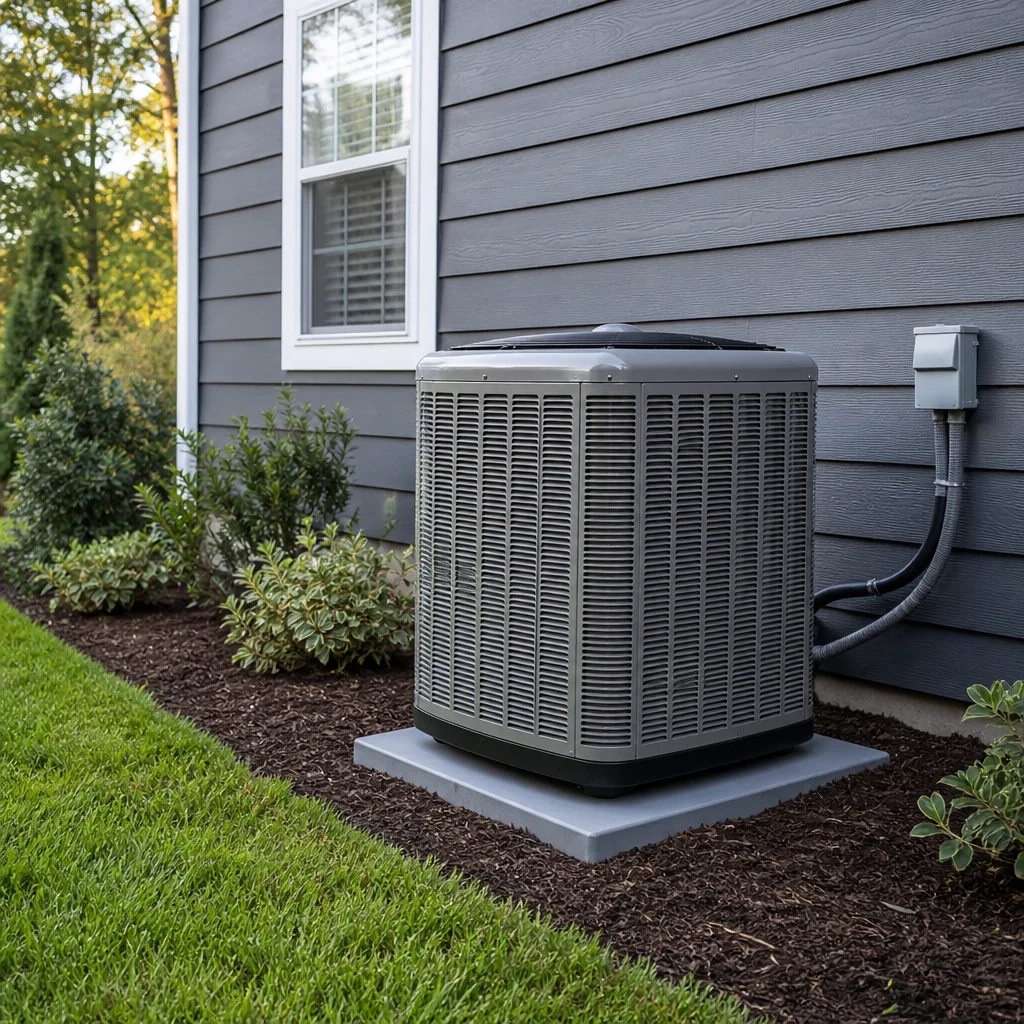 Carrier
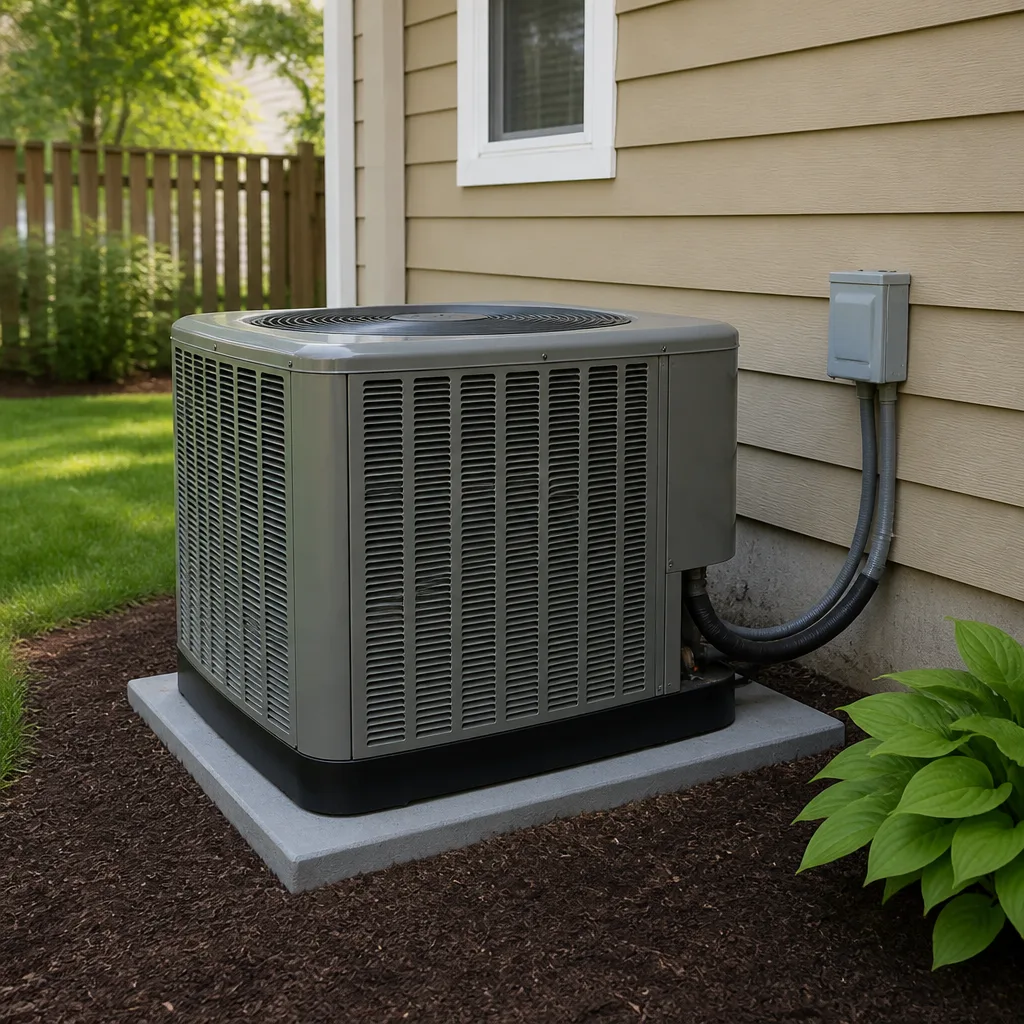 Trane
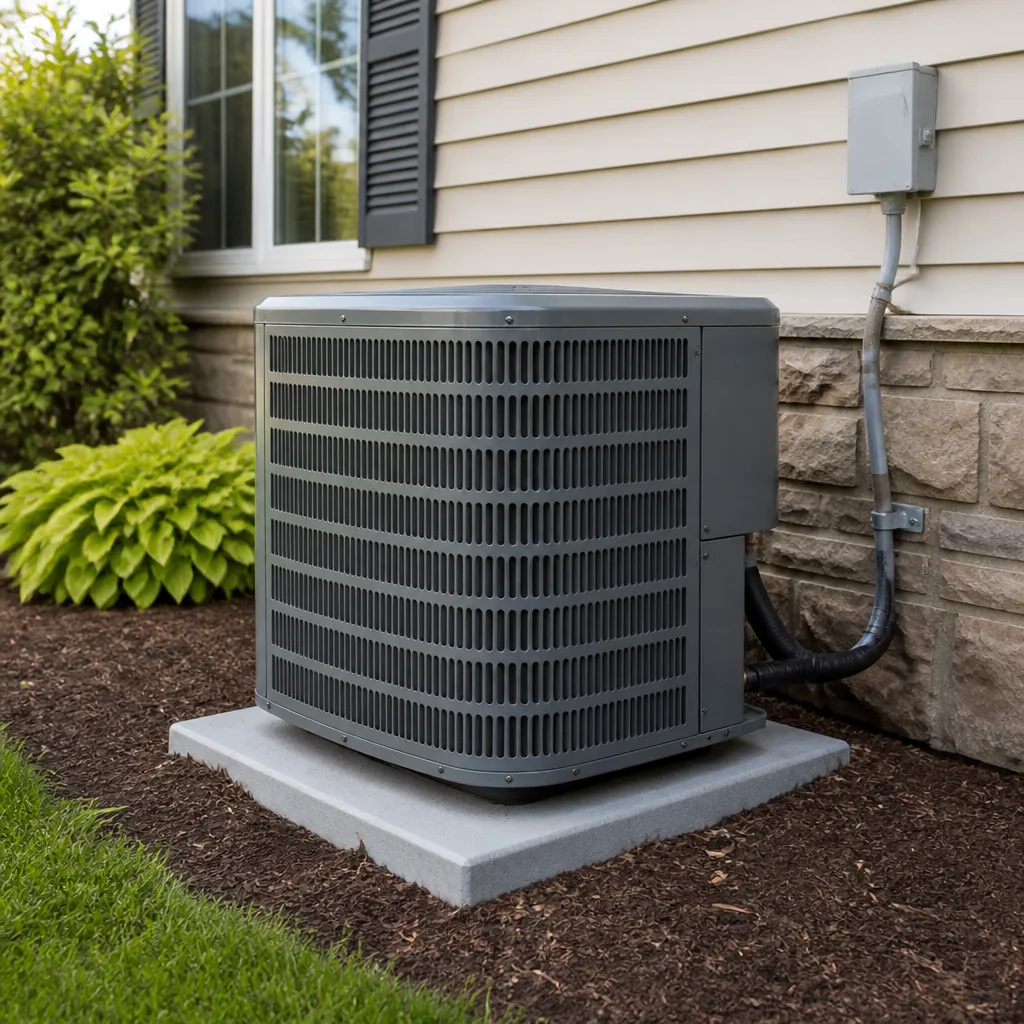 Goodman
Seasonal tune-up and full diagnostic on your Carrier, Trane, or Goodman system - readings shown to you before any repair is proposed
Diagnosis first, numbers second - you approve the repair price before a single part goes in.
Get your free estimateHeat Pump & Mini Split Maintenance Schedule: What to Do and When
Mini split manufacturers design filter cleaning intervals around roughly 250 hours of operation per month. A Summerlin unit running through July and August hits that number in about ten days. That single fact changes everything about what “monthly maintenance” means here. The printed schedule in your owner’s manual was written for a national average that assumes mild summers and moderate dust. Our corner of the Mojave delivers neither. Run the standard cadence out here and your equipment spends its life breathing through a clogged filter, working harder, and aging faster than its rated lifespan suggests. What follows is a maintenance calendar built for Summerlin’s actual seasons, not a generic one.
Quick Answer
Clean or rinse your mini split filters every week during June, July, and August, and every two to three weeks the rest of cooling season. Schedule a professional coil cleaning and full system check in March before the heat arrives, and again in late October before heating season. Flush the condensate line monthly during summer and have the electrical connections and refrigerant pressures verified once a year. In Summerlin’s dust and temperature swings, that annual professional service is the floor, not the ceiling.
Styles & brands we work with
- AC repair
- Furnace & heating
- Heat pumps
- Ductless mini splits
- Carrier
- Trane
- Goodman
Table of Contents
- The Summerlin Month-by-Month Maintenance Calendar
- Filter Cleaning: Why Weekly Beats Monthly in Peak Summer
- Outdoor Coil Cleaning for Desert Dust and Cottonwood Season
- Flushing the Condensate Line on a Mini Split
- The Refrigerant Pressure Check (And Why It Is Not a DIY Task)
- The Electrical Connection Inspection Nobody Puts in the Manual
- Switching to Heating Mode: The November Transition
- Common Mistakes to Avoid
The Summerlin Month-by-Month Maintenance Calendar
Summerlin’s climate runs on a different clock than most of the country. We get a short, mild spring, a brutal stretch from June through September, and a heating season that catches people off guard in late November. A maintenance calendar that works here has to follow that rhythm. Here is the schedule we recommend to homeowners across The Ridges, Red Rock, and Sun City Summerlin.
- March – pre-cooling startup. Book a full professional service before the first hot week. Filters cleaned, coils rinsed, condensate line flushed, electrical connections checked, refrigerant pressures verified. This is the single most important appointment of the year.
- April and May – dust season attention. Check filters every two weeks. Wind events kick up fine particulate that clogs filters fast.
- June, July, August – peak load. Weekly filter checks. Monthly condensate flush. Watch for any change in cooling performance or unusual noise.
- September – late-summer review. Filters back to every two weeks. Note any issues that surfaced over the summer so they can be addressed before heating season.
- October – pre-heating service. Second professional appointment of the year. Heating mode gets tested, reversing valve checked, defrost cycle verified.
- November through February – heating season. Filters every two to three weeks. Watch outdoor unit for ice buildup during cold snaps.
That is six touchpoints across the year. Two of them require a trained technician. The rest are owner tasks that take ten minutes each. Skipping any of them shortens equipment life. For a deeper look at how heat pumps and mini splits perform specifically in our climate, see our Heat Pump & Mini Split in Summerlin page.
Filter Cleaning: Why Weekly Beats Monthly in Peak Summer
The filter is the cheapest part of your system and the most consequential. A clogged filter restricts airflow. Restricted airflow drops the coil temperature. A cold coil pulls moisture out of the air faster than the drain can carry it away, and now you have a frozen coil and a system that stops cooling on the hottest day of the year. In Summerlin, that sequence plays out every July.
The math is straightforward. A mini split running hard in 110-degree heat pushes far more air through its filter than the same unit running in a mild climate. More air, more dust captured. Our desert air carries fine particulate year-round, and cottonwood season in spring adds a burst of larger debris. The filter loads up in days, not weeks.
Here is what clean filter maintenance looks like:
- Weekly in June, July, and August. Pull the filter, rinse it under lukewarm water from the clean side, let it dry fully, and reinstall. A wet filter invites mold.
- Every two weeks in April, May, September, and October. Same process.
- Every three weeks in winter. The unit runs less, so the filter loads slower.
- After any dust storm or high-wind event. Check immediately, regardless of the calendar.
Never run the unit without the filter in place, even for a few minutes. Dust that reaches the indoor coil is far harder to remove than dust trapped in a filter. If you’re unsure whether your filter is still serviceable, hold it up to a light. If you can’t see through it clearly, replace it. Our team handles filter and coil service on every brand we work with, from Daikin and Bryant to Carrier and American Standard.
Outdoor Coil Cleaning for Desert Dust and Cottonwood Season
The outdoor coil on a mini split is a fin-and-tube heat exchanger, and in Summerlin it lives in a dust bath. Fine desert particulate coats the fins, cottonwood fluff packs into the gaps in spring, and by midsummer the coil is trying to reject heat through an insulating blanket. Cleaning it correctly matters, and cleaning it incorrectly can bend fins or drive water into places it doesn’t belong.
Here is the procedure a trained technician follows:
- Power the unit down at the breaker. Not just the remote. The outdoor unit holds capacitors that stay charged.
- Remove surface debris first. A soft brush or vacuum lifts loose dust and cottonwood before any water is introduced. Never use a pressure washer or a high-pressure nozzle.
- Rinse with a gentle garden hose spray, top to bottom. Water pressure matters. Too much bends the fins flat and reduces the coil’s surface area permanently. Too little leaves the dust in place. A moderate fan spray from a standard hose nozzle is right.
- Use a coil cleaner only if the buildup warrants it. A dedicated foaming coil cleaner lifts embedded grime, but it has to be rinsed thoroughly. Residual cleaner attracts more dust.
- Let it dry completely before restoring power. Water in the electrical compartment is a problem.
What not to do: don’t aim water at the electrical box, don’t use a wire brush on the fins, and don’t skip the rinse. In our experience, most coil damage we see in Summerlin comes from a homeowner being too aggressive, not too lazy. If the coil is badly packed with cottonwood or the fins are already bent, that’s a job for a technician with a fin comb and the right cleaner.
Flushing the Condensate Line on a Mini Split
Mini splits handle condensate differently from central systems. Instead of a single drain pan and a long PVC line running to a floor drain, most mini split heads have a small internal pan and a short, narrow drain line that exits through the wall. That line is more prone to clogging than a central system’s drain, and in a dusty desert environment it clogs faster.
What happens when it clogs? Water backs up into the indoor unit. It drips down the wall, stains drywall, and can reach the electronics inside the head. A water-damaged mini split head is an expensive repair that a two-minute flush prevents.
Here is the owner-level flush:
- Locate the drain line exit point outside, usually a small PVC stub or flexible tube near the outdoor unit.
- With the system off, use a wet/dry vacuum on the outdoor end to pull any loose debris through.
- If you have access to the indoor pan, pour a cup of distilled water mixed with a little white vinegar into the pan and watch it drain. It should flow freely.
- If water backs up or drains slowly, stop and call a technician. Do not force it.
Flush monthly during summer. If you notice any moisture around the indoor head or water stains on the wall below it, that’s a sign the line is already partially blocked. Our technicians handle condensate line clearing on every service call. For help with cooling problems that may stem from a blocked drain, see AC Repair & Installation in Summerlin.
The Refrigerant Pressure Check (And Why It Is Not a DIY Task)
Refrigerant is a closed-loop system. A properly installed and undamaged mini split should never need refrigerant added. If yours does, that means there’s a leak, and adding refrigerant without finding and fixing the leak is a temporary patch that will fail again.
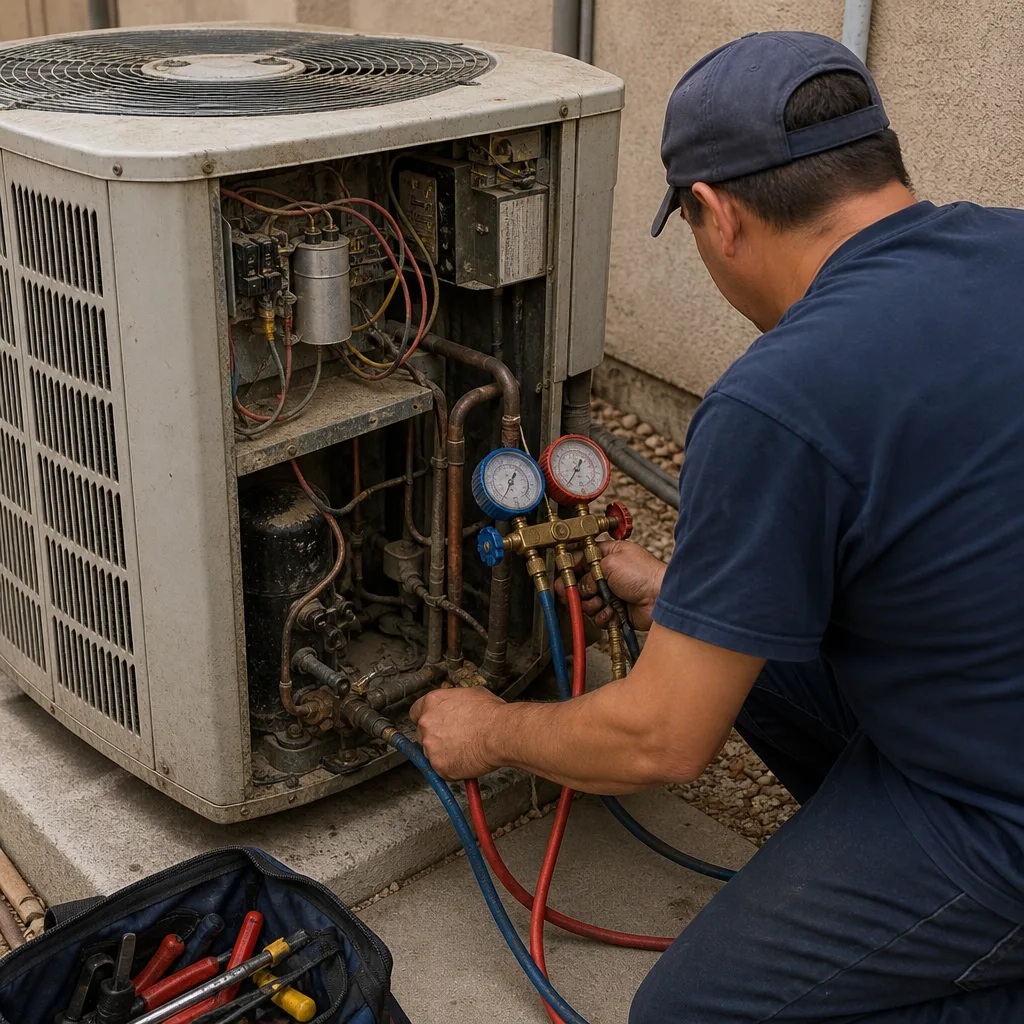
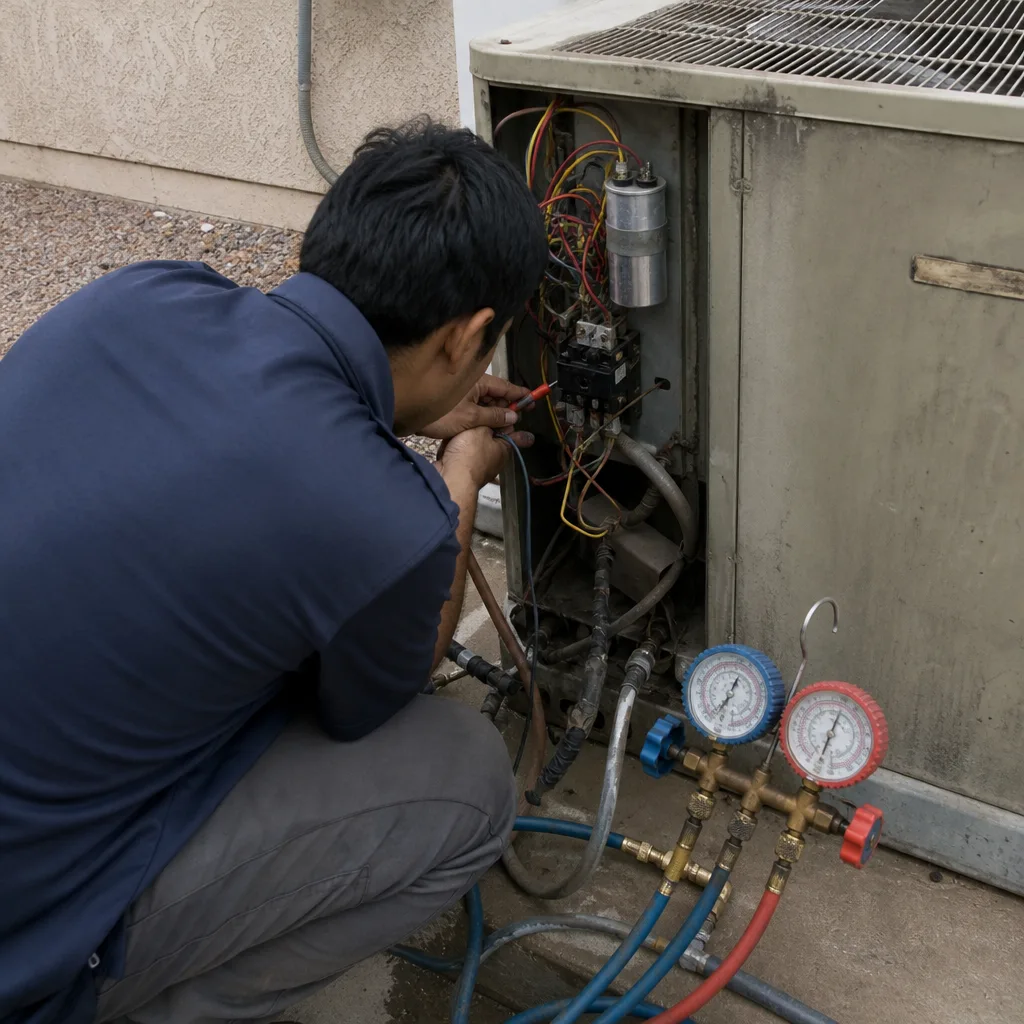
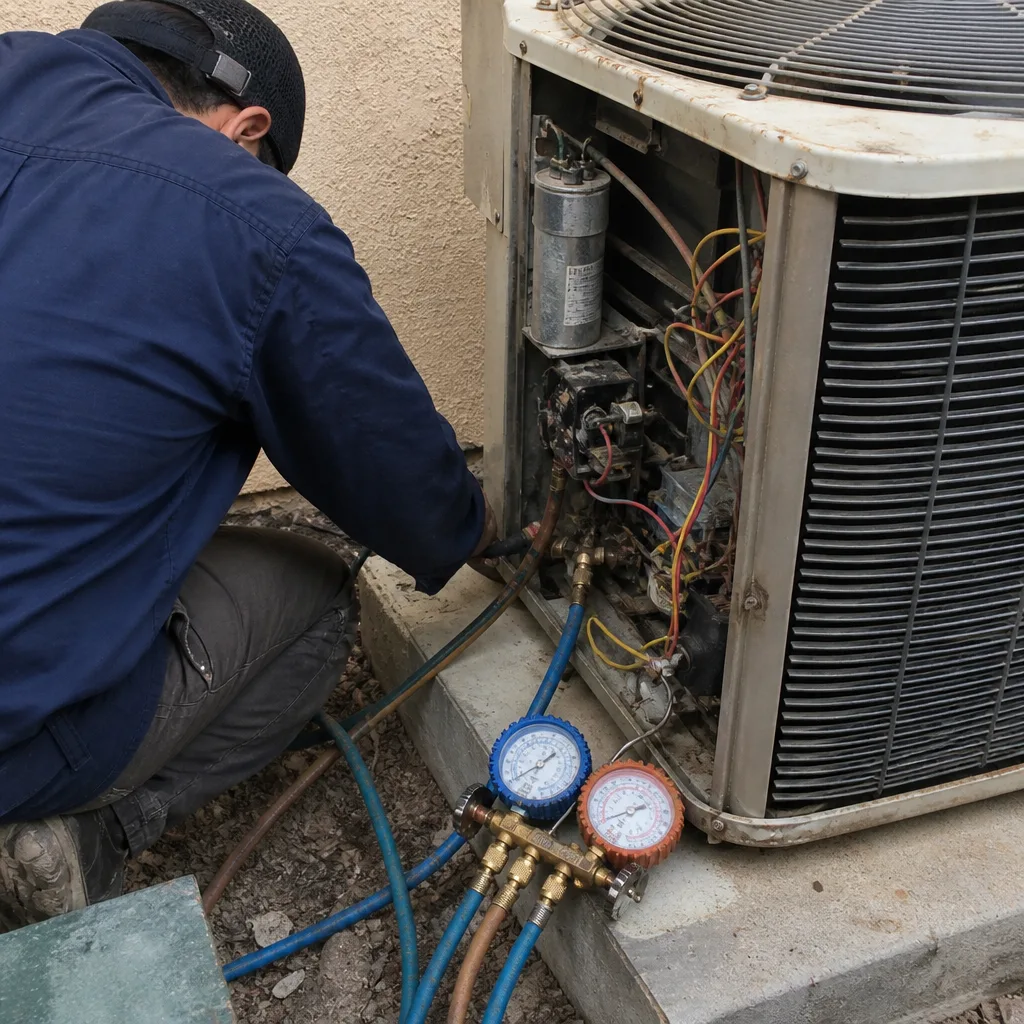
What the pressure check actually does: a technician connects gauges to the service ports and reads the system’s high and low side pressures. Those readings, compared against the outdoor temperature and the manufacturer’s specifications, tell us whether the system is operating correctly, low on charge, or overcharged. It also reveals whether the compressor is working harder than it should.
Why it’s not a DIY task: refrigerant handling requires EPA certification. Releasing refrigerant to the atmosphere is illegal, and the pressures involved are dangerous. More importantly, a pressure reading alone doesn’t diagnose the problem. A trained technician reads pressures alongside superheat and subcooling values to determine what’s actually happening.
How often should this happen? Once a year, during the March or October service visit. If a Daikin, Bryant, or American Standard system is properly installed and undamaged, that annual check should show normal pressures every time. If the technician finds low pressure, the job is to find the leak, not just top it off.
The Electrical Connection Inspection Nobody Puts in the Manual
Flip through the maintenance section of any mini split owner’s manual and you’ll find filter cleaning, coil cleaning, and maybe a note about condensate. You will not find a word about electrical connections. That’s an oversight, because loose or corroded electrical connections are one of the most common causes of mini split failure, and they’re a genuine fire risk.
What the inspection covers:
- Terminal tightness. Screw terminals loosen over time from thermal cycling. A loose connection creates resistance, and resistance creates heat.
- Wire condition. Insulation cracks and wire ends corrode, especially in a hot, dry climate.
- Capacitor health. Capacitors degrade with age and heat. A failing capacitor causes the compressor or fan to struggle or stop.
- Contactor and relay inspection. Pitted contacts cause intermittent operation that’s hard to diagnose later.
- Grounding verification. Ensures the safety ground is intact.
This inspection belongs on every annual service for a system in Summerlin. Desert heat accelerates the degradation of electrical components faster than the national average. A connection that would hold up in a mild climate for a decade can loosen in half that time here.
Switching to Heating Mode: The November Transition
Summerlin’s cold snaps arrive fast. A system that ran fine all summer can sit idle for weeks and then fail the first cold morning, usually because nobody tested heating mode before the weather turned. Your heat pump’s heating function involves a reversing valve, a defrost cycle, and a different set of pressure readings from cooling. All of it needs a test run before you need it.
The October professional service handles this. A technician switches the system to heat, verifies the reversing valve shifts cleanly, watches the defrost cycle operate, and confirms the auxiliary heat (if equipped) engages when it should. For mini splits, this is also the moment to check the outdoor unit’s base pan and confirm it drains properly.
For a complete look at how heating systems behave in our climate, see our Heating & Furnace in Summerlin page. Homeowners in Sun City Summerlin and The Ridges who heat primarily with a heat pump should prioritize this October appointment. Waiting until December means waiting in line behind everyone else whose system failed in the first cold week.
Common Mistakes to Avoid
- Following the national maintenance schedule. A “clean filters monthly” instruction written for a moderate climate leaves a Summerlin unit gasping by the second week of July. Adjust the calendar to the desert, not the manual.
- Pressure-washing the outdoor coil. High pressure flattens the aluminum fins and permanently reduces cooling capacity. A garden hose with moderate spray is correct.
- Running without a filter “just to test it.” Even a few minutes of unfiltered operation sends fine dust into the indoor coil, where it’s hard to remove and hard on the blower.
- Ignoring the condensate line until it drips. By the time you see water on the wall, the line has been partially blocked for weeks. Flush it monthly in summer.
- Topping off refrigerant without finding the leak. A closed system doesn’t use refrigerant. If it’s low, there’s a leak, and it needs to be found and repaired.
- Skipping the electrical inspection because it’s not in the manual. Loose connections are a fire risk and a leading cause of failure. They belong on every annual service.
- Waiting until the first cold morning to test heating mode. Test the reversing valve and defrost cycle in October, when a failed valve is an inconvenience instead of an emergency.
See the difference
 Before
 After
 Before
 After
 Before
 After
When to Call a Professional
Some tasks belong to you: filter cleaning, condensate flushes, visual inspection of the outdoor unit. Others belong to a trained technician, and forcing them is where homeowners get hurt or do expensive damage. Call a professional if you notice: refrigerant lines that are frosted or iced, a compressor that hums but doesn’t start, water leaking from the indoor head, any burning smell near the electrical panel, a coil that’s packed with debris beyond what a hose rinse will lift, or a system that’s short-cycling or not reaching setpoint. Refrigerant work, electrical connection inspection, and coil cleaning with proper equipment all require training and, for refrigerant, EPA certification. If you’re in Summerlin and unsure whether a symptom warrants a call, we’d rather hear from you than have you wait. Fireside Heating & Air Co. Summerlin offers free estimates in Summerlin – call (888) 325-9387.
Frequently Asked Questions
Weekly during June, July, and August, and every two to three weeks the rest of the year. Summerlin’s dust and extreme heat load the filter roughly three times faster than in a moderate climate, so the “monthly” interval in most manuals is too loose here. Call (888) 325-9387 if you’re unsure whether your filter is still serviceable – a free estimate appointment can include a quick check.
Our seasonal tune-up runs $89. That covers filter and coil inspection, condensate line flush, electrical connection check, and refrigerant pressure verification. A full pre-season service in March or October is the single most important appointment of the year for a Summerlin system. Call (888) 325-9387 to schedule.
Yes, and in Summerlin the case for it is stronger than the national average. Desert heat accelerates electrical component degradation, dust clogs coils faster, and cottonwood season packs the outdoor unit in spring. Annual professional service is the floor here, not the ceiling. Our technicians have up to 8 years of experience and work on all nine major brands.
No. A system can cool adequately even with a slow leak until it doesn’t, and by then the compressor has been stressed. The annual pressure check catches a problem before it becomes a failure. Skipping it is how a small, inexpensive leak repair becomes an expensive compressor replacement. Call (888) 325-9387 for a free second opinion on any written estimate.
Check the filter. A clogged filter is the most common cause of poor cooling in our climate, and it takes ten seconds to confirm. If the filter is clean and the system still isn’t cooling, turn it off and call. Running a system with a frozen coil or low refrigerant makes the damage worse. Fireside Heating & Air Co. Summerlin answers every call with a live person, 24 hours a day.
That depends on age, refrigerant type, and the cost of the repair relative to a new system. As a general rule, a repair costing more than a third of replacement cost on a system past its expected life points toward replacement. We’ll give you a straight answer either way, and a free second opinion on any written estimate you’ve received. Call (888) 325-9387 to talk it through.
The Bottom Line
The maintenance calendar in your owner’s manual was written for a national average that assumes mild summers and moderate dust. Summerlin delivers neither. Clean filters weekly in peak summer, flush the condensate line monthly, rinse the outdoor coil gently before cottonwood season, and book professional service twice a year – pre-cooling in March and pre-heating in October. That schedule keeps electrical connections tight, refrigerant pressure verified, and the reversing valve tested before you need it. It’s also the schedule that gets you to the rated lifespan of your equipment instead of years short of it. For honest talk about your system’s condition and what it will cost, see our Fireside Heating & Air Co. Summerlin home page or call us directly. If you’re ready to schedule, call Fireside Heating & Air Co. Summerlin at (888) 325-9387 for a free estimate – we’ll be there when we say, and the price quoted is the price paid.
Written by the team at Fireside Heating & Air Co. Summerlin.