
Last updated November 17, 2026
 AC repair
 Furnace & heating
 Heat pumps
 Ductless mini splits
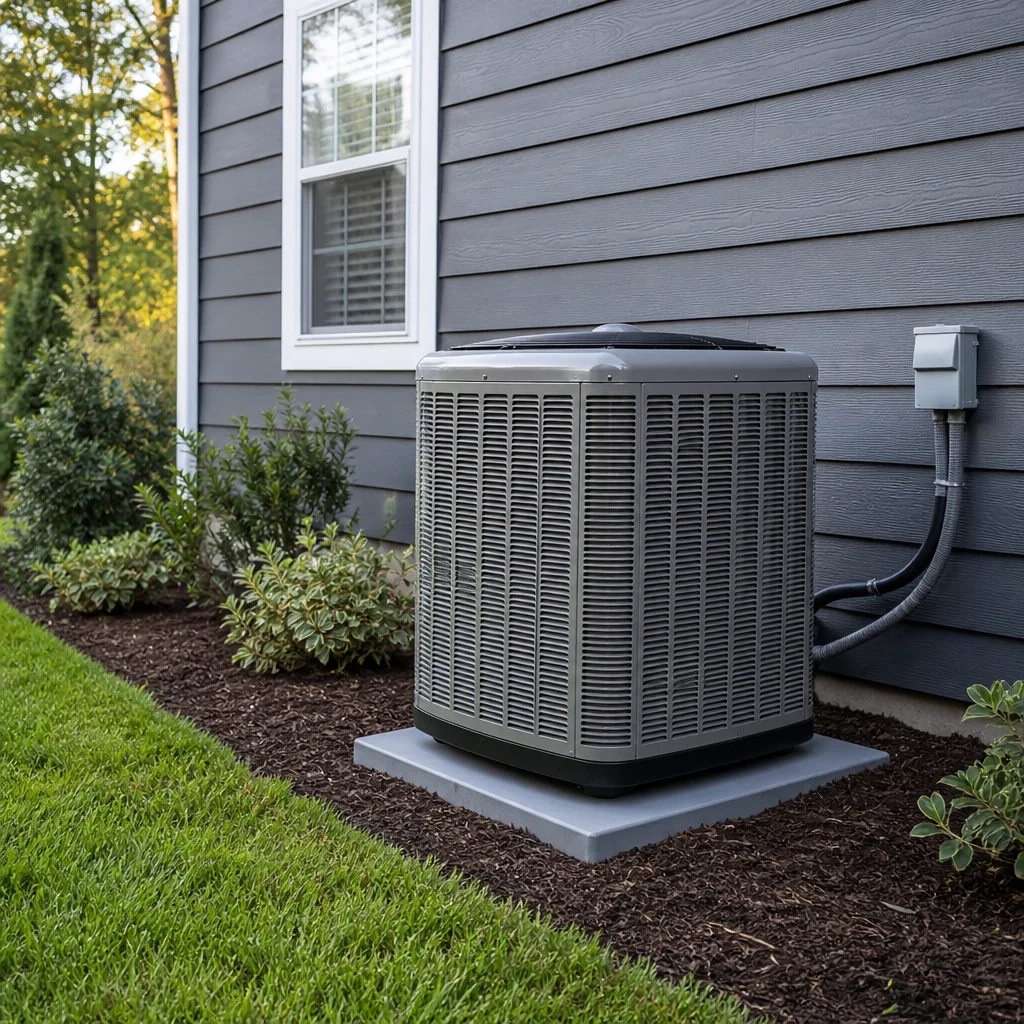 Carrier
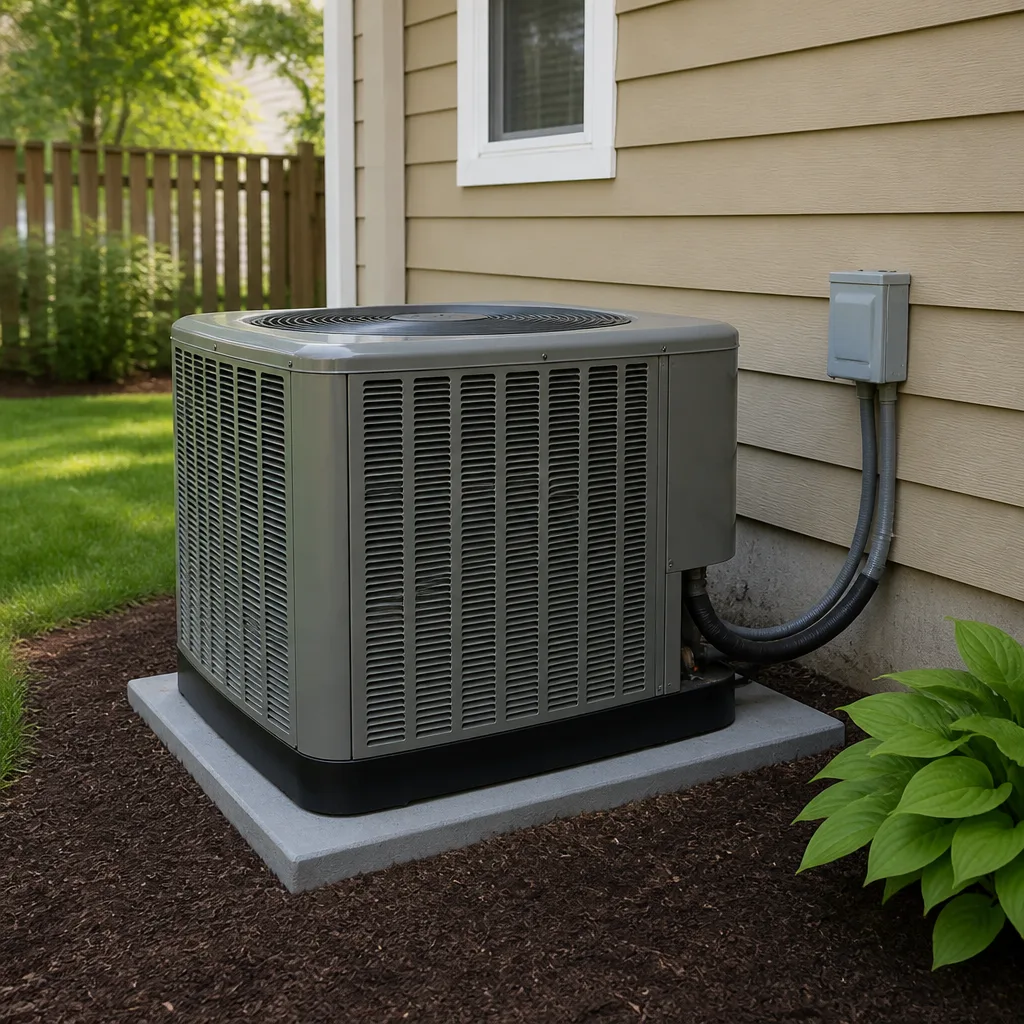 Trane
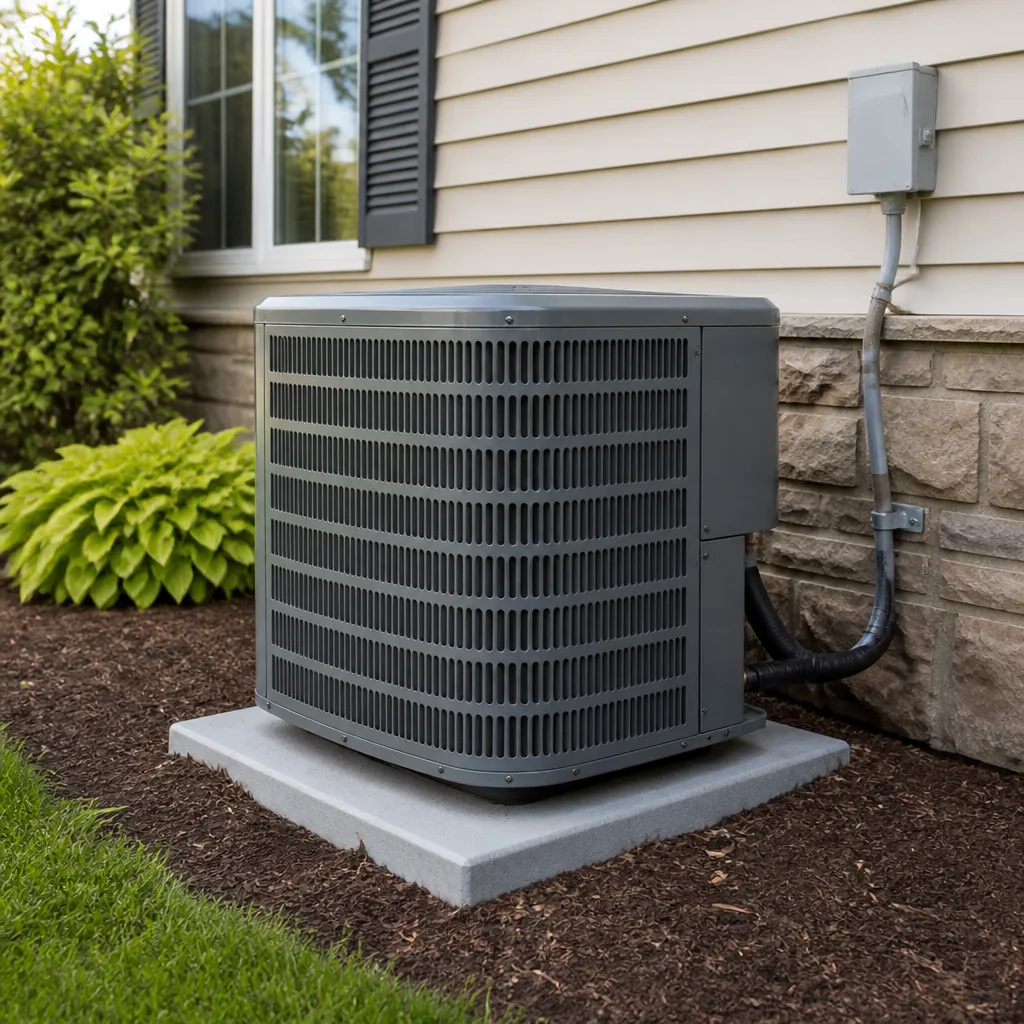 Goodman
Seasonal tune-up and full diagnostic on your Carrier, Trane, or Goodman system - readings shown to you before any repair is proposed
Diagnosis first, numbers second - you approve the repair price before a single part goes in.
Get your free estimateEmergency & Commercial HVAC Troubleshooting: Common Problems and How to Fix Them
Reset a commercial rooftop unit’s circuit breaker without asking why it tripped and you can wipe out a compressor that runs four figures to replace. We’ve watched it happen more than once. Most owners reset the breaker three times before they finally pick up the phone, and that third reset is often the expensive one. This guide walks through the diagnostic sequence a trained technician actually follows, so you can describe what’s happening in plain terms, tell a real emergency from a nuisance, and know exactly where the owner’s job ends and the technician’s begins. It’s written from Summerlin, where summer heat shortens that whole window.
Quick Answer
Commercial and large-capacity HVAC failures usually trace back to one of five causes: a tripped breaker masking a failing compressor, a clogged or frozen coil, refrigerant loss, a failed condenser fan motor, or a control board throwing a fault code. Owners should safely check the thermostat, filter, breaker status (once, not repeatedly), and fault code display, then call for anything involving refrigerant, electrical components, or the compressor. Never keep resetting a breaker that won’t hold – that’s the fastest route to compressor damage.
Styles & brands we work with
- AC repair
- Furnace & heating
- Heat pumps
- Ductless mini splits
- Carrier
- Trane
- Goodman
Table of Contents
- The Five Failure Modes We See Most
- Safe Owner Checks vs. Technician-Only Work
- How to Read Fault Codes Without Misreading Them
- What to Have Ready When You Call
- How Summerlin Heat Compresses the Timeline
- Rooftop Units: What’s Different About Commercial
- A Step-by-Step Triage Sequence
- Common Mistakes to Avoid
The Five Failure Modes We See Most
Before full shutdown, a failing commercial system almost always signals through sound, smell, or feel. Catching the signal early is worth real money in Summerlin, where an August afternoon leaves a commercial space uninhabitable within hours.
- Tripped breaker with a failing compressor. The breaker trips, resets once, trips again. What you’ll notice: a faint burnt smell near the unit, a hum that ends in a click. What it means: the compressor is drawing too much current. Reset it a second time and you’re gambling on a repair bill that starts in the thousands.
- Frozen or clogged evaporator coil. Airflow drops, the space cools unevenly, ice forms on the refrigerant lines. This one develops slowly, which is exactly why it gets ignored until a full shutdown. A dirty filter left too long is the most common trigger.
- Refrigerant loss. The system runs constantly but never gets the space down to setpoint. You’ll feel cool air at the vent but not a cold space. Refrigerant doesn’t get “used up” – if it’s low, there’s a leak.
- Failed condenser fan motor. The outdoor or rooftop fan stops turning, the compressor overheats, and the system short-cycles. You’ll hear the compressor but not the fan, or hear the fan grinding.
- Control board fault. The unit won’t start at all, or cycles oddly, and the display throws a code. Boards fail from heat, power surges, and age. This is the one failure mode where the code tells you the most – if you read it correctly.
Each of these has a distinct early signature. Learn to describe yours and you’ll save a technician an hour of guesswork, which is real time and real money on a commercial service call.
Safe Owner Checks vs. Technician-Only Work
There’s a line, and crossing it costs money or safety. Here’s where we draw it.
Safe for owners to check:
- Thermostat settings and schedule – confirm the system is actually being asked to run.
- Air filters – pull and inspect. A clogged filter is the single most common preventable failure.
- Breaker status – look once. If it’s tripped, note it and stop.
- Fault code on the control panel display – read it, write it down.
- Visible ice on lines or coils – note it, don’t chip it off.
- Unusual sounds, smells, or vibration – listen and smell, don’t disassemble.
Technician-only, every time:
- Refrigerant handling of any kind. This requires licensing and equipment, and it’s where most warranty voids happen.
- Any electrical component past the breaker – capacitors, contactors, wiring, the compressor itself. Commercial voltage can injure or kill.
- Compressor testing or replacement.
- Gas line or furnace-related work on commercial rooftop units.
- Anything requiring panel removal on a live system.
If you’re unsure which side a check falls on, treat it as technician-only. Our Fireside Heating & Air Co. Summerlin home page is a good starting point if you’re not sure what kind of system you’re dealing with. A single unnecessary reset or a refrigerant top-off done wrong can void a manufacturer warranty and cost more than the original service call.
How to Read Fault Codes Without Misreading Them
Fault codes are the most misinterpreted part of commercial HVAC troubleshooting. Here’s the trap: a code tells you what the control board detected, not what’s actually broken. An “open high-pressure switch” code almost never means the switch is bad. It means pressure got high, and the board is protecting the compressor.
The technician’s sequence is:
- Write down the exact code and how many times it flashes – some boards use flash counts, not printed text.
- Check the manufacturer’s code table for that specific model. Codes differ across brands and even across years within a brand. A Carrier code and a Trane code for “same” fault aren’t always named the same way.
- Look at the code in context: what else was happening? High pressure during a 108-degree Summerlin afternoon points to a different cause than the same code on a mild morning.
- Check upstream first. A dirty coil, a failing fan, or a blocked return will set off a high-pressure code that has nothing to do with the switch.
The owner’s job is only step one: read and record. Everything after that belongs to a technician who can watch the system under load. When you hand your recorded code to the dispatcher, it speeds the call and gets the right parts on the first trip. A code misread is worse than no code at all.
What to Have Ready When You Call
Commercial emergency calls go better when the dispatcher gets accurate information on the first try. Have these ready before you dial:
- System type and capacity. Rooftop unit, split system, mini-split, or package unit – and if you know it, tonnage. Our Heat Pump & Mini Split in Summerlin page explains how those systems differ if you’re not sure.
- Brand and model number. The data plate on the unit has it. Photograph it if you can.
- Age of the system. A fifteen-year-old unit with a compressor fault needs a different conversation than a five-year-old unit.
- What you observed and when. “Warm air since this morning” is less useful than “cooling fine until 2 p.m., then warm air and a grinding sound from the roof.”
- Fault codes, exactly as displayed.
- Breaker status. Tripped, reset once, or never tripped.
- Building access details. Rooftop access, gate codes, parking, and who to contact on site.
All of that lets a dispatcher send the right technician with the right parts and the right equipment on the first truck. A vague call means a wasted trip, and you pay for that trip. This is why we ask these questions every time, and why we don’t need to send someone back twice for information we could have had on the phone.
How Summerlin Heat Compresses the Timeline
In Summerlin, the window between “early symptom” and “total failure” is far shorter than in milder climates. A clogged filter and a slightly overworked condenser that would limp along for two weeks in a moderate climate can force a full shutdown in two days here. When it’s 108 degrees outside, your commercial unit is running at or near peak capacity for hours a day, and every component – the compressor, the condenser fan, the contactor – wears faster.
That changes the troubleshooting math. In most places we’d tell you the ice on the refrigerant line can wait until the morning. In Summerlin, we don’t – the unit is either about to fail or has already started failing, and the difference is a single day. We’ve seen this most at commercial buildings near AC Repair & Installation in Summerlin neighborhoods like The Ridges and Red Rock Country Club, where afternoon sun on a rooftop makes an already loaded unit run hotter still.
The practical takeaway: in Summerlin, treat early warnings as urgent, not routine. A grinding fan in June deserves the same call you’d make in July. Waiting for the symptom to become a full failure costs you a commercial property with no cooling during peak hours, and it costs you an emergency call instead of a scheduled one.
Rooftop Units: What’s Different About Commercial
Commercial rooftop units carry a few problems residential systems don’t, and they need to be checked with a commercial mindset.
- Roof-level access and heat. A rooftop in Summerlin is one of the hottest surfaces on the building. This is exactly the kind of height and heat work that belongs to a trained, insured technician, full stop.
- Multiple zones and controls. Commercial systems often serve several zones from one or more units. A single zone failing points to a damper or zone controller, not the whole unit.
- Economizers. Rooftop economizers bring in outside air when conditions allow. A stuck economizer can make a working unit appear broken by flooding the system with Summerlin’s hot afternoon air.
- Longer refrigerant runs and larger charges. More refrigerant and longer lines mean leaks take longer to develop and are harder to find without proper instruments.
- Shared thermostats and controls. One tenant turning the thermostat down doesn’t necessarily fix a mechanical problem – it just masks it.
Our technicians are trained on nine major brands, including Carrier, Trane, Lennox, and Goodman, and commercial rooftop service is a regular part of what we do. If your building has both heating and cooling needs, our Heating & Furnace in Summerlin page covers the heating side in the same way. The point is to send someone who knows what’s on that roof, not someone who assumes a rooftop unit is a big residential system – the diagnostics are genuinely different.
A Step-by-Step Triage Sequence
This is the order we follow, simplified into owner-side triage. Stop and call when the sequence reaches anything outside the safe owner checks above.
- Confirm the system is being asked to run. Check thermostat mode, setpoint, and schedule. A surprising number of “failures” are schedule overrides or a tenant turning off the wrong control.
- Check the filter. If it’s visibly clogged, replace or clean it. This alone resolves a meaningful share of airflow complaints.
- Look at the breaker – once. Tripped? Note it and call. Do not reset repeatedly.
- Record any fault code and how many times it flashes.
- Check for ice or visible leaks. Note what you see, don’t climb on the roof to investigate.
- Note the sounds and smells. Grinding, clicking, or a burnt smell each point to a different part.
- Assemble the call prep information and call.
Nine out of ten times, the call that follows step seven is the right call, and the technician arrives with what’s needed. Most of our jobs are completed in a single visit because we walk in already knowing what the symptoms point at.
Common Mistakes to Avoid
- Resetting the breaker a third time. The third reset is often the one that destroys the compressor. If the breaker trips twice, stop and call.
- Topping off refrigerant and calling it done. A low charge means a leak. A top-off without finding the leak is money you’ll spend twice.
- Assuming a code names the broken part. A high-pressure code almost never means “replace the high-pressure switch.” It means “find out why the pressure is high.”
- Procrastinating on a summer warning in Summerlin. A grinding fan or a slightly warm zone in a Summerlin June usually means a failure is close, not weeks away. Milder climates give you more time than this one does.
- Chipping ice off the coil yourself. It’s a fast way to puncture a refrigerant line and turn a thaw-and-clean job into a leak repair.
- Rolling the unit onto the roof without giving the dispatcher clear access details. A wasted truck roll costs you a service charge you didn’t need to pay.
- Letting a stuck economizer run all summer. It floods the building with hot air every afternoon. It looks like a failed system and isn’t – but it still needs a technician to diagnose and fix.
See the difference
 Before
 After
 Before
 After
 Before
 After
When to Call a Professional
Call us the moment you hit any of the technician-only checks above: a tripped breaker that won’t hold, an electrical fault, ice on a refrigerant line, a burnt smell, a code you can’t interpret with confidence, or any suspicion of a refrigerant leak. Also call if the system is running but can’t hold setpoint during a Summerlin afternoon, or if you’re noticing the same symptom coming back after a reset. None of these get better on their own, and in Summerlin heat the failure gets worse faster than you’d expect. Fireside Heating & Air Co. Summerlin offers free estimates in Summerlin – call (888) 325-9387. The phone is answered by a live person, 24 hours a day, including the 2 a.m. no-heat emergency, so you’ll never get a voicemail tree in the middle of a commercial shutdown.
Frequently Asked Questions
You can reset it once. If it trips a second time, stop and call – repeated resets can destroy the compressor and the repair is expensive. In Summerlin, where the system runs near peak load daily, you have even less margin than most.
Check the thermostat and the filter first, then the breaker status, then record any fault code. Don’t remove panels or check refrigerant yourself. If a filter swap and a dead thermostat don’t fix it, you need a technician.
Treat it as an emergency if the building is occupied and the system can’t hold setpoint during a hot Summerlin afternoon, or if you smell burning, hear grinding, or see ice on a refrigerant line. Any of those is a call-now situation.
No. The code tells you what the control board detected, not which part failed. A high-pressure code, for example, usually points to a cause upstream of the switch itself. Read the code, write it down, and let a technician diagnose it in context.
Yes. A pre-season check in spring catches most of the failures that would otherwise become summer emergencies here. Your first hot week in Summerlin is when the failures you didn’t catch in April show up. Call (888) 325-9387 to schedule – the $89 seasonal tune-up is a straightforward pre-summer check.
Our technicians are trained on nine major brands, including Carrier, Trane, Lennox, Goodman, Rheem, York, Daikin, Bryant, and American Standard, and commercial rooftop service is routine for us. Call (888) 325-9387 to confirm we can service your specific unit.
The Bottom Line
Commercial HVAC troubleshooting works best when owner and technician each stay on their side of the line. You confirm thermostat, filter, breaker status, and the exact code. A trained technician takes it from there. Never reset a breaker a third time, treat a fault code as a diagnosis, or ignore a warning symptom in a Summerlin summer. Have your model, code, and access details ready when you call, and the emergency becomes a scheduled repair on the first truck.
Proud of the work: every job we do is backed by the 90-Day Done Right Promise, in writing, no arguing. Our technicians are background-checked and trained, they treat your building like their own, and the price quoted is the price paid. We’re trained to service nine major brands including Carrier, Trane, Lennox, and Goodman, and most jobs are completed in a single visit. Calls are answered by a live person, 24 hours a day, and the current standing offers are $50 off any repair over $250, a free second opinion on any written estimate, an $89 seasonal tune-up, and a permanent 5% senior and veteran discount.
For a free estimate on your commercial or residential system in Summerlin, call (888) 325-9387 today. A real person answers, and the price we quote is the price you pay.
Written by the team at Fireside Heating & Air Co. Summerlin.