
Last updated November 17, 2026
 AC repair
 Furnace & heating
 Heat pumps
 Ductless mini splits
 Carrier
 Trane
 Goodman
Seasonal tune-up and full diagnostic on your Carrier, Trane, or Goodman system - readings shown to you before any repair is proposed
Diagnosis first, numbers second - you approve the repair price before a single part goes in.
Get your free estimateHow Long Does Air Quality & Ventilation Take? Timelines and What to Expect
A duct cleaning company that quotes “two to three hours” on a 2,400-square-foot home is either rushing or hasn’t walked your crawlspace. Both outcomes cost you. In Summerlin, we regularly see quotes built for a generic house that don’t account for the long single-story runs, the attic routing over the garage, or the way 1990s-era construction left flex duct pinched against joists. The homeowner ends up blocking out a full day, watching a clock, and still not knowing whether the job was actually finished. This guide gives you honest time ranges for every common air quality and ventilation job, the Summerlin variables that add or subtract time, and a simple way to verify the work is truly done before the truck pulls away.
Quick Answer
Most air quality and ventilation jobs take between 45 minutes and a full day depending on scope. A filter swap runs 15 to 30 minutes, a duct inspection 45 to 90 minutes, duct sealing 3 to 6 hours, ERV/HRV servicing 1 to 2 hours, and full duct cleaning 4 to 8 hours on a typical Summerlin home. If a technician promises a 2,400-square-foot duct cleaning in two hours, the work is not being done properly.
Styles & brands we work with
- AC repair
- Furnace & heating
- Heat pumps
- Ductless mini splits
- Carrier
- Trane
- Goodman
Table of Contents
- Why Air Quality Timelines Vary So Much
- Filter Swaps: The 15-Minute Job Nobody Schedules
- Duct Inspection: What 45 to 90 Minutes Actually Buys You
- Duct Sealing: The Half-Day Job That Pays You Back
- ERV and HRV Servicing: A 1 to 2 Hour Maintenance Visit
- Full Duct Cleaning: Why 4 to 8 Hours Is Normal
- Summerlin Variables That Change the Clock
- Red Flags That a Technician Is Moving Too Fast
- How to Structure Your Day Around a Service Call
Why Air Quality Timelines Vary So Much
Two houses on the same Summerlin street can take wildly different amounts of time for the same job. The reason is almost never the equipment. It’s the house. Air quality work is a physical, spatial trade. A technician has to reach every register, every return, every plenum connection, and every joint. On a compact two-story in The Ridges with a mechanical closet on the same floor as the living space, that’s fast. On a sprawling single-story in Red Rock Country Club with 14 registers, a long trunk run through a hot attic, and a return chase that snakes behind the kitchen, it’s not.
The variables that move the clock most, in our experience:
- Attic and crawlspace access. A pull-down ladder in a conditioned hallway is a 30-second setup. A scuttle in a closet ceiling, blocked by shelving, adds 20 minutes before work starts.
- Duct type. Rigid metal ductwork can be inspected and sealed methodically. Flex duct sags, kinks, and hides problems, which means slower inspection and more careful work.
- Age of the home. Summerlin construction spans from the early 1990s to new builds in Summerlin West. Older homes have more years of dust load, more joints that have separated, and more likely evidence of prior rushed work.
- Number of systems. A home with two air handlers and two duct systems is not a one-visit job in the same way a single-system home is.
- Duct cleanliness baseline. A home that’s had filters changed on schedule is a different job than one where the filter was never touched for six years.
We tell homeowners to think of the estimate as a floor, not a ceiling. A good technician will walk the house before quoting, not after. If they quote over the phone without asking about your access, your register count, or whether you have one system or two, they’re guessing – and the guess usually costs you a wasted day.
Filter Swaps: The 15-Minute Job Nobody Schedules
A standard 1-inch filter change at the return grille takes 10 to 15 minutes. A 4-inch media cabinet filter swap takes about the same. A whole-house HEPA or bypass filter change can take 20 to 30 minutes if it’s in a tight mechanical closet. That’s the honest number. It is not a service call you need to take a morning off for, and any company that bills a full diagnostic fee to swap a filter is not giving you a square deal.
What matters more than the time is the schedule. In Summerlin, our dust season runs long. The windy stretch from March through May pushes fine particulate into every return, and a home that backs onto open desert or a trail corridor loads filters faster than one tucked into a mature landscaped pocket. During those months, a 1-inch filter in a single-story Summerlin home with a big return grille can be visibly gray in 45 to 60 days.
What “done” looks like for a filter swap:
- The old filter is out and shown to you (or bagged and left for you to see), not quietly carried away.
- The new filter is the correct size for the cabinet – no folding, no gaps at the edges.
- The airflow arrow on the filter frame points toward the air handler.
- The grille or cabinet door is back in place and the system is running before the technician walks out.
- You know the MERV rating of what went in and when to change it again.
If your system is more complex – a heat pump paired with a media cabinet in a Summerlin West build, for example – a quick filter visit is a reasonable time to have the tech note anything else that needs attention. That’s also a good moment to ask about a heat pump or mini split in Summerlin if you’re considering an upgrade, since air quality equipment and the system that moves the air are one conversation.
Duct Inspection: What 45 to 90 Minutes Actually Buys You
A proper duct inspection takes 45 minutes on a straightforward single-story and up to 90 minutes on a two-system home with a tricky attic. Under 30 minutes is not an inspection. It’s a walkthrough with a flashlight.
Here’s what a real inspection covers, and why it takes the time it takes:
- Access and visual survey. Every register and return gets opened. The tech looks at the boot connections, the plenum at the air handler, and the trunk runs. On older Summerlin homes, the plenum connection at the unit is a common spot for tape that’s dried out and failed.
- Camera or mirror check on the trunk. Long horizontal runs need a camera to see inside. A camera check on a sprawling Summerlin single-story can add 20 to 30 minutes on its own.
- Static pressure reading. A quick measurement at the return tells the tech whether the system is being choked by undersized returns or a clogged filter. This is a 5-minute test that explains a lot of “my house never feels cool” complaints.
- Photo documentation. You should get photos of what was found. If the tech finds a separated joint or water-stained duct in the attic, you should see it, not just hear about it.
What “done” looks like: a written summary of what was inspected, what was found, and what (if anything) needs attention. Not a verbal “looks fine” from the ladder. If the inspection is part of a broader service visit, we tell Summerlin homeowners to budget the hour and treat it as a diagnostic, not a sales call. A good technician will not walk out of an inspection with a pressure pitch to replace your whole system. If they do, get a Fireside Heating & Air Co. Summerlin home second look before you sign anything.
Duct Sealing: The Half-Day Job That Pays You Back
Duct sealing on a typical Summerlin single-family home takes 3 to 6 hours. A small, accessible system with few leaks can run 3 hours. A 2,400-square-foot home with a long attic run, multiple separated joints, and a return chase that needs attention can run 5 to 6. Aeroseal-style sealing from inside the ductwork is faster on the sealing itself but adds setup and verification time, so plan on the same day.
Why it’s not a one-hour job: sealing requires reaching every leak. That means moving insulation, getting to joint after joint, and applying mastic or mesh correctly. In the Las Vegas Valley heat, attic work is done in the cooler part of the morning for the technician’s safety, which is another reason a Summerlin duct sealing job tends to start early and finish by early afternoon.
The order a proper sealing job follows:
- Walk and mark leaks found during inspection.
- Set up containment so dust and mastic don’t reach living space.
- Seal the plenum and trunk first, then the branch connections, then the boots at the registers.
- Re-check static pressure after sealing to confirm the system isn’t now over-pressurized.
- Run the system and verify airflow at each register before packing up.
What “done” looks like: sealed joints you can see (ask for before-and-after photos), a post-seal static pressure reading, and airflow at each register confirmed. The real payoff – lower energy bills, less dust, and a system that isn’t fighting leaks – shows up in the weeks after. A sealing job that finishes in 90 minutes is a job that missed joints. And in Summerlin, the payoff matters more than in most places, because duct leaks in an attic above 140 degrees pull in superheated air and force the system to run longer. That’s real money. If the ductwork is in rough shape, the technician may also flag that a Summerlin AC repair and installation evaluation is worth doing so the whole air path gets looked at together.
ERV and HRV Servicing: A 1 to 2 Hour Maintenance Visit
ERV and HRV servicing takes 1 to 2 hours on a typical Summerlin home. These are the balanced ventilation systems that bring fresh air in while exhausting stale air, and they have their own maintenance needs: filter cores to clean, condensate lines to check, and the outdoor hoods to inspect.
What the visit covers, and why 1 to 2 hours is realistic:
- Core cleaning. The heat exchange core needs to come out, be washed, and go back in. That alone is 20 to 30 minutes.
- Filter check. Inline filters load fast in Summerlin dust season. Changing them is quick, but knowing they need it requires looking.
- Condensate and drain pan. ERVs and HRVs in this climate pull moisture out of the home, and the drain needs to run clear.
- Outdoor hoods. Two hoods on the exterior wall – intake and exhaust – need screening, cleaning, and clearance checks. In Summerlin, fine desert dust and landscaping debris clog these faster than homeowners expect.
- Balance check. Measure airflow at both hoods and confirm the system is still balanced after cleaning. This is the part that separates a real service from a filter wipe-down.
What “done” looks like: cleaned core back in place, filters replaced, drainage confirmed, hoods cleared, and airflow numbers noted on the service sheet. If you don’t have an ERV or HRV but you’re curious whether your Summerlin home would benefit, that’s a conversation worth having in person rather than over the phone. If your home has a heat pump pulling double duty on ventilation, the same visit is a good time to think about Summerlin heating and furnace service before the cooler months roll around.
Full Duct Cleaning: Why 4 to 8 Hours Is Normal
A full duct cleaning takes 4 hours on a small, accessible single-system home and up to 8 on a two-system Summerlin house with long runs and heavy dust load. The 6 to 8 hour range is the realistic number for a 2,400-square-foot single-story with 12 to 14 registers, a long attic trunk, and a return chase. Anyone quoting “two to three hours” on that home is describing a different job.
Why the time is what it is:
- Setup and containment. Negative-pressure setup, connecting the vacuum to the system, and sealing registers takes 30 to 60 minutes before any cleaning starts.
- Register by register. Each supply and return gets agitated with a brush or air whip, then the trunk gets worked. On 14 registers with long runs, that’s the bulk of the day.
- Plenum and air handler. The area at the unit itself is often the dirtiest. Cleaning it properly takes focused time.
- Verification. Post-cleaning photos of at least the plenum and a sample of trunks. If the tech can’t show you the work, the work wasn’t verified.
What “done” looks like: before-and-after photos of the main trunk and plenum at minimum, a written list of what was cleaned, and the system running with new filters before the crew leaves. What it does not look like: a two-hour job followed by a coupon book and a sales pitch for a new unit. If you’re in Summerlin and a duct cleaning company can’t tell you what registers they cleaned and can’t show you photos, that’s the day you call us instead. Our technicians have up to 8 years of experience, and every job carries the 90-Day Done Right Promise – if it isn’t done right, we make it right, in writing.
Summerlin Variables That Change the Clock
Every market has its quirks. Summerlin has a few that consistently add or subtract time from air quality work.
- Single-story sprawl. Summerlin has a lot of wide single-story homes, and wide single-stories mean long duct runs. A 2,400-square-foot single-story often has more total duct footage than a 3,000-square-foot two-story, simply because everything spreads horizontally. Budget the higher end of every range.
- Attic duct routing over the garage. Many Summerlin builds route trunk runs through the attic volume above the garage before dropping to interior rooms. Those runs are harder to access and are frequently the leakiest in the house. On a Summerlin duct sealing or cleaning job, give the tech extra time for the garage attic.
- 1990s construction. The oldest Summerlin homes are now more than 30 years old. Duct tape from that era is failing. The joints that were sealed with tape are now the joints that need mastic. Expect duct sealing visits on these homes to run at the higher end of the range.
- Desert dust load. Open-desert edges of Summerlin – The Ridges, the edges of Red Rock Country Club, homes backing to trail corridors – load filters and ductwork faster than more sheltered interior neighborhoods.
- Newer Summerlin West builds. Tighter envelopes and modern ventilation design usually mean ERV/HRV servicing is part of the routine. Those visits are shorter but more frequent.
- Two-system homes. A home with two air handlers doubles the duct footage. Duct cleaning on a two-system Summerlin home is realistically 6 to 8 hours, not 4.
None of this is a knock on Summerlin. It’s just the physics of the place. Knowing the local variables is the difference between a realistic quote and a rushed day.
Red Flags That a Technician Is Moving Too Fast
Speed isn’t the enemy. Being rushed is. Here are the signs we hear about from Summerlin homeowners after a disappointing first visit from someone else:
- The quote came before the walk. A real technician walks the house, opens at least a few registers, and checks the unit before quoting. If the quote is delivered in the driveway before the front door opens, that number is a guess.
- No photos. Air quality work happens out of sight. If the tech can’t show you before-and-after photos of the plenum and the trunk at minimum, the work wasn’t documented. And the parts you can’t see are the parts that matter.
- Filters not shown to you. On a filter change, the old filter should be visible to you, even briefly. On a duct cleaning, new filters should go in before the crew leaves.
- Duct cleaning finishes in 2 hours on a home that needs 4 to 6. If the schedule feels too good to be true, the job was shortened somewhere.
- No airflow verification. After duct sealing or cleaning, the system should be running and registers checked before the truck leaves. “We’ll know it’s working when you feel it” is not verification.
- No paperwork. You should get a written summary of what was done, what was found, and what to watch for. Verbal-only completion is a red flag on any trade.
- Immediate pivot to replacement. Duct cleaning or sealing is not a system replacement conversation. If the visit turns into a hard sales pitch on a new unit, call us for a free second opinion on any written estimate.
How to Structure Your Day Around a Service Call
You should not have to take a full day off for a filter swap or duct inspection. Here’s how to plan the day around the actual job scope:
- Match the day to the job. Filter swap or inspection: don’t take off work, just be home for a 60 to 90-minute window. Duct sealing or ERV/HRV servicing: plan a half-day. Full duct cleaning: plan the full day.
- Ask for a two-hour window, not a half-day window. A good dispatch will give you a two-hour arrival window and a call when the technician is en route. If they can’t narrow it, that’s a scheduling problem, not a you problem.
- Clear access ahead of time. Move boxes away from the attic scuttle, the mechanical closet, and at least one register per room. This can cut 20 to 30 minutes off the job and often does.
- Move pets and put away breakables along the work path. Duct cleaning involves hoses and negative pressure. Pets in the work area add time and risk.
- Have your filter size written down. If you know the size at the return grille, the tech can confirm it visually and get going faster.
- Be available for the walkthrough at the end. Ten minutes at the end to see photos and confirm what was done saves a callback later.
Live person answers every call, 24 hours a day, so if a scheduling window changes on the day of the visit, you’re calling a human, not a voicemail tree. We’d rather tell you honestly that the job is running an hour behind than leave you refreshing an app.
Common Mistakes to Avoid
- Accepting a phone quote on a duct cleaning. Duct cleaning price and time are set by the house, not the phone. If a company won’t ask about square footage, register count, and duct type, the number is fiction.
- Scheduling duct cleaning during the dust season rush without asking about lead time. In Summerlin, March through May fills up fast. Ask when they can get there and how long the job will take, not just the price.
- Assuming “same-day” applies to duct cleaning or sealing. Same-day is for emergencies, not for scheduled air quality work. If a company promises same-day full duct cleaning on a 2,400-square-foot Summerlin home, they’re cutting corners on someone else’s job or planning to do it on yours.
- Booking a duct sealing job without asking for post-seal static pressure verification. Airflow changes after sealing. If nobody checks pressure afterward, the system could be running worse than before.
- Believing a 30-minute duct inspection is a full inspection. Thirty minutes gets you a look at the plenum and maybe the first trunk. It doesn’t get you a camera check on the long runs or a static pressure reading. Neither replaces a real inspection.
- Treating an ERV/HRV visit as optional in Summerlin dust season. Clogged outdoor hoods and dirty cores push the system toward bypass, which wastes the ventilation work you paid to install.
- Paying a full diagnostic fee for a filter swap. A filter change is a maintenance task, not a diagnostic. Straight talk: you shouldn’t be billed like it’s the latter.
See the difference
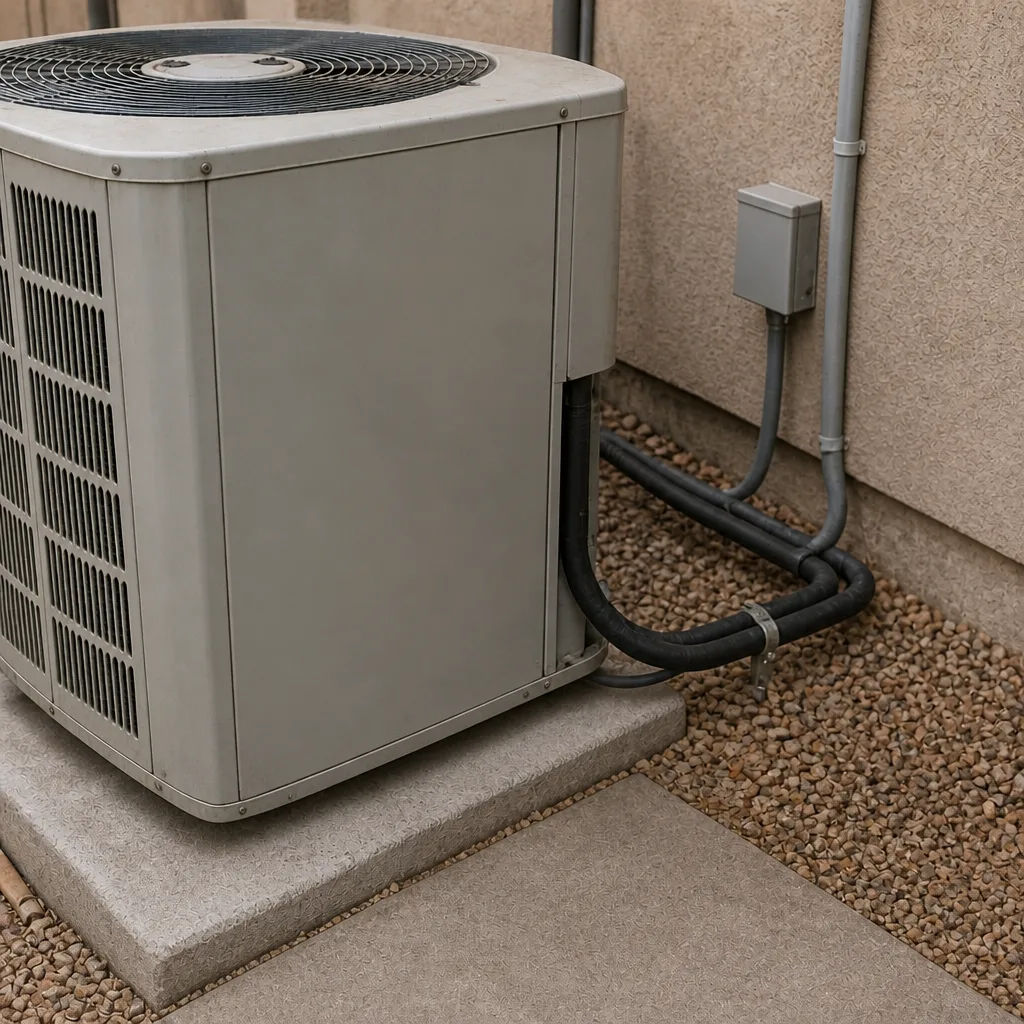
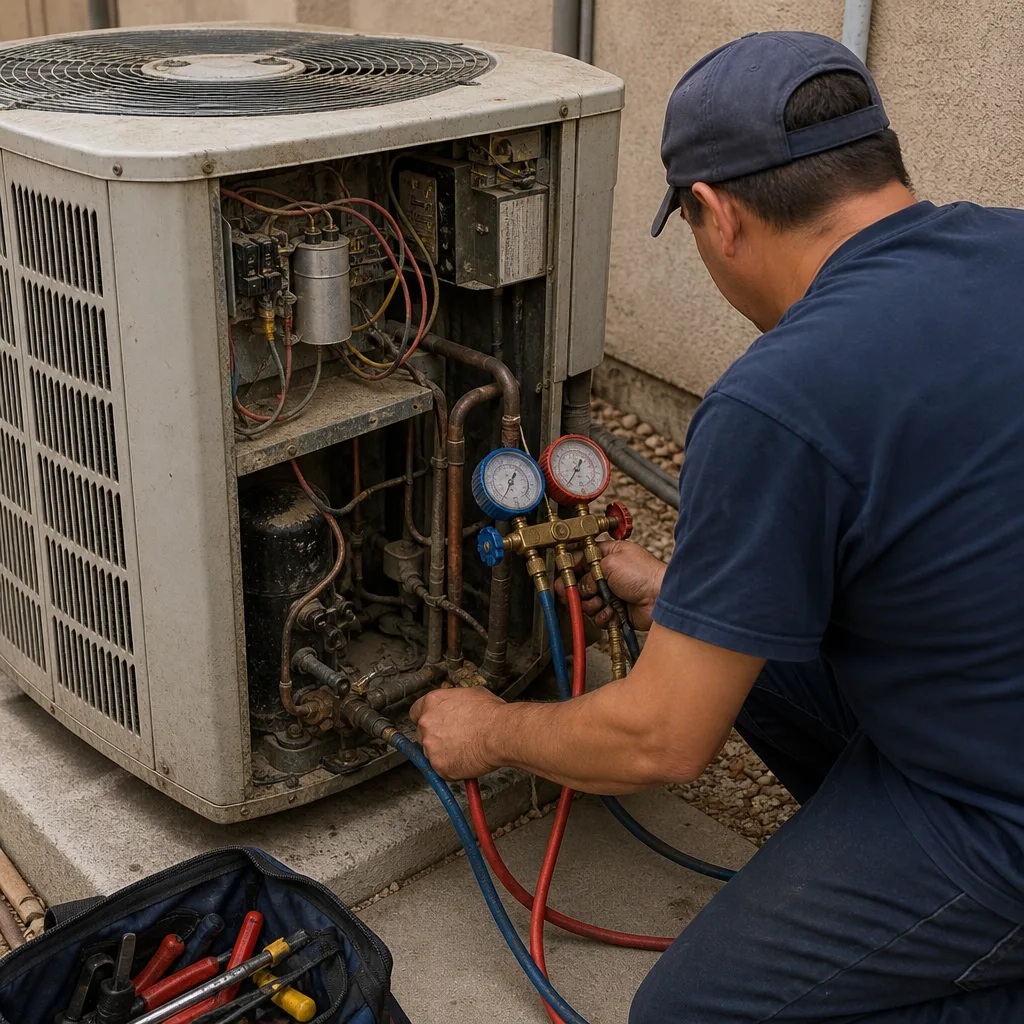 Before
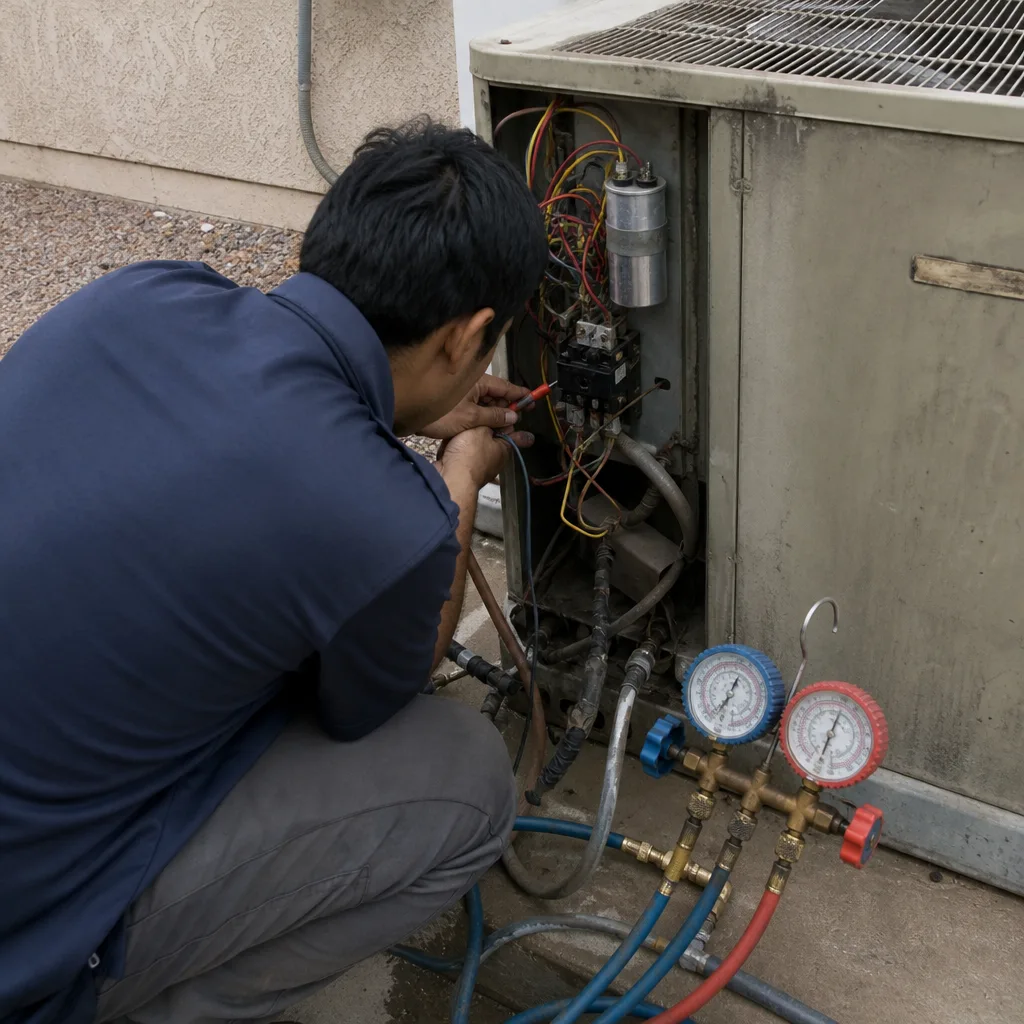
 After
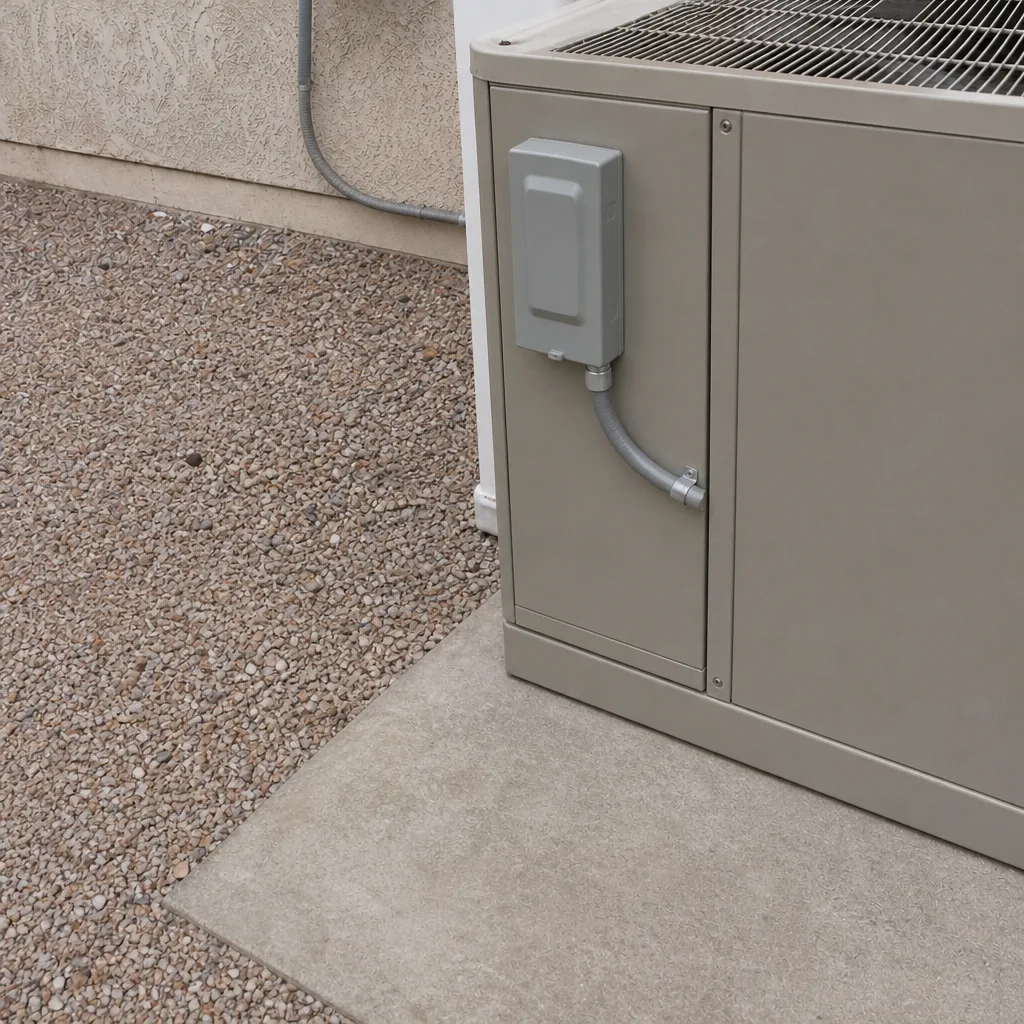
 Before
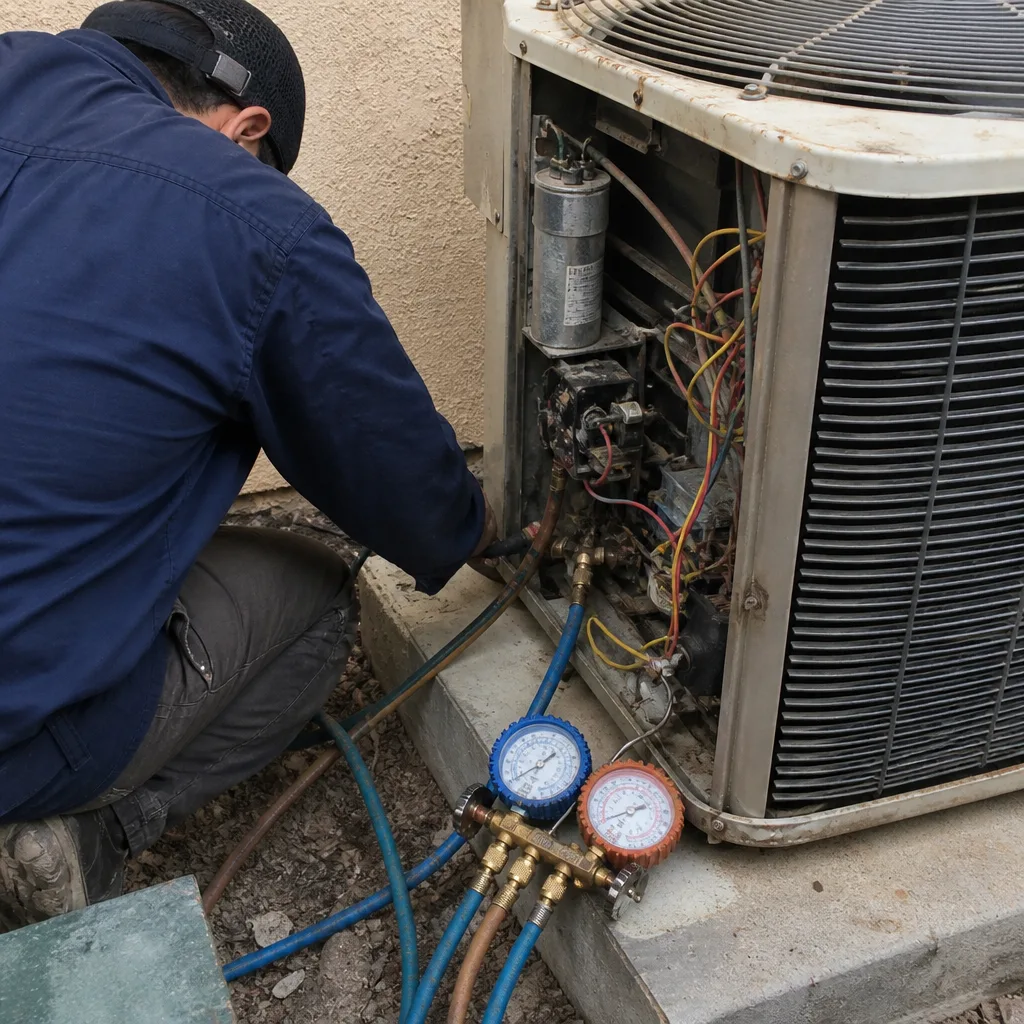
 After
 Before
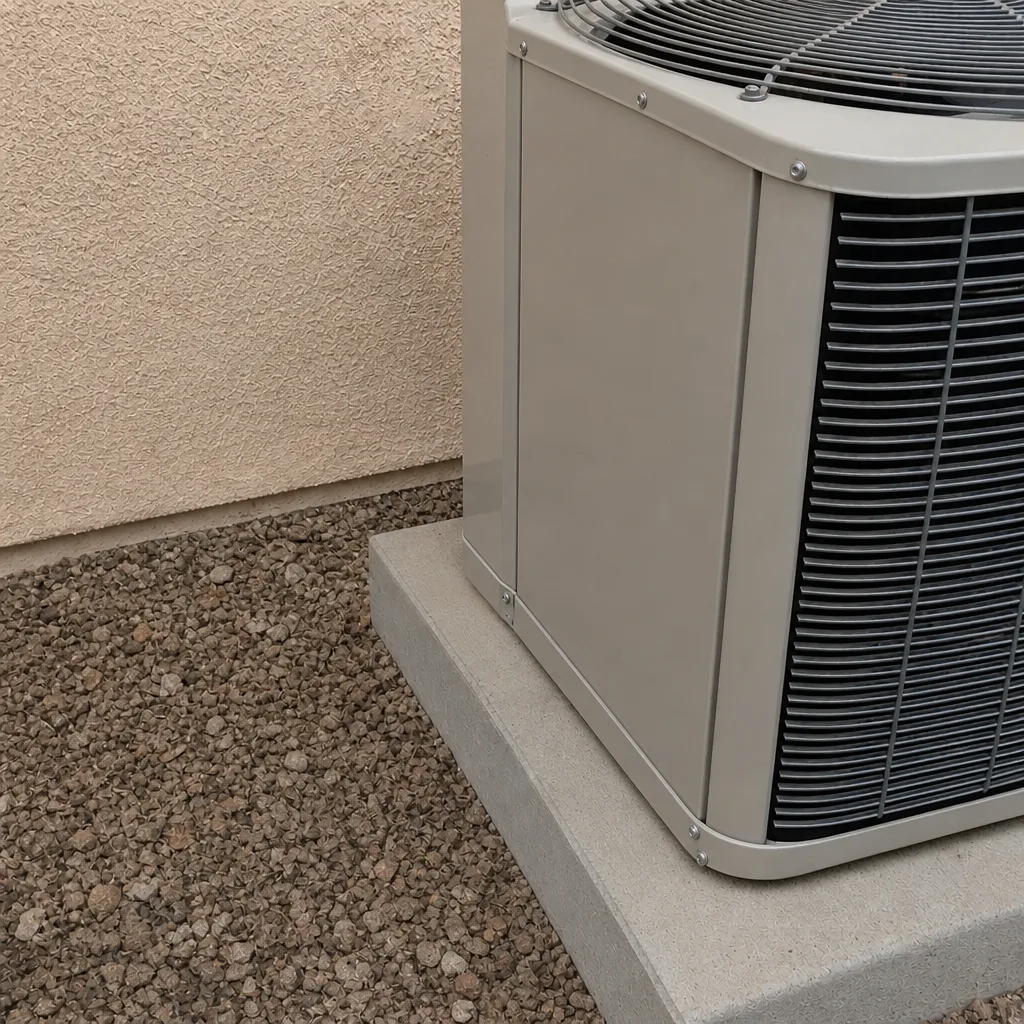 After
When to Call a Professional
Call a professional for anything that lives inside the ductwork, the attic, or the air handler. That includes any suspicion of separated duct joints, visible dust blowing from a register, a return that feels weak compared to neighbors’ systems, ERV or HRV servicing, and any duct cleaning or sealing job on a Summerlin home. Filters you can change yourself. What’s behind the registers you shouldn’t. If you’ve noticed your system short-cycling after a duct sealing, your ERV not pulling fresh air, or a musty smell from one part of the house, stop guessing and get a real inspection. Fireside Heating & Air Co. Summerlin offers free estimates in Summerlin – call (888) 325-9387 and we’ll give you a realistic time and a square price before anyone gets on the roof or in the attic.
Frequently Asked Questions
Most jobs run between 45 minutes and a full day. A filter swap takes 15 to 30 minutes, a duct inspection 45 to 90 minutes, duct sealing 3 to 6 hours, ERV/HRV servicing 1 to 2 hours, and full duct cleaning 4 to 8 hours. Call (888) 325-9387 for a realistic time based on your specific house – the estimate is free.
Because it’s a room-by-room, register-by-register job with setup, containment, agitation, plenum work, and verification. A 2,400-square-foot single-story in Summerlin with 14 registers and an attic trunk is realistically a 6 to 8 hour day. If a company quotes 2 to 3 hours, they’re skipping steps.
No. Duct cleaning is scheduled work, not emergency work. Same-day service is for failed systems, not for air quality jobs that require containment, setup, and hours of register-by-register work. Book ahead, especially during the March through May dust season when Summerlin schedules fill fast.
Ask for before-and-after photos of the plenum and at least the main trunk, and a written summary of what was cleaned. Then watch the tech run the system and check airflow at a few registers before leaving. If no photos and no written summary exist, the job wasn’t verified.
Yes, in a few ways. Desert dust loads filters and ductwork faster, attic work runs longer because of the heat, and 1990s-era construction often means more failing joints that need sealing. Single-story sprawl adds duct footage, which pushes jobs toward the high end of every range.
Rebate programs change, and we won’t quote a number we can’t verify. What we will do is walk you through whatever is currently available in writing and handle the paperwork as part of the job. Call (888) 325-9387 for a free second opinion on any written estimate and we’ll give you a straight answer.
The Bottom Line
Honest air quality timelines break down by task, not by marketing. A filter swap is 15 to 30 minutes. A duct inspection is 45 to 90. Duct sealing is 3 to 6 hours. ERV/HRV servicing is 1 to 2. Full duct cleaning is 4 to 8 on a Summerlin home, and if anyone promises 2, they’re skipping work you’re paying for. Plan your day around the real numbers, ask for photos and a written summary before the truck pulls away, and treat any fast quote without a walkthrough as a red flag. The work is done when it’s documented, verified, and you’re not second-guessing it.
If you’re ready for a real timeline on a Summerlin home, call (888) 325-9387 for a free estimate. A live person answers, any hour. Every job comes with the 90-Day Done Right Promise – done right, or we make it right, in writing.
Written by the team at Fireside Heating & Air Co. Summerlin.