
Last updated November 17, 2026
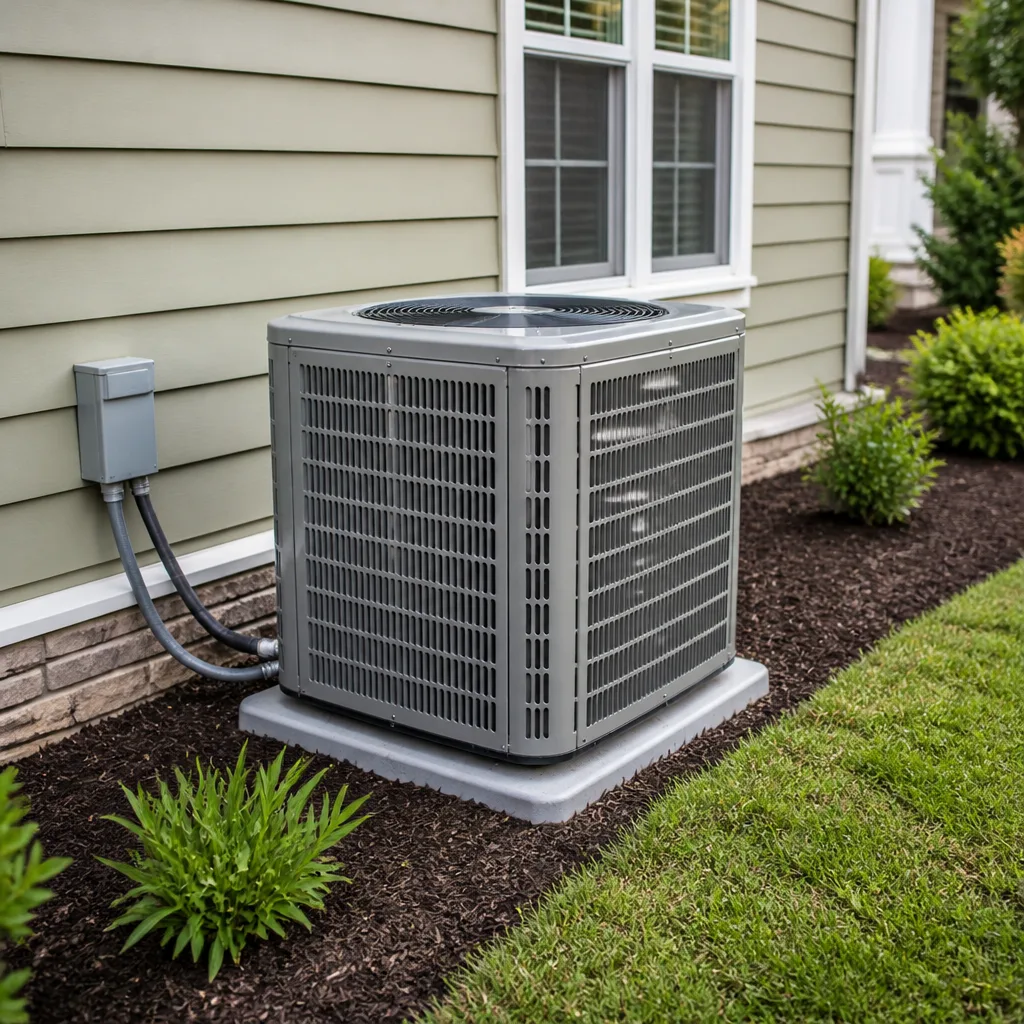 AC repair
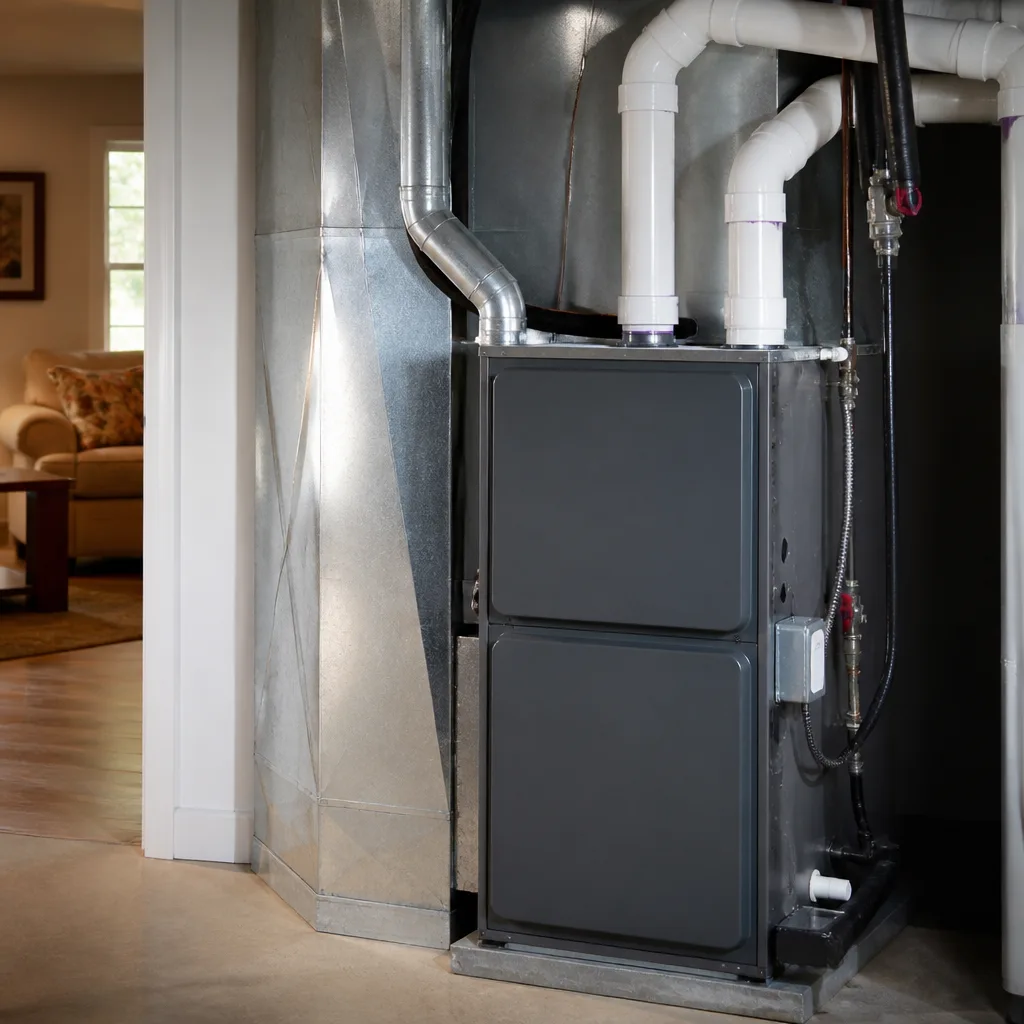 Furnace & heating
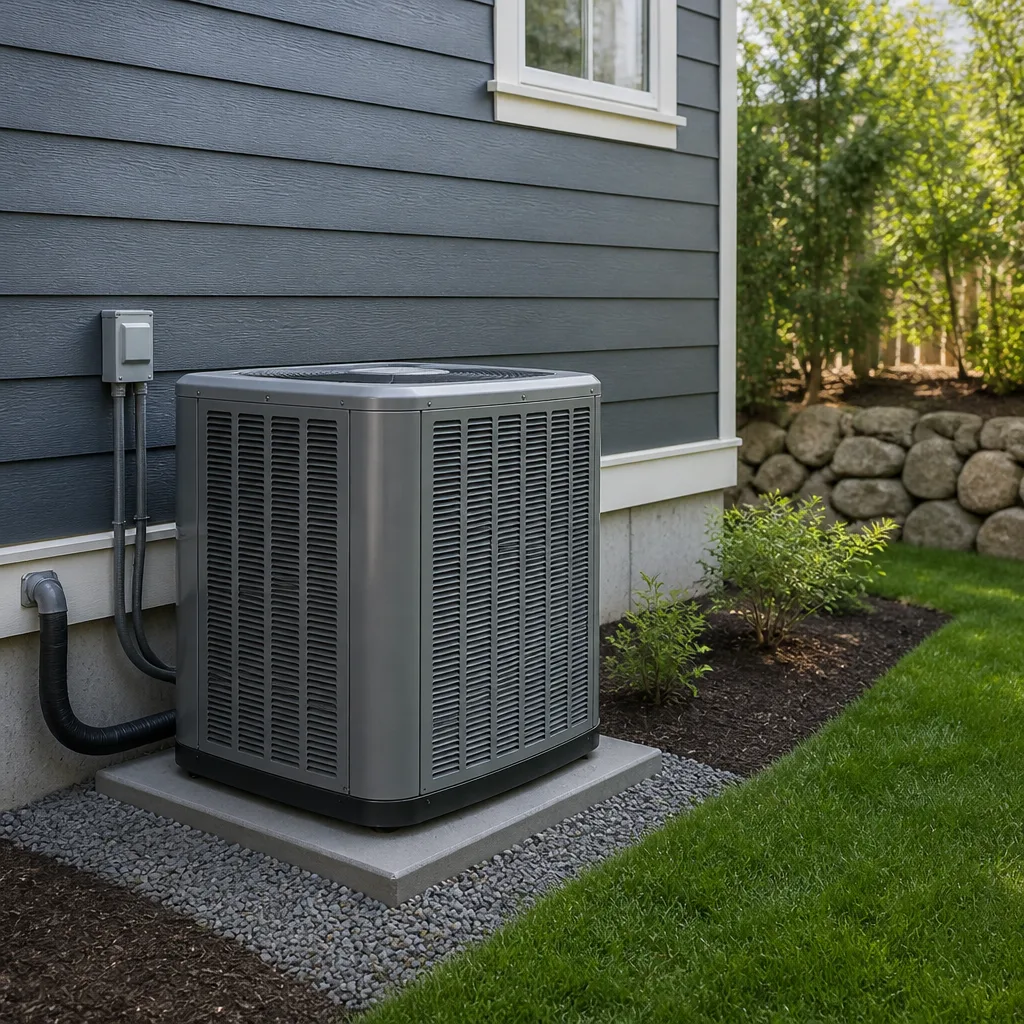 Heat pumps
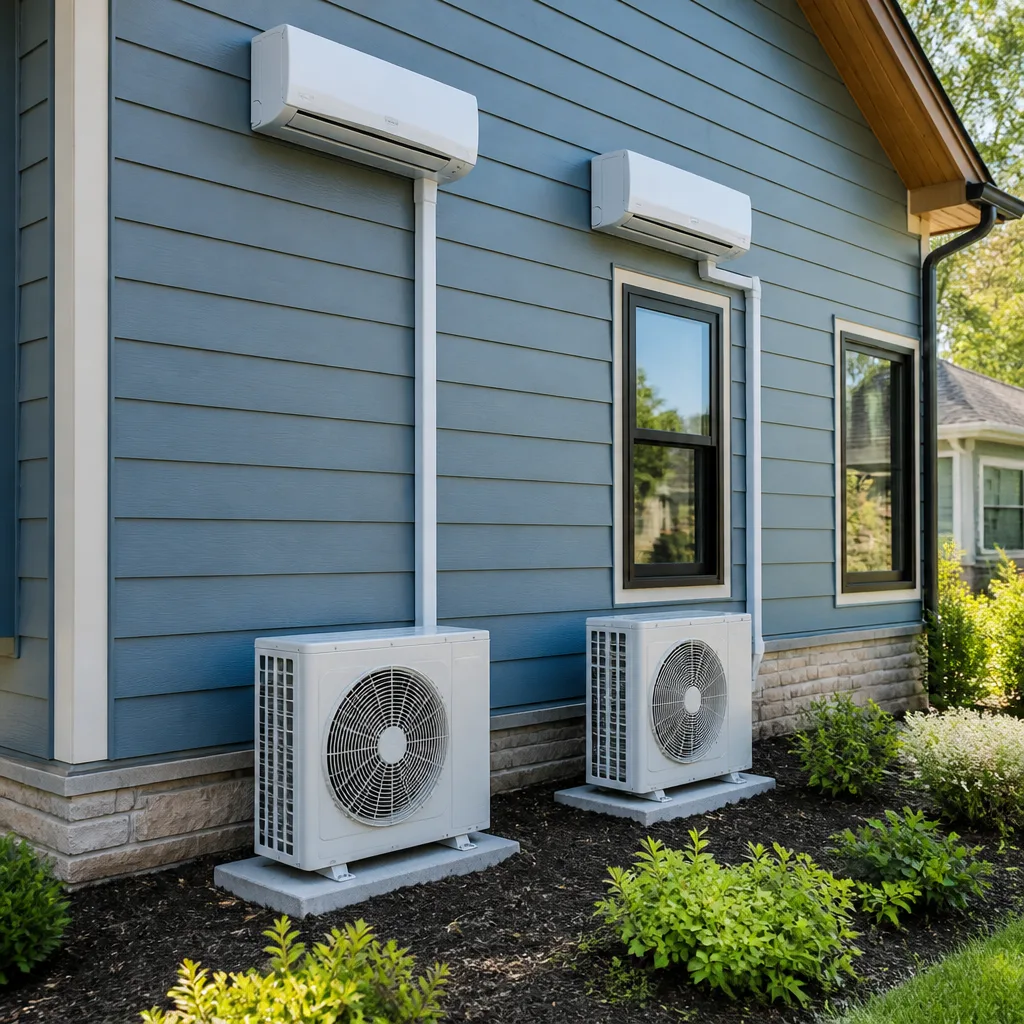 Ductless mini splits
 Carrier
 Trane
 Goodman
Seasonal tune-up and full diagnostic on your Carrier, Trane, or Goodman system - readings shown to you before any repair is proposed
Diagnosis first, numbers second - you approve the repair price before a single part goes in.
Get your free estimateThe Complete Air Quality & Ventilation Guide for Summerlin Homeowners
Summerlin’s newer construction achieves air infiltration rates that would have been considered remarkably tight even five years ago. Builders here chase energy scores the way they once chased square footage, and the result is a house sealed against the desert with impressive precision. That precision has a flip side. In a tightly built Summerlin home, the same cubic foot of air can recirculate twenty times before a single fresh air exchange occurs. That number reframes the whole conversation about filtration, ventilation, and what you’re actually breathing. This guide covers the air quality problems specific to Summerlin homes, why generic national advice misses them, and what to do about it.
Quick Answer
Summerlin homes are tighter than most of the country’s housing stock, so indoor air quality here depends on deliberate ventilation and correctly sized filtration rather than natural leakage. Most Summerlin homeowners benefit from an ERV (energy recovery ventilator) for fresh air exchange in our dry climate, a MERV 13 filter with a verified airflow check, and source control of garage and landscaping chemicals. A proper assessment starts with a blower door test and a combustion safety check, not with a product sale.
Styles & brands we work with
- AC repair
- Furnace & heating
- Heat pumps
- Ductless mini splits
- Carrier
- Trane
- Goodman
Table of Contents
- Why Summerlin’s Tight Construction Changes Everything
- The Pollutant Sources Specific to Summerlin Homes
- ERV vs. HRV: Which Ventilation System Fits Summerlin
- Choosing the Right MERV Rating for Summerlin Homes
- What a Proper Ventilation Assessment Looks Like
- Why Airflow Checks Come Before Any Filter Upgrade
- Common Mistakes to Avoid
- Frequently Asked Questions
Why Summerlin’s Tight Construction Changes Everything
Air quality guides written for older housing stock assume your house leaks. In the 1970s and 1980s, that assumption held. Houses drafted like running refrigerators, and air exchanged constantly through gaps around windows, outlets, and framing. Summerlin homes built from the mid-1990s forward followed a different playbook: spray foam in the attics, house wraps, taped sheathing, and tighter window tolerances. Those choices lowered your energy bills and they also removed the accidental ventilation many older homes relied on.
The consequence is straightforward. Whatever enters the air in your Summerlin home stays there far longer than it would in a leaky house. Cooking fumes, cleaning chemicals, off-gassing from carpets and cabinetry, and the exhaust from a warm car parked in an attached garage all linger. A single plume of combustion byproduct in a well-sealed home can circulate for hours.
Summerlin’s climate compounds this. Our desert particulate, high UV-driven ozone levels, and roughly 290 sunny days a year mean the air outside isn’t always a clean alternative either. Opening the windows in July doesn’t just reintroduce heat; it brings in fine dust, ozone, and pollen from desert landscaping. The trade-off that works in a rainy, temperate climate doesn’t translate directly to Summerlin.
- Low infiltration: Fewer natural air changes mean pollutants accumulate rather than dissipate.
- High outdoor ozone: Summerlin’s UV exposure spikes ground-level ozone, especially in late afternoons.
- Desert particulate: Fine dust and windblown particles are a year-round factor, not seasonal.
- Attached garages: Most Summerlin floor plans connect the garage directly to the house.
The Pollutant Sources Specific to Summerlin Homes
National air quality content lists generically: pets, dust, mold. Useful, but generic. Here’s what we actually see in Summerlin houses, and where it comes from.
Attached garages with combustion vehicles
The garage is the largest pollutant source in most Summerlin homes. Cars left running for a minute while you load groceries, gas-powered lawn equipment, and paints or solvents all release combustion byproducts and volatile organic compounds (VOCs). A garage that shares a wall or doorway with the living space leaks those fumes inward, especially with a tight house pulling air from wherever it can. Sealing the door between garage and house, and installing effective exhaust in the garage, matters more than most people realize.
Synthetic turf off-gassing
Artificial turf has become common in Summerlin backyards, particularly in newer subdivisions where water restrictions shaped the landscaping. Newer turf off-gasses under our sun and heat, and the rubber infill can release compounds that migrate indoors. The effect fades over the first couple of seasons, but it’s real and it’s specific to this market.
New construction VOCs in recently finished homes
Summerlin continues to build out, and every newly finished home carries construction off-gassing: adhesives, sealants, engineered wood, paint, and flooring. In a tight new home, those VOCs have nowhere to go but into the air you breathe. The first year after construction is when ventilation matters most, and it’s often when builders seal the house tightest.
Landscaping chemicals and dust
Desert landscaping treatments, fertilizers, and lawn chemicals applied in a Summerlin yard can be drawn indoors through the same infiltration that pulls combustion fumes from the garage. Combine that with the fine dust that rides in on our wind events and you have a particulate load that a basic filter can’t handle.
ERV vs. HRV: Which Ventilation System Fits Summerlin
If your Summerlin home is tight, you need a way to bring in fresh air without dumping your conditioned air out the window. The two tools for that are the HRV (heat recovery ventilator) and the ERV (energy recovery ventilator).
An HRV brings in outside air and passes it through a core that transfers heat from the outgoing stale air to the incoming fresh air. In winter, it warms the incoming air; in summer, it pre-cools it. It recovers temperature, but not moisture.
An ERV does the same heat exchange plus a moisture exchange. It transfers humidity along with heat, which matters in a place as dry as Summerlin. In our climate, an ERV keeps indoor humidity in a healthier range without adding a separate humidifier, and it protects your home from the static, cracked woodwork, and dry-air discomfort that low humidity creates. For most Summerlin homes, an ERV is the right choice.
When is an ERV worth adding to an existing system? If your house tests very tight, if you have an attached garage making pollutants a real concern, or if you’ve noticed persistent stuffiness, stale air in the morning, or condensation on windows, that’s your signal. We regularly evaluate ERV feasibility in Summerlin homes during a heat pump and mini split installation, when the duct work is already being modified.
- ERV: Best for Summerlin’s dry climate; transfers both heat and moisture.
- HRV: Recovers heat only; better suited to humid climates.
- Both: Run continuously at low speed to maintain steady fresh air.
- Installation: Ducted systems tie into your existing HVAC ductwork; best planned with a system upgrade.
Choosing the Right MERV Rating for Summerlin Homes
MERV ratings run from 1 to 20. For Summerlin homes, MERV 13 is often the sweet spot: it captures fine particles, pollen, and the smaller dust that a MERV 8 filter lets through, while still allowing your system to breathe. It’s a meaningful upgrade over the cheap fiberglass filters that come standard.
But MERV 13 isn’t automatic. A higher-rated filter is denser, and density creates pressure drop. If your furnace or air handler wasn’t designed for the added resistance, a MERV 13 filter can starve your system of airflow, drive up energy use, and shorten the life of the blower. That’s why the filter upgrade and the airflow check travel together. Before we install a MERV 13 in a Summerlin home, we measure static pressure and confirm the system can handle it. If it can’t, we either step down to a MERV 11 and add supplemental filtration or modify the return path to give the system more breathing room.
- MERV 8: Baseline; catches larger dust and pollen only.
- MERV 11: Good middle ground for systems with marginal airflow headroom.
- MERV 13: Strong choice for Summerlin homes with verified airflow, especially near construction.
- MERV 16+: High resistance; usually needs a dedicated air cleaner, not a standard filter slot.
Whatever the rating, change it on schedule. In dusty Summerlin, that’s often every 60 to 90 days rather than the old advice of every three months.
What a Proper Ventilation Assessment Looks Like
An air quality conversation should start before any product is sold. For us, that means measuring the house and letting the numbers lead. Here’s the process, in order.
- Blower door test. A calibrated fan in the front doorway pressurizes the house and measures its leakage. The result is an air changes per hour (ACH) figure. A tight Summerlin house may test at 2 to 3 ACH at 50 pascals. Interpreting that number is where experience matters: it tells us how much the house relies on mechanical ventilation to stay healthy.
- Combustion safety check. If the home has a gas furnace or water heater, we test the flue and confirm combustion byproducts are venting outdoors, not backdrafting into a tight house. In a well-sealed home, a backdrafting appliance is a serious problem.
- Duct leakage test. Leaky ducts can pull contaminated air from attics or garages into the living space.
- Pollutant source walk-through. Garage, landscaping, recent renovations, and the age of the home all inform the plan.
- Filtration and airflow review. We measure static pressure before recommending any filter.
Only after those steps do we talk about ERVs, filters, or air cleaners. If a company walks into your Summerlin home and quotes an air purifier in the first ten minutes, you haven’t had an assessment. You’ve had a sales call. That’s the difference between our Fireside Heating & Air Co. Summerlin home approach and the franchise routine.
Why Airflow Checks Come Before Any Filter Upgrade
A filter is a tool, and like any tool it has to match the system it’s attached to. The most common mistake we correct in Summerlin homes is a homeowner who upgraded to the highest-MERV filter the store had and can’t figure out why the house feels cool but not comfortable, or why the utility bill crept up. The dense filter is choking the airflow.
Static pressure and airflow are the language your HVAC system speaks. When we check a home in Summerlin, we measure return and supply pressure and confirm the blower is moving the cubic feet per minute it’s rated for. If it’s not, we fix the restriction before adding more filtration. That’s how a MERV 13 delivers clean air instead of a labored compressor. The same discipline applies to a new AC installation in Summerlin: we size the return and the filter cabinet for the plan, not the other way around.
Airflow also ties to humidity. A system that’s starved of air runs longer, and in a dry house that can pull indoor moisture down even further. Balancing airflow and filtration together is how comfort and clean air coexist.
Common Mistakes to Avoid
- Assuming a tight house is a healthy house. Tight builds save energy but trap pollutants. If you never crack a window in your Summerlin home, you need mechanical ventilation to compensate.
- Buying the highest-MERV filter without an airflow check. A MERV 16 in a system that can’t handle it will do more harm than a MERV 13 that’s properly matched.
- Ignoring the attached garage. That gap under the door to the house is a highway for fumes. Seal it and exhaust the garage before you spend money on an air purifier inside the living space.
- Skipping combustion safety on gas appliances. In a tight Summerlin home, a backdrafting furnace is a genuine health hazard, not an inconvenience.
- Putting off a blower door test until after you’ve bought equipment. Measure first, buy second. If a contractor won’t test your house before quoting a product, keep calling.
- Changing filters on a guess. In Summerlin’s dust, every 60 to 90 days beats a “check it every few months” habit.
- Confusing an air purifier with ventilation. A purifier cleans the air that’s already inside. It can’t add fresh oxygen or remove a buildup of carbon dioxide.
See the difference
 Before
 After
 Before
 After
 Before
 After
When to Call a Professional
Some air quality work is routine, some isn’t. Call a professional if you’ve noticed persistent stuffiness, condensation on the inside of windows, headaches or irritation that clear when you leave the house, or a backdraft smell near a gas appliance. Call if you’ve recently finished a renovation or moved into new construction in Summerlin and want to start clean. Call if your system feels cool but the air seems stale, or if you’ve added an ERV, air cleaner, or high-MERV filter and want the airflow verified. Any of those is a legitimate reason for a professional to measure before you buy. Fireside Heating & Air Co. Summerlin offers free estimates in Summerlin; call (888) 325-9387. A heating and furnace service visit is also a good moment to fold in a combustion safety check.
Frequently Asked Questions
Most tightly built Summerlin homes benefit from an ERV because their low infiltration means fresh air has to be brought in deliberately. If your home is newer construction or tests very tight, an ERV keeps fresh air flowing while recovering both heat and moisture, which suits our dry climate. The way to know for sure is a blower door test; call (888) 325-9387 to schedule an assessment.
MERV 13 is the right target for most Summerlin homes, but only after an airflow check confirms your system can handle the added pressure drop. If airflow is marginal, a MERV 11 or a dedicated air cleaner is the safer path. We measure static pressure before recommending any filter, so call for an exact plan.
No, not with a car inside it. An attached garage is the biggest pollutant source in a tight Summerlin home, and an open door lets combustion fumes and solvents into the living space. Keep the door closed and sealed, and exhaust the garage instead.
Every 60 to 90 days for most Summerlin homes, and more often during a dusty stretch or when construction is happening nearby. Our desert particulate load means filters clog faster than the national “every three months” advice assumes. Keep a spare on hand and check it monthly.
Not on its own. Filtration is one piece of a system that also depends on source control and ventilation. A high-MERV filter cleans the air that passes through your system, but a tight Summerlin home with a backdrafting furnace or an unsealed garage needs source control and fresh air too. An assessment tells you which matters most.
A blower door test measures how much air leaks out of your house under controlled pressure, expressed as air changes per hour. It tells us how tight your Summerlin home is and how much it relies on mechanical ventilation to stay healthy. It’s the first step, not a product. Call (888) 325-9387 to set one up.
The Bottom Line
Summerlin’s tight construction is a gift for energy efficiency and a challenge for air quality. The same walls that hold in your conditioned air hold in combustion fumes, VOCs, and desert dust. The fix isn’t a single product. It’s a sequence: measure the house with a blower door test, check combustion safety, control sources like the garage and landscaping, add an ERV for fresh air in our dry climate, and choose a MERV 13 filter only after verifying airflow. Do it in that order and your Summerlin home stays efficient without turning into a sealed box. If you want the job measured first and quoted honestly, that’s what we do. Call Fireside Heating & Air Co. Summerlin at (888) 325-9387 for a free estimate.
Written by the team at Fireside Heating & Air Co. Summerlin.