
Last updated November 17, 2026
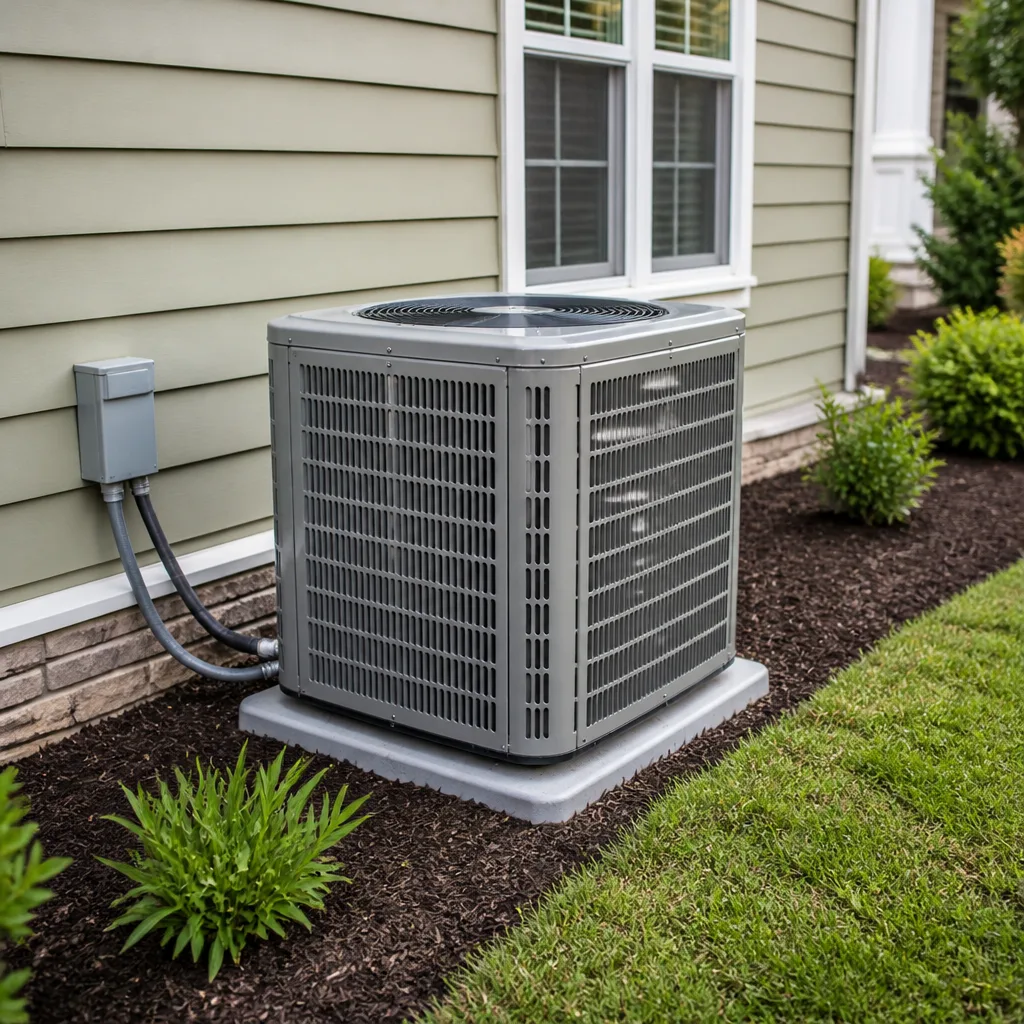 AC repair
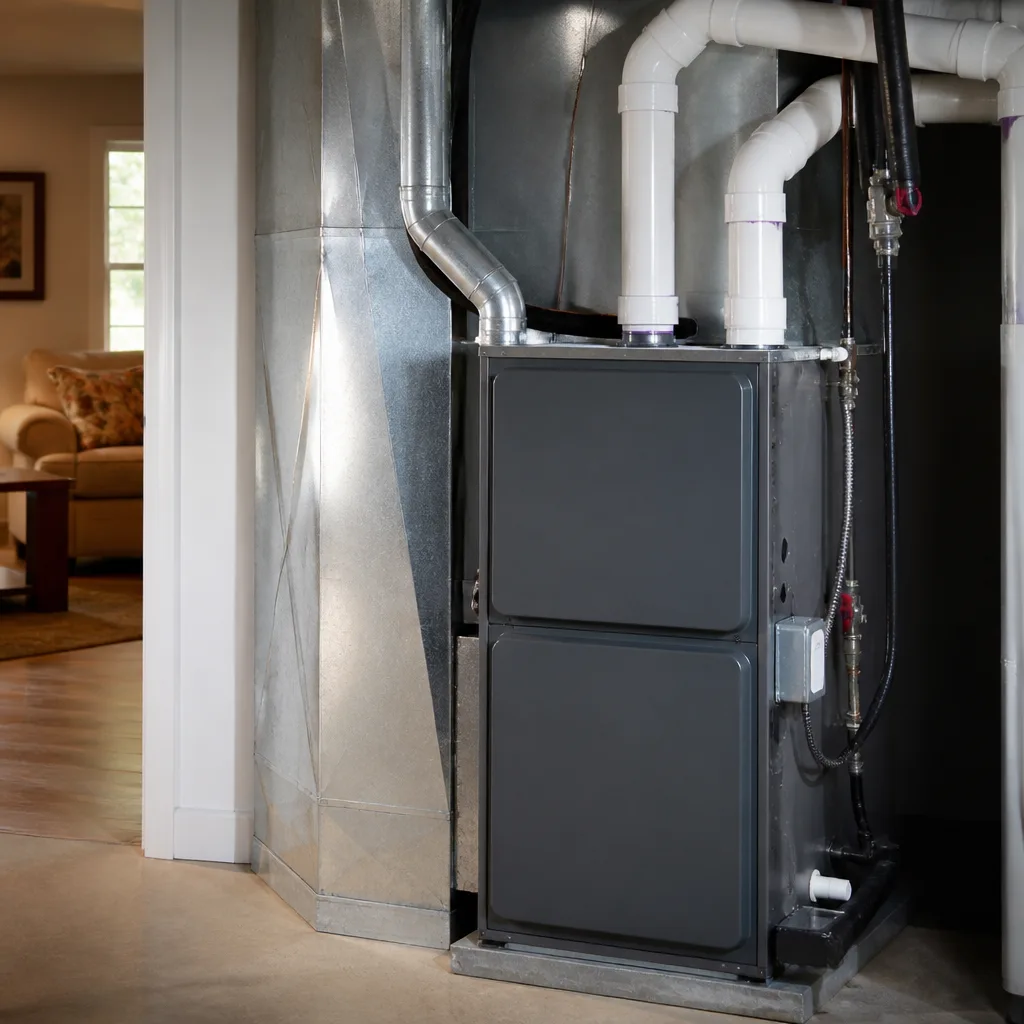 Furnace & heating
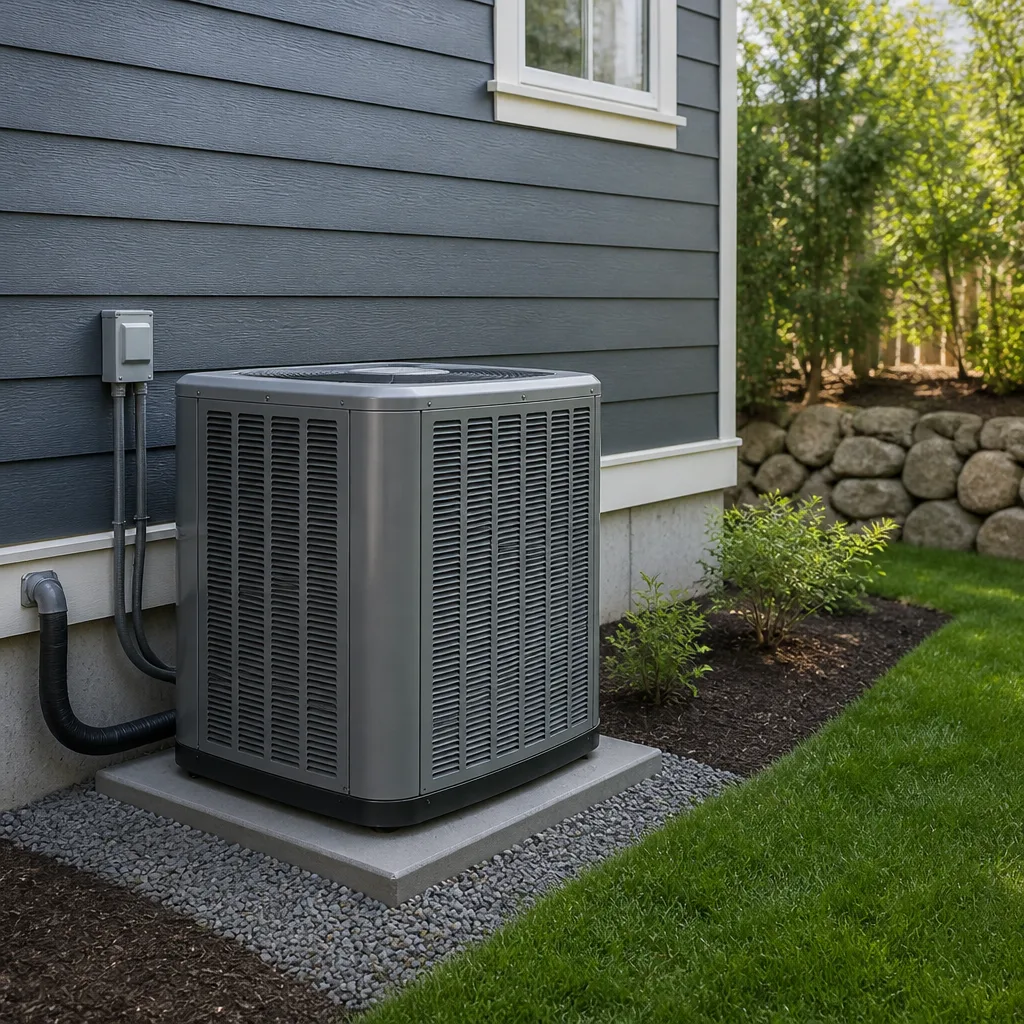 Heat pumps
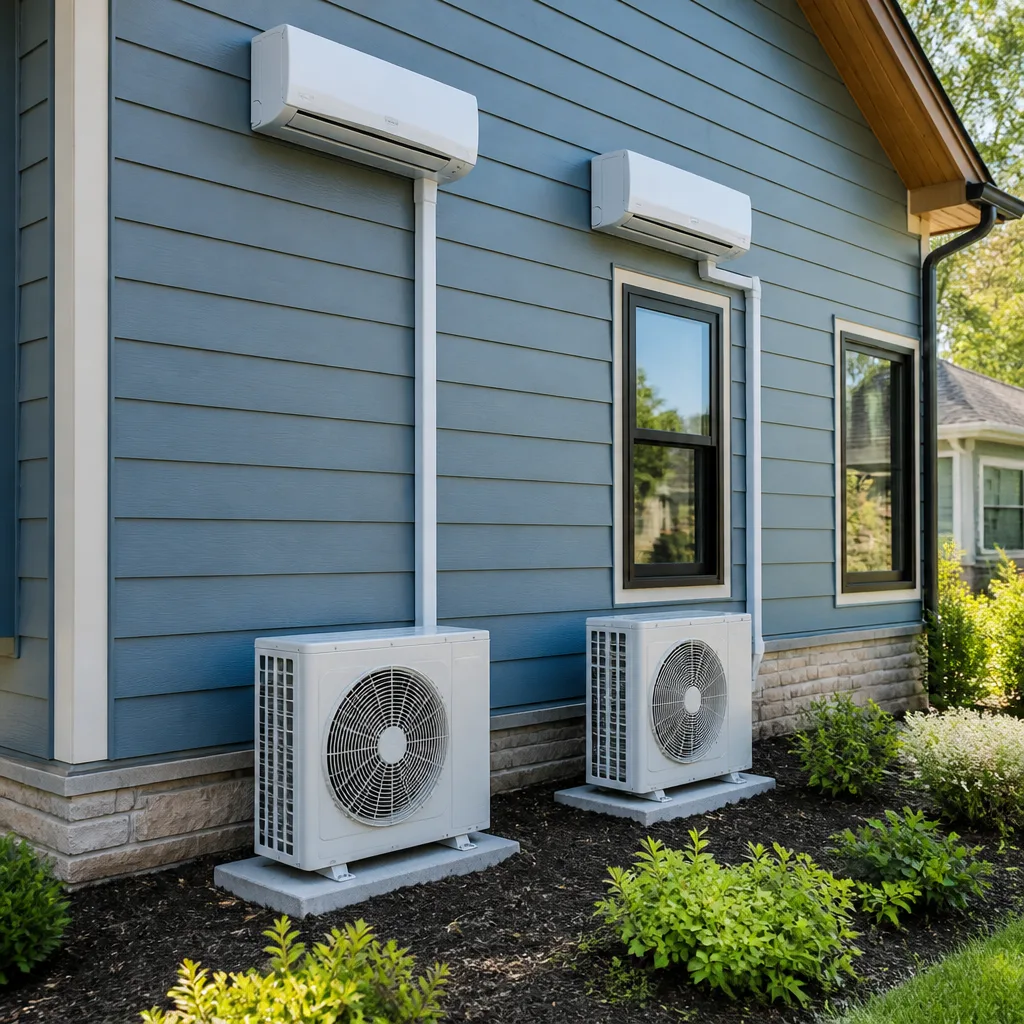 Ductless mini splits
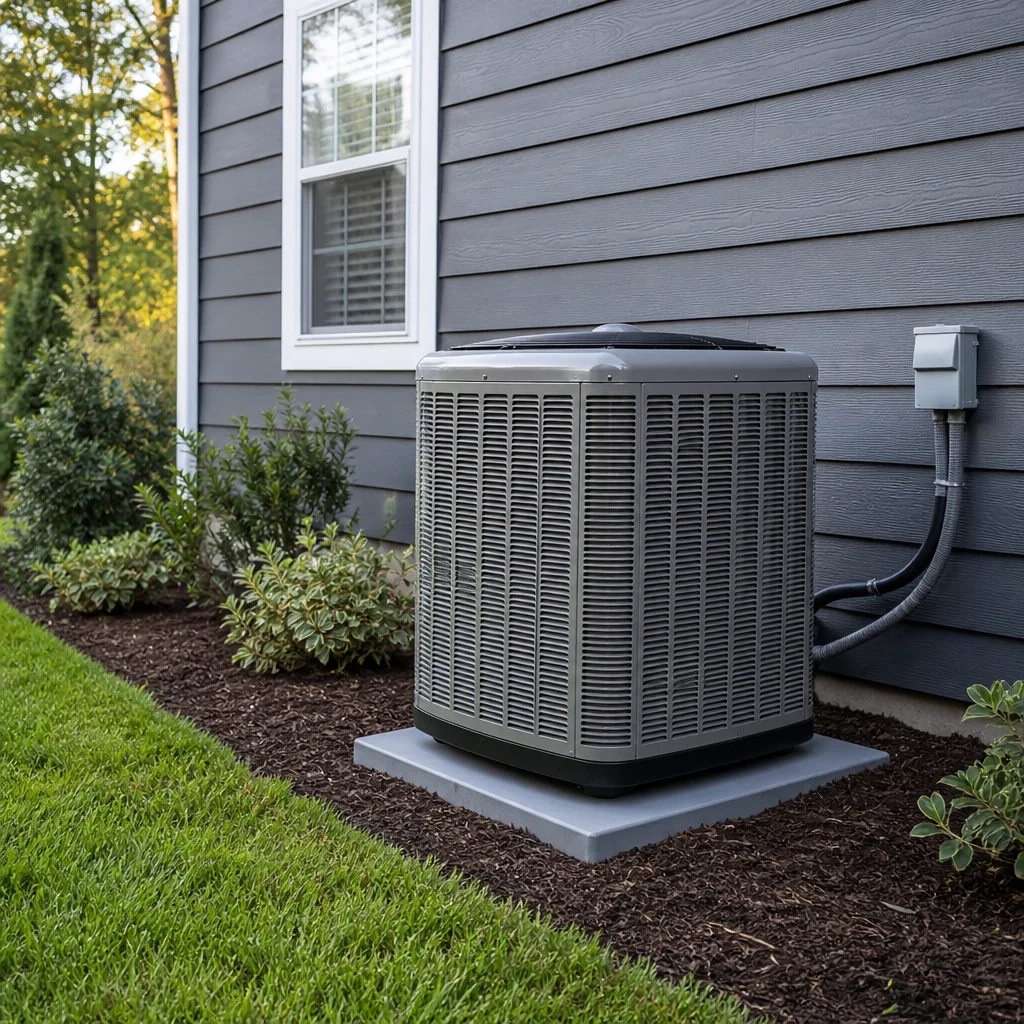 Carrier
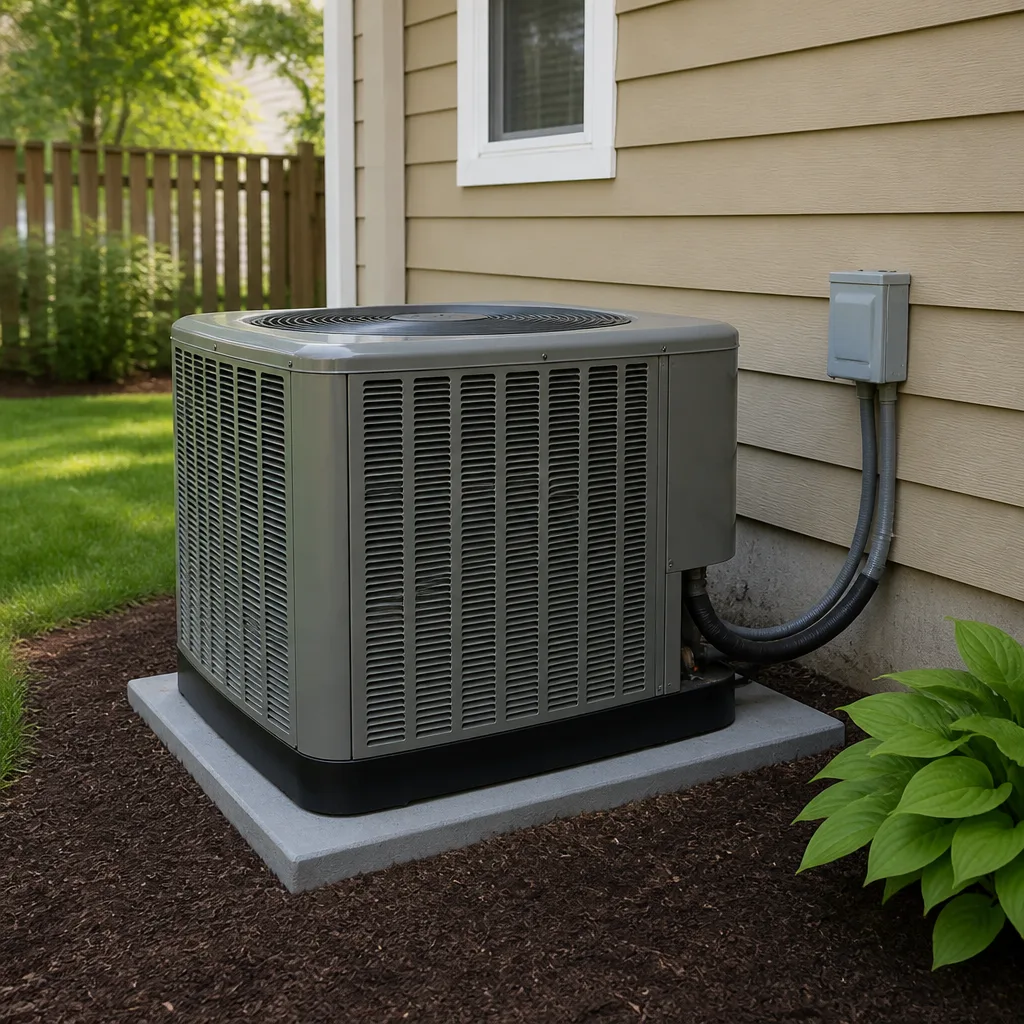 Trane
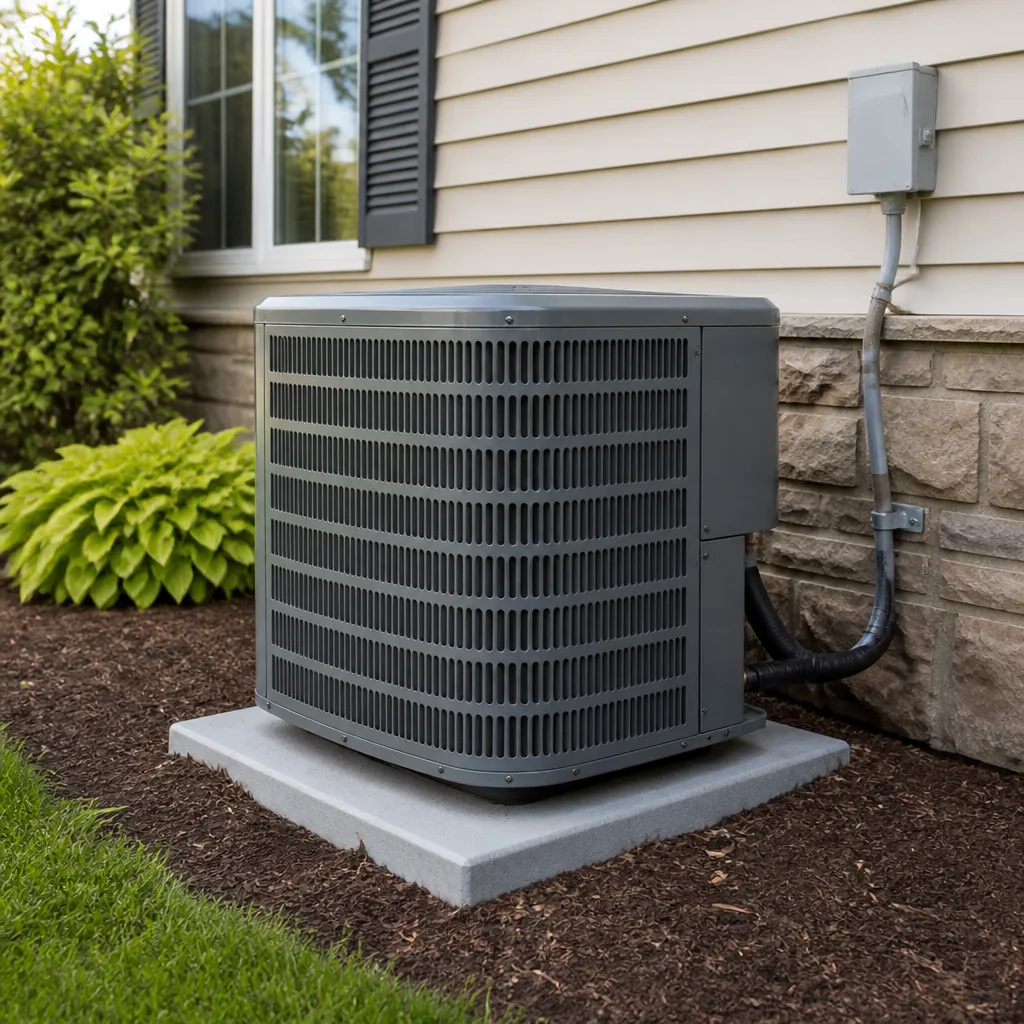 Goodman
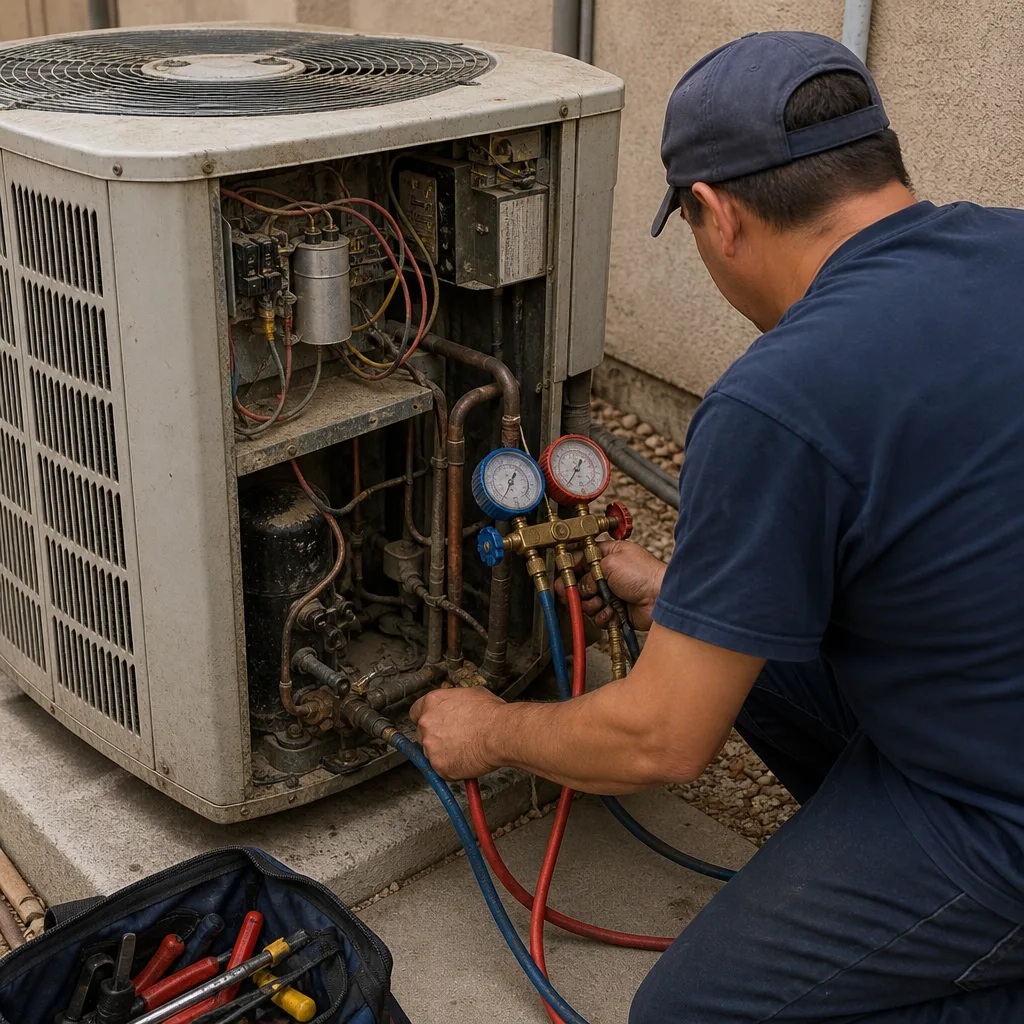
Seasonal tune-up and full diagnostic on your Carrier, Trane, or Goodman system - readings shown to you before any repair is proposed
Diagnosis first, numbers second - you approve the repair price before a single part goes in.
Get your free estimateThe Complete Emergency & Commercial HVAC Guide for Summerlin Homeowners
A 115-degree Summerlin afternoon is unforgiving. When a rooftop unit fails over a home office, a converted casita, or a small commercial space, the damage moves fast: server equipment overheats, medication spoils, a week of perishable inventory is gone, and the phones at the big commercial contractors ring to voicemail. We’ve watched this gap trip up more Summerlin homeowners than any single breakdown. The problem isn’t the heat. It’s that residential companies won’t touch light-commercial equipment and commercial contractors treat a small job as an afterthought. This guide walks you through identifying your equipment, documenting it before an emergency, understanding response-time realities, navigating Summerlin’s HOA and planned-community rules, and running a pre-season checklist built for mixed-use properties. Everything you need to close that gap before an emergency forces the issue.
Quick Answer
If your Summerlin property has a rooftop package unit, an equipment nameplate rated above standard residential tonnage, or a system serving a home business or accessory structure, you likely fall in a licensing gray zone that residential HVAC companies avoid and commercial contractors deprioritize. The fix is preparation: identify your equipment, document model numbers, warranty status, and service history in a place you can reach at 2 a.m., and establish a service relationship before the failure. A company trained on both sides of that line can service the equipment and answer the call.
Styles & brands we work with
- AC repair
- Furnace & heating
- Heat pumps
- Ductless mini splits
- Carrier
- Trane
- Goodman
Table of Contents
- How to tell if your Summerlin property sits in the licensing gray zone
- What to document before an emergency (and where to store it)
- Residential vs. commercial response times in the Las Vegas metro
- How Summerlin HOA rules and planned-community infrastructure affect emergency access
- A pre-season checklist for mixed-use properties and home businesses
- What emergency and commercial HVAC work costs in Summerlin
- Repair or replace: straight talk for light-commercial equipment
How to Tell If Your Summerlin Property Sits in the Licensing Gray Zone
Most homeowners never think about this until they’re standing in a hot room holding a phone. The gray zone is real, and it catches people in Summerlin’s custom-home neighborhoods and older established pockets alike. Here’s how to spot it.
Walk outside and look at what’s actually on your roof or beside the house. A self-contained package unit that sits curbside on the roof with ductwork dropping straight down is usually commercial-grade equipment. A split system with an outdoor condenser and an indoor air handler is usually residential. But size matters more than shape. Once you cross the line into equipment rated for a load that’s larger than typical residential, many residential contractors will politely decline. It’s not their lane.
Ask three questions:
- What does the nameplate say? Model number, tonnage, and refrigerant type are stamped on a metal plate on the unit itself. A 5-ton package unit or a system with a commercial model prefix is your first clue.
- What does the equipment serve? A guest casita, a converted garage office, a home-based business with server racks, or a small retail or medical space attached to the property all push you toward light-commercial.
- What did your last contractor say? If a residential company told you “we don’t service that kind of unit,” you already know. That’s the gray zone.
In Summerlin, the casita and home-office arrangement is common in neighborhoods like The Ridges and Red Rock Country Club, where accessory structures with their own climate systems are a regular feature. Those systems are often small enough to slip through both cracks. Residential techs don’t want them, and big commercial outfits treat them as low-priority. Understanding where your equipment sits is the first step toward getting it serviced when it matters.
What to Document Before an Emergency (and Where to Store It)
When it’s 2 a.m. and the unit is down, you don’t want to be crawling on a roof with a flashlight reading a nameplate. You want the information in your hand. Document it now, while the system is running.
- Model and serial numbers for every unit, including the indoor air handler, the outdoor condenser or package unit, and any auxiliary or mini-split heads serving accessory structures.
- Installation date and installer name. Pull the original invoice if you have it. If not, the serial number usually decodes to a manufacturing date.
- Warranty status. Parts warranty and labor warranty are separate. Know which is still active and the expiration dates.
- Service history. Every tune-up, repair, and part replacement, with dates. This matters more than most people realize. A documented service history helps a technician diagnose faster and supports a warranty claim.
- Refrigerant type. R-22, R-410A, and newer refrigerants have different service implications. Write it down.
- Filter sizes and belt sizes if your equipment uses them. A failed belt at 2 a.m. is a nuisance unless you have the size and nobody stocks it.
Where to store it: not in a filing cabinet in the garage that you can’t reach from the roof. Create a digital file with photos of every nameplate, and email it to yourself. Keep a printed copy in a labeled envelope taped inside the air handler closet door. Make sure the primary person in the household knows where it is. In Summerlin, where many homeowners travel, a house sitter or family member may be the one making the call. The documentation has to be findable by someone who isn’t you.
Residential vs. Commercial Response Times in the Las Vegas Metro
Here’s the reality most people discover the hard way. Residential emergency HVAC service in the Las Vegas metro is built for speed. When a homeowner calls at 2 a.m. with no cool air, the expectation is a live voice and a callback or dispatch within a reasonable window. Commercial service calls work on a different rhythm entirely. Commercial contractors run contracts, scheduled maintenance, and dispatched service calls tied to a business-hours workflow. A small job rarely gets the same urgency as a large account.
We’ve seen the gap play out in Summerlin repeatedly. A homeowner with a failed package unit over their home office calls a commercial contractor, leaves a message, and waits. Meanwhile the residential company they’d normally use has already told them “we don’t service that.” The middle ground, a light-commercial system that needs the same urgency as a residential no-cool call, is where things break down.
The practical difference:
- Residential emergency: Live answer, same-day or overnight response, a technician who understands the home and the system.
- Commercial service: Business-hours priority, after-hours premiums, and small jobs often scheduled behind larger accounts.
- Light-commercial in a home setting: The forgotten middle. The best defense is a company that answers the phone around the clock and can actually service the equipment.
The takeaway is simple. If your Summerlin property has equipment that falls in that middle ground, don’t wait until it fails to figure out who’ll respond. Establish the relationship now, before you’re the one leaving a voicemail in July.
How Summerlin HOA Rules and Planned-Community Infrastructure Affect Emergency Access
Summerlin is a master-planned community, and that shapes how HVAC crews reach your equipment in an emergency. It’s a genuine consideration, and it’s the kind of thing that trips up contractors who don’t work here regularly.
HOA rules cover visible equipment. Changes to the exterior appearance of your home, including equipment placement, screening, and sometimes color requirements, generally need approval. In an emergency, a crew swapping a rooftop unit isn’t always in a position to wait for an architectural review. The practical answer is to have any planned equipment replacement approved in advance so the emergency path is already clear.
Planned-community infrastructure adds a layer. Gated neighborhoods require access codes or gate staffing, and a crew arriving at 3 a.m. may find the gate unattended. Lanes, parking, and equipment access around the home are governed by association rules too. Know your community’s gate procedure and give it to your service provider in advance.
- Confirm how a crew enters your neighborhood after hours.
- Keep a current gate code or access procedure on file with your service company.
- Know which exterior equipment changes need HOA approval and handle them ahead of time.
- Note any parking or access restrictions so a service truck isn’t turned away.
None of this is complicated, but it has to happen before the emergency. A twenty-minute conversation with your HOA and your service provider in the spring saves a frustrated night in July.
A Pre-Season Checklist for Mixed-Use Properties and Home Businesses
Standard residential maintenance guides leave out the properties that need this most. If you run a business from home, keep server equipment, store medication, or have an accessory structure with its own climate system, this checklist is for you. Run it in spring, before the first triple-digit stretch hits Summerlin.
- Inspect and change filters on every system, including any mini-split head serving a casita or office. Filter neglect is the most common cause of premature failure we see.
- Test the system under load on a hot afternoon, not just at mild temperatures. A unit that cools fine in April can fail the first week of June.
- Check the condensate drain and pan for clogs. Water damage in a home office full of equipment is its own disaster.
- Inspect the roof and equipment pad for debris, loose panels, and signs of pest intrusion. Summerlin’s desert environment brings dust, and roof rats are a real problem in some neighborhoods.
- Verify backup power or cooling for server rooms, medication storage, and any temperature-sensitive inventory. A small standalone unit or a generator can bridge a gap.
- Reconfirm your documentation from the section above is current and findable.
- Schedule a tune-up for every system on the property, including accessory structures that residential guides forget.
Our Fireside Heating & Air Co. Summerlin home page lays out the maintenance options, and a seasonal tune-up is the least expensive insurance you can buy for a system that has to work. If your property has both a residential split system and a light-commercial package unit, make sure the tune-up covers both.
What Emergency and Commercial HVAC Work Costs in Summerlin
Nobody wants to guess at a price in an emergency. Here are the ranges we see for the work that affects mixed-use Summerlin properties. These are typical local figures, and the right number comes from an inspection, but they’ll help you plan and compare.
- Diagnostic visit: $89 – $150. Often waived or credited toward the repair.
- Capacitor or contactor replacement: $180 – $340. Common on package units during the first heat wave.
- Refrigerant recharge and leak repair: $250 – $700, depending on refrigerant type and leak location.
- Blower motor or fan motor replacement: $400 – $800.
- Compressor replacement: $1,200 – $2,400, more on commercial-grade equipment.
- Package unit replacement: $4,500 – $9,000, depending on tonnage, efficiency, and crane or roof access.
- After-hours emergency dispatch: a premium on top of the repair, which varies by company.
We quote a price up front and stand behind it. The price quoted is the price paid. We’ll also offer a free second opinion on any written estimate, which matters when a commercial contractor hands you a number and you have no way to know if it’s fair. Call us for the current details on standing offers, including the $50 off any repair over $250 and the $89 seasonal tune-up.
Repair or Replace: Straight Talk for Light-Commercial Equipment
The repair-or-replace question is harder on light-commercial equipment because the stakes are higher and the quotes are bigger. Here’s how we think through it with Summerlin homeowners.
Repair usually wins when the unit is under warranty, the failure is a single component like a capacitor or blower motor, and the rest of the system is sound. Replace makes more sense when the compressor is failing on equipment over 12 to 15 years old, when refrigerant is no longer available or expensive, or when repeated repairs are adding up toward the cost of a new unit. A rooftop package unit past 15 years in Summerlin’s climate has lived a hard life. The dry heat is gentler on some components and brutal on others.
Get a written estimate that itemizes the repair, the remaining life expectancy, and the replacement options. We service and install equipment from brands including Daikin, Bryant, and American Standard, and we’ll give you a straight recommendation rather than a nudge toward the bigger invoice. For installations and system replacements, we schedule a set date and quote a fixed price, not a same-day promise that the work can’t support. When repair is the right call, we make it right, and the AC Repair & Installation in Summerlin page covers what to expect on both paths.
Common Mistakes to Avoid
- Waiting for the emergency to figure out who services your equipment. The call at 2 a.m. with a broken package unit is the worst time to learn your regular company doesn’t work on commercial-grade systems. Identify your provider now.
- Keeping model numbers in your head. A technician can’t diagnose from memory. Photograph every nameplate and store it where a house sitter can find it.
- Assuming a bigger commercial contractor will prioritize a small job. In the Las Vegas metro, small commercial jobs often sit behind larger accounts. A company that answers the phone around the clock and services both sides is a better fit.
- Ignoring HOA approval until the unit fails. In Summerlin, exterior equipment changes usually need association sign-off. Get approval ahead of time so an emergency replacement isn’t held up.
- Skipping accessory structures in maintenance. Casita and home-office systems are the most-forgotten equipment on the property and often the first to fail. Add them to every tune-up.
- Accepting the first quote in a crisis. Get a written estimate and a second opinion. In an emergency, pressure can push you toward a number you’d never accept on a calm day.
- Going with the cheapest bid. The lowest price often means a job you’ll revisit. A square deal done once costs less over time than a bargain done twice.
See the difference
 Before
 After
 Before
 After
 Before
 After
When to Call a Professional
Call a professional when your equipment isn’t cooling at all, when you hear grinding, screeching, or repeated clicking from a unit, when you see ice on the indoor coil or refrigerant lines, when the system trips a breaker, or when your home business, medication, or server equipment depends on a working system and you can’t risk a delay. For package units and any light-commercial equipment, skip the waiting and call a company that handles both. On the heating side, the same logic applies when the furnace won’t fire in winter. Fireside Heating & Air Co. Summerlin offers free estimates in Summerlin, and our phones are answered by a live person around the clock. Call (888) 325-9387. If you’re comparing a written estimate, take advantage of the free second opinion. If you’re scheduling heating service, the Heating & Furnace in Summerlin page walks through what a visit covers, and for mini-split and heat pump systems serving accessory structures, see Heat Pump & Mini Split in Summerlin.
Frequently Asked Questions
A mixed-use property in HVAC terms is one where the equipment serves something beyond ordinary residential comfort: a home office with server equipment, a guest casita with its own system, a small retail or medical space, or a package unit on the roof. If your equipment serves a business or accessory structure, treat it as mixed-use and document it accordingly.
Usually not. Many residential contractors decline equipment rated above standard residential, and commercial contractors often deprioritize small jobs. The solution is a company that handles both sides of that line and answers the phone around the clock. Ask before you need them.
Residential emergency service in Summerlin is generally faster than commercial service because it’s built for after-hours dispatch. Commercial service calls often follow business-hours scheduling. For light-commercial equipment in a home setting, the fastest path is a company that treats it with residential urgency. Call (888) 325-9387 for an exact answer on your situation.
Often yes. Summerlin’s associations typically govern exterior equipment placement, screening, and visible changes. Get approval before an emergency forces a replacement so the work isn’t delayed. Confirm your specific community’s rules with your association.
Have your model and serial numbers, warranty status, service history, filter and belt sizes, and your service provider’s number all in one place. Store photos of every nameplate digitally and a printed copy in a labeled envelope inside the air handler closet. Then call. A live person should answer. Call (888) 325-9387 and we’ll talk through it.
Repair usually wins for single failed components on a unit under warranty. Replacement makes more sense when a compressor is failing on equipment over 12 to 15 years old or when repairs add up toward the cost of new. Get a written estimate that itemizes both paths, and take us up on the free second opinion before you decide. Call (888) 325-9387 for a quote.
The Bottom Line
The gap between residential and commercial HVAC is real, and it costs Summerlin homeowners time, money, and a lot of grief when it catches them unprepared. Close it before summer does the closing for you. Identify what’s on your property, document it, understand response-time realities, clear your HOA path, and run the mixed-use checklist every spring. A company that answers the phone around the clock, services both sides of the line, and quotes a square deal is the one to have on file. That’s the work Fireside Heating & Air Co. Summerlin does, and it’s backed by a written 90-Day Done Right Promise. Call (888) 325-9387 for a free estimate, and let’s get your property ready before the first heat wave.
Written by the team at Fireside Heating & Air Co. Summerlin.