
Last updated November 17, 2026
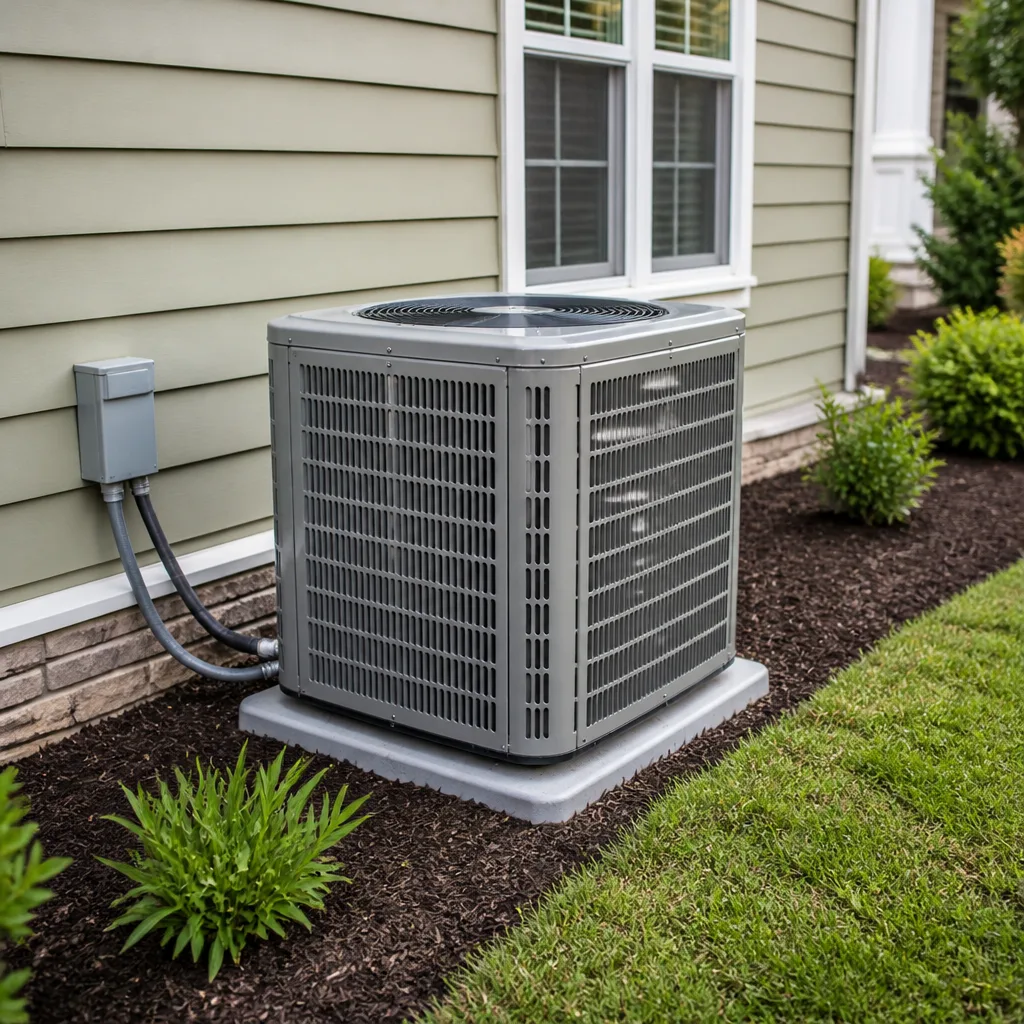 AC repair
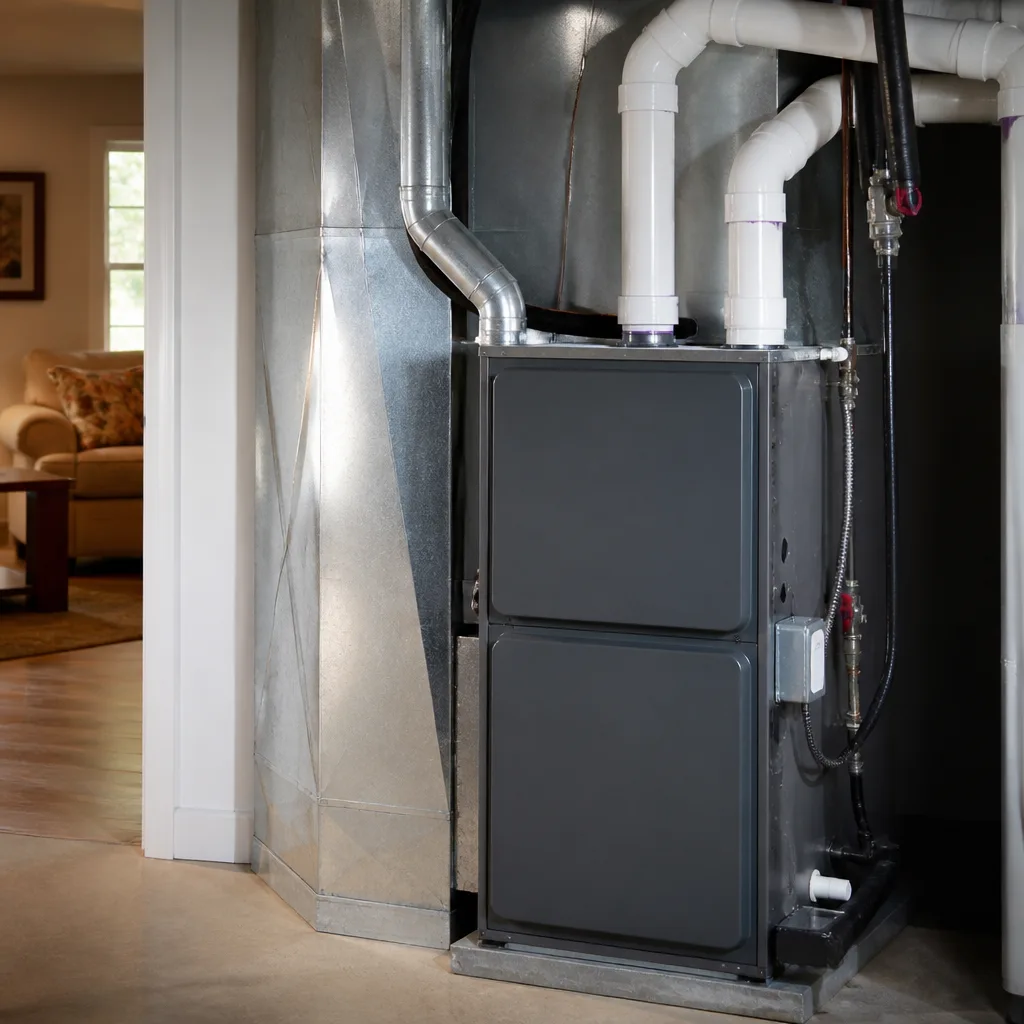 Furnace & heating
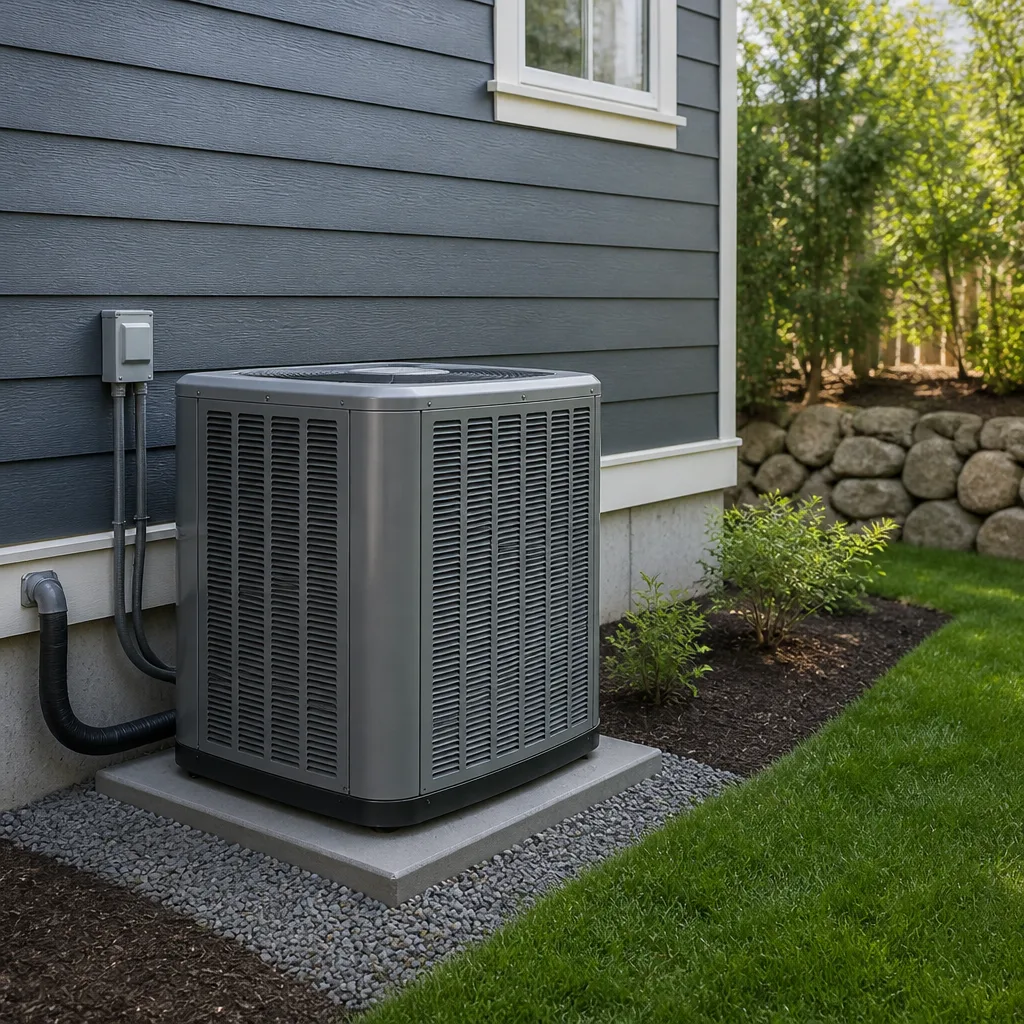 Heat pumps
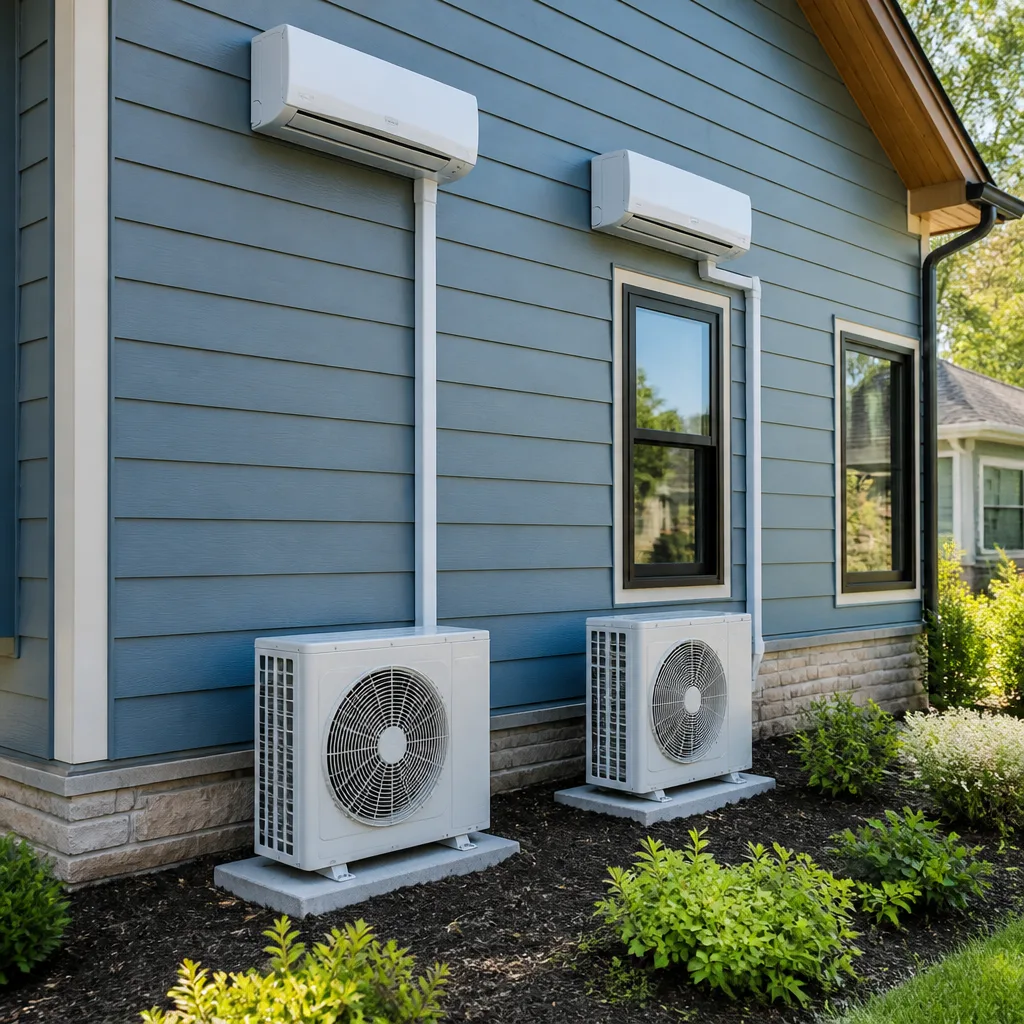 Ductless mini splits
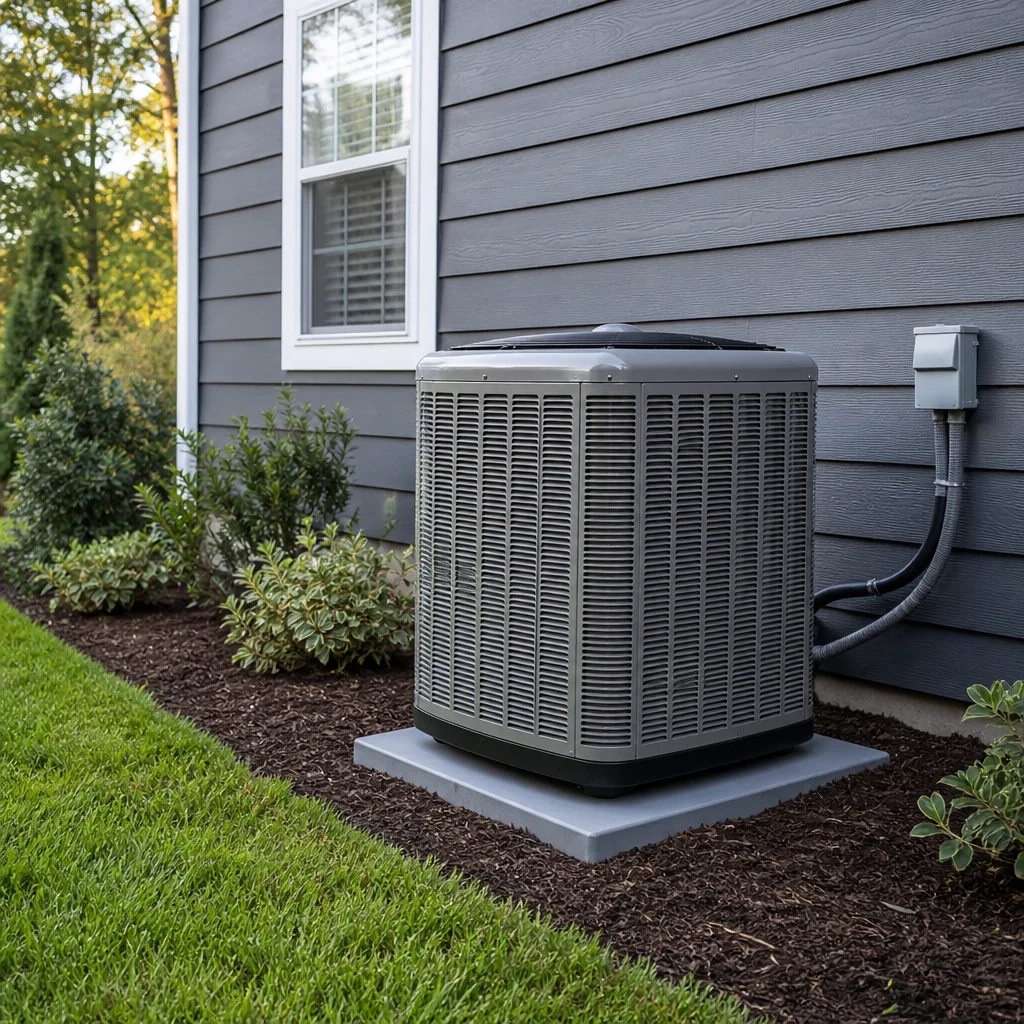 Carrier
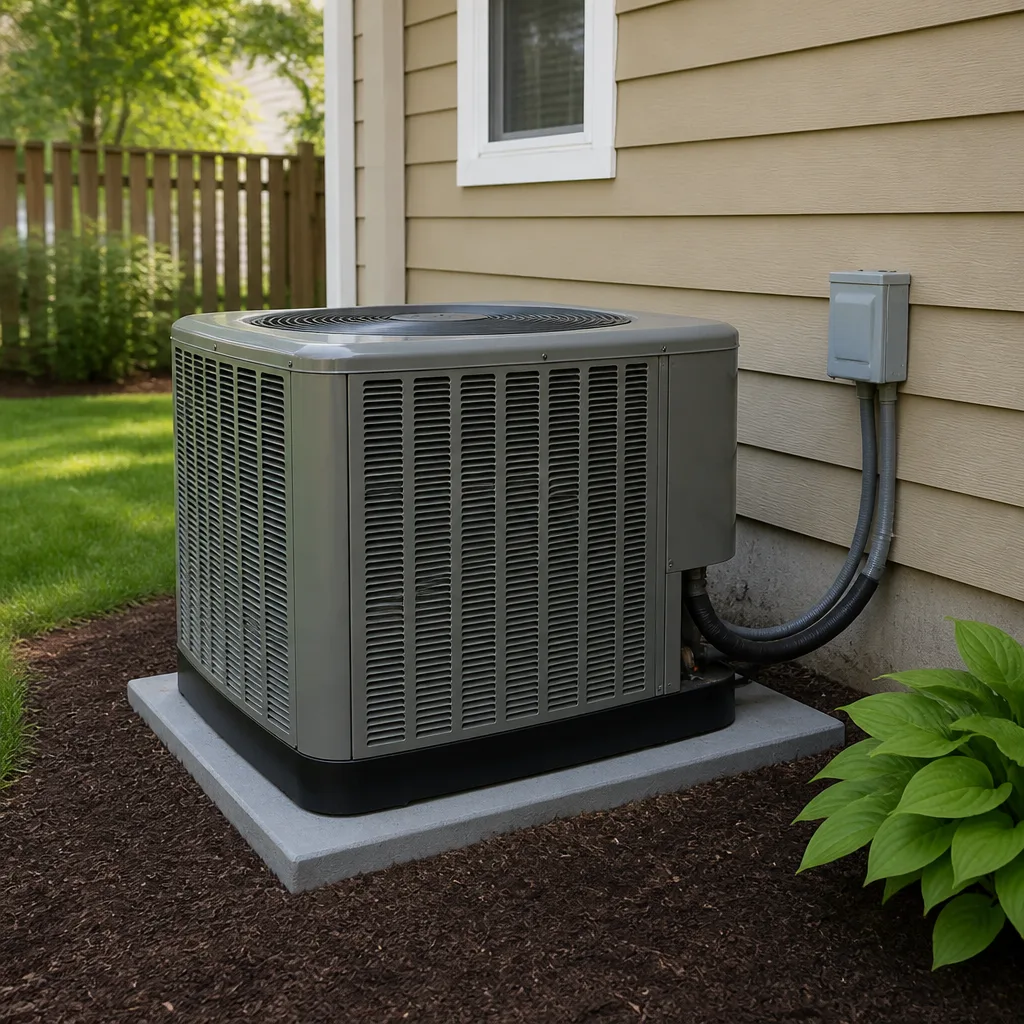 Trane
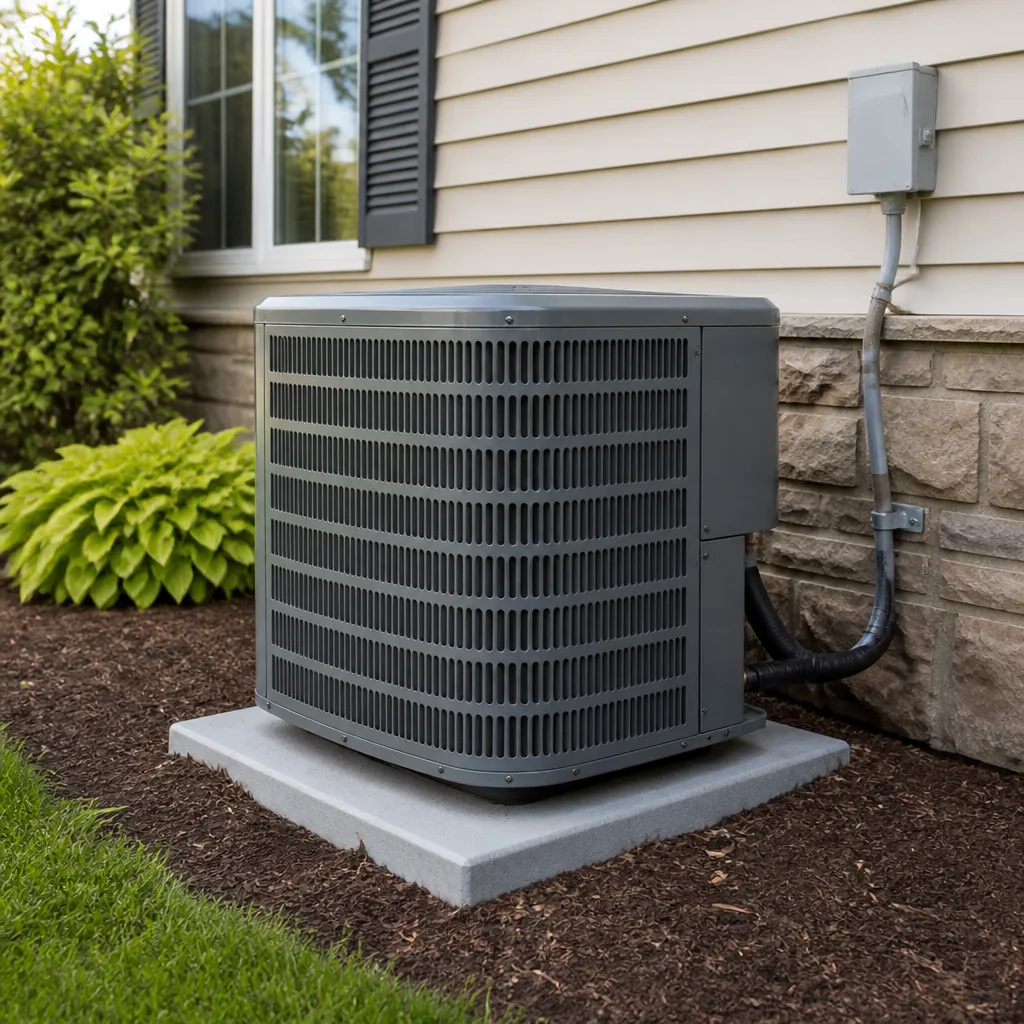 Goodman
Seasonal tune-up and full diagnostic on your Carrier, Trane, or Goodman system - readings shown to you before any repair is proposed
Diagnosis first, numbers second - you approve the repair price before a single part goes in.
Get your free estimateAC Repair & Installation Troubleshooting: Common Problems and How to Fix Them
A warm house is a symptom, not a diagnosis. When a homeowner calls and says “it’s not cooling,” that gives a technician almost nothing to work with – and you end up paying diagnostic hours for information you could have gathered yourself in ten minutes. The homeowners who get the fastest, cheapest fix are the ones who can say “it’s short-cycling every eight minutes and the supply vents are weak on the east side of the house.” That single sentence points straight at an airflow problem before anyone opens a panel. This guide is built to get you to that level of clarity, with the Summerlin heat in mind.
Quick Answer
Most AC problems fall into one of three families: airflow restrictions, refrigerant charge issues, or compressor and electrical failures. You can tell them apart from inside the house by watching three things – how often the system cycles, whether ice forms on the indoor coil or the outdoor lines, and what the system sounds like at start-up. Document those three observations with timestamps, and a trained technician will diagnose in one visit what might otherwise take two.
Styles & brands we work with
- AC repair
- Furnace & heating
- Heat pumps
- Ductless mini splits
- Carrier
- Trane
- Goodman
Table of Contents
- The Three Families of AC Problems: Airflow, Refrigerant, Compressor
- Why Short-Cycling in Summerlin Heat Is Almost Never the Thermostat
- Ice on the Coil: Low Refrigerant vs. a Dirty Filter
- What a Healthy Start-Up Sounds Like vs. a Struggling Compressor
- How to Document Symptoms Before the Technician Arrives
- Installation Troubleshooting: When the Problem Starts on Day One
- Common Mistakes to Avoid
- Frequently Asked Questions
The Three Families of AC Problems: Airflow, Refrigerant, Compressor
Every cooling failure you’ll ever experience belongs to one of three families, and each family shows different symptoms from inside your home. Learning to sort your symptoms into the right family is the single most useful thing you can do before you pick up the phone. In Summerlin, where a July afternoon can sit above 110°F and the system runs nearly nonstop from noon to sunset, those symptoms get exaggerated fast.
Airflow problems show up as weak supply vents, rooms that never cool while others do, a system that runs long but never quite satisfies the thermostat, or a filter that clogs faster than you’d expect. The refrigerant charge can be perfect and the compressor healthy, but if air can’t move across the evaporator coil, you get a house that feels stuffy rather than cold. Nine times out of ten, this traces back to a filter, a blocked return, or a duct that’s come loose in the attic.
Refrigerant problems announce themselves with ice. Ice on the indoor coil, ice on the large insulated line going into the outdoor unit, or ice on the outdoor unit itself all point to low charge – usually a slow leak somewhere in the line set or coil. You’ll often notice the house cooling fine in the morning and losing ground by late afternoon, because a low charge can’t keep up once the outdoor temperature peaks.
Compressor and electrical problems are the loud family. The system may trip the breaker, hum without starting, cycle on and off in short bursts, or simply blow room-temperature air. This is the family where you stop troubleshooting and call – a failing compressor can damage itself beyond repair if it keeps trying to start.
- Weak vents + long runtimes + no ice: airflow.
- Ice anywhere + cooling that fades as the day heats up: refrigerant.
- Tripped breaker + humming + no cold air at all: compressor or electrical.
If you land in the compressor family, see our AC Repair & Installation in Summerlin page for what a repair visit involves and how we price it.
Why Short-Cycling in Summerlin Heat Is Almost Never the Thermostat
Short-cycling means the system starts, runs for a few minutes, shuts off, and starts again – over and over. Homeowners almost always blame the thermostat first, and in Summerlin summer heat, that’s almost never the answer. A thermostat that’s failed will usually fail dead, not cycle; it doesn’t get confused by heat. What actually causes short-cycling in the Summerlin climate is something the system is doing to protect itself.
Here’s what’s usually behind it:
- High head pressure from a dirty outdoor coil. Summerlin sits in a dusty valley, and the condenser coil outdoors acts like a filter. When it packs with dust, the compressor can’t shed heat and the high-pressure switch shuts the system down before damage occurs. It restarts once pressure bleeds off, then repeats.
- An oversized system. If the unit was sized by square footage alone rather than by a load calculation, it cools the house too fast, satisfies the thermostat, and shuts off before it’s had time to pull humidity out. You get a house that’s cool but clammy, cycling every seven to ten minutes.
- A refrigerant charge that’s off. Overcharged or undercharged systems trip pressure switches and short-cycle in the heat of the day.
- A failing capacitor or contactor. The compressor tries to start, draws too much current, and the overload protects it by cutting out.
If your system is short-cycling, note the exact time between starts on three consecutive cycles. If it’s consistent – say, eight minutes on, four minutes off, repeatedly – that points to a pressure or electrical cutout. If it only short-cycles in the late afternoon, that points to the outdoor coil and heat load. That distinction alone saves real diagnostic time.
Ice on the Coil: Low Refrigerant vs. a Dirty Filter
Ice on the evaporator coil is one of the most misunderstood symptoms in air conditioning. Homeowners see the ice, assume the system is “working too hard,” and turn the thermostat down further – which makes it worse. The truth is that ice forms for two completely different reasons, and the fix for each is entirely different.
Ice from a dirty filter or restricted airflow. When the filter is clogged, not enough warm air moves across the cold coil. The coil drops below freezing, and condensation on it turns to ice. This is the fix you can handle yourself: change the filter, turn the system off at the thermostat, and let it thaw completely – usually a few hours – before restarting. If the filter is clean and the ice returns within a day, the problem is elsewhere.
Ice from low refrigerant. When the charge is low, the coil runs too cold because there isn’t enough refrigerant pressure to keep the coil at a normal temperature. Here’s the tell: with low refrigerant, the ice forms on the outdoor unit’s large line and sometimes the outdoor coil, and it comes back fast even with a clean filter. That ice is a symptom of a leak, not a filter problem. Chasing it with a filter change alone will waste your time and money.
One more thing: never chip ice off a coil with a tool. You’ll puncture the coil and turn a leak into a replacement. Turn the system off, let it thaw, and let a technician find the charge issue.
What a Healthy Start-Up Sounds Like vs. a Struggling Compressor
You don’t need a gauge set to hear trouble. A healthy central AC start-up in a Summerlin home has a predictable sound, and once you know it, anything else stands out.
A healthy start-up: a soft click as the contactor engages, a low hum that settles within a second, a steady fan whoosh from the outdoor unit, and a quiet, consistent airflow from the supply vents. The outdoor unit should be warm to the touch at the top and not vibrating more than a faint tremble. Nothing should rattle, screech, or clank.
A struggling compressor: a loud, heavy buzz or grinding that lasts a beat too long before the compressor catches or gives up. Sometimes it’s a series of clicks – click, hum, click – repeating every minute or two, which usually points to a failing capacitor. A high-pitched squeal from the outdoor fan points to a bearing. A metallic rattle that changes with pitch points to loose panels or a failing fan motor. And a hard, vibrating thump on start-up can mean the compressor’s internal mounts are wearing.
In our experience, the most common reported sound in Summerlin homes during the first heat wave of the year is a compressor that “hums but doesn’t start.” That’s a capacitor a lot of the time – a small part, a fast job, and if caught early, no compressor damage. Left alone, a compressor trying to start against a failed capacitor will burn itself out.
How to Document Symptoms Before the Technician Arrives
This is the step most homeowners skip, and it’s the one that pays for itself. Ten minutes of notes cuts diagnostic time in a way that’s real money on the invoice. Here’s what to write down before the technician’s van pulls into your Summerlin driveway:
- Timestamps. Note the time each time the system starts and stops, for at least three cycles. “Started at 2:04, off at 2:12, started again 2:16” beats “it short-cycles.”
- What the thermostat reads. Set point, indoor temperature, and outdoor temperature all matter. A photo of the thermostat screen is worth more than a description.
- Which vents are weak. Walk the house with your hand at each supply vent. Note “north bedrooms strong, east bedrooms weak” – that mapping tells a technician exactly where to look in the attic or crawl.
- Whether ice is present and where. Indoor coil, outdoor line, or outdoor unit. Photo.
- Any sounds. A 15-second voice memo of the start-up is genuinely useful.
- What you’ve already done. Filter changes, thermostat resets, breaker flips – list them so the technician doesn’t repeat a step you’ve already paid for.
Take these notes to the phone call, not after. When you call Fireside Heating & Air Co. Summerlin at (888) 325-9387, the person who answers can route the job to a technician who already knows what to look for. A live person picks up, day or night, so you’re never waiting on a callback to relay what you saw.
Installation Troubleshooting: When the Problem Starts on Day One
A new system that doesn’t work right out of the gate is a different animal from an aging one that’s started to fail. The symptoms look similar, but the causes almost always trace back to commissioning – and that’s a conversation to have with the installer, not a reason to throw more parts at it.
The three most common day-one problems we see in Summerlin installations are:
- Airflow that was never balanced. The new unit cools plenty of air into some rooms and starves others, because the dampers on the trunk line were never adjusted to the new equipment’s static pressure. The fix is balancing, not a new unit.
- Refrigerant charge set on a cool morning. Charge has to be verified at design conditions. If a system is commissioned in April and fails to cool by July, the charge is often the first place to look.
- Drain and overflow issues. Summerlin’s low humidity means condensate is usually modest, but a poorly sloped drain line or a missing secondary pan float can still leave water on the ceiling. That’s installation, not failure.
If you recently had a system replaced and it never quite cooled the way you expected, get a second read. Our Heat Pump & Mini Split in Summerlin page covers the equipment side, and a free second opinion on any written estimate is one of our standing offers. Bring what the installing contractor quoted you, and we’ll tell you plainly whether it covers what the house actually needs.
Common Mistakes to Avoid
- Turning the thermostat down further when the house isn’t cooling. If the system can’t keep up, setting it to 68°F won’t make it cool faster – it just runs longer and can freeze the coil. Leave it at a normal set point and address the actual cause.
- Chipping ice off the coil. You’ll puncture the coil and turn a leaking system into a replacement job. Turn it off and let it thaw.
- Running a system with a failed capacitor “until it dies.” A compressor that keeps trying to start against a bad capacitor will burn itself out. That’s not a repair, it’s a replacement.
- Replacing the thermostat when the problem is airflow. A new thermostat doesn’t move air. If the vents are weak, the problem is upstream of the thermostat.
- Ignoring weak vents in one part of the house. In Summerlin, a west-facing bedroom that runs 6°F warmer than the rest of the house all summer is usually a duct or balancing issue, not a “that’s just Summerlin” thing.
- Skipping the seasonal filter change in spring. Summerlin’s dust load means filters clog faster than in most markets. Check monthly between May and September, not twice a year.
- Hiring on price alone and skipping the second opinion. A cheap quote that misses a duct problem or an undersized unit isn’t cheap by the time you’ve paid for both. A free second opinion on a written estimate takes an hour and protects the investment.
See the difference
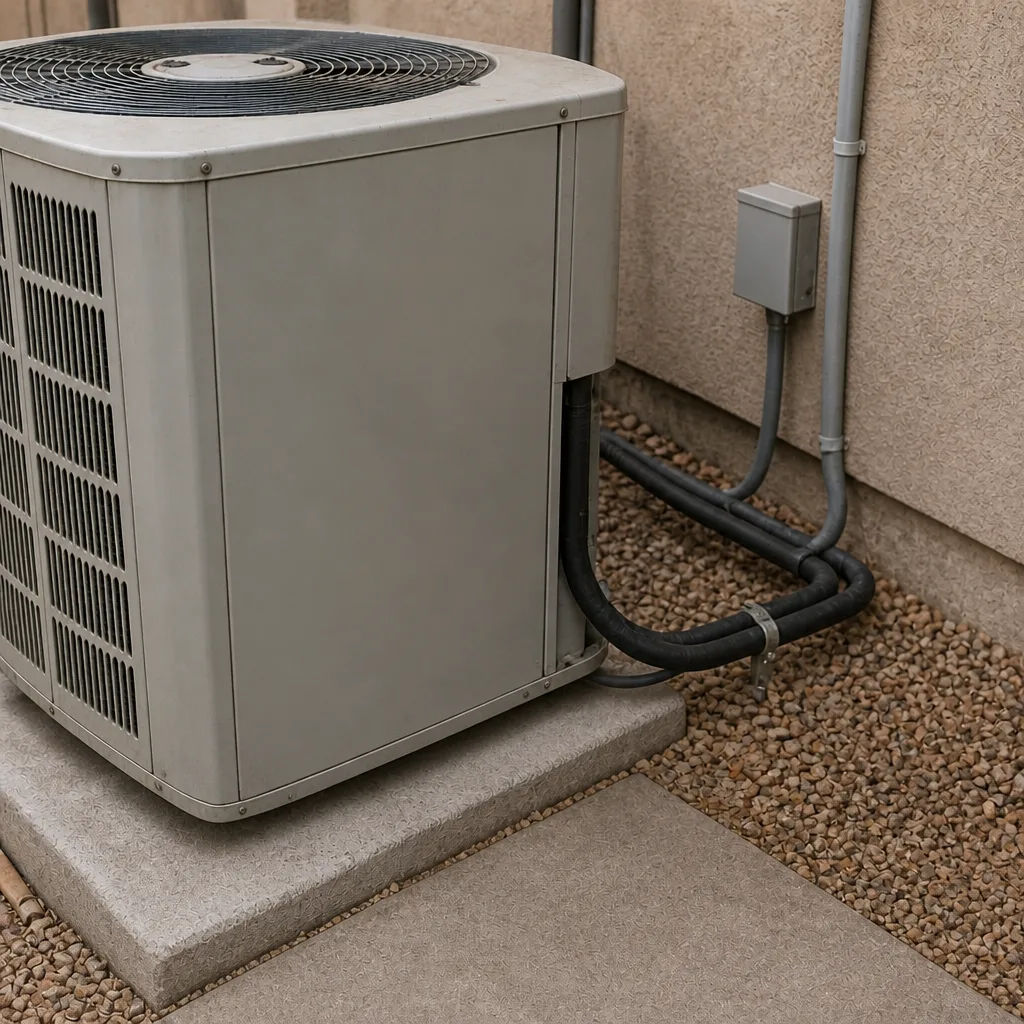
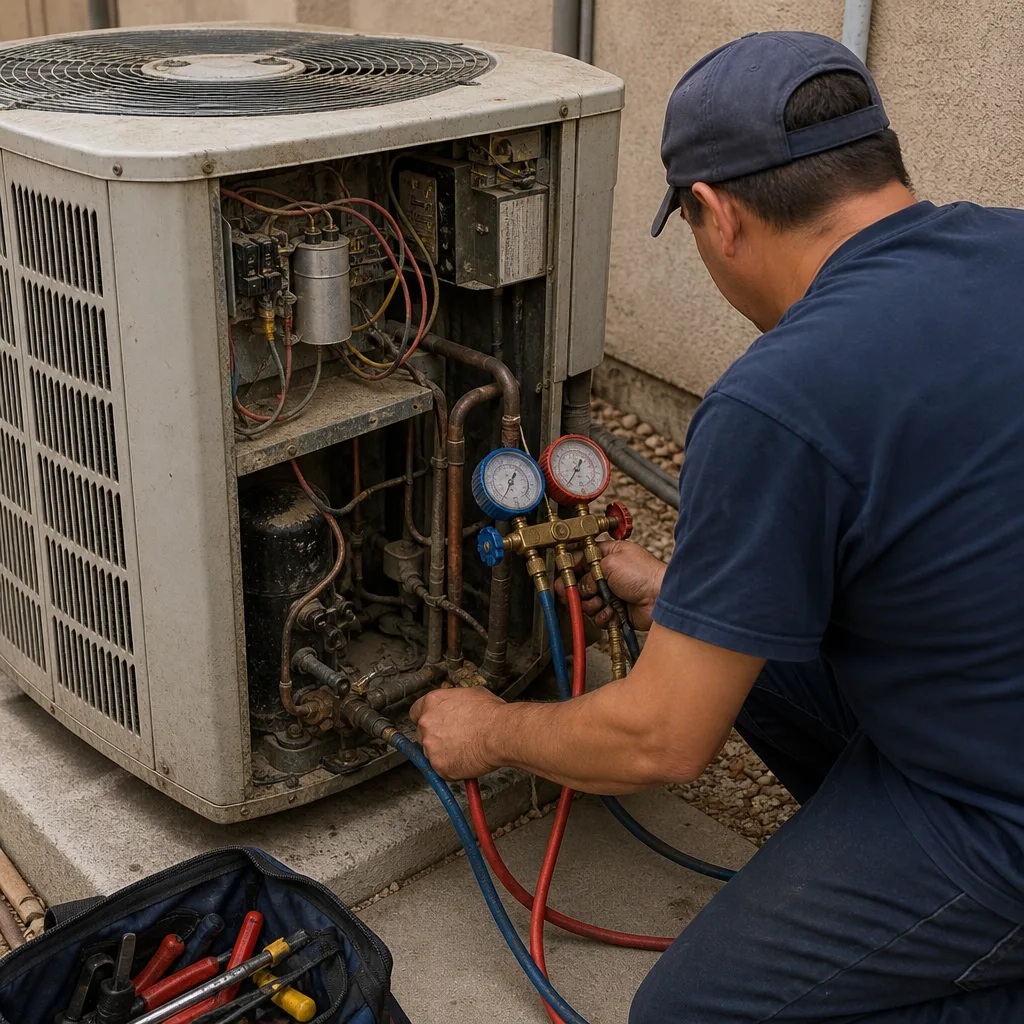 Before
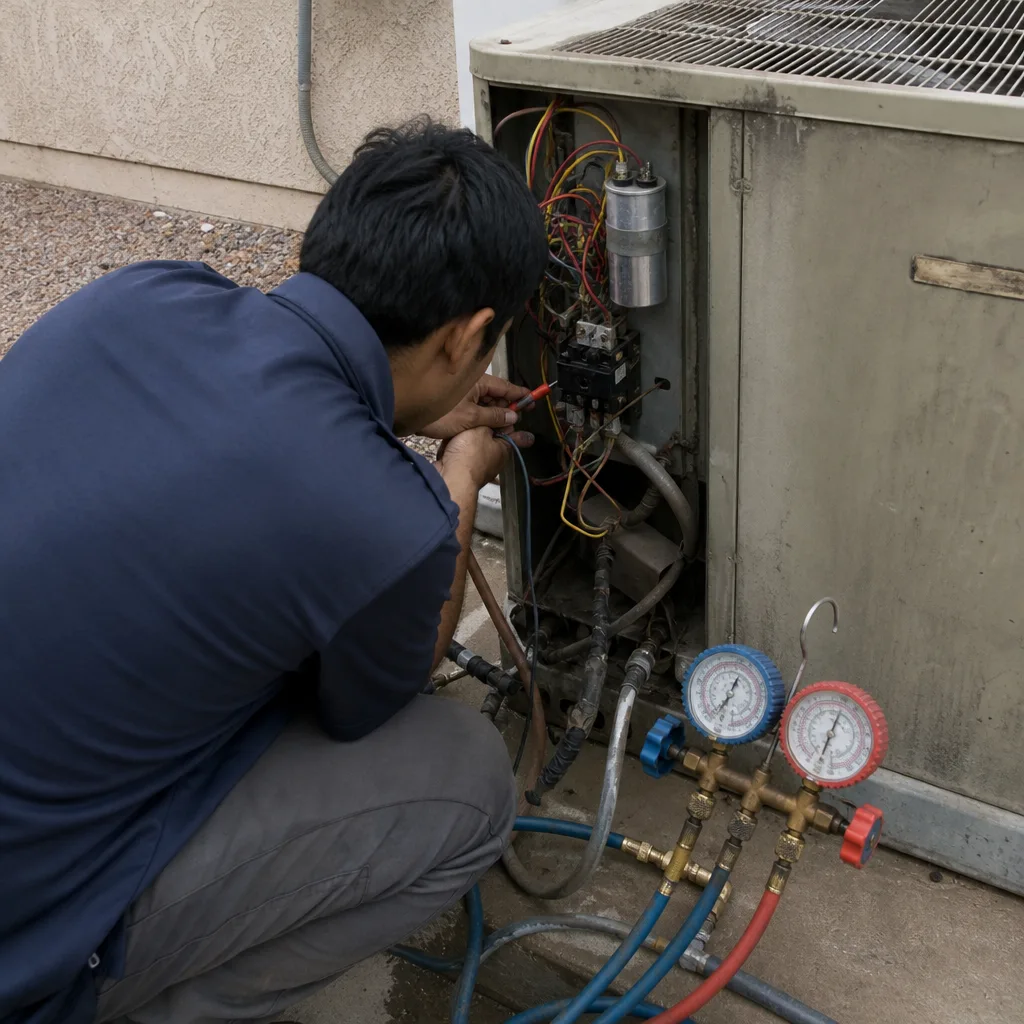
 After
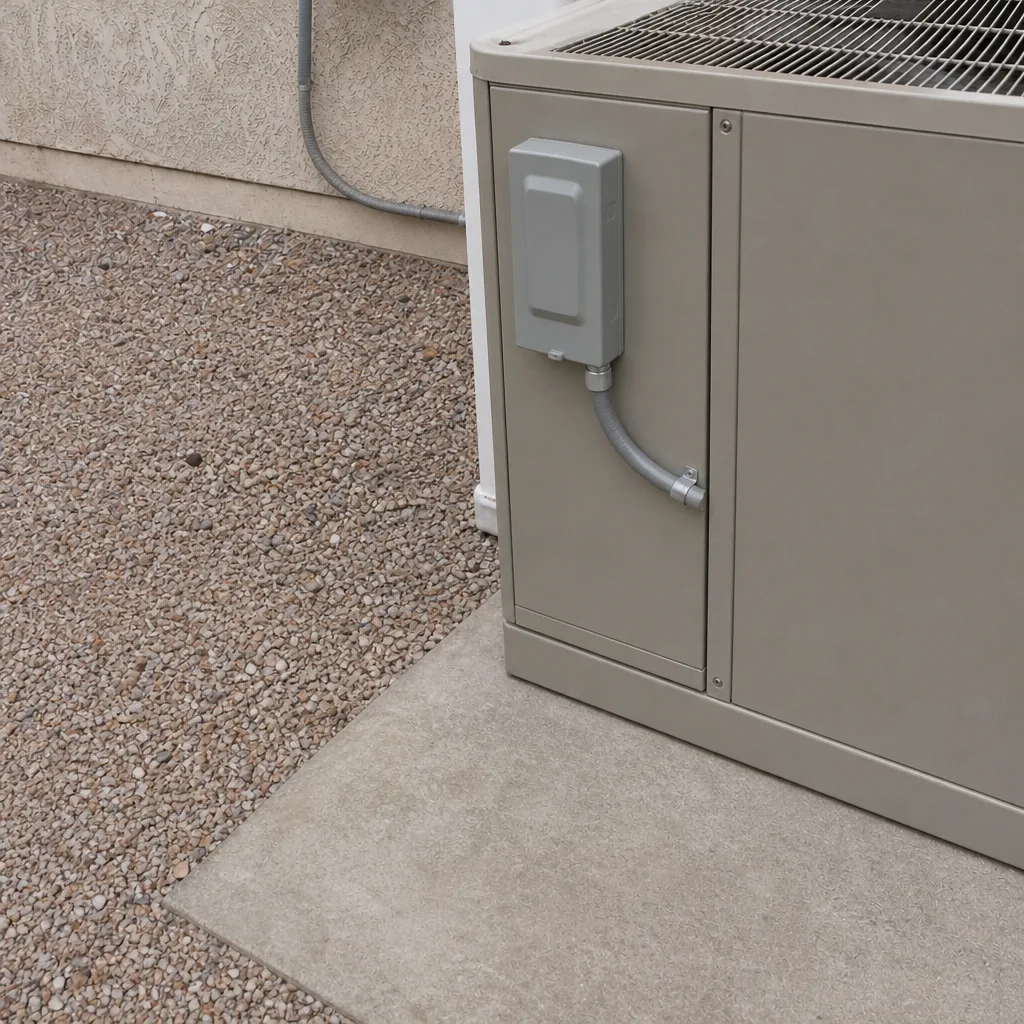
 Before
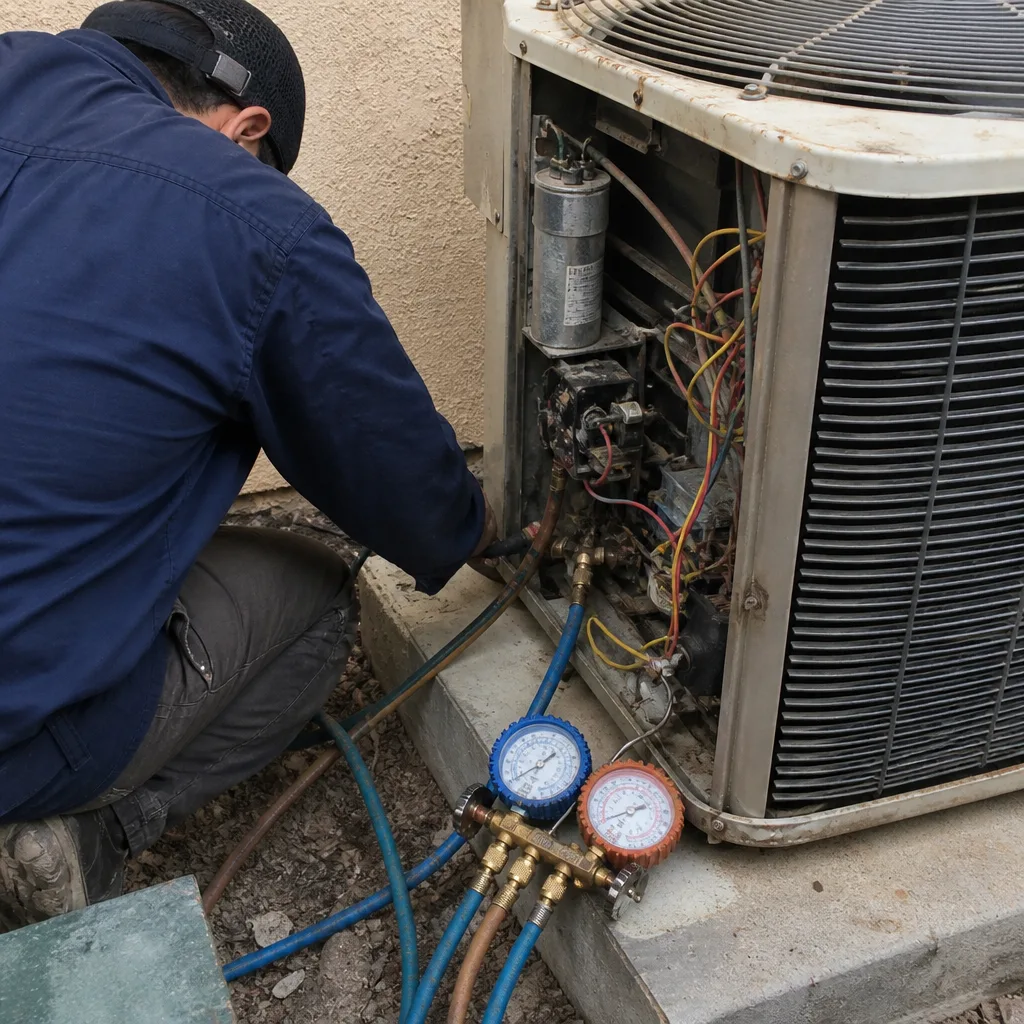
 After
 Before
 After
When to Call a Professional
Call a professional when you see ice on the outdoor unit, hear a compressor that hums without starting, notice the breaker tripping repeatedly, or smell anything burning near the air handler. Those are all situations where continuing to run the system can turn a repairable problem into a replacement. Also call if the house simply isn’t cooling and you’ve already changed the filter and checked the breaker – airflow and refrigerant diagnosis both require gauges and training you shouldn’t try to improvise.
Fireside Heating & Air Co. Summerlin offers free estimates in Summerlin. Our technicians carry up to 8 years of experience, work on nine major brands including Goodman, Rheem, and Daikin, and every job is backed by the 90-Day Done Right Promise – if it isn’t done right, we make it right, in writing, no arguing. Call (888) 325-9387 and a live person will answer, whatever the hour.
Frequently Asked Questions
In Summerlin summer heat, short-cycling is almost always the system protecting itself from high head pressure, a failing capacitor, or an off refrigerant charge – not the thermostat. Note the time between starts on three cycles and call for a diagnostic; the pattern tells the technician which of those three to check first. Call (888) 325-9387 for an exact quote on the repair – estimates are free.
Dirty-filter ice usually thaws and stays gone after you change the filter and let the system rest a few hours; low-refrigerant ice comes back within a day and often shows up on the outdoor unit’s large line. If the ice returns after a clean filter, that’s a charge issue and needs a technician with gauges. Call (888) 325-9387 to get it looked at properly.
As a general rule, repair is the better call when the unit is under ten years old and the repair is a capacitor, contactor, or fan motor; replacement makes more sense when a compressor fails on an aging system or when a second major repair lands within a few years of the first. Ask for the repair versus replace math in writing and compare it side by side. A free second opinion on any written estimate is one of our standing offers – call (888) 325-9387.
Repair cost depends on the part and the labor, not the zip code – a capacitor replacement, a fan motor, and a refrigerant leak repair all land in very different ranges. That’s why we quote upfront, in writing, on every job: the price quoted is the price paid. Call (888) 325-9387 and we’ll give you a real number, not a range.
Yes – our phones are answered by a live person 24 hours a day, 7 days a week, and a Summerlin AC failure in July is treated as the emergency it is. Most jobs are completed in a single visit. Call (888) 325-9387 and we’ll tell you exactly when a technician will be there.
Check it monthly from May through September and change it when you can see dust packed across the surface – often every 30 to 60 days during peak season in Summerlin. A clogged filter is the most common cause of coil ice we see, and it’s the cheapest problem to prevent. Call (888) 325-9387 if you’d like us to check the filter and airflow on a seasonal tune-up.
The Bottom Line
Understanding why your system is misbehaving is worth more than knowing that it is. Sorting your symptoms into airflow, refrigerant, or compressor – and writing down the timing, the ice location, and the sound – puts a technician in position to fix the right thing on the first visit. In Summerlin, the heat exaggerates every small problem, so catching them early matters. When you call, a live person answers. The price is quoted before the work begins. The job is backed in writing for 90 days. And if it isn’t done right, we make it right. That’s the square deal, and it’s how we’ve stayed a fixture in Summerlin homes for over four decades. For help today, call Fireside Heating & Air Co. Summerlin at (888) 325-9387. If it’s your furnace rather than your AC acting up, see our Heating & Furnace in Summerlin page.
Written by the team at Fireside Heating & Air Co. Summerlin.