
Last updated November 17, 2026
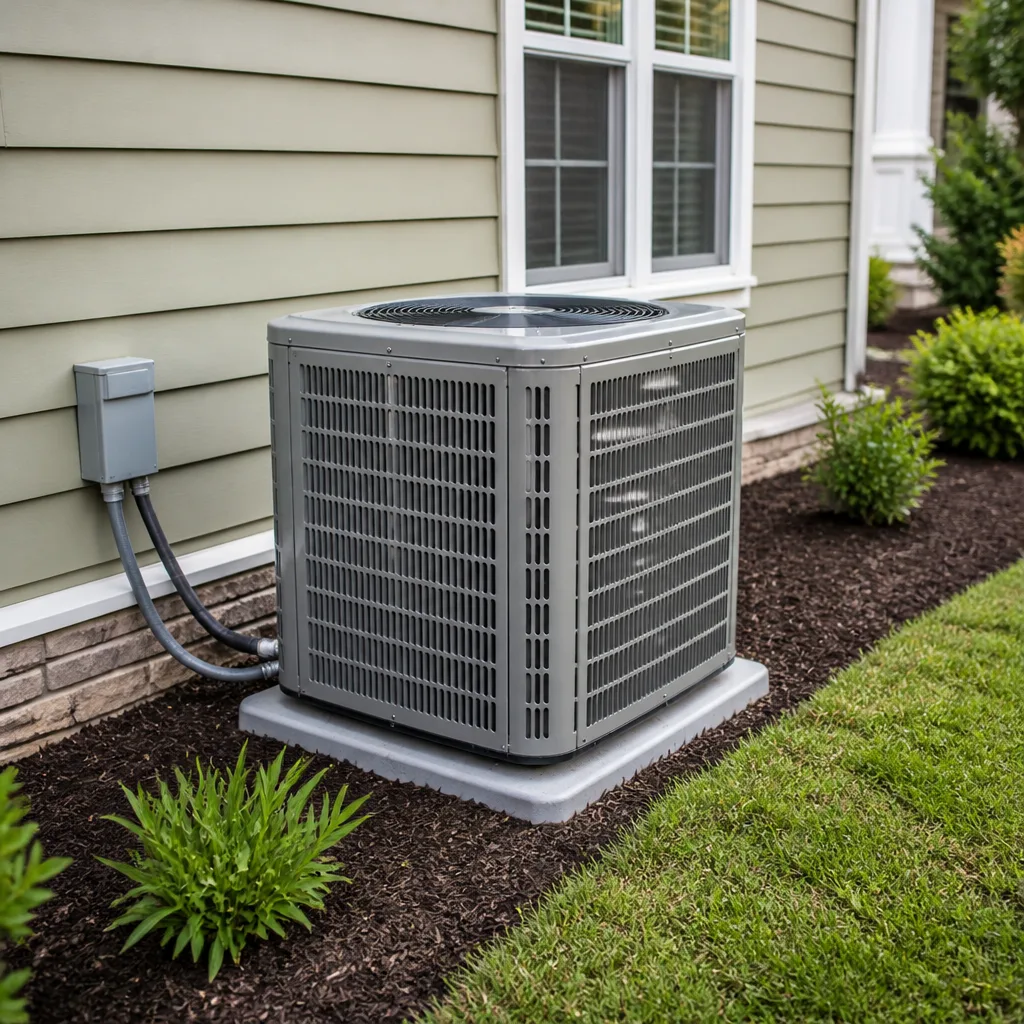 AC repair
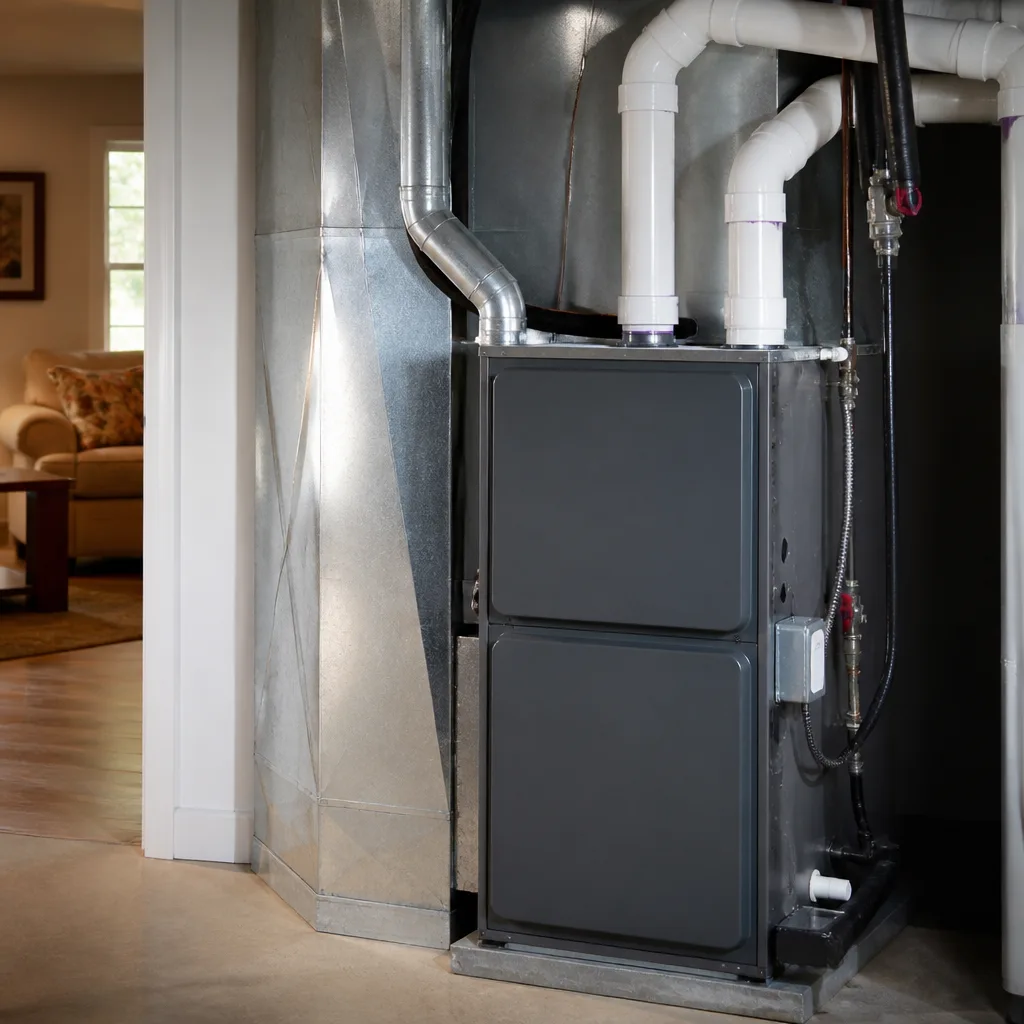 Furnace & heating
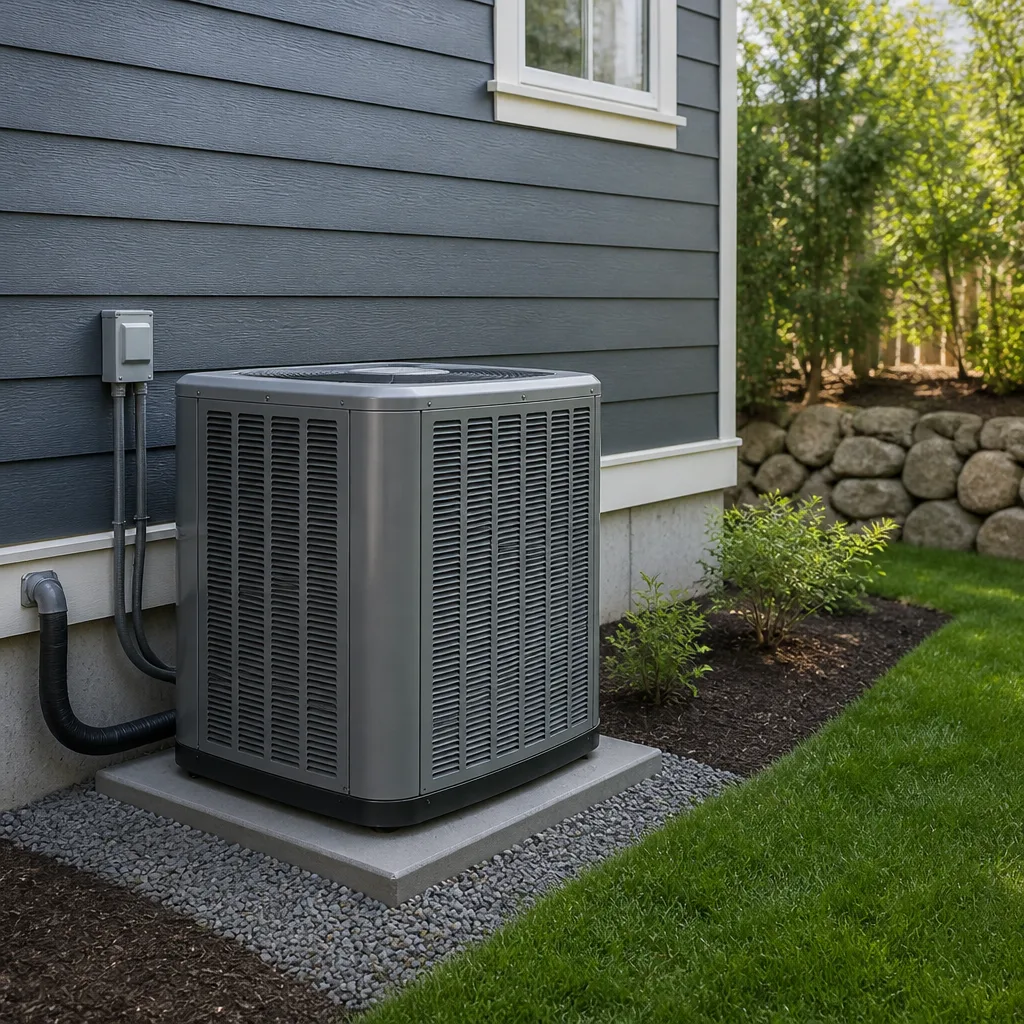 Heat pumps
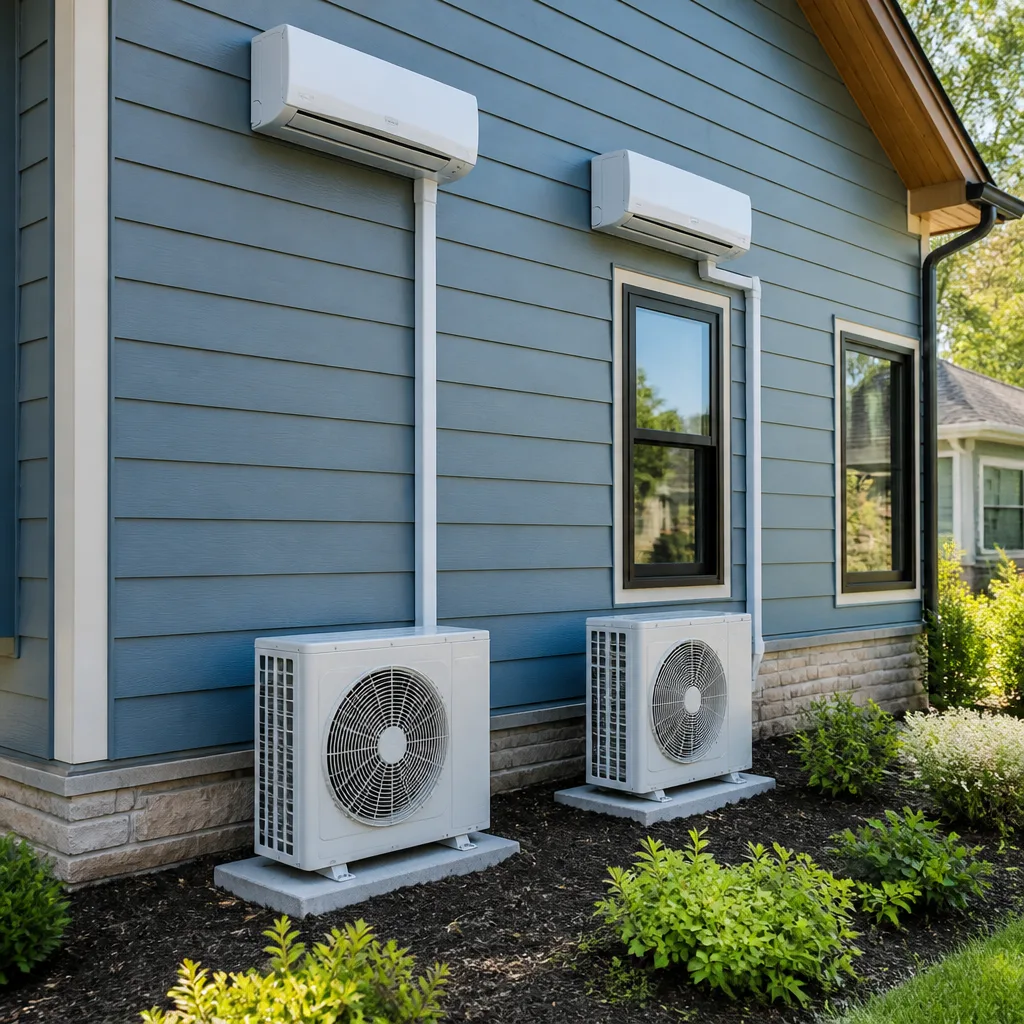 Ductless mini splits
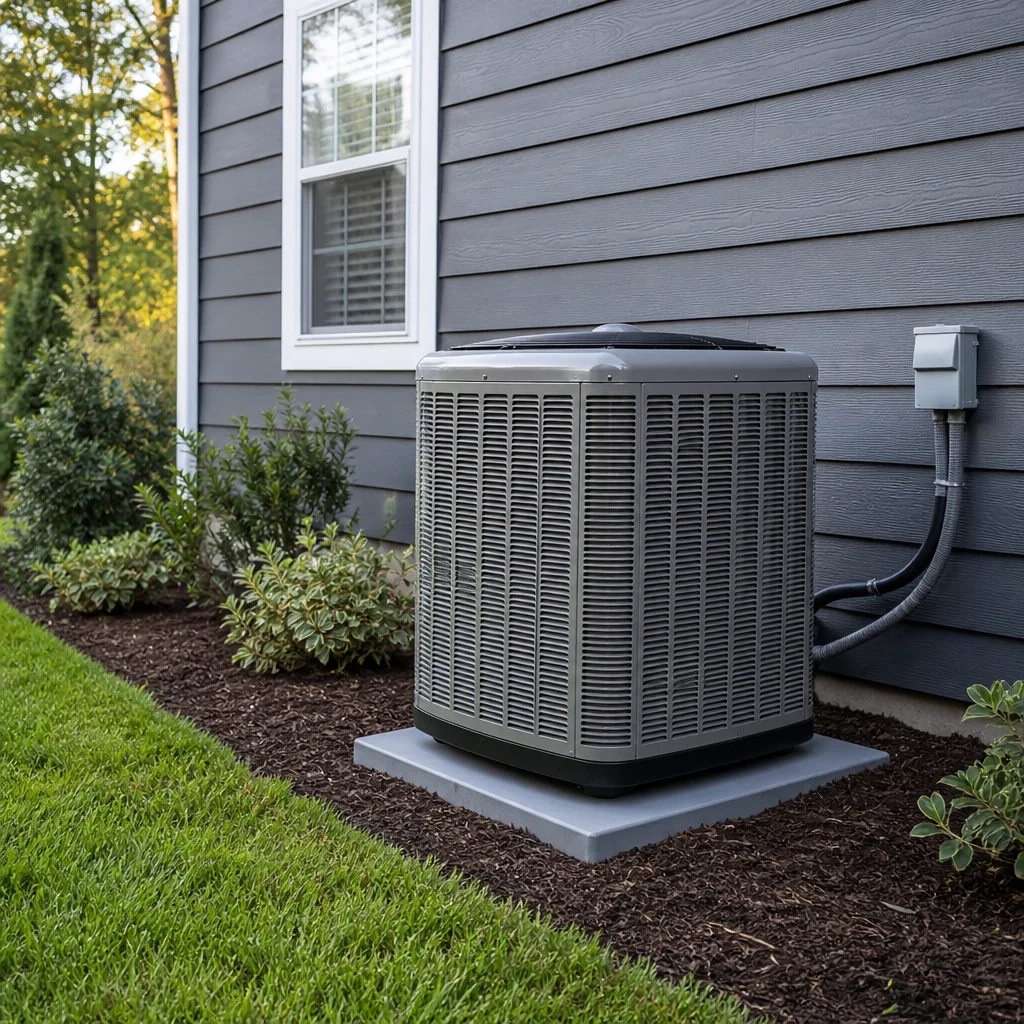 Carrier
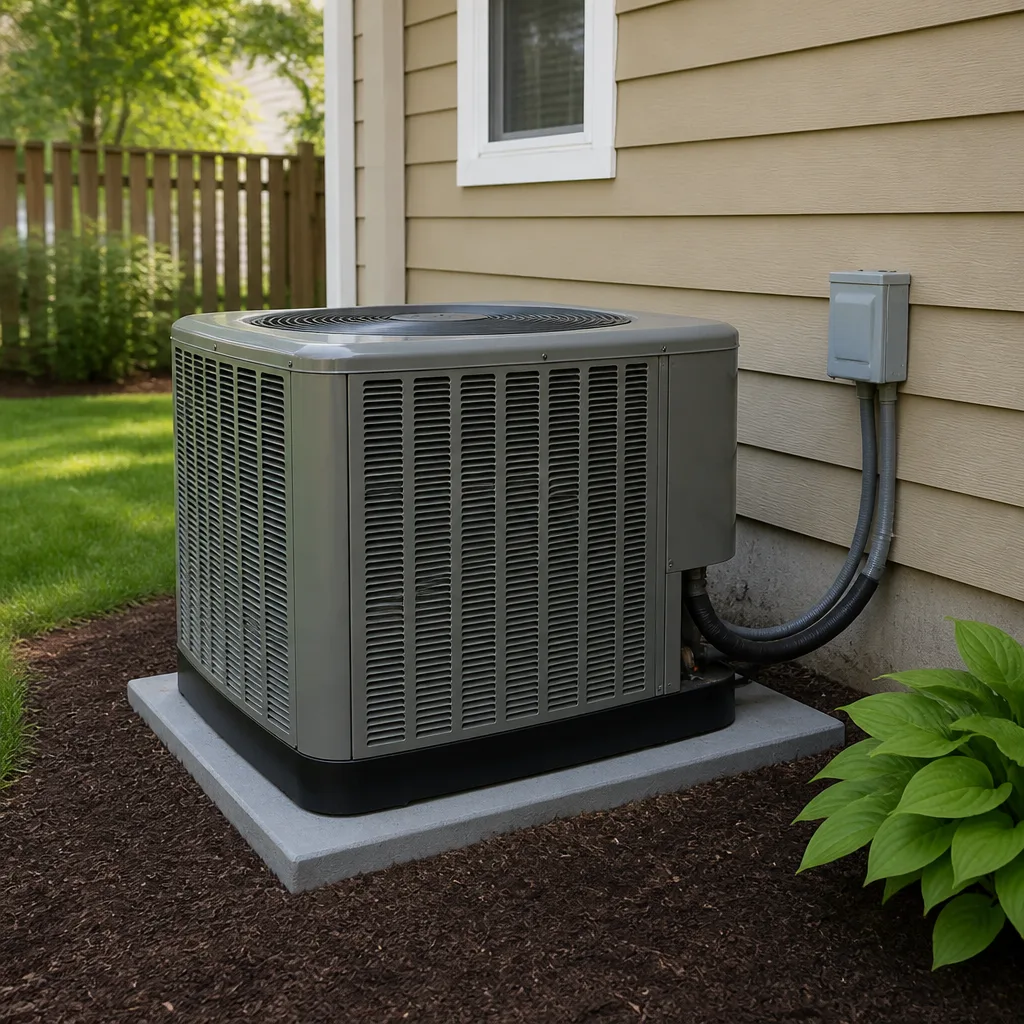 Trane
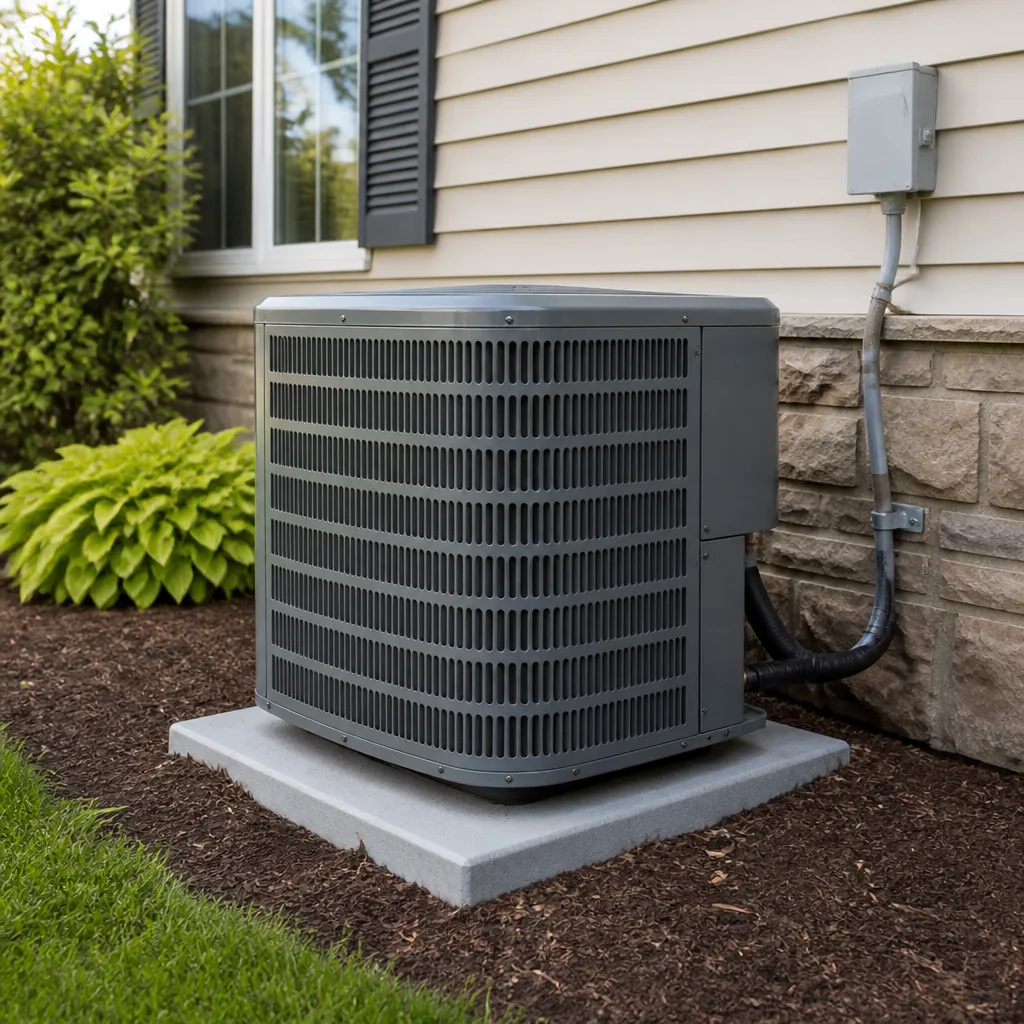 Goodman
Seasonal tune-up and full diagnostic on your Carrier, Trane, or Goodman system - readings shown to you before any repair is proposed
Diagnosis first, numbers second - you approve the repair price before a single part goes in.
Get your free estimateThe Complete AC Repair & Installation Guide for Summerlin Homeowners
Most AC installation guides are written for a composite American home in a composite American climate. Summerlin is not that place. Summerlin sits at roughly 3,000 feet against the Spring Mountains, bakes in sustained 110°F summer heat, and has attic temperatures that regularly climb past 160°F – none of which shows up in the guide you found on a national franchise’s blog. Those differences are not trivia. They change how a system gets charged with refrigerant, where a condenser can legally sit, and how long the ducts above your ceiling will last. This guide covers what actually matters when you repair or replace cooling equipment in Summerlin, from elevation effects to Clark County permits to the caliche layer under your side yard.
Quick Answer
AC repair in Summerlin usually runs a few hundred dollars for common failures and is often done the same day, while a full system replacement typically lands in the several-thousand-dollar range depending on tonnage, SEER2 rating, and ductwork condition. What separates a good Summerlin install from a bad one is not the equipment brand – it’s correct refrigerant charge for our elevation, proper condenser pad prep on caliche soil, and a duct assessment before any new unit goes in. Get those three things right and the system lasts; skip them and you pay twice.
Styles & brands we work with
- AC repair
- Furnace & heating
- Heat pumps
- Ductless mini splits
- Carrier
- Trane
- Goodman
Table of Contents
- Why Summerlin’s Elevation Changes Your Refrigerant Charge
- Caliche Soil and Condenser Pad Placement
- SEER2 Minimums in Nevada and Why Code Minimum Is a Losing Bet
- The Clark County Permit and Inspection Process
- 160°F Attics, Duct Degradation, and Why Ducts Come First
- Repair vs. Replace: Straight Talk
- Brands and What Actually Matters
- What a Proper Install Day Looks Like
Why Summerlin’s Elevation Changes Your Refrigerant Charge
Here’s the part almost nobody explains. Air conditioning refrigerant charge is calculated against atmospheric pressure, and atmospheric pressure drops as you climb. Summerlin sits about 1,100 to 1,400 feet above the Las Vegas valley floor. A system charged by weight using a valley-floor chart – or by a technician who learned the trade in a flat city – can end up undercharged or overcharged at our elevation. Both problems show up as the same thing to a homeowner: the house never gets cold, the unit runs all day, and the electric bill climbs.
An overcharged system is worse than undercharged. It floods the compressor with liquid refrigerant, and compressors do not survive that for long. In our experience, the systems that fail early in Summerlin are frequently systems that were commissioned with a generic charge chart.
What a proper charge looks like:
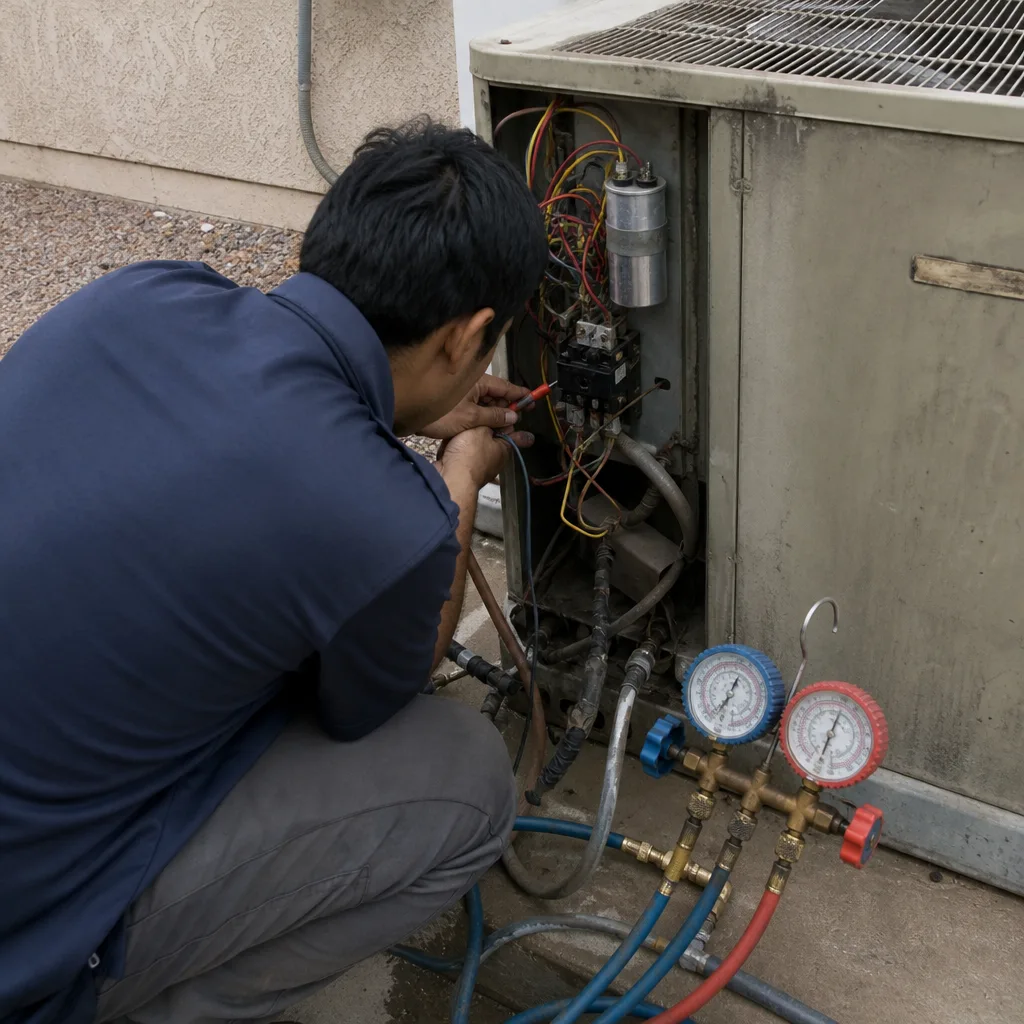
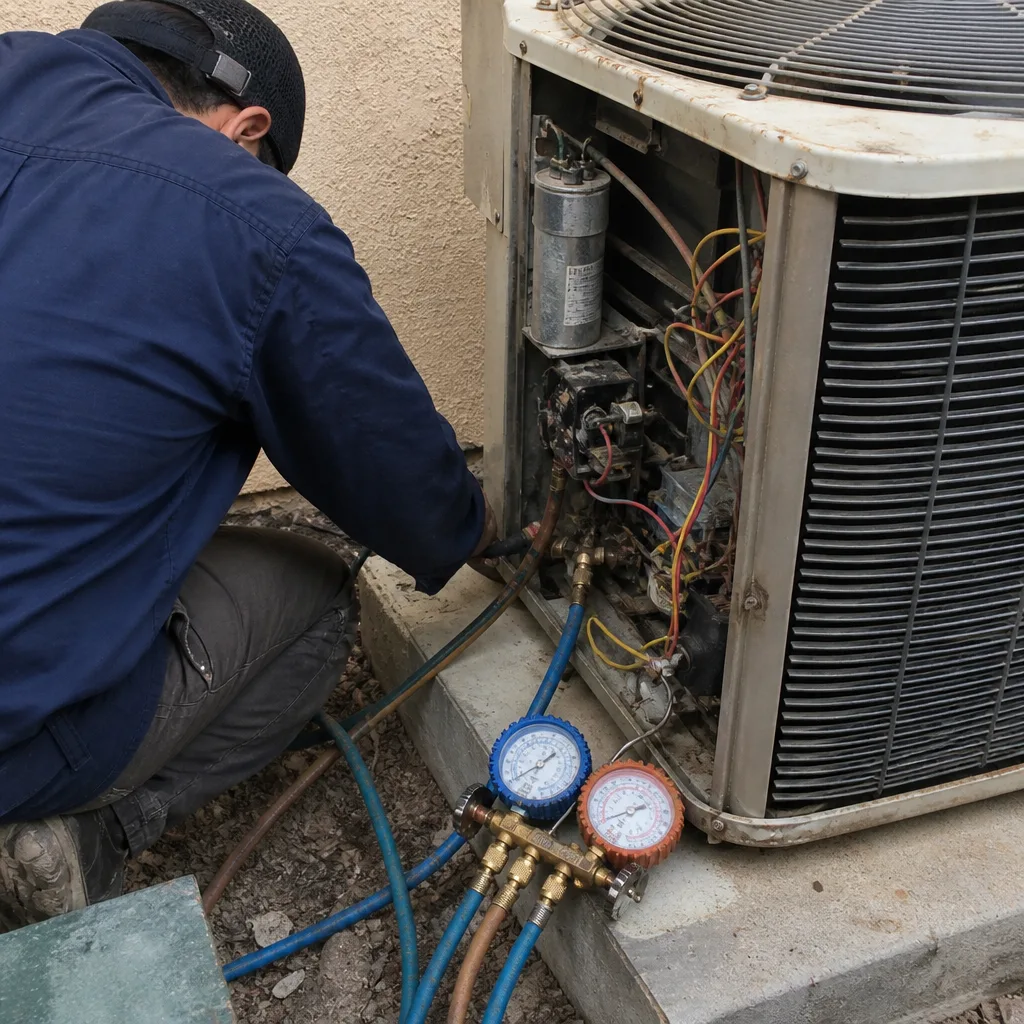
- Subcooling and superheat measured on site, not estimated from a sticker.
- Line set length accounted for when the condenser sits far from the air handler – common on Summerlin homes with long side-yard runs.
- Outdoor ambient temperature recorded at time of charging, because a 110°F afternoon reads very differently than an 85°F morning.
- A written record of the numbers left with you. Ask for it. We leave it.
If you’re replacing a system, this is one of the reasons we say the AC Repair & Installation in Summerlin page matters more than the brand brochure. The install is where the elevation problem gets solved or created.
Caliche Soil and Condenser Pad Placement
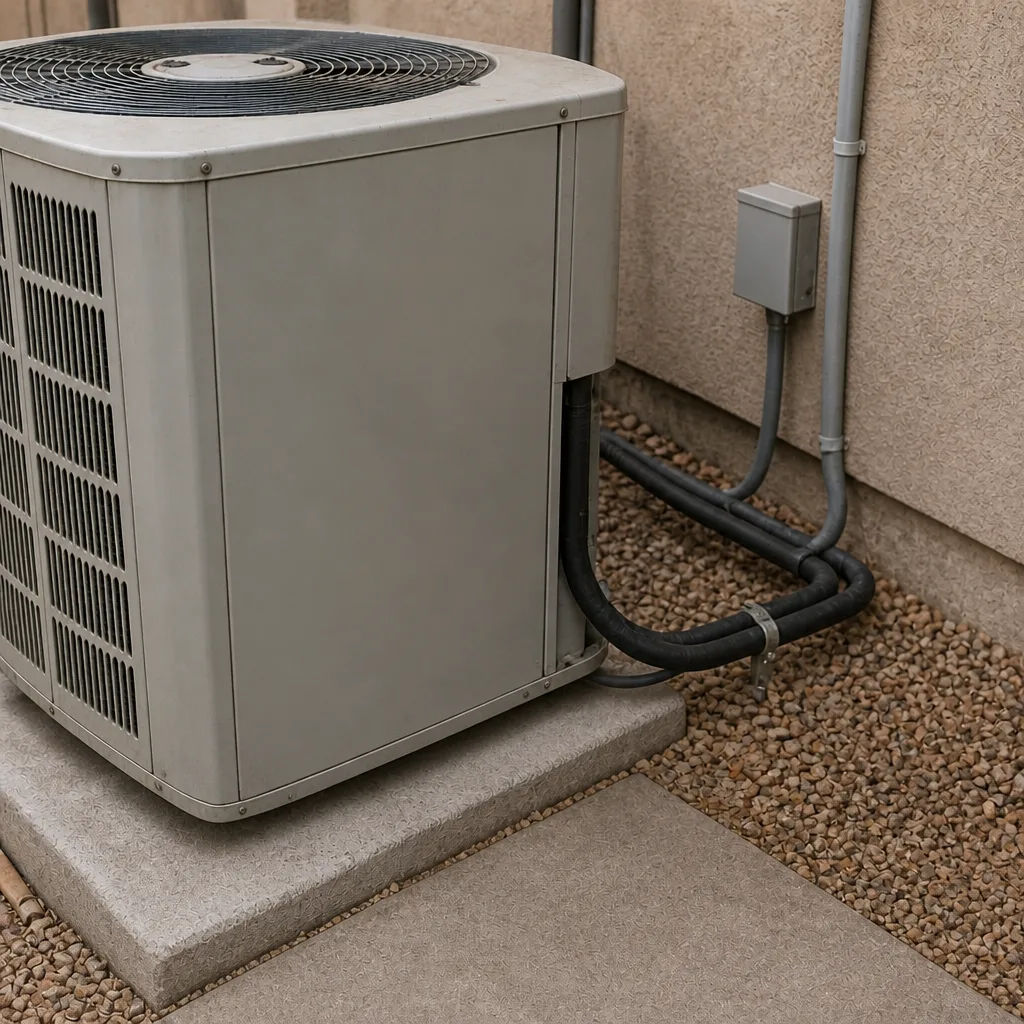
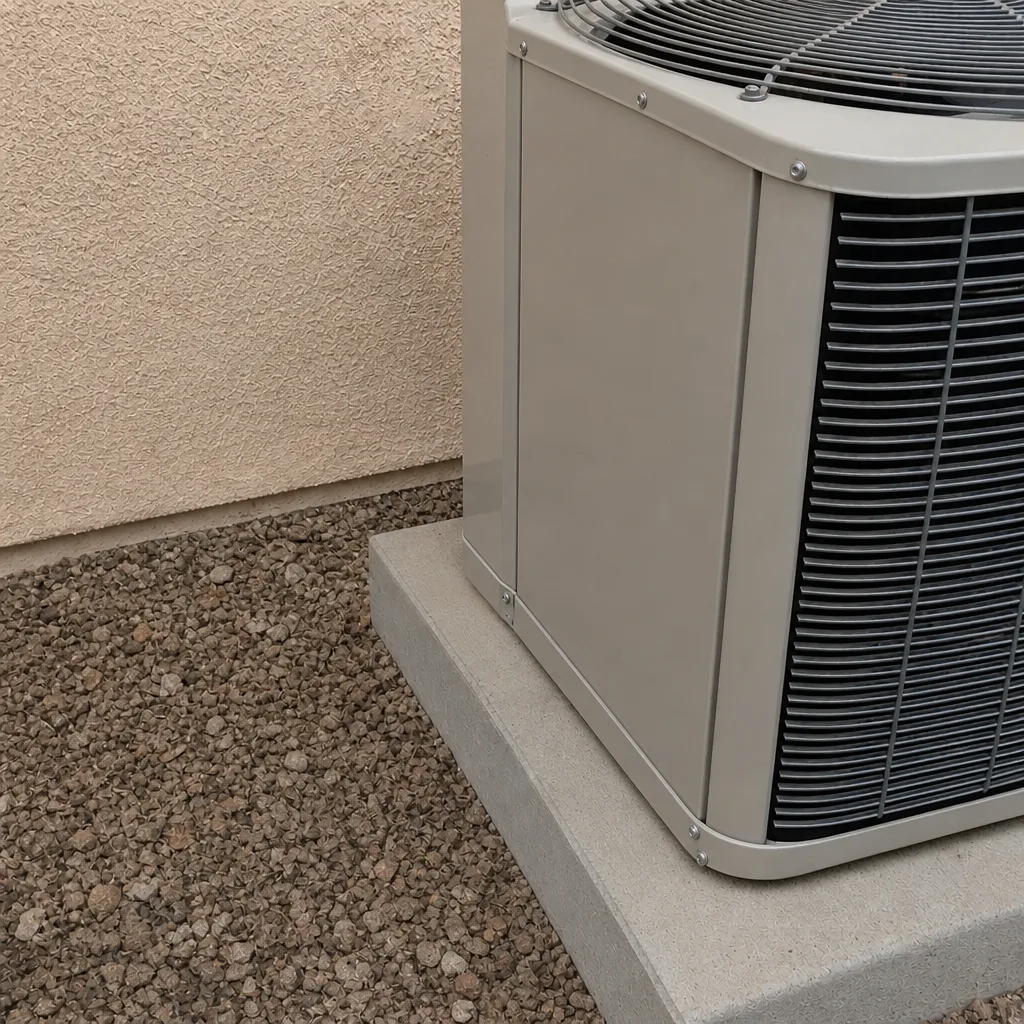
Caliche is the calcium-carbonate layer that forms in desert soil, and it’s the reason your landscaper charges more than you expected. It’s also a real problem for condenser pads. A standard pad set on unprepared caliche either heaves unevenly or sits on a layer that won’t drain, which means the unit tilts, the refrigerant lines strain, and water pools where it shouldn’t during monsoon season.
Proper site prep for a Summerlin condenser looks like this:
- Verify the setback. Clark County requires clearance from property lines and the structure – often the tight side yard on Summerlin production homes is the tightest spot on the lot.
- Break up the caliche and compact the base. Not just scrape it. A pad on undisturbed caliche with a thin sand layer will shift within a season or two.
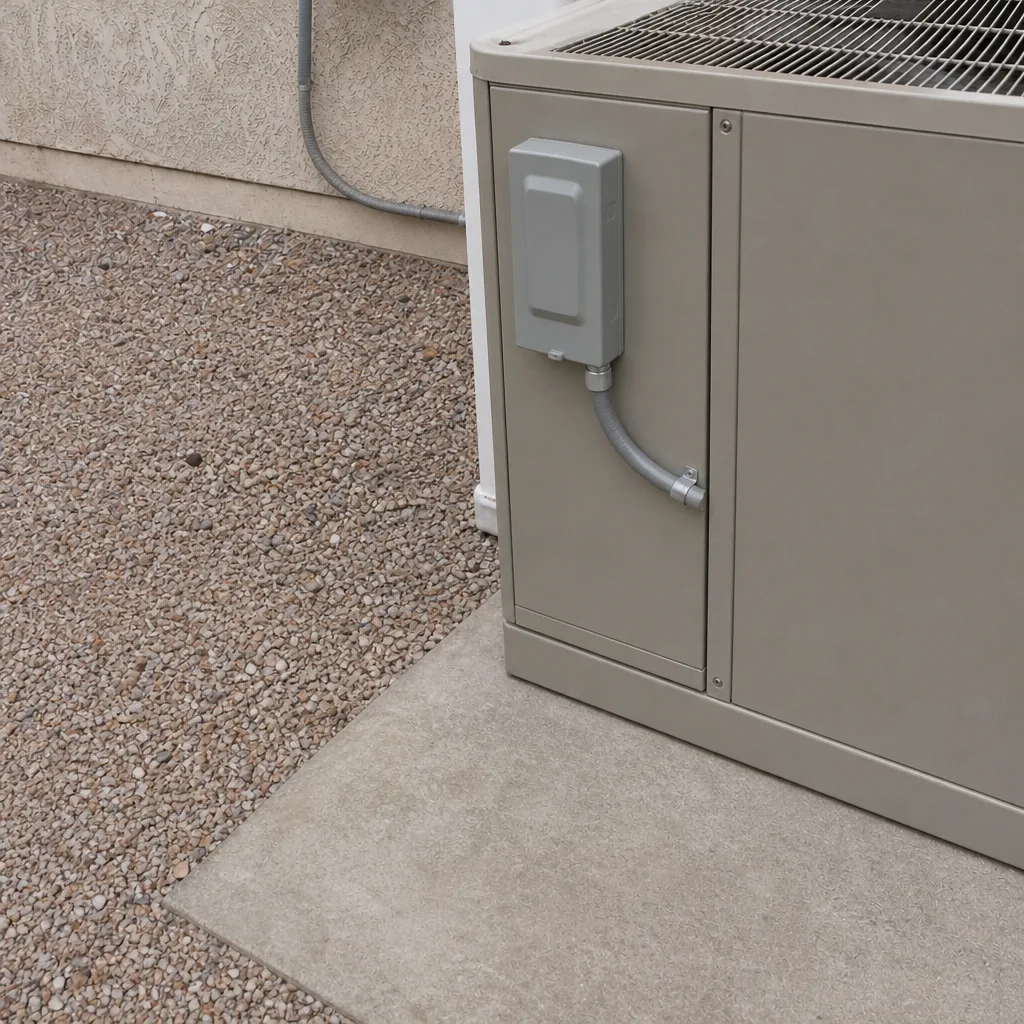
- Set a composite or concrete pad on a compacted, level base with a slight pitch away from the house.
- Confirm drainage so monsoon runoff doesn’t pool against the foundation or the unit.
Small detail, big consequence: a condenser that sits out of level by more than about a quarter inch across the pad puts stress on the compressor mounts. You won’t notice it in month one. You’ll notice it in year four.
SEER2 Minimums in Nevada and Why Code Minimum Is a Losing Bet
Nevada’s minimum efficiency standard for residential split systems follows the federal SEER2 rules, which raised the floor nationally. The catch is that the minimum was designed for a broad swath of the country. In a place where the cooling season runs from May into October and the afternoon highs sit at or above 105°F for weeks, a system running at the code minimum is working harder in its worst conditions than the same system would in a milder climate.
What that looks like in practice:
- Runtime hours matter more than the label. A minimum-efficiency unit in Summerlin runs many more hours per year than the same unit in, say, Albuquerque. That’s more wear, more compressor hours, more bill.
- SEER2 isn’t the only number. Look at the EER2 rating too – it’s the metric that correlates better with performance in extreme heat.
- A slightly higher efficiency tier usually pays back faster here than the national payback charts suggest, because the cooling load is higher.
We are not going to tell you to buy the most expensive system on the market. We will tell you that buying the absolute cheapest unit that meets code, in Summerlin’s climate, is a bet against your own electric bill. If you’re also looking at year-round equipment, the Heat Pump & Mini Split in Summerlin page covers how heat pump efficiency ratings behave in desert conditions – the same logic applies in reverse during our cool winter nights.
The Clark County Permit and Inspection Process
A like-for-like replacement of the same tonnage and efficiency tier is often permitted as a simple replacement. A change in tonnage, a new refrigerant line set, a relocation of the condenser, or any electrical upgrade usually requires a permit through Clark County’s building department. This is where fly-by-night installers get caught, and where the homeowner inherits the problem.
The steps, in order:
- Scope the job accurately – tonnage, efficiency tier, line set routing, electrical requirements. This determines whether a permit is required.
- Pull the permit through Clark County before the equipment goes in. Not after.
- Schedule the rough-in inspection if applicable – line set and electrical before closing up walls.
- Complete the install and charge to manufacturer spec, accounting for elevation.
- Final inspection with the county, and a copy of the signed-off permit left with you.
A contractor who tells you a permit “isn’t necessary for a swap like this” is telling you something about how they handle the next one. We pull permits because the job is not done until the paperwork is done. That’s the same reasoning behind our 90-Day Done Right Promise – if it isn’t right, we make it right, in writing.
160°F Attics, Duct Degradation, and Why Ducts Come First
Attic temperatures in Summerlin homes regularly hit 160°F in July and August. That is hot enough to break down the plastic flex duct jacketing and dry out the mastic at every joint. It’s also why a brand-new, high-efficiency condenser can go into a Summerlin house and produce mediocre results: the ducts are losing a meaningful chunk of the cooled air before it reaches your bedroom.
Before any new unit goes in, duct condition must be assessed. What we look for:
- Disconnected or partially connected runs at the plenum and boots. Common after 15+ years of attic heat cycles.
- Compressed or crushed flex duct in tight attic runs – kills airflow regardless of system size.
- Failing mastic at joints, which shows up as cooled air leaking into the attic.
- Undersized or nonexistent return air for the square footage.
- Insulation R-value on the duct itself, because an R-4 duct in a 160°F attic is essentially a sponge.
We’ve pulled duct samples out of Summerlin attics that crumble when you bend them. That doesn’t happen in a mild climate. It happens here because the attic gets hot enough to cook the material. If your ducts are more than 15 years old and you’re replacing a system, budget for a duct evaluation at minimum. If the ducts are shot, replacing the condenser without them is money spent to cool your attic. The Fireside Heating & Air Co. Summerlin home page lists the full range of what we service if you want the broader picture.
Repair vs. Replace: Straight Talk
We get asked this on nearly every call, and the honest answer depends on three numbers: age of the system, refrigerant type, and the cost of the repair against the cost of a new unit.
- Under 10 years old, single failed part: repair it. Parts and labor are cheaper than a replacement, and you have plenty of life left.
- 10-15 years old, one repair: a judgment call. If the repair is under $500 and the system was otherwise fine, repair it.
- 15+ years old, facing a compressor or coil replacement: these repairs often cost a significant fraction of a new system. Replacement is usually the better math.
- Old refrigerant (R-22): if the system needs refrigerant, the cost of R-22 alone can be steep, and supply is limited. Replacement deserves serious consideration.
- Two major repairs in two seasons: that’s a system telling you something. Listen.
We will give you the repair number and the replace number side by side, in writing, and let you decide. That’s what the free second opinion on any written estimate is for – if another contractor has already quoted you, we’ll look at it with you. A square deal means the price quoted is the price paid, and it also means we tell you when a repair doesn’t make sense.
Brands and What Actually Matters
Equipment brands matter less than the install, but they’re not meaningless. We’re trained to service nine major residential brands – Carrier, Trane, Lennox, Goodman, Rheem, York, Daikin, Bryant, and American Standard – and in our experience the differences that matter are parts availability, warranty handling, and how the manufacturer treats a claim.
For Summerlin homes specifically, we see good results from Bryant and American Standard in the standard split-system market, and Daikin is worth a serious look if you’re considering a ductless or heat pump setup. The brand is not the deciding factor. The load calculation, the charge, the pad, and the ducts are.
Beware the quote that skips a Manual J load calculation and sizes the system by the old unit’s badge. Summerlin homes vary widely in window exposure, insulation, and attic design – one side of the street can behave very differently from the other. Sizing by the old sticker is the laziest thing in this trade, and it produces the most callback work.
What a Proper Install Day Looks Like
A residential system replacement in Summerlin is typically a full day, sometimes into a second. Here’s what the day should look like from your side of the door.
- Arrival on time, background-checked and uniformed, with shoe covers on before they walk in. That should not have to be asked for.
- Floor and stair protection laid down before anything comes in or out.
- Old equipment removed cleanly, with refrigerant recovered – not vented.
- Pad and base prepped correctly, condenser set level, line set routed and insulated.
- New system charged to manufacturer spec accounting for elevation, with subcooling and superheat recorded.
- Duct inspection and any minor sealing done before the air handler closes up.
- Commissioning and walk-through – temperature split measured, thermostat set up, filter changed, and a written record of what was done left with you.
- Cleanup to the point that you can’t tell they were there except for the new equipment.
Most of our jobs are completed in a single visit. When they aren’t – because a duct issue was found or a permit inspection has to come back – we tell you before we leave, not after. If you’re looking at the heating side of the same system, the Heating & Furnace in Summerlin page covers the winter counterpart to this guide.
Common Mistakes to Avoid
- Sizing by the old unit’s badge. Summerlin homes have wildly different exposures and attic conditions, and the previous system may have been wrong to begin with. Insist on a load calculation.
- Skipping the duct assessment. A new condenser on 20-year-old ducts in a 160°F attic is the single most common “we didn’t get the results we paid for” complaint we see in Summerlin.
- Charging refrigerant by weight without checking elevation. Our elevation means a valley-floor chart can leave you overcharged, which shortens compressor life.
- Setting the condenser pad on unprepared caliche. It heaves, the unit tilts, and the compressor mounts take the strain.
- Buying to code minimum and expecting efficiency. Nevada’s SEER2 minimum was designed for a broad national climate, not sustained 110°F summers in Summerlin.
- Letting the contractor skip the permit. Unpermitted work can surface at resale or insurance time, and you’re the one holding the problem.
- Accepting a verbal price. Ask for it in writing. Our quote is the price – a square deal means the number doesn’t move after the truck arrives.
See the difference
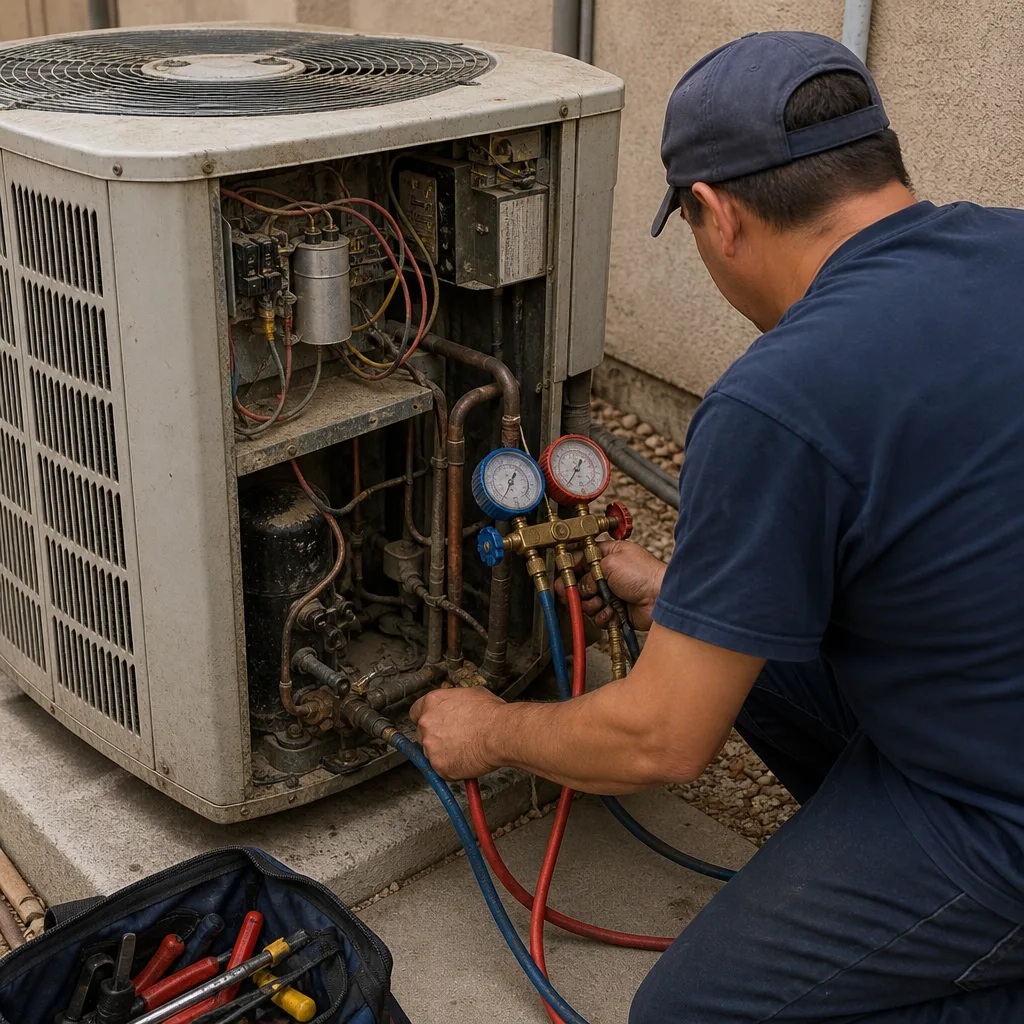 Before
 After
 Before
 After
 Before
 After
When to Call a Professional
Some things are worth a phone call, not a Saturday afternoon. Any work on the refrigerant circuit – checking charge, adding refrigerant, recovering refrigerant, or touching the compressor – requires a licensed technician with the equipment and the training. Refrigerant handling is regulated, and misdiagnosing a charge problem can cost you a compressor. High-voltage electrical work at the disconnect or air handler is not a homeowner job. If you smell refrigerant, hear a hard mechanical noise from the condenser, see ice on the indoor coil, or notice your home won’t cool below about 80°F on a triple-digit afternoon, stop and call. Fireside Heating & Air Co. Summerlin offers free estimates in Summerlin – call (888) 325-9387. A live person answers around the clock, including the 2 a.m. no-cool call.
Frequently Asked Questions
Most common AC repairs in Summerlin – capacitors, contactors, blower motors, thermostats, a low charge diagnosis – land in the few-hundred-dollar range and are usually done the same day. Larger repairs like a compressor or evaporator coil run significantly higher, and we’ll always quote the repair against the replacement cost before you decide. Call (888) 325-9387 for an exact quote – estimates are free.
A full system replacement in Summerlin typically runs several thousand dollars, and the final number depends on tonnage, SEER2 efficiency tier, whether the line set needs replacing, and duct condition. We quote in writing, and the price quoted is the price paid. Call (888) 325-9387 to schedule a free estimate.
Yes, same-day service is frequently available, and our phones are answered by a live person 24 hours a day, 7 days a week. A failed system during a Summerlin heat wave is a health concern, not an inconvenience, so we treat it that way. Call (888) 325-9387.
Yes. Refrigerant charge is calculated against atmospheric pressure, and Summerlin sits roughly 1,000-plus feet above the Las Vegas valley floor. A system charged from a valley-floor chart can end up overcharged at our elevation, which stresses the compressor. Ask your contractor for the subcooling and superheat numbers – we record them on every job.
SEER2 minimum is the federal floor, and it was set for a broad national climate. In Summerlin, where the cooling season runs from May into October and afternoon highs sit at 105°F or above for weeks, a higher-efficiency unit usually pays back faster than the national charts suggest. Look at the EER2 rating as well as SEER2.
Often yes, especially if the tonnage, efficiency tier, line set, or condenser location changes. Clark County’s building department issues the permit and inspects the work. A contractor who tells you a permit isn’t needed for that kind of swap is telling you how they’ll handle the next job too. Ask, and ask for the signed-off permit at completion.
The Bottom Line
Summerlin is a specific place, and cooling equipment here has to be installed and serviced for that specificity. Elevation changes the charge. Caliche changes the pad. Sustained 110°F heat changes the efficiency math. Attic temps near 160°F change how long ducts survive. Get those four things right – through an accurate load calculation, a proper charge, a correctly prepped site, and a duct assessment before the new unit goes in – and your system will do what it’s supposed to. Get them wrong, and you’ll pay for the same job twice. We do this work in Summerlin every week, and we stand behind it in writing for 90 days.
Contact
If you’re ready for honest answers and a price that doesn’t move, call Fireside Heating & Air Co. Summerlin at (888) 325-9387 for a free estimate. A live person answers every call, day or night, and the estimate is in writing. Senior and veteran discount available. We will be there when we say.
Written by the team at Fireside Heating & Air Co. Summerlin.