
Last updated November 17, 2026
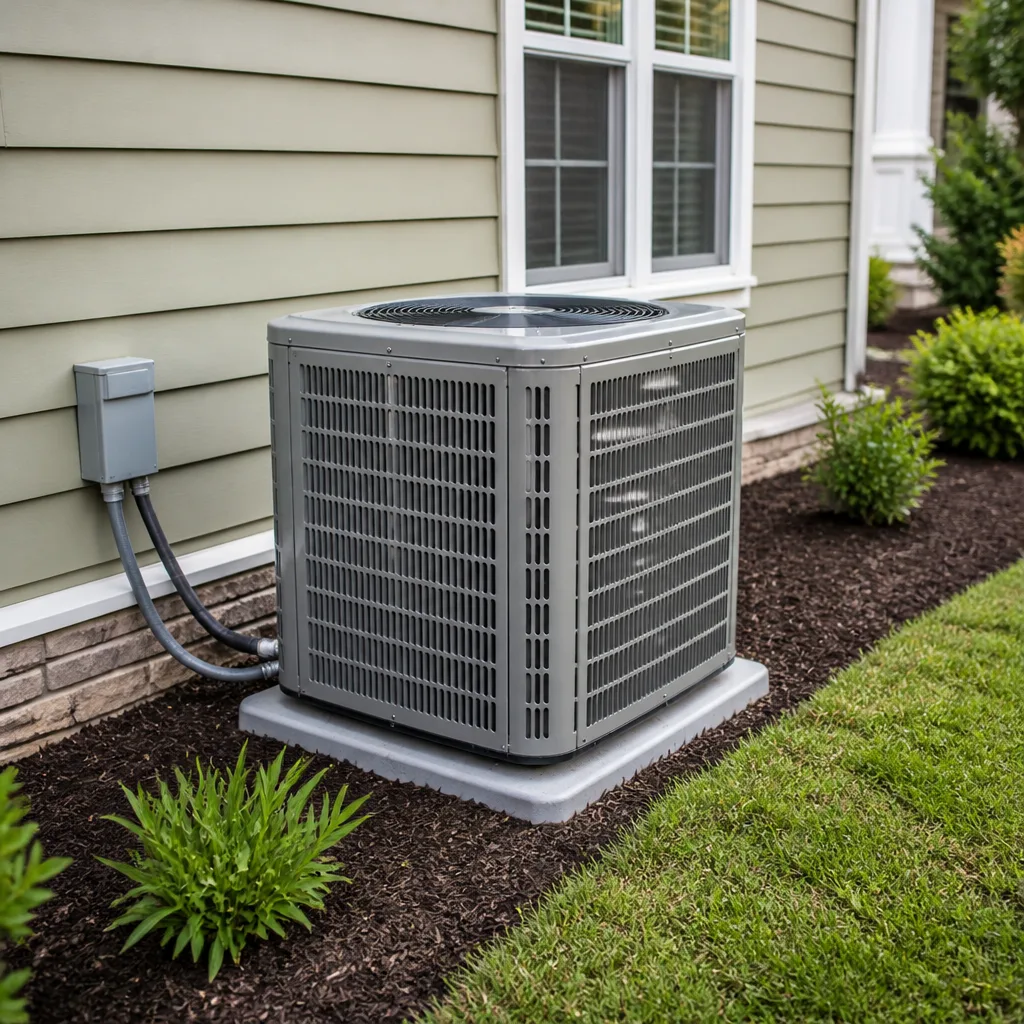 AC repair
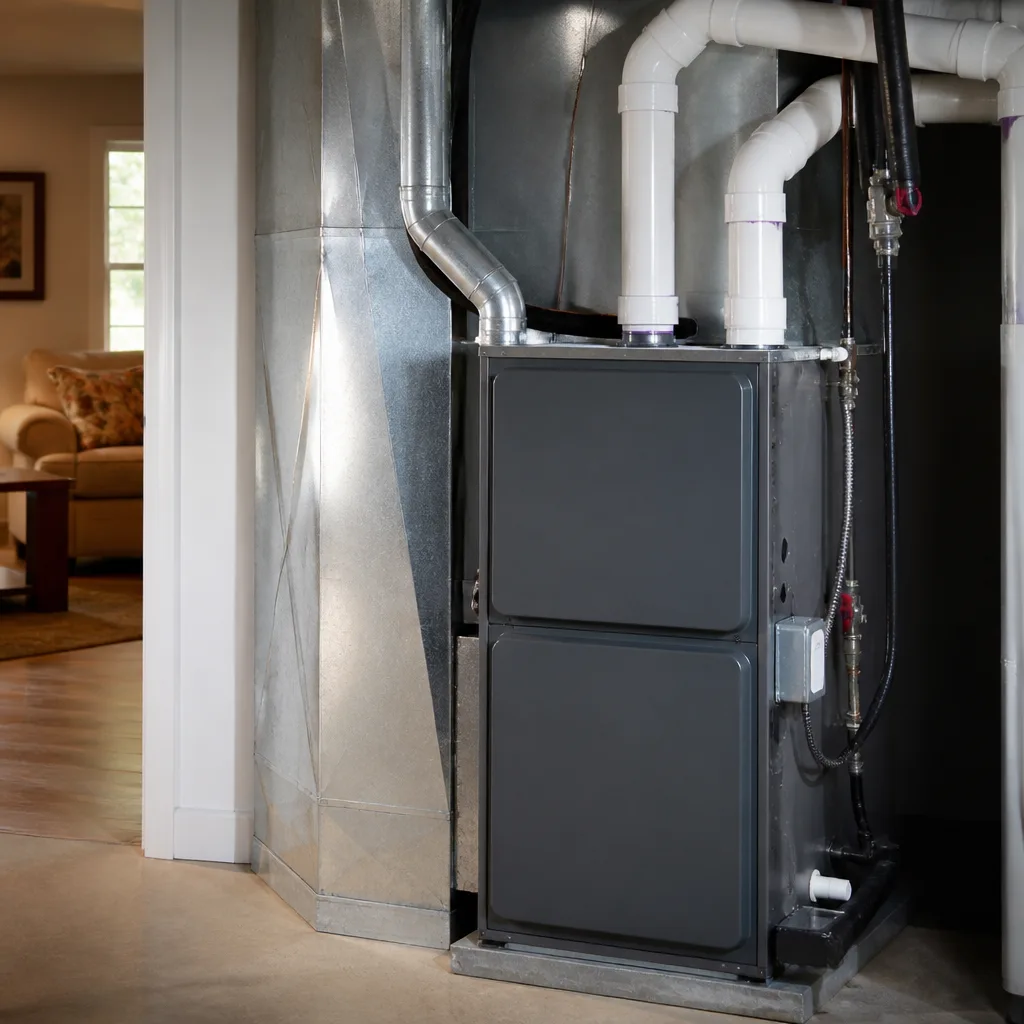 Furnace & heating
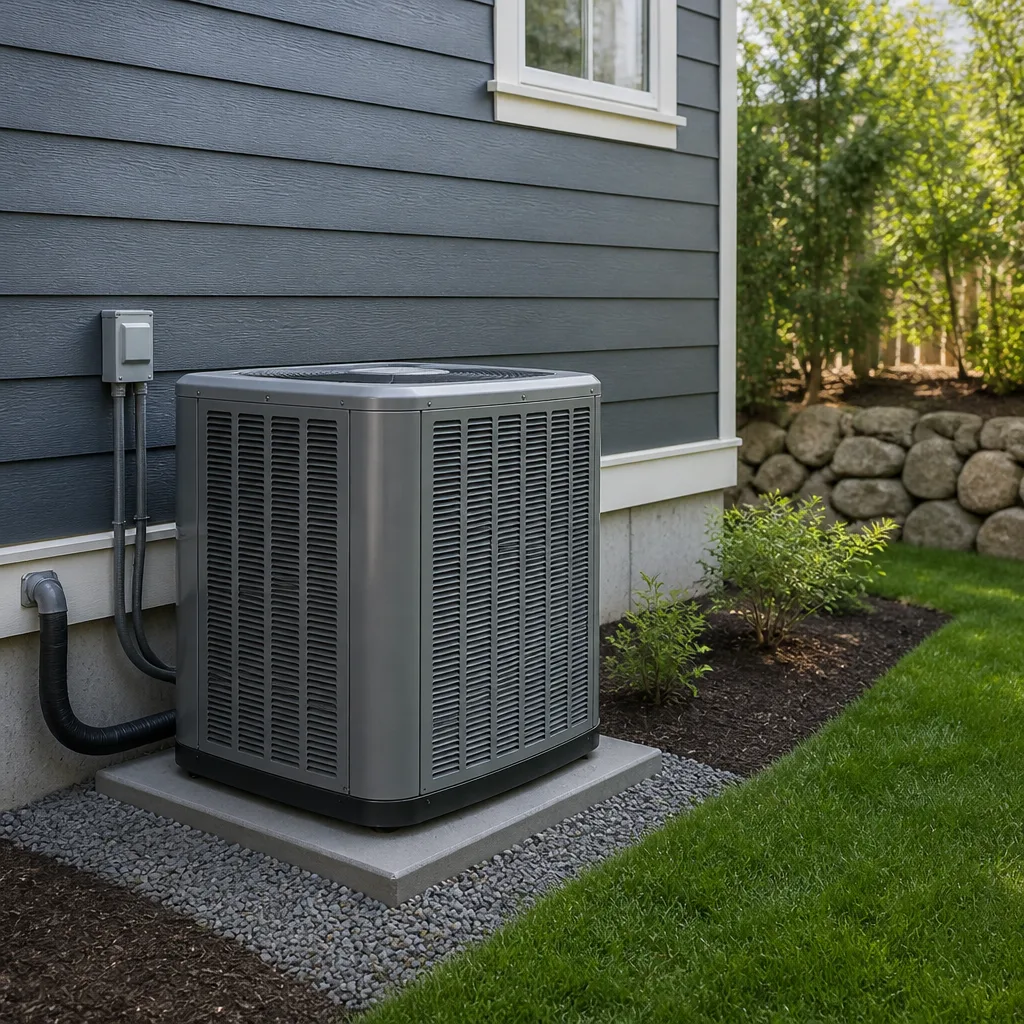 Heat pumps
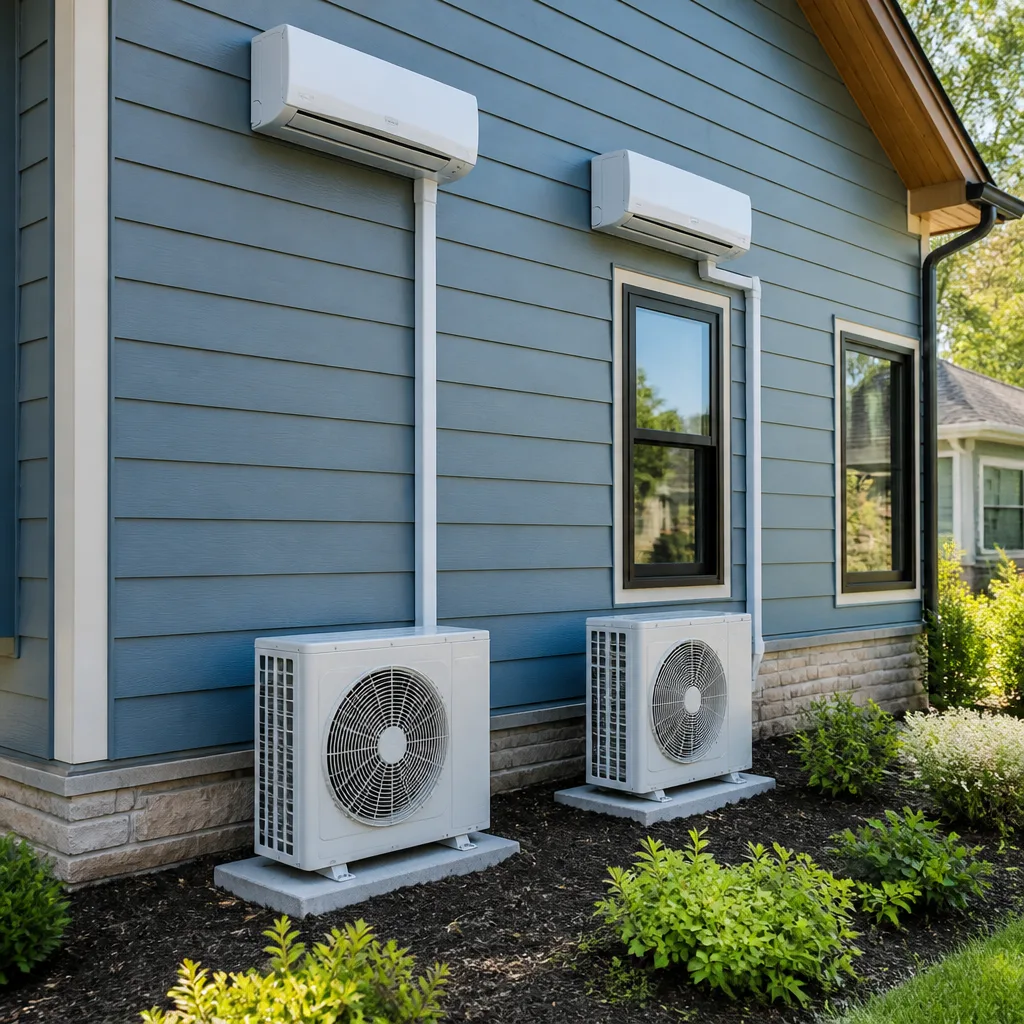 Ductless mini splits
 Carrier
 Trane
 Goodman
Seasonal tune-up and full diagnostic on your Carrier, Trane, or Goodman system - readings shown to you before any repair is proposed
Diagnosis first, numbers second - you approve the repair price before a single part goes in.
Get your free estimateHVAC Warning Signs: A Summerlin Homeowner’s Reference Guide
A system that’s short-cycling – running for two or three minutes, shutting off, and restarting – is communicating a specific problem that has nothing to do with the thermostat setting. Homeowners who ignore it typically pay three times more for the repair six weeks later, when the compressor locks out in the middle of a July afternoon. The signs that matter most are rarely the dramatic ones. They are the quiet shifts: a slightly longer run cycle, a faint odor on startup, a sound you can’t quite place. This guide teaches Summerlin homeowners how to read those early signals and buy themselves a 30-to-60-day window to schedule a repair on their terms.
Quick Answer
The earliest HVAC warning signs in Summerlin are short-cycling, longer run cycles, unusual startup sounds, and a faint musty or electrical odor – most of which appear weeks before a full breakdown. Signs that require immediate shutdown and a same-day call are no cooling output, a burning smell, water pooling on the floor, or a breaker that trips repeatedly. Read the early signs, log them with dates, and schedule service before the system fails in peak heat.
Styles & brands we work with
- AC repair
- Furnace & heating
- Heat pumps
- Ductless mini splits
- Carrier
- Trane
- Goodman
Table of Contents
- Early-Warning Signs vs. Emergency Signs
- Short-Cycling: The Quiet Signal Most Homeowners Miss
- Summerlin-Specific Warning Signs: Dust, Minerals, and Haboobs
- What High Static Pressure Sounds Like Inside Your Ducts
- Symptom-to-Cause Reference Table
- How to Log Symptoms So a Technician Can Actually Help
- Triage: When a Summerlin Warning Sign Needs a Same-Day Call
Early-Warning Signs vs. Emergency Signs
The single most useful skill in reading your system is knowing which column a symptom falls into. Most articles describe only the emergency column – the system has already failed – and by then your choices are narrowed to “call now” and “call now and pay more.” Early-warning signs give you room to plan. Emergency signs give you none.
Early-warning signs (schedule within 30-60 days):
- Slight musty or “electrical” odor on startup that fades in a minute or two
- Run cycles that stretch longer than usual on a mild day
- Short-cycling – starts and stops every few minutes
- Unusual sounds: a small rattle, a hum that seems louder than last year, a click you didn’t used to hear
- White mineral dust on supply registers, or reduced airflow with no obvious cause
- A single breaker trip that resets cleanly and doesn’t repeat
Emergency signs (shut down the system and call now):
- No cooling output at all on a hot day, or warm air from the supply registers
- A burning smell, or any smell of hot plastic or wiring
- Water pooling on the floor or ceiling stain under an air handler
- Ice on the refrigerant lines (yes, this is a real emergency even though it looks like it’s “working hard”)
- A breaker that trips repeatedly, or any sparking at the disconnect
- Loud banging or grinding that follows the compressor on and off
If a symptom sits in the emergency column, turn the system off at the thermostat and don’t restart it. Ice on the lines and burning smells are two cases where running the system “just to see” turns a $300 repair into a $1,800 one.
Short-Cycling: The Quiet Signal Most Homeowners Miss
Short-cycling is the most under-reported early indicator we see in Summerlin homes. The system runs for two or three minutes, shuts off, waits a moment, and starts again. The house may still reach its set temperature, which is exactly why homeowners dismiss it. But short-cycling is a specific message from the system – usually one of four things:
- A clogged air filter. The most common and the cheapest to fix. Summerlin’s dust load clogs filters faster than most homeowners realize; a filter that’s borderline in March is fully blocked by June.
- A refrigerant charge that’s drifted low. The system can’t move enough heat, so it cycles on the high-limit switch to protect the compressor. Every cycle puts wear on a part that isn’t meant to restart that often.
- An oversized unit. If short-cycling has happened since the system was installed, sizing is a strong suspect. We see it in Summerlin homes where a replacement went in without a load calculation.
- A failing capacitor or contactor. The system strains to start, the start winding trips the overload, and the safety resets a few seconds later.
What makes short-cycling worth taking seriously is the compressor. A compressor that cycles dozens of extra times per day is being asked to restart under load far more than it was built for, and when it locks out the repair is not small. Homeowners who catch short-cycling in spring typically pay a fraction of what they would six weeks later in July. If you notice it, get it looked at on a scheduled appointment rather than waiting for the system to announce itself.
Summerlin-Specific Warning Signs: Dust, Minerals, and Haboobs
Summerlin sits in a desert basin with a specific weather profile, and HVAC warning signs here often look different from signs in wetter climates. Three indicators are worth knowing by name.
White mineral dust on supply registers. When you run a finger across the supply vent and it comes back chalky white, that’s typically dried mineral content pulled from the air and deposited on the coil and ducts – a sign the system is working harder than it should. Combined with the region’s hard water, it’s also a reminder that evaporative pads and coils need attention on a schedule. If you see white dust accumulating faster than last year, have it inspected.
Reduced airflow during haboob season. Summerlin gets dust storms in late summer, and a system that breathes the dust in through a leaky return can pack a filter and coil with fine particulate in a single event. If airflow drops noticeably after a dust storm and doesn’t recover after a filter change, the coil is a likely culprit.
Static electricity on the thermostat or door handles. Low indoor humidity plus dry air can cause a tick from the thermostat and routine static snaps. Most of the time it’s harmless, but a thermostat that reboots or loses programming is worth a service visit to rule out a low-voltage wiring fault.
The pattern in Summerlin is that the desert accelerates everything. A filter that lasts a season in a coastal city needs attention more often here. A drain line that’s clear in spring can crust over with mineral scale by August. Reading these three signs – mineral dust, dust-storm airflow loss, thermostat static – keeps you ahead of the failures most likely to hit a Summerlin home.
What High Static Pressure Sounds Like Inside Your Ducts
Ductwork is the part of the system almost nobody thinks about until it complains. High static pressure – the resistance a blower has to push against – has a distinct sound signature, and once you know what to listen for, it’s one of the most reliable early-warning signs of a system working against itself.
Listen for these:
- A whistling or hissing at the supply registers, especially the ones closest to the air handler. That’s air being forced through an undersized opening.
- A “breathing” sound at the return grille – a whoosh that seems to struggle, then recover, in rhythm with the cycles.
- A rumble from the closet or attic where the air handler sits, louder than it was last season.
- Uneven airflow room to room, with one bedroom cold and another comfortable on the same set temperature.
In Summerlin, high static pressure is often a duct design or filter problem rather than a blower problem. A restrictive filter rated too high for the system, or a return path that was never sized for the current equipment, both produce the same whistle. Left unaddressed, the blower motor and the compressor both pay for it. Our technicians measure static pressure directly during a service call – it’s a number, not a guess – and we can tell you whether the fix is a filter, a duct adjustment, or a component.
Symptom-to-Cause Reference Table
This is the table to have in hand when you call. The goal isn’t to diagnose – it’s to describe the symptom precisely so the technician on the phone can prioritize your call and the technician at your home can arrive with the right parts.
| Symptom | Likely Cause | Urgency |
|---|---|---|
| Short-cycling every 2-3 minutes | Clogged filter, low refrigerant, failing capacitor, oversized unit | Schedule within 2 weeks |
| Longer run cycles on a mild day | Lost charge, dirty coil, aging compressor | Schedule within 30 days |
| White dust on supply registers | Mineral deposit on coil/ducts, increased dust infiltration | Schedule within 30 days |
| Whistle at supply vents | High static pressure, undersized ducts, restrictive filter | Schedule within 30 days |
| Musty smell on startup | Microbial growth in drain pan or on coil | Schedule within 2 weeks |
| Faint electrical smell | Loose connection, failing contactor, motor bearings | Same-day call |
| Warm air from supplies on a hot day | Refrigerant leak, compressor fault, reversing valve (heat pump) | Same-day call |
| Water on the floor under air handler | Clogged condensate drain, cracked pan | Same-day call, shut system off |
| Ice on refrigerant lines | Low charge, restricted airflow, blower failure | Same-day call, shut system off |
| Breaker trips repeatedly | Compressor short, wiring fault, failing capacitor | Same-day call, do not reset again |
For a full breakdown of how these symptoms map to repair scope and cost, our AC Repair & Installation in Summerlin page goes into depth on the air conditioning side, and the Heating & Furnace in Summerlin page covers the heating signals that show up in fall and winter.
How to Log Symptoms So a Technician Can Actually Help
The single habit that makes the biggest difference in getting a fast, accurate diagnosis is keeping a simple log. Most homeowners describe a symptom vaguely – “it doesn’t seem right” – and lose the detail that would have pointed straight at the cause. A ten-minute log over two weeks changes that.
Here’s the method we recommend:
- Start a note on your phone. One note, one file, nothing fancy.
- Write down the date and time of each event and the outdoor temperature at that moment. This is the detail most homeowners skip, and it’s the one that separates an intermittent fault from a steady one.
- Record the symptom in plain language. “Loud click at startup, then 90 seconds of warm air, then normal” is more useful than “making a noise.”
- Note the set temperature and the actual room temperature if you have a thermometer or a smart thermostat reading. The gap between the two is data.
- Note anything you changed – a new filter, a breaker reset, closing a vent, running the oven for an hour.
- Photograph anything visible – ice on the lines, a filter you pulled, water on the pan, dust on a register.
When you call, read the log. A technician who hears “short-cycles between 2 and 4 p.m. when it’s over 105 outside, but not in the morning” can often narrow the cause before the truck leaves. An intermittent fault and a consistent failure are different problems with different repair paths, and the log is what tells them apart. For heat pump and mini-split systems, some of these signals are specific to the equipment type; our Heat Pump & Mini Split in Summerlin page covers the reversing-valve and defrost symptoms worth adding to your log.
Triage: When a Summerlin Warning Sign Needs a Same-Day Call
Not every warning sign is a same-day call, and treating every symptom as an emergency burns time and money you don’t need to spend. The triage framework below is based on two variables: outdoor temperature and household vulnerability. If you combine a symptom from the “schedule” column above with either of these conditions, escalate to same-day.
Same-day call criteria in Summerlin:
- Forecast over 108°F. Once the outdoor temperature climbs above about 108, a system that’s limping is likely to fail outright. A warning sign that would be a “schedule for Tuesday” in April becomes a “call today” in July.
- Anyone in the home over 75, or under 5. Heat tolerance is lower at both ends of the age range, and a failed system in a Summerlin summer is a health risk rather than a comfort issue.
- Any medical equipment that depends on a controlled indoor temperature. If a family member relies on steady indoor conditions, treat every early-warning sign as urgent.
- Pets left in the home during the day. A system that fails at 2 p.m. with a dog inside is a health emergency by 4 p.m.
- Any emergency-column symptom, regardless of forecast. Burning smells, water on the floor, ice on the lines, and repeated breaker trips are same-day calls in any season.
If none of the escalation criteria apply, schedule the repair within two weeks. That window is enough to catch the fault before it fails and to avoid the premium that comes with a weekend or holiday emergency call. If you’re at all unsure which column you’re in, call and describe the symptom – a live person answers every call, day or night, and we’ll tell you honestly whether it can wait until morning. For Summerlin homeowners looking for a starting point, our Fireside Heating & Air Co. Summerlin home page has the current offers and the full scope of what we do.
Common Mistakes to Avoid
- Resetting the breaker more than once. A breaker that trips is protecting the wiring. Reset it once; if it trips again, stop and call. Repeated resets can damage the compressor and create a fire risk.
- Running the system with ice on the lines “to see if it clears.” It won’t clear, and the ice is a symptom of a charge or airflow fault that gets worse with every cycle. Turn the system off at the thermostat and call.
- Ignoring white dust on the registers because “it’s a desert.” Summerlin is dusty, but buildup that’s faster than last year is a sign of a coil or duct issue, not normal desert life.
- Describing the problem as “it doesn’t seem right.” You’ll get the first available technician rather than the right one. Use the log method above and give the technician something concrete.
- Replacing a filter with the highest-rated one on the shelf. A filter rated above what the system was designed for creates the high static pressure described earlier and can shorten blower motor life. Match the rating to the system.
- Waiting for the “big” symptom before calling. The big symptom costs more. The whole point of reading early signs is to catch the problem while it’s a $300 fix instead of an $1,800 one.
- Assuming a new system can’t have problems. A recently installed system that short-cycles or struggles is often a load-calculation or duct-sizing issue, and it’s under warranty. Get it checked on a scheduled visit.
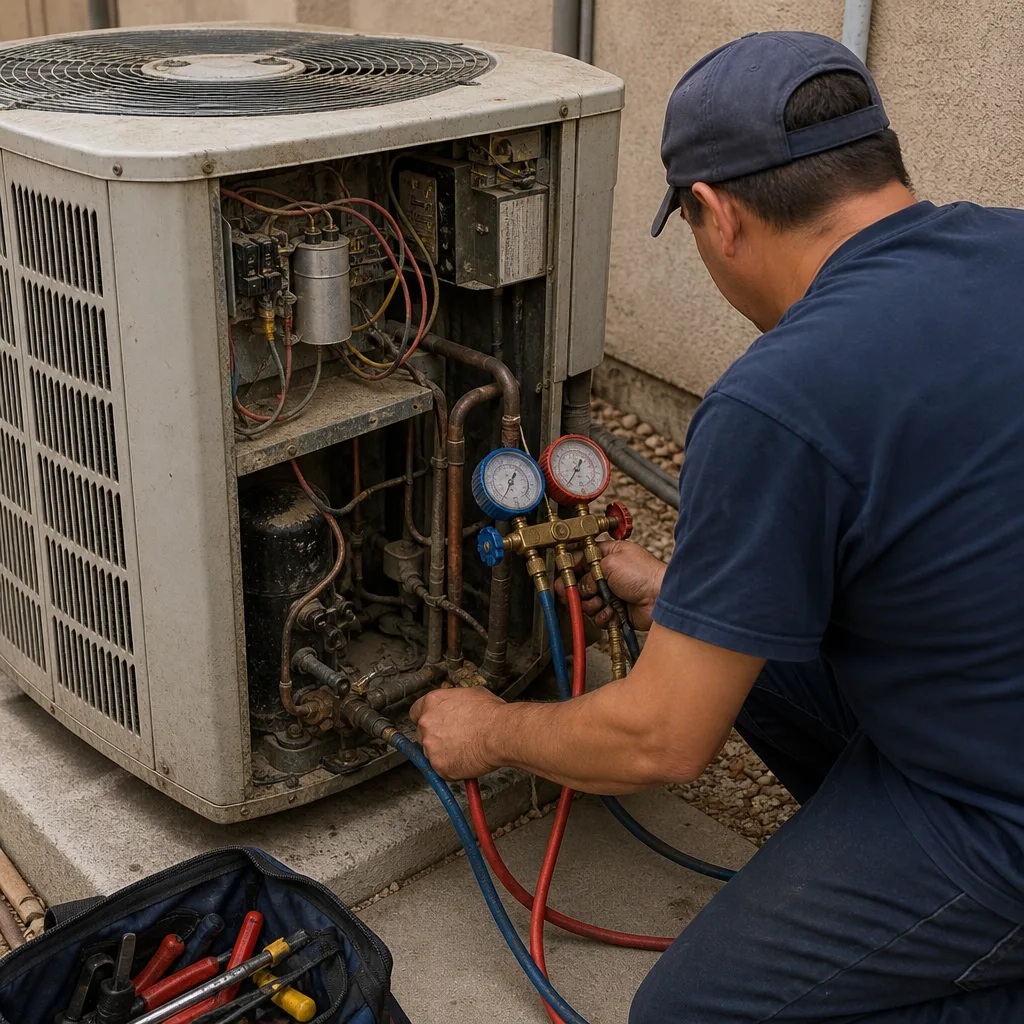
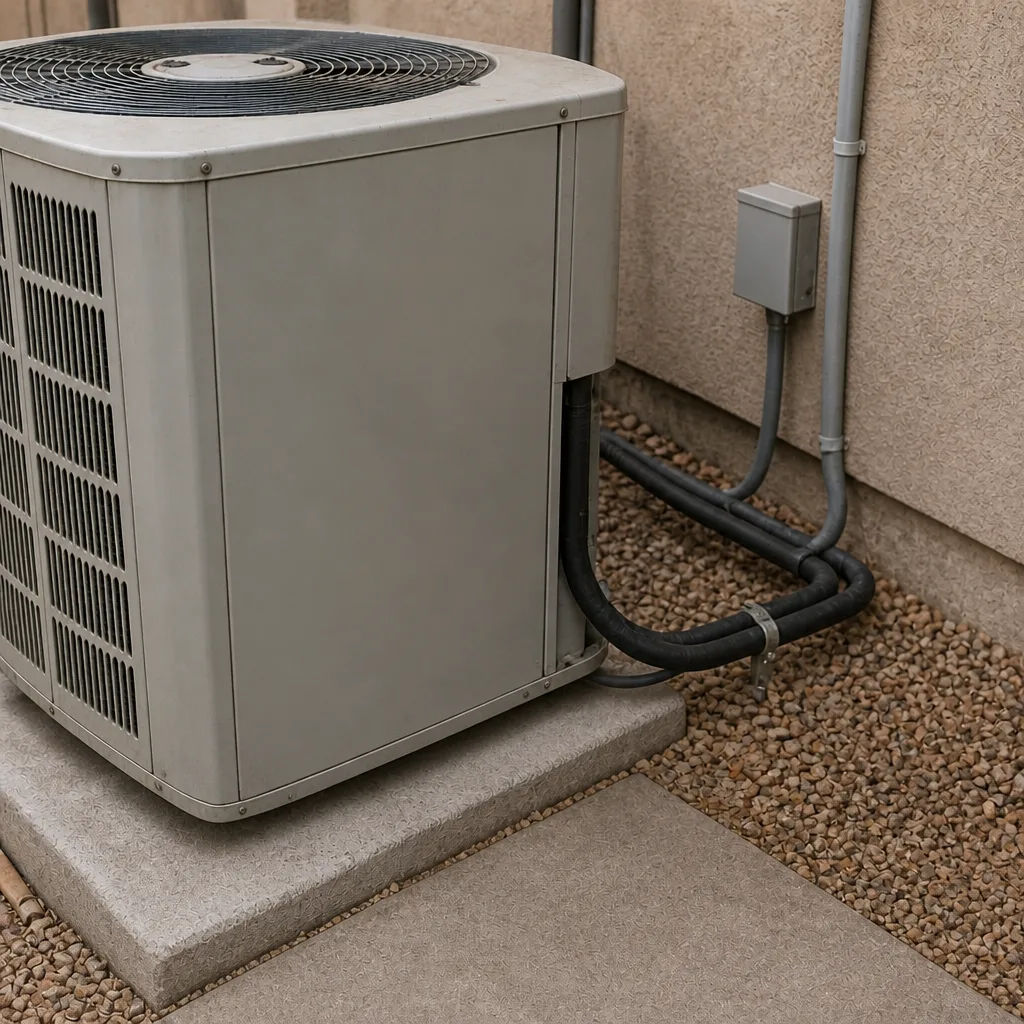
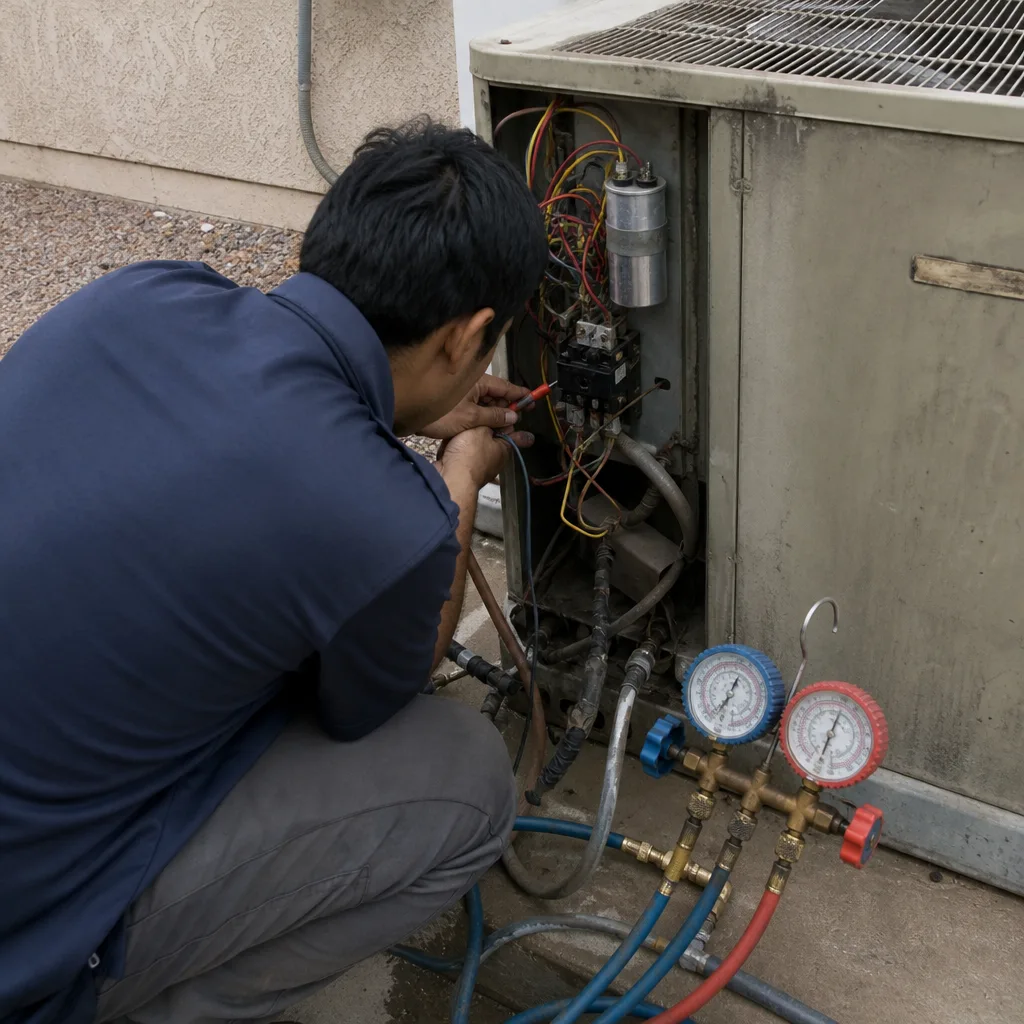
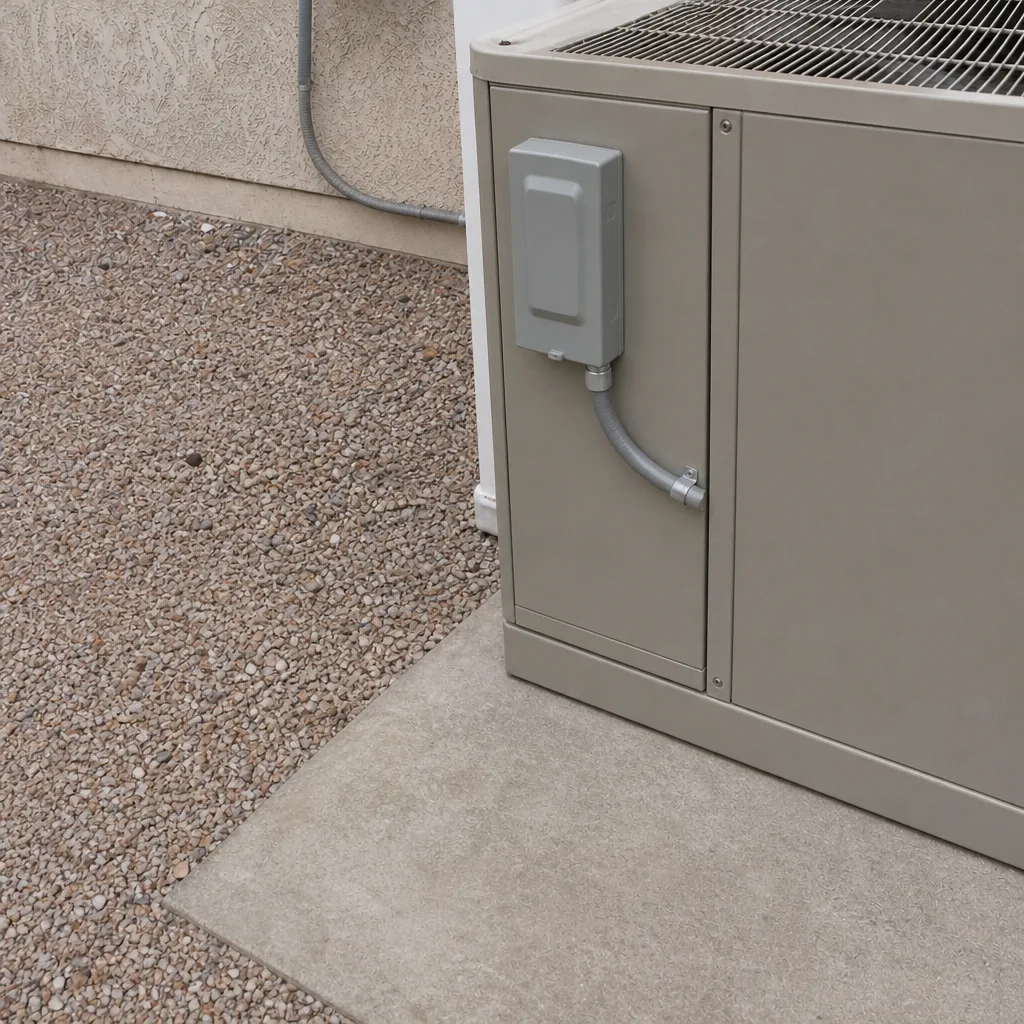
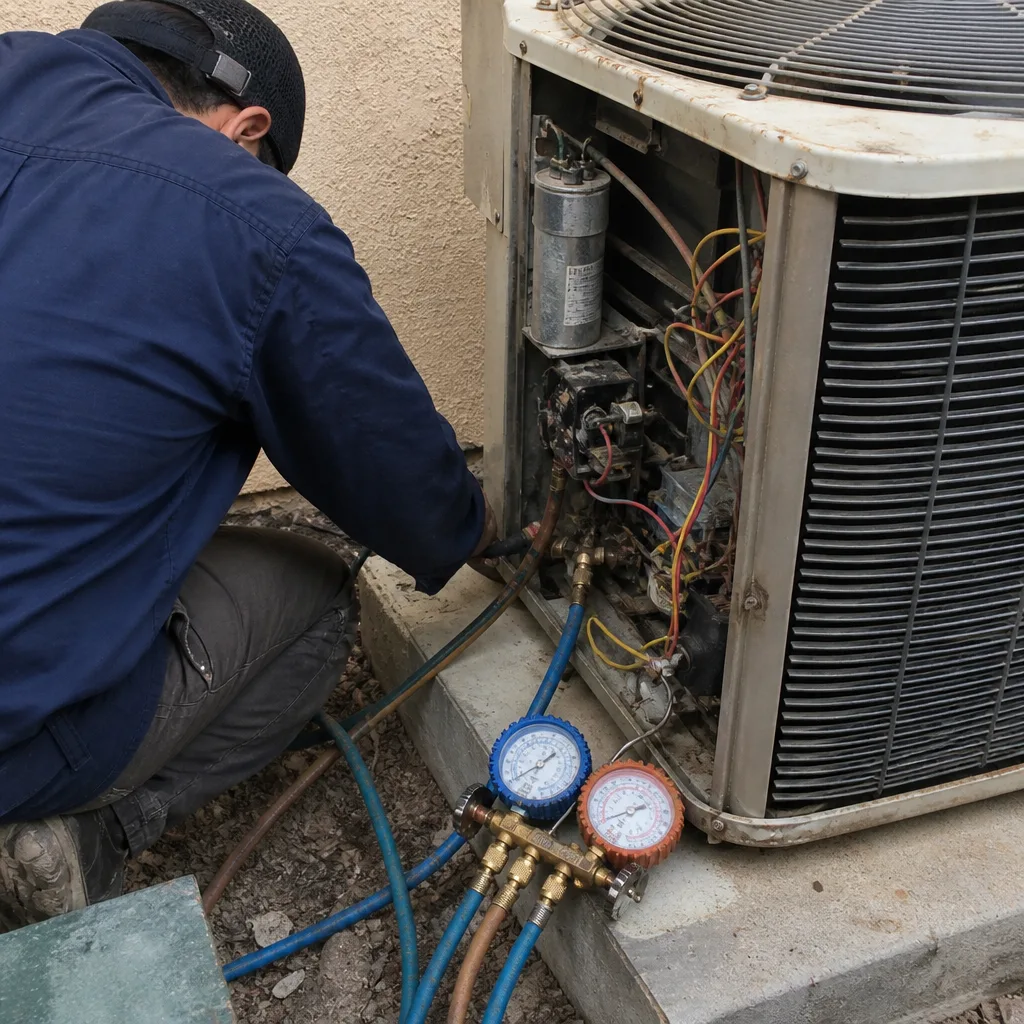
See the difference
 Before
 After
 Before
 After
 Before
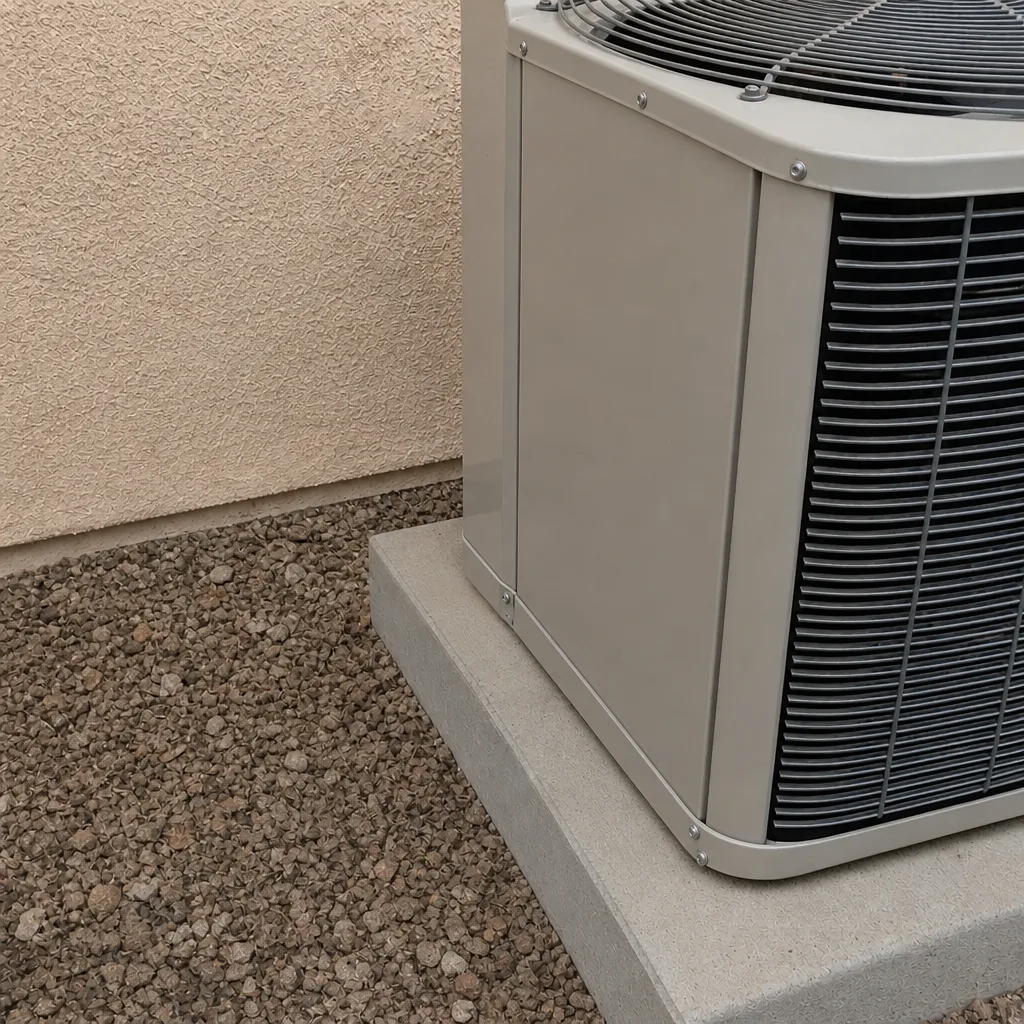 After
When to Call a Professional
Call us when any emergency-column symptom appears: no cooling output, a burning smell, water on the floor, ice on the refrigerant lines, or a breaker that trips repeatedly. Call the same day if the forecast is over 108°F, if anyone in the home is very young or very old, or if pets are left inside during the day. Call on a scheduled basis if you’ve noticed short-cycling, longer run cycles, unusual sounds, or white dust on the registers. Fireside Heating & Air Co. Summerlin offers free estimates in Summerlin – call (888) 325-9387. A live person answers every call, every hour of the day, and the price we quote is the price you pay.
Frequently Asked Questions
The most common early signs are short-cycling, longer run cycles on mild days, unusual startup sounds, and white mineral dust on supply registers. These appear weeks before a full failure, which gives you time to schedule a repair before peak heat. If any of them combine with a forecast over 108°F, treat them as urgent and call the same day.
Most early-warning signs give you a 30-to-60-day window before the system fails, though the window shrinks fast in July and August in Summerlin. Short-cycling in particular can turn into a compressor lockout within about six weeks. If you’re past the 60-day mark without service, schedule it now rather than waiting for the failure.
Short-cycling on a mild day points to a filter, a low refrigerant charge, a failing capacitor, or an oversized unit. The mild-day version is actually the easiest to diagnose, because the system isn’t fighting the outdoor heat. Get it looked at on a scheduled appointment – this is the ideal time to catch the problem cheaply.
White chalky dust on the registers is usually a sign of mineral buildup on the coil and ducts, not just ambient desert dust. It means the system is working harder than it should. If the buildup is faster than last year, or if the dust is accompanied by reduced airflow, schedule an inspection.
A faint musty smell that fades in a minute is usually microbial growth in the drain pan and can wait for a scheduled visit. A burning, hot plastic, or electrical smell means shut the system off at the thermostat and call immediately. When in doubt, shut it off and call – an unnecessary service visit costs far less than a compressor repair.
Yes, same-day service is available for any emergency-column symptom and for early-warning signs that meet the escalation criteria above. Phones are answered by a live person 24 hours a day, every day. Call (888) 325-9387 and we’ll tell you honestly whether the sign can wait for a scheduled visit or needs someone today.
The Bottom Line
The homeowners who avoid July breakdowns aren’t luckier – they’re reading the system earlier. Short-cycling, longer run cycles, unusual startup sounds, and white dust on the registers are all early-warning signals that give you a window to schedule a repair on your terms. Emergency signs – no cooling, burning smells, water on the floor, ice on the lines, repeated breaker trips – need a same-day call and the system shut off. Keep a dated log, use the symptom table, and apply the temperature-and-vulnerability triage framework. That’s the whole guide, and it’s the difference between a small repair and a large one.
Written by the team at Fireside Heating & Air Co. Summerlin.