
Last updated November 17, 2026
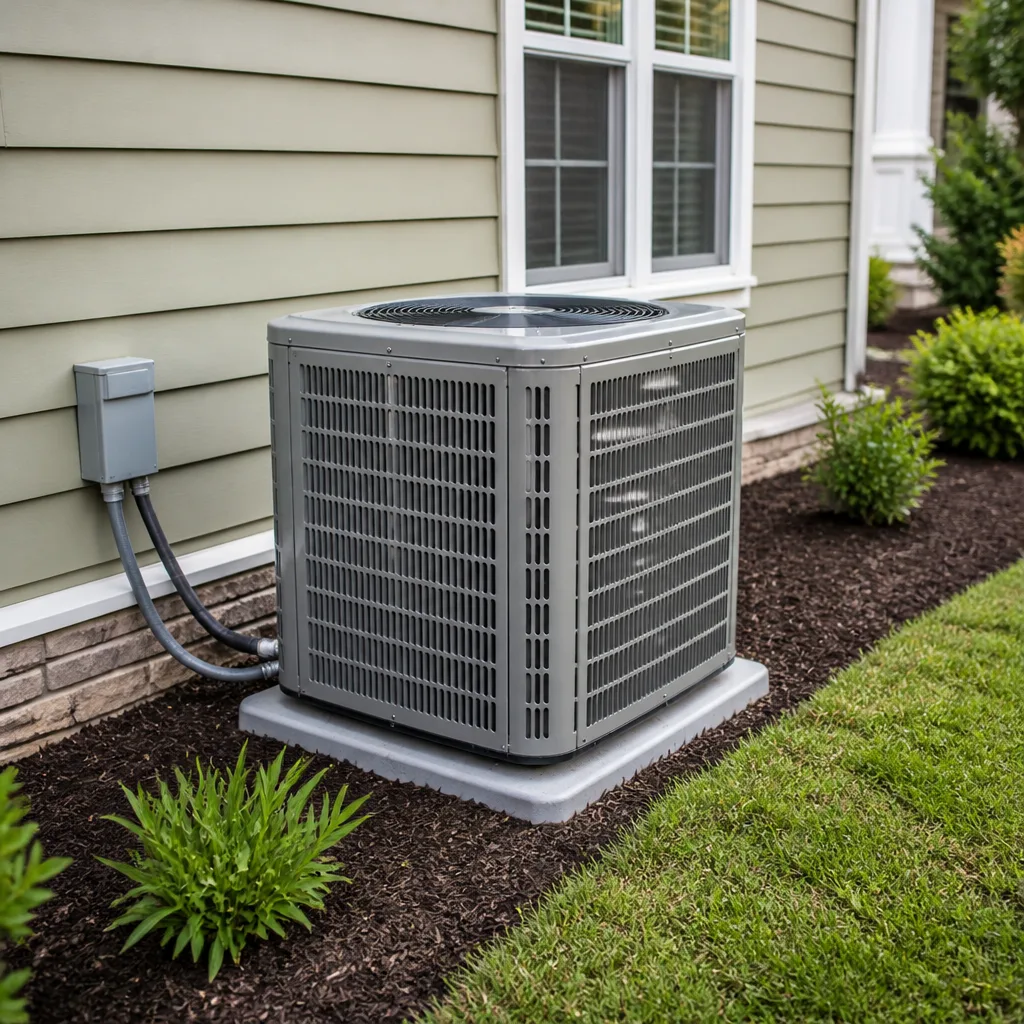 AC repair
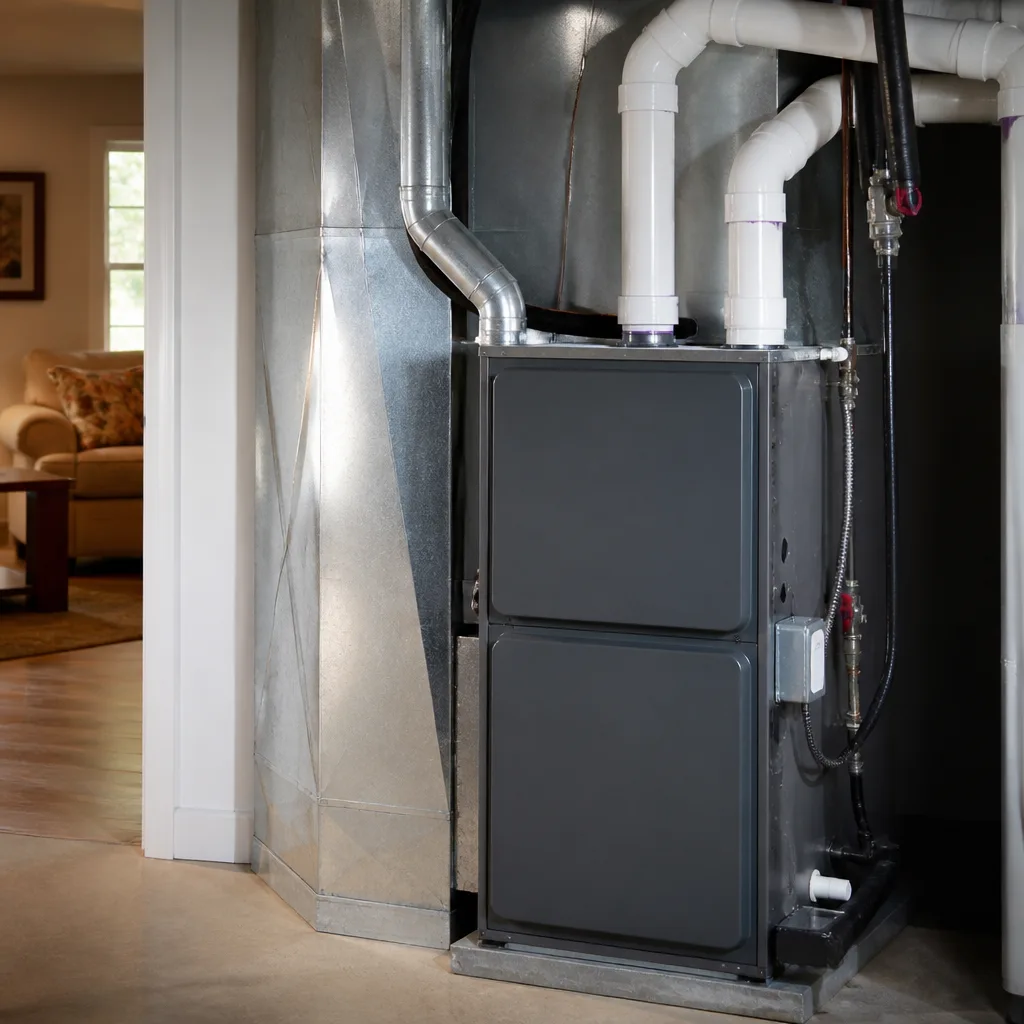 Furnace & heating
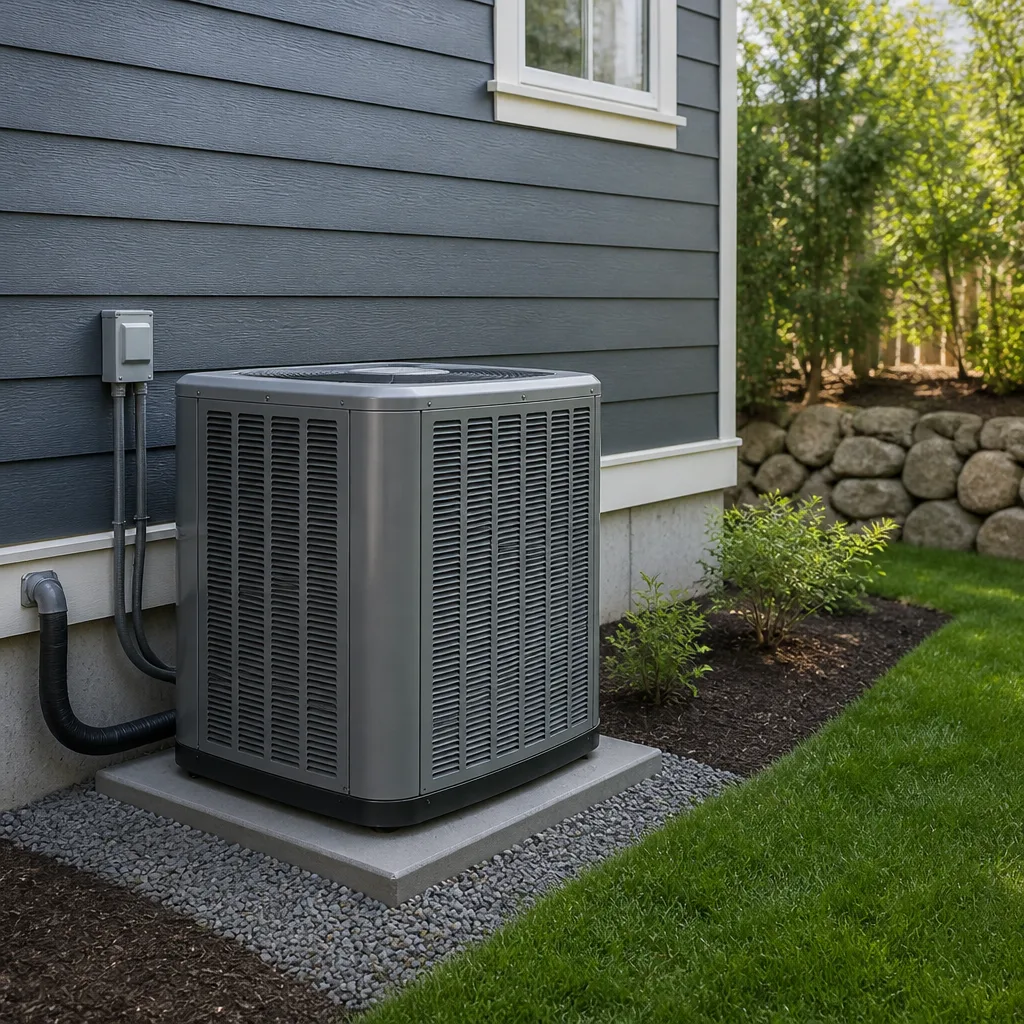 Heat pumps
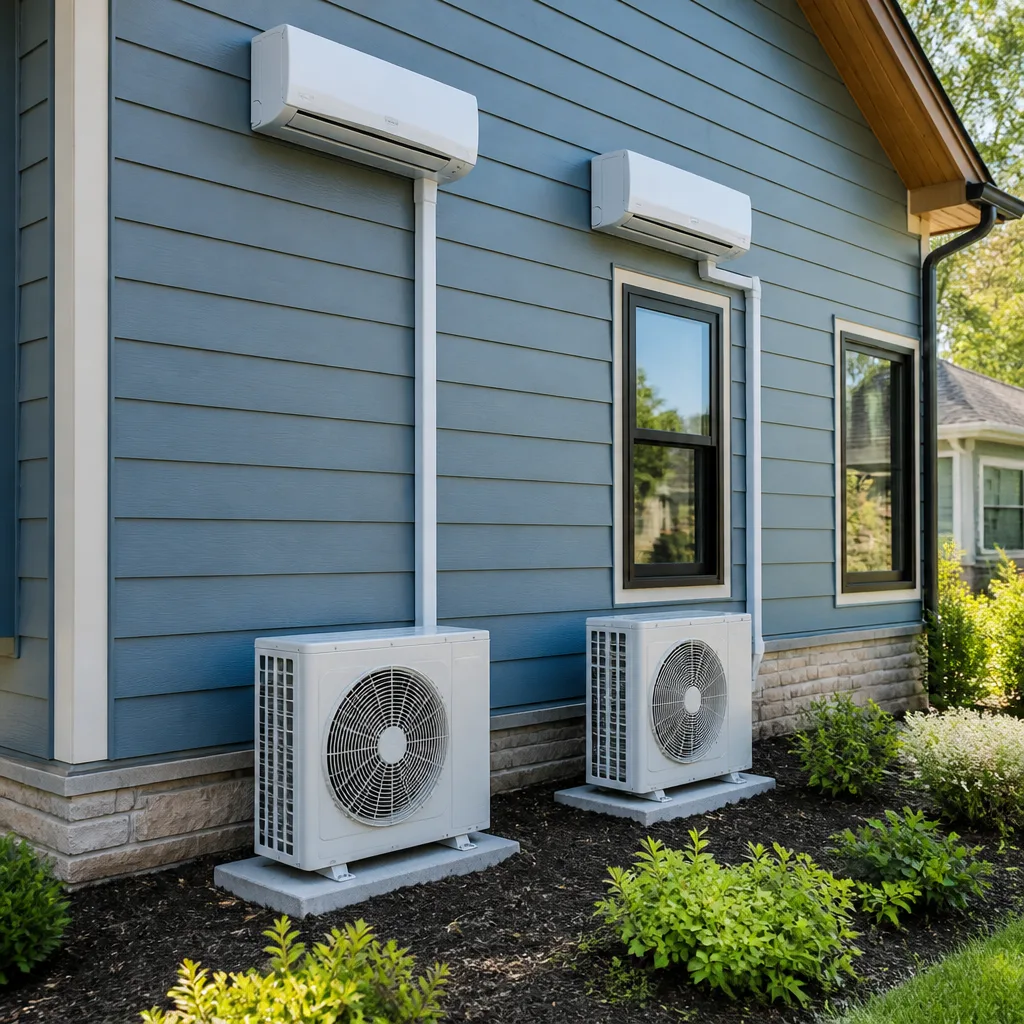 Ductless mini splits
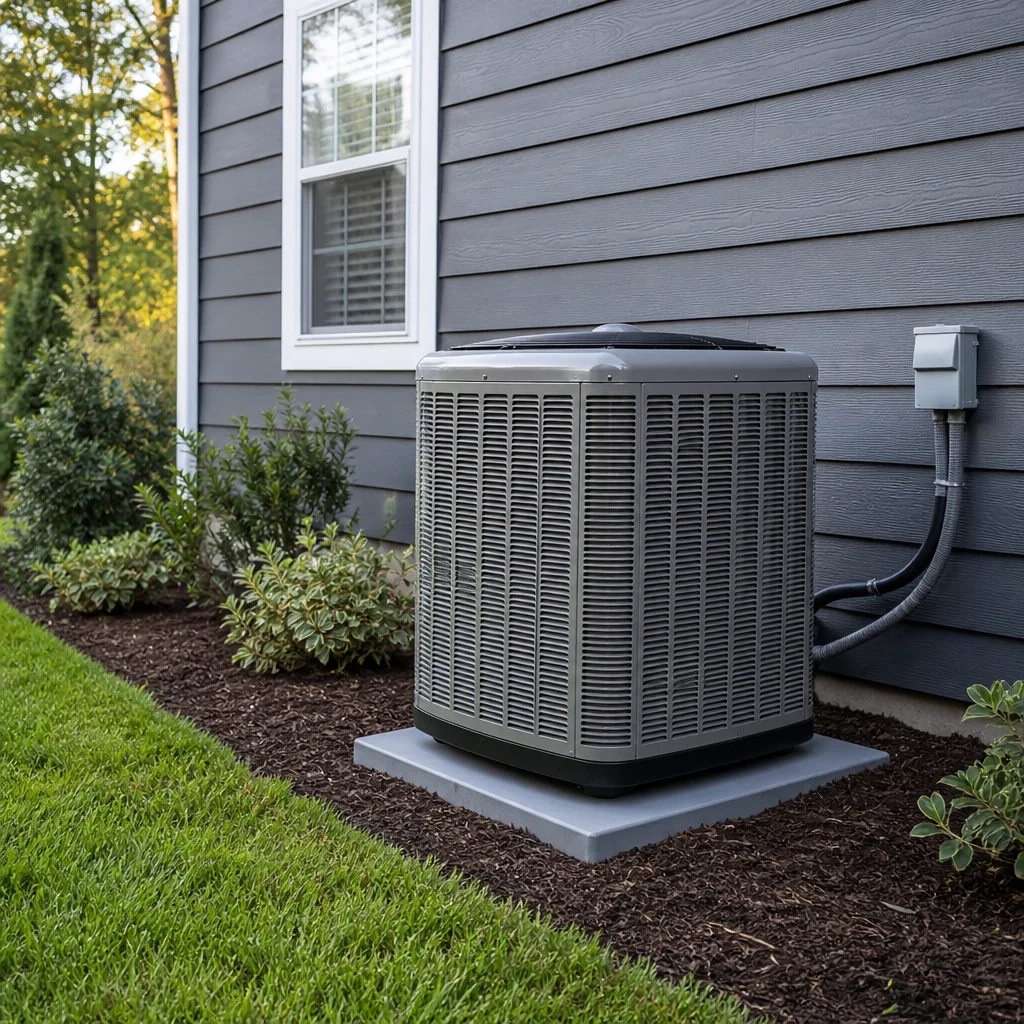 Carrier
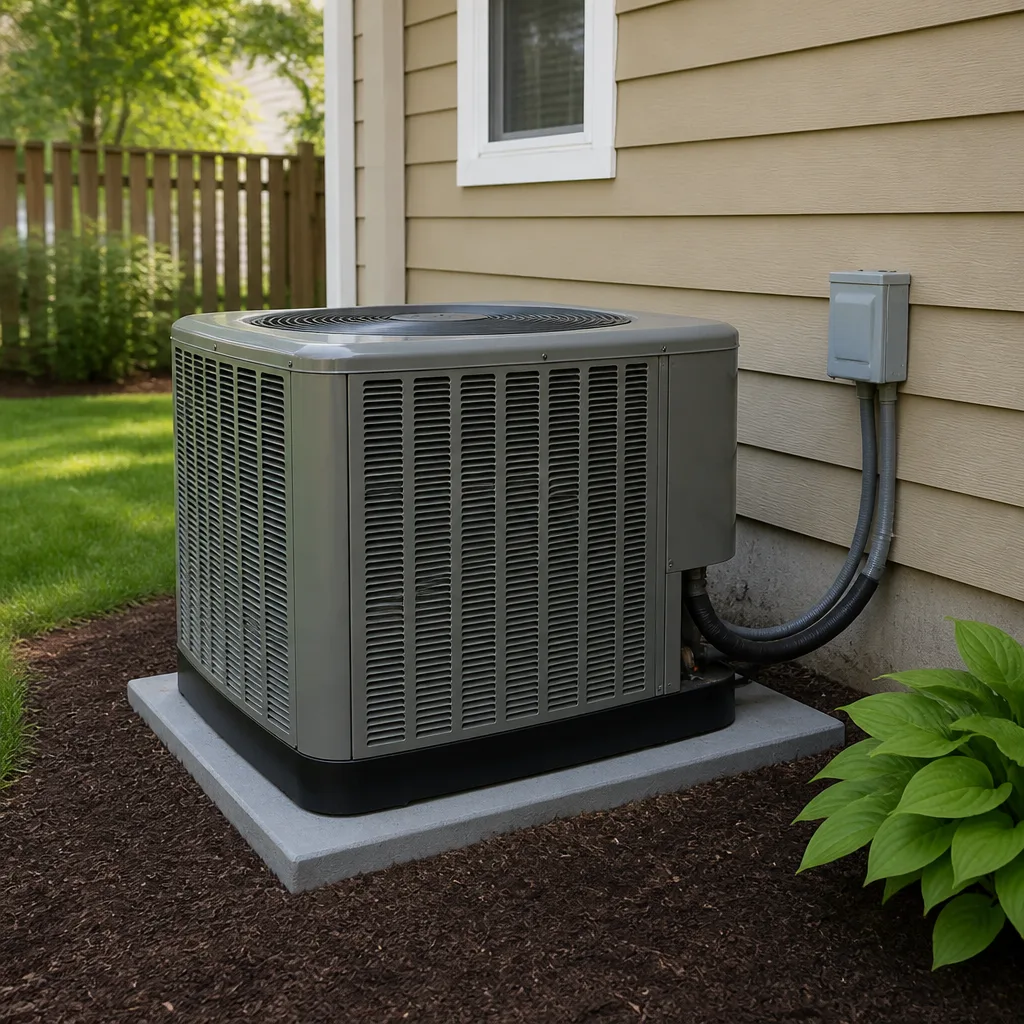 Trane
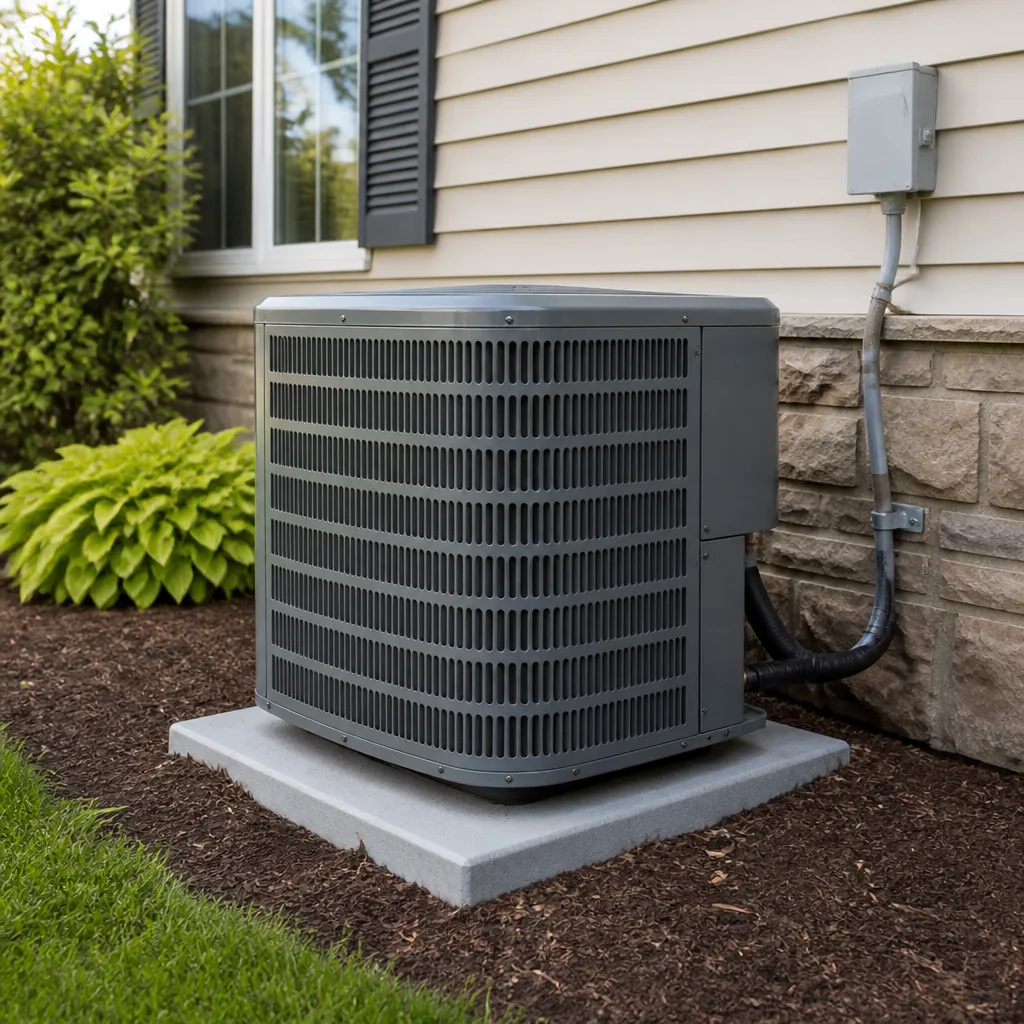 Goodman
Seasonal tune-up and full diagnostic on your Carrier, Trane, or Goodman system - readings shown to you before any repair is proposed
Diagnosis first, numbers second - you approve the repair price before a single part goes in.
Get your free estimateThe Complete Guide to HVAC in Summerlin
Summerlin sits roughly 3,000 feet above the valley floor, and that altitude changes the refrigerant charge calculation your system needs. Most out-of-town installers never account for it. Add desert alkali dust that pits condenser coils and a cooling season that runs from April into October, and you have an HVAC environment that generic advice simply does not fit. This guide covers what actually matters here: how elevation reshapes sizing and airflow, which equipment classes pay back fastest in Summerlin’s long summer, how NV Energy rate structures should shape your purchase, and what a Nevada warranty should contain before you sign.
Quick Answer
HVAC in Summerlin demands equipment sized and charged for 3,000 feet of elevation, not sea-level defaults, and a maintenance cadence built around alkali dust rather than humidity. Homeowners here get the best long-term value from two-stage or variable-speed systems that handle a six-month cooling season without short-cycling. A written Nevada warranty and an upfront fixed price matter more than the lowest bid.
Styles & brands we work with
- AC repair
- Furnace & heating
- Heat pumps
- Ductless mini splits
- Carrier
- Trane
- Goodman
Table of Contents
- How Summerlin’s Elevation Changes Your HVAC System
- Alkali Dust and Why Coils Fail Faster Here
- Which Equipment Class Pays Back in Summerlin
- NV Energy Rates and Rebates: What Should Drive Your Choice
- The Maintenance Cadence That Matches Local Conditions
- What a Written Nevada Warranty Should Actually Contain
- Repair or Replace? Straight Talk for Summerlin Homeowners
- What HVAC Work Costs in Summerlin
How Summerlin’s Elevation Changes Your HVAC System
Air density drops as you climb. At Summerlin’s roughly 3,000-foot elevation, air is thinner than at the Strip or in Henderson, and that single fact ripples through every calculation an installer makes. A system spec’d for a Nashville split-level and installed here without adjustment will run, but it will not run correctly. We’ve seen units in The Ridges and Red Rock Country Club short-cycling in August because nobody recalculated airflow for the thinner air.
Three things change at altitude:
- Refrigerant charge. The pressure-temperature relationship shifts with elevation. A system charged to a sea-level chart will be over- or under-charged here, which raises compressor amp draw and shortens equipment life.
- Airflow. Blower performance curves assume standard air density. Thinner air means the same blower RPM moves less mass, so duct sizing and static pressure need verification, not assumption.
- Combustion air for gas furnaces. Gas-fired heating needs proper combustion air ratios at altitude. A furnace derated for sea level can produce incomplete combustion and carbon monoxide risk. Any gas appliance here should be commissioned with a combustion analyzer, full stop.
When you get a bid, ask one question: “Did you correct the load calculation and refrigerant charge for 3,000 feet?” A contractor who pauses before answering has not done it. Our Fireside Heating & Air Co. Summerlin home team builds every proposal around the actual elevation, because a Manual J run at sea-level defaults is a guess dressed up as math.
Alkali Dust and Why Coils Fail Faster Here
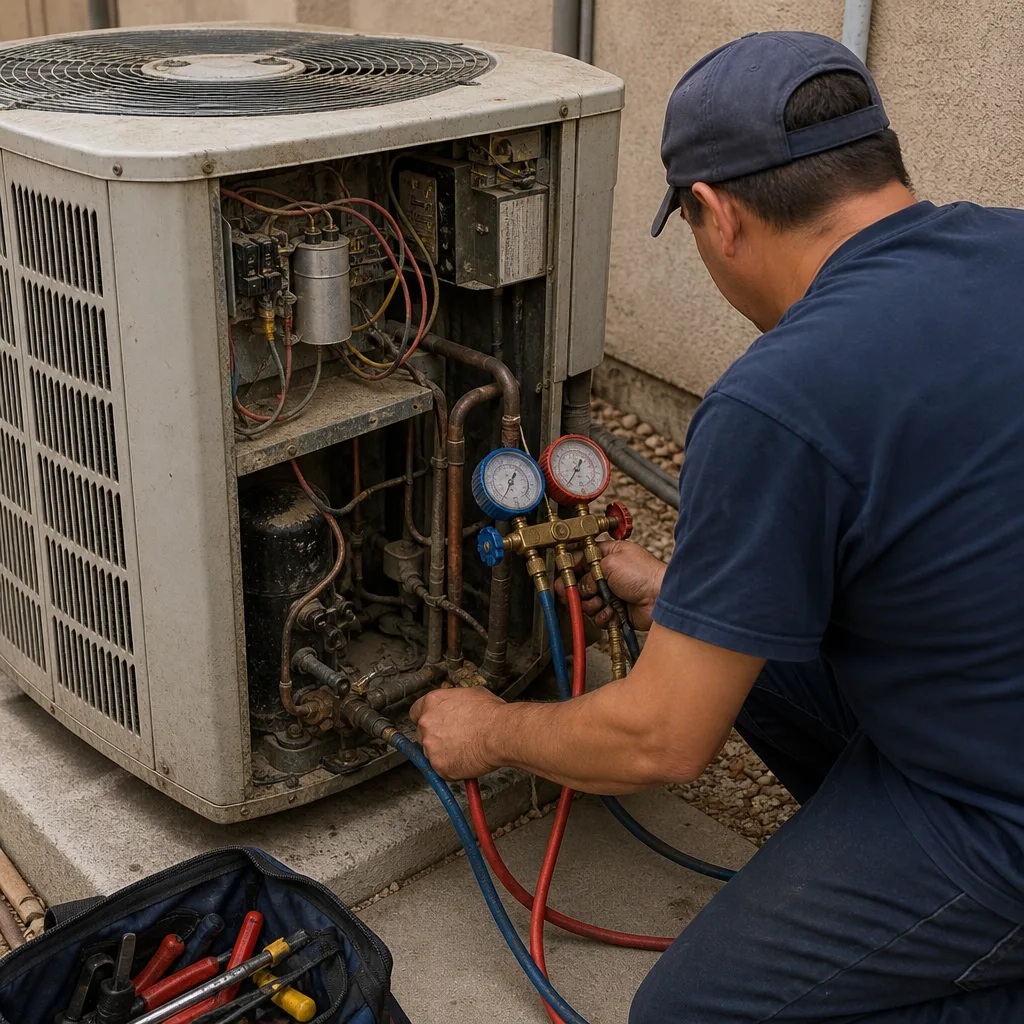
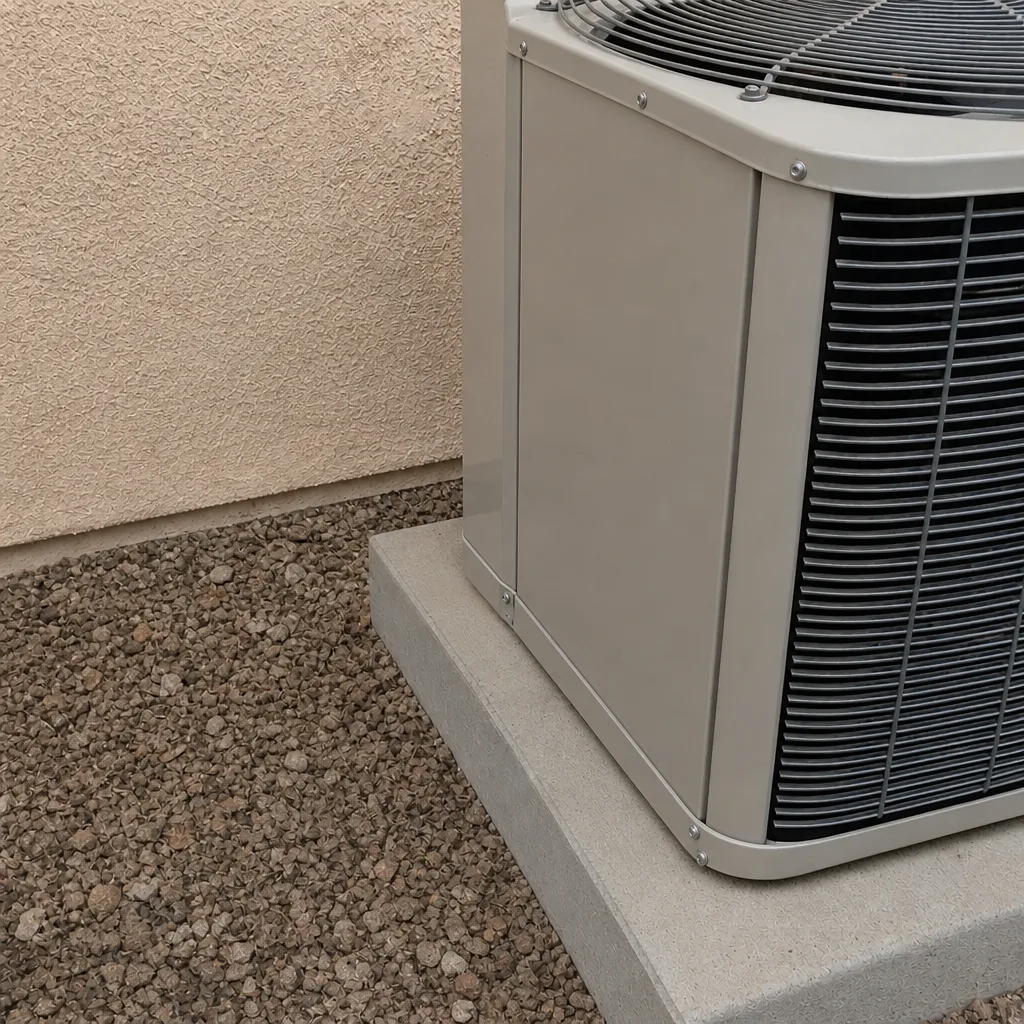
Southern Nevada’s alkali dust is fine, alkaline, and relentless. It settles on condenser coils, works into capacitor contacts, and coats outdoor fan blades until they’re out of balance. In humid climates, coils foul with biological growth; here they foul with mineral grit that insulates the coil and drives head pressure up. A condenser that can’t shed heat works harder every month, and capacitors – the cheap part that starts your compressor – degrade faster when they’re baking at 150°F under a dust blanket.
The practical result: an annual coil cleaning schedule borrowed from a Midwest maintenance plan is wrong for Summerlin. Coils here want rinsing at least twice during cooling season, and capacitors deserve a capacitance test at every visit, not just when the unit quits. We’ve watched three-year-old capacitors in Summerlin read 20 percent below rated microfarads because nobody checked them until the compressor wouldn’t start on a 108°F afternoon.
What actually matches local conditions:
- Rinse condenser coils in late spring and again in midsummer.
- Test capacitor capacitance at every service call – do not wait for failure.
- Check outdoor fan blade balance and motor amp draw.
- Inspect and clear the condensate drain, which clogs with dust, not algae, in this climate.
- Verify refrigerant charge against the elevation-corrected chart.
Which Equipment Class Pays Back in Summerlin
A single-stage compressor is cheaper upfront and the wrong choice for most Summerlin homes. Here’s why: our cooling season runs long and hot, and a single-stage unit is either full-on or off. In June, July, and August that means constant cycling, wider indoor temperature swings, and more compressor starts – the wear event that kills equipment. A two-stage compressor runs at about 65 percent capacity on mild days and only ramps up when it must. A variable-speed air handler goes further, matching output to load almost continuously.
In Summerlin’s climate, the payback math favors the better equipment class:
- Two-stage compressor: fewer starts, quieter operation, better humidity control during monsoon weeks, and longer equipment life. Pays back over a long cooling season.
- Variable-speed air handler: the biggest comfort gain for the money in a two-story Summerlin home, because it keeps airflow steady and rooms closer in temperature.
- Single-stage: fine for a small, well-insulated, rarely occupied space. Rarely the right call for a primary residence here.
Brand matters less than the commissioning. We’re trained on Trane, Lennox, Goodman, and Rheem systems, among others, and a well-installed Goodman outperforms a badly charged Trane every time. For system-specific guidance, see our AC repair and installation in Summerlin page, and if you’re weighing a ductless option, our heat pump and mini split in Summerlin guide covers where those systems make sense.
NV Energy Rates and Rebates: What Should Drive Your Choice
Your equipment choice and your NV Energy bill are the same decision, and most homeowners treat them separately. NV Energy’s residential rates tier upward as usage climbs, and in a Summerlin summer a single-stage unit that runs flat-out from noon to eight pushes you into the higher tiers fast. A two-stage or variable-speed system that trims peak demand can keep you in a lower tier for more of the season, and that savings compounds over the equipment’s life.
Rebates deserve the same scrutiny. NV Energy periodically offers incentives for high-efficiency equipment, but the qualifying efficiency thresholds change, and a system that misses the cutoff by a fraction of a SEER point earns nothing. Two rules:
- Ask for the equipment’s AHRI reference number and verify it against the current NV Energy qualified products list before you sign.
- Get the rebate paperwork handled as part of the job, in writing, with the amount and timeline stated on the proposal.
A contractor who can’t tell you which specific model qualifies for a current NV Energy rebate is guessing. We build load calculations and equipment selection around your actual rate tier and the rebate list, and we put the number on paper so there are no surprises. Straight talk about what the system will cost to run matters as much as what it costs to buy.
The Maintenance Cadence That Matches Local Conditions
Two tune-ups a year is the right cadence for Summerlin, and one of them needs to land before the first 100°F day, not after. A spring visit gets the condenser ready for the load; a fall visit checks the heating side and the combustion safety we covered above. A single annual visit borrowed from a milder climate leaves half your system unwatched for a full year of desert punishment.
What a real tune-up should produce in Summerlin:
- A written report of measured readings – refrigerant pressures, capacitor microfarads, amp draws, static pressure – not a checkbox list.
- Coil cleaning with documentation of before-and-after condition.
- Combustion analysis on any gas furnace, with the numbers printed for you.
- A clear statement of anything found and what it will cost, in writing.
Our heating and furnace in Summerlin team runs a flat $89 seasonal tune-up, and the technician who performs it isn’t paid on what they sell you – the report stands on its own. That’s the difference between maintenance and a sales visit.
What a Written Nevada Warranty Should Actually Contain
Verbal promises evaporate. We’ve had homeowners in Summerlin hand us a competitor’s “warranty” that turned out to be a one-line invoice note reading “parts and labor guaranteed,” with no term, no exclusions, and no name attached to honor it. In Nevada, a warranty is only as good as what’s written down, and the burden of proof sits with you if the contractor disappears.
A written warranty should state, in plain language:
- The exact term in days – “90 days” beats “guaranteed” every time.
- What’s covered: parts, labor, refrigerant, diagnostic fees.
- What’s excluded, and why.
- Who honors it and how to reach them.
- Whether it transfers if you sell the home.
Our 90-Day Done Right Promise is written, no arguing, no paperwork – if the job isn’t right, we make it right. That’s the standard we think every Summerlin homeowner should demand before signing anything.
Repair or Replace? Straight Talk for Summerlin Homeowners
The rule of thumb still holds – if a repair costs more than a third of replacement and the system is past 12 years old, replacement usually wins – but Summerlin shifts the math. Our equipment works harder than equipment in cooler climates, so a 12-year-old unit here has lived a harder life than the same unit in Portland. Alkali dust ages coils and capacitors faster, and the long cooling season runs more compressor hours per year.
Three questions we ask before recommending anything:
- How many major repairs in the last three years, and what did they cost?
- Is the refrigerant type still serviceable, or are you facing a phased-out supply?
- Is the duct system itself part of the problem, or just the equipment?
We give straight talk about repair versus replace, and we’ll put a free second opinion on any written estimate you’ve already received. Sometimes the honest answer is “that unit has years left.” We’ll tell you.
What HVAC Work Costs in Summerlin
These are the ranges we see across Summerlin jobs. Actual pricing depends on system size, access, and condition.
| Job | Typical Summerlin Range |
|---|---|
| Seasonal tune-up | $89 flat (standing offer) |
| Capacitor replacement | $180 – $280 |
| Refrigerant recharge (with leak check) | $250 – $550 |
| Blower motor replacement | $450 – $850 |
| Compressor replacement | $1,200 – $2,200 |
| Two-stage system replacement (installed) | $7,500 – $13,000 |
| Variable-speed system replacement (installed) | $9,500 – $16,000 |
We put a fixed price on every job – the price quoted is the price paid, no add-ons after the fact. If the repair crosses $250, take $50 off.
Common Mistakes to Avoid
- Accepting a sea-level load calculation. If your contractor runs Manual J without correcting for 3,000 feet, the whole design is off. Ask to see the altitude correction.
- Skipping capacitor testing because the unit still runs. A weak capacitor is a compressor killer, and in Summerlin’s dust and heat it fails faster than the manual suggests. Test every visit.
- Choosing single-stage to save upfront cost. In a six-month cooling season, the cycling penalty and shortened life usually erase the savings.
- Assuming any contractor can claim an NV Energy rebate. Verify the AHRI number against the current qualified list before signing.
- Trusting a verbal warranty. “We stand behind our work” with no written term is not a warranty. Demand it in writing with the exclusions spelled out.
- Cleaning coils once a year. Alkali dust in Summerlin wants at least two rinses per cooling season, not a borrowed Midwest schedule.
- Replacing equipment when the ducts are the problem. A high-efficiency unit on undersized ducts delivers mediocre performance at premium price.
See the difference
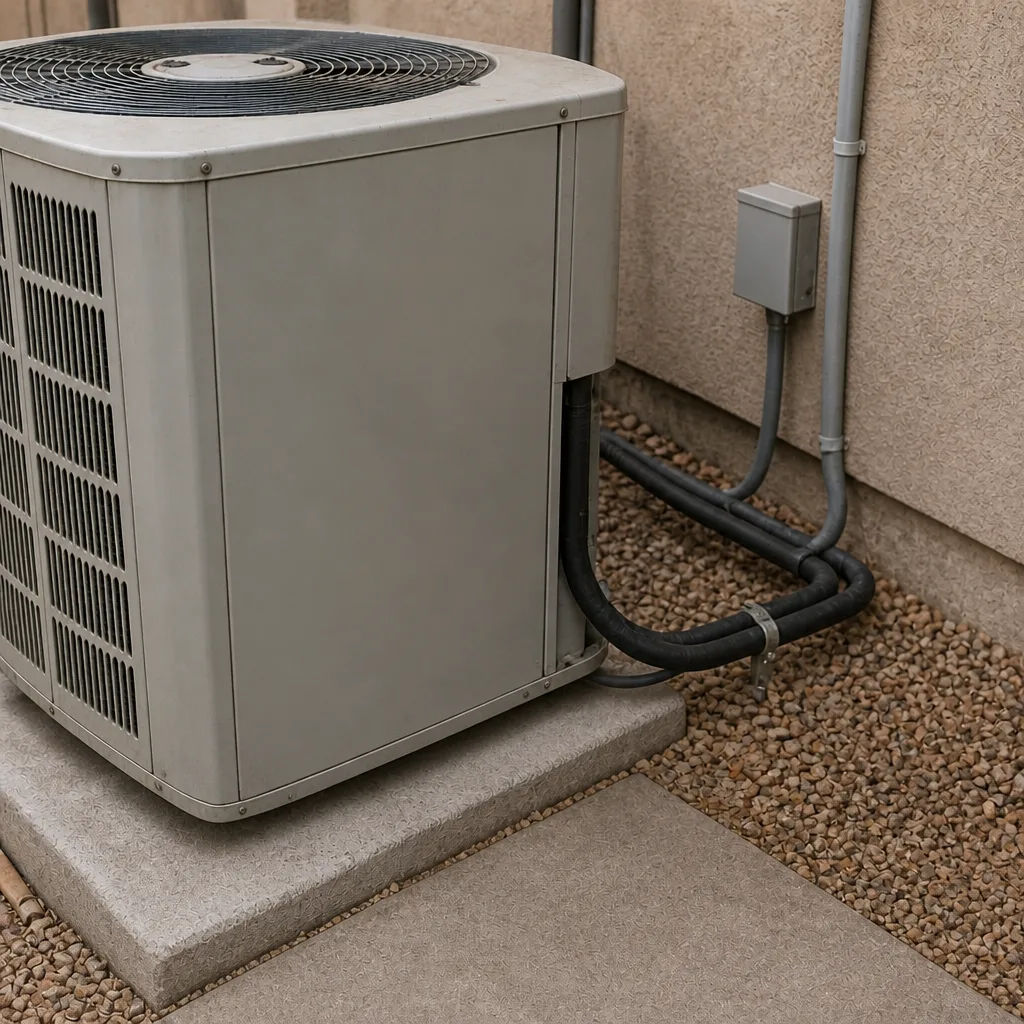
 Before
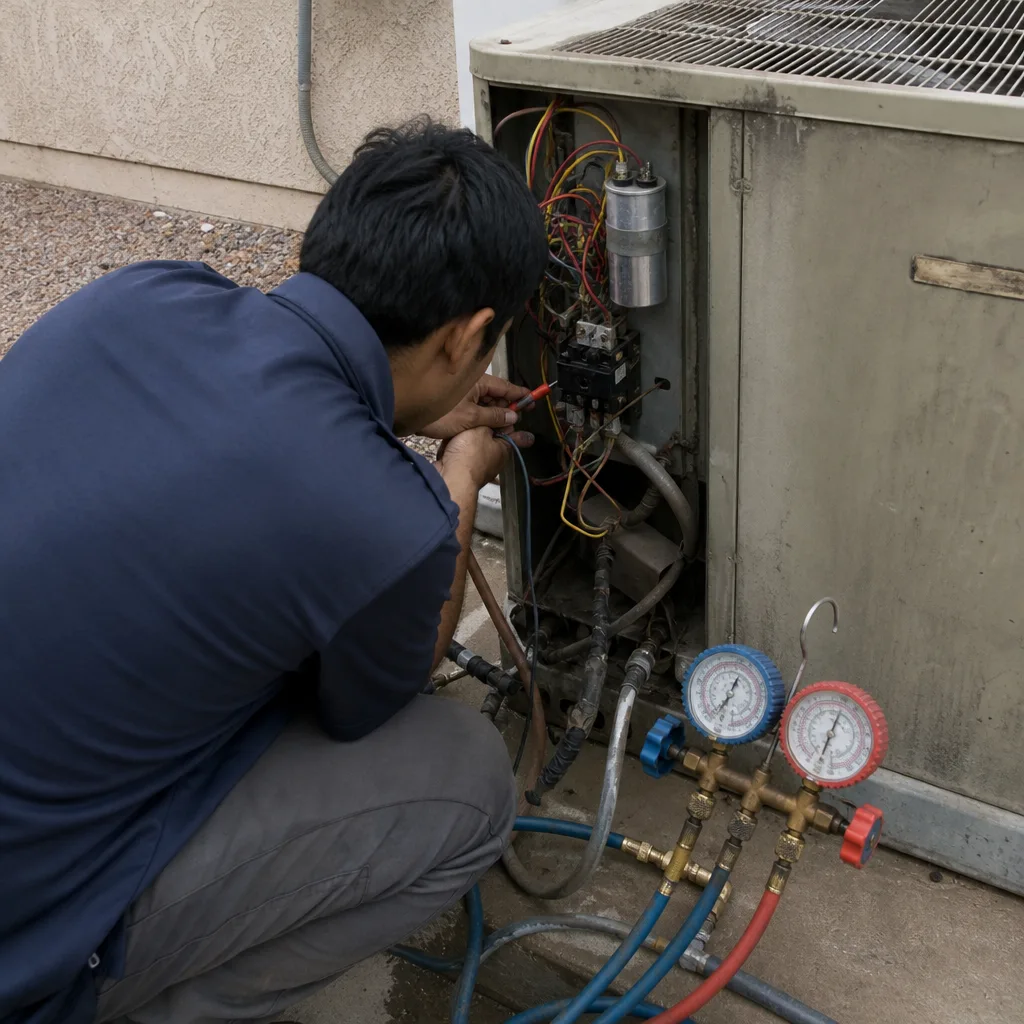
 After
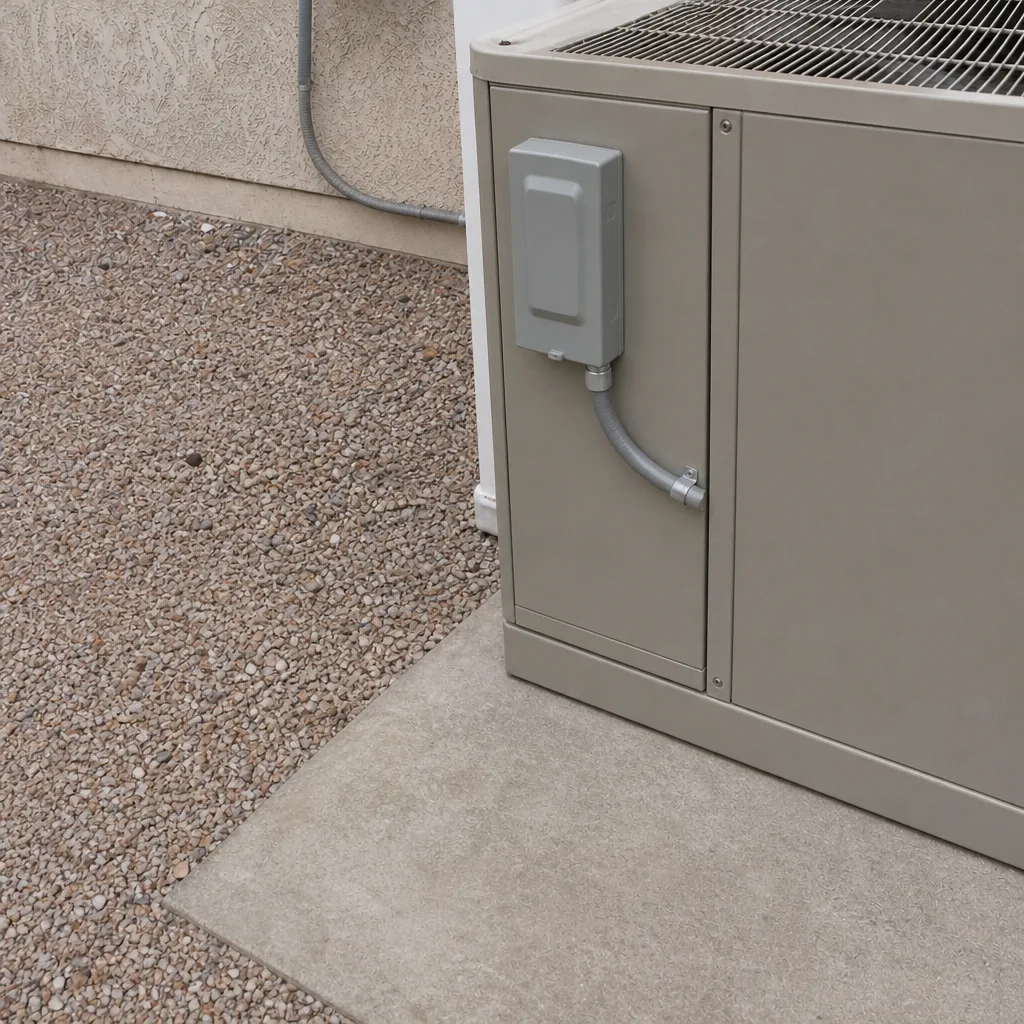
 Before
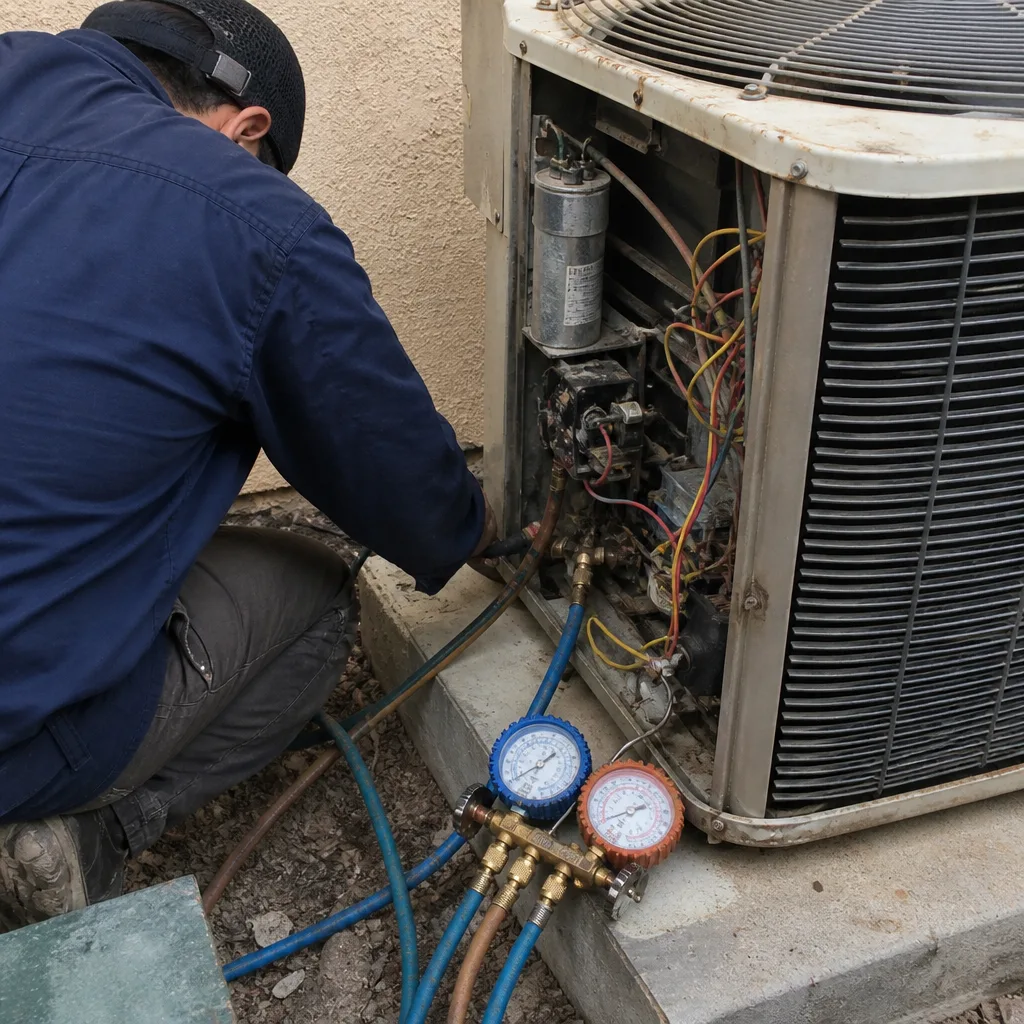
 After
 Before
 After
When to Call a Professional
Some things simply are not DIY. Any work involving refrigerant handling, gas furnace combustion, electrical panel connections, or opening a sealed compressor circuit belongs to a licensed technician. If you smell gas, hear a loud bang from the furnace, see repeated breaker trips, or notice ice on the refrigerant lines, stop and call. We answer the phone with a live person 24 hours a day, including the 2 a.m. no-heat emergency, and we don’t put you through a voicemail tree. Fireside Heating & Air Co. Summerlin offers free estimates in Summerlin – call (888) 325-9387. Our technicians are background-checked, trained as journeymen, and work with up to 8 years of experience. They treat your home like their own mother’s, which means shoe covers without being asked and a clean workspace when they leave.
Frequently Asked Questions
Yes. At roughly 3,000 feet, air density drops, and that changes refrigerant charge calculations, blower airflow curves, and combustion air ratios for gas furnaces. A system installed with sea-level defaults will run but run inefficiently, with higher compressor amp draw and shorter equipment life. Any proposal you accept in Summerlin should show altitude-corrected calculations.
Twice a year. Alkali dust fouls condenser coils faster here than in humid climates, and capacitors degrade quicker in the heat. One visit before the first 100°F day and one after the cooling season keeps the equipment within spec. Call (888) 325-9387 – estimates are free.
Usually yes. A two-stage compressor cycles less across a six-month cooling season, which extends equipment life and keeps you in lower NV Energy rate tiers for more of the year. The upfront premium typically pays back over the system’s life in a Summerlin home.
You should get a written warranty that names the term in days, states what’s covered and excluded, and identifies who honors it. Verbal promises evaporate. Our 90-Day Done Right Promise is written, no arguing, no paperwork – and we think every Summerlin homeowner should demand that standard.
NV Energy periodically offers rebates for qualifying high-efficiency equipment, but the thresholds change and a system that misses by a fraction of a SEER point earns nothing. Ask for the AHRI reference number and verify it against the current qualified list before signing. We put the rebate amount on your proposal in writing.
We answer the phone with a live person 24 hours a day, and most repair jobs are completed in a single visit. Call (888) 325-9387 for an exact quote – estimates are free. For replacement work, we schedule a set install date and handle rebate and financing paperwork.
The Bottom Line
Summerlin’s 3,000-foot elevation, alkali dust, and six-month cooling season make generic HVAC advice unreliable. Get altitude-corrected load calculations, choose two-stage or variable-speed equipment that matches our rate tiers, test capacitors at every visit, rinse coils twice a season, and demand a written warranty in plain language. Verify any NV Energy rebate against the qualified list before you sign. And pick a company that answers the phone and stands behind the work in writing. Done right – or we make it right. That’s the standard we hold at Fireside Heating & Air Co., and it’s the one Summerlin homeowners deserve.
Call (888) 325-9387 for a free estimate. We’ll be there when we say.
Written by the team at Fireside Heating & Air Co. Summerlin.