
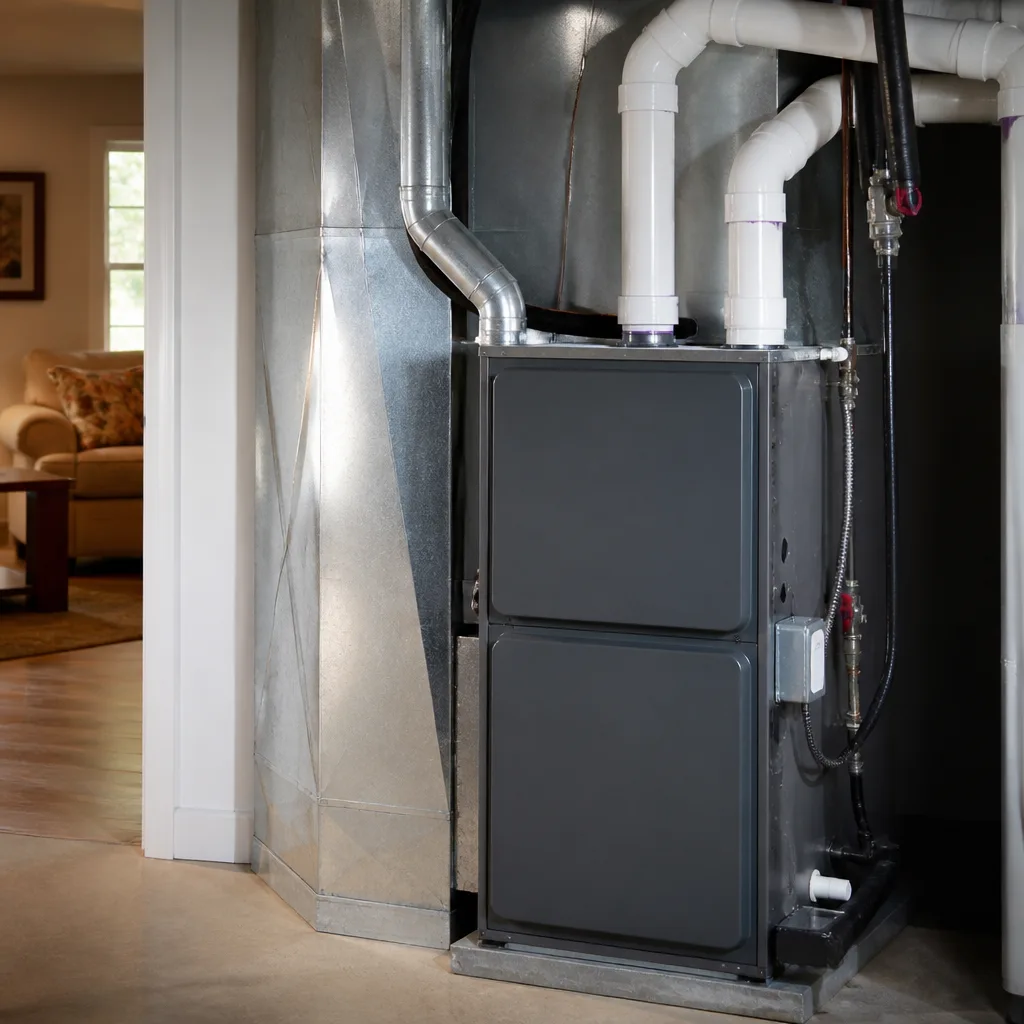
 Furnace & heating
 AC repair
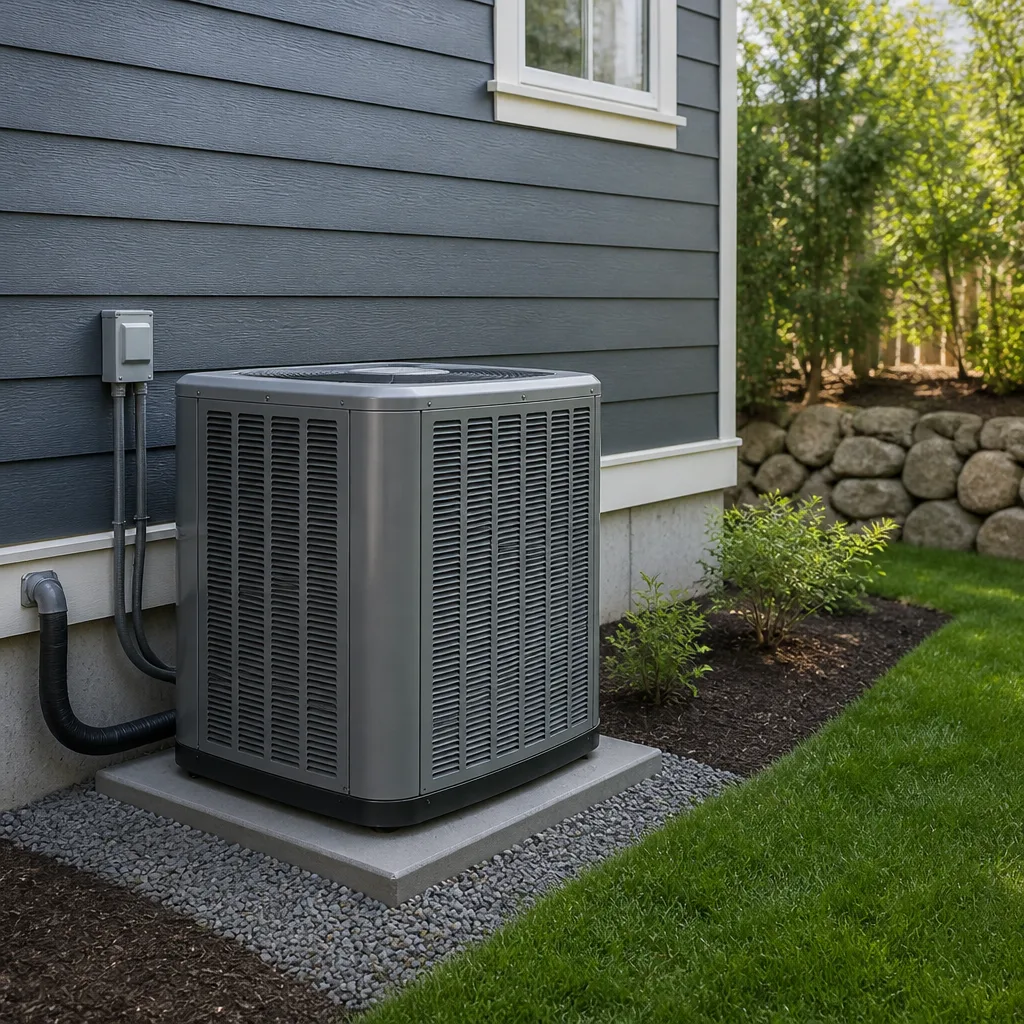 Heat pumps
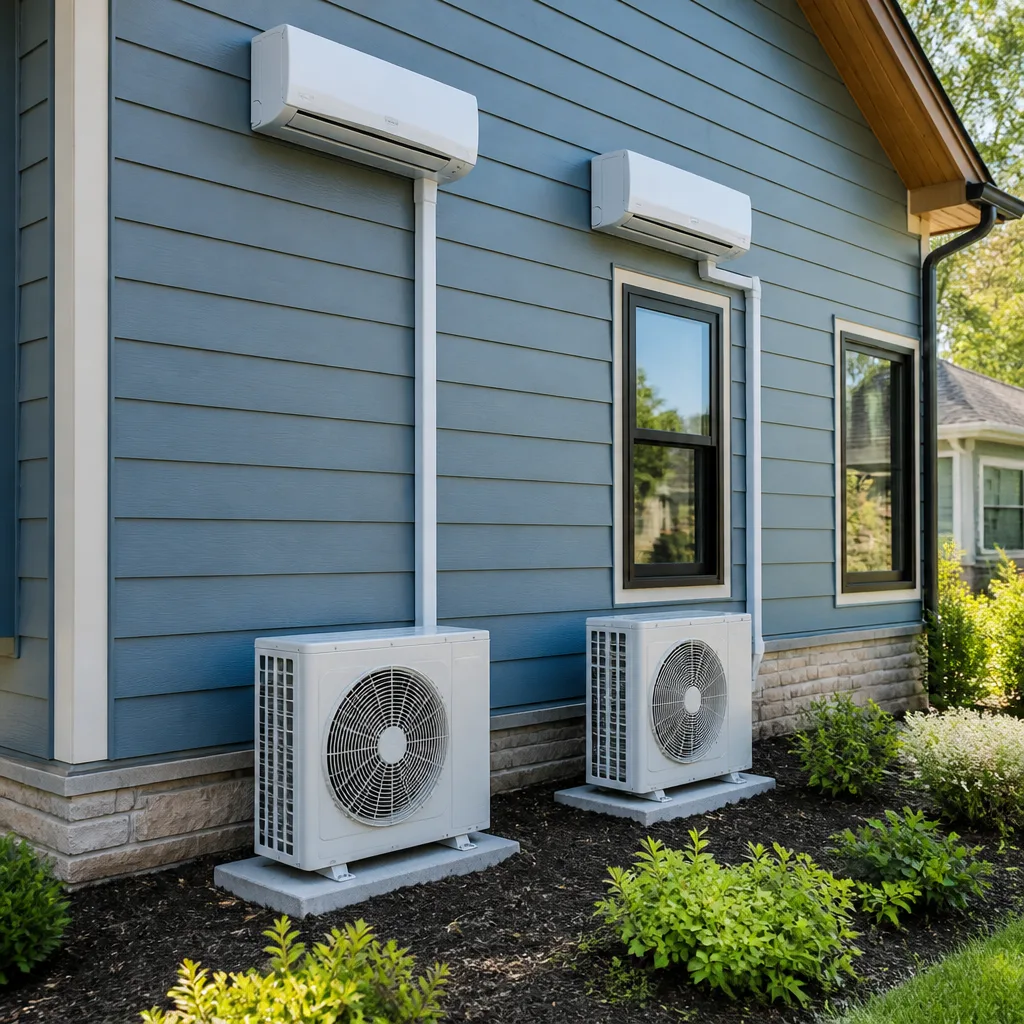 Ductless mini splits
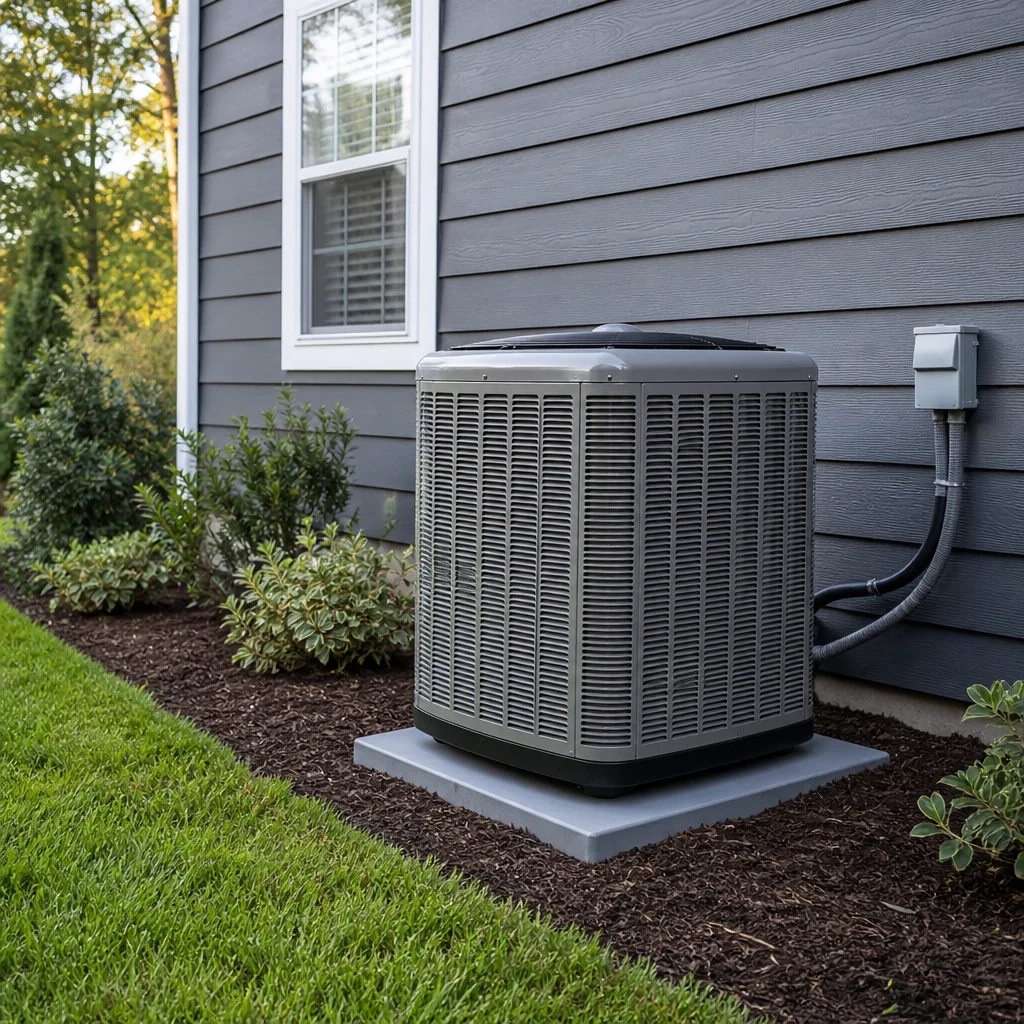 Carrier
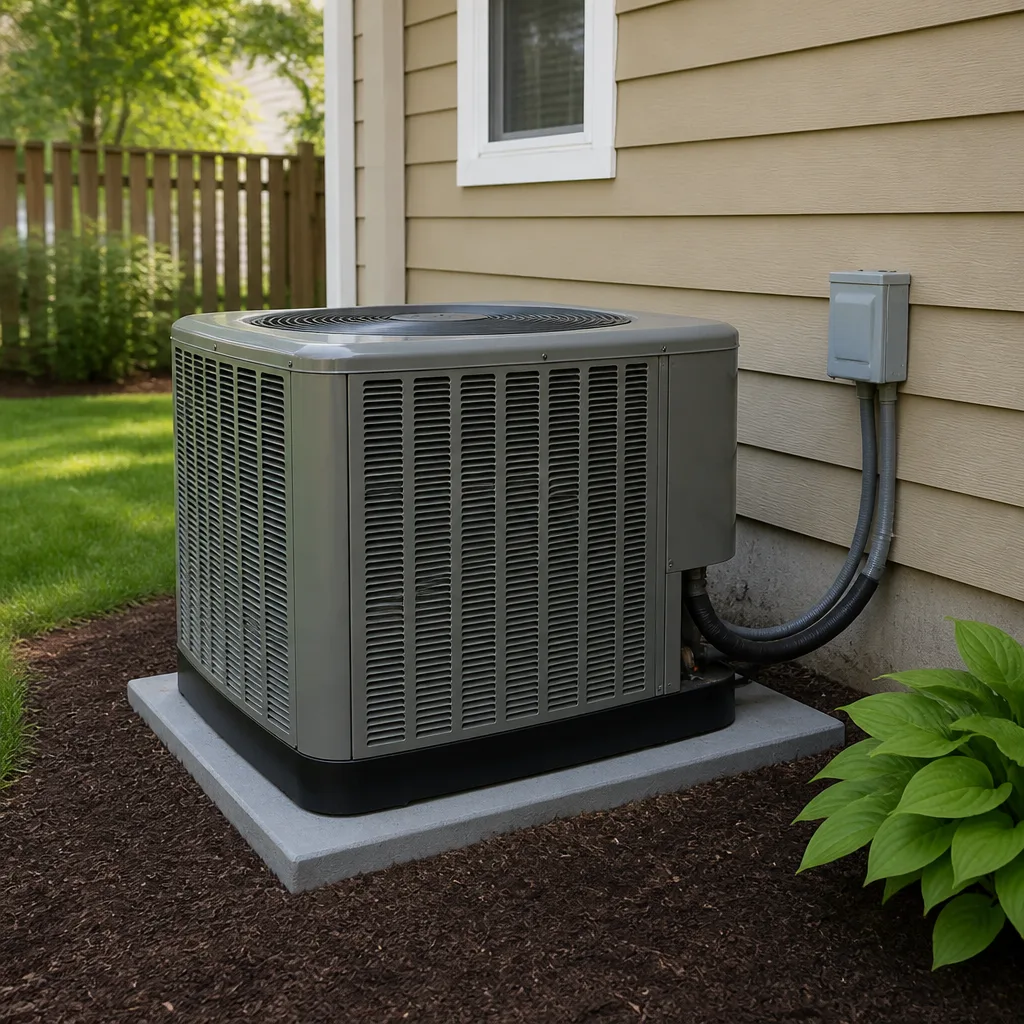 Trane
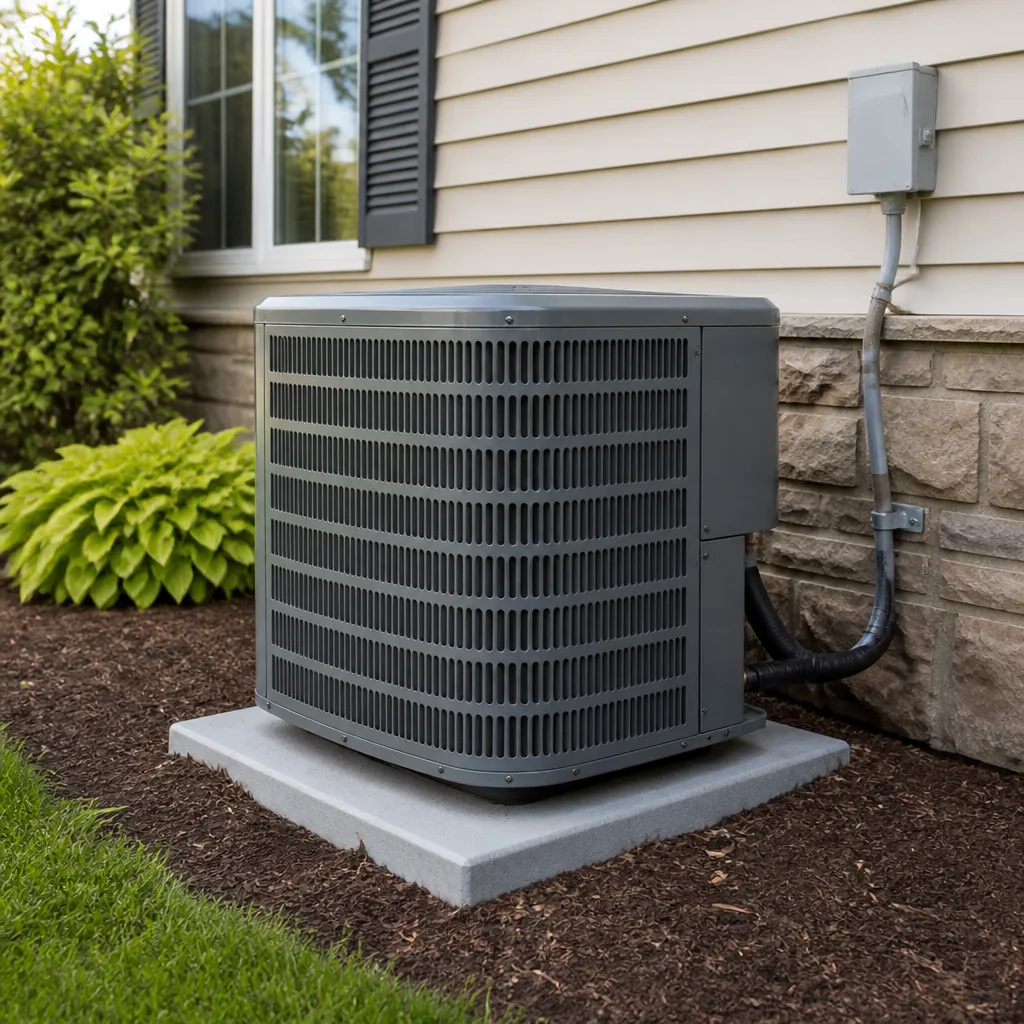 Goodman
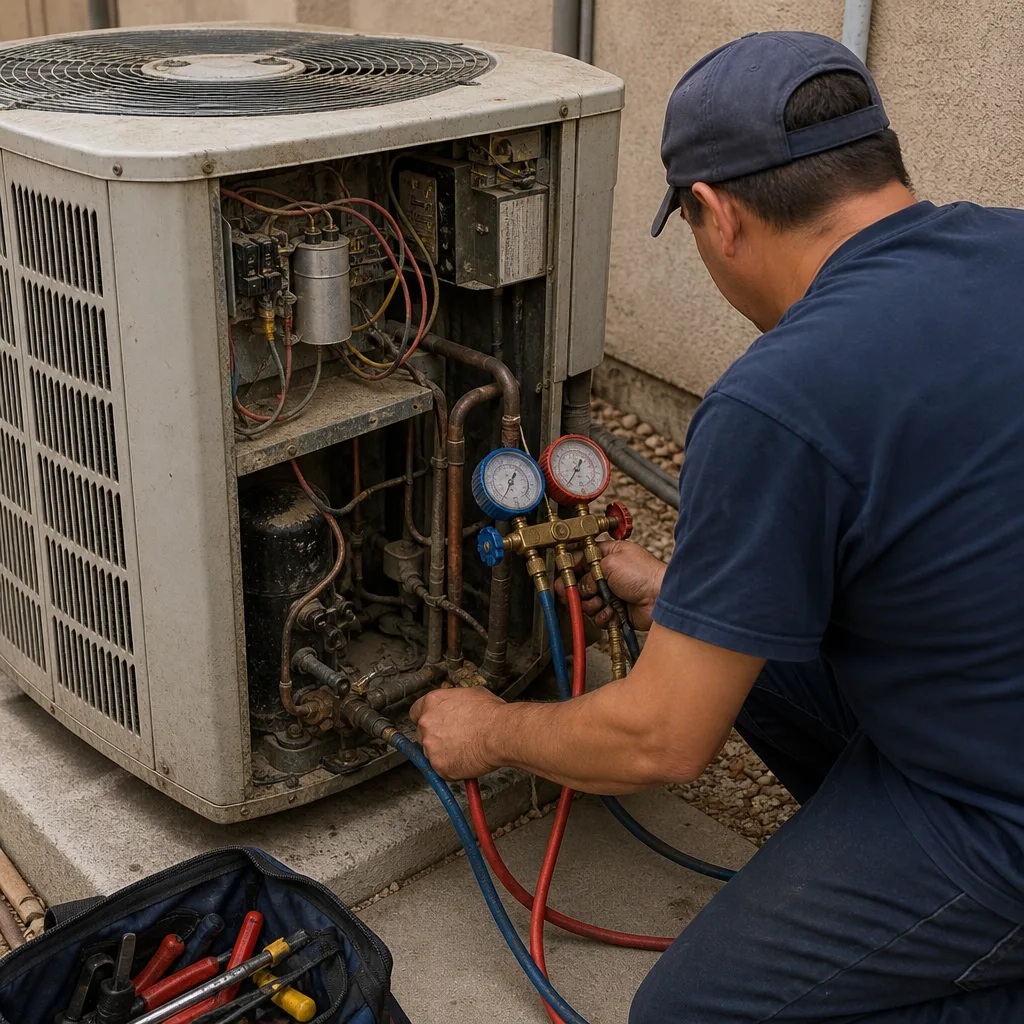
Seasonal tune-up and full diagnostic on your Carrier, Trane, or Goodman system - readings shown to you before any repair is proposed
Diagnosis first, numbers second - you approve the repair price before a single part goes in.
Get your free estimateStyles & brands we work with
- AC repair
- Furnace & heating
- Heat pumps
- Ductless mini splits
- Carrier
- Trane
- Goodman
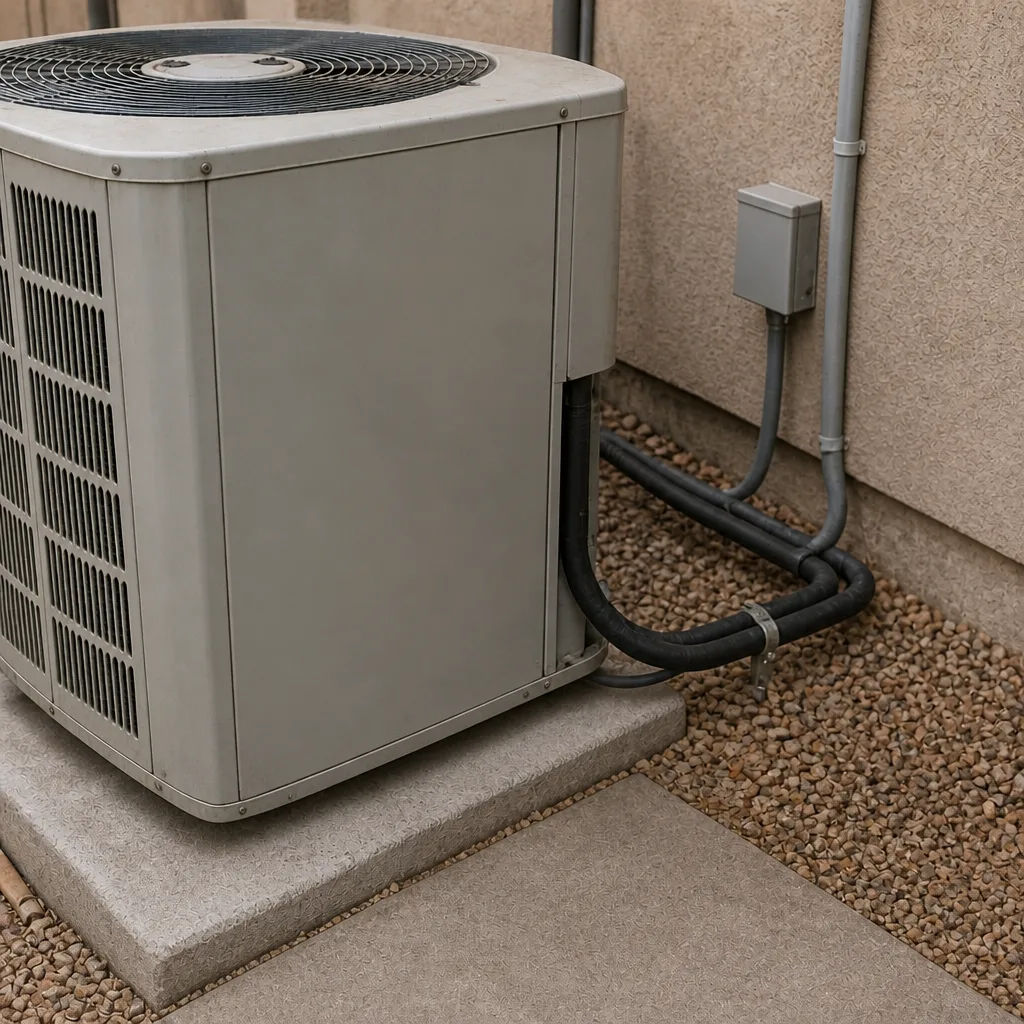
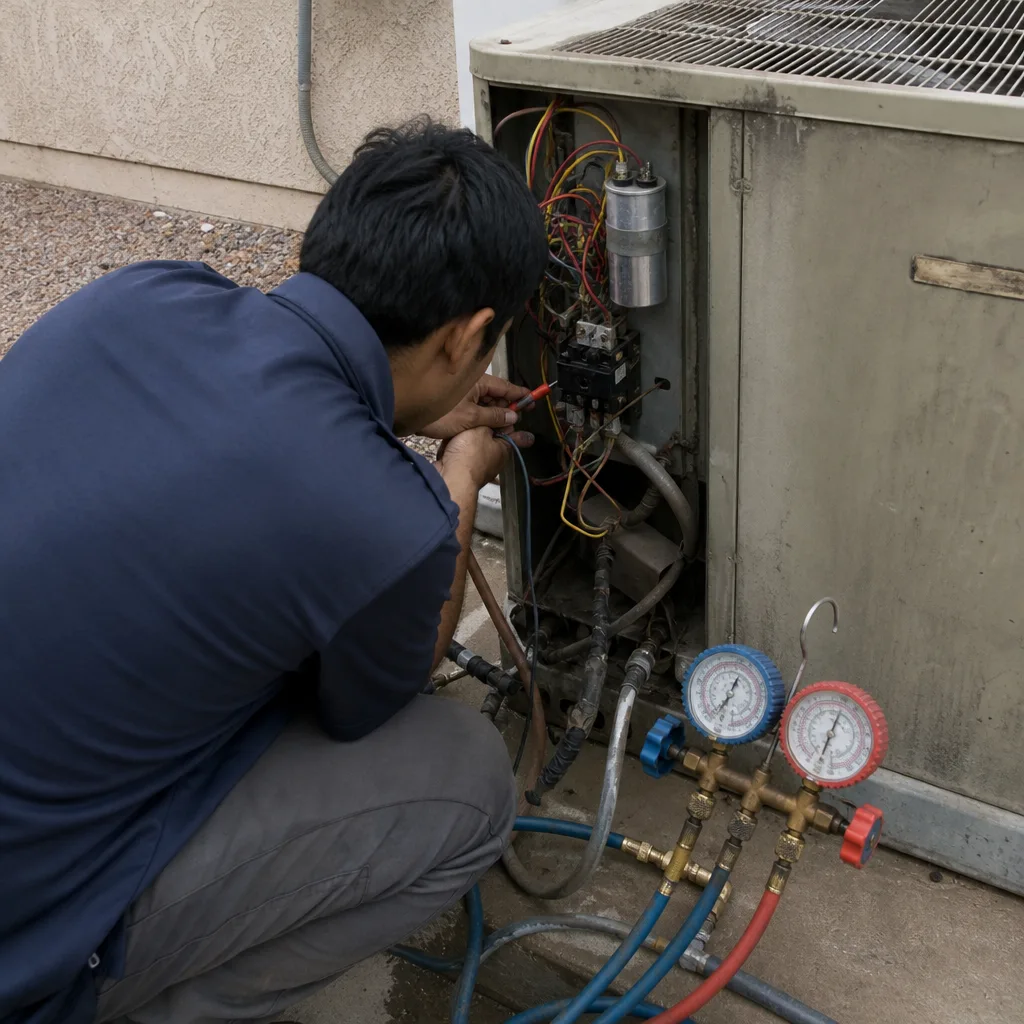
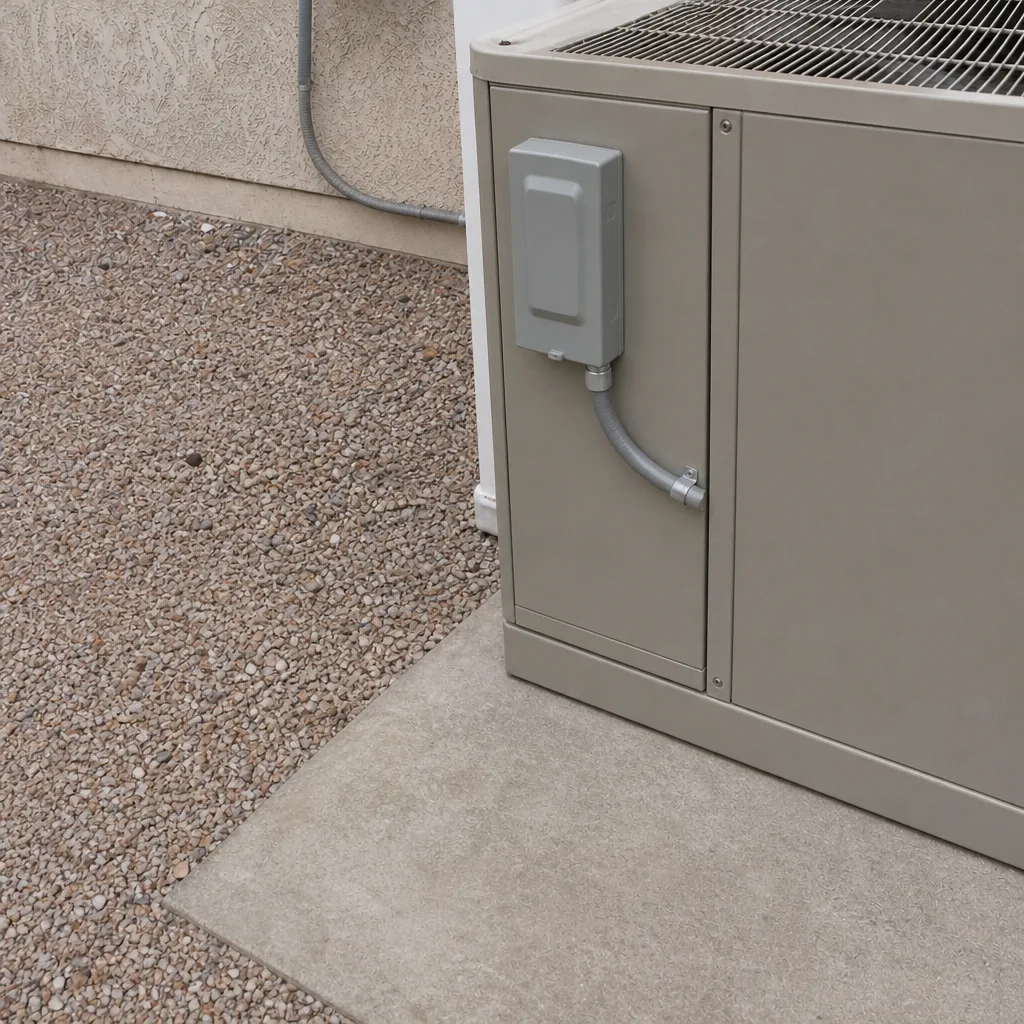
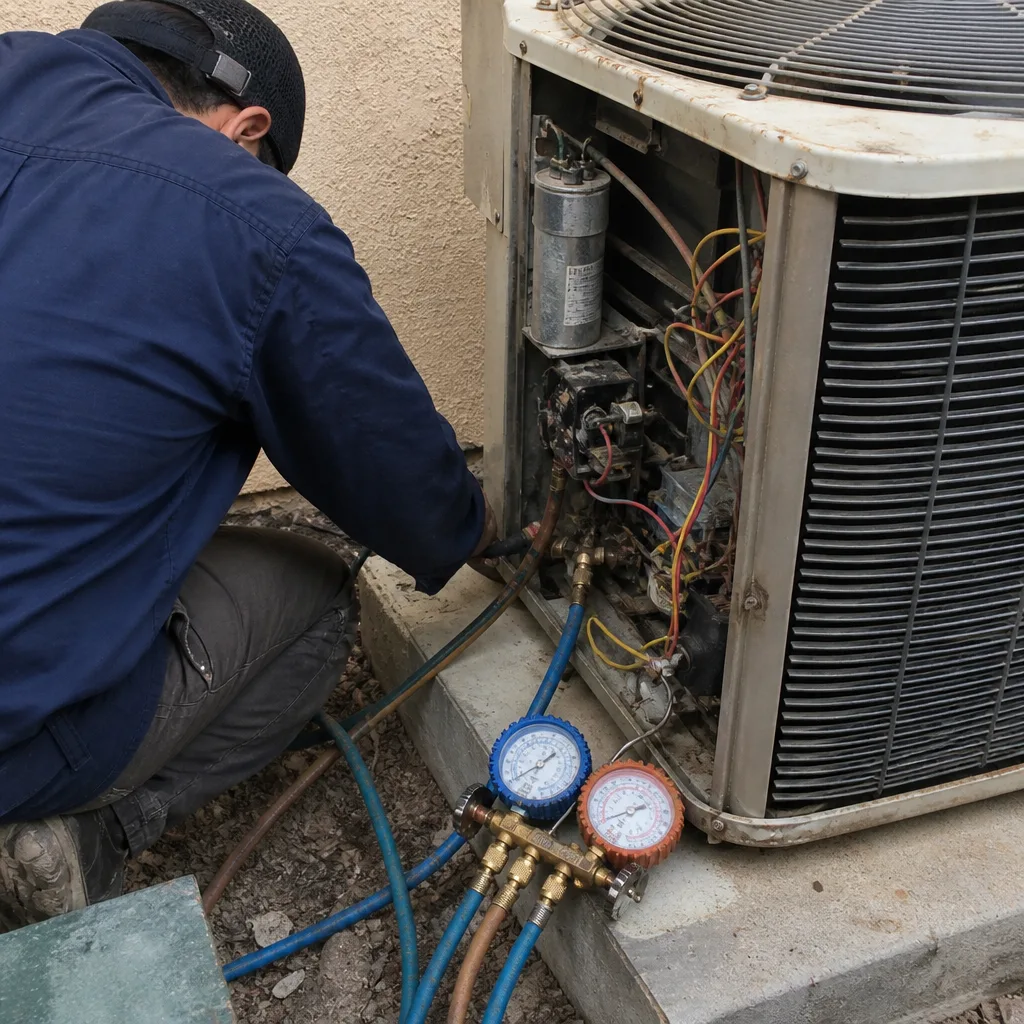
See the difference
 Before
 After
 Before
 After
 Before
 After
The Best HVAC System for a Cold Climate in Summerlin, NV: Choose Two-Stage or Variable-Speed Speed, Not a Full Cold-Climate Heat Pump
Choose a two-stage or variable-speed heat pump rated to about 5°F unless you’re planning for a mountain cabin above 6,000 feet, in which case a full cold-climate unit rated to -13°F is the honest answer. For Summerlin at roughly 3,000 feet against the Spring Mountains, a system built only for Las Vegas Valley heat will short-cycle through every winter and wear out years early. The right spec here is a unit that can ramp down to 40-60% capacity on mild days instead of slamming on and off at full output. Call (888) 325-9387 and we’ll talk through what your house actually needs.
Key Takeaways
- Summerlin is a hot-dry climate, but its elevation makes winters cold enough to matter and not cold enough to design around.
- Two-stage or variable-speed equipment handles the 30-40°F spring and fall swings without short-cycling.
- A 5°F-rated heat pump is the right balance for this elevation. A -13°F cold-climate unit is overspecified and carries a premium that won’t pay back.
- Any new system quoted in 2025 or later will use R-32 or R-454B refrigerant, and that’s a good thing for cold nights.
- We run a full Manual J load calculation before quoting any install, then back the work with the 90-Day Done Right Promise.
Why Summerlin Isn’t Denver and Isn’t Phoenix Either
Most “best HVAC for cold climate” guides were written for places with real winters. They’ll steer you toward equipment rated for -13°F and a price tag to match. That advice is correct in Minnesota. In Summerlin, it’s money spent on capacity your house will never call for.
Here’s what the numbers look like for sizing purposes. Our winter design temperature sits around 28-32°F. Summer design temperature runs past 110°F. And in spring and fall, daily swings of 30-40°F are ordinary. A single-stage system designed for either extreme has one speed, full output. On a 55°F February afternoon, that means it fires up, blasts past your setpoint, shuts off, and does it again twenty minutes later. That’s short-cycling, and it’s the single most common reason equipment in this part of the valley dies before its time.
Summerlin’s housing stock adds a wrinkle. The villages built through the 1990s and 2010s are mostly stucco-clad single-family homes and townhomes with flexible ductwork. Original units from the 1990s are now reaching end of life, and we frequently find them undersized for today’s 110°F summers and packed with caliche dust. When we replace one, we’re often correcting a load calculation that was never right to begin with.
How Two-Stage and Variable-Speed Systems Fit This Elevation
This is the core of the recommendation. A two-stage system runs at full capacity or roughly 60-70%. A variable-speed system can modulate continuously down to about 40%. On the majority of Summerlin’s heating days, the load on your house is light. A modulating system matches that load instead of overshooting it.
Three things follow from that:
- Longer equipment life. Fewer starts and stops means fewer hard cycles on the compressor and blower. Short-cycling is wear.
- Steadier humidity. In a dry-desert interior, long low run times move a consistent volume of air and hold interior moisture where you want it instead of cycling it out in bursts.
- Quieter operation. A system running at 45% capacity most of the winter is a system you barely hear.
If you want the deeper detail on the heating side of this, our Heating & Furnace page covers how we evaluate a furnace or heat pump against a specific house. The short version: the equipment tier matters less than whether the load calculation behind it is right.
What About Cold-Climate Heat Pumps and HSPF2 Ratings?
Cold-climate heat pumps are rated for operation down to -13°F. They’re excellent machines. They’re also overspecified for Summerlin, and the premium you pay for that low-temperature capacity is capacity you’ll never use at 3,000 feet. A standard cold-climate heat pump rated to 5°F is the correct balance for this elevation, and it will cover every winter night Summerlin has thrown at it.
HSPF2 is the rating that matters here. It measures heating efficiency across a range of temperatures, and a unit with a strong HSPF2 in the mild-temperature bands serves this climate better than one tuned for deep cold. Ask for the number. Compare it. Don’t let anyone sell you a polar-rated unit on fear.
Refrigerant: R-32 and R-454B
Systems purchased in 2025 and beyond use next-generation low-GWP refrigerants, R-32 or R-454B, instead of R-410A. That transition matters more in Summerlin than most guides admit. These refrigerants perform better at lower ambient temperatures than R-410A did, which is directly relevant to our cold nights. It also means that a 1990s unit still running on older refrigerant is a unit facing a retrofit decision, not just a repair. We’ll tell you straight which one makes sense.
Side-by-Side: Which System Tier for Summerlin?
| System Tier | Capacity Range | Best For | Watch Out For |
|---|---|---|---|
| Single-stage | 100% on/off | Mild climates with narrow swings | Short-cycles through Summerlin’s spring and fall |
| Two-stage | ~60-100% | Most Summerlin homes | Still steps, just less often |
| Variable-speed | ~40-100% | Homes with big daily swings, humidity concerns | Higher upfront cost, needs a correct Manual J |
| Full cold-climate (-13°F) | Modulating, deep-cold rated | Mountain elevations above 6,000 ft | Premium you won’t recover at 3,000 ft |
Replacement and new install pricing in Summerlin generally runs $3,500-$7,500 depending on tier, tonnage, and duct work. Repairs land in the $150-$650 range for cooling and $150-$700 for heating. We quote upfront and the price quoted is the price paid.
Common Local Scenarios We See
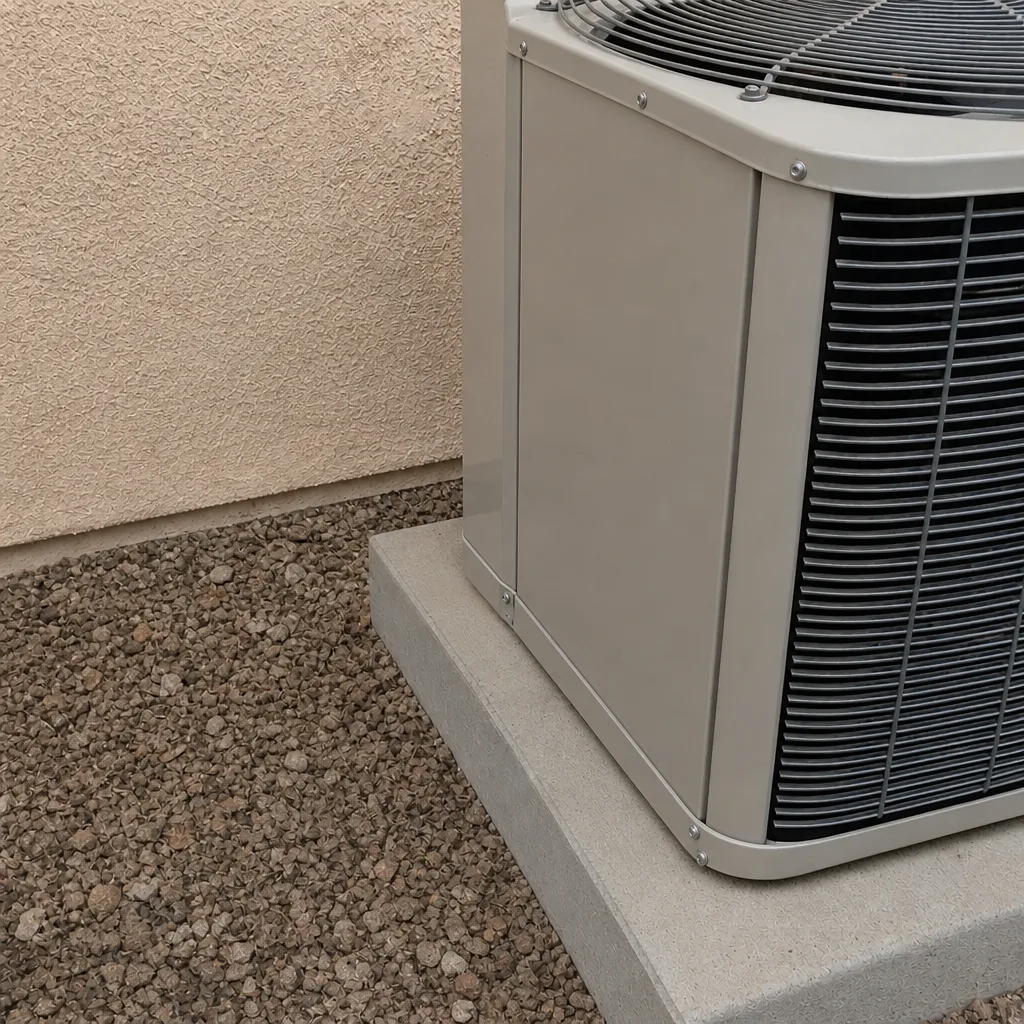
In The Trails and The Crossing, we regularly find original 1990s units undersized for current summer loads. In the gated communities, HOA rules often dictate condenser placement and screen enclosures, and we’ve seen enclosures that choked airflow badly enough to shorten a compressor’s life. Summerlin’s monsoon-driven dust and caliche-heavy construction mean condensers clog fast, and installs here often need slab or pad work that flat, lower-elevation valley jobs don’t.
Our technicians have up to 8 years of experience and are trained across nine major brands, including Carrier, Trane, Lennox, and Daikin. If you’re weighing a specific model, we’ll give you a free second opinion on any written estimate. Seasonal tune-ups run $89, and there’s a standing $50 off any repair over $250.
How We Specify a System: The Process
- Walk the house. We measure square footage, window orientation, insulation, and duct condition room by room.
- Run a Manual J load calculation. This tells us actual heating and cooling loads, not a rule-of-thumb guess.
- Match the tier to the load. Two-stage or variable-speed for most Summerlin homes. We’ll explain the trade-offs in plain terms.
- Quote upfront. The price quoted is the price paid. No surprises on install day.
- Back it in writing. Every install carries the 90-Day Done Right Promise. If the system short-cycles that first winter, we make it right.
If you want the broader service picture, our home page lays out everything we handle. For the heating side specifically, see Heating & Furnace in Summerlin.
FAQs
A two-stage or variable-speed heat pump rated to about 5°F is the best fit for Summerlin, not a full -13°F cold-climate unit. The elevation makes winters cold enough to matter but not cold enough to justify the deep-cold premium. Call (888) 325-9387 for an exact quote, and estimates are free.
Usually no. A cold-climate heat pump rated to -13°F carries a price premium for capacity Summerlin never calls for at 3,000 feet. A standard heat pump rated to 5°F covers every winter night here and costs less. Call (888) 325-9387 and we’ll run the numbers for your house.
Often yes. Short-cycling is frequently a sizing or charge issue we can diagnose and address in a single visit, and repairs typically run $150-$650. Call (888) 325-9387 and we’ll get someone out to take a look.
A new system in Summerlin generally runs $3,500-$7,500 depending on tier, tonnage, and duct work. We quote upfront and the price quoted is the price paid. Call (888) 325-9387 for a free second opinion on any written estimate.
Talk It Through With Us
If you’d rather have it looked at, Fireside Heating & Air Co. Summerlin offers a no-pressure assessment in Summerlin. We’ll run the load calculation, walk you through the tiers in plain language, and quote you a square deal. Call (888) 325-9387 for a free estimate.
Written by the team at Fireside Heating & Air Co. Summerlin, serving Summerlin, NV.