
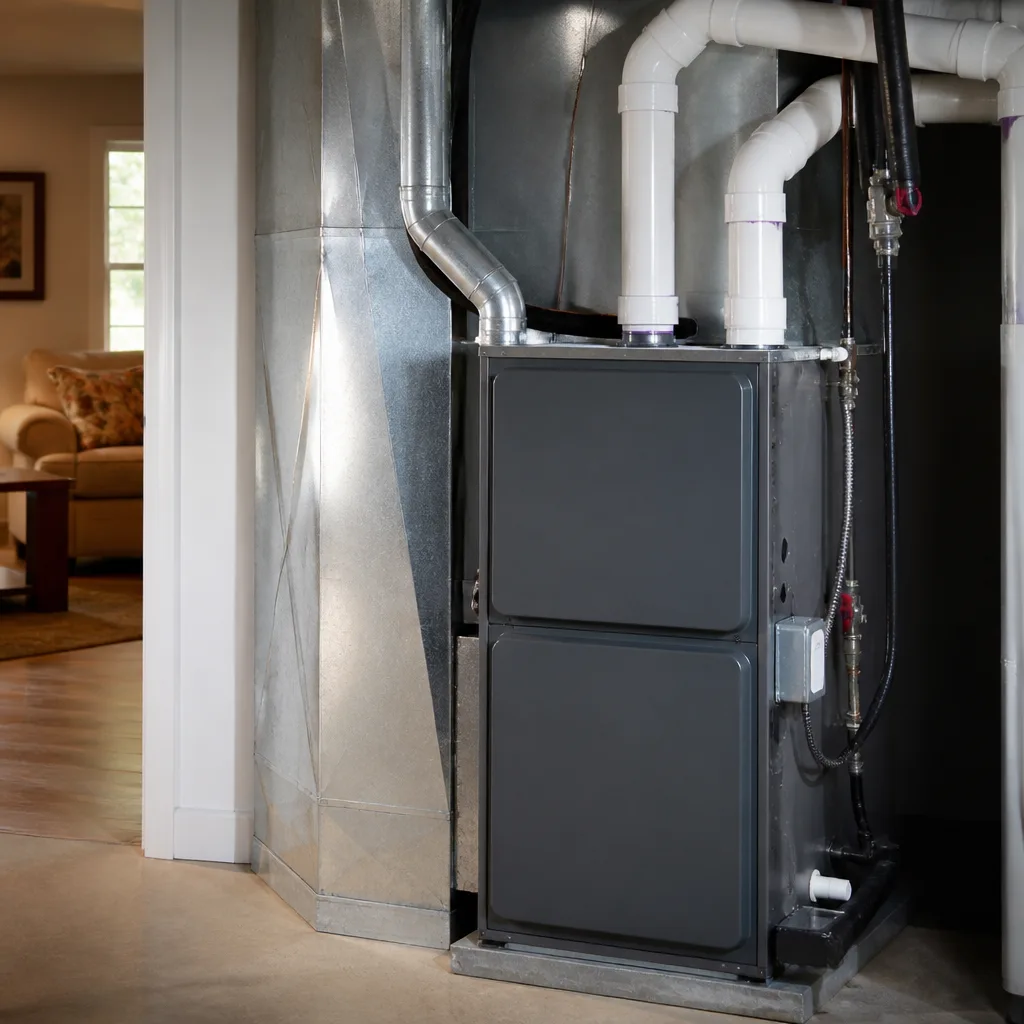
 Furnace & heating
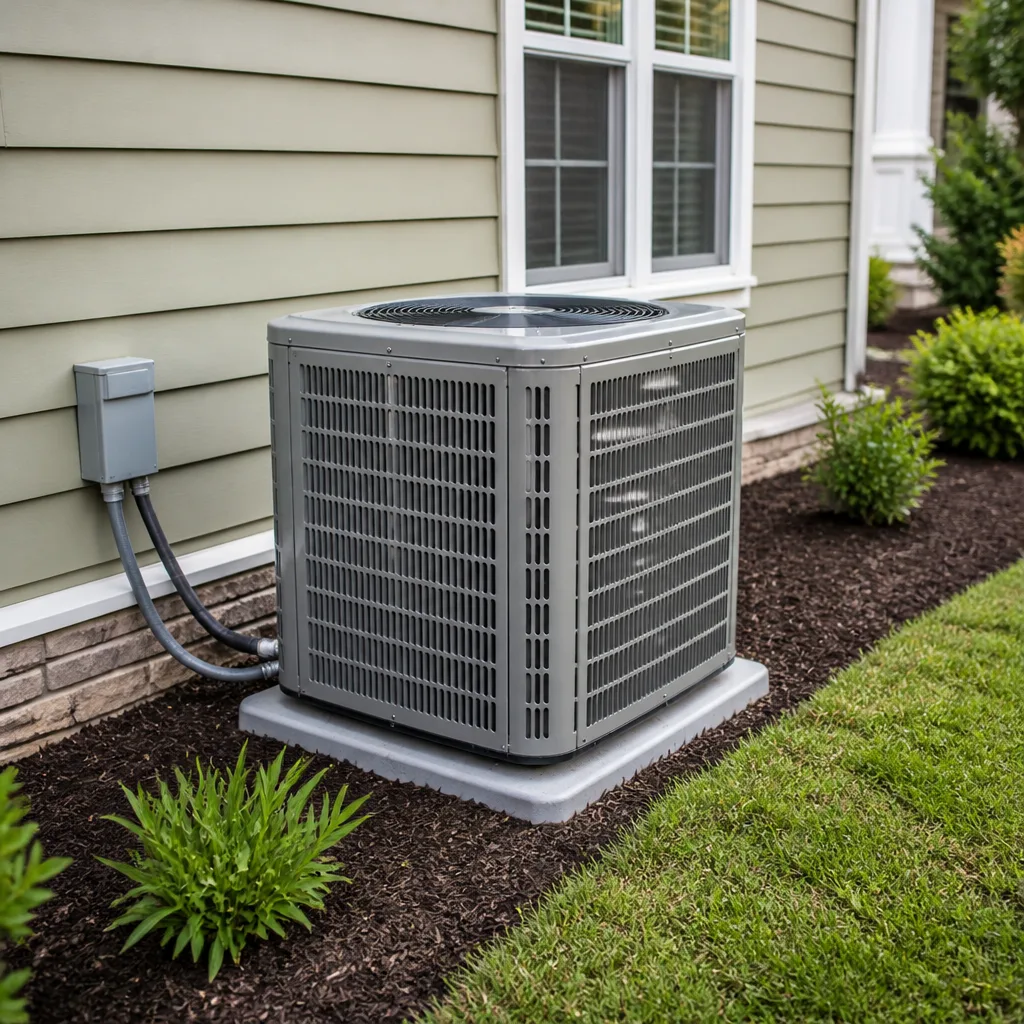 AC repair
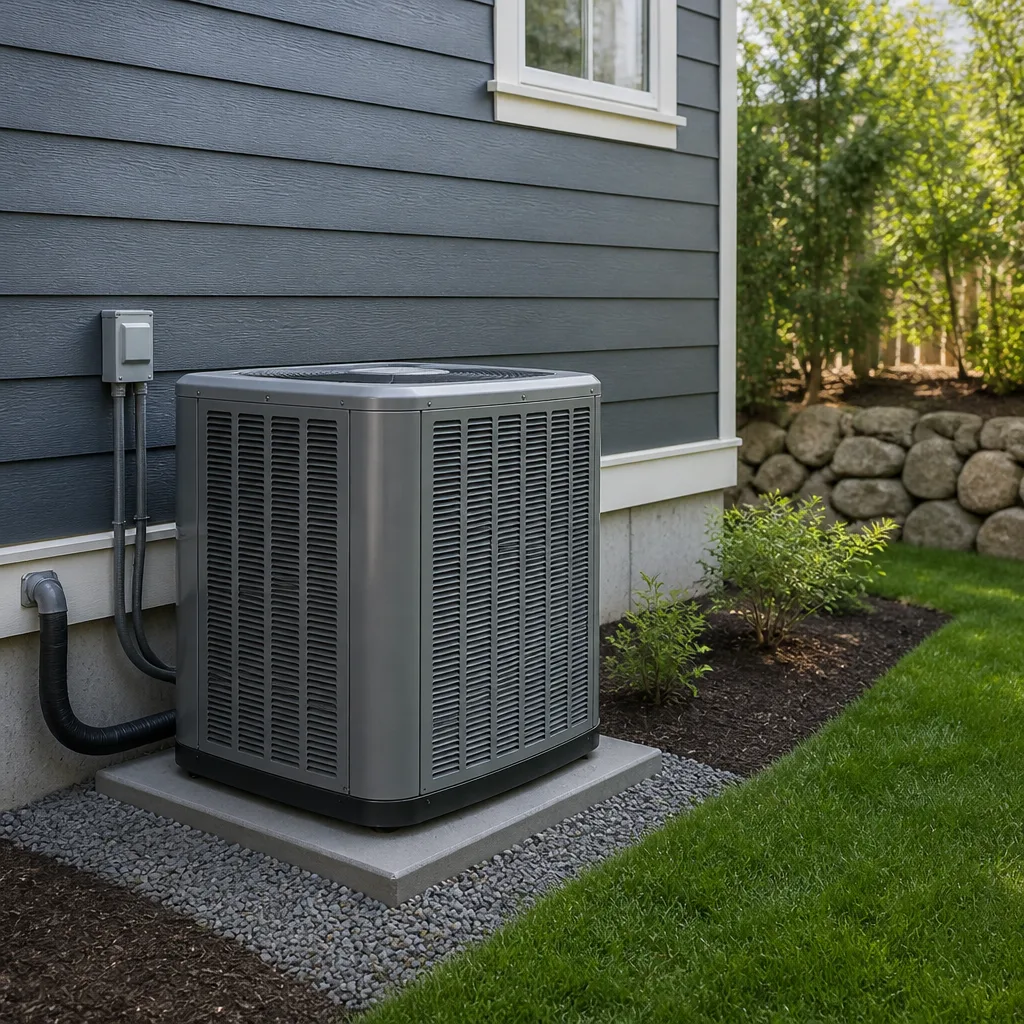 Heat pumps
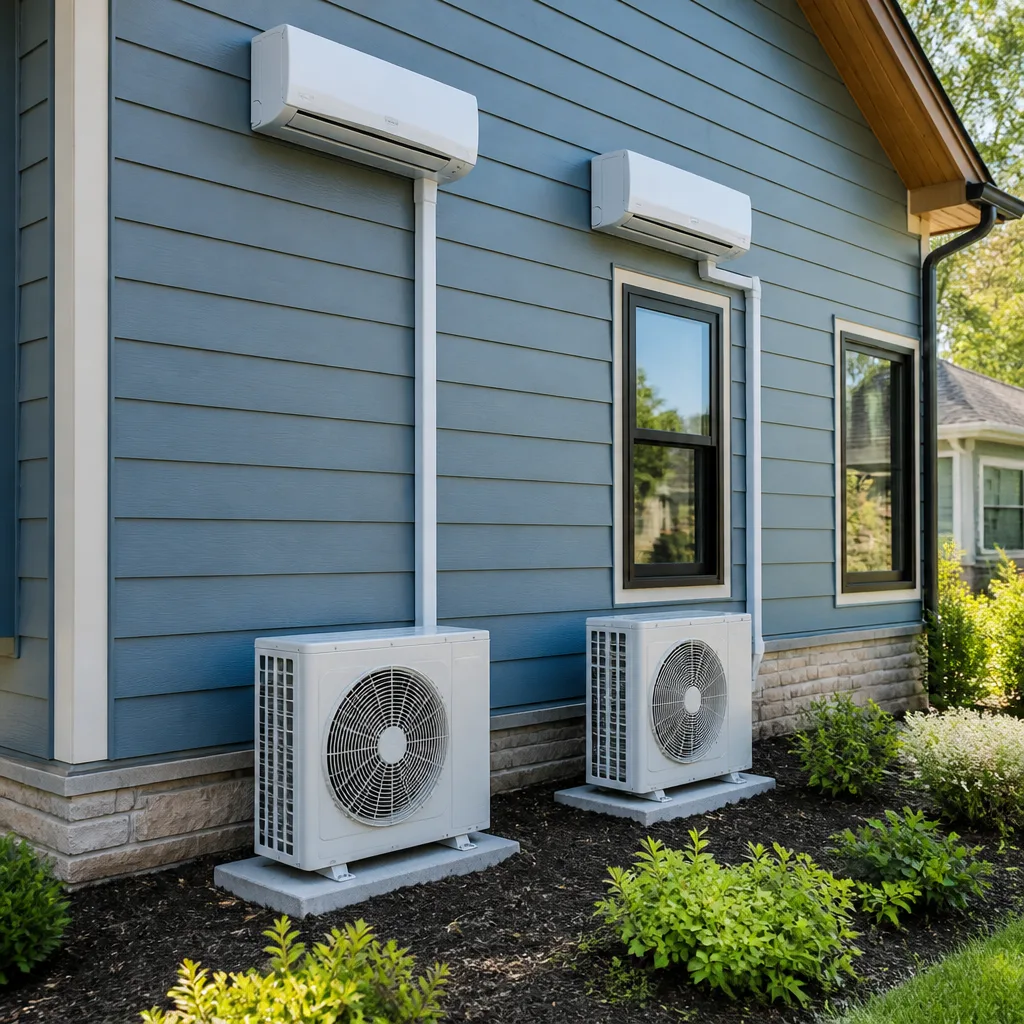 Ductless mini splits
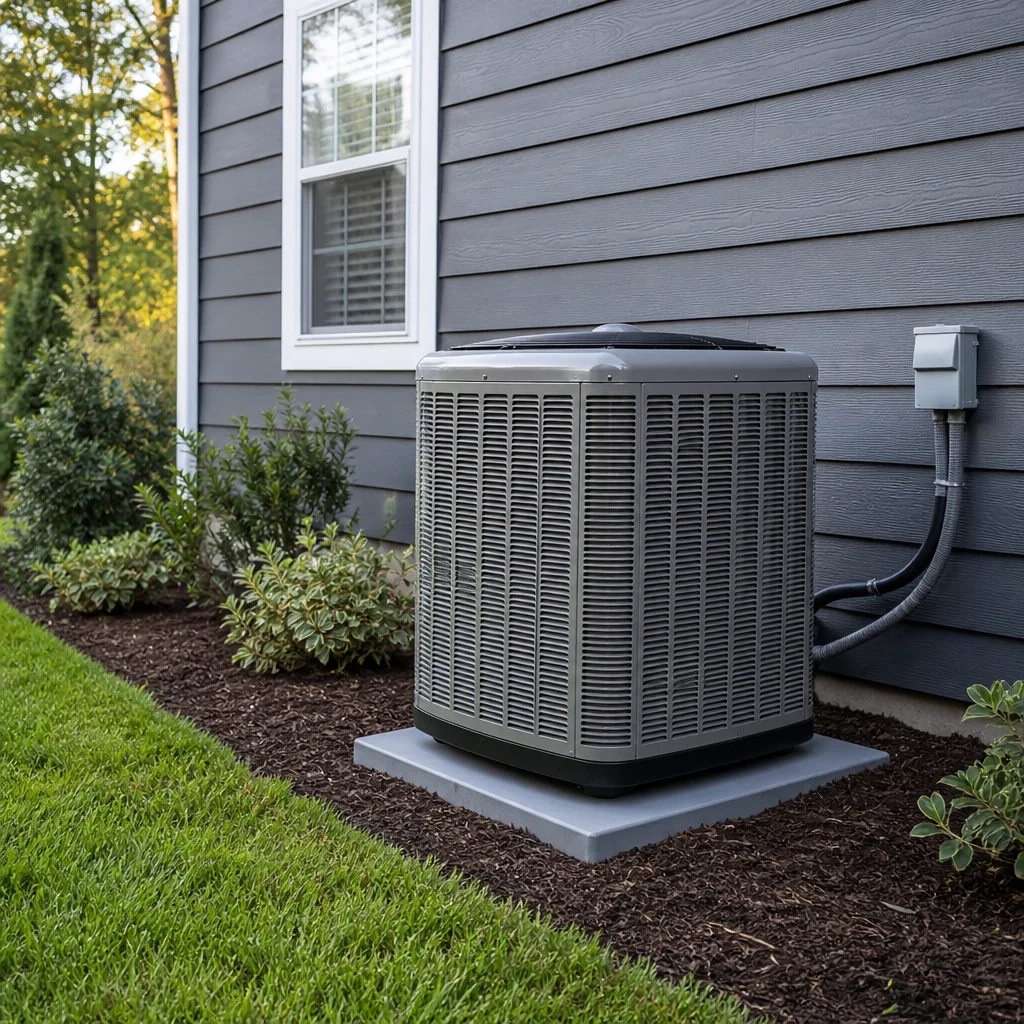 Carrier
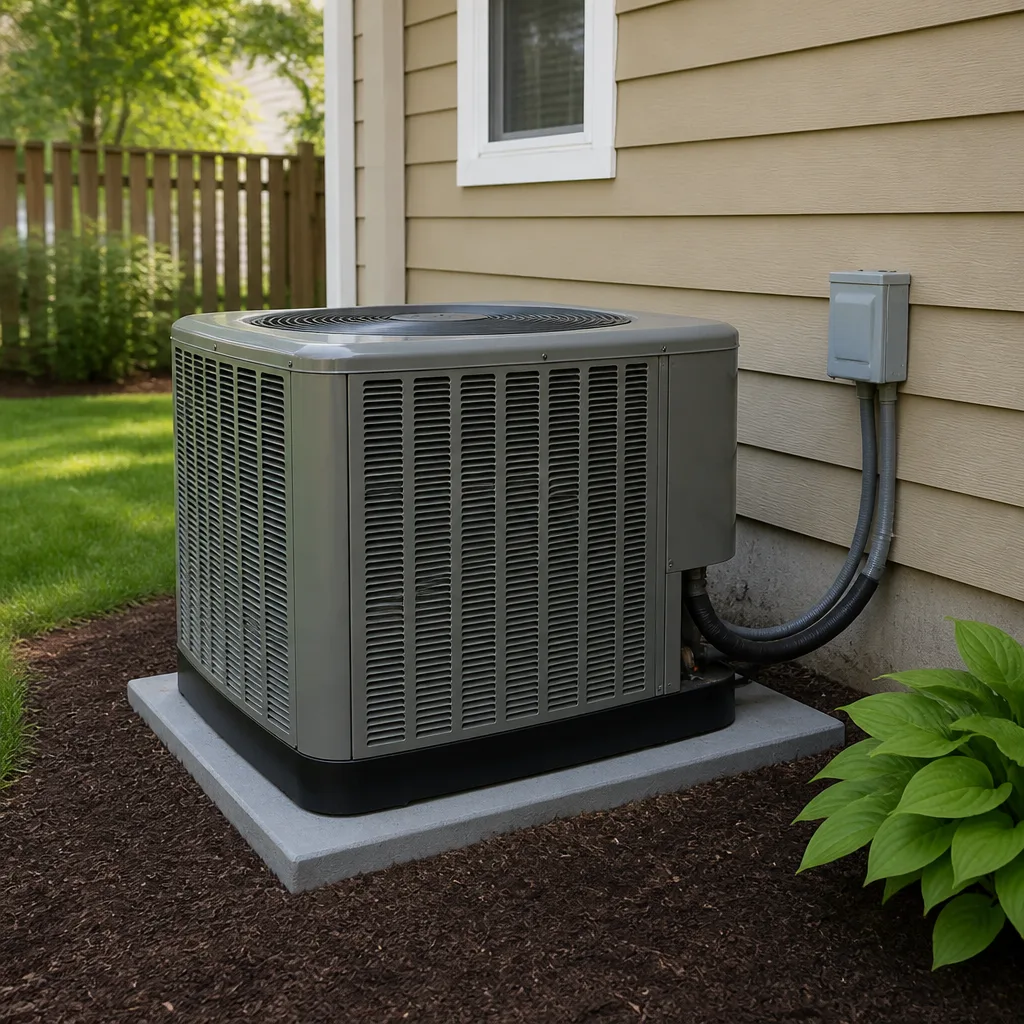 Trane
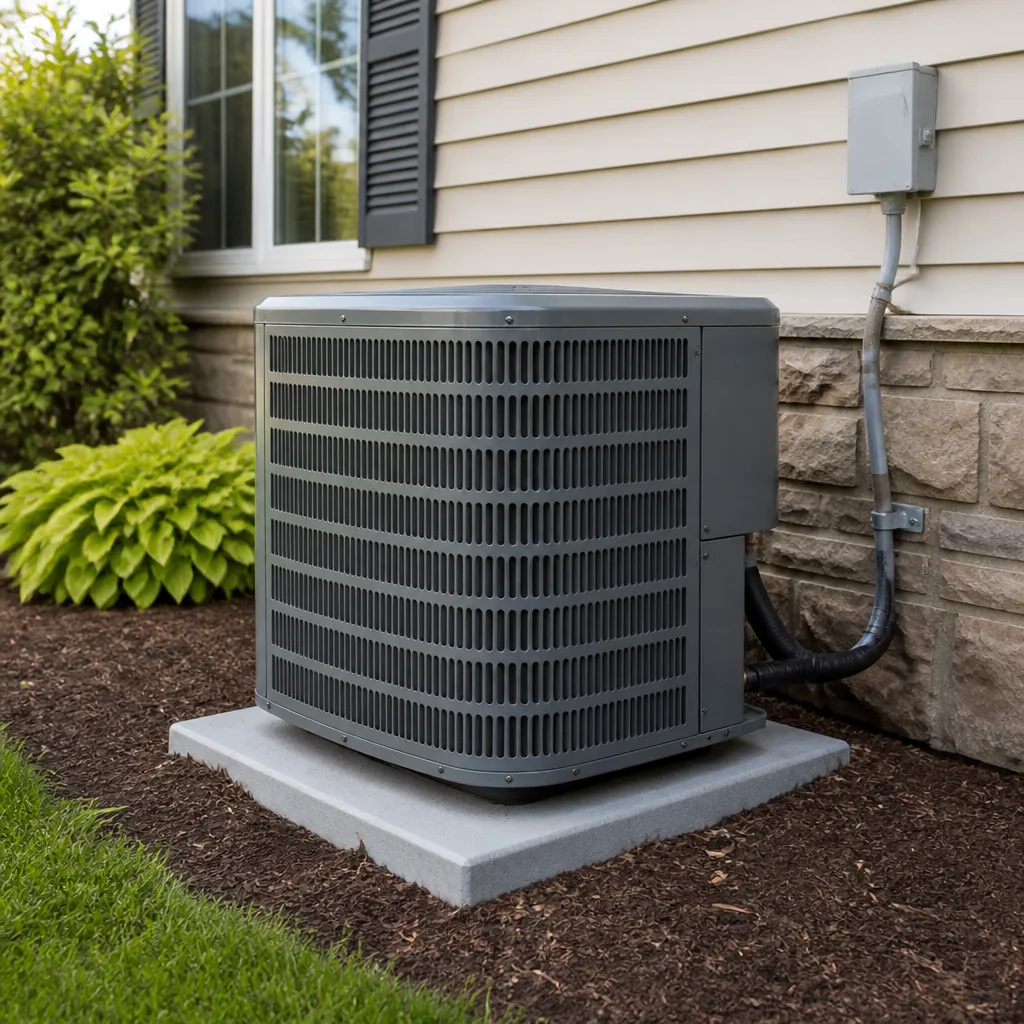 Goodman
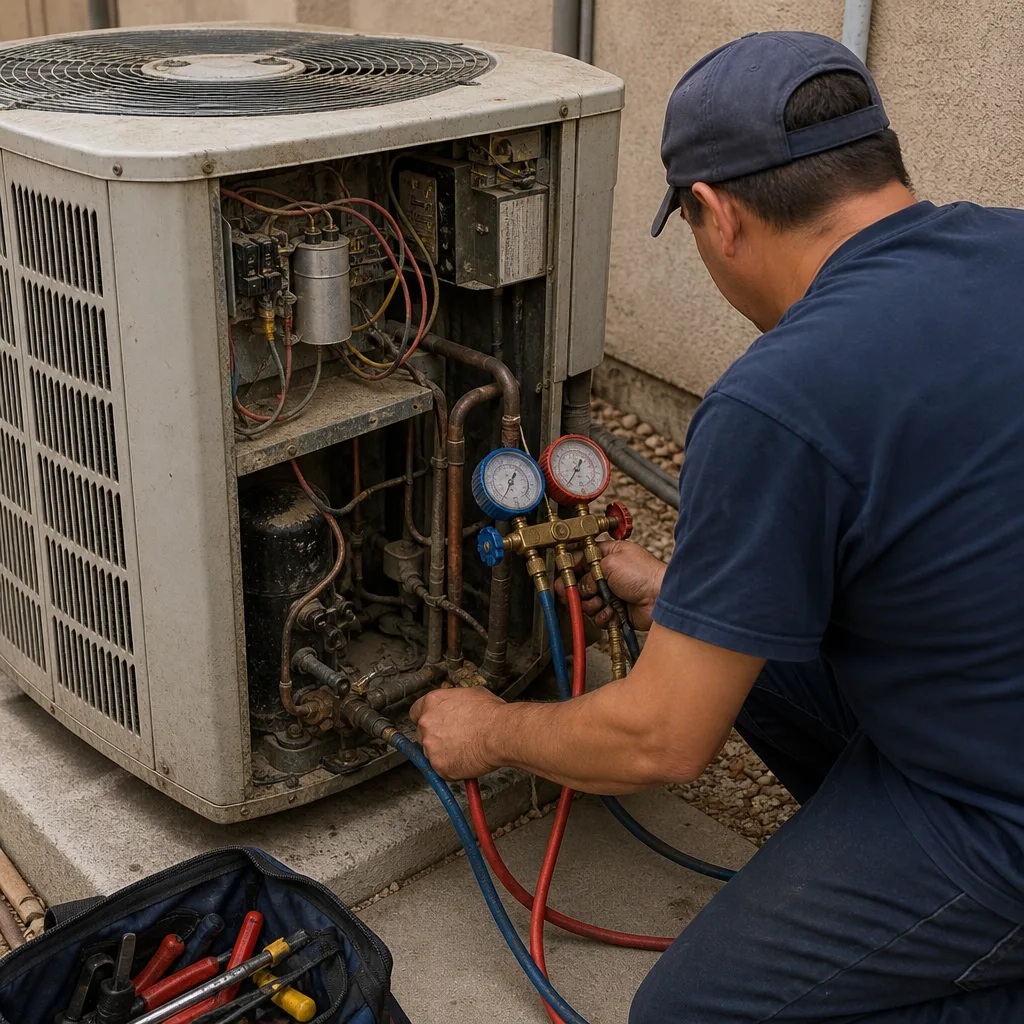
Seasonal tune-up and full diagnostic on your Carrier, Trane, or Goodman system - readings shown to you before any repair is proposed
Diagnosis first, numbers second - you approve the repair price before a single part goes in.
Get your free estimateStyles & brands we work with
- AC repair
- Furnace & heating
- Heat pumps
- Ductless mini splits
- Carrier
- Trane
- Goodman
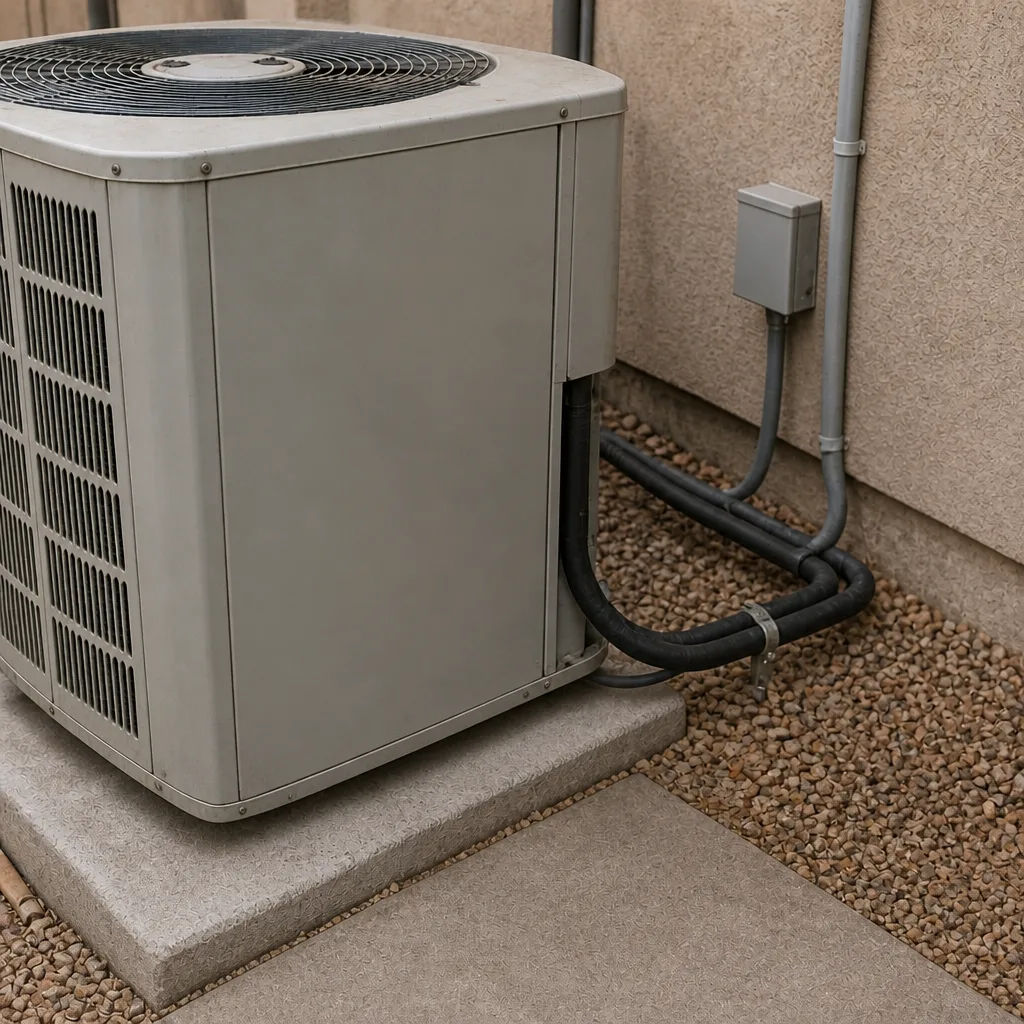
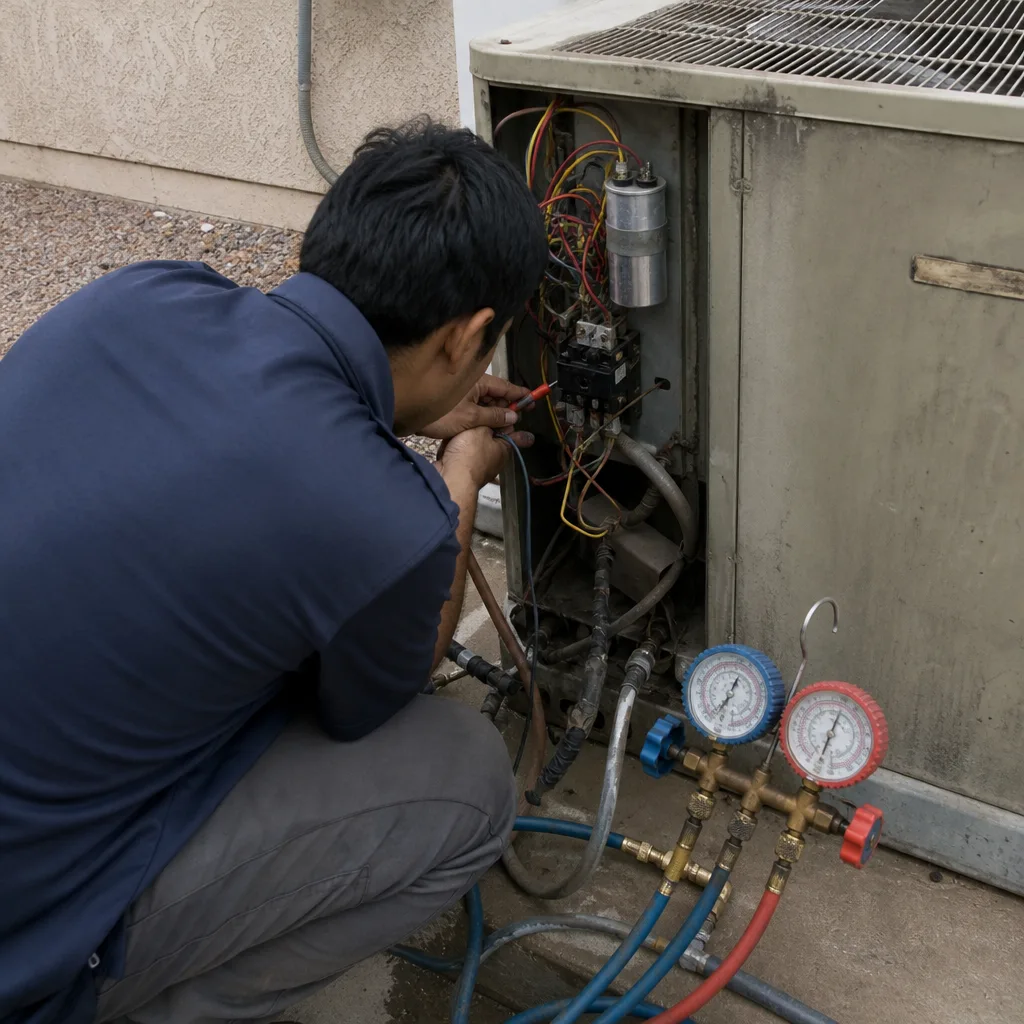
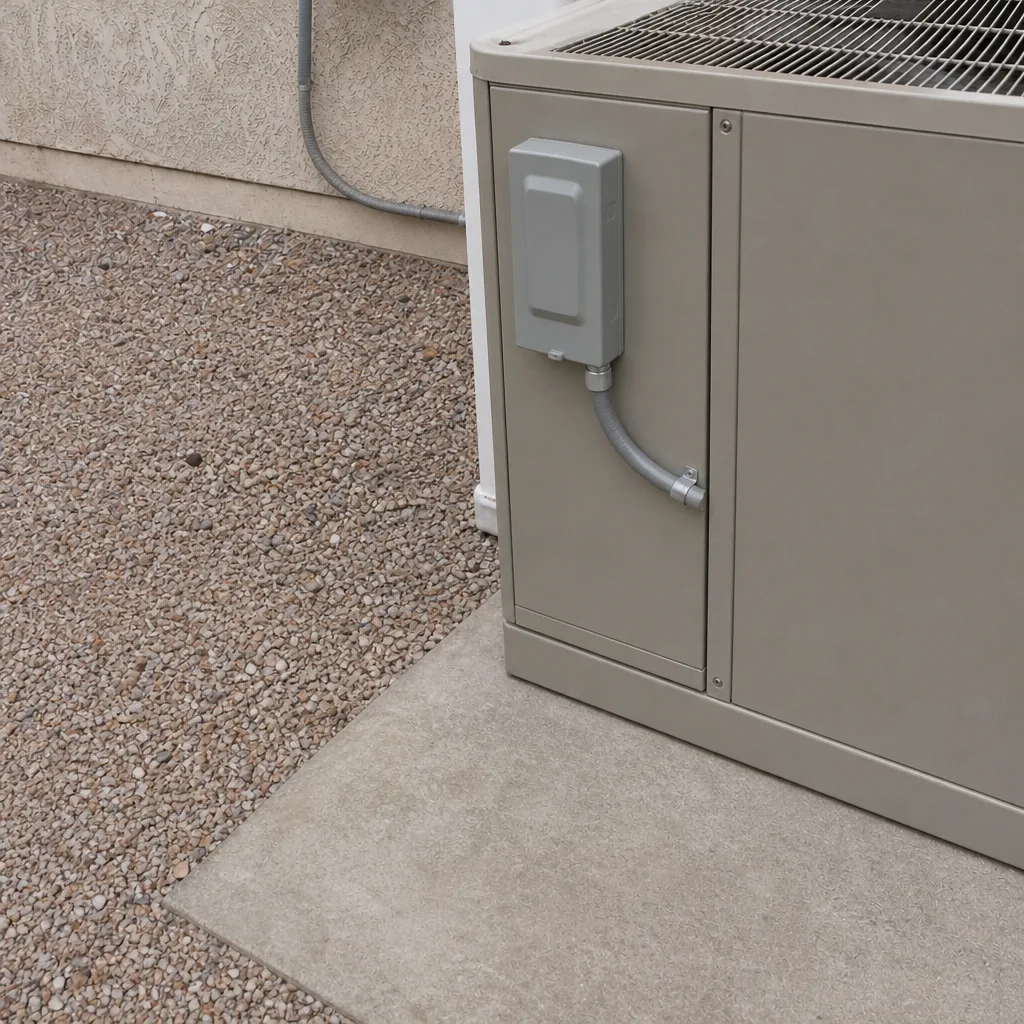
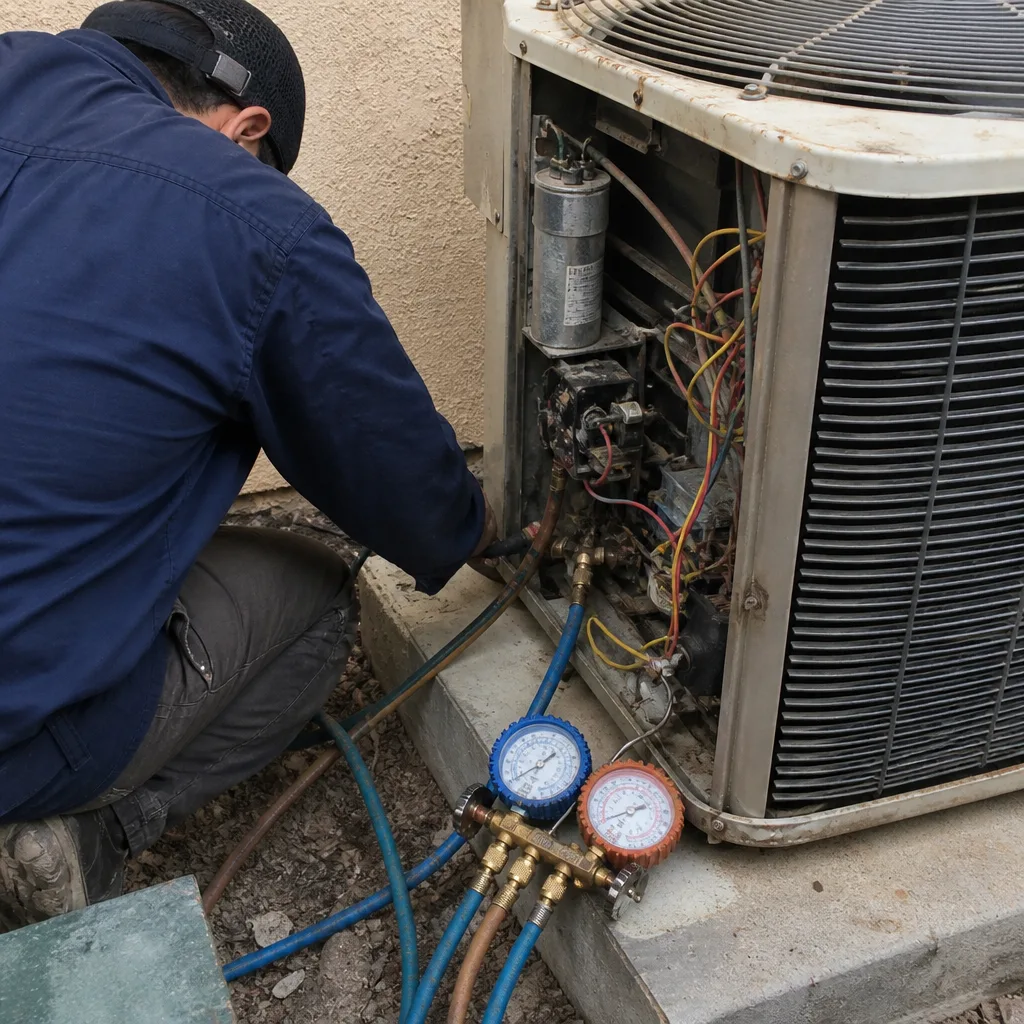
See the difference
 Before
 After
 Before
 After
 Before
 After
Mini Split vs Central Air in Summerlin: What Actually Works Here
For most Summerlin homeowners with a ducted house and an HOA, central air is the right call, and a mini-split makes sense only for a single space that has no ducts (a casita, a converted garage, or an addition). The reason isn’t comfort preference. It’s that many Summerlin master-planned communities require condensers to be screened from street and neighbor view, and a wall-hung mini-split condenser often won’t fit the standard HOA-approved enclosure built for a traditional pad-mount unit. Get the choice wrong and you’re paying for an enclosure retrofit and a fine before the first summer ends. If you want a straight answer on your specific house, call Fireside Heating & Air Co. Summerlin at (888) 325-9387 for a free estimate.
The HOA Question Most Mini-Split Advice Ignores
Almost every “mini split vs central air” piece online compares equipment specs in a vacuum. In Summerlin, the decision starts with your CC&Rs.
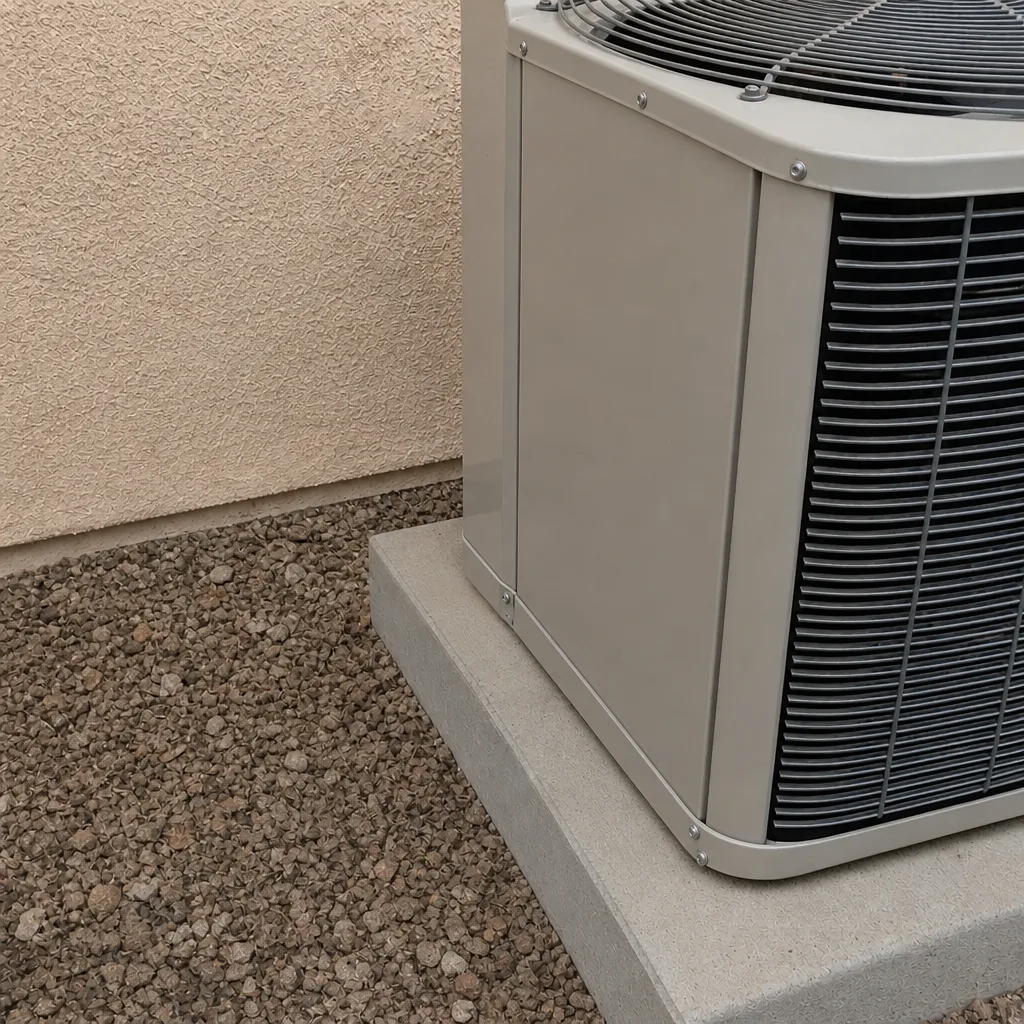
Communities like The Trails, The Crossing, and Summerlin Centre have covenants that require all HVAC condensers to be screened from street view and from neighboring sightlines. Those screen enclosures were dimensioned years ago for standard pad-mount condensers, the rectangular boxes that sit low and set back. A mini-split’s outdoor unit is a different animal. It’s often smaller in footprint but hangs on a wall bracket at a height and profile the standard enclosure wasn’t designed to hide, and the screened dimensions don’t line up.
What that means on a real job: the mini-split you saw praised for cost and install simplicity in a national article can require a custom or modified enclosure to pass architectural review. That modification eats a good chunk of the savings that made the mini-split attractive to begin with, and it adds a review step before installation can even begin.
This is a Summerlin-specific cost center that doesn’t exist in most of the country, and it’s why we assess the covenant before we recommend anything. On the same visit, our technicians quote both options at firm, upfront prices so you’re comparing real installed cost, not equipment cost alone. Most jobs we handle are completed in a single visit, and every one is backed by our 90-Day Done Right Promise.
Airflow and Layout: Why Central Wins in Most Summerlin Homes
Summerlin’s housing stock is mostly 1990s to 2010s master-planned construction, and a lot of it is open floor plan with a central hallway return and interior room doors already factored into the duct design. A properly sized two-stage central system with sealed ducts distributes conditioned air evenly across that layout. It moves air through the whole house the way the house was built to receive it.
A single mini-split head cannot do that. It conditions the room it’s in and whatever air drifts through open doorways. In a multi-room 1990s layout, that leaves bedrooms and back rooms uneven, and homeowners end up running a second head or leaning on the old system anyway.
Two-stage equipment matters in Summerlin specifically. Summer days push past 100°F with intense sun, and a two-stage system holds a steadier temperature at lower fan speed on moderate days instead of cycling hard and short. That’s gentler on the equipment and quieter in the house.
One more local reality: Summerlin sits at 3,000-plus feet against the Spring Mountains, and monsoon-driven dust plus caliche-heavy construction mean condensers clog faster here than in the flatter, lower valley. A sealed, well-maintained duct system with proper filtration handles that passively. We’ll get into the mini-split maintenance difference below.
When a Mini-Split Actually Earns Its Place in Summerlin
We’re not against mini-splits. We install ductless systems through our Heat Pump & Mini Split service, and in certain Summerlin spaces they’re the clear winner.
The pattern is consistent: a space that was never part of the original duct design.
- Casitas and detached guest rooms that were finished without ductwork run to the main system.
- Converted garages turned into an office, gym, or in-law suite.
- Additions built after the fact, where pushing new ductwork through a stucco exterior and a finished attic would be invasive and expensive.
In those cases, a single ductless head delivers comfort to one defined space without cutting into walls or reworking the main system. Running new ducts to reach that room is where central air stops making financial sense, and a mini-split’s simplicity is real again, enclosure review aside.
Side-by-Side: The Comparison That Fits Summerlin
| Factor | Central Air | Mini-Split |
|---|---|---|
| Whole-house coverage | Even distribution through existing ducts | Best for one space; multiple heads needed for several rooms |
| HOA condenser screening | Fits standard approved enclosures | Wall-mount often needs a custom or modified enclosure |
| Best use in Summerlin | Ducted homes with open floor plans | Casitas, converted garages, post-build additions |
| Filter maintenance | Whole-home filtration handles dust more passively | Monthly cleaning needed during monsoon dust season |
| Typical installed cost | $3,500-$7,500 | Comparable or higher per space once enclosure review is added |
For reference, a tune-up on either system runs $80-$200, and AC repair lands in the $150-$650 range. Those numbers hold whether you’re keeping a central system or a ductless head.
The Caliche-Dust Maintenance Difference
Mini-split heads collect the same desert particulate as any central system, but they put the cleaning work in your hands more often. During Summerlin’s monsoon months, a mini-split filter wants cleaning monthly. Skip it and the head loses capacity right when you need it most.
Central systems with whole-home filtration manage that dust more passively. You still change filters, but the burden is lighter and less frequent per unit of comfort. In our older villages like The Trails and The Crossing, we regularly find 1990s units undersized for today’s 110°F summers and packed with caliche dust, which is a maintenance story more than an equipment failure story.
How Fireside Helps You Decide
Here’s the process we follow, and you can expect the same whether the job is small or large:
- Review your HOA covenants. We check condenser siting and screening requirements before recommending a mini-split, so you don’t inherit a retrofit.
- Assess the layout and ducts. We look at floor plan, duct condition, and whether the space was part of the original design.
- Quote both options firm. You get installed-cost pricing on the same visit, not equipment pricing you have to guess around.
- Size it for Summerlin summers. Two-stage where it fits, sealed ducts, filtration matched to our dust load.
Our technicians have up to 8 years of experience and are trained on nine major brands, including Daikin, Bryant, and American Standard, so the brand you already trust isn’t a barrier. Every call is answered by a live person, day or night, and the price quoted is the price paid. When you’d rather map this against the broader systems we install, start on our home page. Current standing offers include $50 off any repair over $250, a free second opinion on any written estimate, an $89 seasonal tune-up, and a permanent 5% senior and veteran discount.
FAQs
Central air is better for a ducted Summerlin house with an HOA-governed layout, and a mini-split is better for a single space with no ducts, like a casita, converted garage, or post-build addition. The deciding factor is usually HOA condenser-screening rules and whether the space was part of the original duct design. Call (888) 325-9387 and we’ll lay out both for your house at firm prices.
Central air installation in Summerlin typically runs $3,500-$7,500 installed, while a mini-split can land comparable or higher per space once HOA enclosure review and any custom screening are factored in. Equipment cost alone undersells the mini-split in a covenant-controlled community. Call (888) 325-9387 for an exact quote on your home; estimates are free.
Yes. We assess your community’s covenant language on condenser siting and screening before recommending equipment, and we flag where a wall-hung mini-split unit won’t fit a standard approved enclosure. That saves you a retrofit and a potential fine. Call (888) 325-9387 to set up a no-pressure assessment.
Yes. Mini-split heads collect the same caliche and monsoon dust as central systems but call for more frequent filter cleaning, roughly monthly during dust season in Summerlin. Central systems with whole-home filtration handle that dust more passively, which is one reason they suit a whole-house setup better. Call (888) 325-9387 if you want either system serviced before the next dust cycle.
If you’d rather have it looked at than figure it out alone, Fireside Heating & Air Co. Summerlin offers a no-pressure assessment in Summerlin. We’ll check the covenant, size the job, and quote both options firm on the same visit, with a live person on the phone whenever you call. Reach us at (888) 325-9387 for a free estimate.
Written by the team at Fireside Heating & Air Co. Summerlin, serving Summerlin, NV.