
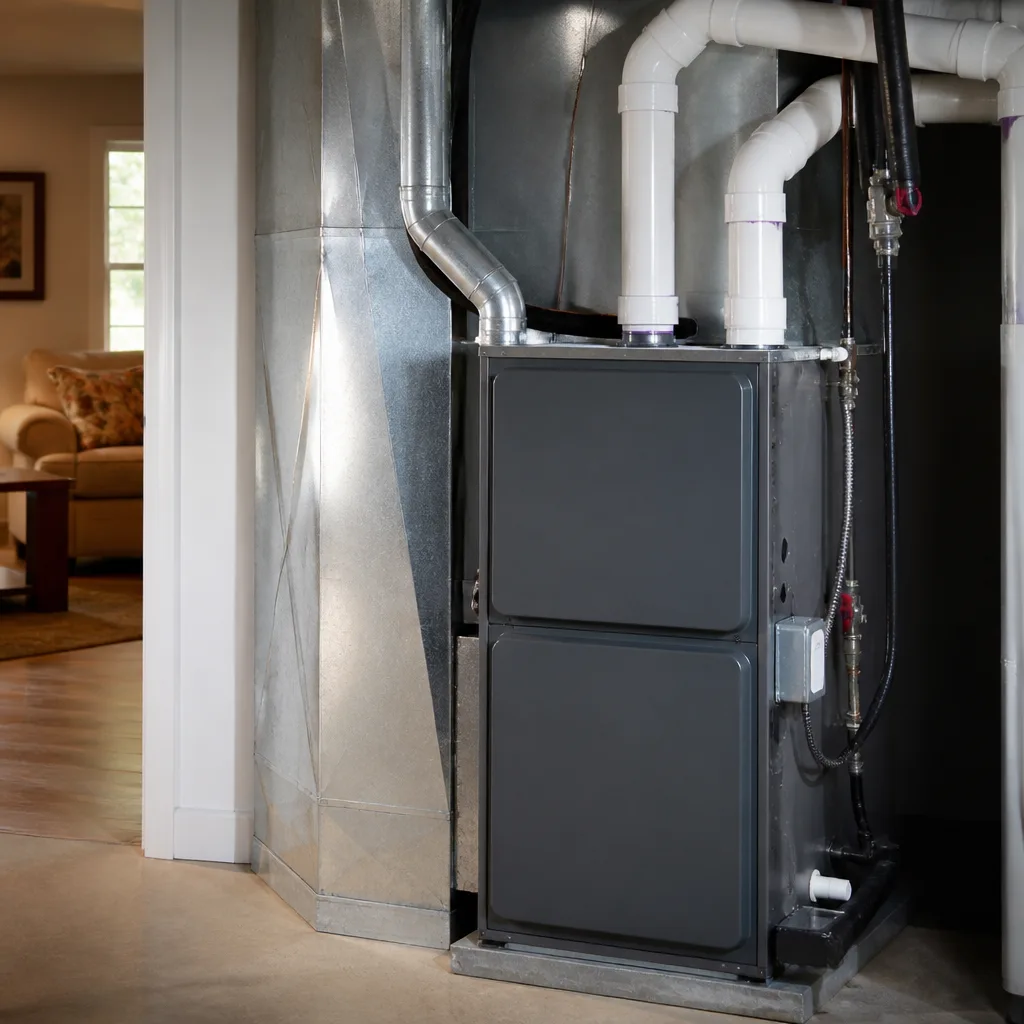
 Furnace & heating
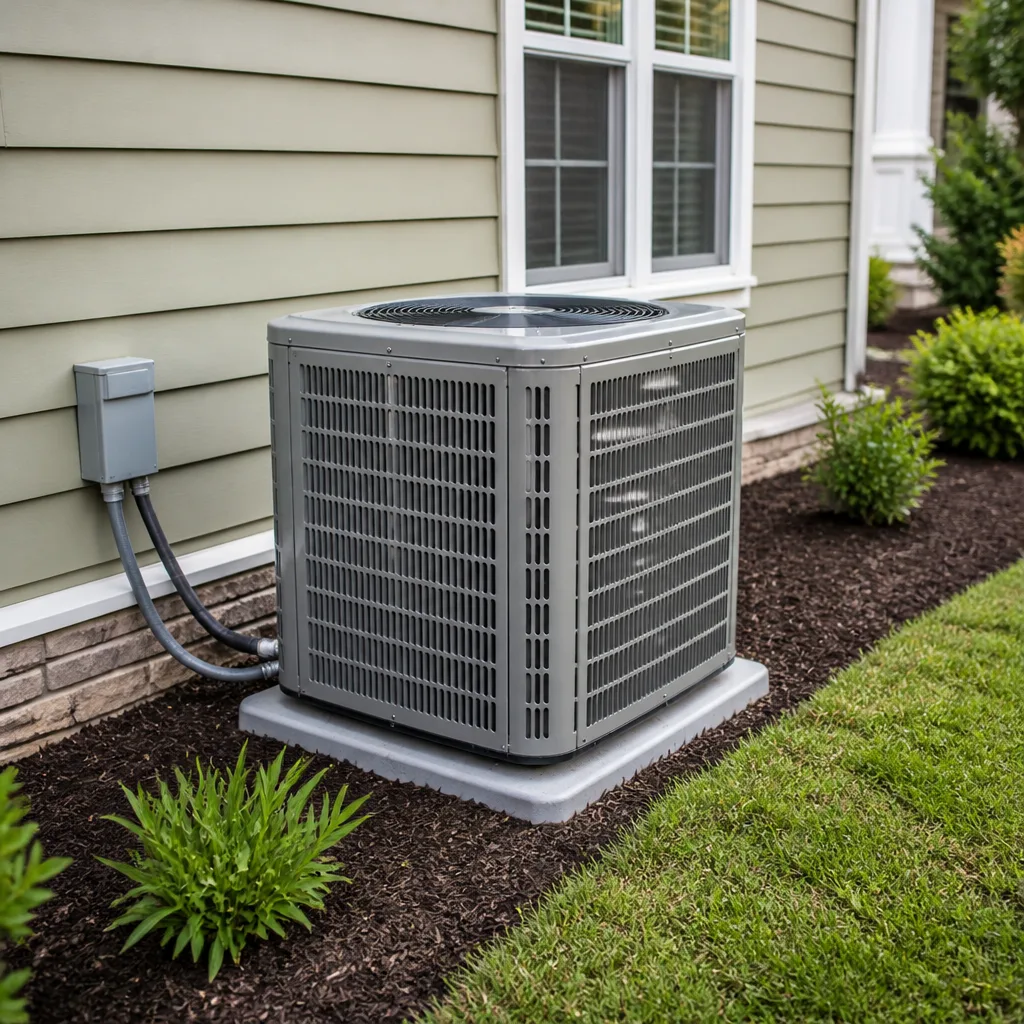 AC repair
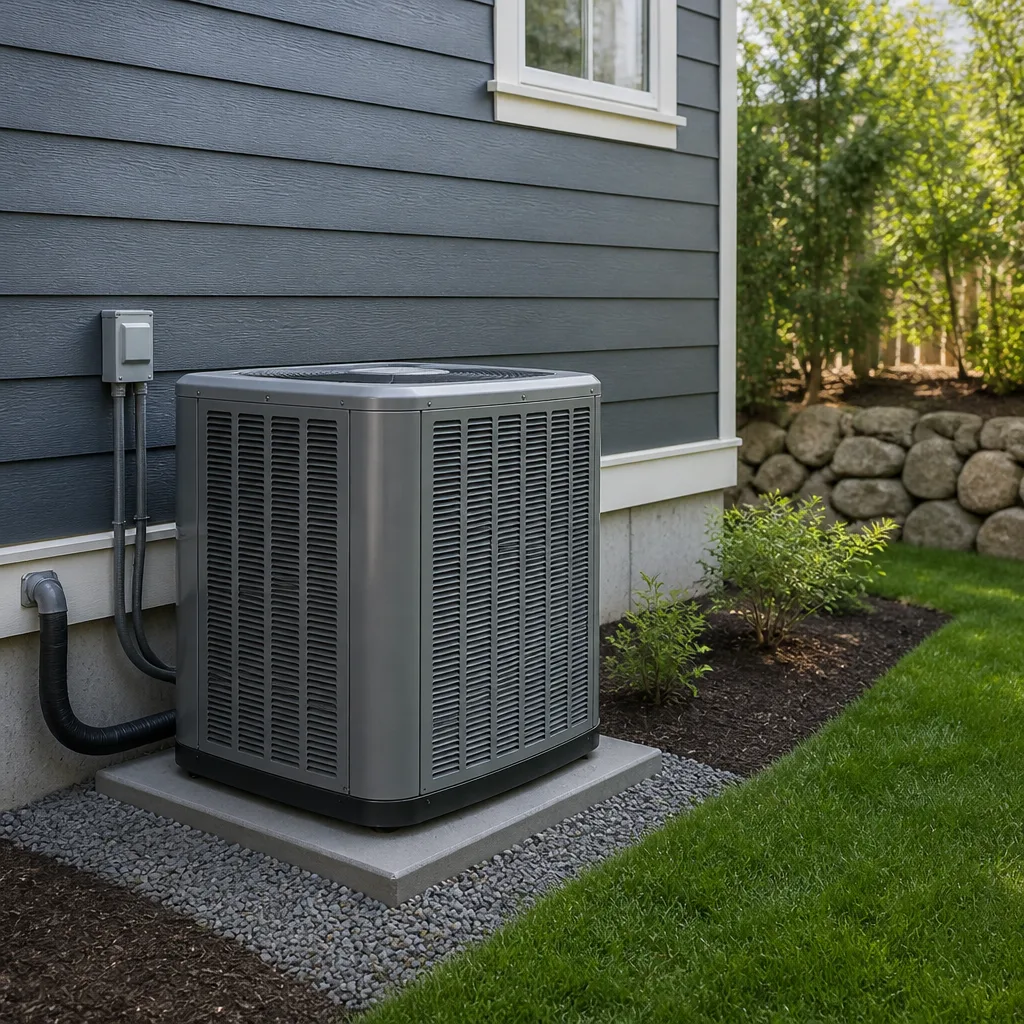 Heat pumps
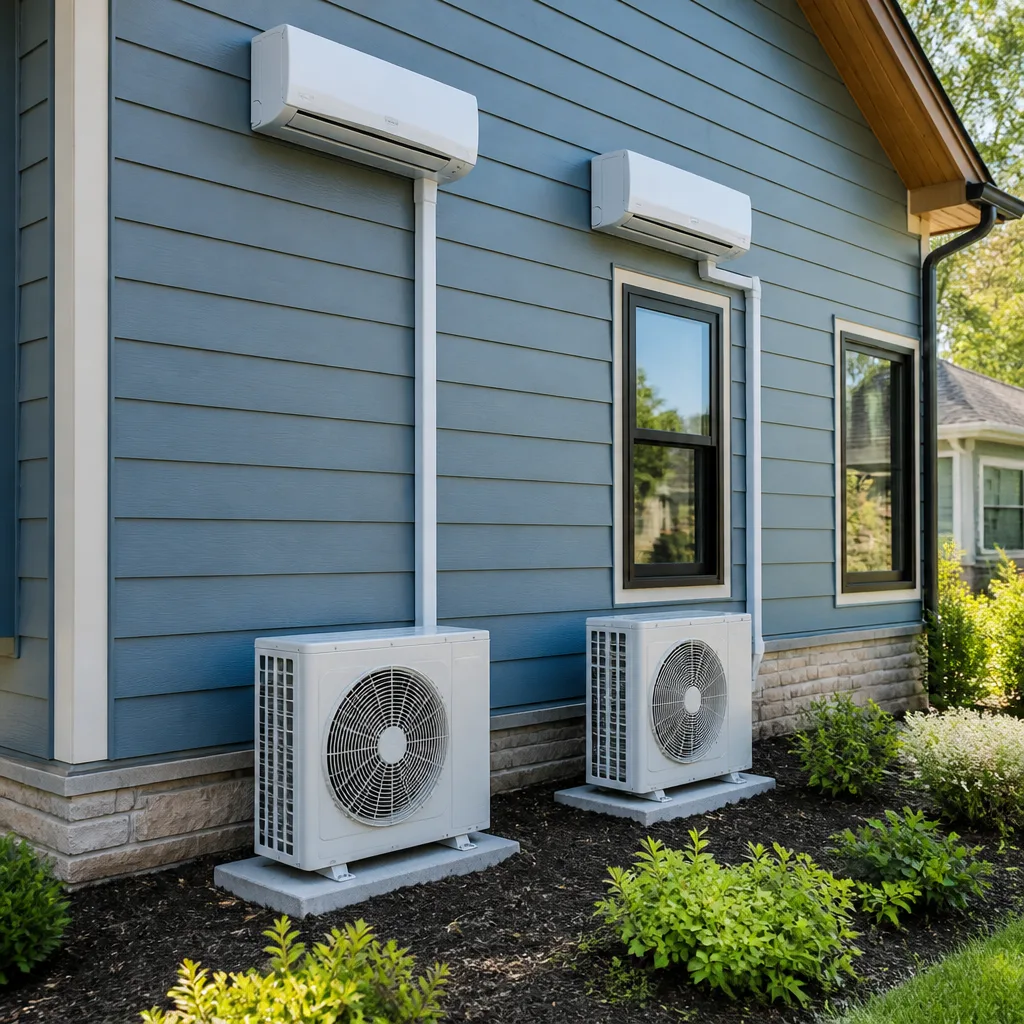 Ductless mini splits
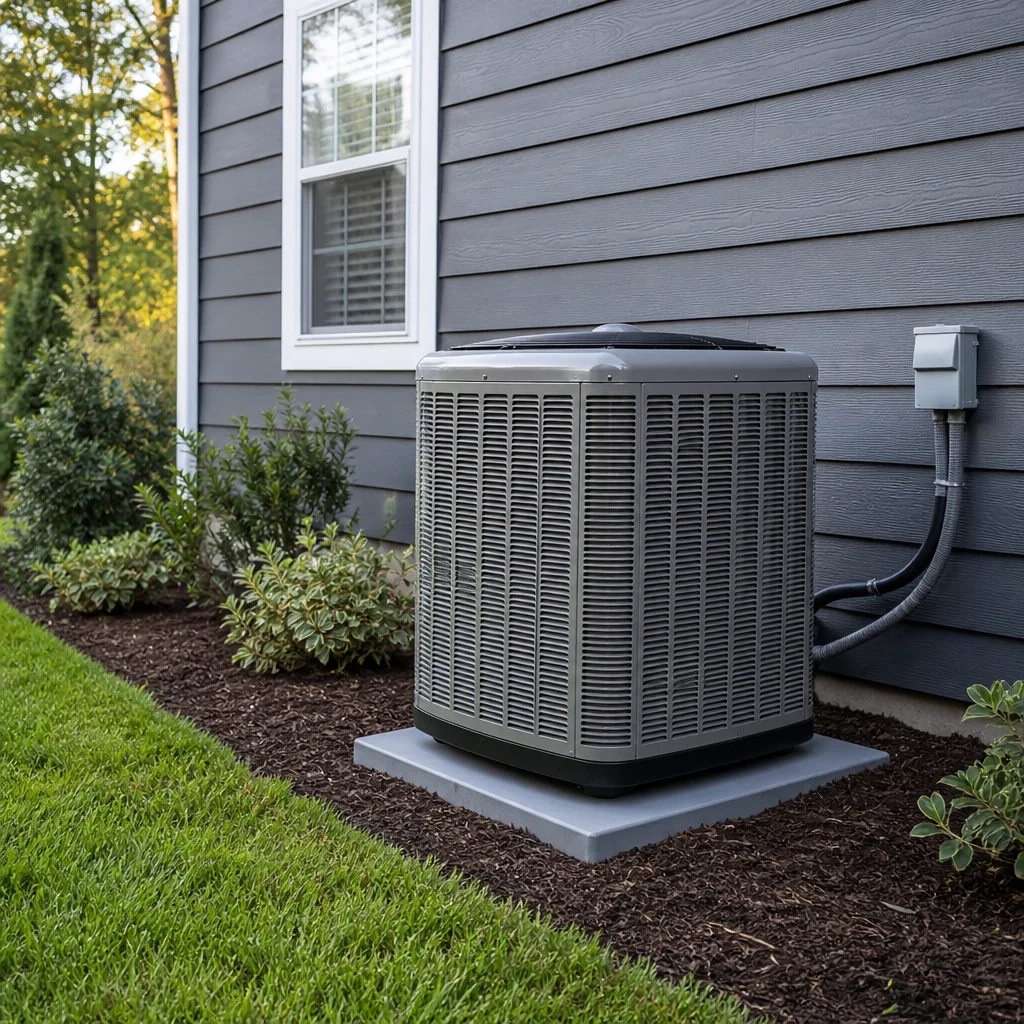 Carrier
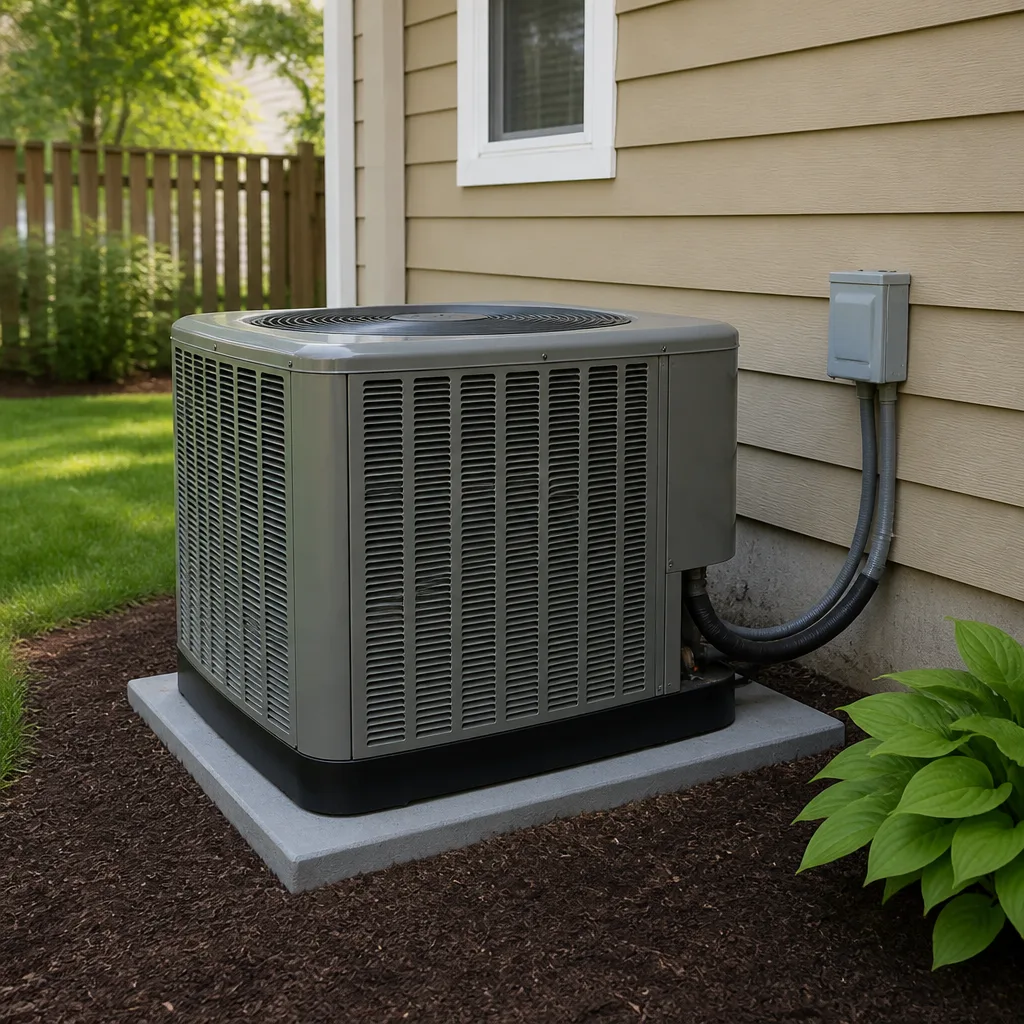 Trane
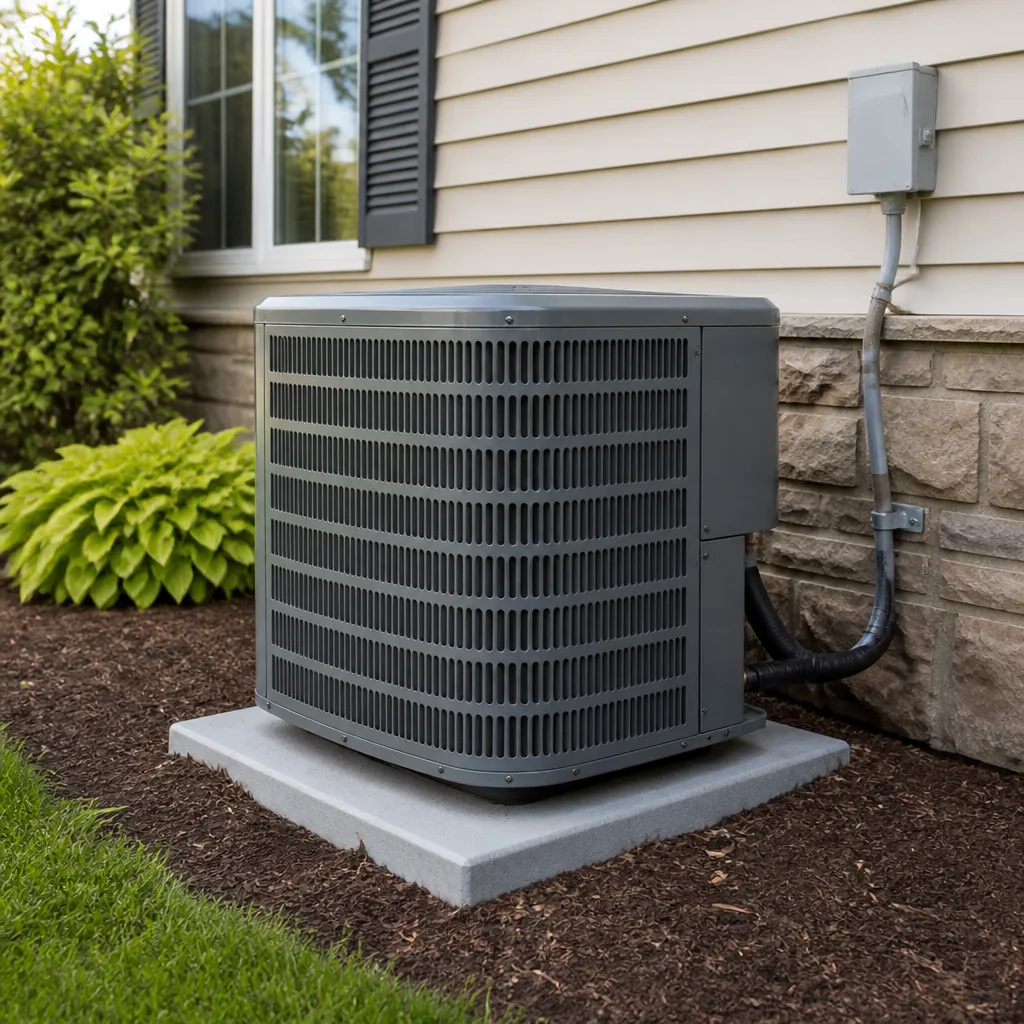 Goodman
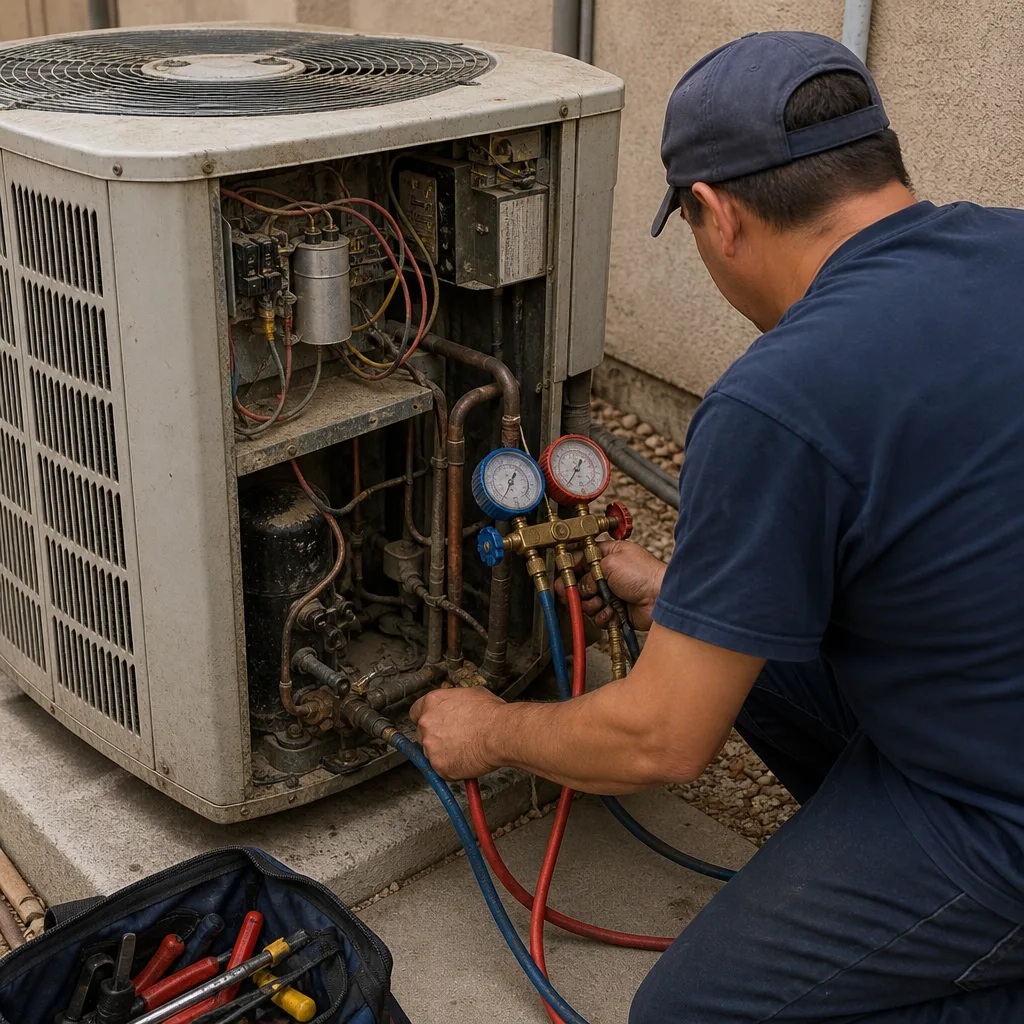
Seasonal tune-up and full diagnostic on your Carrier, Trane, or Goodman system - readings shown to you before any repair is proposed
Diagnosis first, numbers second - you approve the repair price before a single part goes in.
Get your free estimateStyles & brands we work with
- AC repair
- Furnace & heating
- Heat pumps
- Ductless mini splits
- Carrier
- Trane
- Goodman
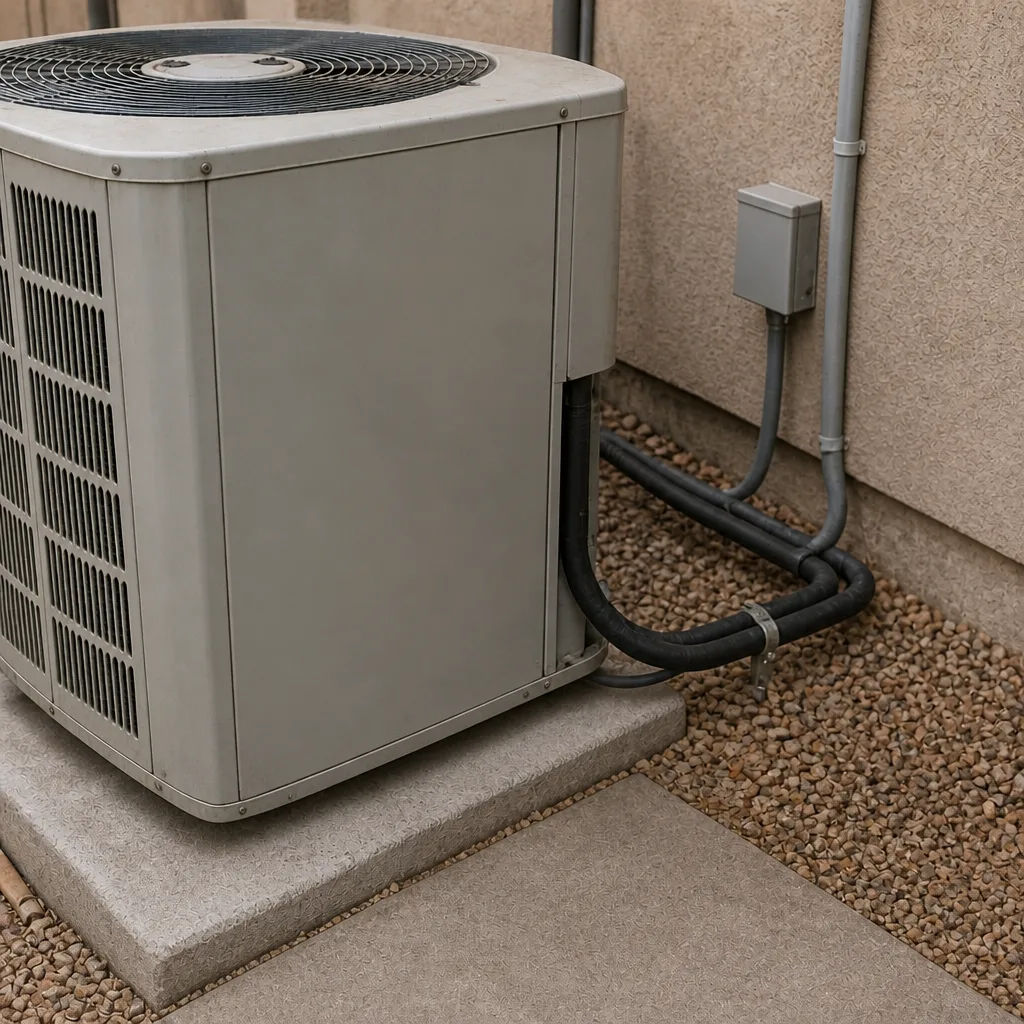
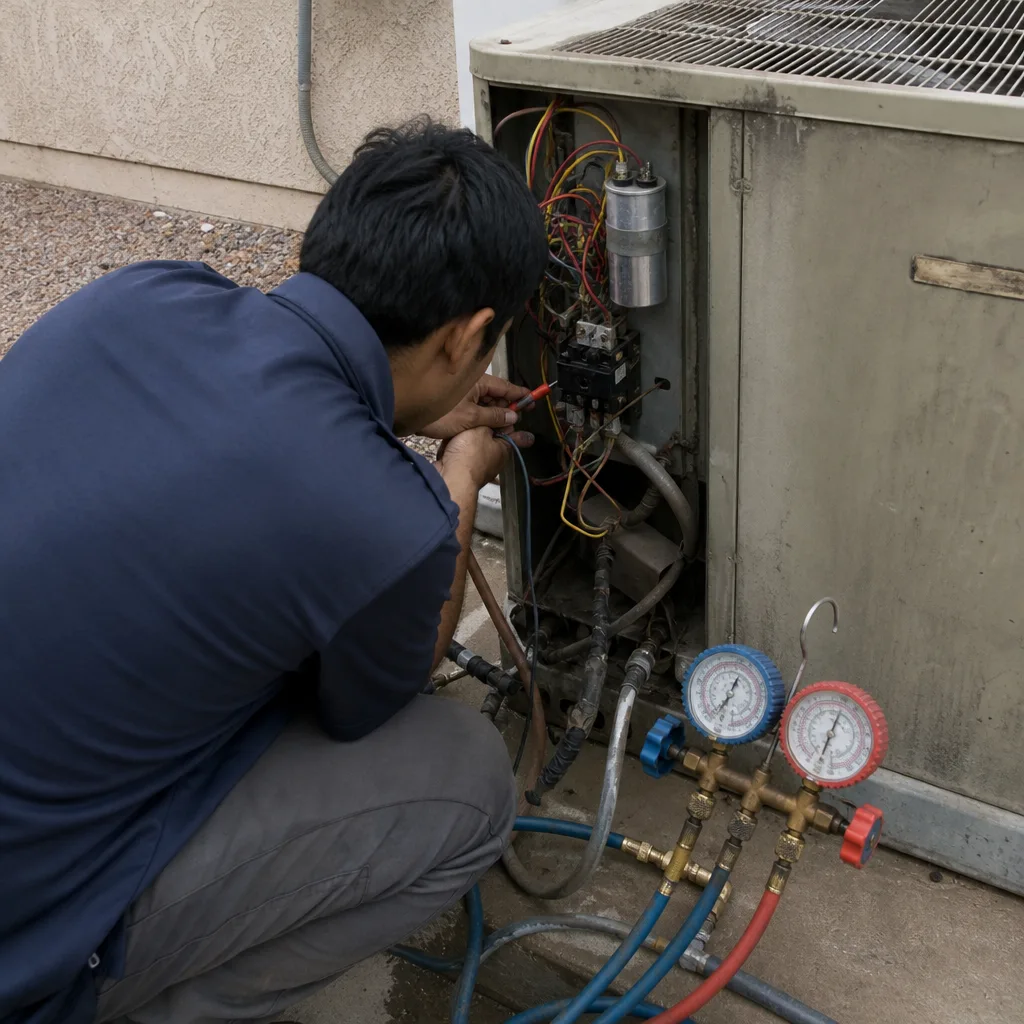
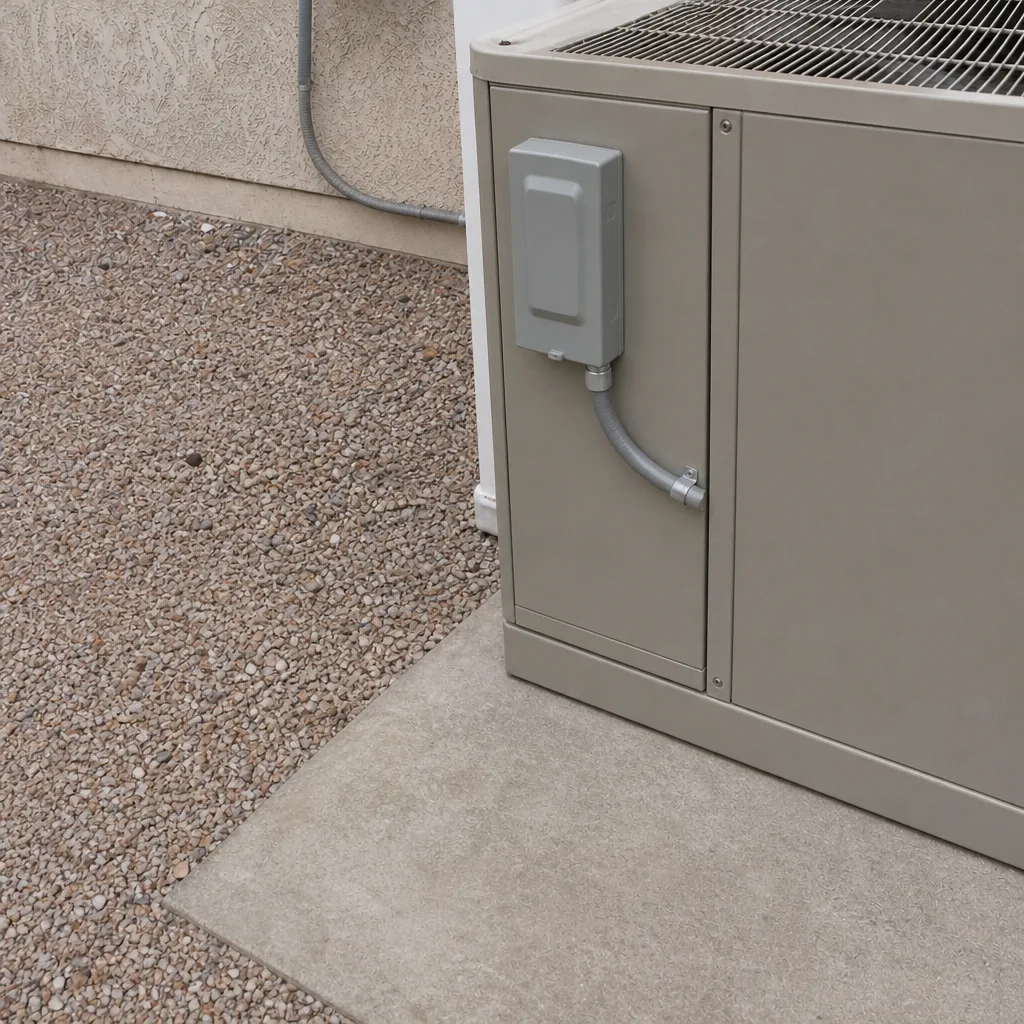
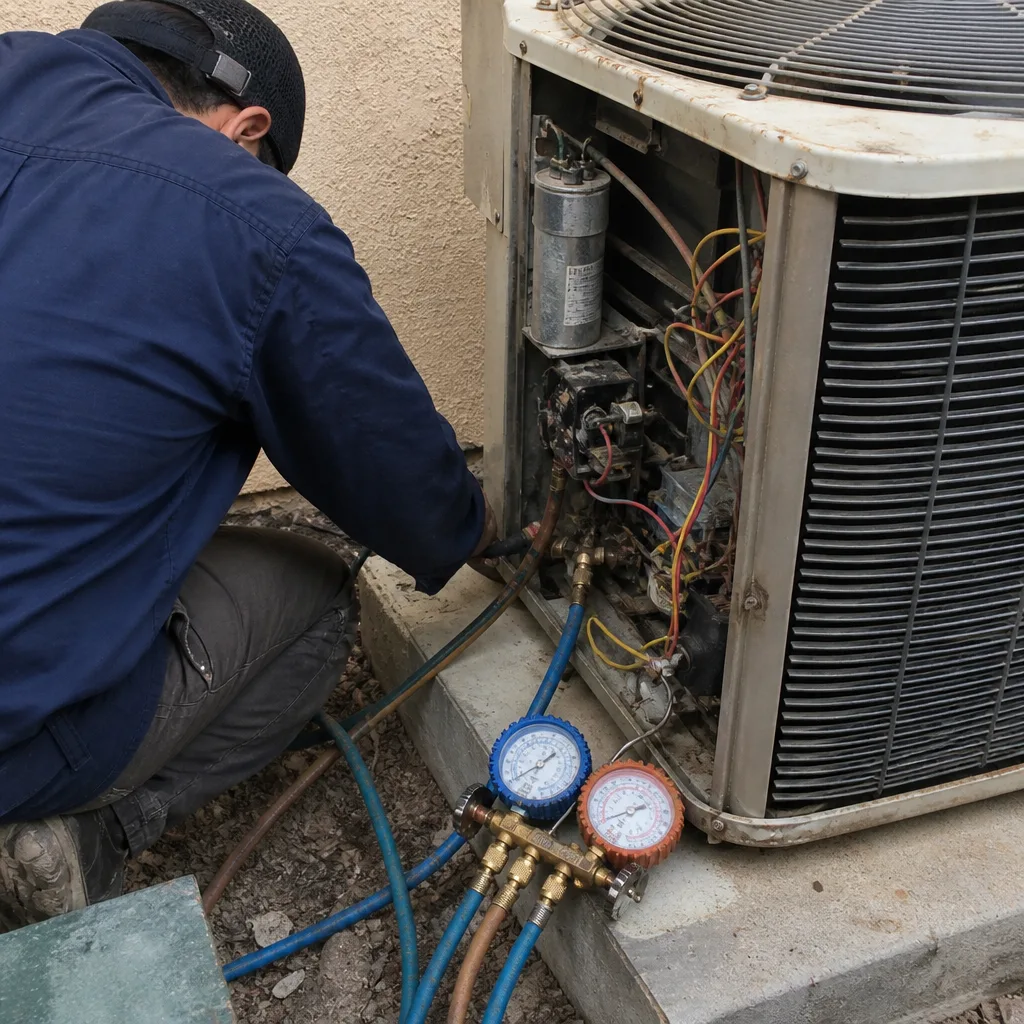
See the difference
 Before
 After
 Before
 After
 Before
 After
How Often to Replace an HVAC Air Filter in Summerlin, NV
The short answer: in Summerlin, replace your HVAC air filter every 30 to 60 days during cooling season and check it after every significant monsoon dust event, not on a fixed 90-day calendar. A 30-day-old MERV-8 filter can test at the same restriction level as a 90-day filter elsewhere after one July dust storm rolls off the Spring Mountains. If you’re not sure your filter is the problem, call (888) 325-9387 and we’ll tell you straight.
Summerlin sits above 3,000 feet against the Spring Mountains, and that elevation changes how filtration actually behaves here. The standard “change it every three months” advice was written for mild climates and low-dust homes. It does not hold up in a high-desert master-planned community where a single monsoon weekend can load a filter to capacity. This guide explains what we look for, how to time replacements, and when a filter issue is really something a technician should see.
Why the 90-day rule fails in Summerlin
Monsoon season runs roughly July through September, and the dust storms that roll through the valley carry caliche particles fine enough to coat a filter fast. Caliche is the calcium carbonate hardpan common in Southern Nevada soil. When it breaks down into dust, the particles are alkaline and very fine. A MERV-4 or MERV-6 filter, which is what a lot of original 1990s construction still has in the return grille, passes those particles right through. The filter looks clean. The evaporator coil underneath does not.
That is the part most homeowners miss. Filter neglect in Summerlin is not mainly a comfort problem. In August it is the leading cause of frozen evaporator coils and warm-air calls. A restricted filter starves the coil of airflow, the coil ices over, and suddenly the house is blowing 78-degree air on a 112-degree afternoon. In the transition months, a clogged filter at the first heating startup causes high-limit trips and cold-air complaints. Those two patterns account for a large share of the trucks we roll in April and November.
What to look for: a Summerlin filter checklist
Rather than counting days, watch for events and symptoms. This is the framing we use with homeowners in The Trails and The Crossing, where original 1990s units are still running and caliche dust has had decades to work its way into the system.
- After a monsoon dust event: pull the filter and hold it up to a light. If you can’t see light through it, replace it that day.
- First run of cooling season (April): fresh filter before you switch the system to AC.
- First run of heating season (November): fresh filter again. Heating season pulls a different dust load and a clogged filter trips high-limit switches.
- Monthly during peak cooling (June-September): a standing check, even if it looks fine. Fine caliche dust hides.
- Any warm-air or weak-airflow complaint: check the filter before you call anyone. It’s the cheapest thing to rule out.
What MERV rating should a Summerlin home use?
For most Summerlin homes, a MERV-11 or MERV-13 filter is the right balance. It captures caliche dust without over-restricting airflow in the flexible ductwork common to 1990s through 2010s master-planned construction. MERV-16 and above is where we start to see trouble: in older flex-duct systems, a filter that tight raises static pressure enough to strain the blower and shorten equipment life. If your system was sized for a cheap fiberglass filter, dropping in a high-MERV pleated filter can do more harm than good. That is a conversation worth having before you buy a case of them.
The air quality side of filtration runs deeper than the filter slot. If dust, allergies or ventilation are a recurring concern, our Air Quality & Ventilation in Summerlin page covers duct sealing, ventilation and the filtration upgrades that actually move the needle.
How often should you check the filter, honestly?
Check it monthly and replace on the schedule your home actually demands, which in Summerlin usually means more often than the box says. The practical tip we give every homeowner: keep four filters in the mechanical closet at the start of monsoon season. Not because you’ll use all four, but because replacing a clogged filter at 10 p.m. during a heat event should never be stopped by a trip to the hardware store. A filter you have on hand is a filter that gets changed.
Does a dirty filter really cost you money?
Yes, and faster than most people expect. A restricted filter makes the blower work harder, drops efficiency, and pushes the system toward the frozen-coil and high-limit failures described above. The good news is that a filter is the cheapest maintenance item on the whole system. A $89 seasonal tune-up from us includes checking filtration and airflow, so you’re not guessing. It’s a square deal compared to a mid-August emergency call.
Step by step: replacing your filter the right way
- Turn the system off at the thermostat before you open anything.
- Locate the filter slot, usually at the return grille or the air handler. Note the airflow arrow on the old filter.
- Slide the old filter out and check its face for the gray caliche film. That tells you how your home is loading.
- Match the size printed on the frame exactly. A filter that doesn’t seat lets dust bypass it.
- Install the new filter with the arrow pointing in the direction of airflow.
- Close the slot, restore power, and note the date. Write it on the frame edge so the next check is honest.
One caveat worth stating plainly: if you open the air handler and see a coil caked with dust, or if the system is short-cycling after a filter change, stop there. Coil cleaning and refrigerant work are jobs for a trained technician, and a 1990s unit undersized for today’s 110-degree summers deserves a professional look before you spend another season nursing it. Our Air Quality & Ventilation service covers the filtration and airflow side, and the broader home page lays out everything we handle across heating and cooling.
When a filter change isn’t the whole answer
Sometimes the filter is a symptom, not the cause. In Summerlin’s older villages, we regularly find original units that were sized for a milder era and are now straining to keep up with 110-degree afternoons. HOA rules in the gated communities can also dictate condenser placement and screen enclosures, which affects airflow and how easily the equipment can be serviced. That’s the kind of thing a filter box will never tell you.
We service Carrier, Trane, American Standard and the other major brands across the valley, and most jobs are done in a single visit. Every repair is backed by our 90-Day Done Right Promise: done right, or we make it right, in writing. If you’d like the airflow and filtration checked alongside your next tune-up, that’s exactly the kind of call we’re set up for.
FAQs
Every 30 to 60 days during cooling season, and after every major monsoon dust event, is the honest answer for Summerlin. The calendar-based 90-day rule doesn’t account for caliche dust and July-September storms that load a filter in a single weekend. Check monthly during peak heat and change when it’s restricted.
Yes. A clogged filter starves the evaporator coil of airflow, the coil ices over, and the system blows warm air even though it’s running. It’s the leading cause of August frozen-coil calls we see in Summerlin. Check the filter before you assume the refrigerant is low.
A MERV-11 or MERV-13 is the right choice for most Summerlin homes because it captures caliche dust without over-restricting airflow in older flex-duct systems. MERV-16 and above can raise static pressure enough in 1990s ductwork to strain the blower. When in doubt, match the rating to your duct system, not the highest number on the shelf.
Changing a filter is a safe homeowner job. But if you see a dust-caked coil, short-cycling, or warm air after a fresh filter, that’s a technician call. Call (888) 325-9387 for a free second opinion on any written estimate, and we’ll tell you whether it’s a filter, airflow, or something more.
If you’d rather have it looked at, Fireside Heating & Air Co. Summerlin offers a no-pressure assessment in Summerlin. A live person answers every call, day or night, and the price quoted is the price paid. Call (888) 325-9387 for a free estimate.
Written by the team at Fireside Heating & Air Co. Summerlin, serving Summerlin, NV.