
Last updated November 17, 2026
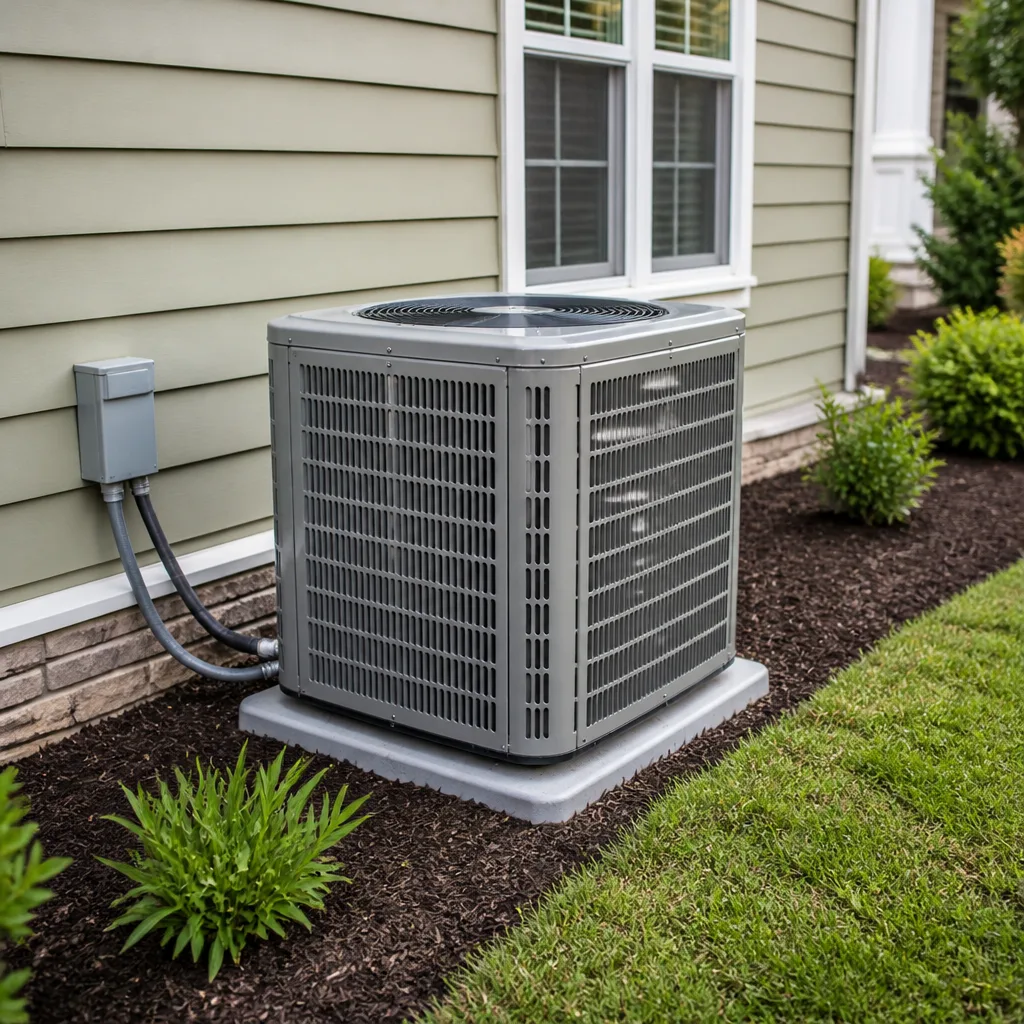 AC repair
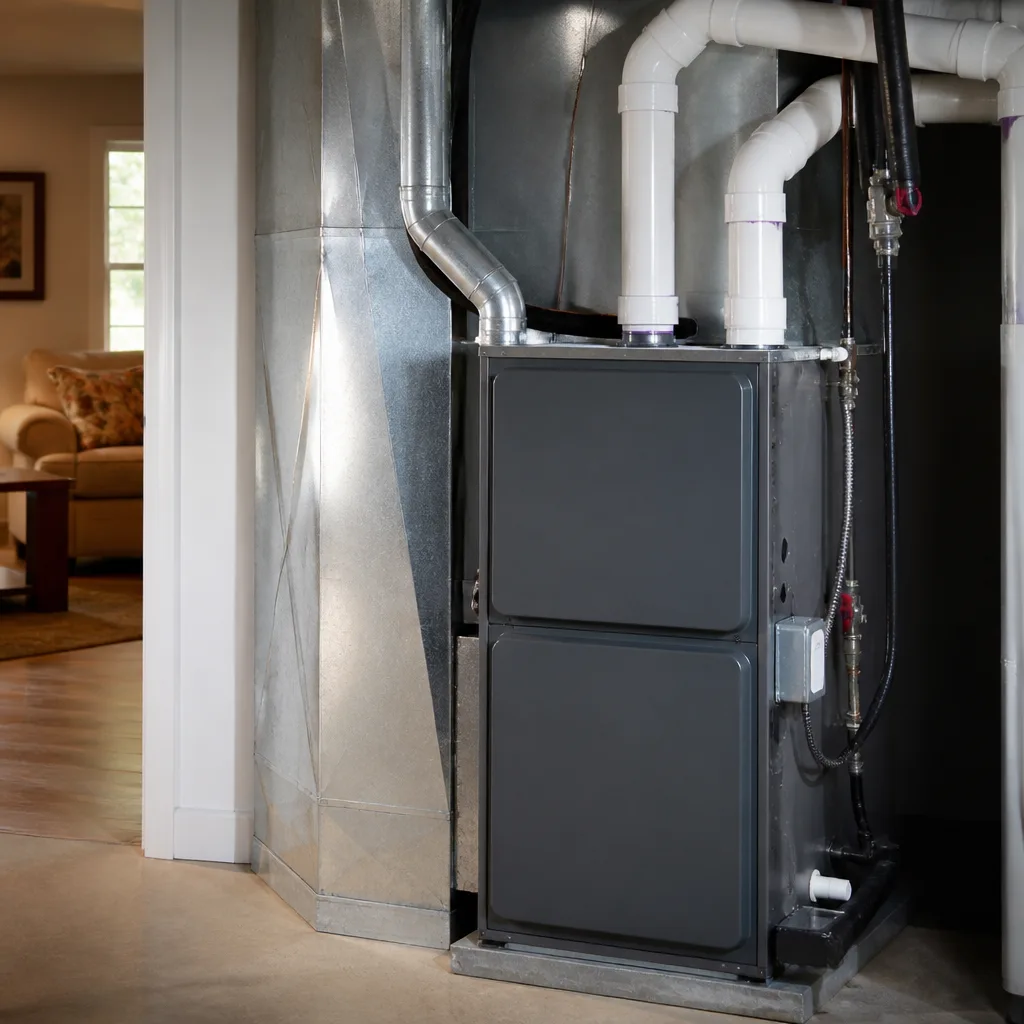 Furnace & heating
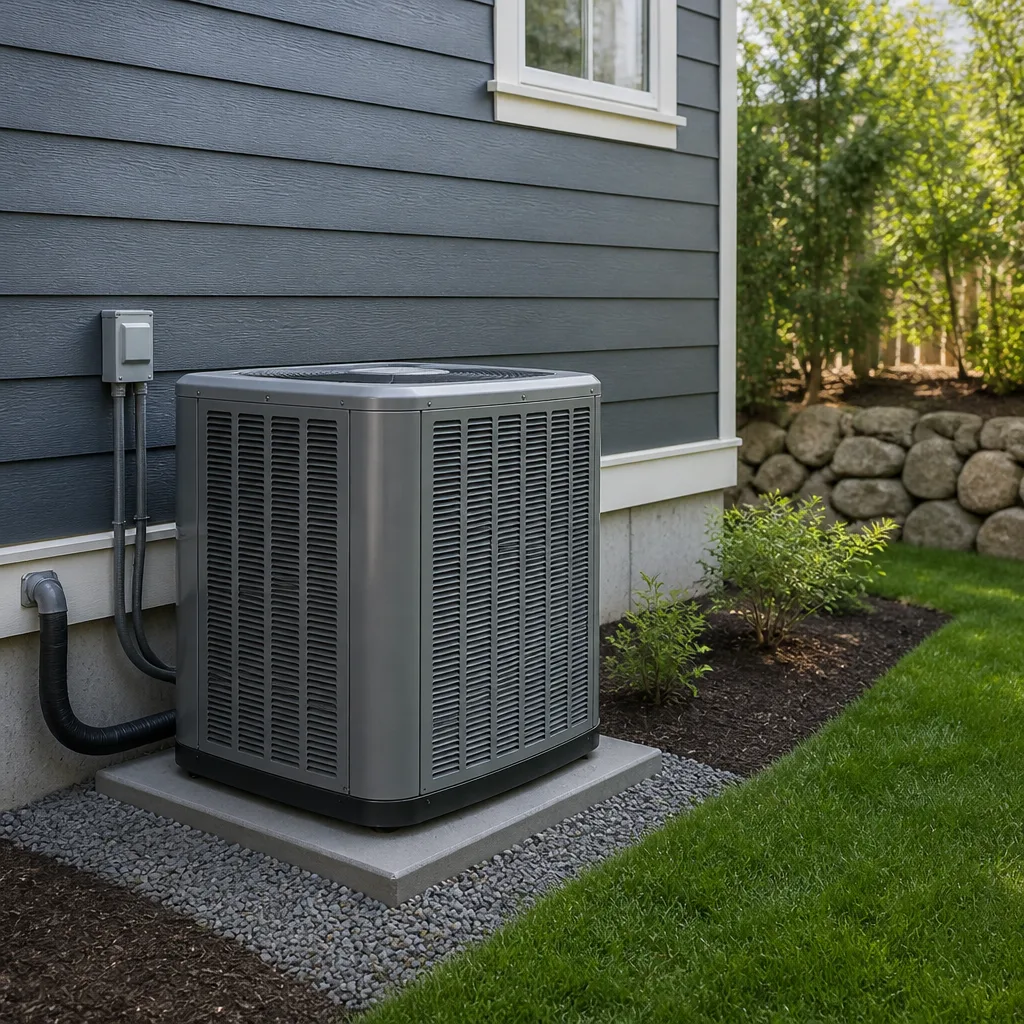 Heat pumps
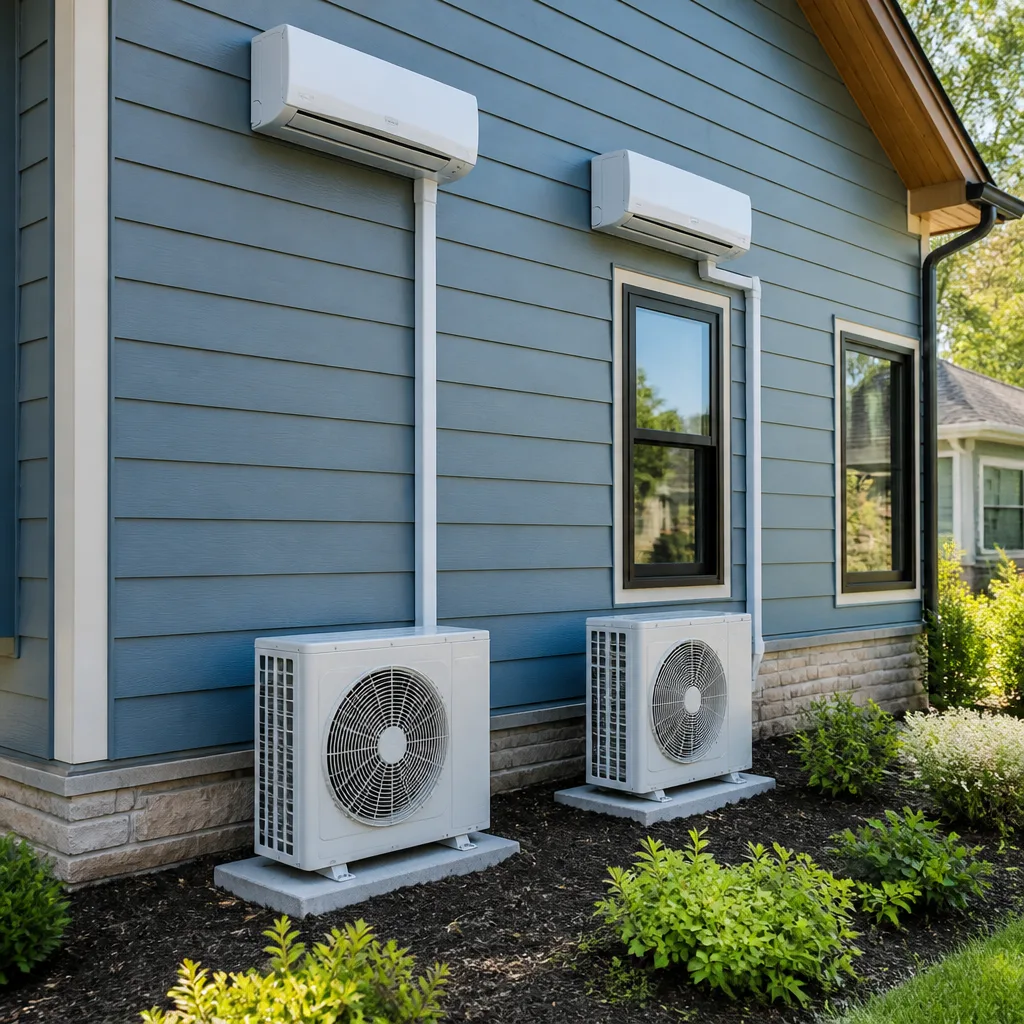 Ductless mini splits
 Carrier
 Trane
 Goodman
Seasonal tune-up and full diagnostic on your Carrier, Trane, or Goodman system - readings shown to you before any repair is proposed
Diagnosis first, numbers second - you approve the repair price before a single part goes in.
Get your free estimateAir Quality & Ventilation Warning Signs Every Homeowner Should Know
If two people in your home are waking up with dry throats every morning from November through March, there is a good chance your ventilation system is pulling in unconditioned attic air. Not because the desert is dry, but because a seal has failed. We’ve walked into Summerlin homes where the furnace filter looked fine, the thermostat read normal, and the family still felt miserable for three winters running. The culprit was a cracked return plenum pulling attic air into the living space. This guide is about telling the difference between desert dust and a system that is actually breaking down – and knowing which warning signs mean you have weeks to act versus days. You’ll learn what to look at, what to smell, what to listen for, and what to say to a technician so you get a real diagnosis instead of a sales pitch.
Quick Answer
The most important air quality and ventilation warning signs are: dust that returns within hours of cleaning, musty or chemical smells in specific rooms, condensation on windows in a dry climate, headaches or dry throats that vanish when you leave the house, and any gas appliance that produces soot or backdraft. Any one of those deserves a professional look. Two or more together usually means a failed seal, a blocked flue, or a duct problem that will cost far more to fix after a full cooling season.
Styles & brands we work with
- AC repair
- Furnace & heating
- Heat pumps
- Ductless mini splits
- Carrier
- Trane
- Goodman
Table of Contents
- Dust From Outside vs. Dust From Inside Your Ducts
- The Smells That Point to Specific Failures
- Humidity and Window Condensation in the Desert
- Carbon Monoxide and Combustion Risks in Tight Summerlin Homes
- The Sequence Warning Signs Follow – and Which Mean Days vs. Weeks
- Questions That Separate a Real Diagnosis From a Sales Pitch
- Common Mistakes to Avoid
- Frequently Asked Questions
Dust From Outside vs. Dust From Inside Your Ducts
Summerlin sits at the edge of the Mojave, and dust is simply part of living here. But there is a real difference between ambient dust that settles on a shelf and dust that is being manufactured inside your own system and blown back into the room. Ambient dust is even and gray. Duct-origin dust is darker, often appears in streaks near supply registers, and comes back within hours of a cleaning.
How to tell them apart:
- Timing. If dust returns to a freshly wiped surface within a few hours of the system running, the source is downstream of the filter – inside the ducts or the air handler cabinet.
- Location. Streaking around one or two supply registers points to a specific loose joint or a torn duct liner. Even dust on every surface points to filtration or a return-side leak.
- Color and texture. Brown or fiberglass-flecked dust often means deteriorating internal duct insulation, which is common in older Summerlin homes where the original flex duct is now twenty-plus years old.
- Filter bypass. Pull the filter and look at the frame. If you can see daylight around the edges, air is bypassing the filter entirely and pulling dust straight into the coil.
In our experience, the single most common cause of “sudden” dust in a Summerlin house is a disconnected or crushed flex duct run in the attic. Summerlin attics hit 150 degrees and hotter in July. That heat hardens flex duct, and a run that was taped twenty years ago can separate at a fitting and start dumping attic insulation dust into a bedroom. A proper duct inspection is the only way to confirm it, and it’s the kind of work our AC repair and installation team in Summerlin handles routinely.
The Smells That Point to Specific Failures
An odor is the most underused diagnostic tool a homeowner has. “Bad air” is not a diagnosis. A specific smell in a specific room at a specific time is. Here is what the common ones mean:
- Musty, damp-earth smell near a register. Usually a wet evaporator coil or a drained pan that is not draining. In Summerlin, condensate lines clog with dust and biological growth, and the pan overflows into the cabinet.
- Rotten-egg smell near a gas furnace or water heater. This can indicate a gas leak. Leave the house and call your gas utility from outside. Do not flip switches.
- Dry, metallic, or “hot dust” smell when the heat first runs in fall. Often normal for one cycle, but if it persists across multiple run cycles, suspect dust burning off a heat exchanger or an overheating blower motor.
- Chemical or plastic smell that comes and goes with the AC. Frequently a failing capacitor, a scorched wire, or refrigerant oil residue. Not a scent to live with.
- Stale, “closed-in” smell in one bedroom only. Often that room is not getting enough return air, which raises pressure and pulls air from a wall cavity or attic.
One detail we’ve learned in Summerlin: a “smell” that only appears when the outdoor temperature climbs above 105 is often a refrigerant issue rather than an air quality one. The system runs longer, the coil ices or the charge drops, and the airflow gets warm and humid. If a smell tracks with heat, mention that timing to the technician.
Humidity and Window Condensation in the Desert
Summerlin averages around 15 to 20 percent relative humidity most of the year. So condensation on the inside of your windows in January or July is not weather. It’s a sign your indoor humidity has climbed, and that usually comes from one of four places:
- A clogged condensate drain. The pan fills, the cabinet stays wet, and the system recirculates moist air.
- An oversized air conditioner. It cools the house too fast to remove moisture, so the house feels cold and clammy at the same time.
- Duct air leaks pulling in attic or crawlspace air. Summerlin attic air is hot and dusty; in winter, it can be cooler and damper than the house.
- Bathroom and kitchen exhaust fans venting into the attic instead of outside. This is more common than you’d think in older Summerlin homes, and it puts moisture into the exact space where the HVAC equipment lives.
A house that feels “sticky” in a dry climate is a house with a mechanical problem, not a weather problem. If you’re also seeing short cooling cycles where the AC blasts cold and shuts off before the house reaches the set point, that combination points to oversizing or a charge issue – the kind of thing our heat pump and mini split team checks first on recent installs.
Carbon Monoxide and Combustion Risks in Tight Summerlin Homes
Carbon monoxide is the warning sign you cannot smell, taste, or see, and it’s the one Summerlin homeowners underestimate most. Two things make it a real risk here. First, many Summerlin homes run gas furnaces, gas water heaters, gas ranges, and gas dryers. Second, newer and remodeled Summerlin homes are built tight – spray foam, sealed attics, improved windows. Tight construction is good for efficiency and terrible for combustion safety if a flue or vent is not drafting correctly.
What to watch for:
- Headaches, dizziness, or nausea that improve when you leave the house and return when you come back.
- Soot streaks or black residue around a furnace flue or the top of a water heater.
- A backdraft test result showing the flue pulling air the wrong way when the dryer or bath fan runs.
- A yellow or lazy gas flame instead of a crisp blue one.
Any of those merits a same-day call. Install CO alarms on every level and near sleeping areas if you don’t have them, and have gas appliances checked annually. We are licensed and insured and will tell you plainly if a furnace is unsafe to run. This is not a DIY inspection; combustion testing requires a trained technician with the right instruments, and the consequences of getting it wrong are not worth it.
The Sequence Warning Signs Follow – and Which Mean Days vs. Weeks
Air quality problems rarely appear all at once. They follow a pattern, and that pattern tells you how much time you have. Here is the sequence we see most often in Summerlin:
- Stage 1 (weeks to months). Dust returning quickly, a slightly higher energy bill, one room that never feels quite right. This is usually a seal, a filter, or a duct issue. It does not require an emergency call, but it should get scheduled before summer.
- Stage 2 (weeks). Musty smell, condensation on windows in the wrong season, or a room that stays humid. This suggests a coil, drain, or return-air problem. Failing to act here is how you turn a $200 drain clearing into a $1,800 cabinet and coil replacement.
- Stage 3 (days). Soot, backdraft, intermittent headaches, or a smell that appears only when the heat runs. This is combustion territory and needs prompt attention. Shut off the gas appliance if you suspect it and call.
- Stage 4 (hours). A CO alarm sounding, a strong gas smell, or visible smoke. Leave the house. Call the gas utility or 911 from outside.
Most callers we talk to are in Stage 1 or 2 without realizing it. That’s the good news. Stage 1 and 2 problems are almost always cheaper to fix in March than in August, when every Summerlin HVAC company is slammed and emergency premium pricing applies.
Questions That Separate a Real Diagnosis From a Sales Pitch
If you describe “headaches and a musty smell” over the phone and the first thing a company does is quote a full system replacement, you are being sold to, not diagnosed. A real technician starts with measurements. Here are the questions to ask before anyone touches your equipment:
- “Can you show me the readings?” Static pressure, temperature split, CO readings, and a combustion analysis are all numbers on a gauge or meter. Real technicians take them and will walk you through them.
- “What specifically do you think is wrong, and what test would confirm it?” A diagnosis is testable. A pitch is not.
- “Will you inspect the ducts and the attic, or just the equipment?” If the answer is only the equipment, you may miss the actual source.
- “Is this a repair or a replacement, and can you explain why replacement is required?” For air quality issues, replacement is rarely the first answer.
- “What’s the written price, and what does it cover?” We quote a no-hassle upfront price on every job – the price quoted is the price paid, full stop. Ask every company you call to do the same.
One more question: “Are you background-checked and uniformed?” If a technician is coming into your home and eventually into your attic, you deserve to know who is walking through your door. Our technicians are background-checked, uniformed, and trained to put on shoe covers without being asked.
Common Mistakes to Avoid
- Blaming Summerlin dust for everything. A dusty house in Summerlin is normal. Dust that returns within hours after you wipe the shelf is not, and treating it as “just the desert” is how you let a torn duct run blow insulation into your bedroom for another season.
- Cranking up the humidifier in winter to fix dry throats. If the dry throat comes from attic air leaking in through a cracked return, adding a humidifier treats the symptom and adds moisture to the wrong places.
- Changing the filter and calling it air quality work. Filters are important, but a MERV 13 filter jammed into a return that was designed for MERV 8 can choke airflow, raise static pressure, and actually reduce ventilation.
- Skipping the annual furnace inspection because the heat “still works.” Combustion safety issues do not announce themselves. A furnace can run and still be venting carbon monoxide into your home.
- Sealing up a tight house even tighter without addressing fresh air. New windows, spray foam, and weatherstripping are good upgrades, but at some point you need an intentional path for fresh air. Tight homes need ventilation, not more sealing.
- Letting an exhaust fan vent into the attic. It’s a cheap install shortcut that puts moisture right next to the equipment and encourages mold. It should vent outside.
- Waiting until July to call about a Stage 1 problem. March appointments are cheap and easy. July 4th weekend appointments are neither. Call in the shoulder season.
When to Call a Professional
Call a professional for any of the following, without trying to diagnose it yourself: a CO alarm sounding, a gas or rotten-egg smell, visible soot or backdraft around a gas appliance, headaches that ease when you leave the house, condensation on windows in a dry season, or dust returning within hours of cleaning. Also call if you’ve noticed one room that is consistently humid or stuffy while the rest of the house feels fine – that pattern almost always points to a duct or return issue rather than an equipment failure. And call if it’s simply been more than a year since your heating system had a combustion safety check. These are the calls worth making early, before they turn into a summer emergency.
Fireside Heating & Air Co. Summerlin offers free estimates in Summerlin – call (888) 325-9387 and a live person will answer, day or night. Every job is backed by our 90-Day Done Right Promise, in writing, with no paperwork to argue about. If it’s not done right, we make it right.
For heating-side issues like a furnace that won’t stay lit or a heat exchanger concern, our heating and furnace team in Summerlin handles those calls routinely. We’re trained to service nine major brands, including York, Daikin, Bryant, and American Standard, so you don’t need to find a brand-specific specialist.
Frequently Asked Questions
The first signs are usually dust returning within a few hours of cleaning, a stuffy or musty smell in one room, and condensation on interior windows in a dry climate. Any one of those deserves a professional look. Two or more together usually points to a specific mechanical issue – often a failed duct seal or a clogged condensate drain – rather than a general “bad air” problem.
Some dryness is normal in the desert, but a dry throat that appears every morning from November through March and clears once you leave the house is not weather – it usually means your system is pulling in unconditioned attic air through a failed seal. Call (888) 325-9387 for a free estimate and we’ll tell you what we find.
Duct leaks show up as dust streaks near supply registers, rooms that are consistently stuffy or humid, and higher energy bills without a price change. A duct inspection with a pressure test confirms it; visual inspection alone often misses disconnected runs in the attic. Call (888) 325-9387 for a free estimate.
It’s more serious than most homeowners realize, because newer Summerlin homes are built tight and combustion appliances need proper draft to vent safely. Soot, a yellow flame, backdraft during dryer or bath fan use, or headaches that clear when you leave the house are all reasons to call for a combustion safety check today. Call (888) 325-9387.
Most air quality and ventilation issues are repair problems, not replacement problems – a duct seal, a clogged drain, a filtration upgrade, or a combustion check will fix the majority. Replacement enters the conversation when the equipment itself is failing (refrigerant leak, cracked heat exchanger, aged compressor) or when a duct system is so compromised that rebuilding it isn’t worth it. A written second opinion is free with any written estimate. Bring us another company’s quote and we’ll tell you straight whether it’s a repair or a replace. Call (888) 325-9387.
For most Summerlin homes, a properly sized high-MERV filter plus sealed ducts solves the majority of the problem. Whole-home purifiers and UV systems help in specific situations – allergies, pets, immune-compromised family members – but they’re the wrong first dollar to spend if the ducts are leaking. Get the ducts checked first, then decide on filtration. Call (888) 325-9387 for a free estimate.
The Bottom Line
Air quality problems in a Summerlin home are almost never “just the desert.” They’re a specific, findable, fixable issue – a failed seal, a wet coil, a backdrafting flue, a disconnected duct run. Pay attention to timing (when dust returns), location (which room, which register), and smell (which scent, at which season). Those three clues will tell you more than any gadget. Stage 1 and Stage 2 warning signs give you weeks to act; Stage 3 and 4 mean days or hours. The cheapest repair is always the one caught early, and the surest way to catch it early is to have a technician actually measure your system instead of guessing at it.
If you’d like that check, we’d be glad to come out. Fireside Heating & Air Co. Summerlin is a Summerlin home HVAC company with technicians who have up to 8 years of experience, a live person answering every call around the clock, and a 90-Day Done Right Promise on every job. Call (888) 325-9387 for a free estimate, or to ask a question before you decide anything. We’re happy to talk it through.
Written by the team at Fireside Heating & Air Co. Summerlin.
See the difference
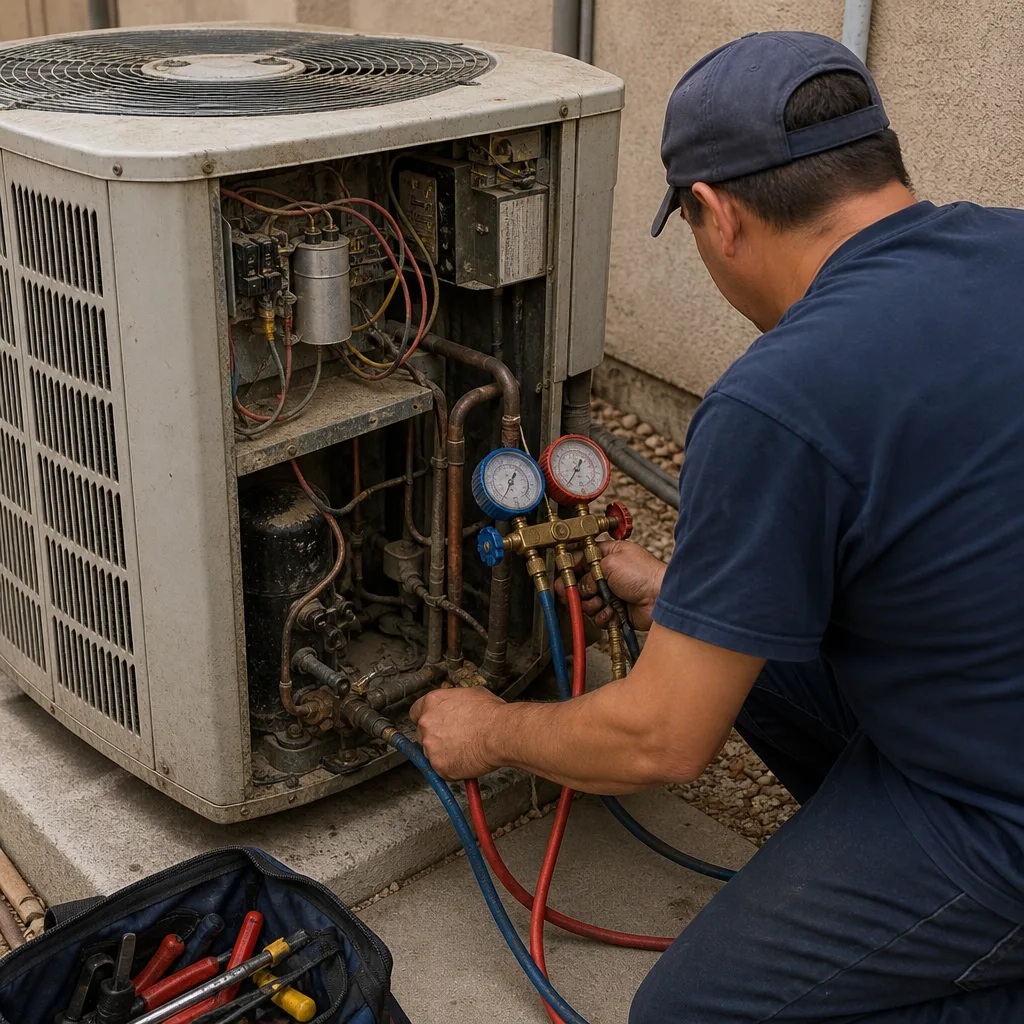 Before
 After
 Before
 After
 Before
 After