
Last updated November 17, 2026
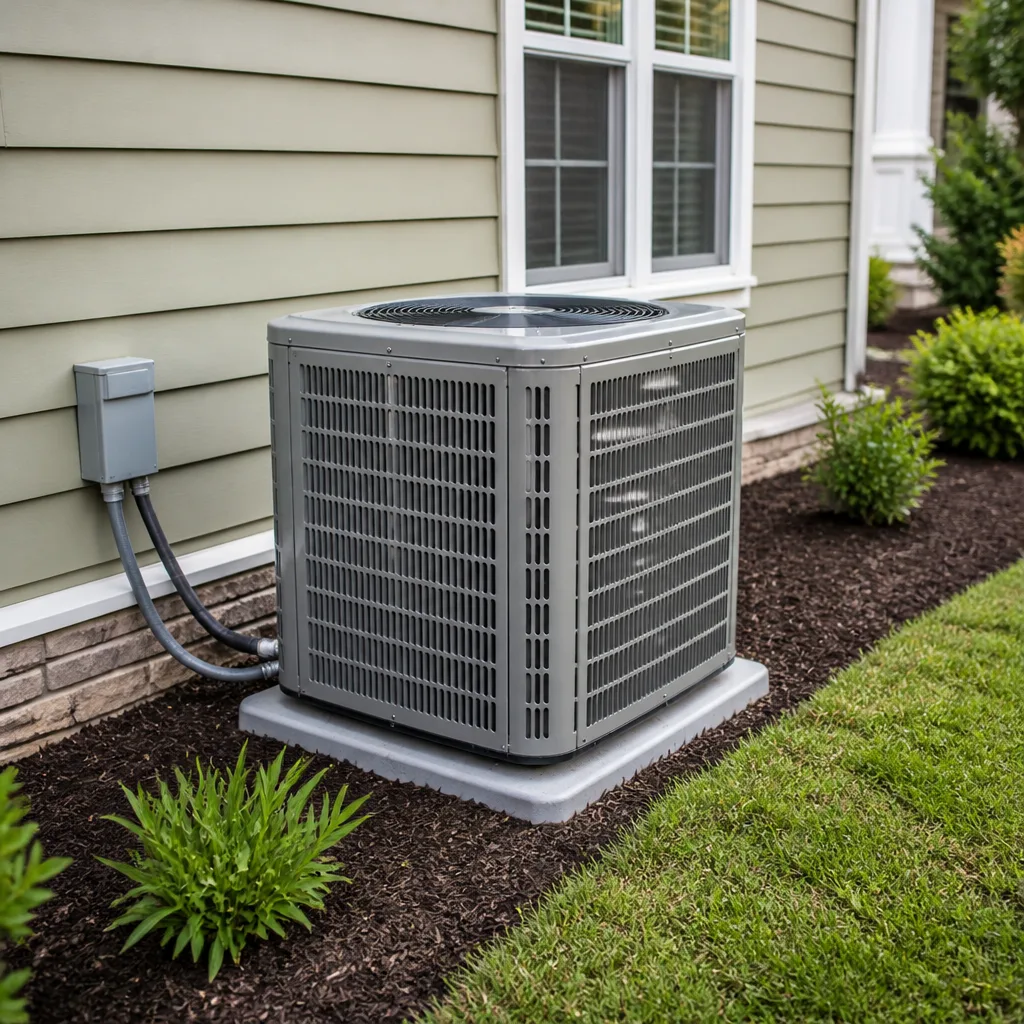 AC repair
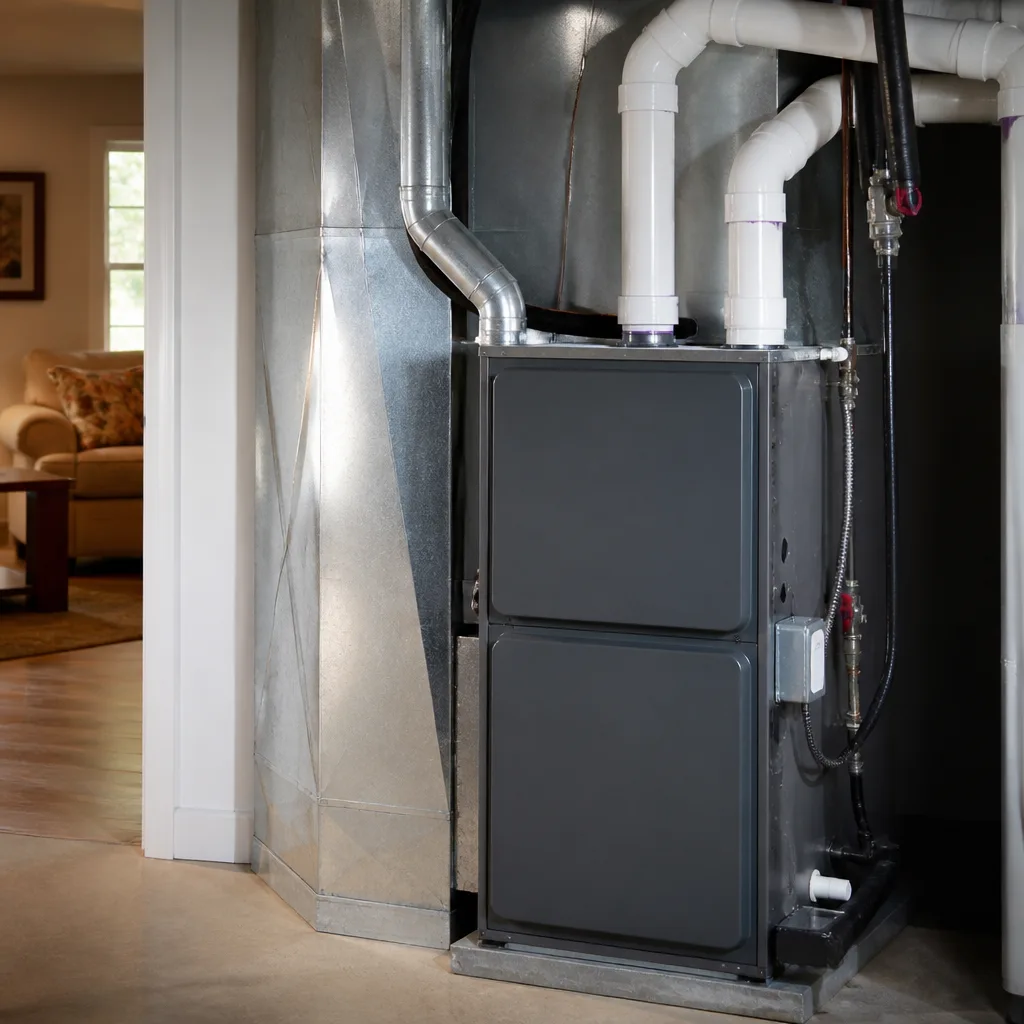 Furnace & heating
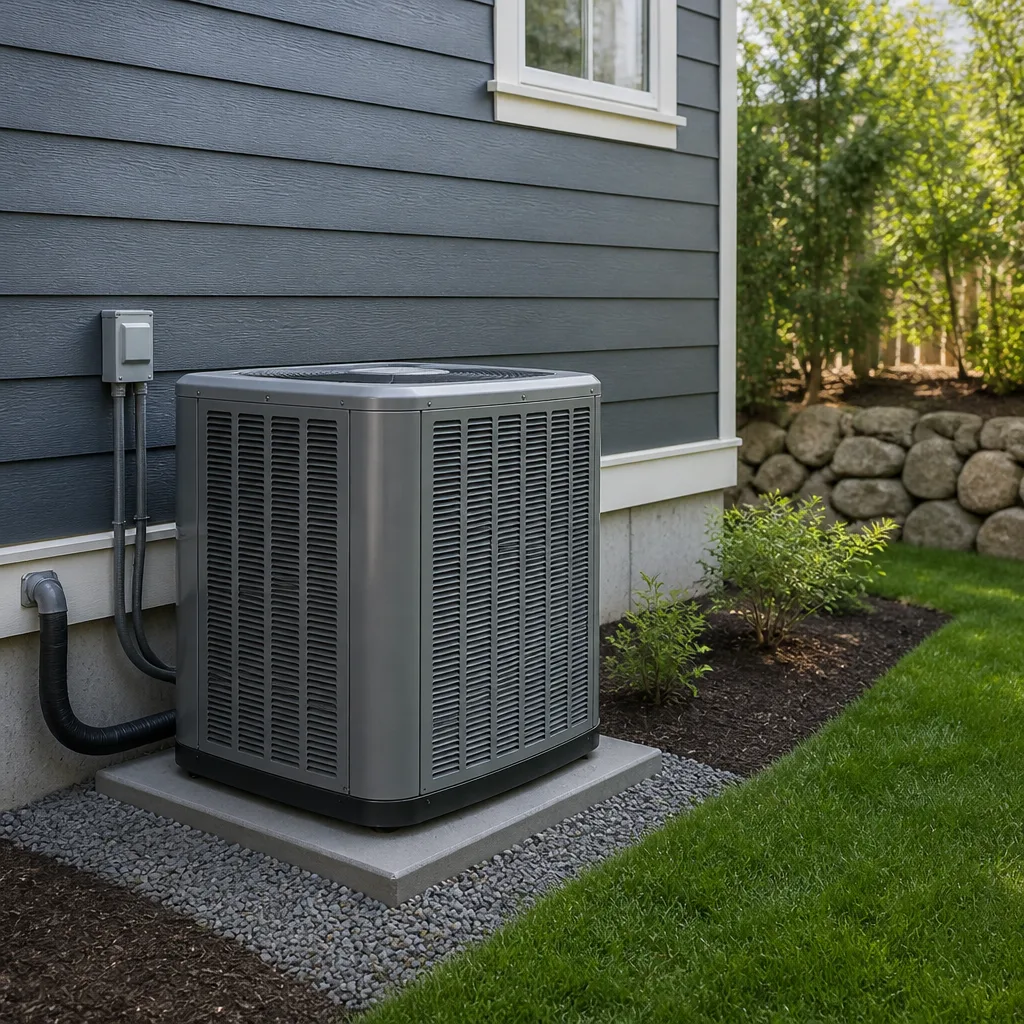 Heat pumps
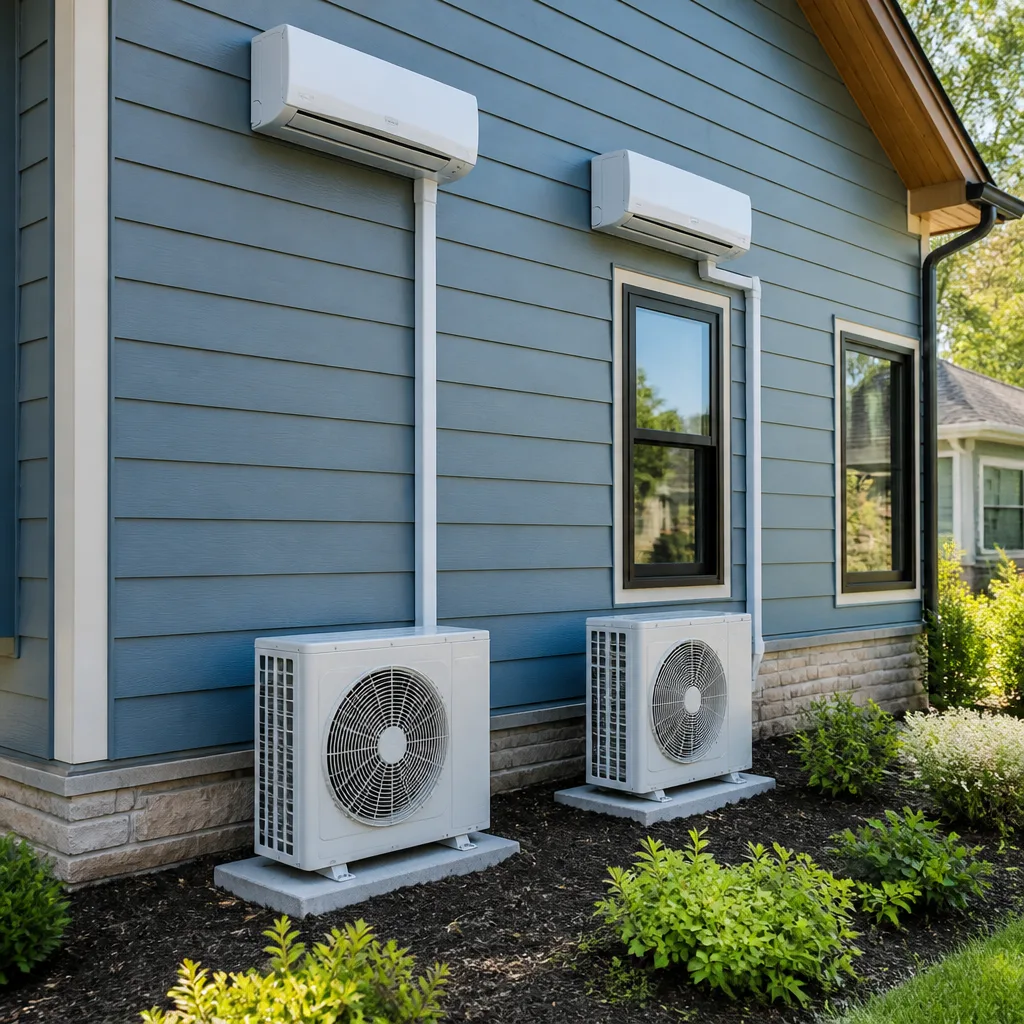 Ductless mini splits
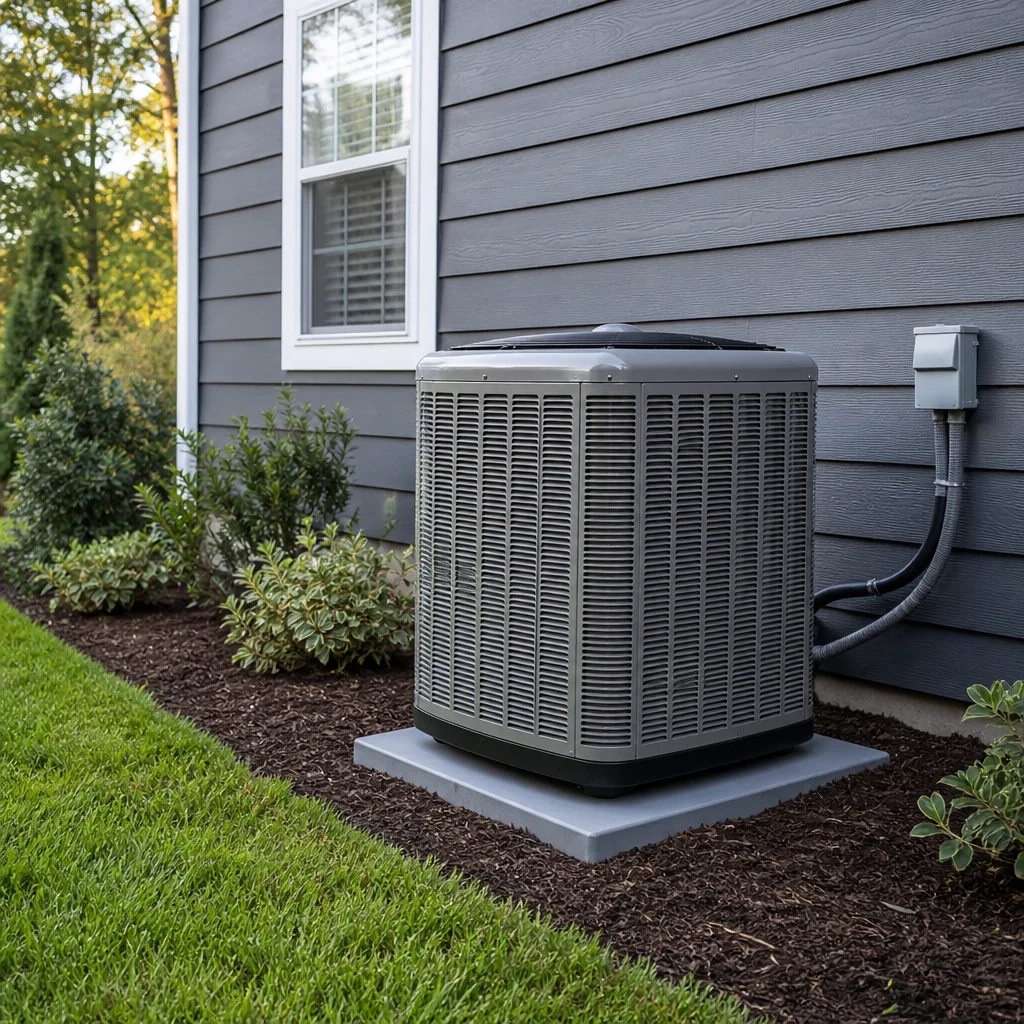 Carrier
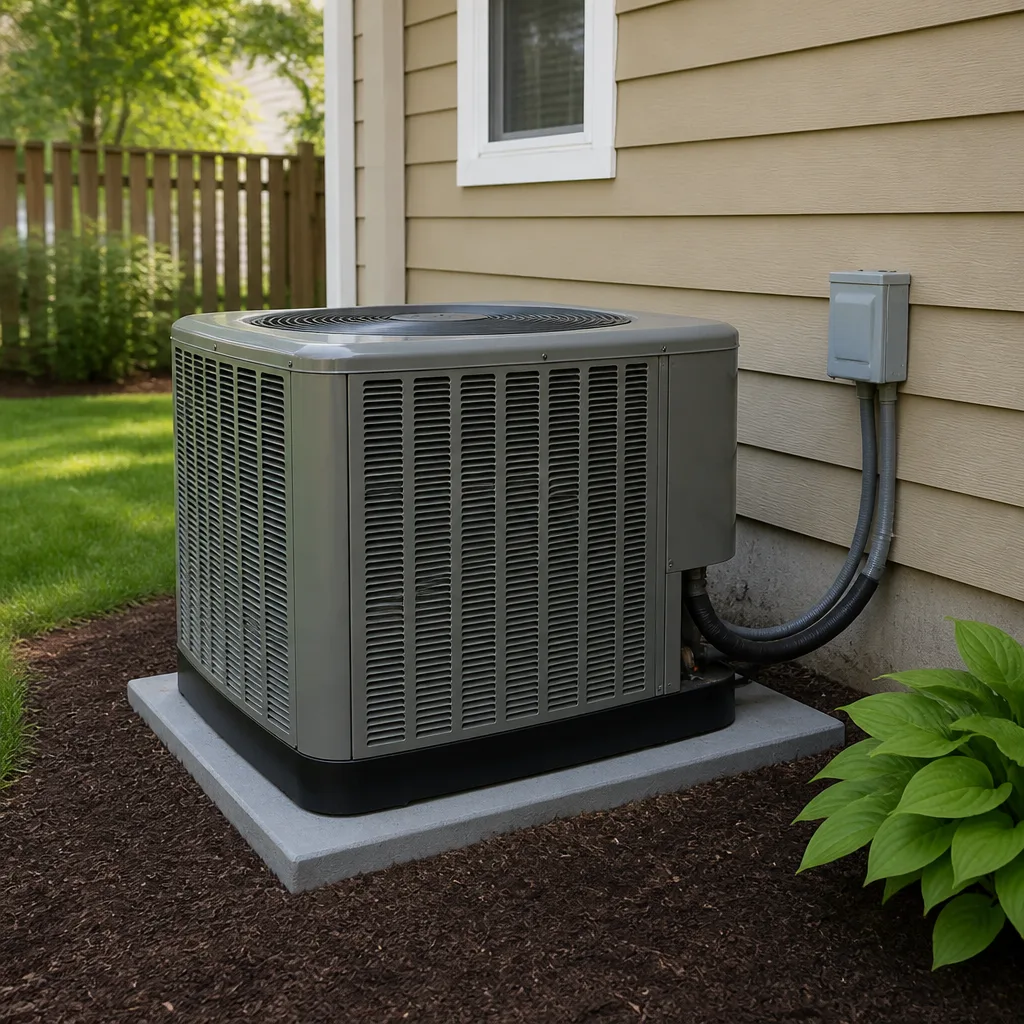 Trane
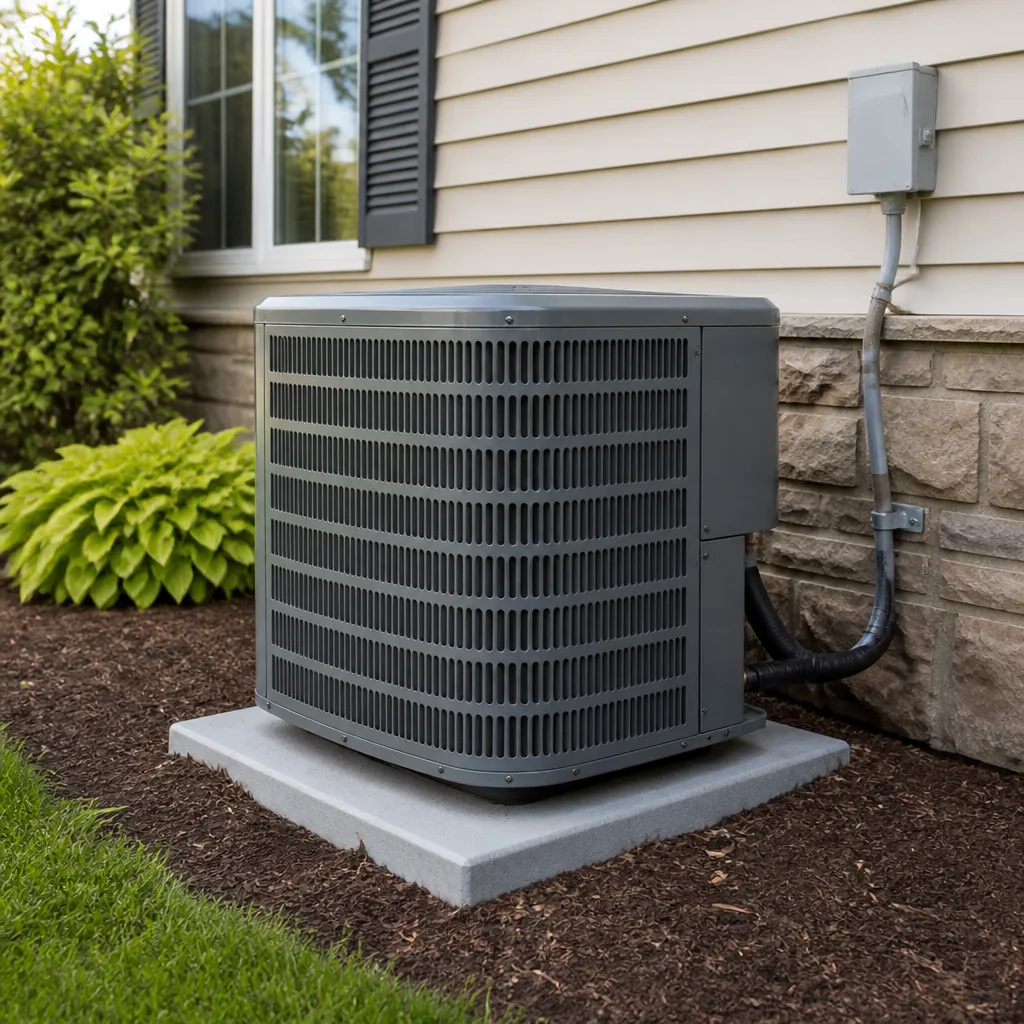 Goodman
Seasonal tune-up and full diagnostic on your Carrier, Trane, or Goodman system - readings shown to you before any repair is proposed
Diagnosis first, numbers second - you approve the repair price before a single part goes in.
Get your free estimateAir Quality & Ventilation Maintenance Schedule: What to Do and When
Summerlin’s annual particulate load runs roughly three times the national average, a byproduct of Mojave dust events that roll in off the desert floor every spring. Yet nearly every maintenance calendar you’ll find online was written for a house in Ohio, where the enemy is humidity and the rhythm of the year is built around mold and mildew. Here the enemy is grit, dry air, and a cooling season that pushes your system past 2,000 hours of run time. This guide rebuilds the schedule from the ground up for Summerlin conditions: what to check each month, which tasks compound when done together, and why the familiar “change filters every 90 days” rule quietly collapses every April and October.
Quick Answer
In Summerlin, plan on checking your air filter every 30 to 45 days from March through June, not every 90 days, and schedule a full ventilation and duct inspection twice a year: once in early spring before cooling season and once in late fall after it. The high-value tasks are filter changes during wind season, a pre-summer coil and duct-seal check, and a post-summer moisture-and-mold inspection. Everything else can ride a once-a-year cadence.
Styles & brands we work with
- AC repair
- Furnace & heating
- Heat pumps
- Ductless mini splits
- Carrier
- Trane
- Goodman
Table of Contents
- Why Desert Air Breaks the Standard Calendar
- The Filter Interval That Actually Fits Summerlin
- The Pre-Summer Checkpoint (March – April)
- The Post-Summer Checkpoint (October – November)
- Duct Seals and Low-Humidity Degradation
- Month-by-Month Task List for Summerlin
- Tasks That Compound vs. Tasks That Stand Alone
- When to Call a Professional
Why Desert Air Breaks the Standard Calendar
Most published maintenance schedules assume a temperate climate with moderate humidity and a filter that loads up on household dust and pollen at a predictable rate. Summerlin doesn’t work that way. Our air carries fine Mojave particulate for weeks at a stretch during spring wind events, then dries out to single-digit relative humidity for much of the rest of the year. Those two conditions attack your HVAC system in opposite directions, and they don’t line up with a national template.
The dust load matters most in spring. When a wind event pushes through the valley, your return-air filter can go from clean to nearly clogged in under three weeks. That’s a real problem here because your system is on the edge of cooling season, and a restricted filter makes the blower work harder at exactly the wrong moment.
The dry air matters most in the months that follow. Low humidity is hard on the things you can’t see: duct tape adhesive, mastic seals, the flexible connections at your air handler. It also means the ordinary moisture that would keep dust from sticking to a coil isn’t there, so the coil collects a dry film that insulates the fins and drags down efficiency. We’ve seen seven-year-old Carrier and Trane systems in Summerlin with coil films that would take fifteen years to build up in a wetter climate.
So the calendar has to be built for dust and dryness, front-loading work in spring and fall. The summer, counterintuitively, is when you mostly want to leave the system alone and let it run.
The Filter Interval That Actually Fits Summerlin
The “every 90 days” rule holds in a lot of climates. It fails in Summerlin, and it fails hardest in the spring. Here’s what our technicians actually recommend, based on what we find in homes across the valley:
- January – February: every 60 – 90 days. Low dust, low run time, filter loads slowly.
- March – June: every 30 – 45 days. This is your high-particulate window. During a major wind event, check the filter after the event clears and replace if it looks gray.
- July – September: every 45 – 60 days. The system runs constantly, so even moderate dust load translates to a dirty filter fast.
- October – December: every 45 – 60 days through the fall wind transition, then back to the 90-day cadence.
That’s roughly eight filter changes a year instead of four. A standard 1-inch pleated filter costs a few dollars, so the added expense is small compared to the cost of a frozen coil or a failed blower motor in July. If your home uses a thicker media filter (4- or 5-inch), you can stretch the interval, but you still want to check it on the spring-and-fall rhythm.
One more thing: the old “change it when it looks dirty” advice doesn’t work with the fine Mojave dust. It packs in tight and the filter face can look okay while the media behind it is loaded. Check the media, not the surface.
The Pre-Summer Checkpoint (March – April)
This is the single most important appointment on the calendar. Get it before the first week of sustained heat, because once summer hits, every HVAC outfit in Summerlin is booked out and a small problem becomes a mid-July emergency. Here’s the sequence we run:
- Replace the filter and inspect the filter grille for dust bypass around the edges. Bypass is common in older Summerlin homes where the grille gasket has dried out and shrunk.
- Inspect the evaporator coil for the dry dust film that builds up here. A dirty coil can knock 10 – 20% off your system’s efficiency, and the loss is invisible on your thermostat.
- Check condensate drain and pan. This sounds like a moisture task in a dry climate, but your AC coil generates condensate all summer, and a partially clogged drain line is the most common cause of a mid-summer shutdown we see.
- Inspect duct joints and connections at the air handler, plenum, and accessible runs. Dry air has been working on these seals for six months.
- Test the ventilation fans in bathrooms and kitchen. In a tight, well-sealed Summerlin home, exhaust ventilation is what removes cooking moisture and stale air. A fan that’s pulling 20 CFM instead of 80 isn’t doing the job.
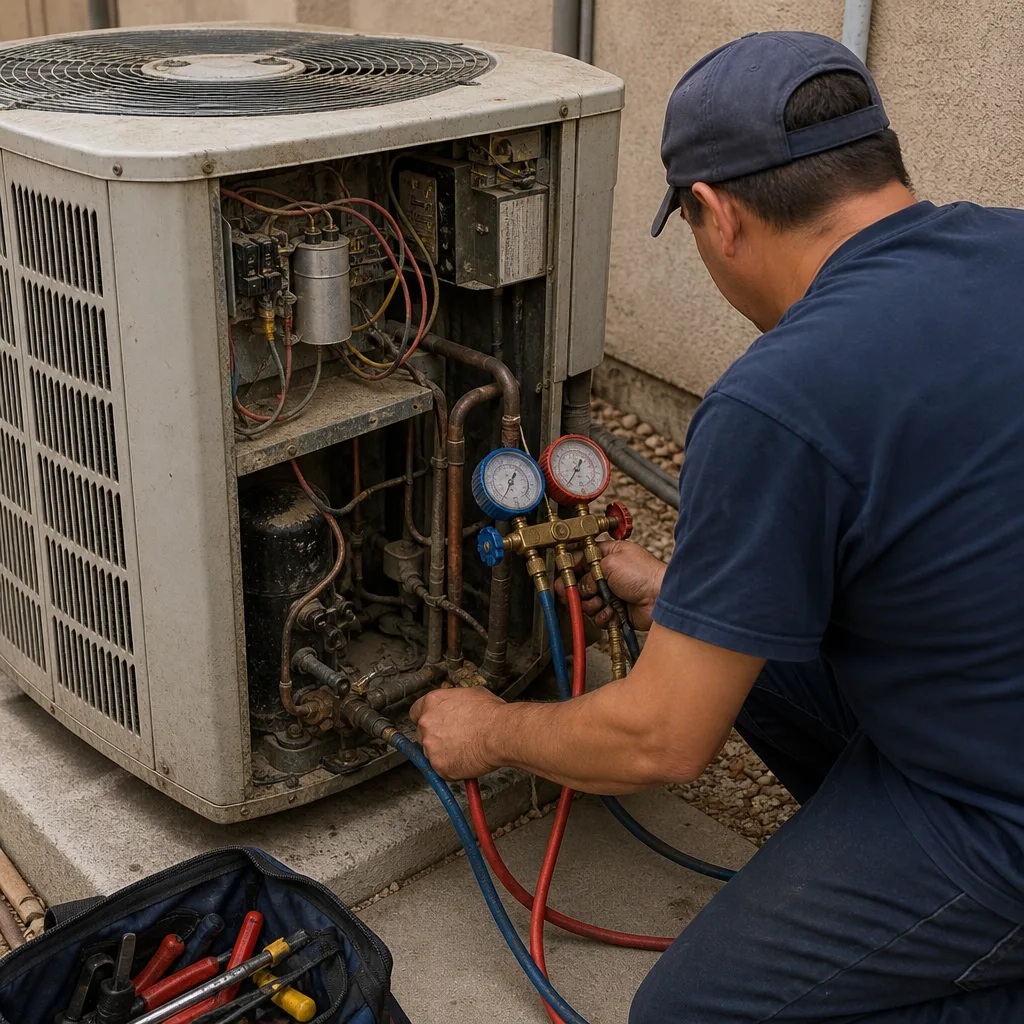
- Check refrigerant charge and system pressures. Undercharge going into summer worsens under load.
If you’re not comfortable doing the inspection parts yourself, this is the appointment that makes the whole year easier. Our seasonal tune-up covers the same list, and we write down what we actually found rather than handing you a generic checklist.
The Post-Summer Checkpoint (October – November)
The second critical appointment. After 2,000-plus hours of cooling, everything that was tight in April has been through a full season of thermal cycling. This is where you catch the problems that will fail in January instead of July.
- Inspect the coil again for buildup and any signs of microbial growth on the indoor coil or in the drain pan. Low humidity makes this uncommon, but it does happen when a drain has been slow all summer.
- Re-check duct seals. Thermal expansion and contraction over the cooling season is when seals that were fine in spring finally give. A loose joint on a supply run in an unconditioned attic is a serious efficiency loss and, in a home with a gas furnace, a genuine safety concern.
- Clean or replace the condensate drain trap. The trap holds a small amount of water year-round and can grow a biofilm that narrows the drain.
- Vacuum out the drain pan. Dry dust settles in it all summer.
- Test the furnace or heat pump before you need it. The first cold night in Summerlin is not the time to discover your heat isn’t working.
For homes with a heat pump or mini-split, the post-summer check is the one that catches reversing valve issues and outdoor unit coil fouling, both of which are more common after a long cooling season. We handle Heat Pump & Mini Split in Summerlin year-round, and this is the checkpoint we see the most benefit from.
Duct Seals and Low-Humidity Degradation
This is the failure mode Summerlin homeowners almost never see until their energy bill spikes. Duct sealing in a house is done with tape, mastic, or a combination, and every one of those materials depends on a certain amount of ambient moisture to stay flexible. In single-digit relative humidity, the adhesive on duct tape dries out and turns brittle. The mastic cracks. The flexible connection at the air handler heats and cools dozens of times a day and pulls gradually apart.
For two or three years, nothing happens. Then you notice a room that’s never quite as cool as the rest of the house, or a utility bill that’s climbed 15% for no obvious reason. What’s happened is that 10 – 25% of your cooled air is leaking into the attic or crawlspace through gaps you can’t see.
Here’s what to check, and what to leave to a professional:
- You can check: the visible duct connections at the air handler and plenum, the register boots where ducts meet the floor or ceiling, and any accessible flex duct in the attic. Look for gray tape that’s curling at the edges or mastic that has visible cracks.
- Leave to a professional: sealing or repairing any duct that connects to a gas furnace, and any concealed duct run. We’ve seen serious carbon monoxide incidents from a disconnected supply duct on a gas system, and that’s not a job for a homeowner with a roll of tape.
If you’ve noticed uneven cooling or a rising bill, a duct inspection is worth doing. Our technicians handle it as part of AC Repair & Installation in Summerlin, and we’ll tell you straight whether your seals are the problem or something else is.
Month-by-Month Task List for Summerlin
This is the calendar rebuilt for actual Summerlin conditions. Print it out and put it on the fridge.
- January: Replace filter. Check CO detectors and smoke detectors. Inspect bathroom exhaust fan for dust on the grille.
- February: Replace filter. Run a quick airflow check: hold your hand at each register, note any room that’s noticeably weaker than the others.
- March: Replace filter. Schedule your pre-summer service. Inspect the return grille gasket for bypass.
- April: Replace filter and check it again after any major wind event. Clean the outdoor condenser coil of winter dust and debris. Confirm the condensate drain runs freely.
- May: Replace filter. Test the AC on a warm afternoon before you need it in earnest. Note any unusual noise or short-cycling.
- June: Replace filter. This is the tail of your high-particulate window: do a final filter check.
- July: Replace filter. Check the drain pan under the air handler for standing water.
- August: Replace filter. This is the peak run-time month and filters load fastest here; don’t skip the check.
- September: Replace filter. Notice any change in cooling performance versus June.
- October: Replace filter. Schedule your post-summer service. Inspect visible duct seals.
- November: Replace filter. Test the furnace or heat pump before the first cold night.
- December: Replace filter. Clean bathroom and kitchen exhaust fan grilles. Check CO detectors again.
If you’re on a one-visit-a-year schedule and want to simplify, put the spring appointment first. Our Fireside Heating & Air Co. Summerlin home page lays out what’s included, and the Heating & Furnace in Summerlin service handles the fall half.
Tasks That Compound vs. Tasks That Stand Alone
Not every task on this calendar is worth bundling. Some compound in value when done together, and some are genuinely fine on their own. Knowing which is which saves you money and makes the schedule easier to actually keep.
These tasks compound – do them together:
- Filter change + coil inspection. A clean filter lets you see the coil’s actual condition. Doing them apart wastes the inspection.
- Duct seal inspection + airflow check. A weak register plus a loose joint is a diagnosis. A weak register alone is a guess.
- Pre-summer service + refrigerant check. The technician is already at the system with gauges connected. Adding the charge check costs almost nothing.
- Post-summer service + furnace test. Same visit, same tech, same diagnostic tools.
These stand alone fine:
- Filter changes. Do them on your own schedule when the dust is high. Don’t wait for a service appointment.
- Bathroom exhaust fan cleaning. A homeowner task, and ten minutes with a vacuum does it.
- CO and smoke detector checks. Monthly, independent of anything HVAC-related.
- Condensate drain flush. Quarterly, standalone, five minutes.
The practical takeaway: bundle the spring coil and duct work, bundle the fall seal and furnace test, and handle filters yourself on a tighter rhythm than a service visit would allow.
Common Mistakes to Avoid
- Following a national 90-day filter rule. In Summerlin, that’s four months too long for the spring window. During an April wind event, a filter can go from clean to clogged in three weeks.
- Treating the pre-summer service as optional. It’s the one appointment where a small fix prevents a mid-July emergency. Once cooling season starts, an HVAC repair in Summerlin can mean days of waiting.
- Ignoring the condensate drain because “it’s dry here.” Your AC coil produces condensate all summer, and a clogged drain is the most common cause of a shutdown we see in July and August.
- Assuming duct tape lasts forever. In low desert humidity, duct tape adhesive turns brittle within a few years. Sight-check your accessible connections every fall.
- Skipping the fall furnace test. The first cold night in Summerlin often arrives before homeowners have thought about their furnace. Running it once in October catches the problem while it’s convenient.
- Over-tightening the house. New windows, weather stripping, and spray foam make a house more efficient but also trap stale air. In a tight Summerlin home, your exhaust ventilation is doing more work than you think, and a weak fan throws that off.
- Buying the cheapest filter available. Standard fiberglass filters barely catch the fine Mojave dust. A mid-grade pleated filter catches far more without restricting airflow.
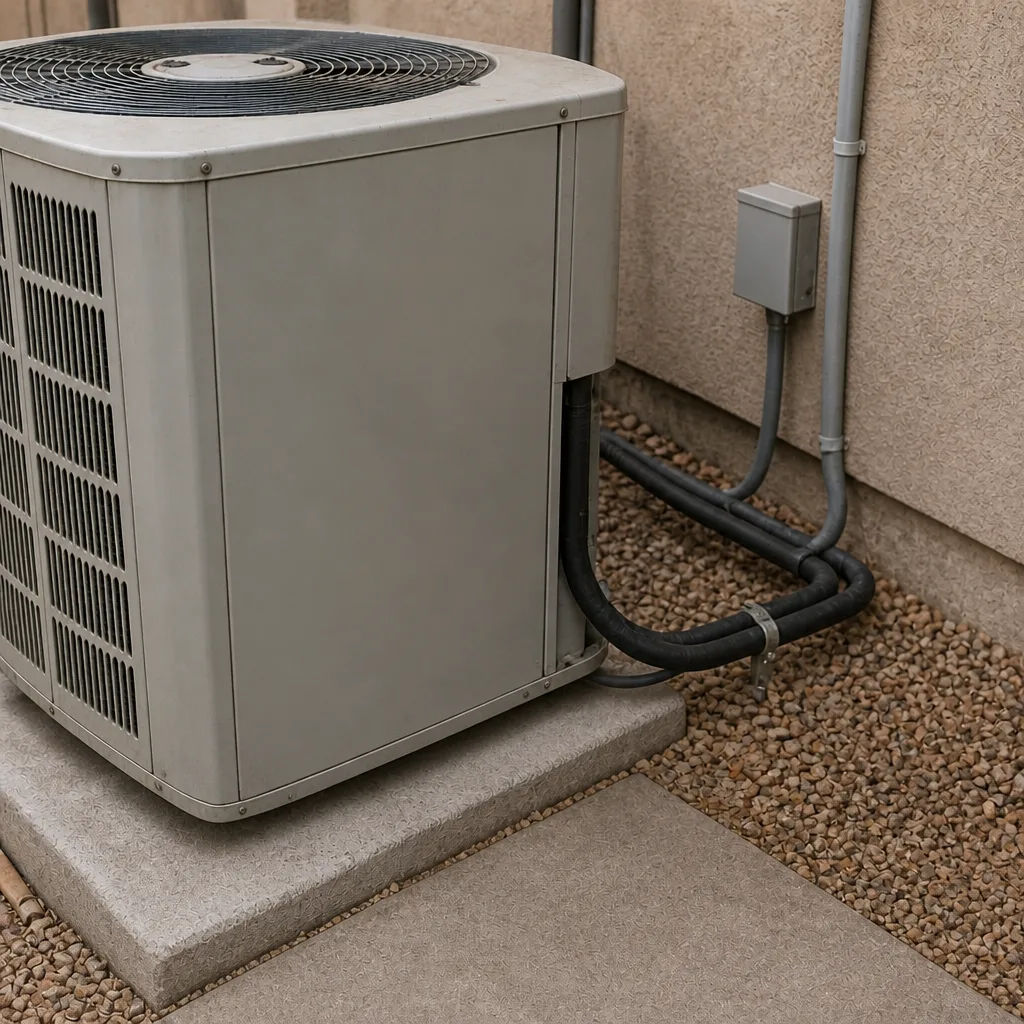
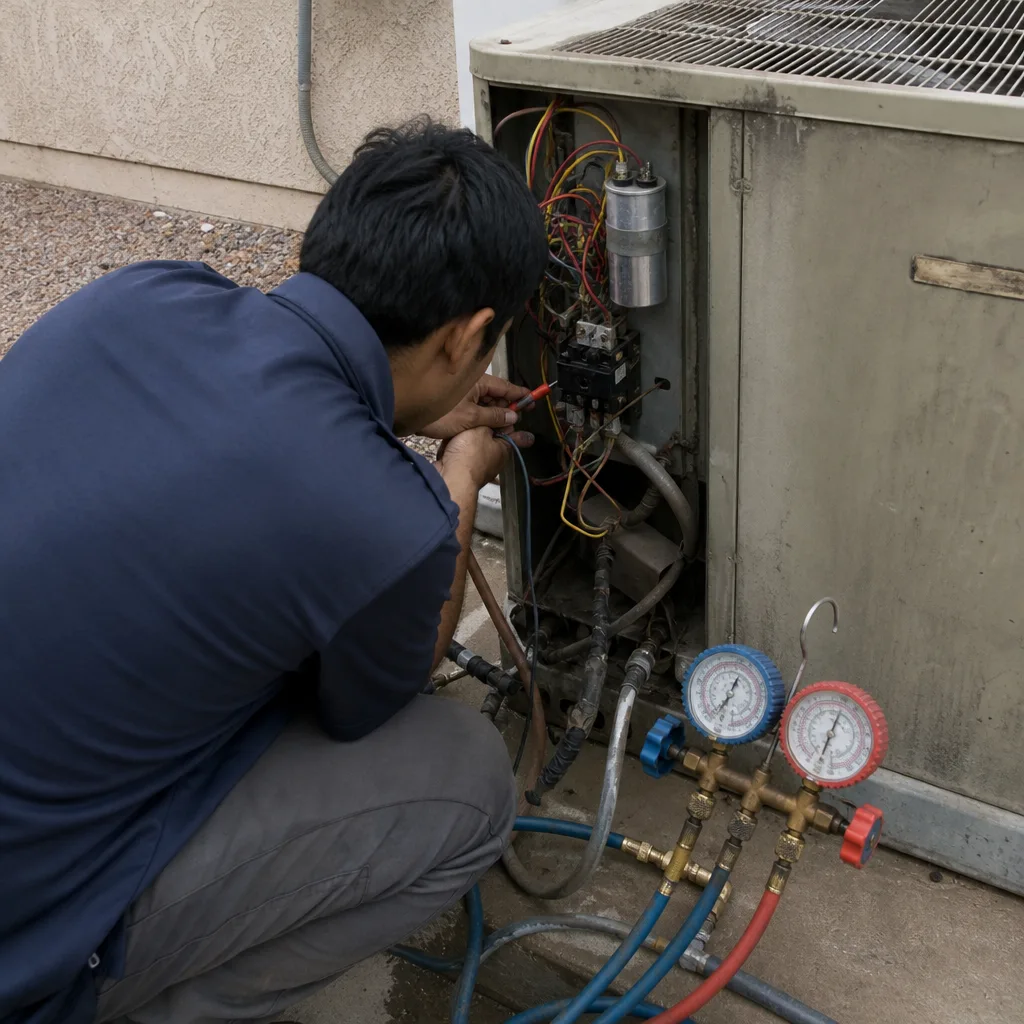
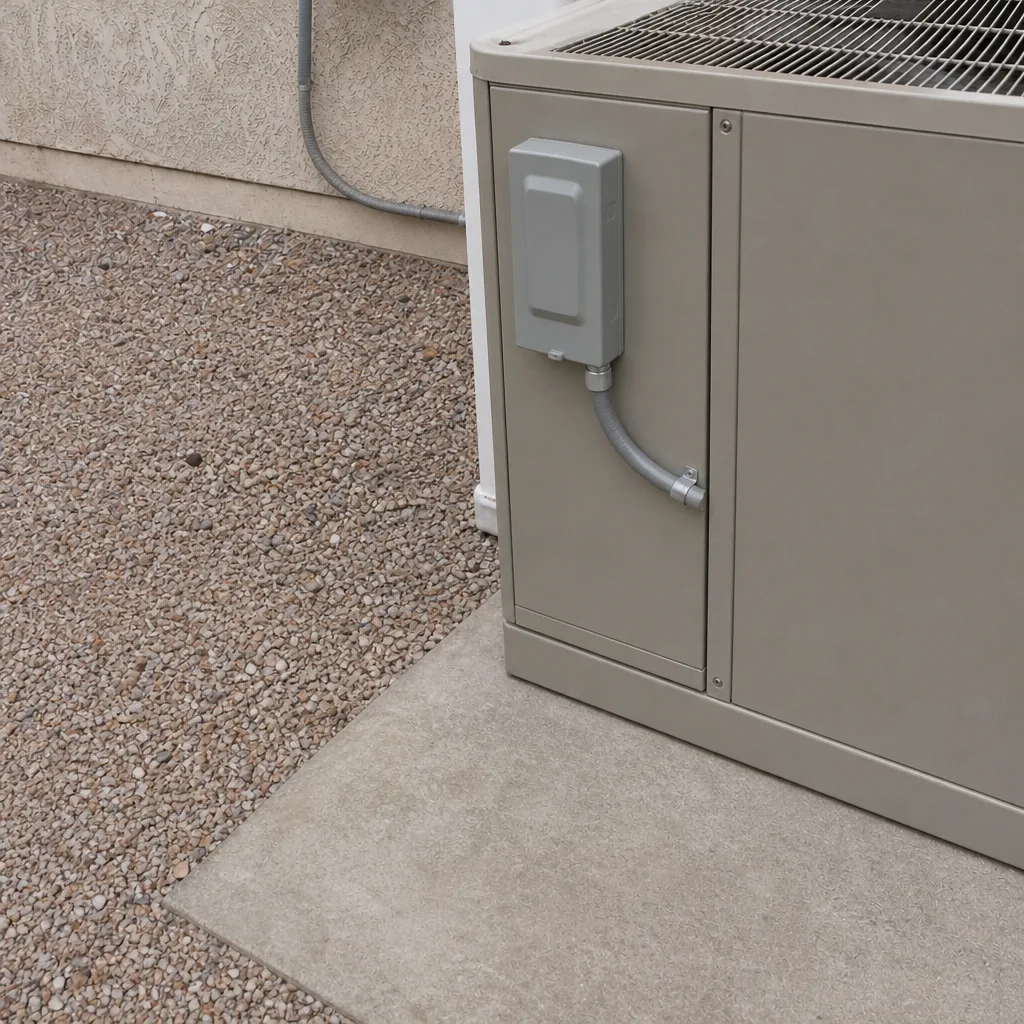
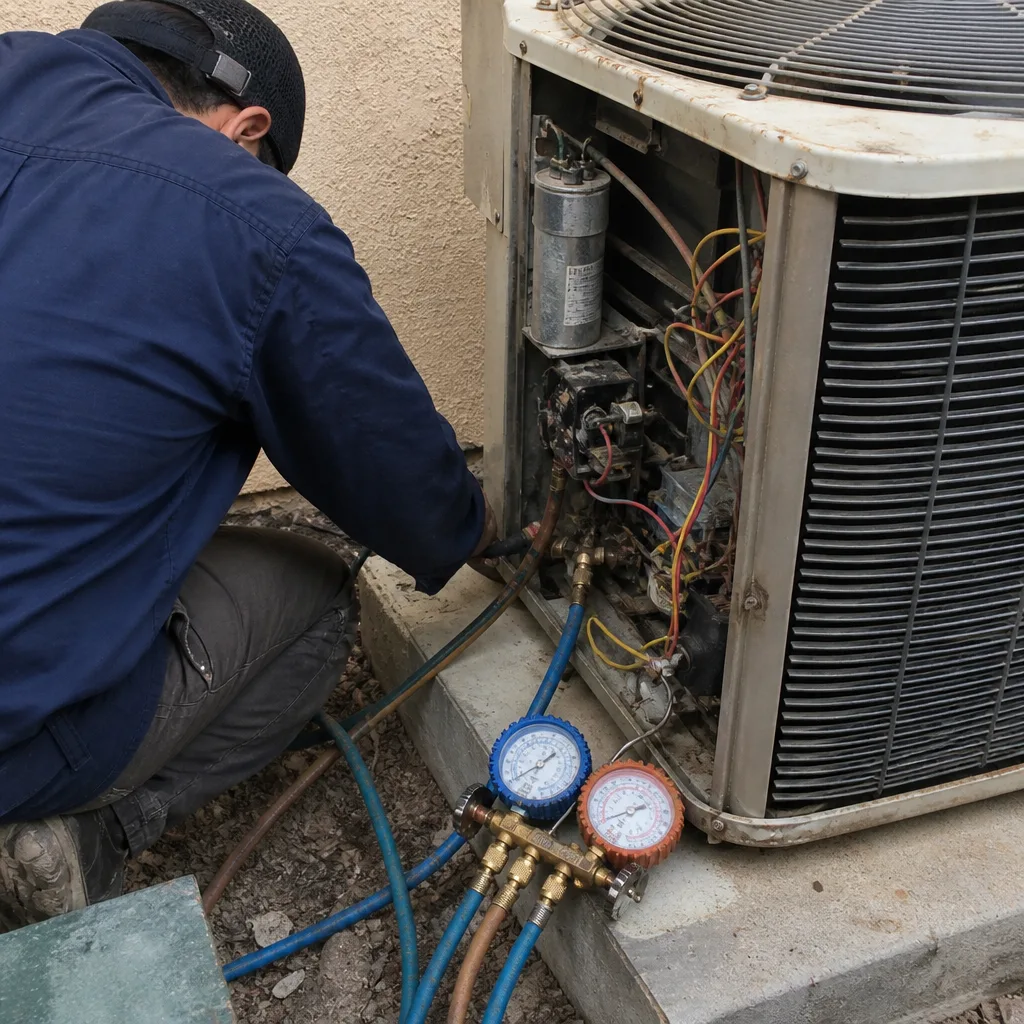
See the difference
 Before
 After
 Before
 After
 Before
 After
When to Call a Professional
Some tasks on this calendar are yours. Some aren’t. Call a professional if you see any of the following: water standing in the drain pan under the air handler, a smell coming from the vents that doesn’t clear with a filter change, a room that’s noticeably warmer than the rest of the house despite a clean filter, visible duct tape curling or mastic cracking at a gas furnace connection, or a utility bill that’s jumped 15% or more for no clear reason. Also call if you hear a new noise from the outdoor unit, or if your system short-cycles on hot afternoons. Fireside Heating & Air Co. Summerlin offers free estimates in Summerlin and a free second opinion on any written estimate you’ve already received. Call (888) 325-9387 and a live person will answer, any hour of the day.
Frequently Asked Questions
Plan on every 30 to 45 days from March through June, and every 45 to 60 days the rest of the year, plus an extra check after any major wind event. The standard “every 90 days” advice was written for climates with far less airborne particulate than Summerlin’s Mojave dust load. If you’re unsure whether your filter is actually loaded, check the media behind the frame, not the visible surface.
The most common cause in Summerlin is duct leakage from dried-out seals. Duct tape and mastic degrade faster in low desert humidity, and a 10 – 25% loss of cooled air going into the attic is invisible on your thermostat but very visible on your bill. A duct inspection is the right diagnostic step.
For most Summerlin homes, both are worth it. The spring service catches problems before the cooling season makes them emergencies, and the fall service catches duct-seal degradation, coil buildup, and furnace issues before the cold arrives. If one has to go, skip the spring at your own risk and never skip the fall furnace test.
Yes, just not the way humidity problems usually work. Low desert humidity doesn’t cause mold in the way humid climates do, but it dries out duct seals, shrinks return grille gaskets, and lets dry dust accumulate on the indoor coil as an insulating film. Each of these builds slowly and shows up as a rising bill or uneven cooling.
Over 2,000 hours in a typical cooling season, which is roughly double the national average. That run time is why filters load faster, coils collect more dry dust, and the post-summer checkpoint is genuinely important rather than just a manufacturer’s suggestion.
Our technicians are trained on nine major residential brands, including Carrier, Trane, Lennox, and Goodman. Most of the service calls we run in Summerlin are on those four, along with Rheem, York, Daikin, Bryant, and American Standard. We do the inspection and the repair in a single visit whenever the parts are available.
The Bottom Line
The maintenance calendar that works in Summerlin is built around dust and dry air, not humidity and mold. Front-load your filter changes in March through June, schedule a full pre-summer service in early spring, run a post-summer inspection in October or November to catch duct-seal degradation before the cold, and handle the small tasks (filters, exhaust fan cleaning, drain flush) yourself on a tighter rhythm than an annual visit allows. The system expenses you avoid are the emergencies that arrive in mid-July when every technician is booked. A written schedule and a company you actually trust are what keeps the whole thing running.
If it’s time for your spring or fall service, or you’ve noticed something you want a professional eye on, call (888) 325-9387 for a free estimate. We answer the phone 24 hours a day, and every job is backed by our 90-Day Done Right Promise in writing.
Written by the team at Fireside Heating & Air Co. Summerlin.